Reasons for the Ineffectiveness of Trump’s “Economic War” against Iran
SCFR Online – Opinion: The intensification of U.S. sanctions against Iran on the eve of the U.S. midterm elections indicates Washington’s inability to achieve its war objectives.


SCFR Online – Opinion: The intensification of U.S. sanctions against Iran on the eve of the U.S. midterm elections indicates Washington’s inability to achieve its war objectives.

SCFR Online – Opinion: The competition between Washington and Beijing over chips and artificial intelligence, simultaneously with the shifting of technological balances, has taken on new economic and security dimensions.
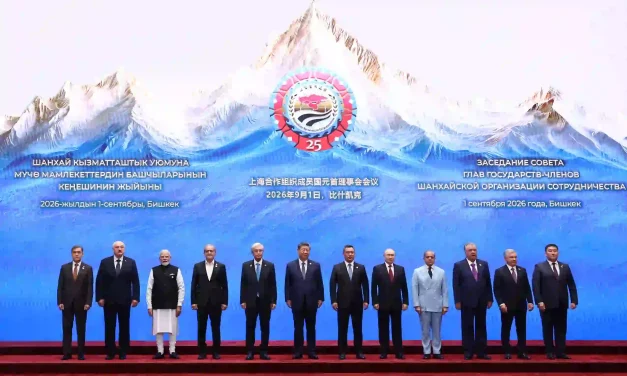
SCFR Online – Opinion: The Shanghai Cooperation Organization summit has created a new opportunity for Iran to transform its membership from a political achievement into economic and transit cooperation.
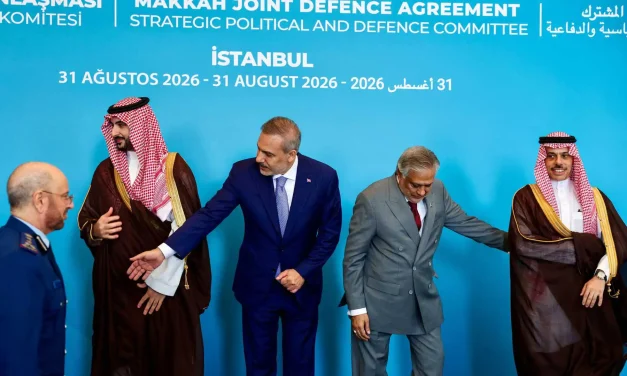
Strategic Council Online – Note: The Makkah Defense Pact can be seen as a sign of regional countries’ efforts to reduce security dependence on extra-regional powers and redefine the balance in West Asia.
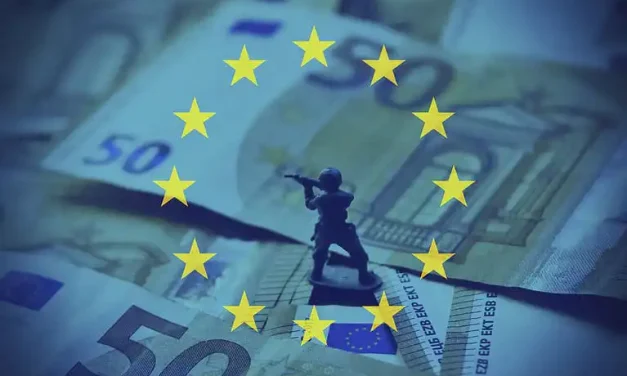
SCFR Online – Opinion: The Ukraine war, by exhausting US military capability on one hand and strengthening European defense capacity on the other, has altered the balance of power in the European continent, cast uncertainty over NATO’s future, and is driving it toward a European NATO.
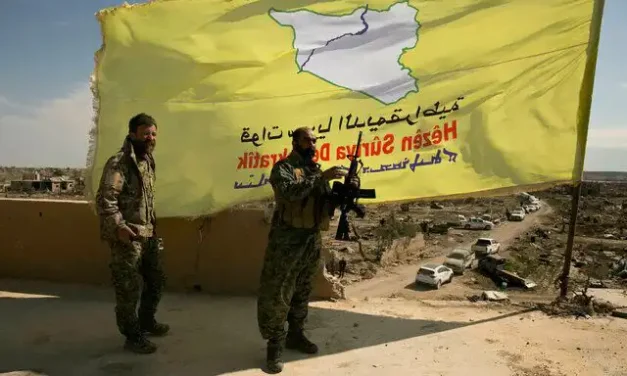
SCFR Online – Opinion: The dissolution of the SDF, although considered an achievement for Turkey’s security, does not put an end to the challenges arising from the Israeli regime’s aggression and expansionism, refugees, and Syria’s fragility.
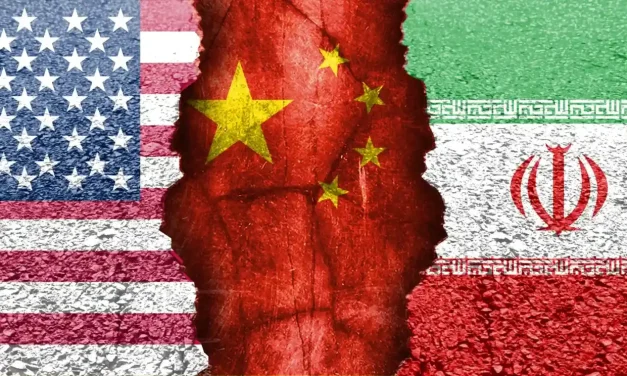
SCFR Online – Opinion: Concurrent with the official commencement of the United States’ economic war against our country, focusing on sanctions instruments, isolation, and economic pressure, what has now become increasingly important is the lack of alignment of other major global powers, especially China, with this policy.
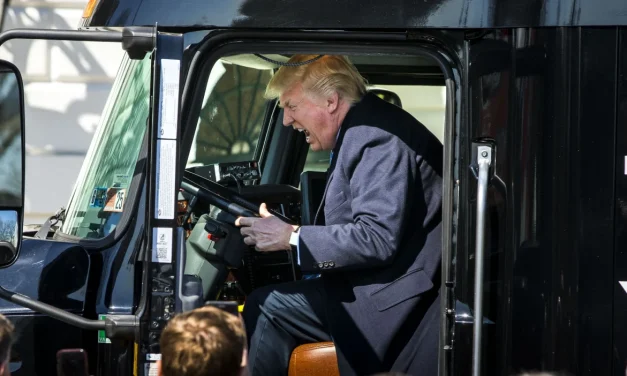
SCFR Online – Opinion: The new US sanctions against Iran, despite extensive propaganda, face serious obstacles to success due to the ineffectiveness of sanctions tools and opposition from some of Tehran’s trading partners.


Strategic Council Online – Interview: An international economics expert stated that sanctions, as discussed in political and economic literature, are tools used to force countries to change their behavior in foreign or domestic policies. However, the fundamental question is whether these tools consistently achieve the expected results. The European Union, which has intensified its sanctions policy against Russia since 2014, especially after the Ukraine war in 2022, now faces the question of to what extent these sanctions have been able to halt Moscow’s economic machine. Although more than 50 sanction packages have been imposed against Russia since 2014, statistics and analyses show that Russia has been able to overcome the pressures in many cases and even gain more profit in some areas. Experts believe that the lack of unity in European decision-making, the conflict of economic interests among member states, and the historical dependence of some on Russian energy have all combined to cause Europe’s sanctions policy not only to fail to achieve its ultimate goal but, in some cases, to yield opposite results. Meanwhile, the debate over “secondary sanctions” and the change in the European Union’s strategies after the Ukraine war marks a turning point in the future path of Moscow-Brussels relations.
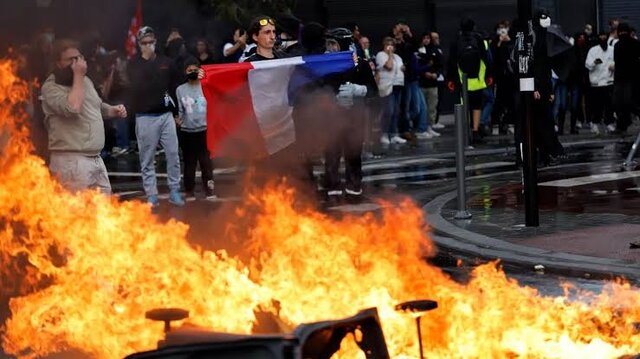
Strategic Council Online – Interview: An international affairs expert stated that the French government’s inability to meet public demands has led to a resurgence of domestic protests. The budget deficit has compelled Emmanuel Macron’s government to implement measures such as reducing public service expenditures, eliminating national holidays, cutting wages, and increasing taxes to offset the shortfall, which has further fueled the protests.
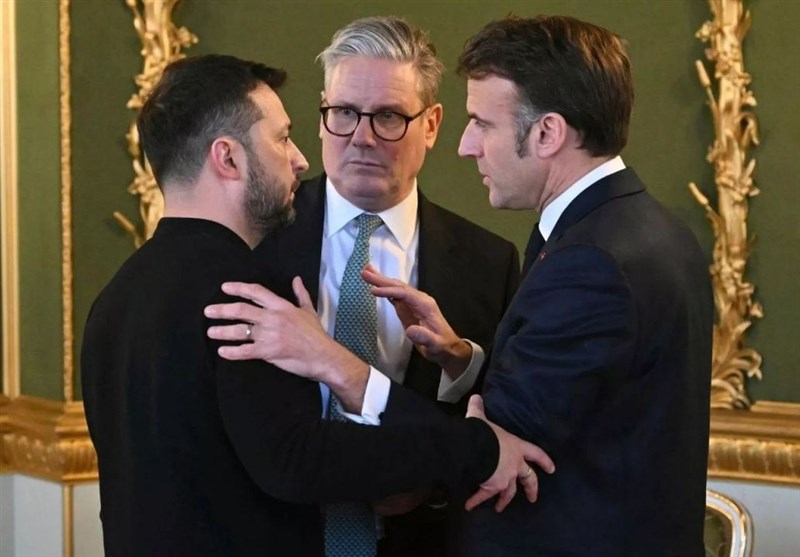
Strategic Council Online – Interview: An expert on Eurasian and Russian affairs stated that the West’s reaction to Russia’s threats regarding any deployment of foreign forces in Ukraine, whether under NATO or as an independent force, will be a combination of caution and deterrence. He said: Despite the desire of Europe and America to deploy military forces in Ukraine, they emphasize indirect support for Ukraine, including economic sanctions and increased diplomatic pressure on Moscow, and at best propose deploying neutral observers in Ukraine.
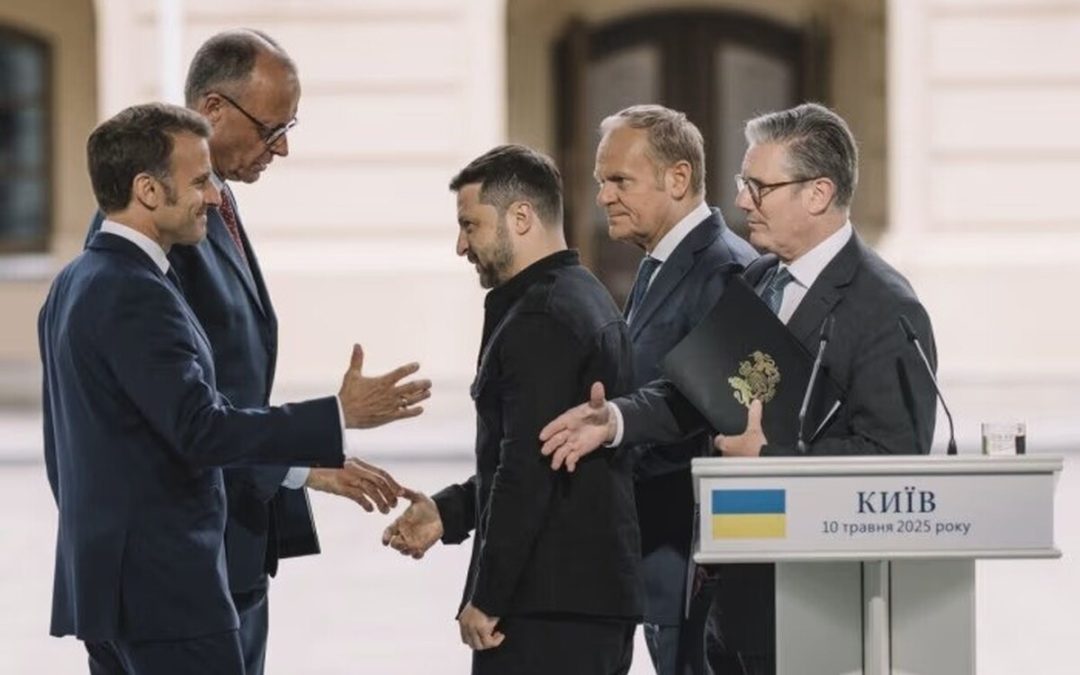
Strategic Council Online – Interview: A senior European affairs analyst stated that Russia’s sharp reaction to the decision by Britain and the European Union to use Moscow’s frozen assets in favor of Ukraine has once again revealed new dimensions of the West’s economic war against Russia. The Russian embassy in London described the allocation of over one billion pounds of its blocked funds to purchase weapons for Ukraine as a “criminal act”. It warned that such policies would not only weaken London’s financial and political credibility in the world but would also not go unanswered. Simultaneously, the European Commission is also considering transferring 200 billion euros of Russian assets for the reconstruction of Ukraine—a decision that Moscow has described as a clear violation of international law.
Experts believe that by arming Ukraine using Russia’s frozen resources, the West has not only escalated the level of economic confrontation but has also challenged the traditional rules of the international financial and trade system. While Russia is seeking ways to circumvent sanctions through some of its partners, Europe and Britain are also determined to maintain pressure. It appears that this economic war is no longer confined to the conflict over Ukraine, and its effects will continue for years to come, redefining international relations and creating new geopolitical blocs.
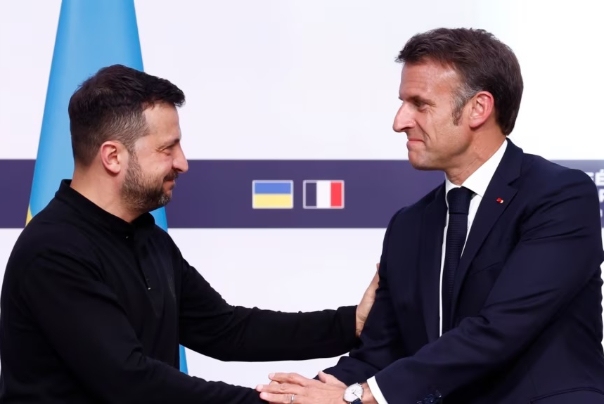
Strategic Council Online – Interview: A senior international affairs analyst stated that Europe today, more than ever, needs a unified strategy; without such a strategy, not only will peace be unachievable, but Europe itself will become the main stage for the consequences of this war.
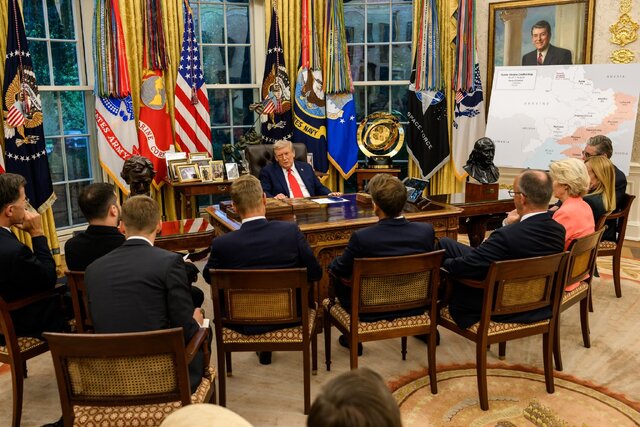
Strategic Council Online – Interview: A senior international affairs analyst stated that Trump’s deal-oriented and authoritarian diplomacy, disregarding the complexities of a multipolar world, is doomed to failure. Lasting peace in Ukraine will only be possible through cooperation with Europe and respect for international law. Donald Trump, the President of the United States, with a deal-oriented approach aimed at quickly ending the war in Ukraine, has increased pressure on Europe to accept primary responsibility for that country’s security guarantees. According to a Politico report, senior Pentagon officials, in meetings with European defense ministers, emphasized that the U.S. would play a minimal role in this regard, with the main burden falling on Europe. This approach, evident at the August 18 meeting in Washington with European leaders and Volodymyr Zelenskyy, highlights a deep rift in transatlantic relations. Europe, concerned about the diminishing U.S. commitments to NATO and the fragility of the peace, is seeking security independence and strengthening its own diplomacy.
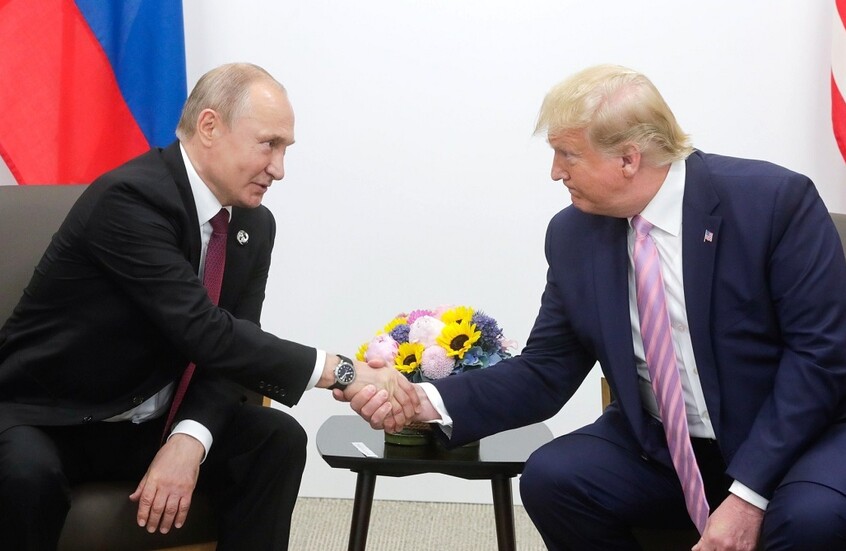
Strategic Council Online – Interview: A senior international affairs analyst stated: “The final week of summer 2025 marks a sensitive test for international relations and the future of the Ukraine war. The meeting between Donald Trump and Vladimir Putin in Alaska was merely seven months after Trump’s return to the White House, as the Ukraine war rages on relentlessly.” Volodymyr Zelenskyy, Ukraine’s president, has preemptively rejected Trump’s proposed peace plan—likely based on territorial concessions to Russia—warning that any agreement without Kyiv’s presence and consent would be a “dead solution.” Observers view the clash of interests among Moscow, Washington, Kyiv, and Europe as the intersection of four conflicting logics: Washington’s deal-driven logic, Moscow’s consolidationist logic, and Kyiv’s and Europe’s survivalist logic. While scenarios range from a minimal agreement to tacit Putin-Trump collusion solidifying current frontlines, each carries profound implications for European security and global power balances. Zelenskyy’s absence from Alaska could heighten risks of a deal that not only weakens Ukraine’s position but also undermines the legitimacy of fundamental international law.
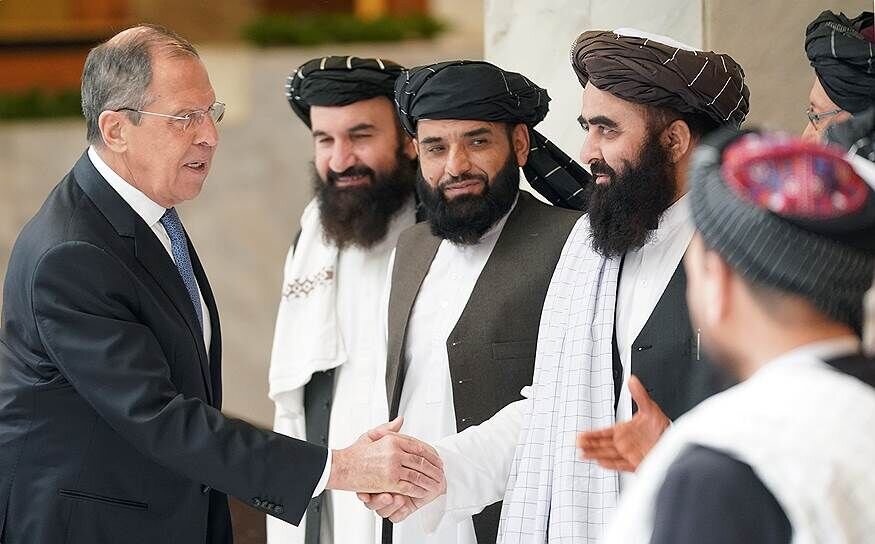
Strategic Council Online – Interview: A former Iranian diplomat stated that Russia’s recognition of the Taliban or the Islamic Emirate of Afghanistan is primarily a security and intelligence matter, and any expansion of political and economic relations with the Taliban will undoubtedly be carried out with Moscow’s specific considerations.
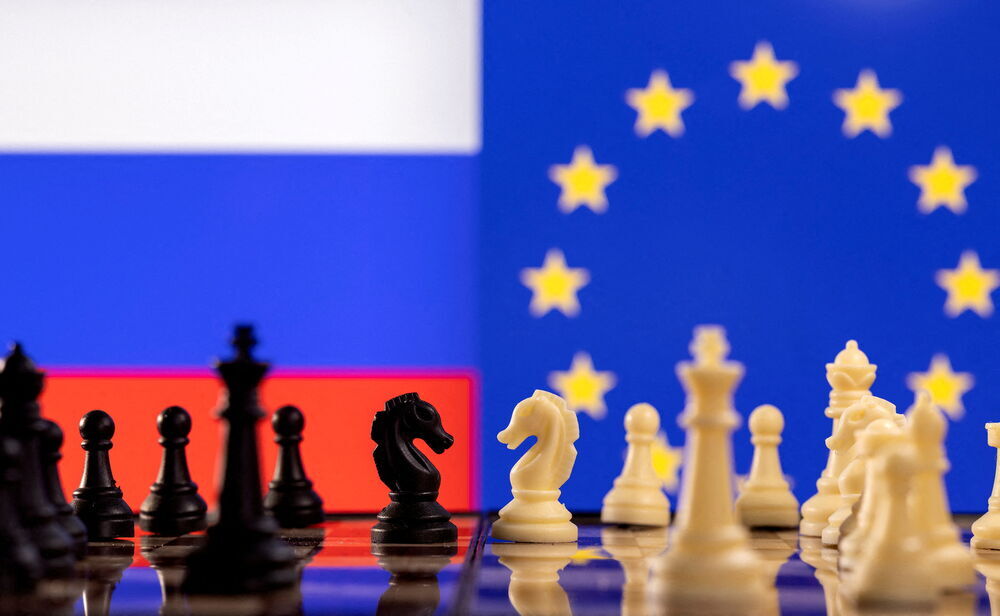
Strategic Council Online – Interview: A Russia affairs expert stated that Europe will face a complex security environment in the future, including increased militarization, economic challenges stemming from cutting dependence on Russian energy, and the need to redefine relations with the U.S. and NATO. As a result, without sustainable solutions, Europe may face greater existential, economic, and social threats in the future.
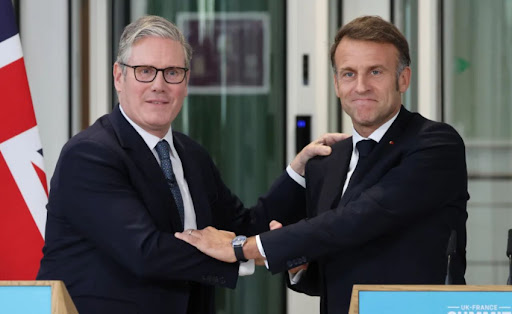
Strategic Council Online – Interview: A senior European affairs analyst stated that the nuclear deterrence agreement between Britain and France marks a turning point in Europe’s security architecture. This pact not only addresses immediate threats, including those posed by Russia, but also lays the groundwork for long-term cooperation in cyber, space, and military domains. The success of this collaboration depends on the two nations’ commitment to fulfilling existing obligations and actively participating in new security arrangements.
SCFR Online – Opinion: The intensification of U.S. sanctions against Iran on the eve of the U.S. midterm elections indicates Washington’s inability to achieve its war objectives.
SCFR Online – Opinion: The competition between Washington and Beijing over chips and artificial intelligence, simultaneously with the shifting of technological balances, has taken on new economic and security dimensions.
SCFR Online – Opinion: The Shanghai Cooperation Organization summit has created a new opportunity for Iran to transform its membership from a political achievement into economic and transit cooperation.
Strategic Council Online – Note: The Makkah Defense Pact can be seen as a sign of regional countries’ efforts to reduce security dependence on extra-regional powers and redefine the balance in West Asia.
SCFR Online – Opinion: The Ukraine war, by exhausting US military capability on one hand and strengthening European defense capacity on the other, has altered the balance of power in the European continent, cast uncertainty over NATO’s future, and is driving it toward a European NATO.
SCFR Online – Opinion: The dissolution of the SDF, although considered an achievement for Turkey’s security, does not put an end to the challenges arising from the Israeli regime’s aggression and expansionism, refugees, and Syria’s fragility.
SCFR Online – Opinion: Concurrent with the official commencement of the United States’ economic war against our country, focusing on sanctions instruments, isolation, and economic pressure, what has now become increasingly important is the lack of alignment of other major global powers, especially China, with this policy.
SCFR Online – Opinion: The new US sanctions against Iran, despite extensive propaganda, face serious obstacles to success due to the ineffectiveness of sanctions tools and opposition from some of Tehran’s trading partners.
Strategic Council Online – Interview: An international economics expert stated that sanctions, as discussed in political and economic literature, are tools used to force countries to change their behavior in foreign or domestic policies. However, the fundamental question is whether these tools consistently achieve the expected results. The European Union, which has intensified its sanctions policy against Russia since 2014, especially after the Ukraine war in 2022, now faces the question of to what extent these sanctions have been able to halt Moscow’s economic machine. Although more than 50 sanction packages have been imposed against Russia since 2014, statistics and analyses show that Russia has been able to overcome the pressures in many cases and even gain more profit in some areas. Experts believe that the lack of unity in European decision-making, the conflict of economic interests among member states, and the historical dependence of some on Russian energy have all combined to cause Europe’s sanctions policy not only to fail to achieve its ultimate goal but, in some cases, to yield opposite results. Meanwhile, the debate over “secondary sanctions” and the change in the European Union’s strategies after the Ukraine war marks a turning point in the future path of Moscow-Brussels relations.
Strategic Council Online – Interview: An international affairs expert stated that the French government’s inability to meet public demands has led to a resurgence of domestic protests. The budget deficit has compelled Emmanuel Macron’s government to implement measures such as reducing public service expenditures, eliminating national holidays, cutting wages, and increasing taxes to offset the shortfall, which has further fueled the protests.
Strategic Council Online – Interview: An expert on Eurasian and Russian affairs stated that the West’s reaction to Russia’s threats regarding any deployment of foreign forces in Ukraine, whether under NATO or as an independent force, will be a combination of caution and deterrence. He said: Despite the desire of Europe and America to deploy military forces in Ukraine, they emphasize indirect support for Ukraine, including economic sanctions and increased diplomatic pressure on Moscow, and at best propose deploying neutral observers in Ukraine.
Strategic Council Online – Interview: A senior European affairs analyst stated that Russia’s sharp reaction to the decision by Britain and the European Union to use Moscow’s frozen assets in favor of Ukraine has once again revealed new dimensions of the West’s economic war against Russia. The Russian embassy in London described the allocation of over one billion pounds of its blocked funds to purchase weapons for Ukraine as a “criminal act”. It warned that such policies would not only weaken London’s financial and political credibility in the world but would also not go unanswered. Simultaneously, the European Commission is also considering transferring 200 billion euros of Russian assets for the reconstruction of Ukraine—a decision that Moscow has described as a clear violation of international law.
Experts believe that by arming Ukraine using Russia’s frozen resources, the West has not only escalated the level of economic confrontation but has also challenged the traditional rules of the international financial and trade system. While Russia is seeking ways to circumvent sanctions through some of its partners, Europe and Britain are also determined to maintain pressure. It appears that this economic war is no longer confined to the conflict over Ukraine, and its effects will continue for years to come, redefining international relations and creating new geopolitical blocs.
Strategic Council Online – Interview: A senior international affairs analyst stated that Europe today, more than ever, needs a unified strategy; without such a strategy, not only will peace be unachievable, but Europe itself will become the main stage for the consequences of this war.
Strategic Council Online – Interview: A senior international affairs analyst stated that Trump’s deal-oriented and authoritarian diplomacy, disregarding the complexities of a multipolar world, is doomed to failure. Lasting peace in Ukraine will only be possible through cooperation with Europe and respect for international law. Donald Trump, the President of the United States, with a deal-oriented approach aimed at quickly ending the war in Ukraine, has increased pressure on Europe to accept primary responsibility for that country’s security guarantees. According to a Politico report, senior Pentagon officials, in meetings with European defense ministers, emphasized that the U.S. would play a minimal role in this regard, with the main burden falling on Europe. This approach, evident at the August 18 meeting in Washington with European leaders and Volodymyr Zelenskyy, highlights a deep rift in transatlantic relations. Europe, concerned about the diminishing U.S. commitments to NATO and the fragility of the peace, is seeking security independence and strengthening its own diplomacy.
Strategic Council Online – Interview: A senior international affairs analyst stated: “The final week of summer 2025 marks a sensitive test for international relations and the future of the Ukraine war. The meeting between Donald Trump and Vladimir Putin in Alaska was merely seven months after Trump’s return to the White House, as the Ukraine war rages on relentlessly.” Volodymyr Zelenskyy, Ukraine’s president, has preemptively rejected Trump’s proposed peace plan—likely based on territorial concessions to Russia—warning that any agreement without Kyiv’s presence and consent would be a “dead solution.” Observers view the clash of interests among Moscow, Washington, Kyiv, and Europe as the intersection of four conflicting logics: Washington’s deal-driven logic, Moscow’s consolidationist logic, and Kyiv’s and Europe’s survivalist logic. While scenarios range from a minimal agreement to tacit Putin-Trump collusion solidifying current frontlines, each carries profound implications for European security and global power balances. Zelenskyy’s absence from Alaska could heighten risks of a deal that not only weakens Ukraine’s position but also undermines the legitimacy of fundamental international law.
Strategic Council Online – Interview: A former Iranian diplomat stated that Russia’s recognition of the Taliban or the Islamic Emirate of Afghanistan is primarily a security and intelligence matter, and any expansion of political and economic relations with the Taliban will undoubtedly be carried out with Moscow’s specific considerations.
Strategic Council Online – Interview: A Russia affairs expert stated that Europe will face a complex security environment in the future, including increased militarization, economic challenges stemming from cutting dependence on Russian energy, and the need to redefine relations with the U.S. and NATO. As a result, without sustainable solutions, Europe may face greater existential, economic, and social threats in the future.
Strategic Council Online – Interview: A senior European affairs analyst stated that the nuclear deterrence agreement between Britain and France marks a turning point in Europe’s security architecture. This pact not only addresses immediate threats, including those posed by Russia, but also lays the groundwork for long-term cooperation in cyber, space, and military domains. The success of this collaboration depends on the two nations’ commitment to fulfilling existing obligations and actively participating in new security arrangements.
Strategic Council Online – Interview: An international economics expert stated that sanctions, as discussed in political and economic literature, are tools used to force countries to change their behavior in foreign or domestic policies. However, the fundamental question is whether these tools consistently achieve the expected results. The European Union, which has intensified its sanctions policy against Russia since 2014, especially after the Ukraine war in 2022, now faces the question of to what extent these sanctions have been able to halt Moscow’s economic machine. Although more than 50 sanction packages have been imposed against Russia since 2014, statistics and analyses show that Russia has been able to overcome the pressures in many cases and even gain more profit in some areas. Experts believe that the lack of unity in European decision-making, the conflict of economic interests among member states, and the historical dependence of some on Russian energy have all combined to cause Europe’s sanctions policy not only to fail to achieve its ultimate goal but, in some cases, to yield opposite results. Meanwhile, the debate over “secondary sanctions” and the change in the European Union’s strategies after the Ukraine war marks a turning point in the future path of Moscow-Brussels relations.
Strategic Council Online – Interview: An international affairs expert stated that the French government’s inability to meet public demands has led to a resurgence of domestic protests. The budget deficit has compelled Emmanuel Macron’s government to implement measures such as reducing public service expenditures, eliminating national holidays, cutting wages, and increasing taxes to offset the shortfall, which has further fueled the protests.
Strategic Council Online – Interview: An expert on Eurasian and Russian affairs stated that the West’s reaction to Russia’s threats regarding any deployment of foreign forces in Ukraine, whether under NATO or as an independent force, will be a combination of caution and deterrence. He said: Despite the desire of Europe and America to deploy military forces in Ukraine, they emphasize indirect support for Ukraine, including economic sanctions and increased diplomatic pressure on Moscow, and at best propose deploying neutral observers in Ukraine.
Strategic Council Online – Interview: A senior European affairs analyst stated that Russia’s sharp reaction to the decision by Britain and the European Union to use Moscow’s frozen assets in favor of Ukraine has once again revealed new dimensions of the West’s economic war against Russia. The Russian embassy in London described the allocation of over one billion pounds of its blocked funds to purchase weapons for Ukraine as a “criminal act”. It warned that such policies would not only weaken London’s financial and political credibility in the world but would also not go unanswered. Simultaneously, the European Commission is also considering transferring 200 billion euros of Russian assets for the reconstruction of Ukraine—a decision that Moscow has described as a clear violation of international law.
Experts believe that by arming Ukraine using Russia’s frozen resources, the West has not only escalated the level of economic confrontation but has also challenged the traditional rules of the international financial and trade system. While Russia is seeking ways to circumvent sanctions through some of its partners, Europe and Britain are also determined to maintain pressure. It appears that this economic war is no longer confined to the conflict over Ukraine, and its effects will continue for years to come, redefining international relations and creating new geopolitical blocs.
Strategic Council Online – Interview: A senior international affairs analyst stated that Europe today, more than ever, needs a unified strategy; without such a strategy, not only will peace be unachievable, but Europe itself will become the main stage for the consequences of this war.
Strategic Council Online – Interview: A senior international affairs analyst stated that Trump’s deal-oriented and authoritarian diplomacy, disregarding the complexities of a multipolar world, is doomed to failure. Lasting peace in Ukraine will only be possible through cooperation with Europe and respect for international law. Donald Trump, the President of the United States, with a deal-oriented approach aimed at quickly ending the war in Ukraine, has increased pressure on Europe to accept primary responsibility for that country’s security guarantees. According to a Politico report, senior Pentagon officials, in meetings with European defense ministers, emphasized that the U.S. would play a minimal role in this regard, with the main burden falling on Europe. This approach, evident at the August 18 meeting in Washington with European leaders and Volodymyr Zelenskyy, highlights a deep rift in transatlantic relations. Europe, concerned about the diminishing U.S. commitments to NATO and the fragility of the peace, is seeking security independence and strengthening its own diplomacy.
Strategic Council Online – Interview: A senior international affairs analyst stated: “The final week of summer 2025 marks a sensitive test for international relations and the future of the Ukraine war. The meeting between Donald Trump and Vladimir Putin in Alaska was merely seven months after Trump’s return to the White House, as the Ukraine war rages on relentlessly.” Volodymyr Zelenskyy, Ukraine’s president, has preemptively rejected Trump’s proposed peace plan—likely based on territorial concessions to Russia—warning that any agreement without Kyiv’s presence and consent would be a “dead solution.” Observers view the clash of interests among Moscow, Washington, Kyiv, and Europe as the intersection of four conflicting logics: Washington’s deal-driven logic, Moscow’s consolidationist logic, and Kyiv’s and Europe’s survivalist logic. While scenarios range from a minimal agreement to tacit Putin-Trump collusion solidifying current frontlines, each carries profound implications for European security and global power balances. Zelenskyy’s absence from Alaska could heighten risks of a deal that not only weakens Ukraine’s position but also undermines the legitimacy of fundamental international law.
Strategic Council Online – Interview: A former Iranian diplomat stated that Russia’s recognition of the Taliban or the Islamic Emirate of Afghanistan is primarily a security and intelligence matter, and any expansion of political and economic relations with the Taliban will undoubtedly be carried out with Moscow’s specific considerations.
Strategic Council Online – Interview: A Russia affairs expert stated that Europe will face a complex security environment in the future, including increased militarization, economic challenges stemming from cutting dependence on Russian energy, and the need to redefine relations with the U.S. and NATO. As a result, without sustainable solutions, Europe may face greater existential, economic, and social threats in the future.
Strategic Council Online – Interview: A senior European affairs analyst stated that the nuclear deterrence agreement between Britain and France marks a turning point in Europe’s security architecture. This pact not only addresses immediate threats, including those posed by Russia, but also lays the groundwork for long-term cooperation in cyber, space, and military domains. The success of this collaboration depends on the two nations’ commitment to fulfilling existing obligations and actively participating in new security arrangements.
SCFR Online – Opinion: The intensification of U.S. sanctions against Iran on the eve of the U.S. midterm elections indicates Washington’s inability to achieve its war objectives.
SCFR Online – Opinion: The competition between Washington and Beijing over chips and artificial intelligence, simultaneously with the shifting of technological balances, has taken on new economic and security dimensions.
SCFR Online – Opinion: The Shanghai Cooperation Organization summit has created a new opportunity for Iran to transform its membership from a political achievement into economic and transit cooperation.
Strategic Council Online – Note: The Makkah Defense Pact can be seen as a sign of regional countries’ efforts to reduce security dependence on extra-regional powers and redefine the balance in West Asia.
SCFR Online – Opinion: The Ukraine war, by exhausting US military capability on one hand and strengthening European defense capacity on the other, has altered the balance of power in the European continent, cast uncertainty over NATO’s future, and is driving it toward a European NATO.
SCFR Online – Opinion: The dissolution of the SDF, although considered an achievement for Turkey’s security, does not put an end to the challenges arising from the Israeli regime’s aggression and expansionism, refugees, and Syria’s fragility.
SCFR Online – Opinion: Concurrent with the official commencement of the United States’ economic war against our country, focusing on sanctions instruments, isolation, and economic pressure, what has now become increasingly important is the lack of alignment of other major global powers, especially China, with this policy.
SCFR Online – Opinion: The new US sanctions against Iran, despite extensive propaganda, face serious obstacles to success due to the ineffectiveness of sanctions tools and opposition from some of Tehran’s trading partners.
Strategic Council Online – Interview: An international economics expert stated that sanctions, as discussed in political and economic literature, are tools used to force countries to change their behavior in foreign or domestic policies. However, the fundamental question is whether these tools consistently achieve the expected results. The European Union, which has intensified its sanctions policy against Russia since 2014, especially after the Ukraine war in 2022, now faces the question of to what extent these sanctions have been able to halt Moscow’s economic machine. Although more than 50 sanction packages have been imposed against Russia since 2014, statistics and analyses show that Russia has been able to overcome the pressures in many cases and even gain more profit in some areas. Experts believe that the lack of unity in European decision-making, the conflict of economic interests among member states, and the historical dependence of some on Russian energy have all combined to cause Europe’s sanctions policy not only to fail to achieve its ultimate goal but, in some cases, to yield opposite results. Meanwhile, the debate over “secondary sanctions” and the change in the European Union’s strategies after the Ukraine war marks a turning point in the future path of Moscow-Brussels relations.
Strategic Council Online – Interview: An international affairs expert stated that the French government’s inability to meet public demands has led to a resurgence of domestic protests. The budget deficit has compelled Emmanuel Macron’s government to implement measures such as reducing public service expenditures, eliminating national holidays, cutting wages, and increasing taxes to offset the shortfall, which has further fueled the protests.
Strategic Council Online – Interview: An expert on Eurasian and Russian affairs stated that the West’s reaction to Russia’s threats regarding any deployment of foreign forces in Ukraine, whether under NATO or as an independent force, will be a combination of caution and deterrence. He said: Despite the desire of Europe and America to deploy military forces in Ukraine, they emphasize indirect support for Ukraine, including economic sanctions and increased diplomatic pressure on Moscow, and at best propose deploying neutral observers in Ukraine.
Strategic Council Online – Interview: A senior European affairs analyst stated that Russia’s sharp reaction to the decision by Britain and the European Union to use Moscow’s frozen assets in favor of Ukraine has once again revealed new dimensions of the West’s economic war against Russia. The Russian embassy in London described the allocation of over one billion pounds of its blocked funds to purchase weapons for Ukraine as a “criminal act”. It warned that such policies would not only weaken London’s financial and political credibility in the world but would also not go unanswered. Simultaneously, the European Commission is also considering transferring 200 billion euros of Russian assets for the reconstruction of Ukraine—a decision that Moscow has described as a clear violation of international law.
Experts believe that by arming Ukraine using Russia’s frozen resources, the West has not only escalated the level of economic confrontation but has also challenged the traditional rules of the international financial and trade system. While Russia is seeking ways to circumvent sanctions through some of its partners, Europe and Britain are also determined to maintain pressure. It appears that this economic war is no longer confined to the conflict over Ukraine, and its effects will continue for years to come, redefining international relations and creating new geopolitical blocs.
Strategic Council Online – Interview: A senior international affairs analyst stated that Europe today, more than ever, needs a unified strategy; without such a strategy, not only will peace be unachievable, but Europe itself will become the main stage for the consequences of this war.
Strategic Council Online – Interview: A senior international affairs analyst stated that Trump’s deal-oriented and authoritarian diplomacy, disregarding the complexities of a multipolar world, is doomed to failure. Lasting peace in Ukraine will only be possible through cooperation with Europe and respect for international law. Donald Trump, the President of the United States, with a deal-oriented approach aimed at quickly ending the war in Ukraine, has increased pressure on Europe to accept primary responsibility for that country’s security guarantees. According to a Politico report, senior Pentagon officials, in meetings with European defense ministers, emphasized that the U.S. would play a minimal role in this regard, with the main burden falling on Europe. This approach, evident at the August 18 meeting in Washington with European leaders and Volodymyr Zelenskyy, highlights a deep rift in transatlantic relations. Europe, concerned about the diminishing U.S. commitments to NATO and the fragility of the peace, is seeking security independence and strengthening its own diplomacy.
Strategic Council Online – Interview: A senior international affairs analyst stated: “The final week of summer 2025 marks a sensitive test for international relations and the future of the Ukraine war. The meeting between Donald Trump and Vladimir Putin in Alaska was merely seven months after Trump’s return to the White House, as the Ukraine war rages on relentlessly.” Volodymyr Zelenskyy, Ukraine’s president, has preemptively rejected Trump’s proposed peace plan—likely based on territorial concessions to Russia—warning that any agreement without Kyiv’s presence and consent would be a “dead solution.” Observers view the clash of interests among Moscow, Washington, Kyiv, and Europe as the intersection of four conflicting logics: Washington’s deal-driven logic, Moscow’s consolidationist logic, and Kyiv’s and Europe’s survivalist logic. While scenarios range from a minimal agreement to tacit Putin-Trump collusion solidifying current frontlines, each carries profound implications for European security and global power balances. Zelenskyy’s absence from Alaska could heighten risks of a deal that not only weakens Ukraine’s position but also undermines the legitimacy of fundamental international law.
Strategic Council Online – Interview: A former Iranian diplomat stated that Russia’s recognition of the Taliban or the Islamic Emirate of Afghanistan is primarily a security and intelligence matter, and any expansion of political and economic relations with the Taliban will undoubtedly be carried out with Moscow’s specific considerations.
Strategic Council Online – Interview: A Russia affairs expert stated that Europe will face a complex security environment in the future, including increased militarization, economic challenges stemming from cutting dependence on Russian energy, and the need to redefine relations with the U.S. and NATO. As a result, without sustainable solutions, Europe may face greater existential, economic, and social threats in the future.
Strategic Council Online – Interview: A senior European affairs analyst stated that the nuclear deterrence agreement between Britain and France marks a turning point in Europe’s security architecture. This pact not only addresses immediate threats, including those posed by Russia, but also lays the groundwork for long-term cooperation in cyber, space, and military domains. The success of this collaboration depends on the two nations’ commitment to fulfilling existing obligations and actively participating in new security arrangements.
SCFR Online – Opinion: The intensification of U.S. sanctions against Iran on the eve of the U.S. midterm elections indicates Washington’s inability to achieve its war objectives.
SCFR Online – Opinion: The competition between Washington and Beijing over chips and artificial intelligence, simultaneously with the shifting of technological balances, has taken on new economic and security dimensions.
SCFR Online – Opinion: The Shanghai Cooperation Organization summit has created a new opportunity for Iran to transform its membership from a political achievement into economic and transit cooperation.
Strategic Council Online – Note: The Makkah Defense Pact can be seen as a sign of regional countries’ efforts to reduce security dependence on extra-regional powers and redefine the balance in West Asia.
SCFR Online – Opinion: The Ukraine war, by exhausting US military capability on one hand and strengthening European defense capacity on the other, has altered the balance of power in the European continent, cast uncertainty over NATO’s future, and is driving it toward a European NATO.
SCFR Online – Opinion: The dissolution of the SDF, although considered an achievement for Turkey’s security, does not put an end to the challenges arising from the Israeli regime’s aggression and expansionism, refugees, and Syria’s fragility.
SCFR Online – Opinion: Concurrent with the official commencement of the United States’ economic war against our country, focusing on sanctions instruments, isolation, and economic pressure, what has now become increasingly important is the lack of alignment of other major global powers, especially China, with this policy.
SCFR Online – Opinion: The new US sanctions against Iran, despite extensive propaganda, face serious obstacles to success due to the ineffectiveness of sanctions tools and opposition from some of Tehran’s trading partners.
Strategic Council Online – Interview: An international economics expert stated that sanctions, as discussed in political and economic literature, are tools used to force countries to change their behavior in foreign or domestic policies. However, the fundamental question is whether these tools consistently achieve the expected results. The European Union, which has intensified its sanctions policy against Russia since 2014, especially after the Ukraine war in 2022, now faces the question of to what extent these sanctions have been able to halt Moscow’s economic machine. Although more than 50 sanction packages have been imposed against Russia since 2014, statistics and analyses show that Russia has been able to overcome the pressures in many cases and even gain more profit in some areas. Experts believe that the lack of unity in European decision-making, the conflict of economic interests among member states, and the historical dependence of some on Russian energy have all combined to cause Europe’s sanctions policy not only to fail to achieve its ultimate goal but, in some cases, to yield opposite results. Meanwhile, the debate over “secondary sanctions” and the change in the European Union’s strategies after the Ukraine war marks a turning point in the future path of Moscow-Brussels relations.
Strategic Council Online – Interview: An international affairs expert stated that the French government’s inability to meet public demands has led to a resurgence of domestic protests. The budget deficit has compelled Emmanuel Macron’s government to implement measures such as reducing public service expenditures, eliminating national holidays, cutting wages, and increasing taxes to offset the shortfall, which has further fueled the protests.
Strategic Council Online – Interview: An expert on Eurasian and Russian affairs stated that the West’s reaction to Russia’s threats regarding any deployment of foreign forces in Ukraine, whether under NATO or as an independent force, will be a combination of caution and deterrence. He said: Despite the desire of Europe and America to deploy military forces in Ukraine, they emphasize indirect support for Ukraine, including economic sanctions and increased diplomatic pressure on Moscow, and at best propose deploying neutral observers in Ukraine.
Strategic Council Online – Interview: A senior European affairs analyst stated that Russia’s sharp reaction to the decision by Britain and the European Union to use Moscow’s frozen assets in favor of Ukraine has once again revealed new dimensions of the West’s economic war against Russia. The Russian embassy in London described the allocation of over one billion pounds of its blocked funds to purchase weapons for Ukraine as a “criminal act”. It warned that such policies would not only weaken London’s financial and political credibility in the world but would also not go unanswered. Simultaneously, the European Commission is also considering transferring 200 billion euros of Russian assets for the reconstruction of Ukraine—a decision that Moscow has described as a clear violation of international law.
Experts believe that by arming Ukraine using Russia’s frozen resources, the West has not only escalated the level of economic confrontation but has also challenged the traditional rules of the international financial and trade system. While Russia is seeking ways to circumvent sanctions through some of its partners, Europe and Britain are also determined to maintain pressure. It appears that this economic war is no longer confined to the conflict over Ukraine, and its effects will continue for years to come, redefining international relations and creating new geopolitical blocs.
Strategic Council Online – Interview: A senior international affairs analyst stated that Europe today, more than ever, needs a unified strategy; without such a strategy, not only will peace be unachievable, but Europe itself will become the main stage for the consequences of this war.
Strategic Council Online – Interview: A senior international affairs analyst stated that Trump’s deal-oriented and authoritarian diplomacy, disregarding the complexities of a multipolar world, is doomed to failure. Lasting peace in Ukraine will only be possible through cooperation with Europe and respect for international law. Donald Trump, the President of the United States, with a deal-oriented approach aimed at quickly ending the war in Ukraine, has increased pressure on Europe to accept primary responsibility for that country’s security guarantees. According to a Politico report, senior Pentagon officials, in meetings with European defense ministers, emphasized that the U.S. would play a minimal role in this regard, with the main burden falling on Europe. This approach, evident at the August 18 meeting in Washington with European leaders and Volodymyr Zelenskyy, highlights a deep rift in transatlantic relations. Europe, concerned about the diminishing U.S. commitments to NATO and the fragility of the peace, is seeking security independence and strengthening its own diplomacy.
Strategic Council Online – Interview: A senior international affairs analyst stated: “The final week of summer 2025 marks a sensitive test for international relations and the future of the Ukraine war. The meeting between Donald Trump and Vladimir Putin in Alaska was merely seven months after Trump’s return to the White House, as the Ukraine war rages on relentlessly.” Volodymyr Zelenskyy, Ukraine’s president, has preemptively rejected Trump’s proposed peace plan—likely based on territorial concessions to Russia—warning that any agreement without Kyiv’s presence and consent would be a “dead solution.” Observers view the clash of interests among Moscow, Washington, Kyiv, and Europe as the intersection of four conflicting logics: Washington’s deal-driven logic, Moscow’s consolidationist logic, and Kyiv’s and Europe’s survivalist logic. While scenarios range from a minimal agreement to tacit Putin-Trump collusion solidifying current frontlines, each carries profound implications for European security and global power balances. Zelenskyy’s absence from Alaska could heighten risks of a deal that not only weakens Ukraine’s position but also undermines the legitimacy of fundamental international law.
Strategic Council Online – Interview: A former Iranian diplomat stated that Russia’s recognition of the Taliban or the Islamic Emirate of Afghanistan is primarily a security and intelligence matter, and any expansion of political and economic relations with the Taliban will undoubtedly be carried out with Moscow’s specific considerations.
Strategic Council Online – Interview: A Russia affairs expert stated that Europe will face a complex security environment in the future, including increased militarization, economic challenges stemming from cutting dependence on Russian energy, and the need to redefine relations with the U.S. and NATO. As a result, without sustainable solutions, Europe may face greater existential, economic, and social threats in the future.
Strategic Council Online – Interview: A senior European affairs analyst stated that the nuclear deterrence agreement between Britain and France marks a turning point in Europe’s security architecture. This pact not only addresses immediate threats, including those posed by Russia, but also lays the groundwork for long-term cooperation in cyber, space, and military domains. The success of this collaboration depends on the two nations’ commitment to fulfilling existing obligations and actively participating in new security arrangements.
SCFR Online – Opinion: The intensification of U.S. sanctions against Iran on the eve of the U.S. midterm elections indicates Washington’s inability to achieve its war objectives.
SCFR Online – Opinion: The competition between Washington and Beijing over chips and artificial intelligence, simultaneously with the shifting of technological balances, has taken on new economic and security dimensions.
SCFR Online – Opinion: The Shanghai Cooperation Organization summit has created a new opportunity for Iran to transform its membership from a political achievement into economic and transit cooperation.
Strategic Council Online – Note: The Makkah Defense Pact can be seen as a sign of regional countries’ efforts to reduce security dependence on extra-regional powers and redefine the balance in West Asia.
SCFR Online – Opinion: The Ukraine war, by exhausting US military capability on one hand and strengthening European defense capacity on the other, has altered the balance of power in the European continent, cast uncertainty over NATO’s future, and is driving it toward a European NATO.
SCFR Online – Opinion: The dissolution of the SDF, although considered an achievement for Turkey’s security, does not put an end to the challenges arising from the Israeli regime’s aggression and expansionism, refugees, and Syria’s fragility.
SCFR Online – Opinion: Concurrent with the official commencement of the United States’ economic war against our country, focusing on sanctions instruments, isolation, and economic pressure, what has now become increasingly important is the lack of alignment of other major global powers, especially China, with this policy.
SCFR Online – Opinion: The new US sanctions against Iran, despite extensive propaganda, face serious obstacles to success due to the ineffectiveness of sanctions tools and opposition from some of Tehran’s trading partners.
Strategic Council Online – Interview: An international economics expert stated that sanctions, as discussed in political and economic literature, are tools used to force countries to change their behavior in foreign or domestic policies. However, the fundamental question is whether these tools consistently achieve the expected results. The European Union, which has intensified its sanctions policy against Russia since 2014, especially after the Ukraine war in 2022, now faces the question of to what extent these sanctions have been able to halt Moscow’s economic machine. Although more than 50 sanction packages have been imposed against Russia since 2014, statistics and analyses show that Russia has been able to overcome the pressures in many cases and even gain more profit in some areas. Experts believe that the lack of unity in European decision-making, the conflict of economic interests among member states, and the historical dependence of some on Russian energy have all combined to cause Europe’s sanctions policy not only to fail to achieve its ultimate goal but, in some cases, to yield opposite results. Meanwhile, the debate over “secondary sanctions” and the change in the European Union’s strategies after the Ukraine war marks a turning point in the future path of Moscow-Brussels relations.
Strategic Council Online – Interview: An international affairs expert stated that the French government’s inability to meet public demands has led to a resurgence of domestic protests. The budget deficit has compelled Emmanuel Macron’s government to implement measures such as reducing public service expenditures, eliminating national holidays, cutting wages, and increasing taxes to offset the shortfall, which has further fueled the protests.
Strategic Council Online – Interview: An expert on Eurasian and Russian affairs stated that the West’s reaction to Russia’s threats regarding any deployment of foreign forces in Ukraine, whether under NATO or as an independent force, will be a combination of caution and deterrence. He said: Despite the desire of Europe and America to deploy military forces in Ukraine, they emphasize indirect support for Ukraine, including economic sanctions and increased diplomatic pressure on Moscow, and at best propose deploying neutral observers in Ukraine.
Strategic Council Online – Interview: A senior European affairs analyst stated that Russia’s sharp reaction to the decision by Britain and the European Union to use Moscow’s frozen assets in favor of Ukraine has once again revealed new dimensions of the West’s economic war against Russia. The Russian embassy in London described the allocation of over one billion pounds of its blocked funds to purchase weapons for Ukraine as a “criminal act”. It warned that such policies would not only weaken London’s financial and political credibility in the world but would also not go unanswered. Simultaneously, the European Commission is also considering transferring 200 billion euros of Russian assets for the reconstruction of Ukraine—a decision that Moscow has described as a clear violation of international law.
Experts believe that by arming Ukraine using Russia’s frozen resources, the West has not only escalated the level of economic confrontation but has also challenged the traditional rules of the international financial and trade system. While Russia is seeking ways to circumvent sanctions through some of its partners, Europe and Britain are also determined to maintain pressure. It appears that this economic war is no longer confined to the conflict over Ukraine, and its effects will continue for years to come, redefining international relations and creating new geopolitical blocs.
Strategic Council Online – Interview: A senior international affairs analyst stated that Europe today, more than ever, needs a unified strategy; without such a strategy, not only will peace be unachievable, but Europe itself will become the main stage for the consequences of this war.
Strategic Council Online – Interview: A senior international affairs analyst stated that Trump’s deal-oriented and authoritarian diplomacy, disregarding the complexities of a multipolar world, is doomed to failure. Lasting peace in Ukraine will only be possible through cooperation with Europe and respect for international law. Donald Trump, the President of the United States, with a deal-oriented approach aimed at quickly ending the war in Ukraine, has increased pressure on Europe to accept primary responsibility for that country’s security guarantees. According to a Politico report, senior Pentagon officials, in meetings with European defense ministers, emphasized that the U.S. would play a minimal role in this regard, with the main burden falling on Europe. This approach, evident at the August 18 meeting in Washington with European leaders and Volodymyr Zelenskyy, highlights a deep rift in transatlantic relations. Europe, concerned about the diminishing U.S. commitments to NATO and the fragility of the peace, is seeking security independence and strengthening its own diplomacy.
Strategic Council Online – Interview: A senior international affairs analyst stated: “The final week of summer 2025 marks a sensitive test for international relations and the future of the Ukraine war. The meeting between Donald Trump and Vladimir Putin in Alaska was merely seven months after Trump’s return to the White House, as the Ukraine war rages on relentlessly.” Volodymyr Zelenskyy, Ukraine’s president, has preemptively rejected Trump’s proposed peace plan—likely based on territorial concessions to Russia—warning that any agreement without Kyiv’s presence and consent would be a “dead solution.” Observers view the clash of interests among Moscow, Washington, Kyiv, and Europe as the intersection of four conflicting logics: Washington’s deal-driven logic, Moscow’s consolidationist logic, and Kyiv’s and Europe’s survivalist logic. While scenarios range from a minimal agreement to tacit Putin-Trump collusion solidifying current frontlines, each carries profound implications for European security and global power balances. Zelenskyy’s absence from Alaska could heighten risks of a deal that not only weakens Ukraine’s position but also undermines the legitimacy of fundamental international law.
Strategic Council Online – Interview: A former Iranian diplomat stated that Russia’s recognition of the Taliban or the Islamic Emirate of Afghanistan is primarily a security and intelligence matter, and any expansion of political and economic relations with the Taliban will undoubtedly be carried out with Moscow’s specific considerations.
Strategic Council Online – Interview: A Russia affairs expert stated that Europe will face a complex security environment in the future, including increased militarization, economic challenges stemming from cutting dependence on Russian energy, and the need to redefine relations with the U.S. and NATO. As a result, without sustainable solutions, Europe may face greater existential, economic, and social threats in the future.
Strategic Council Online – Interview: A senior European affairs analyst stated that the nuclear deterrence agreement between Britain and France marks a turning point in Europe’s security architecture. This pact not only addresses immediate threats, including those posed by Russia, but also lays the groundwork for long-term cooperation in cyber, space, and military domains. The success of this collaboration depends on the two nations’ commitment to fulfilling existing obligations and actively participating in new security arrangements.
SCFR Online – Opinion: The intensification of U.S. sanctions against Iran on the eve of the U.S. midterm elections indicates Washington’s inability to achieve its war objectives.
SCFR Online – Opinion: The competition between Washington and Beijing over chips and artificial intelligence, simultaneously with the shifting of technological balances, has taken on new economic and security dimensions.
SCFR Online – Opinion: The Shanghai Cooperation Organization summit has created a new opportunity for Iran to transform its membership from a political achievement into economic and transit cooperation.
Strategic Council Online – Note: The Makkah Defense Pact can be seen as a sign of regional countries’ efforts to reduce security dependence on extra-regional powers and redefine the balance in West Asia.
SCFR Online – Opinion: The Ukraine war, by exhausting US military capability on one hand and strengthening European defense capacity on the other, has altered the balance of power in the European continent, cast uncertainty over NATO’s future, and is driving it toward a European NATO.
SCFR Online – Opinion: The dissolution of the SDF, although considered an achievement for Turkey’s security, does not put an end to the challenges arising from the Israeli regime’s aggression and expansionism, refugees, and Syria’s fragility.
SCFR Online – Opinion: Concurrent with the official commencement of the United States’ economic war against our country, focusing on sanctions instruments, isolation, and economic pressure, what has now become increasingly important is the lack of alignment of other major global powers, especially China, with this policy.
SCFR Online – Opinion: The new US sanctions against Iran, despite extensive propaganda, face serious obstacles to success due to the ineffectiveness of sanctions tools and opposition from some of Tehran’s trading partners.
Strategic Council Online – Interview: An international economics expert stated that sanctions, as discussed in political and economic literature, are tools used to force countries to change their behavior in foreign or domestic policies. However, the fundamental question is whether these tools consistently achieve the expected results. The European Union, which has intensified its sanctions policy against Russia since 2014, especially after the Ukraine war in 2022, now faces the question of to what extent these sanctions have been able to halt Moscow’s economic machine. Although more than 50 sanction packages have been imposed against Russia since 2014, statistics and analyses show that Russia has been able to overcome the pressures in many cases and even gain more profit in some areas. Experts believe that the lack of unity in European decision-making, the conflict of economic interests among member states, and the historical dependence of some on Russian energy have all combined to cause Europe’s sanctions policy not only to fail to achieve its ultimate goal but, in some cases, to yield opposite results. Meanwhile, the debate over “secondary sanctions” and the change in the European Union’s strategies after the Ukraine war marks a turning point in the future path of Moscow-Brussels relations.
Strategic Council Online – Interview: An international affairs expert stated that the French government’s inability to meet public demands has led to a resurgence of domestic protests. The budget deficit has compelled Emmanuel Macron’s government to implement measures such as reducing public service expenditures, eliminating national holidays, cutting wages, and increasing taxes to offset the shortfall, which has further fueled the protests.
Strategic Council Online – Interview: An expert on Eurasian and Russian affairs stated that the West’s reaction to Russia’s threats regarding any deployment of foreign forces in Ukraine, whether under NATO or as an independent force, will be a combination of caution and deterrence. He said: Despite the desire of Europe and America to deploy military forces in Ukraine, they emphasize indirect support for Ukraine, including economic sanctions and increased diplomatic pressure on Moscow, and at best propose deploying neutral observers in Ukraine.
Strategic Council Online – Interview: A senior European affairs analyst stated that Russia’s sharp reaction to the decision by Britain and the European Union to use Moscow’s frozen assets in favor of Ukraine has once again revealed new dimensions of the West’s economic war against Russia. The Russian embassy in London described the allocation of over one billion pounds of its blocked funds to purchase weapons for Ukraine as a “criminal act”. It warned that such policies would not only weaken London’s financial and political credibility in the world but would also not go unanswered. Simultaneously, the European Commission is also considering transferring 200 billion euros of Russian assets for the reconstruction of Ukraine—a decision that Moscow has described as a clear violation of international law.
Experts believe that by arming Ukraine using Russia’s frozen resources, the West has not only escalated the level of economic confrontation but has also challenged the traditional rules of the international financial and trade system. While Russia is seeking ways to circumvent sanctions through some of its partners, Europe and Britain are also determined to maintain pressure. It appears that this economic war is no longer confined to the conflict over Ukraine, and its effects will continue for years to come, redefining international relations and creating new geopolitical blocs.
Strategic Council Online – Interview: A senior international affairs analyst stated that Europe today, more than ever, needs a unified strategy; without such a strategy, not only will peace be unachievable, but Europe itself will become the main stage for the consequences of this war.
Strategic Council Online – Interview: A senior international affairs analyst stated that Trump’s deal-oriented and authoritarian diplomacy, disregarding the complexities of a multipolar world, is doomed to failure. Lasting peace in Ukraine will only be possible through cooperation with Europe and respect for international law. Donald Trump, the President of the United States, with a deal-oriented approach aimed at quickly ending the war in Ukraine, has increased pressure on Europe to accept primary responsibility for that country’s security guarantees. According to a Politico report, senior Pentagon officials, in meetings with European defense ministers, emphasized that the U.S. would play a minimal role in this regard, with the main burden falling on Europe. This approach, evident at the August 18 meeting in Washington with European leaders and Volodymyr Zelenskyy, highlights a deep rift in transatlantic relations. Europe, concerned about the diminishing U.S. commitments to NATO and the fragility of the peace, is seeking security independence and strengthening its own diplomacy.
Strategic Council Online – Interview: A senior international affairs analyst stated: “The final week of summer 2025 marks a sensitive test for international relations and the future of the Ukraine war. The meeting between Donald Trump and Vladimir Putin in Alaska was merely seven months after Trump’s return to the White House, as the Ukraine war rages on relentlessly.” Volodymyr Zelenskyy, Ukraine’s president, has preemptively rejected Trump’s proposed peace plan—likely based on territorial concessions to Russia—warning that any agreement without Kyiv’s presence and consent would be a “dead solution.” Observers view the clash of interests among Moscow, Washington, Kyiv, and Europe as the intersection of four conflicting logics: Washington’s deal-driven logic, Moscow’s consolidationist logic, and Kyiv’s and Europe’s survivalist logic. While scenarios range from a minimal agreement to tacit Putin-Trump collusion solidifying current frontlines, each carries profound implications for European security and global power balances. Zelenskyy’s absence from Alaska could heighten risks of a deal that not only weakens Ukraine’s position but also undermines the legitimacy of fundamental international law.
Strategic Council Online – Interview: A former Iranian diplomat stated that Russia’s recognition of the Taliban or the Islamic Emirate of Afghanistan is primarily a security and intelligence matter, and any expansion of political and economic relations with the Taliban will undoubtedly be carried out with Moscow’s specific considerations.
Strategic Council Online – Interview: A Russia affairs expert stated that Europe will face a complex security environment in the future, including increased militarization, economic challenges stemming from cutting dependence on Russian energy, and the need to redefine relations with the U.S. and NATO. As a result, without sustainable solutions, Europe may face greater existential, economic, and social threats in the future.
Strategic Council Online – Interview: A senior European affairs analyst stated that the nuclear deterrence agreement between Britain and France marks a turning point in Europe’s security architecture. This pact not only addresses immediate threats, including those posed by Russia, but also lays the groundwork for long-term cooperation in cyber, space, and military domains. The success of this collaboration depends on the two nations’ commitment to fulfilling existing obligations and actively participating in new security arrangements.
SCFR Online – Opinion: The intensification of U.S. sanctions against Iran on the eve of the U.S. midterm elections indicates Washington’s inability to achieve its war objectives.
SCFR Online – Opinion: The competition between Washington and Beijing over chips and artificial intelligence, simultaneously with the shifting of technological balances, has taken on new economic and security dimensions.
SCFR Online – Opinion: The Shanghai Cooperation Organization summit has created a new opportunity for Iran to transform its membership from a political achievement into economic and transit cooperation.
Strategic Council Online – Note: The Makkah Defense Pact can be seen as a sign of regional countries’ efforts to reduce security dependence on extra-regional powers and redefine the balance in West Asia.
SCFR Online – Opinion: The Ukraine war, by exhausting US military capability on one hand and strengthening European defense capacity on the other, has altered the balance of power in the European continent, cast uncertainty over NATO’s future, and is driving it toward a European NATO.
SCFR Online – Opinion: The dissolution of the SDF, although considered an achievement for Turkey’s security, does not put an end to the challenges arising from the Israeli regime’s aggression and expansionism, refugees, and Syria’s fragility.
SCFR Online – Opinion: Concurrent with the official commencement of the United States’ economic war against our country, focusing on sanctions instruments, isolation, and economic pressure, what has now become increasingly important is the lack of alignment of other major global powers, especially China, with this policy.
SCFR Online – Opinion: The new US sanctions against Iran, despite extensive propaganda, face serious obstacles to success due to the ineffectiveness of sanctions tools and opposition from some of Tehran’s trading partners.