جدیدترین مطالب

Increasing criticism of the extensive Zionist lobby network

SCFR Online – Opinion: An examination of the mechanisms of the Israeli regime’s influence in the United States depicts a complex picture of shared interests, strategic dependencies, and the limitations of this relationship.

Realities of the Tripartite Makkah Pact

SCFR Online – Interview: The signing of the Makkah agreement between Saudi Arabia, Pakistan, and Turkey has raised questions about the future of the region’s security structure and the position of these countries in West Asian equations. Can this agreement become a genuine collective defense mechanism, or does it have more of a political and deterrent function than creating new military capacity?

Strategic Implications of the Reduction of US Weapons Stockpiles

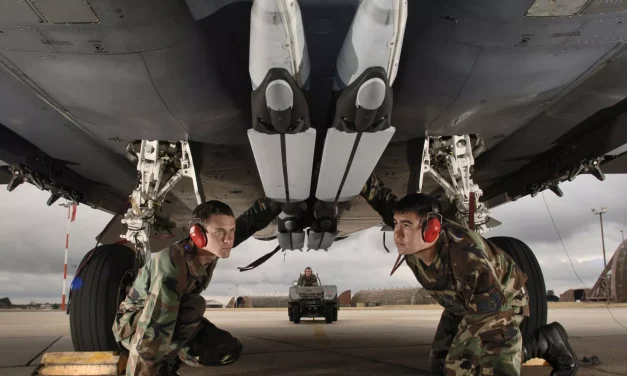
SCFR Online – Opinion: The continuation of the US war against Iran, in addition to increasing operational costs, has called into question the actual capacity of the American arsenal to simultaneously fulfill security commitments on multiple fronts; an issue that affects deterrence, defense production capacity, and Washington’s resource prioritization.

The Formation of a New Order in Relations Between Powers

SCFR Online – Opinion: The Russia-Ukraine war and the war of the United States and the Israeli regime against Iran have been formed with different objectives and actors, but field and political developments indicate that they are not entirely separate from one another.

An Analysis of the Makkah Defense Pact

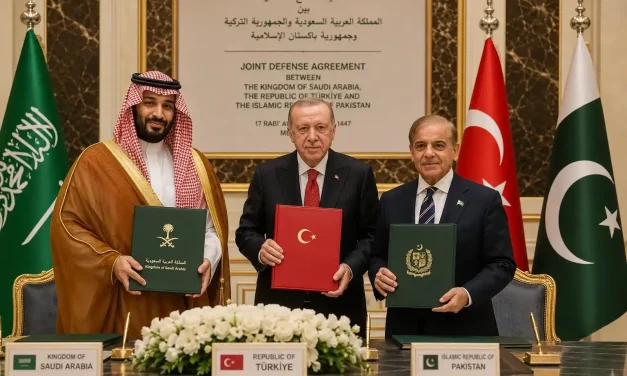
SCFR Online – Opinion: On Friday, August 7, the heads of state of three countries – Saudi Arabia, Turkey, and Pakistan – signed a text under the title “Makkah Joint Defense Agreement.”

Dimensions and challenges of the initiative to revive the Hejaz Railway

Strategic Council Online – Note: The initiative to revive the Hejaz Railway, beyond being a transportation project, constitutes an attempt to redefine geopolitics, the economy, and Turkey’s regional position; however, its realization appears to face significant financial, security, and institutional challenges.

Loading

Saudi Arabia

What Made UAE to Exit Yemeni Quagmire!

What Made UAE to Exit Yemeni Quagmire!

Strategic Council Online: An expert on West Asia affairs commenting on the UAE decision to withdraw from Yemen and reduce its troops, said: “The UAE, sooner than Saudi Arabia, realized that Yemen was indeed a quagmire; as Kuwait was a swamp for Iraq’s Saddam Hussein and resulted in his downfall Yemen too could decide the same fate for the interventionists.”

Aims of Saudi, UAE Policies in the Region

Aims of Saudi, UAE Policies in the Region

Strategic Council Online: Following the revolutions in Arab states these countries have adopted policies to change the course of the events out of concern over the influence of Islamists or the spread of democracy.

Future of Military Equations in Yemen War

Future of Military Equations in Yemen War

Strategic Council Online: The recent military strikes on the installations of Saudi Arabia and the United Arab Emirates will have great impacts in security and economic terms and will compel the two states to revise their war policies against Yemen.

Saudi-Israeli Intimacy: Betraying Palestinian Nation!

Strategic Council Online: US President Donald Trump and Israeli Prime Minister Benjamin Netanyahu believe that the “Deal of the Century” cannot be implemented without the official cooperation of Saudi Arabia.

Riyadh, Abu Dhabi Strive to Keep Influence in Sudan

Strategic Council Online: The UAE and Saudi Arabia are sensitive to any changes or political and social instability in the Afro-Arab countries, and they are always seeking to maintain the status quo. But this time about Sudan, they certainly have not sufficed to a mere opposition to changes by learning a lesson from the 2011 uprisings. Instead, they are trying to orchestrate the power transition in a way that their own interests are preserved and safeguarded.
Kourosh Fakhr Tavoli – African Affairs Expert

Saudi-UAE Intervention in Sudan to Prevent Muslim Brotherhood from Taking Power

Strategic Council Online: What happened in Sudan, or the issue that led to a coup or quasi coup d’état in this country, go back to a number of factors and reasons such as the ineffectiveness of the political system of Omar al-Bashir government, as well as his actions over the past few years on foreign policy among others.
Ahmad Bakhshi – African Affairs Expert

Dimensions and Consequences of Egypt’s Exit from Hebrew-Arab NATO

Dimensions and Consequences of Egypt’s Exit from Hebrew-Arab NATO

Strategic Council Online: Saudi Arabia has tried, in addition to its Persian Gulf allies, attract Egypt as one of the Middle East powers in a coalition called the Hebrew-Arab NATO against Iran, but with Cairo’s withdrawal from the coalition Saudi Arabia and its allies have faced an impasse in creating a full-fledged anti-Iran coalition.
Davood Ahmadzadeh – Middle East Affairs Expert

Political Insight and Regional Cooperation

Political Insight and Regional Cooperation

Strategic Council Online: The President of Strategic Council on Foreign Relations said illusionary Iranophobia made by the United States, with the cooperation of the Zionist regime, resulted not only in the plunder of the wealth of Arab states but also it produced the normalization of their relations with the Zionist regime.

Another Victory for the People of Yemen

Another Victory for the People of Yemen

Strategic Council Online: Despite a ceasefire agreement the Coalition of aggressors against Yemen continues its obstructions and attacks on civilian areas. Also, the Stockholm conference has not achieved tangible results to end the five-year crisis in Yemen.

Behind the Recent Saudi Cabinet Reshuffle

Strategic Council Online: The new changes in the Saudi cabinet will not be very deep and widespread and we should not expect a tangible turn in Saudi foreign policy vis-à-vis the Yemeni crisis or Iran-related issues.
Dr. Rahman Ghahramanpour – Senior Middle East Researcher

أحدث الوظائف

Increasing criticism of the extensive Zionist lobby network

SCFR Online – Opinion: An examination of the mechanisms of the Israeli regime’s influence in the United States depicts a complex picture of shared interests, strategic dependencies, and the limitations of this relationship.

Realities of the Tripartite Makkah Pact

SCFR Online – Interview: The signing of the Makkah agreement between Saudi Arabia, Pakistan, and Turkey has raised questions about the future of the region’s security structure and the position of these countries in West Asian equations. Can this agreement become a genuine collective defense mechanism, or does it have more of a political and deterrent function than creating new military capacity?

Strategic Implications of the Reduction of US Weapons Stockpiles

SCFR Online – Opinion: The continuation of the US war against Iran, in addition to increasing operational costs, has called into question the actual capacity of the American arsenal to simultaneously fulfill security commitments on multiple fronts; an issue that affects deterrence, defense production capacity, and Washington’s resource prioritization.

The Formation of a New Order in Relations Between Powers

SCFR Online – Opinion: The Russia-Ukraine war and the war of the United States and the Israeli regime against Iran have been formed with different objectives and actors, but field and political developments indicate that they are not entirely separate from one another.

An Analysis of the Makkah Defense Pact

SCFR Online – Opinion: On Friday, August 7, the heads of state of three countries – Saudi Arabia, Turkey, and Pakistan – signed a text under the title “Makkah Joint Defense Agreement.”

Dimensions and challenges of the initiative to revive the Hejaz Railway

Strategic Council Online – Note: The initiative to revive the Hejaz Railway, beyond being a transportation project, constitutes an attempt to redefine geopolitics, the economy, and Turkey’s regional position; however, its realization appears to face significant financial, security, and institutional challenges.

Loading

Saudi Arabia

What Made UAE to Exit Yemeni Quagmire!

What Made UAE to Exit Yemeni Quagmire!

Strategic Council Online: An expert on West Asia affairs commenting on the UAE decision to withdraw from Yemen and reduce its troops, said: “The UAE, sooner than Saudi Arabia, realized that Yemen was indeed a quagmire; as Kuwait was a swamp for Iraq’s Saddam Hussein and resulted in his downfall Yemen too could decide the same fate for the interventionists.”

Aims of Saudi, UAE Policies in the Region

Aims of Saudi, UAE Policies in the Region

Strategic Council Online: Following the revolutions in Arab states these countries have adopted policies to change the course of the events out of concern over the influence of Islamists or the spread of democracy.

Future of Military Equations in Yemen War

Future of Military Equations in Yemen War

Strategic Council Online: The recent military strikes on the installations of Saudi Arabia and the United Arab Emirates will have great impacts in security and economic terms and will compel the two states to revise their war policies against Yemen.

Saudi-Israeli Intimacy: Betraying Palestinian Nation!

Strategic Council Online: US President Donald Trump and Israeli Prime Minister Benjamin Netanyahu believe that the “Deal of the Century” cannot be implemented without the official cooperation of Saudi Arabia.

Riyadh, Abu Dhabi Strive to Keep Influence in Sudan

Strategic Council Online: The UAE and Saudi Arabia are sensitive to any changes or political and social instability in the Afro-Arab countries, and they are always seeking to maintain the status quo. But this time about Sudan, they certainly have not sufficed to a mere opposition to changes by learning a lesson from the 2011 uprisings. Instead, they are trying to orchestrate the power transition in a way that their own interests are preserved and safeguarded.
Kourosh Fakhr Tavoli – African Affairs Expert

Saudi-UAE Intervention in Sudan to Prevent Muslim Brotherhood from Taking Power

Strategic Council Online: What happened in Sudan, or the issue that led to a coup or quasi coup d’état in this country, go back to a number of factors and reasons such as the ineffectiveness of the political system of Omar al-Bashir government, as well as his actions over the past few years on foreign policy among others.
Ahmad Bakhshi – African Affairs Expert

Dimensions and Consequences of Egypt’s Exit from Hebrew-Arab NATO

Dimensions and Consequences of Egypt’s Exit from Hebrew-Arab NATO

Strategic Council Online: Saudi Arabia has tried, in addition to its Persian Gulf allies, attract Egypt as one of the Middle East powers in a coalition called the Hebrew-Arab NATO against Iran, but with Cairo’s withdrawal from the coalition Saudi Arabia and its allies have faced an impasse in creating a full-fledged anti-Iran coalition.
Davood Ahmadzadeh – Middle East Affairs Expert

Political Insight and Regional Cooperation

Political Insight and Regional Cooperation

Strategic Council Online: The President of Strategic Council on Foreign Relations said illusionary Iranophobia made by the United States, with the cooperation of the Zionist regime, resulted not only in the plunder of the wealth of Arab states but also it produced the normalization of their relations with the Zionist regime.

Another Victory for the People of Yemen

Another Victory for the People of Yemen

Strategic Council Online: Despite a ceasefire agreement the Coalition of aggressors against Yemen continues its obstructions and attacks on civilian areas. Also, the Stockholm conference has not achieved tangible results to end the five-year crisis in Yemen.

Behind the Recent Saudi Cabinet Reshuffle

Strategic Council Online: The new changes in the Saudi cabinet will not be very deep and widespread and we should not expect a tangible turn in Saudi foreign policy vis-à-vis the Yemeni crisis or Iran-related issues.
Dr. Rahman Ghahramanpour – Senior Middle East Researcher

Saudi Arabia

What Made UAE to Exit Yemeni Quagmire!

What Made UAE to Exit Yemeni Quagmire!

Strategic Council Online: An expert on West Asia affairs commenting on the UAE decision to withdraw from Yemen and reduce its troops, said: “The UAE, sooner than Saudi Arabia, realized that Yemen was indeed a quagmire; as Kuwait was a swamp for Iraq’s Saddam Hussein and resulted in his downfall Yemen too could decide the same fate for the interventionists.”

Aims of Saudi, UAE Policies in the Region

Aims of Saudi, UAE Policies in the Region

Strategic Council Online: Following the revolutions in Arab states these countries have adopted policies to change the course of the events out of concern over the influence of Islamists or the spread of democracy.

Future of Military Equations in Yemen War

Future of Military Equations in Yemen War

Strategic Council Online: The recent military strikes on the installations of Saudi Arabia and the United Arab Emirates will have great impacts in security and economic terms and will compel the two states to revise their war policies against Yemen.

Saudi-Israeli Intimacy: Betraying Palestinian Nation!

Strategic Council Online: US President Donald Trump and Israeli Prime Minister Benjamin Netanyahu believe that the “Deal of the Century” cannot be implemented without the official cooperation of Saudi Arabia.

Riyadh, Abu Dhabi Strive to Keep Influence in Sudan

Strategic Council Online: The UAE and Saudi Arabia are sensitive to any changes or political and social instability in the Afro-Arab countries, and they are always seeking to maintain the status quo. But this time about Sudan, they certainly have not sufficed to a mere opposition to changes by learning a lesson from the 2011 uprisings. Instead, they are trying to orchestrate the power transition in a way that their own interests are preserved and safeguarded.
Kourosh Fakhr Tavoli – African Affairs Expert

Saudi-UAE Intervention in Sudan to Prevent Muslim Brotherhood from Taking Power

Strategic Council Online: What happened in Sudan, or the issue that led to a coup or quasi coup d’état in this country, go back to a number of factors and reasons such as the ineffectiveness of the political system of Omar al-Bashir government, as well as his actions over the past few years on foreign policy among others.
Ahmad Bakhshi – African Affairs Expert

Dimensions and Consequences of Egypt’s Exit from Hebrew-Arab NATO

Dimensions and Consequences of Egypt’s Exit from Hebrew-Arab NATO

Strategic Council Online: Saudi Arabia has tried, in addition to its Persian Gulf allies, attract Egypt as one of the Middle East powers in a coalition called the Hebrew-Arab NATO against Iran, but with Cairo’s withdrawal from the coalition Saudi Arabia and its allies have faced an impasse in creating a full-fledged anti-Iran coalition.
Davood Ahmadzadeh – Middle East Affairs Expert

Political Insight and Regional Cooperation

Political Insight and Regional Cooperation

Strategic Council Online: The President of Strategic Council on Foreign Relations said illusionary Iranophobia made by the United States, with the cooperation of the Zionist regime, resulted not only in the plunder of the wealth of Arab states but also it produced the normalization of their relations with the Zionist regime.

Another Victory for the People of Yemen

Another Victory for the People of Yemen

Strategic Council Online: Despite a ceasefire agreement the Coalition of aggressors against Yemen continues its obstructions and attacks on civilian areas. Also, the Stockholm conference has not achieved tangible results to end the five-year crisis in Yemen.

Behind the Recent Saudi Cabinet Reshuffle

Strategic Council Online: The new changes in the Saudi cabinet will not be very deep and widespread and we should not expect a tangible turn in Saudi foreign policy vis-à-vis the Yemeni crisis or Iran-related issues.
Dr. Rahman Ghahramanpour – Senior Middle East Researcher

LATEST CONTENT

Increasing criticism of the extensive Zionist lobby network

SCFR Online – Opinion: An examination of the mechanisms of the Israeli regime’s influence in the United States depicts a complex picture of shared interests, strategic dependencies, and the limitations of this relationship.

Realities of the Tripartite Makkah Pact

SCFR Online – Interview: The signing of the Makkah agreement between Saudi Arabia, Pakistan, and Turkey has raised questions about the future of the region’s security structure and the position of these countries in West Asian equations. Can this agreement become a genuine collective defense mechanism, or does it have more of a political and deterrent function than creating new military capacity?

Strategic Implications of the Reduction of US Weapons Stockpiles

SCFR Online – Opinion: The continuation of the US war against Iran, in addition to increasing operational costs, has called into question the actual capacity of the American arsenal to simultaneously fulfill security commitments on multiple fronts; an issue that affects deterrence, defense production capacity, and Washington’s resource prioritization.

The Formation of a New Order in Relations Between Powers

SCFR Online – Opinion: The Russia-Ukraine war and the war of the United States and the Israeli regime against Iran have been formed with different objectives and actors, but field and political developments indicate that they are not entirely separate from one another.

An Analysis of the Makkah Defense Pact

SCFR Online – Opinion: On Friday, August 7, the heads of state of three countries – Saudi Arabia, Turkey, and Pakistan – signed a text under the title “Makkah Joint Defense Agreement.”

Dimensions and challenges of the initiative to revive the Hejaz Railway

Strategic Council Online – Note: The initiative to revive the Hejaz Railway, beyond being a transportation project, constitutes an attempt to redefine geopolitics, the economy, and Turkey’s regional position; however, its realization appears to face significant financial, security, and institutional challenges.

Loading

Saudi Arabia

What Made UAE to Exit Yemeni Quagmire!

What Made UAE to Exit Yemeni Quagmire!

Strategic Council Online: An expert on West Asia affairs commenting on the UAE decision to withdraw from Yemen and reduce its troops, said: “The UAE, sooner than Saudi Arabia, realized that Yemen was indeed a quagmire; as Kuwait was a swamp for Iraq’s Saddam Hussein and resulted in his downfall Yemen too could decide the same fate for the interventionists.”

Aims of Saudi, UAE Policies in the Region

Aims of Saudi, UAE Policies in the Region

Strategic Council Online: Following the revolutions in Arab states these countries have adopted policies to change the course of the events out of concern over the influence of Islamists or the spread of democracy.

Future of Military Equations in Yemen War

Future of Military Equations in Yemen War

Strategic Council Online: The recent military strikes on the installations of Saudi Arabia and the United Arab Emirates will have great impacts in security and economic terms and will compel the two states to revise their war policies against Yemen.

Saudi-Israeli Intimacy: Betraying Palestinian Nation!

Strategic Council Online: US President Donald Trump and Israeli Prime Minister Benjamin Netanyahu believe that the “Deal of the Century” cannot be implemented without the official cooperation of Saudi Arabia.

Riyadh, Abu Dhabi Strive to Keep Influence in Sudan

Strategic Council Online: The UAE and Saudi Arabia are sensitive to any changes or political and social instability in the Afro-Arab countries, and they are always seeking to maintain the status quo. But this time about Sudan, they certainly have not sufficed to a mere opposition to changes by learning a lesson from the 2011 uprisings. Instead, they are trying to orchestrate the power transition in a way that their own interests are preserved and safeguarded.
Kourosh Fakhr Tavoli – African Affairs Expert

Saudi-UAE Intervention in Sudan to Prevent Muslim Brotherhood from Taking Power

Strategic Council Online: What happened in Sudan, or the issue that led to a coup or quasi coup d’état in this country, go back to a number of factors and reasons such as the ineffectiveness of the political system of Omar al-Bashir government, as well as his actions over the past few years on foreign policy among others.
Ahmad Bakhshi – African Affairs Expert

Dimensions and Consequences of Egypt’s Exit from Hebrew-Arab NATO

Dimensions and Consequences of Egypt’s Exit from Hebrew-Arab NATO

Strategic Council Online: Saudi Arabia has tried, in addition to its Persian Gulf allies, attract Egypt as one of the Middle East powers in a coalition called the Hebrew-Arab NATO against Iran, but with Cairo’s withdrawal from the coalition Saudi Arabia and its allies have faced an impasse in creating a full-fledged anti-Iran coalition.
Davood Ahmadzadeh – Middle East Affairs Expert

Political Insight and Regional Cooperation

Political Insight and Regional Cooperation

Strategic Council Online: The President of Strategic Council on Foreign Relations said illusionary Iranophobia made by the United States, with the cooperation of the Zionist regime, resulted not only in the plunder of the wealth of Arab states but also it produced the normalization of their relations with the Zionist regime.

Another Victory for the People of Yemen

Another Victory for the People of Yemen

Strategic Council Online: Despite a ceasefire agreement the Coalition of aggressors against Yemen continues its obstructions and attacks on civilian areas. Also, the Stockholm conference has not achieved tangible results to end the five-year crisis in Yemen.

Behind the Recent Saudi Cabinet Reshuffle

Strategic Council Online: The new changes in the Saudi cabinet will not be very deep and widespread and we should not expect a tangible turn in Saudi foreign policy vis-à-vis the Yemeni crisis or Iran-related issues.
Dr. Rahman Ghahramanpour – Senior Middle East Researcher

ÚLTIMAS PUBLICACIONES

Increasing criticism of the extensive Zionist lobby network

SCFR Online – Opinion: An examination of the mechanisms of the Israeli regime’s influence in the United States depicts a complex picture of shared interests, strategic dependencies, and the limitations of this relationship.

Realities of the Tripartite Makkah Pact

SCFR Online – Interview: The signing of the Makkah agreement between Saudi Arabia, Pakistan, and Turkey has raised questions about the future of the region’s security structure and the position of these countries in West Asian equations. Can this agreement become a genuine collective defense mechanism, or does it have more of a political and deterrent function than creating new military capacity?

Strategic Implications of the Reduction of US Weapons Stockpiles

SCFR Online – Opinion: The continuation of the US war against Iran, in addition to increasing operational costs, has called into question the actual capacity of the American arsenal to simultaneously fulfill security commitments on multiple fronts; an issue that affects deterrence, defense production capacity, and Washington’s resource prioritization.

The Formation of a New Order in Relations Between Powers

SCFR Online – Opinion: The Russia-Ukraine war and the war of the United States and the Israeli regime against Iran have been formed with different objectives and actors, but field and political developments indicate that they are not entirely separate from one another.

An Analysis of the Makkah Defense Pact

SCFR Online – Opinion: On Friday, August 7, the heads of state of three countries – Saudi Arabia, Turkey, and Pakistan – signed a text under the title “Makkah Joint Defense Agreement.”

Dimensions and challenges of the initiative to revive the Hejaz Railway

Strategic Council Online – Note: The initiative to revive the Hejaz Railway, beyond being a transportation project, constitutes an attempt to redefine geopolitics, the economy, and Turkey’s regional position; however, its realization appears to face significant financial, security, and institutional challenges.

Loading

Saudi Arabia

What Made UAE to Exit Yemeni Quagmire!

What Made UAE to Exit Yemeni Quagmire!

Strategic Council Online: An expert on West Asia affairs commenting on the UAE decision to withdraw from Yemen and reduce its troops, said: “The UAE, sooner than Saudi Arabia, realized that Yemen was indeed a quagmire; as Kuwait was a swamp for Iraq’s Saddam Hussein and resulted in his downfall Yemen too could decide the same fate for the interventionists.”

Aims of Saudi, UAE Policies in the Region

Aims of Saudi, UAE Policies in the Region

Strategic Council Online: Following the revolutions in Arab states these countries have adopted policies to change the course of the events out of concern over the influence of Islamists or the spread of democracy.

Future of Military Equations in Yemen War

Future of Military Equations in Yemen War

Strategic Council Online: The recent military strikes on the installations of Saudi Arabia and the United Arab Emirates will have great impacts in security and economic terms and will compel the two states to revise their war policies against Yemen.

Saudi-Israeli Intimacy: Betraying Palestinian Nation!

Strategic Council Online: US President Donald Trump and Israeli Prime Minister Benjamin Netanyahu believe that the “Deal of the Century” cannot be implemented without the official cooperation of Saudi Arabia.

Riyadh, Abu Dhabi Strive to Keep Influence in Sudan

Strategic Council Online: The UAE and Saudi Arabia are sensitive to any changes or political and social instability in the Afro-Arab countries, and they are always seeking to maintain the status quo. But this time about Sudan, they certainly have not sufficed to a mere opposition to changes by learning a lesson from the 2011 uprisings. Instead, they are trying to orchestrate the power transition in a way that their own interests are preserved and safeguarded.
Kourosh Fakhr Tavoli – African Affairs Expert

Saudi-UAE Intervention in Sudan to Prevent Muslim Brotherhood from Taking Power

Strategic Council Online: What happened in Sudan, or the issue that led to a coup or quasi coup d’état in this country, go back to a number of factors and reasons such as the ineffectiveness of the political system of Omar al-Bashir government, as well as his actions over the past few years on foreign policy among others.
Ahmad Bakhshi – African Affairs Expert

Dimensions and Consequences of Egypt’s Exit from Hebrew-Arab NATO

Dimensions and Consequences of Egypt’s Exit from Hebrew-Arab NATO

Strategic Council Online: Saudi Arabia has tried, in addition to its Persian Gulf allies, attract Egypt as one of the Middle East powers in a coalition called the Hebrew-Arab NATO against Iran, but with Cairo’s withdrawal from the coalition Saudi Arabia and its allies have faced an impasse in creating a full-fledged anti-Iran coalition.
Davood Ahmadzadeh – Middle East Affairs Expert

Political Insight and Regional Cooperation

Political Insight and Regional Cooperation

Strategic Council Online: The President of Strategic Council on Foreign Relations said illusionary Iranophobia made by the United States, with the cooperation of the Zionist regime, resulted not only in the plunder of the wealth of Arab states but also it produced the normalization of their relations with the Zionist regime.

Another Victory for the People of Yemen

Another Victory for the People of Yemen

Strategic Council Online: Despite a ceasefire agreement the Coalition of aggressors against Yemen continues its obstructions and attacks on civilian areas. Also, the Stockholm conference has not achieved tangible results to end the five-year crisis in Yemen.

Behind the Recent Saudi Cabinet Reshuffle

Strategic Council Online: The new changes in the Saudi cabinet will not be very deep and widespread and we should not expect a tangible turn in Saudi foreign policy vis-à-vis the Yemeni crisis or Iran-related issues.
Dr. Rahman Ghahramanpour – Senior Middle East Researcher

ÚLTIMAS PUBLICACIONES

Increasing criticism of the extensive Zionist lobby network

SCFR Online – Opinion: An examination of the mechanisms of the Israeli regime’s influence in the United States depicts a complex picture of shared interests, strategic dependencies, and the limitations of this relationship.

Realities of the Tripartite Makkah Pact

SCFR Online – Interview: The signing of the Makkah agreement between Saudi Arabia, Pakistan, and Turkey has raised questions about the future of the region’s security structure and the position of these countries in West Asian equations. Can this agreement become a genuine collective defense mechanism, or does it have more of a political and deterrent function than creating new military capacity?

Strategic Implications of the Reduction of US Weapons Stockpiles

SCFR Online – Opinion: The continuation of the US war against Iran, in addition to increasing operational costs, has called into question the actual capacity of the American arsenal to simultaneously fulfill security commitments on multiple fronts; an issue that affects deterrence, defense production capacity, and Washington’s resource prioritization.

The Formation of a New Order in Relations Between Powers

SCFR Online – Opinion: The Russia-Ukraine war and the war of the United States and the Israeli regime against Iran have been formed with different objectives and actors, but field and political developments indicate that they are not entirely separate from one another.

An Analysis of the Makkah Defense Pact

SCFR Online – Opinion: On Friday, August 7, the heads of state of three countries – Saudi Arabia, Turkey, and Pakistan – signed a text under the title “Makkah Joint Defense Agreement.”

Dimensions and challenges of the initiative to revive the Hejaz Railway

Strategic Council Online – Note: The initiative to revive the Hejaz Railway, beyond being a transportation project, constitutes an attempt to redefine geopolitics, the economy, and Turkey’s regional position; however, its realization appears to face significant financial, security, and institutional challenges.

Loading

Saudi Arabia

What Made UAE to Exit Yemeni Quagmire!

What Made UAE to Exit Yemeni Quagmire!

Strategic Council Online: An expert on West Asia affairs commenting on the UAE decision to withdraw from Yemen and reduce its troops, said: “The UAE, sooner than Saudi Arabia, realized that Yemen was indeed a quagmire; as Kuwait was a swamp for Iraq’s Saddam Hussein and resulted in his downfall Yemen too could decide the same fate for the interventionists.”

Aims of Saudi, UAE Policies in the Region

Aims of Saudi, UAE Policies in the Region

Strategic Council Online: Following the revolutions in Arab states these countries have adopted policies to change the course of the events out of concern over the influence of Islamists or the spread of democracy.

Future of Military Equations in Yemen War

Future of Military Equations in Yemen War

Strategic Council Online: The recent military strikes on the installations of Saudi Arabia and the United Arab Emirates will have great impacts in security and economic terms and will compel the two states to revise their war policies against Yemen.

Saudi-Israeli Intimacy: Betraying Palestinian Nation!

Strategic Council Online: US President Donald Trump and Israeli Prime Minister Benjamin Netanyahu believe that the “Deal of the Century” cannot be implemented without the official cooperation of Saudi Arabia.

Riyadh, Abu Dhabi Strive to Keep Influence in Sudan

Strategic Council Online: The UAE and Saudi Arabia are sensitive to any changes or political and social instability in the Afro-Arab countries, and they are always seeking to maintain the status quo. But this time about Sudan, they certainly have not sufficed to a mere opposition to changes by learning a lesson from the 2011 uprisings. Instead, they are trying to orchestrate the power transition in a way that their own interests are preserved and safeguarded.
Kourosh Fakhr Tavoli – African Affairs Expert

Saudi-UAE Intervention in Sudan to Prevent Muslim Brotherhood from Taking Power

Strategic Council Online: What happened in Sudan, or the issue that led to a coup or quasi coup d’état in this country, go back to a number of factors and reasons such as the ineffectiveness of the political system of Omar al-Bashir government, as well as his actions over the past few years on foreign policy among others.
Ahmad Bakhshi – African Affairs Expert

Dimensions and Consequences of Egypt’s Exit from Hebrew-Arab NATO

Dimensions and Consequences of Egypt’s Exit from Hebrew-Arab NATO

Strategic Council Online: Saudi Arabia has tried, in addition to its Persian Gulf allies, attract Egypt as one of the Middle East powers in a coalition called the Hebrew-Arab NATO against Iran, but with Cairo’s withdrawal from the coalition Saudi Arabia and its allies have faced an impasse in creating a full-fledged anti-Iran coalition.
Davood Ahmadzadeh – Middle East Affairs Expert

Political Insight and Regional Cooperation

Political Insight and Regional Cooperation

Strategic Council Online: The President of Strategic Council on Foreign Relations said illusionary Iranophobia made by the United States, with the cooperation of the Zionist regime, resulted not only in the plunder of the wealth of Arab states but also it produced the normalization of their relations with the Zionist regime.

Another Victory for the People of Yemen

Another Victory for the People of Yemen

Strategic Council Online: Despite a ceasefire agreement the Coalition of aggressors against Yemen continues its obstructions and attacks on civilian areas. Also, the Stockholm conference has not achieved tangible results to end the five-year crisis in Yemen.

Behind the Recent Saudi Cabinet Reshuffle

Strategic Council Online: The new changes in the Saudi cabinet will not be very deep and widespread and we should not expect a tangible turn in Saudi foreign policy vis-à-vis the Yemeni crisis or Iran-related issues.
Dr. Rahman Ghahramanpour – Senior Middle East Researcher

ÚLTIMAS PUBLICACIONES

Increasing criticism of the extensive Zionist lobby network

SCFR Online – Opinion: An examination of the mechanisms of the Israeli regime’s influence in the United States depicts a complex picture of shared interests, strategic dependencies, and the limitations of this relationship.

Realities of the Tripartite Makkah Pact

SCFR Online – Interview: The signing of the Makkah agreement between Saudi Arabia, Pakistan, and Turkey has raised questions about the future of the region’s security structure and the position of these countries in West Asian equations. Can this agreement become a genuine collective defense mechanism, or does it have more of a political and deterrent function than creating new military capacity?

Strategic Implications of the Reduction of US Weapons Stockpiles

SCFR Online – Opinion: The continuation of the US war against Iran, in addition to increasing operational costs, has called into question the actual capacity of the American arsenal to simultaneously fulfill security commitments on multiple fronts; an issue that affects deterrence, defense production capacity, and Washington’s resource prioritization.

The Formation of a New Order in Relations Between Powers

SCFR Online – Opinion: The Russia-Ukraine war and the war of the United States and the Israeli regime against Iran have been formed with different objectives and actors, but field and political developments indicate that they are not entirely separate from one another.

An Analysis of the Makkah Defense Pact

SCFR Online – Opinion: On Friday, August 7, the heads of state of three countries – Saudi Arabia, Turkey, and Pakistan – signed a text under the title “Makkah Joint Defense Agreement.”

Dimensions and challenges of the initiative to revive the Hejaz Railway

Strategic Council Online – Note: The initiative to revive the Hejaz Railway, beyond being a transportation project, constitutes an attempt to redefine geopolitics, the economy, and Turkey’s regional position; however, its realization appears to face significant financial, security, and institutional challenges.

Loading

Saudi Arabia

What Made UAE to Exit Yemeni Quagmire!

What Made UAE to Exit Yemeni Quagmire!

Strategic Council Online: An expert on West Asia affairs commenting on the UAE decision to withdraw from Yemen and reduce its troops, said: “The UAE, sooner than Saudi Arabia, realized that Yemen was indeed a quagmire; as Kuwait was a swamp for Iraq’s Saddam Hussein and resulted in his downfall Yemen too could decide the same fate for the interventionists.”

Aims of Saudi, UAE Policies in the Region

Aims of Saudi, UAE Policies in the Region

Strategic Council Online: Following the revolutions in Arab states these countries have adopted policies to change the course of the events out of concern over the influence of Islamists or the spread of democracy.

Future of Military Equations in Yemen War

Future of Military Equations in Yemen War

Strategic Council Online: The recent military strikes on the installations of Saudi Arabia and the United Arab Emirates will have great impacts in security and economic terms and will compel the two states to revise their war policies against Yemen.

Saudi-Israeli Intimacy: Betraying Palestinian Nation!

Strategic Council Online: US President Donald Trump and Israeli Prime Minister Benjamin Netanyahu believe that the “Deal of the Century” cannot be implemented without the official cooperation of Saudi Arabia.

Riyadh, Abu Dhabi Strive to Keep Influence in Sudan

Strategic Council Online: The UAE and Saudi Arabia are sensitive to any changes or political and social instability in the Afro-Arab countries, and they are always seeking to maintain the status quo. But this time about Sudan, they certainly have not sufficed to a mere opposition to changes by learning a lesson from the 2011 uprisings. Instead, they are trying to orchestrate the power transition in a way that their own interests are preserved and safeguarded.
Kourosh Fakhr Tavoli – African Affairs Expert

Saudi-UAE Intervention in Sudan to Prevent Muslim Brotherhood from Taking Power

Strategic Council Online: What happened in Sudan, or the issue that led to a coup or quasi coup d’état in this country, go back to a number of factors and reasons such as the ineffectiveness of the political system of Omar al-Bashir government, as well as his actions over the past few years on foreign policy among others.
Ahmad Bakhshi – African Affairs Expert

Dimensions and Consequences of Egypt’s Exit from Hebrew-Arab NATO

Dimensions and Consequences of Egypt’s Exit from Hebrew-Arab NATO

Strategic Council Online: Saudi Arabia has tried, in addition to its Persian Gulf allies, attract Egypt as one of the Middle East powers in a coalition called the Hebrew-Arab NATO against Iran, but with Cairo’s withdrawal from the coalition Saudi Arabia and its allies have faced an impasse in creating a full-fledged anti-Iran coalition.
Davood Ahmadzadeh – Middle East Affairs Expert

Political Insight and Regional Cooperation

Political Insight and Regional Cooperation

Strategic Council Online: The President of Strategic Council on Foreign Relations said illusionary Iranophobia made by the United States, with the cooperation of the Zionist regime, resulted not only in the plunder of the wealth of Arab states but also it produced the normalization of their relations with the Zionist regime.

Another Victory for the People of Yemen

Another Victory for the People of Yemen

Strategic Council Online: Despite a ceasefire agreement the Coalition of aggressors against Yemen continues its obstructions and attacks on civilian areas. Also, the Stockholm conference has not achieved tangible results to end the five-year crisis in Yemen.

Behind the Recent Saudi Cabinet Reshuffle

Strategic Council Online: The new changes in the Saudi cabinet will not be very deep and widespread and we should not expect a tangible turn in Saudi foreign policy vis-à-vis the Yemeni crisis or Iran-related issues.
Dr. Rahman Ghahramanpour – Senior Middle East Researcher

ÚLTIMAS PUBLICACIONES

Increasing criticism of the extensive Zionist lobby network

SCFR Online – Opinion: An examination of the mechanisms of the Israeli regime’s influence in the United States depicts a complex picture of shared interests, strategic dependencies, and the limitations of this relationship.

Realities of the Tripartite Makkah Pact

SCFR Online – Interview: The signing of the Makkah agreement between Saudi Arabia, Pakistan, and Turkey has raised questions about the future of the region’s security structure and the position of these countries in West Asian equations. Can this agreement become a genuine collective defense mechanism, or does it have more of a political and deterrent function than creating new military capacity?

Strategic Implications of the Reduction of US Weapons Stockpiles

SCFR Online – Opinion: The continuation of the US war against Iran, in addition to increasing operational costs, has called into question the actual capacity of the American arsenal to simultaneously fulfill security commitments on multiple fronts; an issue that affects deterrence, defense production capacity, and Washington’s resource prioritization.

The Formation of a New Order in Relations Between Powers

SCFR Online – Opinion: The Russia-Ukraine war and the war of the United States and the Israeli regime against Iran have been formed with different objectives and actors, but field and political developments indicate that they are not entirely separate from one another.

An Analysis of the Makkah Defense Pact

SCFR Online – Opinion: On Friday, August 7, the heads of state of three countries – Saudi Arabia, Turkey, and Pakistan – signed a text under the title “Makkah Joint Defense Agreement.”

Dimensions and challenges of the initiative to revive the Hejaz Railway

Strategic Council Online – Note: The initiative to revive the Hejaz Railway, beyond being a transportation project, constitutes an attempt to redefine geopolitics, the economy, and Turkey’s regional position; however, its realization appears to face significant financial, security, and institutional challenges.

Loading