جدیدترین مطالب

The Makkah Pact; Reasons for its Formation and Challenges Ahead

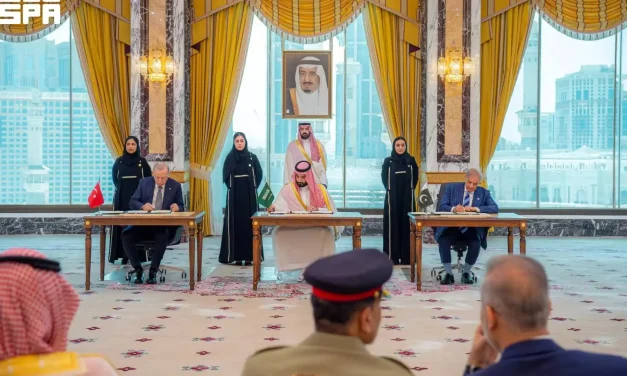
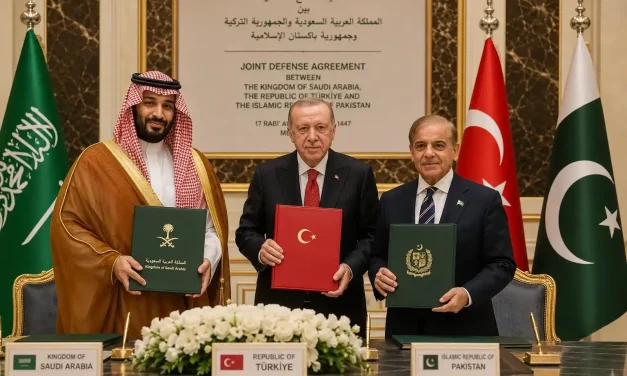
SCFR Online – Opinion: The Makkah Pact, signed between Saudi Arabia, Pakistan, and Turkey under the motto “an attack on one is an attack on all,” is viewed by some analysts less as a full-fledged military coalition and more as an attempt to reduce security dependence on an external power and to establish a regional security mechanism.

Implications of the US-Saudi Nuclear Agreement

SCFR Online – Opinion: The new US-Saudi nuclear agreement, despite legal and political ambiguities, could alter previous non-proliferation standards in West Asia and intensify nuclear competition, ushering it into a new phase.

An Analysis of Recent Turkey-Israeli Regime Tensions

SCFR Online – Opinion: Recent developments in Syria indicate an intensification of strategic rivalry between Turkey and the Israeli regime, but mutual considerations and the role of the United States have limited the likelihood of direct war.

Increasing criticism of the extensive Zionist lobby network

SCFR Online – Opinion: An examination of the mechanisms of the Israeli regime’s influence in the United States depicts a complex picture of shared interests, strategic dependencies, and the limitations of this relationship.

Realities of the Tripartite Makkah Pact

SCFR Online – Interview: The signing of the Makkah agreement between Saudi Arabia, Pakistan, and Turkey has raised questions about the future of the region’s security structure and the position of these countries in West Asian equations. Can this agreement become a genuine collective defense mechanism, or does it have more of a political and deterrent function than creating new military capacity?

Loading

West Asia

India-China Rivalry in West Asia, Approach by Other Countries

India-China Rivalry in West Asia, Approach by Other Countries

Strategic Council Online – Interview: The head of the Indian Subcontinent Desk at Jaraian Research Institute considered the view of that country on expanding relations with West Asian countries with economic and cultural objectives under the rivalry with China and said: India’s high economic growth has enlarged the middle class of that country and as a result has increased consumption and willingness to consume in that country and for this reason, India pays special attention to the hydrocarbon resources of West Asia.

Prospects, Implications of Resumption of Iran-Egypt Relations

Prospects, Implications of Resumption of Iran-Egypt Relations

Strategic Council Online – Opinion: The stand of the Supreme Leader of the Islamic Revolution regarding welcoming Egypt’s desire to resume relations is a valuable opportunity that can speed up the process of improving relations between the two countries.
Barsam Mohammadi – Expert on regional affairs

The strategic importance of resuming relations between Iran and Egypt

The strategic importance of resuming relations between Iran and Egypt

Strategic Council Online-Opinion: After the resumption of diplomatic relations between Iran and Saudi Arabia created a wave of positive developments in the region and encouraged other Persian Gulf countries to resume or strengthen ties with the Islamic Republic of Iran, now the news indicates that Iran and Egypt with the mediation of Iraq are trying to resume diplomatic relations.
Mohammad Mehdi Mazaheri—University scholar

Strategic Consequences of Syria-Saudi Improved Relations

Strategic Consequences of Syria-Saudi Improved Relations

Strategic Council Online – Opinion: After the breakthrough in diplomatic relations between the Islamic Republic of Iran and Saudi Arabia, West Asia, and the Persian Gulf are witnessing “positive movements”; the countries that used to be on the opposite front have abandoned previous policies and are moving towards interaction and resumption of bilateral relations.
Barsam Mohammadi – Expert on regional affairs

Strategic Consequences of Improved Ties with the Saudis

Strategic Consequences of Improved Ties with the Saudis

Strategic Council Online – Opinion: The agreement between the Islamic Republic of Iran and the Kingdom of Saudi Arabia to resume bilateral relations is West Asia’s most important political and diplomatic event.
Barsam Mohammadi – International affairs analyst

Tracking US Goals in Iraq within the Framework of Strengthening NATO-Iraq Cooperation

Tracking US Goals in Iraq within the Framework of Strengthening NATO-Iraq Cooperation

Strategic Council Online – Interview: An analyst of Iraq affairs, saying that many groups and political parties and decision-makers in Iraq’s foreign policy believe that military cooperation with NATO should be expanded, noted: Joint military cooperation of Western countries, such as France, Britain and the US with some regional players such as Egypt, Jordan and Iraq and some countries of the Persian Gulf Cooperation Council are increasing and joint naval and air exercises in the Red Sea and other places have become more prominent. NATO follows a model in which expansion of its presence in the West Asian region is one of its components, which will entail its own risks.

Analysis of Inconclusive Paris Meeting on Lebanon, Impotence of Trans-Regional Powers

Analysis of Inconclusive Paris Meeting on Lebanon, Impotence of Trans-Regional Powers

Strategic Council Online – Interview: An expert on West Asia affairs emphasized that the interventionist meeting in Paris about Lebanon could not reach a conclusion due to the many contradictions in the point of view of members participating in the meeting, adding: Transregional countries are unable to solve the political crisis in Lebanon, but they refuse to admit it.

Dr. Kharrazi in the opening session of the Iran-Arab Meeting in Doha: The best solution to the settlement of regional security issues: frank talks without foreign interference

Dr. Kharrazi in the opening session of the Iran-Arab Meeting in Doha: The best solution to the settlement of regional security issues: frank talks without foreign interference

Strategic Council Online-The President of the Strategic Council on Foreign Relations called the tensions in the region “regrettable”, and said that the Islamic Republic of Iran considers “brotherly but frank and honest dialogue” among the countries of the region, without the presence and interference of foreigners, as the best solution to regional security problems in West Asia and the Persian Gulf.

US New Strategy in Syria

US New Strategy in Syria

Strategic Council Online—Interview: An expert of Middle East issues says US marines and military forces have relocated from the northern and western provinces of Iraq to al-Hasakah in Syria, adding that such measures indicate a new scenario is transpiring to create crisis in the Kurdish regions of Syria.

أحدث الوظائف

The Makkah Pact; Reasons for its Formation and Challenges Ahead

SCFR Online – Opinion: The Makkah Pact, signed between Saudi Arabia, Pakistan, and Turkey under the motto “an attack on one is an attack on all,” is viewed by some analysts less as a full-fledged military coalition and more as an attempt to reduce security dependence on an external power and to establish a regional security mechanism.

Implications of the US-Saudi Nuclear Agreement

SCFR Online – Opinion: The new US-Saudi nuclear agreement, despite legal and political ambiguities, could alter previous non-proliferation standards in West Asia and intensify nuclear competition, ushering it into a new phase.

An Analysis of Recent Turkey-Israeli Regime Tensions

SCFR Online – Opinion: Recent developments in Syria indicate an intensification of strategic rivalry between Turkey and the Israeli regime, but mutual considerations and the role of the United States have limited the likelihood of direct war.

Increasing criticism of the extensive Zionist lobby network

SCFR Online – Opinion: An examination of the mechanisms of the Israeli regime’s influence in the United States depicts a complex picture of shared interests, strategic dependencies, and the limitations of this relationship.

Realities of the Tripartite Makkah Pact

SCFR Online – Interview: The signing of the Makkah agreement between Saudi Arabia, Pakistan, and Turkey has raised questions about the future of the region’s security structure and the position of these countries in West Asian equations. Can this agreement become a genuine collective defense mechanism, or does it have more of a political and deterrent function than creating new military capacity?

Loading

West Asia

India-China Rivalry in West Asia, Approach by Other Countries

India-China Rivalry in West Asia, Approach by Other Countries

Strategic Council Online – Interview: The head of the Indian Subcontinent Desk at Jaraian Research Institute considered the view of that country on expanding relations with West Asian countries with economic and cultural objectives under the rivalry with China and said: India’s high economic growth has enlarged the middle class of that country and as a result has increased consumption and willingness to consume in that country and for this reason, India pays special attention to the hydrocarbon resources of West Asia.

Prospects, Implications of Resumption of Iran-Egypt Relations

Prospects, Implications of Resumption of Iran-Egypt Relations

Strategic Council Online – Opinion: The stand of the Supreme Leader of the Islamic Revolution regarding welcoming Egypt’s desire to resume relations is a valuable opportunity that can speed up the process of improving relations between the two countries.
Barsam Mohammadi – Expert on regional affairs

The strategic importance of resuming relations between Iran and Egypt

The strategic importance of resuming relations between Iran and Egypt

Strategic Council Online-Opinion: After the resumption of diplomatic relations between Iran and Saudi Arabia created a wave of positive developments in the region and encouraged other Persian Gulf countries to resume or strengthen ties with the Islamic Republic of Iran, now the news indicates that Iran and Egypt with the mediation of Iraq are trying to resume diplomatic relations.
Mohammad Mehdi Mazaheri—University scholar

Strategic Consequences of Syria-Saudi Improved Relations

Strategic Consequences of Syria-Saudi Improved Relations

Strategic Council Online – Opinion: After the breakthrough in diplomatic relations between the Islamic Republic of Iran and Saudi Arabia, West Asia, and the Persian Gulf are witnessing “positive movements”; the countries that used to be on the opposite front have abandoned previous policies and are moving towards interaction and resumption of bilateral relations.
Barsam Mohammadi – Expert on regional affairs

Strategic Consequences of Improved Ties with the Saudis

Strategic Consequences of Improved Ties with the Saudis

Strategic Council Online – Opinion: The agreement between the Islamic Republic of Iran and the Kingdom of Saudi Arabia to resume bilateral relations is West Asia’s most important political and diplomatic event.
Barsam Mohammadi – International affairs analyst

Tracking US Goals in Iraq within the Framework of Strengthening NATO-Iraq Cooperation

Tracking US Goals in Iraq within the Framework of Strengthening NATO-Iraq Cooperation

Strategic Council Online – Interview: An analyst of Iraq affairs, saying that many groups and political parties and decision-makers in Iraq’s foreign policy believe that military cooperation with NATO should be expanded, noted: Joint military cooperation of Western countries, such as France, Britain and the US with some regional players such as Egypt, Jordan and Iraq and some countries of the Persian Gulf Cooperation Council are increasing and joint naval and air exercises in the Red Sea and other places have become more prominent. NATO follows a model in which expansion of its presence in the West Asian region is one of its components, which will entail its own risks.

Analysis of Inconclusive Paris Meeting on Lebanon, Impotence of Trans-Regional Powers

Analysis of Inconclusive Paris Meeting on Lebanon, Impotence of Trans-Regional Powers

Strategic Council Online – Interview: An expert on West Asia affairs emphasized that the interventionist meeting in Paris about Lebanon could not reach a conclusion due to the many contradictions in the point of view of members participating in the meeting, adding: Transregional countries are unable to solve the political crisis in Lebanon, but they refuse to admit it.

Dr. Kharrazi in the opening session of the Iran-Arab Meeting in Doha: The best solution to the settlement of regional security issues: frank talks without foreign interference

Dr. Kharrazi in the opening session of the Iran-Arab Meeting in Doha: The best solution to the settlement of regional security issues: frank talks without foreign interference

Strategic Council Online-The President of the Strategic Council on Foreign Relations called the tensions in the region “regrettable”, and said that the Islamic Republic of Iran considers “brotherly but frank and honest dialogue” among the countries of the region, without the presence and interference of foreigners, as the best solution to regional security problems in West Asia and the Persian Gulf.

US New Strategy in Syria

US New Strategy in Syria

Strategic Council Online—Interview: An expert of Middle East issues says US marines and military forces have relocated from the northern and western provinces of Iraq to al-Hasakah in Syria, adding that such measures indicate a new scenario is transpiring to create crisis in the Kurdish regions of Syria.

West Asia

India-China Rivalry in West Asia, Approach by Other Countries

India-China Rivalry in West Asia, Approach by Other Countries

Strategic Council Online – Interview: The head of the Indian Subcontinent Desk at Jaraian Research Institute considered the view of that country on expanding relations with West Asian countries with economic and cultural objectives under the rivalry with China and said: India’s high economic growth has enlarged the middle class of that country and as a result has increased consumption and willingness to consume in that country and for this reason, India pays special attention to the hydrocarbon resources of West Asia.

Prospects, Implications of Resumption of Iran-Egypt Relations

Prospects, Implications of Resumption of Iran-Egypt Relations

Strategic Council Online – Opinion: The stand of the Supreme Leader of the Islamic Revolution regarding welcoming Egypt’s desire to resume relations is a valuable opportunity that can speed up the process of improving relations between the two countries.
Barsam Mohammadi – Expert on regional affairs

The strategic importance of resuming relations between Iran and Egypt

The strategic importance of resuming relations between Iran and Egypt

Strategic Council Online-Opinion: After the resumption of diplomatic relations between Iran and Saudi Arabia created a wave of positive developments in the region and encouraged other Persian Gulf countries to resume or strengthen ties with the Islamic Republic of Iran, now the news indicates that Iran and Egypt with the mediation of Iraq are trying to resume diplomatic relations.
Mohammad Mehdi Mazaheri—University scholar

Strategic Consequences of Syria-Saudi Improved Relations

Strategic Consequences of Syria-Saudi Improved Relations

Strategic Council Online – Opinion: After the breakthrough in diplomatic relations between the Islamic Republic of Iran and Saudi Arabia, West Asia, and the Persian Gulf are witnessing “positive movements”; the countries that used to be on the opposite front have abandoned previous policies and are moving towards interaction and resumption of bilateral relations.
Barsam Mohammadi – Expert on regional affairs

Strategic Consequences of Improved Ties with the Saudis

Strategic Consequences of Improved Ties with the Saudis

Strategic Council Online – Opinion: The agreement between the Islamic Republic of Iran and the Kingdom of Saudi Arabia to resume bilateral relations is West Asia’s most important political and diplomatic event.
Barsam Mohammadi – International affairs analyst

Tracking US Goals in Iraq within the Framework of Strengthening NATO-Iraq Cooperation

Tracking US Goals in Iraq within the Framework of Strengthening NATO-Iraq Cooperation

Strategic Council Online – Interview: An analyst of Iraq affairs, saying that many groups and political parties and decision-makers in Iraq’s foreign policy believe that military cooperation with NATO should be expanded, noted: Joint military cooperation of Western countries, such as France, Britain and the US with some regional players such as Egypt, Jordan and Iraq and some countries of the Persian Gulf Cooperation Council are increasing and joint naval and air exercises in the Red Sea and other places have become more prominent. NATO follows a model in which expansion of its presence in the West Asian region is one of its components, which will entail its own risks.

Analysis of Inconclusive Paris Meeting on Lebanon, Impotence of Trans-Regional Powers

Analysis of Inconclusive Paris Meeting on Lebanon, Impotence of Trans-Regional Powers

Strategic Council Online – Interview: An expert on West Asia affairs emphasized that the interventionist meeting in Paris about Lebanon could not reach a conclusion due to the many contradictions in the point of view of members participating in the meeting, adding: Transregional countries are unable to solve the political crisis in Lebanon, but they refuse to admit it.

Dr. Kharrazi in the opening session of the Iran-Arab Meeting in Doha: The best solution to the settlement of regional security issues: frank talks without foreign interference

Dr. Kharrazi in the opening session of the Iran-Arab Meeting in Doha: The best solution to the settlement of regional security issues: frank talks without foreign interference

Strategic Council Online-The President of the Strategic Council on Foreign Relations called the tensions in the region “regrettable”, and said that the Islamic Republic of Iran considers “brotherly but frank and honest dialogue” among the countries of the region, without the presence and interference of foreigners, as the best solution to regional security problems in West Asia and the Persian Gulf.

US New Strategy in Syria

US New Strategy in Syria

Strategic Council Online—Interview: An expert of Middle East issues says US marines and military forces have relocated from the northern and western provinces of Iraq to al-Hasakah in Syria, adding that such measures indicate a new scenario is transpiring to create crisis in the Kurdish regions of Syria.

LATEST CONTENT

The Makkah Pact; Reasons for its Formation and Challenges Ahead

SCFR Online – Opinion: The Makkah Pact, signed between Saudi Arabia, Pakistan, and Turkey under the motto “an attack on one is an attack on all,” is viewed by some analysts less as a full-fledged military coalition and more as an attempt to reduce security dependence on an external power and to establish a regional security mechanism.

Implications of the US-Saudi Nuclear Agreement

SCFR Online – Opinion: The new US-Saudi nuclear agreement, despite legal and political ambiguities, could alter previous non-proliferation standards in West Asia and intensify nuclear competition, ushering it into a new phase.

An Analysis of Recent Turkey-Israeli Regime Tensions

SCFR Online – Opinion: Recent developments in Syria indicate an intensification of strategic rivalry between Turkey and the Israeli regime, but mutual considerations and the role of the United States have limited the likelihood of direct war.

Increasing criticism of the extensive Zionist lobby network

SCFR Online – Opinion: An examination of the mechanisms of the Israeli regime’s influence in the United States depicts a complex picture of shared interests, strategic dependencies, and the limitations of this relationship.

Realities of the Tripartite Makkah Pact

SCFR Online – Interview: The signing of the Makkah agreement between Saudi Arabia, Pakistan, and Turkey has raised questions about the future of the region’s security structure and the position of these countries in West Asian equations. Can this agreement become a genuine collective defense mechanism, or does it have more of a political and deterrent function than creating new military capacity?

Loading

West Asia

India-China Rivalry in West Asia, Approach by Other Countries

India-China Rivalry in West Asia, Approach by Other Countries

Strategic Council Online – Interview: The head of the Indian Subcontinent Desk at Jaraian Research Institute considered the view of that country on expanding relations with West Asian countries with economic and cultural objectives under the rivalry with China and said: India’s high economic growth has enlarged the middle class of that country and as a result has increased consumption and willingness to consume in that country and for this reason, India pays special attention to the hydrocarbon resources of West Asia.

Prospects, Implications of Resumption of Iran-Egypt Relations

Prospects, Implications of Resumption of Iran-Egypt Relations

Strategic Council Online – Opinion: The stand of the Supreme Leader of the Islamic Revolution regarding welcoming Egypt’s desire to resume relations is a valuable opportunity that can speed up the process of improving relations between the two countries.
Barsam Mohammadi – Expert on regional affairs

The strategic importance of resuming relations between Iran and Egypt

The strategic importance of resuming relations between Iran and Egypt

Strategic Council Online-Opinion: After the resumption of diplomatic relations between Iran and Saudi Arabia created a wave of positive developments in the region and encouraged other Persian Gulf countries to resume or strengthen ties with the Islamic Republic of Iran, now the news indicates that Iran and Egypt with the mediation of Iraq are trying to resume diplomatic relations.
Mohammad Mehdi Mazaheri—University scholar

Strategic Consequences of Syria-Saudi Improved Relations

Strategic Consequences of Syria-Saudi Improved Relations

Strategic Council Online – Opinion: After the breakthrough in diplomatic relations between the Islamic Republic of Iran and Saudi Arabia, West Asia, and the Persian Gulf are witnessing “positive movements”; the countries that used to be on the opposite front have abandoned previous policies and are moving towards interaction and resumption of bilateral relations.
Barsam Mohammadi – Expert on regional affairs

Strategic Consequences of Improved Ties with the Saudis

Strategic Consequences of Improved Ties with the Saudis

Strategic Council Online – Opinion: The agreement between the Islamic Republic of Iran and the Kingdom of Saudi Arabia to resume bilateral relations is West Asia’s most important political and diplomatic event.
Barsam Mohammadi – International affairs analyst

Tracking US Goals in Iraq within the Framework of Strengthening NATO-Iraq Cooperation

Tracking US Goals in Iraq within the Framework of Strengthening NATO-Iraq Cooperation

Strategic Council Online – Interview: An analyst of Iraq affairs, saying that many groups and political parties and decision-makers in Iraq’s foreign policy believe that military cooperation with NATO should be expanded, noted: Joint military cooperation of Western countries, such as France, Britain and the US with some regional players such as Egypt, Jordan and Iraq and some countries of the Persian Gulf Cooperation Council are increasing and joint naval and air exercises in the Red Sea and other places have become more prominent. NATO follows a model in which expansion of its presence in the West Asian region is one of its components, which will entail its own risks.

Analysis of Inconclusive Paris Meeting on Lebanon, Impotence of Trans-Regional Powers

Analysis of Inconclusive Paris Meeting on Lebanon, Impotence of Trans-Regional Powers

Strategic Council Online – Interview: An expert on West Asia affairs emphasized that the interventionist meeting in Paris about Lebanon could not reach a conclusion due to the many contradictions in the point of view of members participating in the meeting, adding: Transregional countries are unable to solve the political crisis in Lebanon, but they refuse to admit it.

Dr. Kharrazi in the opening session of the Iran-Arab Meeting in Doha: The best solution to the settlement of regional security issues: frank talks without foreign interference

Dr. Kharrazi in the opening session of the Iran-Arab Meeting in Doha: The best solution to the settlement of regional security issues: frank talks without foreign interference

Strategic Council Online-The President of the Strategic Council on Foreign Relations called the tensions in the region “regrettable”, and said that the Islamic Republic of Iran considers “brotherly but frank and honest dialogue” among the countries of the region, without the presence and interference of foreigners, as the best solution to regional security problems in West Asia and the Persian Gulf.

US New Strategy in Syria

US New Strategy in Syria

Strategic Council Online—Interview: An expert of Middle East issues says US marines and military forces have relocated from the northern and western provinces of Iraq to al-Hasakah in Syria, adding that such measures indicate a new scenario is transpiring to create crisis in the Kurdish regions of Syria.

ÚLTIMAS PUBLICACIONES

The Makkah Pact; Reasons for its Formation and Challenges Ahead

SCFR Online – Opinion: The Makkah Pact, signed between Saudi Arabia, Pakistan, and Turkey under the motto “an attack on one is an attack on all,” is viewed by some analysts less as a full-fledged military coalition and more as an attempt to reduce security dependence on an external power and to establish a regional security mechanism.

Implications of the US-Saudi Nuclear Agreement

SCFR Online – Opinion: The new US-Saudi nuclear agreement, despite legal and political ambiguities, could alter previous non-proliferation standards in West Asia and intensify nuclear competition, ushering it into a new phase.

An Analysis of Recent Turkey-Israeli Regime Tensions

SCFR Online – Opinion: Recent developments in Syria indicate an intensification of strategic rivalry between Turkey and the Israeli regime, but mutual considerations and the role of the United States have limited the likelihood of direct war.

Increasing criticism of the extensive Zionist lobby network

SCFR Online – Opinion: An examination of the mechanisms of the Israeli regime’s influence in the United States depicts a complex picture of shared interests, strategic dependencies, and the limitations of this relationship.

Realities of the Tripartite Makkah Pact

SCFR Online – Interview: The signing of the Makkah agreement between Saudi Arabia, Pakistan, and Turkey has raised questions about the future of the region’s security structure and the position of these countries in West Asian equations. Can this agreement become a genuine collective defense mechanism, or does it have more of a political and deterrent function than creating new military capacity?

Loading

West Asia

India-China Rivalry in West Asia, Approach by Other Countries

India-China Rivalry in West Asia, Approach by Other Countries

Strategic Council Online – Interview: The head of the Indian Subcontinent Desk at Jaraian Research Institute considered the view of that country on expanding relations with West Asian countries with economic and cultural objectives under the rivalry with China and said: India’s high economic growth has enlarged the middle class of that country and as a result has increased consumption and willingness to consume in that country and for this reason, India pays special attention to the hydrocarbon resources of West Asia.

Prospects, Implications of Resumption of Iran-Egypt Relations

Prospects, Implications of Resumption of Iran-Egypt Relations

Strategic Council Online – Opinion: The stand of the Supreme Leader of the Islamic Revolution regarding welcoming Egypt’s desire to resume relations is a valuable opportunity that can speed up the process of improving relations between the two countries.
Barsam Mohammadi – Expert on regional affairs

The strategic importance of resuming relations between Iran and Egypt

The strategic importance of resuming relations between Iran and Egypt

Strategic Council Online-Opinion: After the resumption of diplomatic relations between Iran and Saudi Arabia created a wave of positive developments in the region and encouraged other Persian Gulf countries to resume or strengthen ties with the Islamic Republic of Iran, now the news indicates that Iran and Egypt with the mediation of Iraq are trying to resume diplomatic relations.
Mohammad Mehdi Mazaheri—University scholar

Strategic Consequences of Syria-Saudi Improved Relations

Strategic Consequences of Syria-Saudi Improved Relations

Strategic Council Online – Opinion: After the breakthrough in diplomatic relations between the Islamic Republic of Iran and Saudi Arabia, West Asia, and the Persian Gulf are witnessing “positive movements”; the countries that used to be on the opposite front have abandoned previous policies and are moving towards interaction and resumption of bilateral relations.
Barsam Mohammadi – Expert on regional affairs

Strategic Consequences of Improved Ties with the Saudis

Strategic Consequences of Improved Ties with the Saudis

Strategic Council Online – Opinion: The agreement between the Islamic Republic of Iran and the Kingdom of Saudi Arabia to resume bilateral relations is West Asia’s most important political and diplomatic event.
Barsam Mohammadi – International affairs analyst

Tracking US Goals in Iraq within the Framework of Strengthening NATO-Iraq Cooperation

Tracking US Goals in Iraq within the Framework of Strengthening NATO-Iraq Cooperation

Strategic Council Online – Interview: An analyst of Iraq affairs, saying that many groups and political parties and decision-makers in Iraq’s foreign policy believe that military cooperation with NATO should be expanded, noted: Joint military cooperation of Western countries, such as France, Britain and the US with some regional players such as Egypt, Jordan and Iraq and some countries of the Persian Gulf Cooperation Council are increasing and joint naval and air exercises in the Red Sea and other places have become more prominent. NATO follows a model in which expansion of its presence in the West Asian region is one of its components, which will entail its own risks.

Analysis of Inconclusive Paris Meeting on Lebanon, Impotence of Trans-Regional Powers

Analysis of Inconclusive Paris Meeting on Lebanon, Impotence of Trans-Regional Powers

Strategic Council Online – Interview: An expert on West Asia affairs emphasized that the interventionist meeting in Paris about Lebanon could not reach a conclusion due to the many contradictions in the point of view of members participating in the meeting, adding: Transregional countries are unable to solve the political crisis in Lebanon, but they refuse to admit it.

Dr. Kharrazi in the opening session of the Iran-Arab Meeting in Doha: The best solution to the settlement of regional security issues: frank talks without foreign interference

Dr. Kharrazi in the opening session of the Iran-Arab Meeting in Doha: The best solution to the settlement of regional security issues: frank talks without foreign interference

Strategic Council Online-The President of the Strategic Council on Foreign Relations called the tensions in the region “regrettable”, and said that the Islamic Republic of Iran considers “brotherly but frank and honest dialogue” among the countries of the region, without the presence and interference of foreigners, as the best solution to regional security problems in West Asia and the Persian Gulf.

US New Strategy in Syria

US New Strategy in Syria

Strategic Council Online—Interview: An expert of Middle East issues says US marines and military forces have relocated from the northern and western provinces of Iraq to al-Hasakah in Syria, adding that such measures indicate a new scenario is transpiring to create crisis in the Kurdish regions of Syria.

ÚLTIMAS PUBLICACIONES

The Makkah Pact; Reasons for its Formation and Challenges Ahead

SCFR Online – Opinion: The Makkah Pact, signed between Saudi Arabia, Pakistan, and Turkey under the motto “an attack on one is an attack on all,” is viewed by some analysts less as a full-fledged military coalition and more as an attempt to reduce security dependence on an external power and to establish a regional security mechanism.

Implications of the US-Saudi Nuclear Agreement

SCFR Online – Opinion: The new US-Saudi nuclear agreement, despite legal and political ambiguities, could alter previous non-proliferation standards in West Asia and intensify nuclear competition, ushering it into a new phase.

An Analysis of Recent Turkey-Israeli Regime Tensions

SCFR Online – Opinion: Recent developments in Syria indicate an intensification of strategic rivalry between Turkey and the Israeli regime, but mutual considerations and the role of the United States have limited the likelihood of direct war.

Increasing criticism of the extensive Zionist lobby network

SCFR Online – Opinion: An examination of the mechanisms of the Israeli regime’s influence in the United States depicts a complex picture of shared interests, strategic dependencies, and the limitations of this relationship.

Realities of the Tripartite Makkah Pact

SCFR Online – Interview: The signing of the Makkah agreement between Saudi Arabia, Pakistan, and Turkey has raised questions about the future of the region’s security structure and the position of these countries in West Asian equations. Can this agreement become a genuine collective defense mechanism, or does it have more of a political and deterrent function than creating new military capacity?

Loading

West Asia

India-China Rivalry in West Asia, Approach by Other Countries

India-China Rivalry in West Asia, Approach by Other Countries

Strategic Council Online – Interview: The head of the Indian Subcontinent Desk at Jaraian Research Institute considered the view of that country on expanding relations with West Asian countries with economic and cultural objectives under the rivalry with China and said: India’s high economic growth has enlarged the middle class of that country and as a result has increased consumption and willingness to consume in that country and for this reason, India pays special attention to the hydrocarbon resources of West Asia.

Prospects, Implications of Resumption of Iran-Egypt Relations

Prospects, Implications of Resumption of Iran-Egypt Relations

Strategic Council Online – Opinion: The stand of the Supreme Leader of the Islamic Revolution regarding welcoming Egypt’s desire to resume relations is a valuable opportunity that can speed up the process of improving relations between the two countries.
Barsam Mohammadi – Expert on regional affairs

The strategic importance of resuming relations between Iran and Egypt

The strategic importance of resuming relations between Iran and Egypt

Strategic Council Online-Opinion: After the resumption of diplomatic relations between Iran and Saudi Arabia created a wave of positive developments in the region and encouraged other Persian Gulf countries to resume or strengthen ties with the Islamic Republic of Iran, now the news indicates that Iran and Egypt with the mediation of Iraq are trying to resume diplomatic relations.
Mohammad Mehdi Mazaheri—University scholar

Strategic Consequences of Syria-Saudi Improved Relations

Strategic Consequences of Syria-Saudi Improved Relations

Strategic Council Online – Opinion: After the breakthrough in diplomatic relations between the Islamic Republic of Iran and Saudi Arabia, West Asia, and the Persian Gulf are witnessing “positive movements”; the countries that used to be on the opposite front have abandoned previous policies and are moving towards interaction and resumption of bilateral relations.
Barsam Mohammadi – Expert on regional affairs

Strategic Consequences of Improved Ties with the Saudis

Strategic Consequences of Improved Ties with the Saudis

Strategic Council Online – Opinion: The agreement between the Islamic Republic of Iran and the Kingdom of Saudi Arabia to resume bilateral relations is West Asia’s most important political and diplomatic event.
Barsam Mohammadi – International affairs analyst

Tracking US Goals in Iraq within the Framework of Strengthening NATO-Iraq Cooperation

Tracking US Goals in Iraq within the Framework of Strengthening NATO-Iraq Cooperation

Strategic Council Online – Interview: An analyst of Iraq affairs, saying that many groups and political parties and decision-makers in Iraq’s foreign policy believe that military cooperation with NATO should be expanded, noted: Joint military cooperation of Western countries, such as France, Britain and the US with some regional players such as Egypt, Jordan and Iraq and some countries of the Persian Gulf Cooperation Council are increasing and joint naval and air exercises in the Red Sea and other places have become more prominent. NATO follows a model in which expansion of its presence in the West Asian region is one of its components, which will entail its own risks.

Analysis of Inconclusive Paris Meeting on Lebanon, Impotence of Trans-Regional Powers

Analysis of Inconclusive Paris Meeting on Lebanon, Impotence of Trans-Regional Powers

Strategic Council Online – Interview: An expert on West Asia affairs emphasized that the interventionist meeting in Paris about Lebanon could not reach a conclusion due to the many contradictions in the point of view of members participating in the meeting, adding: Transregional countries are unable to solve the political crisis in Lebanon, but they refuse to admit it.

Dr. Kharrazi in the opening session of the Iran-Arab Meeting in Doha: The best solution to the settlement of regional security issues: frank talks without foreign interference

Dr. Kharrazi in the opening session of the Iran-Arab Meeting in Doha: The best solution to the settlement of regional security issues: frank talks without foreign interference

Strategic Council Online-The President of the Strategic Council on Foreign Relations called the tensions in the region “regrettable”, and said that the Islamic Republic of Iran considers “brotherly but frank and honest dialogue” among the countries of the region, without the presence and interference of foreigners, as the best solution to regional security problems in West Asia and the Persian Gulf.

US New Strategy in Syria

US New Strategy in Syria

Strategic Council Online—Interview: An expert of Middle East issues says US marines and military forces have relocated from the northern and western provinces of Iraq to al-Hasakah in Syria, adding that such measures indicate a new scenario is transpiring to create crisis in the Kurdish regions of Syria.

ÚLTIMAS PUBLICACIONES

The Makkah Pact; Reasons for its Formation and Challenges Ahead

SCFR Online – Opinion: The Makkah Pact, signed between Saudi Arabia, Pakistan, and Turkey under the motto “an attack on one is an attack on all,” is viewed by some analysts less as a full-fledged military coalition and more as an attempt to reduce security dependence on an external power and to establish a regional security mechanism.

Implications of the US-Saudi Nuclear Agreement

SCFR Online – Opinion: The new US-Saudi nuclear agreement, despite legal and political ambiguities, could alter previous non-proliferation standards in West Asia and intensify nuclear competition, ushering it into a new phase.

An Analysis of Recent Turkey-Israeli Regime Tensions

SCFR Online – Opinion: Recent developments in Syria indicate an intensification of strategic rivalry between Turkey and the Israeli regime, but mutual considerations and the role of the United States have limited the likelihood of direct war.

Increasing criticism of the extensive Zionist lobby network

SCFR Online – Opinion: An examination of the mechanisms of the Israeli regime’s influence in the United States depicts a complex picture of shared interests, strategic dependencies, and the limitations of this relationship.

Realities of the Tripartite Makkah Pact

SCFR Online – Interview: The signing of the Makkah agreement between Saudi Arabia, Pakistan, and Turkey has raised questions about the future of the region’s security structure and the position of these countries in West Asian equations. Can this agreement become a genuine collective defense mechanism, or does it have more of a political and deterrent function than creating new military capacity?

Loading

West Asia

India-China Rivalry in West Asia, Approach by Other Countries

India-China Rivalry in West Asia, Approach by Other Countries

Strategic Council Online – Interview: The head of the Indian Subcontinent Desk at Jaraian Research Institute considered the view of that country on expanding relations with West Asian countries with economic and cultural objectives under the rivalry with China and said: India’s high economic growth has enlarged the middle class of that country and as a result has increased consumption and willingness to consume in that country and for this reason, India pays special attention to the hydrocarbon resources of West Asia.

Prospects, Implications of Resumption of Iran-Egypt Relations

Prospects, Implications of Resumption of Iran-Egypt Relations

Strategic Council Online – Opinion: The stand of the Supreme Leader of the Islamic Revolution regarding welcoming Egypt’s desire to resume relations is a valuable opportunity that can speed up the process of improving relations between the two countries.
Barsam Mohammadi – Expert on regional affairs

The strategic importance of resuming relations between Iran and Egypt

The strategic importance of resuming relations between Iran and Egypt

Strategic Council Online-Opinion: After the resumption of diplomatic relations between Iran and Saudi Arabia created a wave of positive developments in the region and encouraged other Persian Gulf countries to resume or strengthen ties with the Islamic Republic of Iran, now the news indicates that Iran and Egypt with the mediation of Iraq are trying to resume diplomatic relations.
Mohammad Mehdi Mazaheri—University scholar

Strategic Consequences of Syria-Saudi Improved Relations

Strategic Consequences of Syria-Saudi Improved Relations

Strategic Council Online – Opinion: After the breakthrough in diplomatic relations between the Islamic Republic of Iran and Saudi Arabia, West Asia, and the Persian Gulf are witnessing “positive movements”; the countries that used to be on the opposite front have abandoned previous policies and are moving towards interaction and resumption of bilateral relations.
Barsam Mohammadi – Expert on regional affairs

Strategic Consequences of Improved Ties with the Saudis

Strategic Consequences of Improved Ties with the Saudis

Strategic Council Online – Opinion: The agreement between the Islamic Republic of Iran and the Kingdom of Saudi Arabia to resume bilateral relations is West Asia’s most important political and diplomatic event.
Barsam Mohammadi – International affairs analyst

Tracking US Goals in Iraq within the Framework of Strengthening NATO-Iraq Cooperation

Tracking US Goals in Iraq within the Framework of Strengthening NATO-Iraq Cooperation

Strategic Council Online – Interview: An analyst of Iraq affairs, saying that many groups and political parties and decision-makers in Iraq’s foreign policy believe that military cooperation with NATO should be expanded, noted: Joint military cooperation of Western countries, such as France, Britain and the US with some regional players such as Egypt, Jordan and Iraq and some countries of the Persian Gulf Cooperation Council are increasing and joint naval and air exercises in the Red Sea and other places have become more prominent. NATO follows a model in which expansion of its presence in the West Asian region is one of its components, which will entail its own risks.

Analysis of Inconclusive Paris Meeting on Lebanon, Impotence of Trans-Regional Powers

Analysis of Inconclusive Paris Meeting on Lebanon, Impotence of Trans-Regional Powers

Strategic Council Online – Interview: An expert on West Asia affairs emphasized that the interventionist meeting in Paris about Lebanon could not reach a conclusion due to the many contradictions in the point of view of members participating in the meeting, adding: Transregional countries are unable to solve the political crisis in Lebanon, but they refuse to admit it.

Dr. Kharrazi in the opening session of the Iran-Arab Meeting in Doha: The best solution to the settlement of regional security issues: frank talks without foreign interference

Dr. Kharrazi in the opening session of the Iran-Arab Meeting in Doha: The best solution to the settlement of regional security issues: frank talks without foreign interference

Strategic Council Online-The President of the Strategic Council on Foreign Relations called the tensions in the region “regrettable”, and said that the Islamic Republic of Iran considers “brotherly but frank and honest dialogue” among the countries of the region, without the presence and interference of foreigners, as the best solution to regional security problems in West Asia and the Persian Gulf.

US New Strategy in Syria

US New Strategy in Syria

Strategic Council Online—Interview: An expert of Middle East issues says US marines and military forces have relocated from the northern and western provinces of Iraq to al-Hasakah in Syria, adding that such measures indicate a new scenario is transpiring to create crisis in the Kurdish regions of Syria.

ÚLTIMAS PUBLICACIONES

The Makkah Pact; Reasons for its Formation and Challenges Ahead

SCFR Online – Opinion: The Makkah Pact, signed between Saudi Arabia, Pakistan, and Turkey under the motto “an attack on one is an attack on all,” is viewed by some analysts less as a full-fledged military coalition and more as an attempt to reduce security dependence on an external power and to establish a regional security mechanism.

Implications of the US-Saudi Nuclear Agreement

SCFR Online – Opinion: The new US-Saudi nuclear agreement, despite legal and political ambiguities, could alter previous non-proliferation standards in West Asia and intensify nuclear competition, ushering it into a new phase.

An Analysis of Recent Turkey-Israeli Regime Tensions

SCFR Online – Opinion: Recent developments in Syria indicate an intensification of strategic rivalry between Turkey and the Israeli regime, but mutual considerations and the role of the United States have limited the likelihood of direct war.

Increasing criticism of the extensive Zionist lobby network

SCFR Online – Opinion: An examination of the mechanisms of the Israeli regime’s influence in the United States depicts a complex picture of shared interests, strategic dependencies, and the limitations of this relationship.

Realities of the Tripartite Makkah Pact

SCFR Online – Interview: The signing of the Makkah agreement between Saudi Arabia, Pakistan, and Turkey has raised questions about the future of the region’s security structure and the position of these countries in West Asian equations. Can this agreement become a genuine collective defense mechanism, or does it have more of a political and deterrent function than creating new military capacity?

Loading