جدیدترین مطالب

The Makkah Pact; Reasons for its Formation and Challenges Ahead

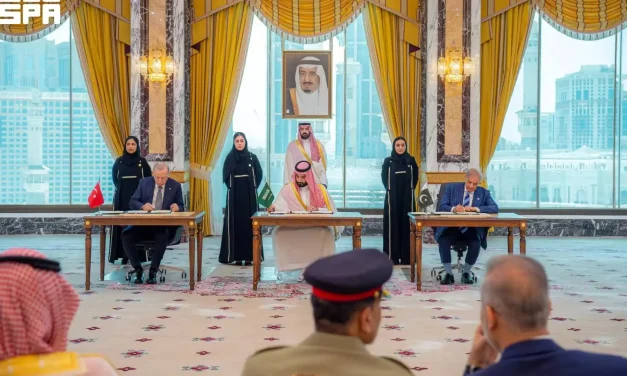
SCFR Online – Opinion: The Makkah Pact, signed between Saudi Arabia, Pakistan, and Turkey under the motto “an attack on one is an attack on all,” is viewed by some analysts less as a full-fledged military coalition and more as an attempt to reduce security dependence on an external power and to establish a regional security mechanism.

Implications of the US-Saudi Nuclear Agreement

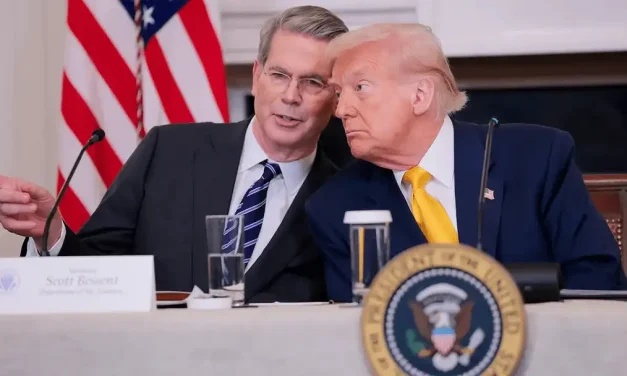
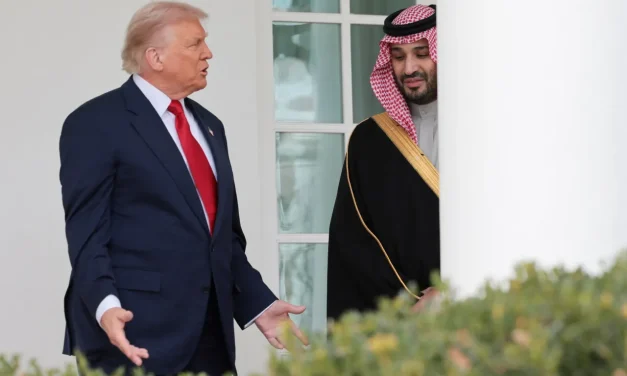
SCFR Online – Opinion: The new US-Saudi nuclear agreement, despite legal and political ambiguities, could alter previous non-proliferation standards in West Asia and intensify nuclear competition, ushering it into a new phase.

An Analysis of Recent Turkey-Israeli Regime Tensions

SCFR Online – Opinion: Recent developments in Syria indicate an intensification of strategic rivalry between Turkey and the Israeli regime, but mutual considerations and the role of the United States have limited the likelihood of direct war.

Increasing criticism of the extensive Zionist lobby network

SCFR Online – Opinion: An examination of the mechanisms of the Israeli regime’s influence in the United States depicts a complex picture of shared interests, strategic dependencies, and the limitations of this relationship.

Realities of the Tripartite Makkah Pact

SCFR Online – Interview: The signing of the Makkah agreement between Saudi Arabia, Pakistan, and Turkey has raised questions about the future of the region’s security structure and the position of these countries in West Asian equations. Can this agreement become a genuine collective defense mechanism, or does it have more of a political and deterrent function than creating new military capacity?

Loading

West Asia

25-Year Cooperation Agreement between China and National interests of Iran

25-Year Cooperation Agreement between China and National interests of Iran

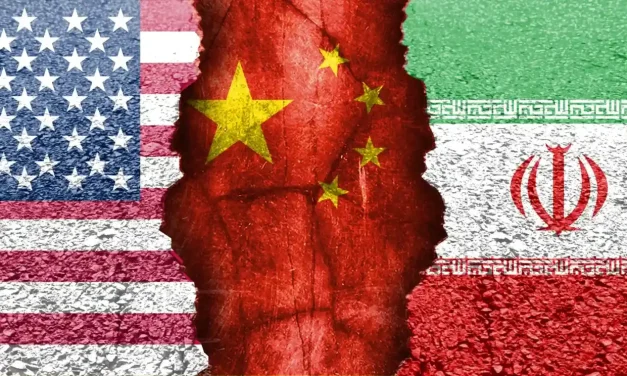
Strategic Council Online- Signing of the 25-year agreement between the Islamic Republic of Iran and China within the past few months, has fanned a lot of debates. Efforts have been made to assess it from different points of view in this short article and to elaborate its consequences for Iran’s national interest.
Arash Raeissinia, Professor of International Relations, Tehran University

The costs of the agreement with the Zionist regime for the UAE and Bahrain

The costs of the agreement with the Zionist regime for the UAE and Bahrain

The presence of Israeli security or military elements in the UAE will cost the Abu Dhabi government a lot of money, and while creating suspicion of any kind of security and military movement in the UAE, it will also cause many setbacks among the security and military forces of this Arab country.
Jafar Qanadbashi – Middle East expert

Post-Corona and International Economic Outlook

Post-Corona and International Economic Outlook

Strategic Council Online: A professor of political economy, referring to the economic consequences of the corona epidemic for the international economy, said: “The post-corona era is not a time to be dependent on Europe and the United States, and in the near future we will see Asian powers will increase their developmental process and economic power at higher speed and strength in the international arena.”

US Intentions behind Increasing Troop Deployment to Eastern Syria

US Intentions behind Increasing Troop Deployment to Eastern Syria

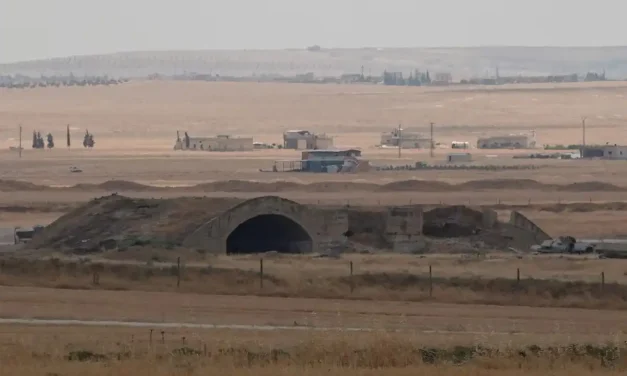
Strategic Council Online: Although the increase in the number of US troops deployed in eastern Syria cannot significantly affect major developments and the security order in the West Asian region due to its small number, but it could contribute to continuation of Syrian and Iraqi crises as well as affect the oil markets.
Dr. Hossein Ajorlou – Middle East affairs expert

Iranian Foreign Policy Facing a Test of Realism

Iranian Foreign Policy Facing a Test of Realism

Strategic Council Online: Given the US maximum pressure policy, the continuation of Iran’s policy of “neither talks nor war” is one of the instances that reflect a realistic approach in Tehran’s foreign policy.
Dr. Abdollah Moradi – University Professor and Defense and Security Analyst

Analyzing Algerian Unrest

Analyzing Algerian Unrest

Strategic Council Online: The coincidence of the unrests in Algeria and Sudan with the spread of domestic conflicts in Libya, has led some analysts to speak of the common roots of these events. These analysts believe that the developments in Sudan, Algeria and Libya are caused by a new wave of changes started from Africa following the defeat of the Arab Spring in the north and northeast Africa.
Jafar Ghanadbashi – African and West Asian Affairs Expert

Disputes in US-Russia Relations

Strategic Council Online: The United States and Russia are pursuing two different approaches vis-à-vis the West Asia region, and these different approaches have led to geopolitical disagreements between the two countries, especially with regard to the region’s major crises and dossiers.
Shoaib Bahman – Expert on Russian Affairs

Another Victory for the People of Yemen

Another Victory for the People of Yemen

Strategic Council Online: Despite a ceasefire agreement the Coalition of aggressors against Yemen continues its obstructions and attacks on civilian areas. Also, the Stockholm conference has not achieved tangible results to end the five-year crisis in Yemen.

Reasons for Recent Successful Iraqi Elections

Reasons for Recent Successful Iraqi Elections

Strategic Council Online: President of the Strategic Council on Foreign Relations Dr Kamal Kharrazi says the wisdom of the Iraqi religious authorities, as well as popular groups, has brought the two Islamic faiths in Iraq closer, noting that this was one reason the Iraqi people left behind a successful election.

أحدث الوظائف

The Makkah Pact; Reasons for its Formation and Challenges Ahead

SCFR Online – Opinion: The Makkah Pact, signed between Saudi Arabia, Pakistan, and Turkey under the motto “an attack on one is an attack on all,” is viewed by some analysts less as a full-fledged military coalition and more as an attempt to reduce security dependence on an external power and to establish a regional security mechanism.

Implications of the US-Saudi Nuclear Agreement

SCFR Online – Opinion: The new US-Saudi nuclear agreement, despite legal and political ambiguities, could alter previous non-proliferation standards in West Asia and intensify nuclear competition, ushering it into a new phase.

An Analysis of Recent Turkey-Israeli Regime Tensions

SCFR Online – Opinion: Recent developments in Syria indicate an intensification of strategic rivalry between Turkey and the Israeli regime, but mutual considerations and the role of the United States have limited the likelihood of direct war.

Increasing criticism of the extensive Zionist lobby network

SCFR Online – Opinion: An examination of the mechanisms of the Israeli regime’s influence in the United States depicts a complex picture of shared interests, strategic dependencies, and the limitations of this relationship.

Realities of the Tripartite Makkah Pact

SCFR Online – Interview: The signing of the Makkah agreement between Saudi Arabia, Pakistan, and Turkey has raised questions about the future of the region’s security structure and the position of these countries in West Asian equations. Can this agreement become a genuine collective defense mechanism, or does it have more of a political and deterrent function than creating new military capacity?

Loading

West Asia

25-Year Cooperation Agreement between China and National interests of Iran

25-Year Cooperation Agreement between China and National interests of Iran

Strategic Council Online- Signing of the 25-year agreement between the Islamic Republic of Iran and China within the past few months, has fanned a lot of debates. Efforts have been made to assess it from different points of view in this short article and to elaborate its consequences for Iran’s national interest.
Arash Raeissinia, Professor of International Relations, Tehran University

The costs of the agreement with the Zionist regime for the UAE and Bahrain

The costs of the agreement with the Zionist regime for the UAE and Bahrain

The presence of Israeli security or military elements in the UAE will cost the Abu Dhabi government a lot of money, and while creating suspicion of any kind of security and military movement in the UAE, it will also cause many setbacks among the security and military forces of this Arab country.
Jafar Qanadbashi – Middle East expert

Post-Corona and International Economic Outlook

Post-Corona and International Economic Outlook

Strategic Council Online: A professor of political economy, referring to the economic consequences of the corona epidemic for the international economy, said: “The post-corona era is not a time to be dependent on Europe and the United States, and in the near future we will see Asian powers will increase their developmental process and economic power at higher speed and strength in the international arena.”

US Intentions behind Increasing Troop Deployment to Eastern Syria

US Intentions behind Increasing Troop Deployment to Eastern Syria

Strategic Council Online: Although the increase in the number of US troops deployed in eastern Syria cannot significantly affect major developments and the security order in the West Asian region due to its small number, but it could contribute to continuation of Syrian and Iraqi crises as well as affect the oil markets.
Dr. Hossein Ajorlou – Middle East affairs expert

Iranian Foreign Policy Facing a Test of Realism

Iranian Foreign Policy Facing a Test of Realism

Strategic Council Online: Given the US maximum pressure policy, the continuation of Iran’s policy of “neither talks nor war” is one of the instances that reflect a realistic approach in Tehran’s foreign policy.
Dr. Abdollah Moradi – University Professor and Defense and Security Analyst

Analyzing Algerian Unrest

Analyzing Algerian Unrest

Strategic Council Online: The coincidence of the unrests in Algeria and Sudan with the spread of domestic conflicts in Libya, has led some analysts to speak of the common roots of these events. These analysts believe that the developments in Sudan, Algeria and Libya are caused by a new wave of changes started from Africa following the defeat of the Arab Spring in the north and northeast Africa.
Jafar Ghanadbashi – African and West Asian Affairs Expert

Disputes in US-Russia Relations

Strategic Council Online: The United States and Russia are pursuing two different approaches vis-à-vis the West Asia region, and these different approaches have led to geopolitical disagreements between the two countries, especially with regard to the region’s major crises and dossiers.
Shoaib Bahman – Expert on Russian Affairs

Another Victory for the People of Yemen

Another Victory for the People of Yemen

Strategic Council Online: Despite a ceasefire agreement the Coalition of aggressors against Yemen continues its obstructions and attacks on civilian areas. Also, the Stockholm conference has not achieved tangible results to end the five-year crisis in Yemen.

Reasons for Recent Successful Iraqi Elections

Reasons for Recent Successful Iraqi Elections

Strategic Council Online: President of the Strategic Council on Foreign Relations Dr Kamal Kharrazi says the wisdom of the Iraqi religious authorities, as well as popular groups, has brought the two Islamic faiths in Iraq closer, noting that this was one reason the Iraqi people left behind a successful election.

West Asia

25-Year Cooperation Agreement between China and National interests of Iran

25-Year Cooperation Agreement between China and National interests of Iran

Strategic Council Online- Signing of the 25-year agreement between the Islamic Republic of Iran and China within the past few months, has fanned a lot of debates. Efforts have been made to assess it from different points of view in this short article and to elaborate its consequences for Iran’s national interest.
Arash Raeissinia, Professor of International Relations, Tehran University

The costs of the agreement with the Zionist regime for the UAE and Bahrain

The costs of the agreement with the Zionist regime for the UAE and Bahrain

The presence of Israeli security or military elements in the UAE will cost the Abu Dhabi government a lot of money, and while creating suspicion of any kind of security and military movement in the UAE, it will also cause many setbacks among the security and military forces of this Arab country.
Jafar Qanadbashi – Middle East expert

Post-Corona and International Economic Outlook

Post-Corona and International Economic Outlook

Strategic Council Online: A professor of political economy, referring to the economic consequences of the corona epidemic for the international economy, said: “The post-corona era is not a time to be dependent on Europe and the United States, and in the near future we will see Asian powers will increase their developmental process and economic power at higher speed and strength in the international arena.”

US Intentions behind Increasing Troop Deployment to Eastern Syria

US Intentions behind Increasing Troop Deployment to Eastern Syria

Strategic Council Online: Although the increase in the number of US troops deployed in eastern Syria cannot significantly affect major developments and the security order in the West Asian region due to its small number, but it could contribute to continuation of Syrian and Iraqi crises as well as affect the oil markets.
Dr. Hossein Ajorlou – Middle East affairs expert

Iranian Foreign Policy Facing a Test of Realism

Iranian Foreign Policy Facing a Test of Realism

Strategic Council Online: Given the US maximum pressure policy, the continuation of Iran’s policy of “neither talks nor war” is one of the instances that reflect a realistic approach in Tehran’s foreign policy.
Dr. Abdollah Moradi – University Professor and Defense and Security Analyst

Analyzing Algerian Unrest

Analyzing Algerian Unrest

Strategic Council Online: The coincidence of the unrests in Algeria and Sudan with the spread of domestic conflicts in Libya, has led some analysts to speak of the common roots of these events. These analysts believe that the developments in Sudan, Algeria and Libya are caused by a new wave of changes started from Africa following the defeat of the Arab Spring in the north and northeast Africa.
Jafar Ghanadbashi – African and West Asian Affairs Expert

Disputes in US-Russia Relations

Strategic Council Online: The United States and Russia are pursuing two different approaches vis-à-vis the West Asia region, and these different approaches have led to geopolitical disagreements between the two countries, especially with regard to the region’s major crises and dossiers.
Shoaib Bahman – Expert on Russian Affairs

Another Victory for the People of Yemen

Another Victory for the People of Yemen

Strategic Council Online: Despite a ceasefire agreement the Coalition of aggressors against Yemen continues its obstructions and attacks on civilian areas. Also, the Stockholm conference has not achieved tangible results to end the five-year crisis in Yemen.

Reasons for Recent Successful Iraqi Elections

Reasons for Recent Successful Iraqi Elections

Strategic Council Online: President of the Strategic Council on Foreign Relations Dr Kamal Kharrazi says the wisdom of the Iraqi religious authorities, as well as popular groups, has brought the two Islamic faiths in Iraq closer, noting that this was one reason the Iraqi people left behind a successful election.

LATEST CONTENT

The Makkah Pact; Reasons for its Formation and Challenges Ahead

SCFR Online – Opinion: The Makkah Pact, signed between Saudi Arabia, Pakistan, and Turkey under the motto “an attack on one is an attack on all,” is viewed by some analysts less as a full-fledged military coalition and more as an attempt to reduce security dependence on an external power and to establish a regional security mechanism.

Implications of the US-Saudi Nuclear Agreement

SCFR Online – Opinion: The new US-Saudi nuclear agreement, despite legal and political ambiguities, could alter previous non-proliferation standards in West Asia and intensify nuclear competition, ushering it into a new phase.

An Analysis of Recent Turkey-Israeli Regime Tensions

SCFR Online – Opinion: Recent developments in Syria indicate an intensification of strategic rivalry between Turkey and the Israeli regime, but mutual considerations and the role of the United States have limited the likelihood of direct war.

Increasing criticism of the extensive Zionist lobby network

SCFR Online – Opinion: An examination of the mechanisms of the Israeli regime’s influence in the United States depicts a complex picture of shared interests, strategic dependencies, and the limitations of this relationship.

Realities of the Tripartite Makkah Pact

SCFR Online – Interview: The signing of the Makkah agreement between Saudi Arabia, Pakistan, and Turkey has raised questions about the future of the region’s security structure and the position of these countries in West Asian equations. Can this agreement become a genuine collective defense mechanism, or does it have more of a political and deterrent function than creating new military capacity?

Loading

West Asia

25-Year Cooperation Agreement between China and National interests of Iran

25-Year Cooperation Agreement between China and National interests of Iran

Strategic Council Online- Signing of the 25-year agreement between the Islamic Republic of Iran and China within the past few months, has fanned a lot of debates. Efforts have been made to assess it from different points of view in this short article and to elaborate its consequences for Iran’s national interest.
Arash Raeissinia, Professor of International Relations, Tehran University

The costs of the agreement with the Zionist regime for the UAE and Bahrain

The costs of the agreement with the Zionist regime for the UAE and Bahrain

The presence of Israeli security or military elements in the UAE will cost the Abu Dhabi government a lot of money, and while creating suspicion of any kind of security and military movement in the UAE, it will also cause many setbacks among the security and military forces of this Arab country.
Jafar Qanadbashi – Middle East expert

Post-Corona and International Economic Outlook

Post-Corona and International Economic Outlook

Strategic Council Online: A professor of political economy, referring to the economic consequences of the corona epidemic for the international economy, said: “The post-corona era is not a time to be dependent on Europe and the United States, and in the near future we will see Asian powers will increase their developmental process and economic power at higher speed and strength in the international arena.”

US Intentions behind Increasing Troop Deployment to Eastern Syria

US Intentions behind Increasing Troop Deployment to Eastern Syria

Strategic Council Online: Although the increase in the number of US troops deployed in eastern Syria cannot significantly affect major developments and the security order in the West Asian region due to its small number, but it could contribute to continuation of Syrian and Iraqi crises as well as affect the oil markets.
Dr. Hossein Ajorlou – Middle East affairs expert

Iranian Foreign Policy Facing a Test of Realism

Iranian Foreign Policy Facing a Test of Realism

Strategic Council Online: Given the US maximum pressure policy, the continuation of Iran’s policy of “neither talks nor war” is one of the instances that reflect a realistic approach in Tehran’s foreign policy.
Dr. Abdollah Moradi – University Professor and Defense and Security Analyst

Analyzing Algerian Unrest

Analyzing Algerian Unrest

Strategic Council Online: The coincidence of the unrests in Algeria and Sudan with the spread of domestic conflicts in Libya, has led some analysts to speak of the common roots of these events. These analysts believe that the developments in Sudan, Algeria and Libya are caused by a new wave of changes started from Africa following the defeat of the Arab Spring in the north and northeast Africa.
Jafar Ghanadbashi – African and West Asian Affairs Expert

Disputes in US-Russia Relations

Strategic Council Online: The United States and Russia are pursuing two different approaches vis-à-vis the West Asia region, and these different approaches have led to geopolitical disagreements between the two countries, especially with regard to the region’s major crises and dossiers.
Shoaib Bahman – Expert on Russian Affairs

Another Victory for the People of Yemen

Another Victory for the People of Yemen

Strategic Council Online: Despite a ceasefire agreement the Coalition of aggressors against Yemen continues its obstructions and attacks on civilian areas. Also, the Stockholm conference has not achieved tangible results to end the five-year crisis in Yemen.

Reasons for Recent Successful Iraqi Elections

Reasons for Recent Successful Iraqi Elections

Strategic Council Online: President of the Strategic Council on Foreign Relations Dr Kamal Kharrazi says the wisdom of the Iraqi religious authorities, as well as popular groups, has brought the two Islamic faiths in Iraq closer, noting that this was one reason the Iraqi people left behind a successful election.

ÚLTIMAS PUBLICACIONES

The Makkah Pact; Reasons for its Formation and Challenges Ahead

SCFR Online – Opinion: The Makkah Pact, signed between Saudi Arabia, Pakistan, and Turkey under the motto “an attack on one is an attack on all,” is viewed by some analysts less as a full-fledged military coalition and more as an attempt to reduce security dependence on an external power and to establish a regional security mechanism.

Implications of the US-Saudi Nuclear Agreement

SCFR Online – Opinion: The new US-Saudi nuclear agreement, despite legal and political ambiguities, could alter previous non-proliferation standards in West Asia and intensify nuclear competition, ushering it into a new phase.

An Analysis of Recent Turkey-Israeli Regime Tensions

SCFR Online – Opinion: Recent developments in Syria indicate an intensification of strategic rivalry between Turkey and the Israeli regime, but mutual considerations and the role of the United States have limited the likelihood of direct war.

Increasing criticism of the extensive Zionist lobby network

SCFR Online – Opinion: An examination of the mechanisms of the Israeli regime’s influence in the United States depicts a complex picture of shared interests, strategic dependencies, and the limitations of this relationship.

Realities of the Tripartite Makkah Pact

SCFR Online – Interview: The signing of the Makkah agreement between Saudi Arabia, Pakistan, and Turkey has raised questions about the future of the region’s security structure and the position of these countries in West Asian equations. Can this agreement become a genuine collective defense mechanism, or does it have more of a political and deterrent function than creating new military capacity?

Loading

West Asia

25-Year Cooperation Agreement between China and National interests of Iran

25-Year Cooperation Agreement between China and National interests of Iran

Strategic Council Online- Signing of the 25-year agreement between the Islamic Republic of Iran and China within the past few months, has fanned a lot of debates. Efforts have been made to assess it from different points of view in this short article and to elaborate its consequences for Iran’s national interest.
Arash Raeissinia, Professor of International Relations, Tehran University

The costs of the agreement with the Zionist regime for the UAE and Bahrain

The costs of the agreement with the Zionist regime for the UAE and Bahrain

The presence of Israeli security or military elements in the UAE will cost the Abu Dhabi government a lot of money, and while creating suspicion of any kind of security and military movement in the UAE, it will also cause many setbacks among the security and military forces of this Arab country.
Jafar Qanadbashi – Middle East expert

Post-Corona and International Economic Outlook

Post-Corona and International Economic Outlook

Strategic Council Online: A professor of political economy, referring to the economic consequences of the corona epidemic for the international economy, said: “The post-corona era is not a time to be dependent on Europe and the United States, and in the near future we will see Asian powers will increase their developmental process and economic power at higher speed and strength in the international arena.”

US Intentions behind Increasing Troop Deployment to Eastern Syria

US Intentions behind Increasing Troop Deployment to Eastern Syria

Strategic Council Online: Although the increase in the number of US troops deployed in eastern Syria cannot significantly affect major developments and the security order in the West Asian region due to its small number, but it could contribute to continuation of Syrian and Iraqi crises as well as affect the oil markets.
Dr. Hossein Ajorlou – Middle East affairs expert

Iranian Foreign Policy Facing a Test of Realism

Iranian Foreign Policy Facing a Test of Realism

Strategic Council Online: Given the US maximum pressure policy, the continuation of Iran’s policy of “neither talks nor war” is one of the instances that reflect a realistic approach in Tehran’s foreign policy.
Dr. Abdollah Moradi – University Professor and Defense and Security Analyst

Analyzing Algerian Unrest

Analyzing Algerian Unrest

Strategic Council Online: The coincidence of the unrests in Algeria and Sudan with the spread of domestic conflicts in Libya, has led some analysts to speak of the common roots of these events. These analysts believe that the developments in Sudan, Algeria and Libya are caused by a new wave of changes started from Africa following the defeat of the Arab Spring in the north and northeast Africa.
Jafar Ghanadbashi – African and West Asian Affairs Expert

Disputes in US-Russia Relations

Strategic Council Online: The United States and Russia are pursuing two different approaches vis-à-vis the West Asia region, and these different approaches have led to geopolitical disagreements between the two countries, especially with regard to the region’s major crises and dossiers.
Shoaib Bahman – Expert on Russian Affairs

Another Victory for the People of Yemen

Another Victory for the People of Yemen

Strategic Council Online: Despite a ceasefire agreement the Coalition of aggressors against Yemen continues its obstructions and attacks on civilian areas. Also, the Stockholm conference has not achieved tangible results to end the five-year crisis in Yemen.

Reasons for Recent Successful Iraqi Elections

Reasons for Recent Successful Iraqi Elections

Strategic Council Online: President of the Strategic Council on Foreign Relations Dr Kamal Kharrazi says the wisdom of the Iraqi religious authorities, as well as popular groups, has brought the two Islamic faiths in Iraq closer, noting that this was one reason the Iraqi people left behind a successful election.

ÚLTIMAS PUBLICACIONES

The Makkah Pact; Reasons for its Formation and Challenges Ahead

SCFR Online – Opinion: The Makkah Pact, signed between Saudi Arabia, Pakistan, and Turkey under the motto “an attack on one is an attack on all,” is viewed by some analysts less as a full-fledged military coalition and more as an attempt to reduce security dependence on an external power and to establish a regional security mechanism.

Implications of the US-Saudi Nuclear Agreement

SCFR Online – Opinion: The new US-Saudi nuclear agreement, despite legal and political ambiguities, could alter previous non-proliferation standards in West Asia and intensify nuclear competition, ushering it into a new phase.

An Analysis of Recent Turkey-Israeli Regime Tensions

SCFR Online – Opinion: Recent developments in Syria indicate an intensification of strategic rivalry between Turkey and the Israeli regime, but mutual considerations and the role of the United States have limited the likelihood of direct war.

Increasing criticism of the extensive Zionist lobby network

SCFR Online – Opinion: An examination of the mechanisms of the Israeli regime’s influence in the United States depicts a complex picture of shared interests, strategic dependencies, and the limitations of this relationship.

Realities of the Tripartite Makkah Pact

SCFR Online – Interview: The signing of the Makkah agreement between Saudi Arabia, Pakistan, and Turkey has raised questions about the future of the region’s security structure and the position of these countries in West Asian equations. Can this agreement become a genuine collective defense mechanism, or does it have more of a political and deterrent function than creating new military capacity?

Loading

West Asia

25-Year Cooperation Agreement between China and National interests of Iran

25-Year Cooperation Agreement between China and National interests of Iran

Strategic Council Online- Signing of the 25-year agreement between the Islamic Republic of Iran and China within the past few months, has fanned a lot of debates. Efforts have been made to assess it from different points of view in this short article and to elaborate its consequences for Iran’s national interest.
Arash Raeissinia, Professor of International Relations, Tehran University

The costs of the agreement with the Zionist regime for the UAE and Bahrain

The costs of the agreement with the Zionist regime for the UAE and Bahrain

The presence of Israeli security or military elements in the UAE will cost the Abu Dhabi government a lot of money, and while creating suspicion of any kind of security and military movement in the UAE, it will also cause many setbacks among the security and military forces of this Arab country.
Jafar Qanadbashi – Middle East expert

Post-Corona and International Economic Outlook

Post-Corona and International Economic Outlook

Strategic Council Online: A professor of political economy, referring to the economic consequences of the corona epidemic for the international economy, said: “The post-corona era is not a time to be dependent on Europe and the United States, and in the near future we will see Asian powers will increase their developmental process and economic power at higher speed and strength in the international arena.”

US Intentions behind Increasing Troop Deployment to Eastern Syria

US Intentions behind Increasing Troop Deployment to Eastern Syria

Strategic Council Online: Although the increase in the number of US troops deployed in eastern Syria cannot significantly affect major developments and the security order in the West Asian region due to its small number, but it could contribute to continuation of Syrian and Iraqi crises as well as affect the oil markets.
Dr. Hossein Ajorlou – Middle East affairs expert

Iranian Foreign Policy Facing a Test of Realism

Iranian Foreign Policy Facing a Test of Realism

Strategic Council Online: Given the US maximum pressure policy, the continuation of Iran’s policy of “neither talks nor war” is one of the instances that reflect a realistic approach in Tehran’s foreign policy.
Dr. Abdollah Moradi – University Professor and Defense and Security Analyst

Analyzing Algerian Unrest

Analyzing Algerian Unrest

Strategic Council Online: The coincidence of the unrests in Algeria and Sudan with the spread of domestic conflicts in Libya, has led some analysts to speak of the common roots of these events. These analysts believe that the developments in Sudan, Algeria and Libya are caused by a new wave of changes started from Africa following the defeat of the Arab Spring in the north and northeast Africa.
Jafar Ghanadbashi – African and West Asian Affairs Expert

Disputes in US-Russia Relations

Strategic Council Online: The United States and Russia are pursuing two different approaches vis-à-vis the West Asia region, and these different approaches have led to geopolitical disagreements between the two countries, especially with regard to the region’s major crises and dossiers.
Shoaib Bahman – Expert on Russian Affairs

Another Victory for the People of Yemen

Another Victory for the People of Yemen

Strategic Council Online: Despite a ceasefire agreement the Coalition of aggressors against Yemen continues its obstructions and attacks on civilian areas. Also, the Stockholm conference has not achieved tangible results to end the five-year crisis in Yemen.

Reasons for Recent Successful Iraqi Elections

Reasons for Recent Successful Iraqi Elections

Strategic Council Online: President of the Strategic Council on Foreign Relations Dr Kamal Kharrazi says the wisdom of the Iraqi religious authorities, as well as popular groups, has brought the two Islamic faiths in Iraq closer, noting that this was one reason the Iraqi people left behind a successful election.

ÚLTIMAS PUBLICACIONES

The Makkah Pact; Reasons for its Formation and Challenges Ahead

SCFR Online – Opinion: The Makkah Pact, signed between Saudi Arabia, Pakistan, and Turkey under the motto “an attack on one is an attack on all,” is viewed by some analysts less as a full-fledged military coalition and more as an attempt to reduce security dependence on an external power and to establish a regional security mechanism.

Implications of the US-Saudi Nuclear Agreement

SCFR Online – Opinion: The new US-Saudi nuclear agreement, despite legal and political ambiguities, could alter previous non-proliferation standards in West Asia and intensify nuclear competition, ushering it into a new phase.

An Analysis of Recent Turkey-Israeli Regime Tensions

SCFR Online – Opinion: Recent developments in Syria indicate an intensification of strategic rivalry between Turkey and the Israeli regime, but mutual considerations and the role of the United States have limited the likelihood of direct war.

Increasing criticism of the extensive Zionist lobby network

SCFR Online – Opinion: An examination of the mechanisms of the Israeli regime’s influence in the United States depicts a complex picture of shared interests, strategic dependencies, and the limitations of this relationship.

Realities of the Tripartite Makkah Pact

SCFR Online – Interview: The signing of the Makkah agreement between Saudi Arabia, Pakistan, and Turkey has raised questions about the future of the region’s security structure and the position of these countries in West Asian equations. Can this agreement become a genuine collective defense mechanism, or does it have more of a political and deterrent function than creating new military capacity?

Loading

West Asia

25-Year Cooperation Agreement between China and National interests of Iran

25-Year Cooperation Agreement between China and National interests of Iran

Strategic Council Online- Signing of the 25-year agreement between the Islamic Republic of Iran and China within the past few months, has fanned a lot of debates. Efforts have been made to assess it from different points of view in this short article and to elaborate its consequences for Iran’s national interest.
Arash Raeissinia, Professor of International Relations, Tehran University

The costs of the agreement with the Zionist regime for the UAE and Bahrain

The costs of the agreement with the Zionist regime for the UAE and Bahrain

The presence of Israeli security or military elements in the UAE will cost the Abu Dhabi government a lot of money, and while creating suspicion of any kind of security and military movement in the UAE, it will also cause many setbacks among the security and military forces of this Arab country.
Jafar Qanadbashi – Middle East expert

Post-Corona and International Economic Outlook

Post-Corona and International Economic Outlook

Strategic Council Online: A professor of political economy, referring to the economic consequences of the corona epidemic for the international economy, said: “The post-corona era is not a time to be dependent on Europe and the United States, and in the near future we will see Asian powers will increase their developmental process and economic power at higher speed and strength in the international arena.”

US Intentions behind Increasing Troop Deployment to Eastern Syria

US Intentions behind Increasing Troop Deployment to Eastern Syria

Strategic Council Online: Although the increase in the number of US troops deployed in eastern Syria cannot significantly affect major developments and the security order in the West Asian region due to its small number, but it could contribute to continuation of Syrian and Iraqi crises as well as affect the oil markets.
Dr. Hossein Ajorlou – Middle East affairs expert

Iranian Foreign Policy Facing a Test of Realism

Iranian Foreign Policy Facing a Test of Realism

Strategic Council Online: Given the US maximum pressure policy, the continuation of Iran’s policy of “neither talks nor war” is one of the instances that reflect a realistic approach in Tehran’s foreign policy.
Dr. Abdollah Moradi – University Professor and Defense and Security Analyst

Analyzing Algerian Unrest

Analyzing Algerian Unrest

Strategic Council Online: The coincidence of the unrests in Algeria and Sudan with the spread of domestic conflicts in Libya, has led some analysts to speak of the common roots of these events. These analysts believe that the developments in Sudan, Algeria and Libya are caused by a new wave of changes started from Africa following the defeat of the Arab Spring in the north and northeast Africa.
Jafar Ghanadbashi – African and West Asian Affairs Expert

Disputes in US-Russia Relations

Strategic Council Online: The United States and Russia are pursuing two different approaches vis-à-vis the West Asia region, and these different approaches have led to geopolitical disagreements between the two countries, especially with regard to the region’s major crises and dossiers.
Shoaib Bahman – Expert on Russian Affairs

Another Victory for the People of Yemen

Another Victory for the People of Yemen

Strategic Council Online: Despite a ceasefire agreement the Coalition of aggressors against Yemen continues its obstructions and attacks on civilian areas. Also, the Stockholm conference has not achieved tangible results to end the five-year crisis in Yemen.

Reasons for Recent Successful Iraqi Elections

Reasons for Recent Successful Iraqi Elections

Strategic Council Online: President of the Strategic Council on Foreign Relations Dr Kamal Kharrazi says the wisdom of the Iraqi religious authorities, as well as popular groups, has brought the two Islamic faiths in Iraq closer, noting that this was one reason the Iraqi people left behind a successful election.

ÚLTIMAS PUBLICACIONES

The Makkah Pact; Reasons for its Formation and Challenges Ahead

SCFR Online – Opinion: The Makkah Pact, signed between Saudi Arabia, Pakistan, and Turkey under the motto “an attack on one is an attack on all,” is viewed by some analysts less as a full-fledged military coalition and more as an attempt to reduce security dependence on an external power and to establish a regional security mechanism.

Implications of the US-Saudi Nuclear Agreement

SCFR Online – Opinion: The new US-Saudi nuclear agreement, despite legal and political ambiguities, could alter previous non-proliferation standards in West Asia and intensify nuclear competition, ushering it into a new phase.

An Analysis of Recent Turkey-Israeli Regime Tensions

SCFR Online – Opinion: Recent developments in Syria indicate an intensification of strategic rivalry between Turkey and the Israeli regime, but mutual considerations and the role of the United States have limited the likelihood of direct war.

Increasing criticism of the extensive Zionist lobby network

SCFR Online – Opinion: An examination of the mechanisms of the Israeli regime’s influence in the United States depicts a complex picture of shared interests, strategic dependencies, and the limitations of this relationship.

Realities of the Tripartite Makkah Pact

SCFR Online – Interview: The signing of the Makkah agreement between Saudi Arabia, Pakistan, and Turkey has raised questions about the future of the region’s security structure and the position of these countries in West Asian equations. Can this agreement become a genuine collective defense mechanism, or does it have more of a political and deterrent function than creating new military capacity?

Loading