جدیدترین مطالب

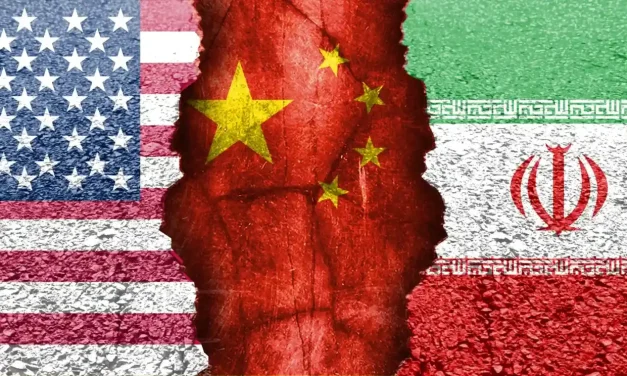
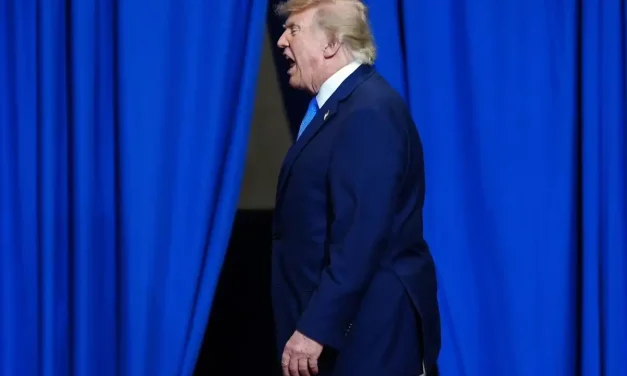
China’s Rejection of US Sanctions; Strengthening Iran’s Geopolitical Leverage

SCFR Online – Opinion: Concurrent with the official commencement of the United States’ economic war against our country, focusing on sanctions instruments, isolation, and economic pressure, what has now become increasingly important is the lack of alignment of other major global powers, especially China, with this policy.

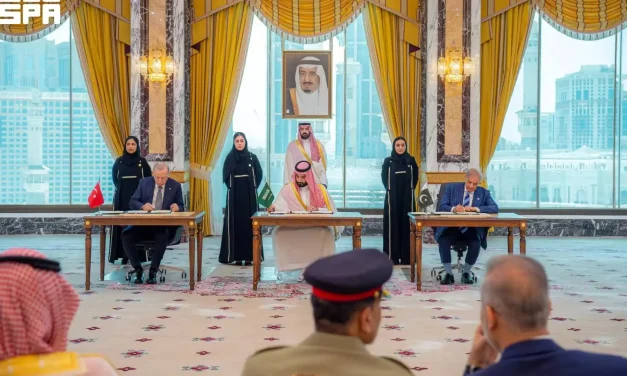
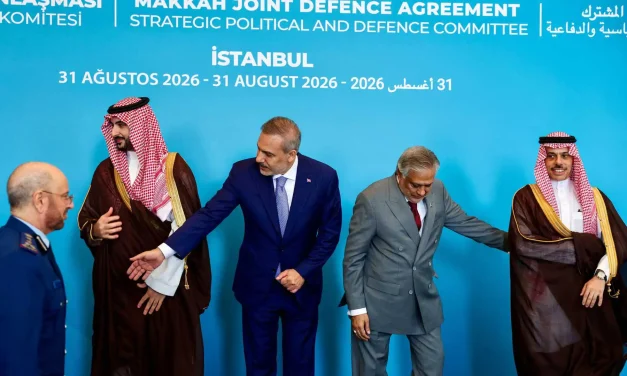
The Makkah Pact; Reasons for its Formation and Challenges Ahead

SCFR Online – Opinion: The Makkah Pact, signed between Saudi Arabia, Pakistan, and Turkey under the motto “an attack on one is an attack on all,” is viewed by some analysts less as a full-fledged military coalition and more as an attempt to reduce security dependence on an external power and to establish a regional security mechanism.

Loading

a peace deal with the Taliban

US Peace Deal with Taliban Aims at Long-Term Deployment in Afghanistan

US Peace Deal with Taliban Aims at Long-Term Deployment in Afghanistan

Strategic Council Online: A faculty member at the University of Tehran believes the US seven day “reduction in violence” plan in Afghanistan is a cross-sectional tactic noting that US strategies in Afghanistan are no longer effective so they are taking tactical and short-term actions to find solutions.

أحدث الوظائف

China’s Rejection of US Sanctions; Strengthening Iran’s Geopolitical Leverage

SCFR Online – Opinion: Concurrent with the official commencement of the United States’ economic war against our country, focusing on sanctions instruments, isolation, and economic pressure, what has now become increasingly important is the lack of alignment of other major global powers, especially China, with this policy.

The Makkah Pact; Reasons for its Formation and Challenges Ahead

SCFR Online – Opinion: The Makkah Pact, signed between Saudi Arabia, Pakistan, and Turkey under the motto “an attack on one is an attack on all,” is viewed by some analysts less as a full-fledged military coalition and more as an attempt to reduce security dependence on an external power and to establish a regional security mechanism.

Loading

a peace deal with the Taliban

US Peace Deal with Taliban Aims at Long-Term Deployment in Afghanistan

US Peace Deal with Taliban Aims at Long-Term Deployment in Afghanistan

Strategic Council Online: A faculty member at the University of Tehran believes the US seven day “reduction in violence” plan in Afghanistan is a cross-sectional tactic noting that US strategies in Afghanistan are no longer effective so they are taking tactical and short-term actions to find solutions.

a peace deal with the Taliban

US Peace Deal with Taliban Aims at Long-Term Deployment in Afghanistan

US Peace Deal with Taliban Aims at Long-Term Deployment in Afghanistan

Strategic Council Online: A faculty member at the University of Tehran believes the US seven day “reduction in violence” plan in Afghanistan is a cross-sectional tactic noting that US strategies in Afghanistan are no longer effective so they are taking tactical and short-term actions to find solutions.

LATEST CONTENT

China’s Rejection of US Sanctions; Strengthening Iran’s Geopolitical Leverage

SCFR Online – Opinion: Concurrent with the official commencement of the United States’ economic war against our country, focusing on sanctions instruments, isolation, and economic pressure, what has now become increasingly important is the lack of alignment of other major global powers, especially China, with this policy.

The Makkah Pact; Reasons for its Formation and Challenges Ahead

SCFR Online – Opinion: The Makkah Pact, signed between Saudi Arabia, Pakistan, and Turkey under the motto “an attack on one is an attack on all,” is viewed by some analysts less as a full-fledged military coalition and more as an attempt to reduce security dependence on an external power and to establish a regional security mechanism.

Loading

a peace deal with the Taliban

US Peace Deal with Taliban Aims at Long-Term Deployment in Afghanistan

US Peace Deal with Taliban Aims at Long-Term Deployment in Afghanistan

Strategic Council Online: A faculty member at the University of Tehran believes the US seven day “reduction in violence” plan in Afghanistan is a cross-sectional tactic noting that US strategies in Afghanistan are no longer effective so they are taking tactical and short-term actions to find solutions.

ÚLTIMAS PUBLICACIONES

China’s Rejection of US Sanctions; Strengthening Iran’s Geopolitical Leverage

SCFR Online – Opinion: Concurrent with the official commencement of the United States’ economic war against our country, focusing on sanctions instruments, isolation, and economic pressure, what has now become increasingly important is the lack of alignment of other major global powers, especially China, with this policy.

The Makkah Pact; Reasons for its Formation and Challenges Ahead

SCFR Online – Opinion: The Makkah Pact, signed between Saudi Arabia, Pakistan, and Turkey under the motto “an attack on one is an attack on all,” is viewed by some analysts less as a full-fledged military coalition and more as an attempt to reduce security dependence on an external power and to establish a regional security mechanism.

Loading

a peace deal with the Taliban

US Peace Deal with Taliban Aims at Long-Term Deployment in Afghanistan

US Peace Deal with Taliban Aims at Long-Term Deployment in Afghanistan

Strategic Council Online: A faculty member at the University of Tehran believes the US seven day “reduction in violence” plan in Afghanistan is a cross-sectional tactic noting that US strategies in Afghanistan are no longer effective so they are taking tactical and short-term actions to find solutions.

ÚLTIMAS PUBLICACIONES

China’s Rejection of US Sanctions; Strengthening Iran’s Geopolitical Leverage

SCFR Online – Opinion: Concurrent with the official commencement of the United States’ economic war against our country, focusing on sanctions instruments, isolation, and economic pressure, what has now become increasingly important is the lack of alignment of other major global powers, especially China, with this policy.

The Makkah Pact; Reasons for its Formation and Challenges Ahead

SCFR Online – Opinion: The Makkah Pact, signed between Saudi Arabia, Pakistan, and Turkey under the motto “an attack on one is an attack on all,” is viewed by some analysts less as a full-fledged military coalition and more as an attempt to reduce security dependence on an external power and to establish a regional security mechanism.

Loading

a peace deal with the Taliban

US Peace Deal with Taliban Aims at Long-Term Deployment in Afghanistan

US Peace Deal with Taliban Aims at Long-Term Deployment in Afghanistan

Strategic Council Online: A faculty member at the University of Tehran believes the US seven day “reduction in violence” plan in Afghanistan is a cross-sectional tactic noting that US strategies in Afghanistan are no longer effective so they are taking tactical and short-term actions to find solutions.

ÚLTIMAS PUBLICACIONES

China’s Rejection of US Sanctions; Strengthening Iran’s Geopolitical Leverage

SCFR Online – Opinion: Concurrent with the official commencement of the United States’ economic war against our country, focusing on sanctions instruments, isolation, and economic pressure, what has now become increasingly important is the lack of alignment of other major global powers, especially China, with this policy.

The Makkah Pact; Reasons for its Formation and Challenges Ahead

SCFR Online – Opinion: The Makkah Pact, signed between Saudi Arabia, Pakistan, and Turkey under the motto “an attack on one is an attack on all,” is viewed by some analysts less as a full-fledged military coalition and more as an attempt to reduce security dependence on an external power and to establish a regional security mechanism.

Loading

a peace deal with the Taliban

US Peace Deal with Taliban Aims at Long-Term Deployment in Afghanistan

US Peace Deal with Taliban Aims at Long-Term Deployment in Afghanistan

Strategic Council Online: A faculty member at the University of Tehran believes the US seven day “reduction in violence” plan in Afghanistan is a cross-sectional tactic noting that US strategies in Afghanistan are no longer effective so they are taking tactical and short-term actions to find solutions.

ÚLTIMAS PUBLICACIONES

China’s Rejection of US Sanctions; Strengthening Iran’s Geopolitical Leverage

SCFR Online – Opinion: Concurrent with the official commencement of the United States’ economic war against our country, focusing on sanctions instruments, isolation, and economic pressure, what has now become increasingly important is the lack of alignment of other major global powers, especially China, with this policy.

The Makkah Pact; Reasons for its Formation and Challenges Ahead

SCFR Online – Opinion: The Makkah Pact, signed between Saudi Arabia, Pakistan, and Turkey under the motto “an attack on one is an attack on all,” is viewed by some analysts less as a full-fledged military coalition and more as an attempt to reduce security dependence on an external power and to establish a regional security mechanism.

Loading