جدیدترین مطالب

The Makkah Pact Under scrutiny; From the “Deterrence Dilemma” to the “Risk of Disrupting Security”

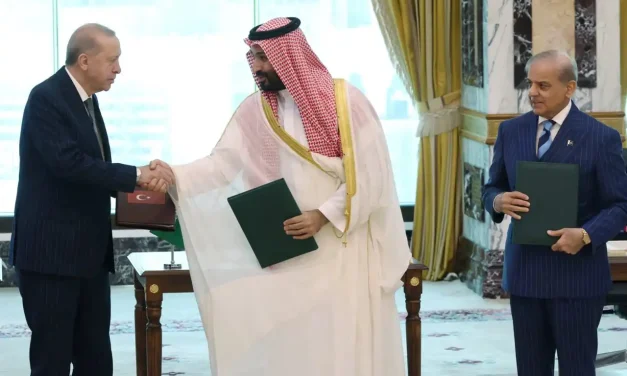
SCFR Online – Opinion: The Makkah Pact, signed on August 7, 2026, between Saudi Arabia, Turkey, and Pakistan, is more than an answer to geopolitical vacuums; in practice, it faces a “deterrence dilemma” and “differing threat perception.” While this pact symbolizes a transition toward regional self-reliance, its first field tests and the complexities of relations with regional actors will determine its real meaning.

Loading

Afghanistan Airports

Turkey’s Objectives for Management of Afghanistan Airports

Turkey’s Objectives for Management of Afghanistan Airports

Strategic Council Online – Interview: An expert on Afghanistan issues commented about the joint counselling of Turkey, Qatar and Taliban for management of Kabul Airport by Turkey and said:” Ankara and Doha proposed to new rulers of Afghanistan at the outset of Taliban’s taking office that Turkish as well as Qatari companies would assume the responsibility and status of flights at Kabul and other airports of the country; because Taliban has no expertise and no required manpower to manage the airports”.

أحدث الوظائف

The Makkah Pact Under scrutiny; From the “Deterrence Dilemma” to the “Risk of Disrupting Security”

SCFR Online – Opinion: The Makkah Pact, signed on August 7, 2026, between Saudi Arabia, Turkey, and Pakistan, is more than an answer to geopolitical vacuums; in practice, it faces a “deterrence dilemma” and “differing threat perception.” While this pact symbolizes a transition toward regional self-reliance, its first field tests and the complexities of relations with regional actors will determine its real meaning.

Loading

Afghanistan Airports

Turkey’s Objectives for Management of Afghanistan Airports

Turkey’s Objectives for Management of Afghanistan Airports

Strategic Council Online – Interview: An expert on Afghanistan issues commented about the joint counselling of Turkey, Qatar and Taliban for management of Kabul Airport by Turkey and said:” Ankara and Doha proposed to new rulers of Afghanistan at the outset of Taliban’s taking office that Turkish as well as Qatari companies would assume the responsibility and status of flights at Kabul and other airports of the country; because Taliban has no expertise and no required manpower to manage the airports”.

Afghanistan Airports

Turkey’s Objectives for Management of Afghanistan Airports

Turkey’s Objectives for Management of Afghanistan Airports

Strategic Council Online – Interview: An expert on Afghanistan issues commented about the joint counselling of Turkey, Qatar and Taliban for management of Kabul Airport by Turkey and said:” Ankara and Doha proposed to new rulers of Afghanistan at the outset of Taliban’s taking office that Turkish as well as Qatari companies would assume the responsibility and status of flights at Kabul and other airports of the country; because Taliban has no expertise and no required manpower to manage the airports”.

LATEST CONTENT

The Makkah Pact Under scrutiny; From the “Deterrence Dilemma” to the “Risk of Disrupting Security”

SCFR Online – Opinion: The Makkah Pact, signed on August 7, 2026, between Saudi Arabia, Turkey, and Pakistan, is more than an answer to geopolitical vacuums; in practice, it faces a “deterrence dilemma” and “differing threat perception.” While this pact symbolizes a transition toward regional self-reliance, its first field tests and the complexities of relations with regional actors will determine its real meaning.

Loading

Afghanistan Airports

Turkey’s Objectives for Management of Afghanistan Airports

Turkey’s Objectives for Management of Afghanistan Airports

Strategic Council Online – Interview: An expert on Afghanistan issues commented about the joint counselling of Turkey, Qatar and Taliban for management of Kabul Airport by Turkey and said:” Ankara and Doha proposed to new rulers of Afghanistan at the outset of Taliban’s taking office that Turkish as well as Qatari companies would assume the responsibility and status of flights at Kabul and other airports of the country; because Taliban has no expertise and no required manpower to manage the airports”.

ÚLTIMAS PUBLICACIONES

The Makkah Pact Under scrutiny; From the “Deterrence Dilemma” to the “Risk of Disrupting Security”

SCFR Online – Opinion: The Makkah Pact, signed on August 7, 2026, between Saudi Arabia, Turkey, and Pakistan, is more than an answer to geopolitical vacuums; in practice, it faces a “deterrence dilemma” and “differing threat perception.” While this pact symbolizes a transition toward regional self-reliance, its first field tests and the complexities of relations with regional actors will determine its real meaning.

Loading

Afghanistan Airports

Turkey’s Objectives for Management of Afghanistan Airports

Turkey’s Objectives for Management of Afghanistan Airports

Strategic Council Online – Interview: An expert on Afghanistan issues commented about the joint counselling of Turkey, Qatar and Taliban for management of Kabul Airport by Turkey and said:” Ankara and Doha proposed to new rulers of Afghanistan at the outset of Taliban’s taking office that Turkish as well as Qatari companies would assume the responsibility and status of flights at Kabul and other airports of the country; because Taliban has no expertise and no required manpower to manage the airports”.

ÚLTIMAS PUBLICACIONES

The Makkah Pact Under scrutiny; From the “Deterrence Dilemma” to the “Risk of Disrupting Security”

SCFR Online – Opinion: The Makkah Pact, signed on August 7, 2026, between Saudi Arabia, Turkey, and Pakistan, is more than an answer to geopolitical vacuums; in practice, it faces a “deterrence dilemma” and “differing threat perception.” While this pact symbolizes a transition toward regional self-reliance, its first field tests and the complexities of relations with regional actors will determine its real meaning.

Loading

Afghanistan Airports

Turkey’s Objectives for Management of Afghanistan Airports

Turkey’s Objectives for Management of Afghanistan Airports

Strategic Council Online – Interview: An expert on Afghanistan issues commented about the joint counselling of Turkey, Qatar and Taliban for management of Kabul Airport by Turkey and said:” Ankara and Doha proposed to new rulers of Afghanistan at the outset of Taliban’s taking office that Turkish as well as Qatari companies would assume the responsibility and status of flights at Kabul and other airports of the country; because Taliban has no expertise and no required manpower to manage the airports”.

ÚLTIMAS PUBLICACIONES

The Makkah Pact Under scrutiny; From the “Deterrence Dilemma” to the “Risk of Disrupting Security”

SCFR Online – Opinion: The Makkah Pact, signed on August 7, 2026, between Saudi Arabia, Turkey, and Pakistan, is more than an answer to geopolitical vacuums; in practice, it faces a “deterrence dilemma” and “differing threat perception.” While this pact symbolizes a transition toward regional self-reliance, its first field tests and the complexities of relations with regional actors will determine its real meaning.

Loading

Afghanistan Airports

Turkey’s Objectives for Management of Afghanistan Airports

Turkey’s Objectives for Management of Afghanistan Airports

Strategic Council Online – Interview: An expert on Afghanistan issues commented about the joint counselling of Turkey, Qatar and Taliban for management of Kabul Airport by Turkey and said:” Ankara and Doha proposed to new rulers of Afghanistan at the outset of Taliban’s taking office that Turkish as well as Qatari companies would assume the responsibility and status of flights at Kabul and other airports of the country; because Taliban has no expertise and no required manpower to manage the airports”.

ÚLTIMAS PUBLICACIONES

The Makkah Pact Under scrutiny; From the “Deterrence Dilemma” to the “Risk of Disrupting Security”

SCFR Online – Opinion: The Makkah Pact, signed on August 7, 2026, between Saudi Arabia, Turkey, and Pakistan, is more than an answer to geopolitical vacuums; in practice, it faces a “deterrence dilemma” and “differing threat perception.” While this pact symbolizes a transition toward regional self-reliance, its first field tests and the complexities of relations with regional actors will determine its real meaning.

Loading