جدیدترین مطالب

Europe’s Enduring Dependence on Persian Gulf Energy

SCFR Online – Opinion: The dominant discourse in the field of European energy security over the past two decades has revolved around diversification of supply sources and the gradual reduction of dependence on fossil fuels. This narrative, which gained particular momentum after the Ukraine gas crisis in 2006 and its intensification in 2014 and 2022, was based on the assumption that Europe could free itself from the geopolitical vulnerabilities arising from dependence on specific suppliers through investment in renewable energy, imports of liquefied natural gas from diversified sources, and the establishment of new infrastructure. However, a closer analysis of energy trade data and the structure of the global oil and gas supply chain presents a different picture. Europe has not only failed to meaningfully reduce its dependence on the Persian Gulf, but in some sectors — particularly in liquefied natural gas imports — this dependence has deepened. This reality, which is often overlooked in public discourse, raises fundamental questions about the sustainability of Europe’s energy security strategies and their impact on regional power equations.

The Challenge of Hezbollah’s Low-Cost “FPV” Drones for the Zionist Regime

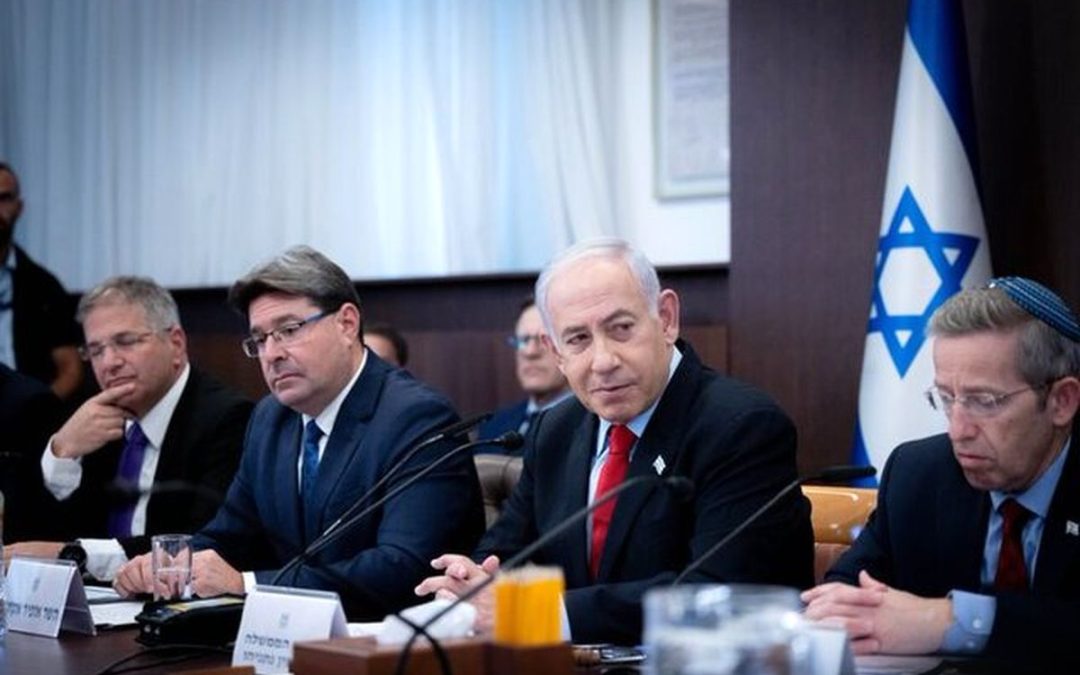
SCFR Online – Opinion: In modern warfare, it has always been assumed that the more expensive, and advanced the weapon—particularly from well-known companies—the more certain the victory will be. However, developments on the northern front of occupied Palestine in recent months have challenged this long-held belief. Here, the Zionist regime’s military, despite possessing the most advanced defense systems such as Iron Dome, David’s Sling, and Arrow, as well as fifth-generation F-35 fighter jets, Merkava tanks, and other modern equipment found in few countries worldwide, has effectively been rendered helpless against Hezbollah Lebanon’s few-hundred-dollar drones. Benjamin Netanyahu’s bitter admission regarding the inability to counter this threat, and his order to allocate an unlimited budget to find a solution, underscores the reality that the era of pure superiority through expensive technologies has come to an end.

The Impact of West Asian Developments on the Ukraine War

SCFR Online – Note: Vladimir Putin, President of Russia, recently announced—more than four years after the commencement of military aggression against Ukraine—that he believes the conflict between Russia and Ukraine is drawing to a close.

Temporary China–U.S. Trade Truce in the Shadow of Fundamental Distrust

SCFR Online – Opinion: The recent visit of the President of the United States to China is significant from various aspects; because China is recognized as the world’s second-largest economic power and a growing economy. The Chinese are also advancing in various fields, including the space sector, artificial intelligence, and military industries; to the extent that in the military sector, whereas they previously lacked an aircraft carrier, they now possess their third aircraft carrier. On the other hand, the United States, as a superpower, has always regarded China as its rival and continues to view it as such today.

Loading

Ceasefire agreement

An Analysis of the Gaza Ceasefire

An Analysis of the Gaza Ceasefire

Strategic Council Online – Opinion: The continuation of the Gaza war had become an unbearable issue for Netanyahu, which ultimately forced him to retreat from all war positions and accept a ceasefire under pressure from Trump.

Reasons Why the Netanyahu Govt  Is Preventing  a Ceasefire Agreement

Reasons Why the Netanyahu Govt Is Preventing a Ceasefire Agreement

Strategic Council Online – Opinion: The last round of indirect negotiations between Hamas officials and the Zionist regime, which was conducted in Cairo with the mediation of Qatar, Egypt, and the United States, was unsuccessful due to the Zionists’ “Obstruction.”
Hamid Khoshayand, an expert on regional issues

Tehran Intra-Afghan Meeting, Iran’s Strategy for Peace in Afghanistan

Tehran Intra-Afghan Meeting, Iran’s Strategy for Peace in Afghanistan

Strategic Council Online – Assistant to Minister and Director General of West Asia at Iran’s Ministry of Foreign Affairs, stating that the meeting of intra-Afghan groups in Tehran had a special success, added: The Taliban, with its past experience, realizes that it cannot necessarily achieve international legitimacy by military force; rather, international legitimacy is achieved through political negotiations.

Field Advances of Ansarullah; Despair of Saudi Regime in Yemen

Field Advances of Ansarullah; Despair of Saudi Regime in Yemen

Strategic Council Online – An expert on West Asia affairs said that Saudi Arabia is trying to somehow save itself from the predicament of the war in Yemen, adding: By taking back the Ma’rib Province, no area in the northern part of Yemen will remain in the hands of Saudi Arabia or Saudi mercenaries and Ansarullah will exercise its sovereignty over all those areas.

The role of UAE in the tension between Morocco and the Western Sahara

The role of UAE in the tension between Morocco and the Western Sahara

Strategic Council Online—Interview: An expert of Africa affairs says the Western Sahara government considers the recent intrusion of the Moroccan Army to Guerguerat in Western Sahara as the final seal on the termination of the 1991 peace accord between the two sides.

Challenges of Recent Azerbaijan-Armenia Accord and Need for Iran’s Continued Mediation

Challenges of Recent Azerbaijan-Armenia Accord and Need for Iran’s Continued Mediation

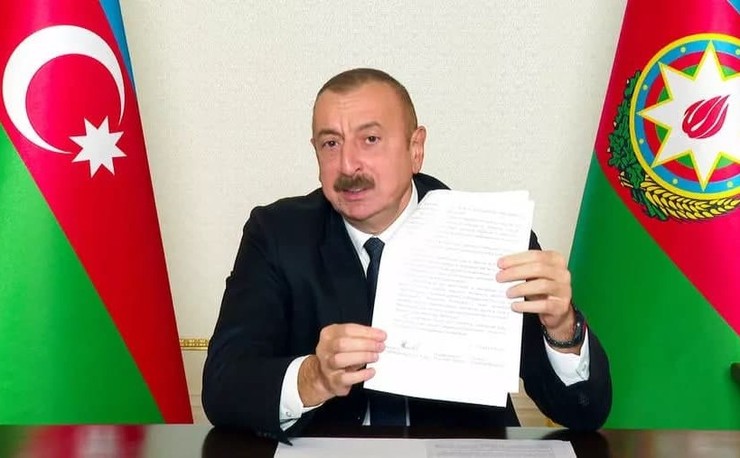
Strategic Council Online: Former Iranian ambassador to Azerbaijan, outlining Russia’s agreement plan for a ceasefire between Armenia and the Republic of Azerbaijan, said: This agreement has not dealt with resolving the Karabakh conflict and Iran’s mediation efforts to resolve the conflict and full liberation of Karabakh should be continued.

Inefficiency of the Minsk Group; necessity of incorporating a regional mechanism for the settlement of Karabakh dispute

Inefficiency of the Minsk Group; necessity of incorporating a regional mechanism for the settlement of Karabakh dispute

Strategic Council Online: Editorial—The Security Council of the United Nations, having passed four UN resolutions in the primary years of the 1990s, has delegated the issue of the return of peace to Karabakh to regional organizations in particular to the Organization for Security and Co-operation in Europe (OSCE). In 1992, the Organization for Security and Co-operation in Europe set up a mechanism under the title of the “Minsk Group”, comprising of nine countries, to deal with the settlement of the issue. The Minsk Group is currently chaired by the United States, Russia and France. Even though the Minsk Group managed to organize a ceasefire between the Republic of Azerbaijan and Armenia in Bishkek on 12 May 1994, it has failed during the past recent years to completely resolve the Karabakh dispute. Given the occurrence of two consecutive military confrontations since the beginning of 2020 with numerous dimensions, the issue of the performance and effectiveness of the Minsk Group is once again placed at the centre of the world’s attention.
Dr Shoayb Bahman, Expert of Russia affairs

Possibility of Libya’s Disintegration Due to Foreign Intervention

Possibility of Libya’s Disintegration Due to Foreign Intervention

Strategic Council Online – Regional players such as Saudi Arabia, the United Arab Emirates and Turkey are attempting to break up Libya and establish two different sovereignties in the country. Therefore, if the war continues, Libya like Sudan, may be divided into the two eastern and western parts.
Hassan Hanizadeh – Expert on Asian Affairs

أحدث الوظائف

Europe’s Enduring Dependence on Persian Gulf Energy

SCFR Online – Opinion: The dominant discourse in the field of European energy security over the past two decades has revolved around diversification of supply sources and the gradual reduction of dependence on fossil fuels. This narrative, which gained particular momentum after the Ukraine gas crisis in 2006 and its intensification in 2014 and 2022, was based on the assumption that Europe could free itself from the geopolitical vulnerabilities arising from dependence on specific suppliers through investment in renewable energy, imports of liquefied natural gas from diversified sources, and the establishment of new infrastructure. However, a closer analysis of energy trade data and the structure of the global oil and gas supply chain presents a different picture. Europe has not only failed to meaningfully reduce its dependence on the Persian Gulf, but in some sectors — particularly in liquefied natural gas imports — this dependence has deepened. This reality, which is often overlooked in public discourse, raises fundamental questions about the sustainability of Europe’s energy security strategies and their impact on regional power equations.

The Challenge of Hezbollah’s Low-Cost “FPV” Drones for the Zionist Regime

SCFR Online – Opinion: In modern warfare, it has always been assumed that the more expensive, and advanced the weapon—particularly from well-known companies—the more certain the victory will be. However, developments on the northern front of occupied Palestine in recent months have challenged this long-held belief. Here, the Zionist regime’s military, despite possessing the most advanced defense systems such as Iron Dome, David’s Sling, and Arrow, as well as fifth-generation F-35 fighter jets, Merkava tanks, and other modern equipment found in few countries worldwide, has effectively been rendered helpless against Hezbollah Lebanon’s few-hundred-dollar drones. Benjamin Netanyahu’s bitter admission regarding the inability to counter this threat, and his order to allocate an unlimited budget to find a solution, underscores the reality that the era of pure superiority through expensive technologies has come to an end.

The Impact of West Asian Developments on the Ukraine War

SCFR Online – Note: Vladimir Putin, President of Russia, recently announced—more than four years after the commencement of military aggression against Ukraine—that he believes the conflict between Russia and Ukraine is drawing to a close.

Temporary China–U.S. Trade Truce in the Shadow of Fundamental Distrust

SCFR Online – Opinion: The recent visit of the President of the United States to China is significant from various aspects; because China is recognized as the world’s second-largest economic power and a growing economy. The Chinese are also advancing in various fields, including the space sector, artificial intelligence, and military industries; to the extent that in the military sector, whereas they previously lacked an aircraft carrier, they now possess their third aircraft carrier. On the other hand, the United States, as a superpower, has always regarded China as its rival and continues to view it as such today.

Loading

Ceasefire agreement

An Analysis of the Gaza Ceasefire

An Analysis of the Gaza Ceasefire

Strategic Council Online – Opinion: The continuation of the Gaza war had become an unbearable issue for Netanyahu, which ultimately forced him to retreat from all war positions and accept a ceasefire under pressure from Trump.

Reasons Why the Netanyahu Govt  Is Preventing  a Ceasefire Agreement

Reasons Why the Netanyahu Govt Is Preventing a Ceasefire Agreement

Strategic Council Online – Opinion: The last round of indirect negotiations between Hamas officials and the Zionist regime, which was conducted in Cairo with the mediation of Qatar, Egypt, and the United States, was unsuccessful due to the Zionists’ “Obstruction.”
Hamid Khoshayand, an expert on regional issues

Tehran Intra-Afghan Meeting, Iran’s Strategy for Peace in Afghanistan

Tehran Intra-Afghan Meeting, Iran’s Strategy for Peace in Afghanistan

Strategic Council Online – Assistant to Minister and Director General of West Asia at Iran’s Ministry of Foreign Affairs, stating that the meeting of intra-Afghan groups in Tehran had a special success, added: The Taliban, with its past experience, realizes that it cannot necessarily achieve international legitimacy by military force; rather, international legitimacy is achieved through political negotiations.

Field Advances of Ansarullah; Despair of Saudi Regime in Yemen

Field Advances of Ansarullah; Despair of Saudi Regime in Yemen

Strategic Council Online – An expert on West Asia affairs said that Saudi Arabia is trying to somehow save itself from the predicament of the war in Yemen, adding: By taking back the Ma’rib Province, no area in the northern part of Yemen will remain in the hands of Saudi Arabia or Saudi mercenaries and Ansarullah will exercise its sovereignty over all those areas.

The role of UAE in the tension between Morocco and the Western Sahara

The role of UAE in the tension between Morocco and the Western Sahara

Strategic Council Online—Interview: An expert of Africa affairs says the Western Sahara government considers the recent intrusion of the Moroccan Army to Guerguerat in Western Sahara as the final seal on the termination of the 1991 peace accord between the two sides.

Challenges of Recent Azerbaijan-Armenia Accord and Need for Iran’s Continued Mediation

Challenges of Recent Azerbaijan-Armenia Accord and Need for Iran’s Continued Mediation

Strategic Council Online: Former Iranian ambassador to Azerbaijan, outlining Russia’s agreement plan for a ceasefire between Armenia and the Republic of Azerbaijan, said: This agreement has not dealt with resolving the Karabakh conflict and Iran’s mediation efforts to resolve the conflict and full liberation of Karabakh should be continued.

Inefficiency of the Minsk Group; necessity of incorporating a regional mechanism for the settlement of Karabakh dispute

Inefficiency of the Minsk Group; necessity of incorporating a regional mechanism for the settlement of Karabakh dispute

Strategic Council Online: Editorial—The Security Council of the United Nations, having passed four UN resolutions in the primary years of the 1990s, has delegated the issue of the return of peace to Karabakh to regional organizations in particular to the Organization for Security and Co-operation in Europe (OSCE). In 1992, the Organization for Security and Co-operation in Europe set up a mechanism under the title of the “Minsk Group”, comprising of nine countries, to deal with the settlement of the issue. The Minsk Group is currently chaired by the United States, Russia and France. Even though the Minsk Group managed to organize a ceasefire between the Republic of Azerbaijan and Armenia in Bishkek on 12 May 1994, it has failed during the past recent years to completely resolve the Karabakh dispute. Given the occurrence of two consecutive military confrontations since the beginning of 2020 with numerous dimensions, the issue of the performance and effectiveness of the Minsk Group is once again placed at the centre of the world’s attention.
Dr Shoayb Bahman, Expert of Russia affairs

Possibility of Libya’s Disintegration Due to Foreign Intervention

Possibility of Libya’s Disintegration Due to Foreign Intervention

Strategic Council Online – Regional players such as Saudi Arabia, the United Arab Emirates and Turkey are attempting to break up Libya and establish two different sovereignties in the country. Therefore, if the war continues, Libya like Sudan, may be divided into the two eastern and western parts.
Hassan Hanizadeh – Expert on Asian Affairs

Ceasefire agreement

An Analysis of the Gaza Ceasefire

An Analysis of the Gaza Ceasefire

Strategic Council Online – Opinion: The continuation of the Gaza war had become an unbearable issue for Netanyahu, which ultimately forced him to retreat from all war positions and accept a ceasefire under pressure from Trump.

Reasons Why the Netanyahu Govt  Is Preventing  a Ceasefire Agreement

Reasons Why the Netanyahu Govt Is Preventing a Ceasefire Agreement

Strategic Council Online – Opinion: The last round of indirect negotiations between Hamas officials and the Zionist regime, which was conducted in Cairo with the mediation of Qatar, Egypt, and the United States, was unsuccessful due to the Zionists’ “Obstruction.”
Hamid Khoshayand, an expert on regional issues

Tehran Intra-Afghan Meeting, Iran’s Strategy for Peace in Afghanistan

Tehran Intra-Afghan Meeting, Iran’s Strategy for Peace in Afghanistan

Strategic Council Online – Assistant to Minister and Director General of West Asia at Iran’s Ministry of Foreign Affairs, stating that the meeting of intra-Afghan groups in Tehran had a special success, added: The Taliban, with its past experience, realizes that it cannot necessarily achieve international legitimacy by military force; rather, international legitimacy is achieved through political negotiations.

Field Advances of Ansarullah; Despair of Saudi Regime in Yemen

Field Advances of Ansarullah; Despair of Saudi Regime in Yemen

Strategic Council Online – An expert on West Asia affairs said that Saudi Arabia is trying to somehow save itself from the predicament of the war in Yemen, adding: By taking back the Ma’rib Province, no area in the northern part of Yemen will remain in the hands of Saudi Arabia or Saudi mercenaries and Ansarullah will exercise its sovereignty over all those areas.

The role of UAE in the tension between Morocco and the Western Sahara

The role of UAE in the tension between Morocco and the Western Sahara

Strategic Council Online—Interview: An expert of Africa affairs says the Western Sahara government considers the recent intrusion of the Moroccan Army to Guerguerat in Western Sahara as the final seal on the termination of the 1991 peace accord between the two sides.

Challenges of Recent Azerbaijan-Armenia Accord and Need for Iran’s Continued Mediation

Challenges of Recent Azerbaijan-Armenia Accord and Need for Iran’s Continued Mediation

Strategic Council Online: Former Iranian ambassador to Azerbaijan, outlining Russia’s agreement plan for a ceasefire between Armenia and the Republic of Azerbaijan, said: This agreement has not dealt with resolving the Karabakh conflict and Iran’s mediation efforts to resolve the conflict and full liberation of Karabakh should be continued.

Inefficiency of the Minsk Group; necessity of incorporating a regional mechanism for the settlement of Karabakh dispute

Inefficiency of the Minsk Group; necessity of incorporating a regional mechanism for the settlement of Karabakh dispute

Strategic Council Online: Editorial—The Security Council of the United Nations, having passed four UN resolutions in the primary years of the 1990s, has delegated the issue of the return of peace to Karabakh to regional organizations in particular to the Organization for Security and Co-operation in Europe (OSCE). In 1992, the Organization for Security and Co-operation in Europe set up a mechanism under the title of the “Minsk Group”, comprising of nine countries, to deal with the settlement of the issue. The Minsk Group is currently chaired by the United States, Russia and France. Even though the Minsk Group managed to organize a ceasefire between the Republic of Azerbaijan and Armenia in Bishkek on 12 May 1994, it has failed during the past recent years to completely resolve the Karabakh dispute. Given the occurrence of two consecutive military confrontations since the beginning of 2020 with numerous dimensions, the issue of the performance and effectiveness of the Minsk Group is once again placed at the centre of the world’s attention.
Dr Shoayb Bahman, Expert of Russia affairs

Possibility of Libya’s Disintegration Due to Foreign Intervention

Possibility of Libya’s Disintegration Due to Foreign Intervention

Strategic Council Online – Regional players such as Saudi Arabia, the United Arab Emirates and Turkey are attempting to break up Libya and establish two different sovereignties in the country. Therefore, if the war continues, Libya like Sudan, may be divided into the two eastern and western parts.
Hassan Hanizadeh – Expert on Asian Affairs

LATEST CONTENT

Europe’s Enduring Dependence on Persian Gulf Energy

SCFR Online – Opinion: The dominant discourse in the field of European energy security over the past two decades has revolved around diversification of supply sources and the gradual reduction of dependence on fossil fuels. This narrative, which gained particular momentum after the Ukraine gas crisis in 2006 and its intensification in 2014 and 2022, was based on the assumption that Europe could free itself from the geopolitical vulnerabilities arising from dependence on specific suppliers through investment in renewable energy, imports of liquefied natural gas from diversified sources, and the establishment of new infrastructure. However, a closer analysis of energy trade data and the structure of the global oil and gas supply chain presents a different picture. Europe has not only failed to meaningfully reduce its dependence on the Persian Gulf, but in some sectors — particularly in liquefied natural gas imports — this dependence has deepened. This reality, which is often overlooked in public discourse, raises fundamental questions about the sustainability of Europe’s energy security strategies and their impact on regional power equations.

The Challenge of Hezbollah’s Low-Cost “FPV” Drones for the Zionist Regime

SCFR Online – Opinion: In modern warfare, it has always been assumed that the more expensive, and advanced the weapon—particularly from well-known companies—the more certain the victory will be. However, developments on the northern front of occupied Palestine in recent months have challenged this long-held belief. Here, the Zionist regime’s military, despite possessing the most advanced defense systems such as Iron Dome, David’s Sling, and Arrow, as well as fifth-generation F-35 fighter jets, Merkava tanks, and other modern equipment found in few countries worldwide, has effectively been rendered helpless against Hezbollah Lebanon’s few-hundred-dollar drones. Benjamin Netanyahu’s bitter admission regarding the inability to counter this threat, and his order to allocate an unlimited budget to find a solution, underscores the reality that the era of pure superiority through expensive technologies has come to an end.

The Impact of West Asian Developments on the Ukraine War

SCFR Online – Note: Vladimir Putin, President of Russia, recently announced—more than four years after the commencement of military aggression against Ukraine—that he believes the conflict between Russia and Ukraine is drawing to a close.

Temporary China–U.S. Trade Truce in the Shadow of Fundamental Distrust

SCFR Online – Opinion: The recent visit of the President of the United States to China is significant from various aspects; because China is recognized as the world’s second-largest economic power and a growing economy. The Chinese are also advancing in various fields, including the space sector, artificial intelligence, and military industries; to the extent that in the military sector, whereas they previously lacked an aircraft carrier, they now possess their third aircraft carrier. On the other hand, the United States, as a superpower, has always regarded China as its rival and continues to view it as such today.

Loading

Ceasefire agreement

An Analysis of the Gaza Ceasefire

An Analysis of the Gaza Ceasefire

Strategic Council Online – Opinion: The continuation of the Gaza war had become an unbearable issue for Netanyahu, which ultimately forced him to retreat from all war positions and accept a ceasefire under pressure from Trump.

Reasons Why the Netanyahu Govt  Is Preventing  a Ceasefire Agreement

Reasons Why the Netanyahu Govt Is Preventing a Ceasefire Agreement

Strategic Council Online – Opinion: The last round of indirect negotiations between Hamas officials and the Zionist regime, which was conducted in Cairo with the mediation of Qatar, Egypt, and the United States, was unsuccessful due to the Zionists’ “Obstruction.”
Hamid Khoshayand, an expert on regional issues

Tehran Intra-Afghan Meeting, Iran’s Strategy for Peace in Afghanistan

Tehran Intra-Afghan Meeting, Iran’s Strategy for Peace in Afghanistan

Strategic Council Online – Assistant to Minister and Director General of West Asia at Iran’s Ministry of Foreign Affairs, stating that the meeting of intra-Afghan groups in Tehran had a special success, added: The Taliban, with its past experience, realizes that it cannot necessarily achieve international legitimacy by military force; rather, international legitimacy is achieved through political negotiations.

Field Advances of Ansarullah; Despair of Saudi Regime in Yemen

Field Advances of Ansarullah; Despair of Saudi Regime in Yemen

Strategic Council Online – An expert on West Asia affairs said that Saudi Arabia is trying to somehow save itself from the predicament of the war in Yemen, adding: By taking back the Ma’rib Province, no area in the northern part of Yemen will remain in the hands of Saudi Arabia or Saudi mercenaries and Ansarullah will exercise its sovereignty over all those areas.

The role of UAE in the tension between Morocco and the Western Sahara

The role of UAE in the tension between Morocco and the Western Sahara

Strategic Council Online—Interview: An expert of Africa affairs says the Western Sahara government considers the recent intrusion of the Moroccan Army to Guerguerat in Western Sahara as the final seal on the termination of the 1991 peace accord between the two sides.

Challenges of Recent Azerbaijan-Armenia Accord and Need for Iran’s Continued Mediation

Challenges of Recent Azerbaijan-Armenia Accord and Need for Iran’s Continued Mediation

Strategic Council Online: Former Iranian ambassador to Azerbaijan, outlining Russia’s agreement plan for a ceasefire between Armenia and the Republic of Azerbaijan, said: This agreement has not dealt with resolving the Karabakh conflict and Iran’s mediation efforts to resolve the conflict and full liberation of Karabakh should be continued.

Inefficiency of the Minsk Group; necessity of incorporating a regional mechanism for the settlement of Karabakh dispute

Inefficiency of the Minsk Group; necessity of incorporating a regional mechanism for the settlement of Karabakh dispute

Strategic Council Online: Editorial—The Security Council of the United Nations, having passed four UN resolutions in the primary years of the 1990s, has delegated the issue of the return of peace to Karabakh to regional organizations in particular to the Organization for Security and Co-operation in Europe (OSCE). In 1992, the Organization for Security and Co-operation in Europe set up a mechanism under the title of the “Minsk Group”, comprising of nine countries, to deal with the settlement of the issue. The Minsk Group is currently chaired by the United States, Russia and France. Even though the Minsk Group managed to organize a ceasefire between the Republic of Azerbaijan and Armenia in Bishkek on 12 May 1994, it has failed during the past recent years to completely resolve the Karabakh dispute. Given the occurrence of two consecutive military confrontations since the beginning of 2020 with numerous dimensions, the issue of the performance and effectiveness of the Minsk Group is once again placed at the centre of the world’s attention.
Dr Shoayb Bahman, Expert of Russia affairs

Possibility of Libya’s Disintegration Due to Foreign Intervention

Possibility of Libya’s Disintegration Due to Foreign Intervention

Strategic Council Online – Regional players such as Saudi Arabia, the United Arab Emirates and Turkey are attempting to break up Libya and establish two different sovereignties in the country. Therefore, if the war continues, Libya like Sudan, may be divided into the two eastern and western parts.
Hassan Hanizadeh – Expert on Asian Affairs

ÚLTIMAS PUBLICACIONES

Europe’s Enduring Dependence on Persian Gulf Energy

SCFR Online – Opinion: The dominant discourse in the field of European energy security over the past two decades has revolved around diversification of supply sources and the gradual reduction of dependence on fossil fuels. This narrative, which gained particular momentum after the Ukraine gas crisis in 2006 and its intensification in 2014 and 2022, was based on the assumption that Europe could free itself from the geopolitical vulnerabilities arising from dependence on specific suppliers through investment in renewable energy, imports of liquefied natural gas from diversified sources, and the establishment of new infrastructure. However, a closer analysis of energy trade data and the structure of the global oil and gas supply chain presents a different picture. Europe has not only failed to meaningfully reduce its dependence on the Persian Gulf, but in some sectors — particularly in liquefied natural gas imports — this dependence has deepened. This reality, which is often overlooked in public discourse, raises fundamental questions about the sustainability of Europe’s energy security strategies and their impact on regional power equations.

The Challenge of Hezbollah’s Low-Cost “FPV” Drones for the Zionist Regime

SCFR Online – Opinion: In modern warfare, it has always been assumed that the more expensive, and advanced the weapon—particularly from well-known companies—the more certain the victory will be. However, developments on the northern front of occupied Palestine in recent months have challenged this long-held belief. Here, the Zionist regime’s military, despite possessing the most advanced defense systems such as Iron Dome, David’s Sling, and Arrow, as well as fifth-generation F-35 fighter jets, Merkava tanks, and other modern equipment found in few countries worldwide, has effectively been rendered helpless against Hezbollah Lebanon’s few-hundred-dollar drones. Benjamin Netanyahu’s bitter admission regarding the inability to counter this threat, and his order to allocate an unlimited budget to find a solution, underscores the reality that the era of pure superiority through expensive technologies has come to an end.

The Impact of West Asian Developments on the Ukraine War

SCFR Online – Note: Vladimir Putin, President of Russia, recently announced—more than four years after the commencement of military aggression against Ukraine—that he believes the conflict between Russia and Ukraine is drawing to a close.

Temporary China–U.S. Trade Truce in the Shadow of Fundamental Distrust

SCFR Online – Opinion: The recent visit of the President of the United States to China is significant from various aspects; because China is recognized as the world’s second-largest economic power and a growing economy. The Chinese are also advancing in various fields, including the space sector, artificial intelligence, and military industries; to the extent that in the military sector, whereas they previously lacked an aircraft carrier, they now possess their third aircraft carrier. On the other hand, the United States, as a superpower, has always regarded China as its rival and continues to view it as such today.

Loading

Ceasefire agreement

An Analysis of the Gaza Ceasefire

An Analysis of the Gaza Ceasefire

Strategic Council Online – Opinion: The continuation of the Gaza war had become an unbearable issue for Netanyahu, which ultimately forced him to retreat from all war positions and accept a ceasefire under pressure from Trump.

Reasons Why the Netanyahu Govt  Is Preventing  a Ceasefire Agreement

Reasons Why the Netanyahu Govt Is Preventing a Ceasefire Agreement

Strategic Council Online – Opinion: The last round of indirect negotiations between Hamas officials and the Zionist regime, which was conducted in Cairo with the mediation of Qatar, Egypt, and the United States, was unsuccessful due to the Zionists’ “Obstruction.”
Hamid Khoshayand, an expert on regional issues

Tehran Intra-Afghan Meeting, Iran’s Strategy for Peace in Afghanistan

Tehran Intra-Afghan Meeting, Iran’s Strategy for Peace in Afghanistan

Strategic Council Online – Assistant to Minister and Director General of West Asia at Iran’s Ministry of Foreign Affairs, stating that the meeting of intra-Afghan groups in Tehran had a special success, added: The Taliban, with its past experience, realizes that it cannot necessarily achieve international legitimacy by military force; rather, international legitimacy is achieved through political negotiations.

Field Advances of Ansarullah; Despair of Saudi Regime in Yemen

Field Advances of Ansarullah; Despair of Saudi Regime in Yemen

Strategic Council Online – An expert on West Asia affairs said that Saudi Arabia is trying to somehow save itself from the predicament of the war in Yemen, adding: By taking back the Ma’rib Province, no area in the northern part of Yemen will remain in the hands of Saudi Arabia or Saudi mercenaries and Ansarullah will exercise its sovereignty over all those areas.

The role of UAE in the tension between Morocco and the Western Sahara

The role of UAE in the tension between Morocco and the Western Sahara

Strategic Council Online—Interview: An expert of Africa affairs says the Western Sahara government considers the recent intrusion of the Moroccan Army to Guerguerat in Western Sahara as the final seal on the termination of the 1991 peace accord between the two sides.

Challenges of Recent Azerbaijan-Armenia Accord and Need for Iran’s Continued Mediation

Challenges of Recent Azerbaijan-Armenia Accord and Need for Iran’s Continued Mediation

Strategic Council Online: Former Iranian ambassador to Azerbaijan, outlining Russia’s agreement plan for a ceasefire between Armenia and the Republic of Azerbaijan, said: This agreement has not dealt with resolving the Karabakh conflict and Iran’s mediation efforts to resolve the conflict and full liberation of Karabakh should be continued.

Inefficiency of the Minsk Group; necessity of incorporating a regional mechanism for the settlement of Karabakh dispute

Inefficiency of the Minsk Group; necessity of incorporating a regional mechanism for the settlement of Karabakh dispute

Strategic Council Online: Editorial—The Security Council of the United Nations, having passed four UN resolutions in the primary years of the 1990s, has delegated the issue of the return of peace to Karabakh to regional organizations in particular to the Organization for Security and Co-operation in Europe (OSCE). In 1992, the Organization for Security and Co-operation in Europe set up a mechanism under the title of the “Minsk Group”, comprising of nine countries, to deal with the settlement of the issue. The Minsk Group is currently chaired by the United States, Russia and France. Even though the Minsk Group managed to organize a ceasefire between the Republic of Azerbaijan and Armenia in Bishkek on 12 May 1994, it has failed during the past recent years to completely resolve the Karabakh dispute. Given the occurrence of two consecutive military confrontations since the beginning of 2020 with numerous dimensions, the issue of the performance and effectiveness of the Minsk Group is once again placed at the centre of the world’s attention.
Dr Shoayb Bahman, Expert of Russia affairs

Possibility of Libya’s Disintegration Due to Foreign Intervention

Possibility of Libya’s Disintegration Due to Foreign Intervention

Strategic Council Online – Regional players such as Saudi Arabia, the United Arab Emirates and Turkey are attempting to break up Libya and establish two different sovereignties in the country. Therefore, if the war continues, Libya like Sudan, may be divided into the two eastern and western parts.
Hassan Hanizadeh – Expert on Asian Affairs

ÚLTIMAS PUBLICACIONES

Europe’s Enduring Dependence on Persian Gulf Energy

SCFR Online – Opinion: The dominant discourse in the field of European energy security over the past two decades has revolved around diversification of supply sources and the gradual reduction of dependence on fossil fuels. This narrative, which gained particular momentum after the Ukraine gas crisis in 2006 and its intensification in 2014 and 2022, was based on the assumption that Europe could free itself from the geopolitical vulnerabilities arising from dependence on specific suppliers through investment in renewable energy, imports of liquefied natural gas from diversified sources, and the establishment of new infrastructure. However, a closer analysis of energy trade data and the structure of the global oil and gas supply chain presents a different picture. Europe has not only failed to meaningfully reduce its dependence on the Persian Gulf, but in some sectors — particularly in liquefied natural gas imports — this dependence has deepened. This reality, which is often overlooked in public discourse, raises fundamental questions about the sustainability of Europe’s energy security strategies and their impact on regional power equations.

The Challenge of Hezbollah’s Low-Cost “FPV” Drones for the Zionist Regime

SCFR Online – Opinion: In modern warfare, it has always been assumed that the more expensive, and advanced the weapon—particularly from well-known companies—the more certain the victory will be. However, developments on the northern front of occupied Palestine in recent months have challenged this long-held belief. Here, the Zionist regime’s military, despite possessing the most advanced defense systems such as Iron Dome, David’s Sling, and Arrow, as well as fifth-generation F-35 fighter jets, Merkava tanks, and other modern equipment found in few countries worldwide, has effectively been rendered helpless against Hezbollah Lebanon’s few-hundred-dollar drones. Benjamin Netanyahu’s bitter admission regarding the inability to counter this threat, and his order to allocate an unlimited budget to find a solution, underscores the reality that the era of pure superiority through expensive technologies has come to an end.

The Impact of West Asian Developments on the Ukraine War

SCFR Online – Note: Vladimir Putin, President of Russia, recently announced—more than four years after the commencement of military aggression against Ukraine—that he believes the conflict between Russia and Ukraine is drawing to a close.

Temporary China–U.S. Trade Truce in the Shadow of Fundamental Distrust

SCFR Online – Opinion: The recent visit of the President of the United States to China is significant from various aspects; because China is recognized as the world’s second-largest economic power and a growing economy. The Chinese are also advancing in various fields, including the space sector, artificial intelligence, and military industries; to the extent that in the military sector, whereas they previously lacked an aircraft carrier, they now possess their third aircraft carrier. On the other hand, the United States, as a superpower, has always regarded China as its rival and continues to view it as such today.

Loading

Ceasefire agreement

An Analysis of the Gaza Ceasefire

An Analysis of the Gaza Ceasefire

Strategic Council Online – Opinion: The continuation of the Gaza war had become an unbearable issue for Netanyahu, which ultimately forced him to retreat from all war positions and accept a ceasefire under pressure from Trump.

Reasons Why the Netanyahu Govt  Is Preventing  a Ceasefire Agreement

Reasons Why the Netanyahu Govt Is Preventing a Ceasefire Agreement

Strategic Council Online – Opinion: The last round of indirect negotiations between Hamas officials and the Zionist regime, which was conducted in Cairo with the mediation of Qatar, Egypt, and the United States, was unsuccessful due to the Zionists’ “Obstruction.”
Hamid Khoshayand, an expert on regional issues

Tehran Intra-Afghan Meeting, Iran’s Strategy for Peace in Afghanistan

Tehran Intra-Afghan Meeting, Iran’s Strategy for Peace in Afghanistan

Strategic Council Online – Assistant to Minister and Director General of West Asia at Iran’s Ministry of Foreign Affairs, stating that the meeting of intra-Afghan groups in Tehran had a special success, added: The Taliban, with its past experience, realizes that it cannot necessarily achieve international legitimacy by military force; rather, international legitimacy is achieved through political negotiations.

Field Advances of Ansarullah; Despair of Saudi Regime in Yemen

Field Advances of Ansarullah; Despair of Saudi Regime in Yemen

Strategic Council Online – An expert on West Asia affairs said that Saudi Arabia is trying to somehow save itself from the predicament of the war in Yemen, adding: By taking back the Ma’rib Province, no area in the northern part of Yemen will remain in the hands of Saudi Arabia or Saudi mercenaries and Ansarullah will exercise its sovereignty over all those areas.

The role of UAE in the tension between Morocco and the Western Sahara

The role of UAE in the tension between Morocco and the Western Sahara

Strategic Council Online—Interview: An expert of Africa affairs says the Western Sahara government considers the recent intrusion of the Moroccan Army to Guerguerat in Western Sahara as the final seal on the termination of the 1991 peace accord between the two sides.

Challenges of Recent Azerbaijan-Armenia Accord and Need for Iran’s Continued Mediation

Challenges of Recent Azerbaijan-Armenia Accord and Need for Iran’s Continued Mediation

Strategic Council Online: Former Iranian ambassador to Azerbaijan, outlining Russia’s agreement plan for a ceasefire between Armenia and the Republic of Azerbaijan, said: This agreement has not dealt with resolving the Karabakh conflict and Iran’s mediation efforts to resolve the conflict and full liberation of Karabakh should be continued.

Inefficiency of the Minsk Group; necessity of incorporating a regional mechanism for the settlement of Karabakh dispute

Inefficiency of the Minsk Group; necessity of incorporating a regional mechanism for the settlement of Karabakh dispute

Strategic Council Online: Editorial—The Security Council of the United Nations, having passed four UN resolutions in the primary years of the 1990s, has delegated the issue of the return of peace to Karabakh to regional organizations in particular to the Organization for Security and Co-operation in Europe (OSCE). In 1992, the Organization for Security and Co-operation in Europe set up a mechanism under the title of the “Minsk Group”, comprising of nine countries, to deal with the settlement of the issue. The Minsk Group is currently chaired by the United States, Russia and France. Even though the Minsk Group managed to organize a ceasefire between the Republic of Azerbaijan and Armenia in Bishkek on 12 May 1994, it has failed during the past recent years to completely resolve the Karabakh dispute. Given the occurrence of two consecutive military confrontations since the beginning of 2020 with numerous dimensions, the issue of the performance and effectiveness of the Minsk Group is once again placed at the centre of the world’s attention.
Dr Shoayb Bahman, Expert of Russia affairs

Possibility of Libya’s Disintegration Due to Foreign Intervention

Possibility of Libya’s Disintegration Due to Foreign Intervention

Strategic Council Online – Regional players such as Saudi Arabia, the United Arab Emirates and Turkey are attempting to break up Libya and establish two different sovereignties in the country. Therefore, if the war continues, Libya like Sudan, may be divided into the two eastern and western parts.
Hassan Hanizadeh – Expert on Asian Affairs

ÚLTIMAS PUBLICACIONES

Europe’s Enduring Dependence on Persian Gulf Energy

SCFR Online – Opinion: The dominant discourse in the field of European energy security over the past two decades has revolved around diversification of supply sources and the gradual reduction of dependence on fossil fuels. This narrative, which gained particular momentum after the Ukraine gas crisis in 2006 and its intensification in 2014 and 2022, was based on the assumption that Europe could free itself from the geopolitical vulnerabilities arising from dependence on specific suppliers through investment in renewable energy, imports of liquefied natural gas from diversified sources, and the establishment of new infrastructure. However, a closer analysis of energy trade data and the structure of the global oil and gas supply chain presents a different picture. Europe has not only failed to meaningfully reduce its dependence on the Persian Gulf, but in some sectors — particularly in liquefied natural gas imports — this dependence has deepened. This reality, which is often overlooked in public discourse, raises fundamental questions about the sustainability of Europe’s energy security strategies and their impact on regional power equations.

The Challenge of Hezbollah’s Low-Cost “FPV” Drones for the Zionist Regime

SCFR Online – Opinion: In modern warfare, it has always been assumed that the more expensive, and advanced the weapon—particularly from well-known companies—the more certain the victory will be. However, developments on the northern front of occupied Palestine in recent months have challenged this long-held belief. Here, the Zionist regime’s military, despite possessing the most advanced defense systems such as Iron Dome, David’s Sling, and Arrow, as well as fifth-generation F-35 fighter jets, Merkava tanks, and other modern equipment found in few countries worldwide, has effectively been rendered helpless against Hezbollah Lebanon’s few-hundred-dollar drones. Benjamin Netanyahu’s bitter admission regarding the inability to counter this threat, and his order to allocate an unlimited budget to find a solution, underscores the reality that the era of pure superiority through expensive technologies has come to an end.

The Impact of West Asian Developments on the Ukraine War

SCFR Online – Note: Vladimir Putin, President of Russia, recently announced—more than four years after the commencement of military aggression against Ukraine—that he believes the conflict between Russia and Ukraine is drawing to a close.

Temporary China–U.S. Trade Truce in the Shadow of Fundamental Distrust

SCFR Online – Opinion: The recent visit of the President of the United States to China is significant from various aspects; because China is recognized as the world’s second-largest economic power and a growing economy. The Chinese are also advancing in various fields, including the space sector, artificial intelligence, and military industries; to the extent that in the military sector, whereas they previously lacked an aircraft carrier, they now possess their third aircraft carrier. On the other hand, the United States, as a superpower, has always regarded China as its rival and continues to view it as such today.

Loading

Ceasefire agreement

An Analysis of the Gaza Ceasefire

An Analysis of the Gaza Ceasefire

Strategic Council Online – Opinion: The continuation of the Gaza war had become an unbearable issue for Netanyahu, which ultimately forced him to retreat from all war positions and accept a ceasefire under pressure from Trump.

Reasons Why the Netanyahu Govt  Is Preventing  a Ceasefire Agreement

Reasons Why the Netanyahu Govt Is Preventing a Ceasefire Agreement

Strategic Council Online – Opinion: The last round of indirect negotiations between Hamas officials and the Zionist regime, which was conducted in Cairo with the mediation of Qatar, Egypt, and the United States, was unsuccessful due to the Zionists’ “Obstruction.”
Hamid Khoshayand, an expert on regional issues

Tehran Intra-Afghan Meeting, Iran’s Strategy for Peace in Afghanistan

Tehran Intra-Afghan Meeting, Iran’s Strategy for Peace in Afghanistan

Strategic Council Online – Assistant to Minister and Director General of West Asia at Iran’s Ministry of Foreign Affairs, stating that the meeting of intra-Afghan groups in Tehran had a special success, added: The Taliban, with its past experience, realizes that it cannot necessarily achieve international legitimacy by military force; rather, international legitimacy is achieved through political negotiations.

Field Advances of Ansarullah; Despair of Saudi Regime in Yemen

Field Advances of Ansarullah; Despair of Saudi Regime in Yemen

Strategic Council Online – An expert on West Asia affairs said that Saudi Arabia is trying to somehow save itself from the predicament of the war in Yemen, adding: By taking back the Ma’rib Province, no area in the northern part of Yemen will remain in the hands of Saudi Arabia or Saudi mercenaries and Ansarullah will exercise its sovereignty over all those areas.

The role of UAE in the tension between Morocco and the Western Sahara

The role of UAE in the tension between Morocco and the Western Sahara

Strategic Council Online—Interview: An expert of Africa affairs says the Western Sahara government considers the recent intrusion of the Moroccan Army to Guerguerat in Western Sahara as the final seal on the termination of the 1991 peace accord between the two sides.

Challenges of Recent Azerbaijan-Armenia Accord and Need for Iran’s Continued Mediation

Challenges of Recent Azerbaijan-Armenia Accord and Need for Iran’s Continued Mediation

Strategic Council Online: Former Iranian ambassador to Azerbaijan, outlining Russia’s agreement plan for a ceasefire between Armenia and the Republic of Azerbaijan, said: This agreement has not dealt with resolving the Karabakh conflict and Iran’s mediation efforts to resolve the conflict and full liberation of Karabakh should be continued.

Inefficiency of the Minsk Group; necessity of incorporating a regional mechanism for the settlement of Karabakh dispute

Inefficiency of the Minsk Group; necessity of incorporating a regional mechanism for the settlement of Karabakh dispute

Strategic Council Online: Editorial—The Security Council of the United Nations, having passed four UN resolutions in the primary years of the 1990s, has delegated the issue of the return of peace to Karabakh to regional organizations in particular to the Organization for Security and Co-operation in Europe (OSCE). In 1992, the Organization for Security and Co-operation in Europe set up a mechanism under the title of the “Minsk Group”, comprising of nine countries, to deal with the settlement of the issue. The Minsk Group is currently chaired by the United States, Russia and France. Even though the Minsk Group managed to organize a ceasefire between the Republic of Azerbaijan and Armenia in Bishkek on 12 May 1994, it has failed during the past recent years to completely resolve the Karabakh dispute. Given the occurrence of two consecutive military confrontations since the beginning of 2020 with numerous dimensions, the issue of the performance and effectiveness of the Minsk Group is once again placed at the centre of the world’s attention.
Dr Shoayb Bahman, Expert of Russia affairs

Possibility of Libya’s Disintegration Due to Foreign Intervention

Possibility of Libya’s Disintegration Due to Foreign Intervention

Strategic Council Online – Regional players such as Saudi Arabia, the United Arab Emirates and Turkey are attempting to break up Libya and establish two different sovereignties in the country. Therefore, if the war continues, Libya like Sudan, may be divided into the two eastern and western parts.
Hassan Hanizadeh – Expert on Asian Affairs

ÚLTIMAS PUBLICACIONES

Europe’s Enduring Dependence on Persian Gulf Energy

SCFR Online – Opinion: The dominant discourse in the field of European energy security over the past two decades has revolved around diversification of supply sources and the gradual reduction of dependence on fossil fuels. This narrative, which gained particular momentum after the Ukraine gas crisis in 2006 and its intensification in 2014 and 2022, was based on the assumption that Europe could free itself from the geopolitical vulnerabilities arising from dependence on specific suppliers through investment in renewable energy, imports of liquefied natural gas from diversified sources, and the establishment of new infrastructure. However, a closer analysis of energy trade data and the structure of the global oil and gas supply chain presents a different picture. Europe has not only failed to meaningfully reduce its dependence on the Persian Gulf, but in some sectors — particularly in liquefied natural gas imports — this dependence has deepened. This reality, which is often overlooked in public discourse, raises fundamental questions about the sustainability of Europe’s energy security strategies and their impact on regional power equations.

The Challenge of Hezbollah’s Low-Cost “FPV” Drones for the Zionist Regime

SCFR Online – Opinion: In modern warfare, it has always been assumed that the more expensive, and advanced the weapon—particularly from well-known companies—the more certain the victory will be. However, developments on the northern front of occupied Palestine in recent months have challenged this long-held belief. Here, the Zionist regime’s military, despite possessing the most advanced defense systems such as Iron Dome, David’s Sling, and Arrow, as well as fifth-generation F-35 fighter jets, Merkava tanks, and other modern equipment found in few countries worldwide, has effectively been rendered helpless against Hezbollah Lebanon’s few-hundred-dollar drones. Benjamin Netanyahu’s bitter admission regarding the inability to counter this threat, and his order to allocate an unlimited budget to find a solution, underscores the reality that the era of pure superiority through expensive technologies has come to an end.

The Impact of West Asian Developments on the Ukraine War

SCFR Online – Note: Vladimir Putin, President of Russia, recently announced—more than four years after the commencement of military aggression against Ukraine—that he believes the conflict between Russia and Ukraine is drawing to a close.

Temporary China–U.S. Trade Truce in the Shadow of Fundamental Distrust

SCFR Online – Opinion: The recent visit of the President of the United States to China is significant from various aspects; because China is recognized as the world’s second-largest economic power and a growing economy. The Chinese are also advancing in various fields, including the space sector, artificial intelligence, and military industries; to the extent that in the military sector, whereas they previously lacked an aircraft carrier, they now possess their third aircraft carrier. On the other hand, the United States, as a superpower, has always regarded China as its rival and continues to view it as such today.

Loading