جدیدترین مطالب

The Makkah Pact; Reasons for its Formation and Challenges Ahead

SCFR Online – Opinion: The Makkah Pact, signed between Saudi Arabia, Pakistan, and Turkey under the motto “an attack on one is an attack on all,” is viewed by some analysts less as a full-fledged military coalition and more as an attempt to reduce security dependence on an external power and to establish a regional security mechanism.

Implications of the US-Saudi Nuclear Agreement

SCFR Online – Opinion: The new US-Saudi nuclear agreement, despite legal and political ambiguities, could alter previous non-proliferation standards in West Asia and intensify nuclear competition, ushering it into a new phase.

An Analysis of Recent Turkey-Israeli Regime Tensions

SCFR Online – Opinion: Recent developments in Syria indicate an intensification of strategic rivalry between Turkey and the Israeli regime, but mutual considerations and the role of the United States have limited the likelihood of direct war.

Increasing criticism of the extensive Zionist lobby network

SCFR Online – Opinion: An examination of the mechanisms of the Israeli regime’s influence in the United States depicts a complex picture of shared interests, strategic dependencies, and the limitations of this relationship.

Realities of the Tripartite Makkah Pact

SCFR Online – Interview: The signing of the Makkah agreement between Saudi Arabia, Pakistan, and Turkey has raised questions about the future of the region’s security structure and the position of these countries in West Asian equations. Can this agreement become a genuine collective defense mechanism, or does it have more of a political and deterrent function than creating new military capacity?

Strategic Implications of the Reduction of US Weapons Stockpiles

SCFR Online – Opinion: The continuation of the US war against Iran, in addition to increasing operational costs, has called into question the actual capacity of the American arsenal to simultaneously fulfill security commitments on multiple fronts; an issue that affects deterrence, defense production capacity, and Washington’s resource prioritization.

Loading

China

The prospect of Expanding Relations Between Italy & China

The prospect of Expanding Relations Between Italy & China

Strategic Council Online – Interview: A European-issue researcher said that a three-year agreement was recently signed between Italy and China, and the Italian Prime Minister Giorgio Meloni said she is looking to restore relations with Beijing. Meloni promised to restart cooperation with China during his first visit to Beijing after coming to power. This is even though his government withdrew from China’s Belt and Road infrastructure investment plan last year. Therefore, the question is raised: what is Rome’s view on cooperation with Beijing, and why does it adopt this approach today?

Strengthening China’s Mediating Role to Improve Its International Status

Strengthening China’s Mediating Role to Improve Its International Status

Strategic Council Online – Interview: An international affairs expert said: Fourteen Palestinian groups have agreed to form an interim national reconciliation government to manage the state of affairs in Gaza after the war, with the mediation of China. This agreement is the result of the negotiations held in Beijing, in which Musa Abu Marzouq, a senior representative of Hamas, and Mahmoud Aloul, a member of the Fatah Central Committee, were present. On this basis, the Palestinian groups have agreed on how to manage Gaza after the end of the war in a joint statement called the “Beijing Declaration.”

Japan’s Goals of Strengthening Its Military Power in East Asia

Japan’s Goals of Strengthening Its Military Power in East Asia

Strategic Council Online – Interview: The former ambassador of Iran in Japan said: Strengthening Japan’s military activities is a 25-year plan to show that it is capable of becoming one of the military powers of the region and the world by relying on its military values and capabilities.

An Analysis of the Possible Approach of the New British Government in Foreign Policy

An Analysis of the Possible Approach of the New British Government in Foreign Policy

Strategic Council Online—Interview: An expert on European issues said: The British Labor Party, led by Keir Starmer, won the election by winning an overwhelming majority of the seats in the House of Commons. On the other hand, the Conservative party, led by Rishi Sunak, has lost 170 seats and is on the way to its heaviest political defeat since the party was founded in the 19th century.

Saudi Oil Step in the Corridor of De-Dollarization

Saudi Oil Step in the Corridor of De-Dollarization

Strategic Council Online – Opinion: On June 9, Saudi Arabia’s oil agreement with the United States expired. Saudi Crown Prince Mohammed bin Salman announced that Riyadh would not renew the 75-year-old contract that helped maintain the hegemony of the US dollar in international trade. This action allows Riyadh to sell oil in different currencies, including yuan, euro, yen, etc., instead of the US dollar.

Saudi Hesitation about FTA between PGCC and China

Saudi Hesitation about FTA between PGCC and China

Strategic Council Online – Interview: A former Iranian diplomat said about the hesitation of Saudi Arabia to interact with China in the framework of the free trade agreement between China and the Persian Gulf Cooperation Council: This issue does not have just economic or political reasons. The reasons for this delay have changed momentarily due to regional and international developments and are definitely in line with the interests of each of the parties to the agreement.

An Analysis of New EU Sanctions Package Against Russia

An Analysis of New EU Sanctions Package Against Russia

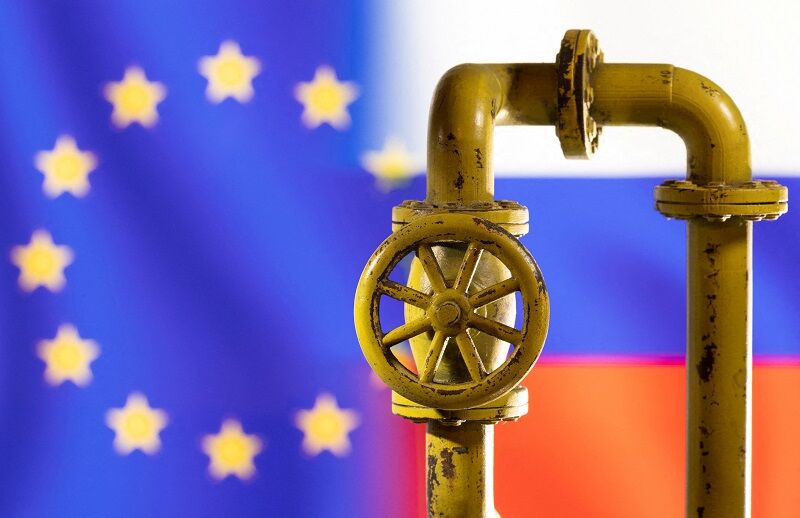
Strategic Council Online – Interview: An expert on Caucasus issues said that Swedish Foreign Minister Tobias Billström recently announced that EU states plan to include the ban on the supply of liquefied natural gas (LNG) in the sanctions against Russia.

An Analysis on Efforts by the US and China to Strengthen Mutual Military Capabilities

An Analysis on Efforts by the US and China to Strengthen Mutual Military Capabilities

Strategic Council Online—Interview: An expert on strategic issues said: The US Navy has put a project on the agenda to convert surplus oil platforms into mobile missile defense bases in the Pacific Ocean and face China’s threats. These platforms are supposed to be deployed in response to China’s growing missile threats in the Pacific region. Platforms converted into missile defense bases are expected to play an important role in increasing US air defense capabilities and assisting in the country’s strike missions.

أحدث الوظائف

The Makkah Pact; Reasons for its Formation and Challenges Ahead

SCFR Online – Opinion: The Makkah Pact, signed between Saudi Arabia, Pakistan, and Turkey under the motto “an attack on one is an attack on all,” is viewed by some analysts less as a full-fledged military coalition and more as an attempt to reduce security dependence on an external power and to establish a regional security mechanism.

Implications of the US-Saudi Nuclear Agreement

SCFR Online – Opinion: The new US-Saudi nuclear agreement, despite legal and political ambiguities, could alter previous non-proliferation standards in West Asia and intensify nuclear competition, ushering it into a new phase.

An Analysis of Recent Turkey-Israeli Regime Tensions

SCFR Online – Opinion: Recent developments in Syria indicate an intensification of strategic rivalry between Turkey and the Israeli regime, but mutual considerations and the role of the United States have limited the likelihood of direct war.

Increasing criticism of the extensive Zionist lobby network

SCFR Online – Opinion: An examination of the mechanisms of the Israeli regime’s influence in the United States depicts a complex picture of shared interests, strategic dependencies, and the limitations of this relationship.

Realities of the Tripartite Makkah Pact

SCFR Online – Interview: The signing of the Makkah agreement between Saudi Arabia, Pakistan, and Turkey has raised questions about the future of the region’s security structure and the position of these countries in West Asian equations. Can this agreement become a genuine collective defense mechanism, or does it have more of a political and deterrent function than creating new military capacity?

Strategic Implications of the Reduction of US Weapons Stockpiles

SCFR Online – Opinion: The continuation of the US war against Iran, in addition to increasing operational costs, has called into question the actual capacity of the American arsenal to simultaneously fulfill security commitments on multiple fronts; an issue that affects deterrence, defense production capacity, and Washington’s resource prioritization.

Loading

China

The prospect of Expanding Relations Between Italy & China

The prospect of Expanding Relations Between Italy & China

Strategic Council Online – Interview: A European-issue researcher said that a three-year agreement was recently signed between Italy and China, and the Italian Prime Minister Giorgio Meloni said she is looking to restore relations with Beijing. Meloni promised to restart cooperation with China during his first visit to Beijing after coming to power. This is even though his government withdrew from China’s Belt and Road infrastructure investment plan last year. Therefore, the question is raised: what is Rome’s view on cooperation with Beijing, and why does it adopt this approach today?

Strengthening China’s Mediating Role to Improve Its International Status

Strengthening China’s Mediating Role to Improve Its International Status

Strategic Council Online – Interview: An international affairs expert said: Fourteen Palestinian groups have agreed to form an interim national reconciliation government to manage the state of affairs in Gaza after the war, with the mediation of China. This agreement is the result of the negotiations held in Beijing, in which Musa Abu Marzouq, a senior representative of Hamas, and Mahmoud Aloul, a member of the Fatah Central Committee, were present. On this basis, the Palestinian groups have agreed on how to manage Gaza after the end of the war in a joint statement called the “Beijing Declaration.”

Japan’s Goals of Strengthening Its Military Power in East Asia

Japan’s Goals of Strengthening Its Military Power in East Asia

Strategic Council Online – Interview: The former ambassador of Iran in Japan said: Strengthening Japan’s military activities is a 25-year plan to show that it is capable of becoming one of the military powers of the region and the world by relying on its military values and capabilities.

An Analysis of the Possible Approach of the New British Government in Foreign Policy

An Analysis of the Possible Approach of the New British Government in Foreign Policy

Strategic Council Online—Interview: An expert on European issues said: The British Labor Party, led by Keir Starmer, won the election by winning an overwhelming majority of the seats in the House of Commons. On the other hand, the Conservative party, led by Rishi Sunak, has lost 170 seats and is on the way to its heaviest political defeat since the party was founded in the 19th century.

Saudi Oil Step in the Corridor of De-Dollarization

Saudi Oil Step in the Corridor of De-Dollarization

Strategic Council Online – Opinion: On June 9, Saudi Arabia’s oil agreement with the United States expired. Saudi Crown Prince Mohammed bin Salman announced that Riyadh would not renew the 75-year-old contract that helped maintain the hegemony of the US dollar in international trade. This action allows Riyadh to sell oil in different currencies, including yuan, euro, yen, etc., instead of the US dollar.

Saudi Hesitation about FTA between PGCC and China

Saudi Hesitation about FTA between PGCC and China

Strategic Council Online – Interview: A former Iranian diplomat said about the hesitation of Saudi Arabia to interact with China in the framework of the free trade agreement between China and the Persian Gulf Cooperation Council: This issue does not have just economic or political reasons. The reasons for this delay have changed momentarily due to regional and international developments and are definitely in line with the interests of each of the parties to the agreement.

An Analysis of New EU Sanctions Package Against Russia

An Analysis of New EU Sanctions Package Against Russia

Strategic Council Online – Interview: An expert on Caucasus issues said that Swedish Foreign Minister Tobias Billström recently announced that EU states plan to include the ban on the supply of liquefied natural gas (LNG) in the sanctions against Russia.

An Analysis on Efforts by the US and China to Strengthen Mutual Military Capabilities

An Analysis on Efforts by the US and China to Strengthen Mutual Military Capabilities

Strategic Council Online—Interview: An expert on strategic issues said: The US Navy has put a project on the agenda to convert surplus oil platforms into mobile missile defense bases in the Pacific Ocean and face China’s threats. These platforms are supposed to be deployed in response to China’s growing missile threats in the Pacific region. Platforms converted into missile defense bases are expected to play an important role in increasing US air defense capabilities and assisting in the country’s strike missions.

China

The prospect of Expanding Relations Between Italy & China

The prospect of Expanding Relations Between Italy & China

Strategic Council Online – Interview: A European-issue researcher said that a three-year agreement was recently signed between Italy and China, and the Italian Prime Minister Giorgio Meloni said she is looking to restore relations with Beijing. Meloni promised to restart cooperation with China during his first visit to Beijing after coming to power. This is even though his government withdrew from China’s Belt and Road infrastructure investment plan last year. Therefore, the question is raised: what is Rome’s view on cooperation with Beijing, and why does it adopt this approach today?

Strengthening China’s Mediating Role to Improve Its International Status

Strengthening China’s Mediating Role to Improve Its International Status

Strategic Council Online – Interview: An international affairs expert said: Fourteen Palestinian groups have agreed to form an interim national reconciliation government to manage the state of affairs in Gaza after the war, with the mediation of China. This agreement is the result of the negotiations held in Beijing, in which Musa Abu Marzouq, a senior representative of Hamas, and Mahmoud Aloul, a member of the Fatah Central Committee, were present. On this basis, the Palestinian groups have agreed on how to manage Gaza after the end of the war in a joint statement called the “Beijing Declaration.”

Japan’s Goals of Strengthening Its Military Power in East Asia

Japan’s Goals of Strengthening Its Military Power in East Asia

Strategic Council Online – Interview: The former ambassador of Iran in Japan said: Strengthening Japan’s military activities is a 25-year plan to show that it is capable of becoming one of the military powers of the region and the world by relying on its military values and capabilities.

An Analysis of the Possible Approach of the New British Government in Foreign Policy

An Analysis of the Possible Approach of the New British Government in Foreign Policy

Strategic Council Online—Interview: An expert on European issues said: The British Labor Party, led by Keir Starmer, won the election by winning an overwhelming majority of the seats in the House of Commons. On the other hand, the Conservative party, led by Rishi Sunak, has lost 170 seats and is on the way to its heaviest political defeat since the party was founded in the 19th century.

Saudi Oil Step in the Corridor of De-Dollarization

Saudi Oil Step in the Corridor of De-Dollarization

Strategic Council Online – Opinion: On June 9, Saudi Arabia’s oil agreement with the United States expired. Saudi Crown Prince Mohammed bin Salman announced that Riyadh would not renew the 75-year-old contract that helped maintain the hegemony of the US dollar in international trade. This action allows Riyadh to sell oil in different currencies, including yuan, euro, yen, etc., instead of the US dollar.

Saudi Hesitation about FTA between PGCC and China

Saudi Hesitation about FTA between PGCC and China

Strategic Council Online – Interview: A former Iranian diplomat said about the hesitation of Saudi Arabia to interact with China in the framework of the free trade agreement between China and the Persian Gulf Cooperation Council: This issue does not have just economic or political reasons. The reasons for this delay have changed momentarily due to regional and international developments and are definitely in line with the interests of each of the parties to the agreement.

An Analysis of New EU Sanctions Package Against Russia

An Analysis of New EU Sanctions Package Against Russia

Strategic Council Online – Interview: An expert on Caucasus issues said that Swedish Foreign Minister Tobias Billström recently announced that EU states plan to include the ban on the supply of liquefied natural gas (LNG) in the sanctions against Russia.

An Analysis on Efforts by the US and China to Strengthen Mutual Military Capabilities

An Analysis on Efforts by the US and China to Strengthen Mutual Military Capabilities

Strategic Council Online—Interview: An expert on strategic issues said: The US Navy has put a project on the agenda to convert surplus oil platforms into mobile missile defense bases in the Pacific Ocean and face China’s threats. These platforms are supposed to be deployed in response to China’s growing missile threats in the Pacific region. Platforms converted into missile defense bases are expected to play an important role in increasing US air defense capabilities and assisting in the country’s strike missions.

LATEST CONTENT

The Makkah Pact; Reasons for its Formation and Challenges Ahead

SCFR Online – Opinion: The Makkah Pact, signed between Saudi Arabia, Pakistan, and Turkey under the motto “an attack on one is an attack on all,” is viewed by some analysts less as a full-fledged military coalition and more as an attempt to reduce security dependence on an external power and to establish a regional security mechanism.

Implications of the US-Saudi Nuclear Agreement

SCFR Online – Opinion: The new US-Saudi nuclear agreement, despite legal and political ambiguities, could alter previous non-proliferation standards in West Asia and intensify nuclear competition, ushering it into a new phase.

An Analysis of Recent Turkey-Israeli Regime Tensions

SCFR Online – Opinion: Recent developments in Syria indicate an intensification of strategic rivalry between Turkey and the Israeli regime, but mutual considerations and the role of the United States have limited the likelihood of direct war.

Increasing criticism of the extensive Zionist lobby network

SCFR Online – Opinion: An examination of the mechanisms of the Israeli regime’s influence in the United States depicts a complex picture of shared interests, strategic dependencies, and the limitations of this relationship.

Realities of the Tripartite Makkah Pact

SCFR Online – Interview: The signing of the Makkah agreement between Saudi Arabia, Pakistan, and Turkey has raised questions about the future of the region’s security structure and the position of these countries in West Asian equations. Can this agreement become a genuine collective defense mechanism, or does it have more of a political and deterrent function than creating new military capacity?

Strategic Implications of the Reduction of US Weapons Stockpiles

SCFR Online – Opinion: The continuation of the US war against Iran, in addition to increasing operational costs, has called into question the actual capacity of the American arsenal to simultaneously fulfill security commitments on multiple fronts; an issue that affects deterrence, defense production capacity, and Washington’s resource prioritization.

Loading

China

The prospect of Expanding Relations Between Italy & China

The prospect of Expanding Relations Between Italy & China

Strategic Council Online – Interview: A European-issue researcher said that a three-year agreement was recently signed between Italy and China, and the Italian Prime Minister Giorgio Meloni said she is looking to restore relations with Beijing. Meloni promised to restart cooperation with China during his first visit to Beijing after coming to power. This is even though his government withdrew from China’s Belt and Road infrastructure investment plan last year. Therefore, the question is raised: what is Rome’s view on cooperation with Beijing, and why does it adopt this approach today?

Strengthening China’s Mediating Role to Improve Its International Status

Strengthening China’s Mediating Role to Improve Its International Status

Strategic Council Online – Interview: An international affairs expert said: Fourteen Palestinian groups have agreed to form an interim national reconciliation government to manage the state of affairs in Gaza after the war, with the mediation of China. This agreement is the result of the negotiations held in Beijing, in which Musa Abu Marzouq, a senior representative of Hamas, and Mahmoud Aloul, a member of the Fatah Central Committee, were present. On this basis, the Palestinian groups have agreed on how to manage Gaza after the end of the war in a joint statement called the “Beijing Declaration.”

Japan’s Goals of Strengthening Its Military Power in East Asia

Japan’s Goals of Strengthening Its Military Power in East Asia

Strategic Council Online – Interview: The former ambassador of Iran in Japan said: Strengthening Japan’s military activities is a 25-year plan to show that it is capable of becoming one of the military powers of the region and the world by relying on its military values and capabilities.

An Analysis of the Possible Approach of the New British Government in Foreign Policy

An Analysis of the Possible Approach of the New British Government in Foreign Policy

Strategic Council Online—Interview: An expert on European issues said: The British Labor Party, led by Keir Starmer, won the election by winning an overwhelming majority of the seats in the House of Commons. On the other hand, the Conservative party, led by Rishi Sunak, has lost 170 seats and is on the way to its heaviest political defeat since the party was founded in the 19th century.

Saudi Oil Step in the Corridor of De-Dollarization

Saudi Oil Step in the Corridor of De-Dollarization

Strategic Council Online – Opinion: On June 9, Saudi Arabia’s oil agreement with the United States expired. Saudi Crown Prince Mohammed bin Salman announced that Riyadh would not renew the 75-year-old contract that helped maintain the hegemony of the US dollar in international trade. This action allows Riyadh to sell oil in different currencies, including yuan, euro, yen, etc., instead of the US dollar.

Saudi Hesitation about FTA between PGCC and China

Saudi Hesitation about FTA between PGCC and China

Strategic Council Online – Interview: A former Iranian diplomat said about the hesitation of Saudi Arabia to interact with China in the framework of the free trade agreement between China and the Persian Gulf Cooperation Council: This issue does not have just economic or political reasons. The reasons for this delay have changed momentarily due to regional and international developments and are definitely in line with the interests of each of the parties to the agreement.

An Analysis of New EU Sanctions Package Against Russia

An Analysis of New EU Sanctions Package Against Russia

Strategic Council Online – Interview: An expert on Caucasus issues said that Swedish Foreign Minister Tobias Billström recently announced that EU states plan to include the ban on the supply of liquefied natural gas (LNG) in the sanctions against Russia.

An Analysis on Efforts by the US and China to Strengthen Mutual Military Capabilities

An Analysis on Efforts by the US and China to Strengthen Mutual Military Capabilities

Strategic Council Online—Interview: An expert on strategic issues said: The US Navy has put a project on the agenda to convert surplus oil platforms into mobile missile defense bases in the Pacific Ocean and face China’s threats. These platforms are supposed to be deployed in response to China’s growing missile threats in the Pacific region. Platforms converted into missile defense bases are expected to play an important role in increasing US air defense capabilities and assisting in the country’s strike missions.

ÚLTIMAS PUBLICACIONES

The Makkah Pact; Reasons for its Formation and Challenges Ahead

SCFR Online – Opinion: The Makkah Pact, signed between Saudi Arabia, Pakistan, and Turkey under the motto “an attack on one is an attack on all,” is viewed by some analysts less as a full-fledged military coalition and more as an attempt to reduce security dependence on an external power and to establish a regional security mechanism.

Implications of the US-Saudi Nuclear Agreement

SCFR Online – Opinion: The new US-Saudi nuclear agreement, despite legal and political ambiguities, could alter previous non-proliferation standards in West Asia and intensify nuclear competition, ushering it into a new phase.

An Analysis of Recent Turkey-Israeli Regime Tensions

SCFR Online – Opinion: Recent developments in Syria indicate an intensification of strategic rivalry between Turkey and the Israeli regime, but mutual considerations and the role of the United States have limited the likelihood of direct war.

Increasing criticism of the extensive Zionist lobby network

SCFR Online – Opinion: An examination of the mechanisms of the Israeli regime’s influence in the United States depicts a complex picture of shared interests, strategic dependencies, and the limitations of this relationship.

Realities of the Tripartite Makkah Pact

SCFR Online – Interview: The signing of the Makkah agreement between Saudi Arabia, Pakistan, and Turkey has raised questions about the future of the region’s security structure and the position of these countries in West Asian equations. Can this agreement become a genuine collective defense mechanism, or does it have more of a political and deterrent function than creating new military capacity?

Strategic Implications of the Reduction of US Weapons Stockpiles

SCFR Online – Opinion: The continuation of the US war against Iran, in addition to increasing operational costs, has called into question the actual capacity of the American arsenal to simultaneously fulfill security commitments on multiple fronts; an issue that affects deterrence, defense production capacity, and Washington’s resource prioritization.

Loading

China

The prospect of Expanding Relations Between Italy & China

The prospect of Expanding Relations Between Italy & China

Strategic Council Online – Interview: A European-issue researcher said that a three-year agreement was recently signed between Italy and China, and the Italian Prime Minister Giorgio Meloni said she is looking to restore relations with Beijing. Meloni promised to restart cooperation with China during his first visit to Beijing after coming to power. This is even though his government withdrew from China’s Belt and Road infrastructure investment plan last year. Therefore, the question is raised: what is Rome’s view on cooperation with Beijing, and why does it adopt this approach today?

Strengthening China’s Mediating Role to Improve Its International Status

Strengthening China’s Mediating Role to Improve Its International Status

Strategic Council Online – Interview: An international affairs expert said: Fourteen Palestinian groups have agreed to form an interim national reconciliation government to manage the state of affairs in Gaza after the war, with the mediation of China. This agreement is the result of the negotiations held in Beijing, in which Musa Abu Marzouq, a senior representative of Hamas, and Mahmoud Aloul, a member of the Fatah Central Committee, were present. On this basis, the Palestinian groups have agreed on how to manage Gaza after the end of the war in a joint statement called the “Beijing Declaration.”

Japan’s Goals of Strengthening Its Military Power in East Asia

Japan’s Goals of Strengthening Its Military Power in East Asia

Strategic Council Online – Interview: The former ambassador of Iran in Japan said: Strengthening Japan’s military activities is a 25-year plan to show that it is capable of becoming one of the military powers of the region and the world by relying on its military values and capabilities.

An Analysis of the Possible Approach of the New British Government in Foreign Policy

An Analysis of the Possible Approach of the New British Government in Foreign Policy

Strategic Council Online—Interview: An expert on European issues said: The British Labor Party, led by Keir Starmer, won the election by winning an overwhelming majority of the seats in the House of Commons. On the other hand, the Conservative party, led by Rishi Sunak, has lost 170 seats and is on the way to its heaviest political defeat since the party was founded in the 19th century.

Saudi Oil Step in the Corridor of De-Dollarization

Saudi Oil Step in the Corridor of De-Dollarization

Strategic Council Online – Opinion: On June 9, Saudi Arabia’s oil agreement with the United States expired. Saudi Crown Prince Mohammed bin Salman announced that Riyadh would not renew the 75-year-old contract that helped maintain the hegemony of the US dollar in international trade. This action allows Riyadh to sell oil in different currencies, including yuan, euro, yen, etc., instead of the US dollar.

Saudi Hesitation about FTA between PGCC and China

Saudi Hesitation about FTA between PGCC and China

Strategic Council Online – Interview: A former Iranian diplomat said about the hesitation of Saudi Arabia to interact with China in the framework of the free trade agreement between China and the Persian Gulf Cooperation Council: This issue does not have just economic or political reasons. The reasons for this delay have changed momentarily due to regional and international developments and are definitely in line with the interests of each of the parties to the agreement.

An Analysis of New EU Sanctions Package Against Russia

An Analysis of New EU Sanctions Package Against Russia

Strategic Council Online – Interview: An expert on Caucasus issues said that Swedish Foreign Minister Tobias Billström recently announced that EU states plan to include the ban on the supply of liquefied natural gas (LNG) in the sanctions against Russia.

An Analysis on Efforts by the US and China to Strengthen Mutual Military Capabilities

An Analysis on Efforts by the US and China to Strengthen Mutual Military Capabilities

Strategic Council Online—Interview: An expert on strategic issues said: The US Navy has put a project on the agenda to convert surplus oil platforms into mobile missile defense bases in the Pacific Ocean and face China’s threats. These platforms are supposed to be deployed in response to China’s growing missile threats in the Pacific region. Platforms converted into missile defense bases are expected to play an important role in increasing US air defense capabilities and assisting in the country’s strike missions.

ÚLTIMAS PUBLICACIONES

The Makkah Pact; Reasons for its Formation and Challenges Ahead

SCFR Online – Opinion: The Makkah Pact, signed between Saudi Arabia, Pakistan, and Turkey under the motto “an attack on one is an attack on all,” is viewed by some analysts less as a full-fledged military coalition and more as an attempt to reduce security dependence on an external power and to establish a regional security mechanism.

Implications of the US-Saudi Nuclear Agreement

SCFR Online – Opinion: The new US-Saudi nuclear agreement, despite legal and political ambiguities, could alter previous non-proliferation standards in West Asia and intensify nuclear competition, ushering it into a new phase.

An Analysis of Recent Turkey-Israeli Regime Tensions

SCFR Online – Opinion: Recent developments in Syria indicate an intensification of strategic rivalry between Turkey and the Israeli regime, but mutual considerations and the role of the United States have limited the likelihood of direct war.

Increasing criticism of the extensive Zionist lobby network

SCFR Online – Opinion: An examination of the mechanisms of the Israeli regime’s influence in the United States depicts a complex picture of shared interests, strategic dependencies, and the limitations of this relationship.

Realities of the Tripartite Makkah Pact

SCFR Online – Interview: The signing of the Makkah agreement between Saudi Arabia, Pakistan, and Turkey has raised questions about the future of the region’s security structure and the position of these countries in West Asian equations. Can this agreement become a genuine collective defense mechanism, or does it have more of a political and deterrent function than creating new military capacity?

Strategic Implications of the Reduction of US Weapons Stockpiles

SCFR Online – Opinion: The continuation of the US war against Iran, in addition to increasing operational costs, has called into question the actual capacity of the American arsenal to simultaneously fulfill security commitments on multiple fronts; an issue that affects deterrence, defense production capacity, and Washington’s resource prioritization.

Loading

China

The prospect of Expanding Relations Between Italy & China

The prospect of Expanding Relations Between Italy & China

Strategic Council Online – Interview: A European-issue researcher said that a three-year agreement was recently signed between Italy and China, and the Italian Prime Minister Giorgio Meloni said she is looking to restore relations with Beijing. Meloni promised to restart cooperation with China during his first visit to Beijing after coming to power. This is even though his government withdrew from China’s Belt and Road infrastructure investment plan last year. Therefore, the question is raised: what is Rome’s view on cooperation with Beijing, and why does it adopt this approach today?

Strengthening China’s Mediating Role to Improve Its International Status

Strengthening China’s Mediating Role to Improve Its International Status

Strategic Council Online – Interview: An international affairs expert said: Fourteen Palestinian groups have agreed to form an interim national reconciliation government to manage the state of affairs in Gaza after the war, with the mediation of China. This agreement is the result of the negotiations held in Beijing, in which Musa Abu Marzouq, a senior representative of Hamas, and Mahmoud Aloul, a member of the Fatah Central Committee, were present. On this basis, the Palestinian groups have agreed on how to manage Gaza after the end of the war in a joint statement called the “Beijing Declaration.”

Japan’s Goals of Strengthening Its Military Power in East Asia

Japan’s Goals of Strengthening Its Military Power in East Asia

Strategic Council Online – Interview: The former ambassador of Iran in Japan said: Strengthening Japan’s military activities is a 25-year plan to show that it is capable of becoming one of the military powers of the region and the world by relying on its military values and capabilities.

An Analysis of the Possible Approach of the New British Government in Foreign Policy

An Analysis of the Possible Approach of the New British Government in Foreign Policy

Strategic Council Online—Interview: An expert on European issues said: The British Labor Party, led by Keir Starmer, won the election by winning an overwhelming majority of the seats in the House of Commons. On the other hand, the Conservative party, led by Rishi Sunak, has lost 170 seats and is on the way to its heaviest political defeat since the party was founded in the 19th century.

Saudi Oil Step in the Corridor of De-Dollarization

Saudi Oil Step in the Corridor of De-Dollarization

Strategic Council Online – Opinion: On June 9, Saudi Arabia’s oil agreement with the United States expired. Saudi Crown Prince Mohammed bin Salman announced that Riyadh would not renew the 75-year-old contract that helped maintain the hegemony of the US dollar in international trade. This action allows Riyadh to sell oil in different currencies, including yuan, euro, yen, etc., instead of the US dollar.

Saudi Hesitation about FTA between PGCC and China

Saudi Hesitation about FTA between PGCC and China

Strategic Council Online – Interview: A former Iranian diplomat said about the hesitation of Saudi Arabia to interact with China in the framework of the free trade agreement between China and the Persian Gulf Cooperation Council: This issue does not have just economic or political reasons. The reasons for this delay have changed momentarily due to regional and international developments and are definitely in line with the interests of each of the parties to the agreement.

An Analysis of New EU Sanctions Package Against Russia

An Analysis of New EU Sanctions Package Against Russia

Strategic Council Online – Interview: An expert on Caucasus issues said that Swedish Foreign Minister Tobias Billström recently announced that EU states plan to include the ban on the supply of liquefied natural gas (LNG) in the sanctions against Russia.

An Analysis on Efforts by the US and China to Strengthen Mutual Military Capabilities

An Analysis on Efforts by the US and China to Strengthen Mutual Military Capabilities

Strategic Council Online—Interview: An expert on strategic issues said: The US Navy has put a project on the agenda to convert surplus oil platforms into mobile missile defense bases in the Pacific Ocean and face China’s threats. These platforms are supposed to be deployed in response to China’s growing missile threats in the Pacific region. Platforms converted into missile defense bases are expected to play an important role in increasing US air defense capabilities and assisting in the country’s strike missions.

ÚLTIMAS PUBLICACIONES

The Makkah Pact; Reasons for its Formation and Challenges Ahead

SCFR Online – Opinion: The Makkah Pact, signed between Saudi Arabia, Pakistan, and Turkey under the motto “an attack on one is an attack on all,” is viewed by some analysts less as a full-fledged military coalition and more as an attempt to reduce security dependence on an external power and to establish a regional security mechanism.

Implications of the US-Saudi Nuclear Agreement

SCFR Online – Opinion: The new US-Saudi nuclear agreement, despite legal and political ambiguities, could alter previous non-proliferation standards in West Asia and intensify nuclear competition, ushering it into a new phase.

An Analysis of Recent Turkey-Israeli Regime Tensions

SCFR Online – Opinion: Recent developments in Syria indicate an intensification of strategic rivalry between Turkey and the Israeli regime, but mutual considerations and the role of the United States have limited the likelihood of direct war.

Increasing criticism of the extensive Zionist lobby network

SCFR Online – Opinion: An examination of the mechanisms of the Israeli regime’s influence in the United States depicts a complex picture of shared interests, strategic dependencies, and the limitations of this relationship.

Realities of the Tripartite Makkah Pact

SCFR Online – Interview: The signing of the Makkah agreement between Saudi Arabia, Pakistan, and Turkey has raised questions about the future of the region’s security structure and the position of these countries in West Asian equations. Can this agreement become a genuine collective defense mechanism, or does it have more of a political and deterrent function than creating new military capacity?

Strategic Implications of the Reduction of US Weapons Stockpiles

SCFR Online – Opinion: The continuation of the US war against Iran, in addition to increasing operational costs, has called into question the actual capacity of the American arsenal to simultaneously fulfill security commitments on multiple fronts; an issue that affects deterrence, defense production capacity, and Washington’s resource prioritization.

Loading

China

The prospect of Expanding Relations Between Italy & China

The prospect of Expanding Relations Between Italy & China

Strategic Council Online – Interview: A European-issue researcher said that a three-year agreement was recently signed between Italy and China, and the Italian Prime Minister Giorgio Meloni said she is looking to restore relations with Beijing. Meloni promised to restart cooperation with China during his first visit to Beijing after coming to power. This is even though his government withdrew from China’s Belt and Road infrastructure investment plan last year. Therefore, the question is raised: what is Rome’s view on cooperation with Beijing, and why does it adopt this approach today?

Strengthening China’s Mediating Role to Improve Its International Status

Strengthening China’s Mediating Role to Improve Its International Status

Strategic Council Online – Interview: An international affairs expert said: Fourteen Palestinian groups have agreed to form an interim national reconciliation government to manage the state of affairs in Gaza after the war, with the mediation of China. This agreement is the result of the negotiations held in Beijing, in which Musa Abu Marzouq, a senior representative of Hamas, and Mahmoud Aloul, a member of the Fatah Central Committee, were present. On this basis, the Palestinian groups have agreed on how to manage Gaza after the end of the war in a joint statement called the “Beijing Declaration.”

Japan’s Goals of Strengthening Its Military Power in East Asia

Japan’s Goals of Strengthening Its Military Power in East Asia

Strategic Council Online – Interview: The former ambassador of Iran in Japan said: Strengthening Japan’s military activities is a 25-year plan to show that it is capable of becoming one of the military powers of the region and the world by relying on its military values and capabilities.

An Analysis of the Possible Approach of the New British Government in Foreign Policy

An Analysis of the Possible Approach of the New British Government in Foreign Policy

Strategic Council Online—Interview: An expert on European issues said: The British Labor Party, led by Keir Starmer, won the election by winning an overwhelming majority of the seats in the House of Commons. On the other hand, the Conservative party, led by Rishi Sunak, has lost 170 seats and is on the way to its heaviest political defeat since the party was founded in the 19th century.

Saudi Oil Step in the Corridor of De-Dollarization

Saudi Oil Step in the Corridor of De-Dollarization

Strategic Council Online – Opinion: On June 9, Saudi Arabia’s oil agreement with the United States expired. Saudi Crown Prince Mohammed bin Salman announced that Riyadh would not renew the 75-year-old contract that helped maintain the hegemony of the US dollar in international trade. This action allows Riyadh to sell oil in different currencies, including yuan, euro, yen, etc., instead of the US dollar.

Saudi Hesitation about FTA between PGCC and China

Saudi Hesitation about FTA between PGCC and China

Strategic Council Online – Interview: A former Iranian diplomat said about the hesitation of Saudi Arabia to interact with China in the framework of the free trade agreement between China and the Persian Gulf Cooperation Council: This issue does not have just economic or political reasons. The reasons for this delay have changed momentarily due to regional and international developments and are definitely in line with the interests of each of the parties to the agreement.

An Analysis of New EU Sanctions Package Against Russia

An Analysis of New EU Sanctions Package Against Russia

Strategic Council Online – Interview: An expert on Caucasus issues said that Swedish Foreign Minister Tobias Billström recently announced that EU states plan to include the ban on the supply of liquefied natural gas (LNG) in the sanctions against Russia.

An Analysis on Efforts by the US and China to Strengthen Mutual Military Capabilities

An Analysis on Efforts by the US and China to Strengthen Mutual Military Capabilities

Strategic Council Online—Interview: An expert on strategic issues said: The US Navy has put a project on the agenda to convert surplus oil platforms into mobile missile defense bases in the Pacific Ocean and face China’s threats. These platforms are supposed to be deployed in response to China’s growing missile threats in the Pacific region. Platforms converted into missile defense bases are expected to play an important role in increasing US air defense capabilities and assisting in the country’s strike missions.

ÚLTIMAS PUBLICACIONES

The Makkah Pact; Reasons for its Formation and Challenges Ahead

SCFR Online – Opinion: The Makkah Pact, signed between Saudi Arabia, Pakistan, and Turkey under the motto “an attack on one is an attack on all,” is viewed by some analysts less as a full-fledged military coalition and more as an attempt to reduce security dependence on an external power and to establish a regional security mechanism.

Implications of the US-Saudi Nuclear Agreement

SCFR Online – Opinion: The new US-Saudi nuclear agreement, despite legal and political ambiguities, could alter previous non-proliferation standards in West Asia and intensify nuclear competition, ushering it into a new phase.

An Analysis of Recent Turkey-Israeli Regime Tensions

SCFR Online – Opinion: Recent developments in Syria indicate an intensification of strategic rivalry between Turkey and the Israeli regime, but mutual considerations and the role of the United States have limited the likelihood of direct war.

Increasing criticism of the extensive Zionist lobby network

SCFR Online – Opinion: An examination of the mechanisms of the Israeli regime’s influence in the United States depicts a complex picture of shared interests, strategic dependencies, and the limitations of this relationship.

Realities of the Tripartite Makkah Pact

SCFR Online – Interview: The signing of the Makkah agreement between Saudi Arabia, Pakistan, and Turkey has raised questions about the future of the region’s security structure and the position of these countries in West Asian equations. Can this agreement become a genuine collective defense mechanism, or does it have more of a political and deterrent function than creating new military capacity?

Strategic Implications of the Reduction of US Weapons Stockpiles

SCFR Online – Opinion: The continuation of the US war against Iran, in addition to increasing operational costs, has called into question the actual capacity of the American arsenal to simultaneously fulfill security commitments on multiple fronts; an issue that affects deterrence, defense production capacity, and Washington’s resource prioritization.

Loading