
2025/09/23
Strategic Council Online – Interview: A strategic affairs expert stated that recently, the United States has asked its allies in the G7 and its partners in the European Union to impose a new round of “significant tariffs” on China and India for purchasing Russian oil. Trump’s tariff demands reveal a clear gap in strategy between Washington and Brussels. While the Trump administration prefers to weaken the Kremlin’s economy by imposing tariffs on third countries, Europe seeks official sanctions against Moscow’s trade and financial partners.
2025/09/21
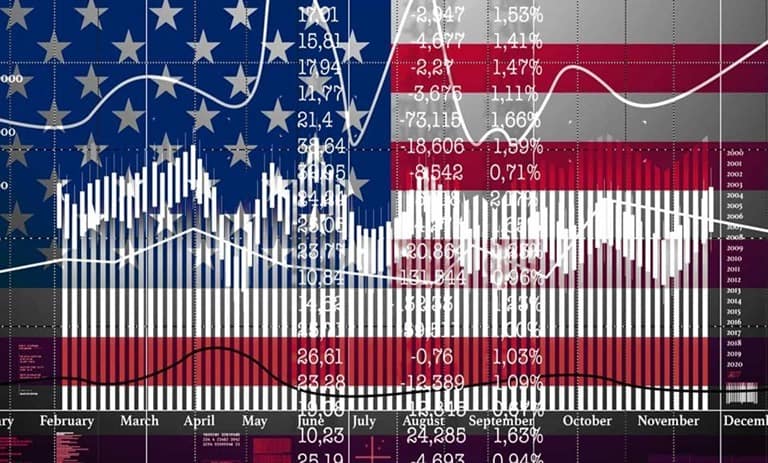
Strategic Council Online – Interview: An analyst of U.S. affairs stated that while Donald Trump promised to revive the U.S. economy and restore the country’s industrial glory upon his return to the White House, the latest economic data indicate otherwise. The unemployment rate, which was 3.8% at the beginning of the new administration, has now risen to 4.3%, and factories and construction companies have laid off thousands of workers. Even revised statistics show that in June of this year alone, 13,000 jobs were lost. These developments highlight the gap between Trump’s campaign promises and the economic reality in the U.S.. This divide has overshadowed not only domestic politics but also the country’s economic and geopolitical future.
At the same time, Trump is attempting to shift pressures outward by leveraging geopolitical tools; an example is his threat to the European Union following the fines imposed on Google, an action many observers see as an effort to shift the agenda from domestic recession to external challenges. The question is whether these policies can pull the U.S. economy out of recession or if their consequences will ultimately spill over into the global economy.
2025/09/17
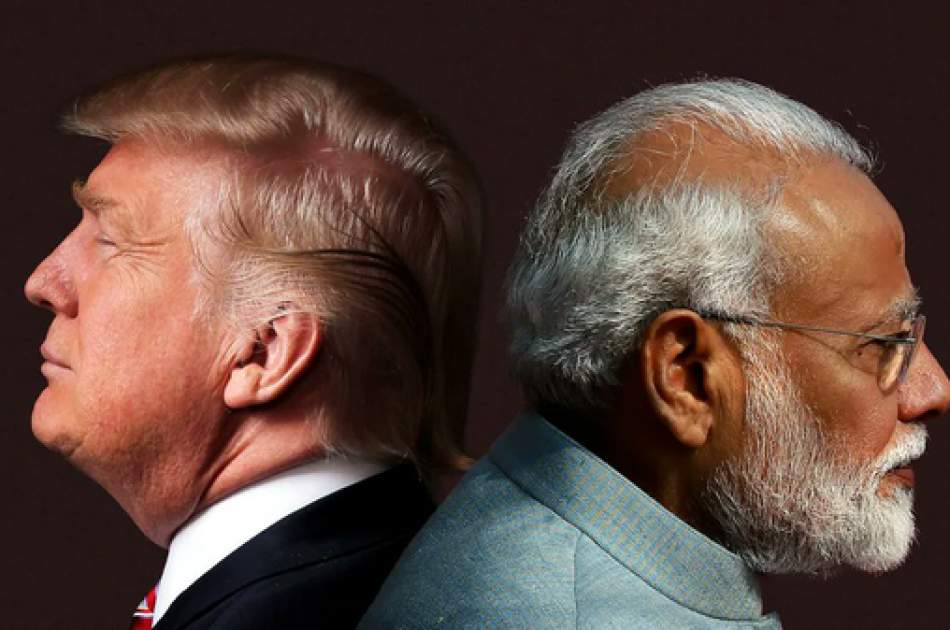
Strategic Council Online – Interview: A former Iranian diplomat stated that India will keep its differences with the United States limited and at the bilateral level, and will not join any power bloc against other powers.
2025/09/17
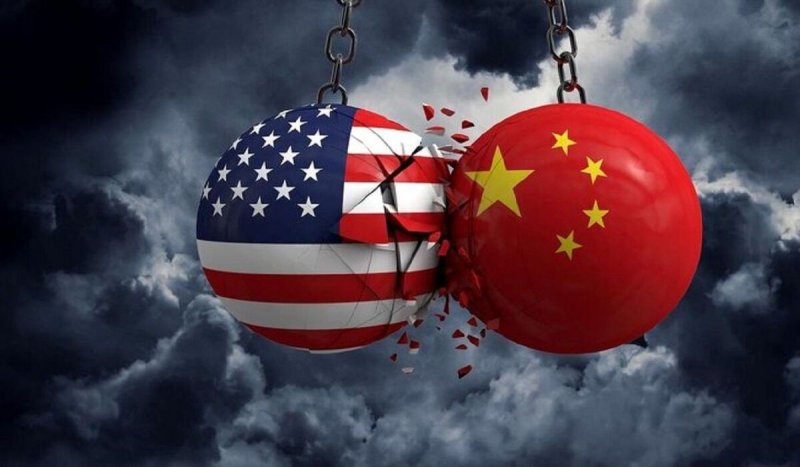
Strategic Council Online – Interview: A senior analyst on South Asian affairs stated that China’s grand military parade on September 3, 2025, was not merely a display of power; instead, it will mark the beginning of a new chapter in global geopolitical equations. The simultaneous presence of the leaders of China, Russia, and North Korea before the cameras, especially against the backdrop of Beijing’s “nuclear strategic triangle” unveiling, sent a clear message to Washington and its allies that the past unipolar order is collapsing and the world is moving toward multipolarity. China’s new land-based, sea-based, and air-launched missile systems have elevated its nuclear deterrent capability to an unprecedented level, and the sharp reactions from the United States—from Donald Trump’s sarcastic remarks to the Pentagon’s alert—indicate that Washington views these developments as a strategic threat. Many analysts believe that this event, beyond its military dimension, symbolizes the formation of new alliances among Eastern powers against the West. Simultaneously, the arms race and diplomatic pressures in the Asia-Pacific region have accelerated, and security equations in Taiwan and beyond have entered a new phase. It seems that the Beijing parade was not just a military ceremony but the beginning of an era in which the redefinition of power in the twenty-first century will accelerate.

2025/09/15
Strategic Council Online – Opinion: China’s Belt and Road Initiative (BRI), also known as the new and modern Silk Road, was launched in 2013 to connect Asia with Africa and Europe through land and maritime networks. Its purpose is to improve regional integration, revive land-based trade over sea and air, and foster economic growth. The project’s name was chosen by Chinese President Xi Jinping, inspired by the Silk Road, which was created 2,000 years ago during the Han dynasty. The Silk Road was, in fact, a vast ancient network of communication that included diverse trade routes connecting China through Eurasia to the Mediterranean Sea for centuries.
