جدیدترین مطالب

Realities of the Tripartite Makkah Pact

SCFR Online – Interview: The signing of the Makkah agreement between Saudi Arabia, Pakistan, and Turkey has raised questions about the future of the region’s security structure and the position of these countries in West Asian equations. Can this agreement become a genuine collective defense mechanism, or does it have more of a political and deterrent function than creating new military capacity?

Strategic Implications of the Reduction of US Weapons Stockpiles

SCFR Online – Opinion: The continuation of the US war against Iran, in addition to increasing operational costs, has called into question the actual capacity of the American arsenal to simultaneously fulfill security commitments on multiple fronts; an issue that affects deterrence, defense production capacity, and Washington’s resource prioritization.

The Formation of a New Order in Relations Between Powers

SCFR Online – Opinion: The Russia-Ukraine war and the war of the United States and the Israeli regime against Iran have been formed with different objectives and actors, but field and political developments indicate that they are not entirely separate from one another.

An Analysis of the Makkah Defense Pact

SCFR Online – Opinion: On Friday, August 7, the heads of state of three countries – Saudi Arabia, Turkey, and Pakistan – signed a text under the title “Makkah Joint Defense Agreement.”

Dimensions and challenges of the initiative to revive the Hejaz Railway

Strategic Council Online – Note: The initiative to revive the Hejaz Railway, beyond being a transportation project, constitutes an attempt to redefine geopolitics, the economy, and Turkey’s regional position; however, its realization appears to face significant financial, security, and institutional challenges.

Loading

Ebrahim Farahani

An Analysis of Syria’s Parliamentary Elections

An Analysis of Syria’s Parliamentary Elections

Online Strategic Council – Interview: A West Asia affairs expert stated that the first parliamentary elections in Syria during the interim government’s tenure, led by Ahmad al-Shar, were held while the appointed composition of seats, the absence of a national census, and the influence of foreign actors challenge the real legitimacy and freedom of these elections.

A Look at the Turkey-Syria Security-Military Agreement

A Look at the Turkey-Syria Security-Military Agreement

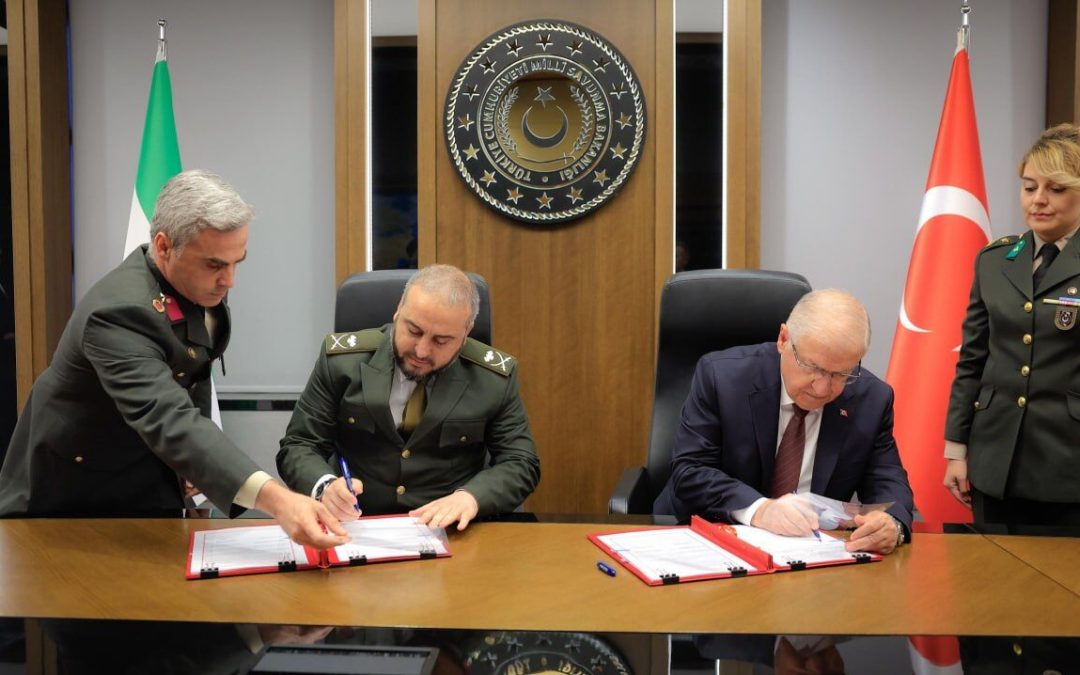
Strategic Council Online Interview: A senior Turkish affairs analyst stated: The signing of a military memorandum of understanding between Turkey and Syria on August 13, 2025, in Ankara marks a turning point in the defense relations of the two neighboring countries, which have grappled with years of political and military tensions. This agreement, signed after intensive negotiations between the two countries’ defense ministers, Yaşar Güler and Merif Abu Qasrah, provides a framework for educational and advisory cooperation and the exchange of military personnel. The primary objective of this memorandum is to enhance the capabilities of the Syrian army, rebuild its defense structures according to international standards, and reduce the threats posed by non-professional armed groups. This move, within the context of recent regional developments, particularly following the fall of Bashar al-Assad’s government in December 2024, signifies a shift in Turkey’s approach towards Syria and an effort to establish stability along their shared borders. This agreement not only helps redefine the defense relations between Damascus and Ankara but could also lead to a reduction in border tensions and counter common threats, including the activities of Kurdish groups such as the “People’s Defense Units” [YPG]. Hakan Fidan, Turkey’s Foreign Minister, in a joint press conference with his Syrian counterpart, Esad Hasan eş-Şibani, criticized the interventions of the Zionist regime in the Suwayda conflicts and emphasized the necessity of establishing an inclusive government in Syria. These statements reflect Turkey’s concern over the role of external actors in regional instability. However, some analysts believe this memorandum might imply a tacit acceptance of Turkish influence within the military structures of Syria’s new government. At the same time, internal challenges, including ethnic and religious tensions, continue to pose obstacles to sustainable stability in the region.

أحدث الوظائف

Realities of the Tripartite Makkah Pact

SCFR Online – Interview: The signing of the Makkah agreement between Saudi Arabia, Pakistan, and Turkey has raised questions about the future of the region’s security structure and the position of these countries in West Asian equations. Can this agreement become a genuine collective defense mechanism, or does it have more of a political and deterrent function than creating new military capacity?

Strategic Implications of the Reduction of US Weapons Stockpiles

SCFR Online – Opinion: The continuation of the US war against Iran, in addition to increasing operational costs, has called into question the actual capacity of the American arsenal to simultaneously fulfill security commitments on multiple fronts; an issue that affects deterrence, defense production capacity, and Washington’s resource prioritization.

The Formation of a New Order in Relations Between Powers

SCFR Online – Opinion: The Russia-Ukraine war and the war of the United States and the Israeli regime against Iran have been formed with different objectives and actors, but field and political developments indicate that they are not entirely separate from one another.

An Analysis of the Makkah Defense Pact

SCFR Online – Opinion: On Friday, August 7, the heads of state of three countries – Saudi Arabia, Turkey, and Pakistan – signed a text under the title “Makkah Joint Defense Agreement.”

Dimensions and challenges of the initiative to revive the Hejaz Railway

Strategic Council Online – Note: The initiative to revive the Hejaz Railway, beyond being a transportation project, constitutes an attempt to redefine geopolitics, the economy, and Turkey’s regional position; however, its realization appears to face significant financial, security, and institutional challenges.

Loading

Ebrahim Farahani

An Analysis of Syria’s Parliamentary Elections

An Analysis of Syria’s Parliamentary Elections

Online Strategic Council – Interview: A West Asia affairs expert stated that the first parliamentary elections in Syria during the interim government’s tenure, led by Ahmad al-Shar, were held while the appointed composition of seats, the absence of a national census, and the influence of foreign actors challenge the real legitimacy and freedom of these elections.

A Look at the Turkey-Syria Security-Military Agreement

A Look at the Turkey-Syria Security-Military Agreement

Strategic Council Online Interview: A senior Turkish affairs analyst stated: The signing of a military memorandum of understanding between Turkey and Syria on August 13, 2025, in Ankara marks a turning point in the defense relations of the two neighboring countries, which have grappled with years of political and military tensions. This agreement, signed after intensive negotiations between the two countries’ defense ministers, Yaşar Güler and Merif Abu Qasrah, provides a framework for educational and advisory cooperation and the exchange of military personnel. The primary objective of this memorandum is to enhance the capabilities of the Syrian army, rebuild its defense structures according to international standards, and reduce the threats posed by non-professional armed groups. This move, within the context of recent regional developments, particularly following the fall of Bashar al-Assad’s government in December 2024, signifies a shift in Turkey’s approach towards Syria and an effort to establish stability along their shared borders. This agreement not only helps redefine the defense relations between Damascus and Ankara but could also lead to a reduction in border tensions and counter common threats, including the activities of Kurdish groups such as the “People’s Defense Units” [YPG]. Hakan Fidan, Turkey’s Foreign Minister, in a joint press conference with his Syrian counterpart, Esad Hasan eş-Şibani, criticized the interventions of the Zionist regime in the Suwayda conflicts and emphasized the necessity of establishing an inclusive government in Syria. These statements reflect Turkey’s concern over the role of external actors in regional instability. However, some analysts believe this memorandum might imply a tacit acceptance of Turkish influence within the military structures of Syria’s new government. At the same time, internal challenges, including ethnic and religious tensions, continue to pose obstacles to sustainable stability in the region.

Ebrahim Farahani

An Analysis of Syria’s Parliamentary Elections

An Analysis of Syria’s Parliamentary Elections

Online Strategic Council – Interview: A West Asia affairs expert stated that the first parliamentary elections in Syria during the interim government’s tenure, led by Ahmad al-Shar, were held while the appointed composition of seats, the absence of a national census, and the influence of foreign actors challenge the real legitimacy and freedom of these elections.

A Look at the Turkey-Syria Security-Military Agreement

A Look at the Turkey-Syria Security-Military Agreement

Strategic Council Online Interview: A senior Turkish affairs analyst stated: The signing of a military memorandum of understanding between Turkey and Syria on August 13, 2025, in Ankara marks a turning point in the defense relations of the two neighboring countries, which have grappled with years of political and military tensions. This agreement, signed after intensive negotiations between the two countries’ defense ministers, Yaşar Güler and Merif Abu Qasrah, provides a framework for educational and advisory cooperation and the exchange of military personnel. The primary objective of this memorandum is to enhance the capabilities of the Syrian army, rebuild its defense structures according to international standards, and reduce the threats posed by non-professional armed groups. This move, within the context of recent regional developments, particularly following the fall of Bashar al-Assad’s government in December 2024, signifies a shift in Turkey’s approach towards Syria and an effort to establish stability along their shared borders. This agreement not only helps redefine the defense relations between Damascus and Ankara but could also lead to a reduction in border tensions and counter common threats, including the activities of Kurdish groups such as the “People’s Defense Units” [YPG]. Hakan Fidan, Turkey’s Foreign Minister, in a joint press conference with his Syrian counterpart, Esad Hasan eş-Şibani, criticized the interventions of the Zionist regime in the Suwayda conflicts and emphasized the necessity of establishing an inclusive government in Syria. These statements reflect Turkey’s concern over the role of external actors in regional instability. However, some analysts believe this memorandum might imply a tacit acceptance of Turkish influence within the military structures of Syria’s new government. At the same time, internal challenges, including ethnic and religious tensions, continue to pose obstacles to sustainable stability in the region.

LATEST CONTENT

Realities of the Tripartite Makkah Pact

SCFR Online – Interview: The signing of the Makkah agreement between Saudi Arabia, Pakistan, and Turkey has raised questions about the future of the region’s security structure and the position of these countries in West Asian equations. Can this agreement become a genuine collective defense mechanism, or does it have more of a political and deterrent function than creating new military capacity?

Strategic Implications of the Reduction of US Weapons Stockpiles

SCFR Online – Opinion: The continuation of the US war against Iran, in addition to increasing operational costs, has called into question the actual capacity of the American arsenal to simultaneously fulfill security commitments on multiple fronts; an issue that affects deterrence, defense production capacity, and Washington’s resource prioritization.

The Formation of a New Order in Relations Between Powers

SCFR Online – Opinion: The Russia-Ukraine war and the war of the United States and the Israeli regime against Iran have been formed with different objectives and actors, but field and political developments indicate that they are not entirely separate from one another.

An Analysis of the Makkah Defense Pact

SCFR Online – Opinion: On Friday, August 7, the heads of state of three countries – Saudi Arabia, Turkey, and Pakistan – signed a text under the title “Makkah Joint Defense Agreement.”

Dimensions and challenges of the initiative to revive the Hejaz Railway

Strategic Council Online – Note: The initiative to revive the Hejaz Railway, beyond being a transportation project, constitutes an attempt to redefine geopolitics, the economy, and Turkey’s regional position; however, its realization appears to face significant financial, security, and institutional challenges.

Loading

Ebrahim Farahani

An Analysis of Syria’s Parliamentary Elections

An Analysis of Syria’s Parliamentary Elections

Online Strategic Council – Interview: A West Asia affairs expert stated that the first parliamentary elections in Syria during the interim government’s tenure, led by Ahmad al-Shar, were held while the appointed composition of seats, the absence of a national census, and the influence of foreign actors challenge the real legitimacy and freedom of these elections.

A Look at the Turkey-Syria Security-Military Agreement

A Look at the Turkey-Syria Security-Military Agreement

Strategic Council Online Interview: A senior Turkish affairs analyst stated: The signing of a military memorandum of understanding between Turkey and Syria on August 13, 2025, in Ankara marks a turning point in the defense relations of the two neighboring countries, which have grappled with years of political and military tensions. This agreement, signed after intensive negotiations between the two countries’ defense ministers, Yaşar Güler and Merif Abu Qasrah, provides a framework for educational and advisory cooperation and the exchange of military personnel. The primary objective of this memorandum is to enhance the capabilities of the Syrian army, rebuild its defense structures according to international standards, and reduce the threats posed by non-professional armed groups. This move, within the context of recent regional developments, particularly following the fall of Bashar al-Assad’s government in December 2024, signifies a shift in Turkey’s approach towards Syria and an effort to establish stability along their shared borders. This agreement not only helps redefine the defense relations between Damascus and Ankara but could also lead to a reduction in border tensions and counter common threats, including the activities of Kurdish groups such as the “People’s Defense Units” [YPG]. Hakan Fidan, Turkey’s Foreign Minister, in a joint press conference with his Syrian counterpart, Esad Hasan eş-Şibani, criticized the interventions of the Zionist regime in the Suwayda conflicts and emphasized the necessity of establishing an inclusive government in Syria. These statements reflect Turkey’s concern over the role of external actors in regional instability. However, some analysts believe this memorandum might imply a tacit acceptance of Turkish influence within the military structures of Syria’s new government. At the same time, internal challenges, including ethnic and religious tensions, continue to pose obstacles to sustainable stability in the region.

ÚLTIMAS PUBLICACIONES

Realities of the Tripartite Makkah Pact

SCFR Online – Interview: The signing of the Makkah agreement between Saudi Arabia, Pakistan, and Turkey has raised questions about the future of the region’s security structure and the position of these countries in West Asian equations. Can this agreement become a genuine collective defense mechanism, or does it have more of a political and deterrent function than creating new military capacity?

Strategic Implications of the Reduction of US Weapons Stockpiles

SCFR Online – Opinion: The continuation of the US war against Iran, in addition to increasing operational costs, has called into question the actual capacity of the American arsenal to simultaneously fulfill security commitments on multiple fronts; an issue that affects deterrence, defense production capacity, and Washington’s resource prioritization.

The Formation of a New Order in Relations Between Powers

SCFR Online – Opinion: The Russia-Ukraine war and the war of the United States and the Israeli regime against Iran have been formed with different objectives and actors, but field and political developments indicate that they are not entirely separate from one another.

An Analysis of the Makkah Defense Pact

SCFR Online – Opinion: On Friday, August 7, the heads of state of three countries – Saudi Arabia, Turkey, and Pakistan – signed a text under the title “Makkah Joint Defense Agreement.”

Dimensions and challenges of the initiative to revive the Hejaz Railway

Strategic Council Online – Note: The initiative to revive the Hejaz Railway, beyond being a transportation project, constitutes an attempt to redefine geopolitics, the economy, and Turkey’s regional position; however, its realization appears to face significant financial, security, and institutional challenges.

Loading

Ebrahim Farahani

An Analysis of Syria’s Parliamentary Elections

An Analysis of Syria’s Parliamentary Elections

Online Strategic Council – Interview: A West Asia affairs expert stated that the first parliamentary elections in Syria during the interim government’s tenure, led by Ahmad al-Shar, were held while the appointed composition of seats, the absence of a national census, and the influence of foreign actors challenge the real legitimacy and freedom of these elections.

A Look at the Turkey-Syria Security-Military Agreement

A Look at the Turkey-Syria Security-Military Agreement

Strategic Council Online Interview: A senior Turkish affairs analyst stated: The signing of a military memorandum of understanding between Turkey and Syria on August 13, 2025, in Ankara marks a turning point in the defense relations of the two neighboring countries, which have grappled with years of political and military tensions. This agreement, signed after intensive negotiations between the two countries’ defense ministers, Yaşar Güler and Merif Abu Qasrah, provides a framework for educational and advisory cooperation and the exchange of military personnel. The primary objective of this memorandum is to enhance the capabilities of the Syrian army, rebuild its defense structures according to international standards, and reduce the threats posed by non-professional armed groups. This move, within the context of recent regional developments, particularly following the fall of Bashar al-Assad’s government in December 2024, signifies a shift in Turkey’s approach towards Syria and an effort to establish stability along their shared borders. This agreement not only helps redefine the defense relations between Damascus and Ankara but could also lead to a reduction in border tensions and counter common threats, including the activities of Kurdish groups such as the “People’s Defense Units” [YPG]. Hakan Fidan, Turkey’s Foreign Minister, in a joint press conference with his Syrian counterpart, Esad Hasan eş-Şibani, criticized the interventions of the Zionist regime in the Suwayda conflicts and emphasized the necessity of establishing an inclusive government in Syria. These statements reflect Turkey’s concern over the role of external actors in regional instability. However, some analysts believe this memorandum might imply a tacit acceptance of Turkish influence within the military structures of Syria’s new government. At the same time, internal challenges, including ethnic and religious tensions, continue to pose obstacles to sustainable stability in the region.

ÚLTIMAS PUBLICACIONES

Realities of the Tripartite Makkah Pact

SCFR Online – Interview: The signing of the Makkah agreement between Saudi Arabia, Pakistan, and Turkey has raised questions about the future of the region’s security structure and the position of these countries in West Asian equations. Can this agreement become a genuine collective defense mechanism, or does it have more of a political and deterrent function than creating new military capacity?

Strategic Implications of the Reduction of US Weapons Stockpiles

SCFR Online – Opinion: The continuation of the US war against Iran, in addition to increasing operational costs, has called into question the actual capacity of the American arsenal to simultaneously fulfill security commitments on multiple fronts; an issue that affects deterrence, defense production capacity, and Washington’s resource prioritization.

The Formation of a New Order in Relations Between Powers

SCFR Online – Opinion: The Russia-Ukraine war and the war of the United States and the Israeli regime against Iran have been formed with different objectives and actors, but field and political developments indicate that they are not entirely separate from one another.

An Analysis of the Makkah Defense Pact

SCFR Online – Opinion: On Friday, August 7, the heads of state of three countries – Saudi Arabia, Turkey, and Pakistan – signed a text under the title “Makkah Joint Defense Agreement.”

Dimensions and challenges of the initiative to revive the Hejaz Railway

Strategic Council Online – Note: The initiative to revive the Hejaz Railway, beyond being a transportation project, constitutes an attempt to redefine geopolitics, the economy, and Turkey’s regional position; however, its realization appears to face significant financial, security, and institutional challenges.

Loading

Ebrahim Farahani

An Analysis of Syria’s Parliamentary Elections

An Analysis of Syria’s Parliamentary Elections

Online Strategic Council – Interview: A West Asia affairs expert stated that the first parliamentary elections in Syria during the interim government’s tenure, led by Ahmad al-Shar, were held while the appointed composition of seats, the absence of a national census, and the influence of foreign actors challenge the real legitimacy and freedom of these elections.

A Look at the Turkey-Syria Security-Military Agreement

A Look at the Turkey-Syria Security-Military Agreement

Strategic Council Online Interview: A senior Turkish affairs analyst stated: The signing of a military memorandum of understanding between Turkey and Syria on August 13, 2025, in Ankara marks a turning point in the defense relations of the two neighboring countries, which have grappled with years of political and military tensions. This agreement, signed after intensive negotiations between the two countries’ defense ministers, Yaşar Güler and Merif Abu Qasrah, provides a framework for educational and advisory cooperation and the exchange of military personnel. The primary objective of this memorandum is to enhance the capabilities of the Syrian army, rebuild its defense structures according to international standards, and reduce the threats posed by non-professional armed groups. This move, within the context of recent regional developments, particularly following the fall of Bashar al-Assad’s government in December 2024, signifies a shift in Turkey’s approach towards Syria and an effort to establish stability along their shared borders. This agreement not only helps redefine the defense relations between Damascus and Ankara but could also lead to a reduction in border tensions and counter common threats, including the activities of Kurdish groups such as the “People’s Defense Units” [YPG]. Hakan Fidan, Turkey’s Foreign Minister, in a joint press conference with his Syrian counterpart, Esad Hasan eş-Şibani, criticized the interventions of the Zionist regime in the Suwayda conflicts and emphasized the necessity of establishing an inclusive government in Syria. These statements reflect Turkey’s concern over the role of external actors in regional instability. However, some analysts believe this memorandum might imply a tacit acceptance of Turkish influence within the military structures of Syria’s new government. At the same time, internal challenges, including ethnic and religious tensions, continue to pose obstacles to sustainable stability in the region.

ÚLTIMAS PUBLICACIONES

Realities of the Tripartite Makkah Pact

SCFR Online – Interview: The signing of the Makkah agreement between Saudi Arabia, Pakistan, and Turkey has raised questions about the future of the region’s security structure and the position of these countries in West Asian equations. Can this agreement become a genuine collective defense mechanism, or does it have more of a political and deterrent function than creating new military capacity?

Strategic Implications of the Reduction of US Weapons Stockpiles

SCFR Online – Opinion: The continuation of the US war against Iran, in addition to increasing operational costs, has called into question the actual capacity of the American arsenal to simultaneously fulfill security commitments on multiple fronts; an issue that affects deterrence, defense production capacity, and Washington’s resource prioritization.

The Formation of a New Order in Relations Between Powers

SCFR Online – Opinion: The Russia-Ukraine war and the war of the United States and the Israeli regime against Iran have been formed with different objectives and actors, but field and political developments indicate that they are not entirely separate from one another.

An Analysis of the Makkah Defense Pact

SCFR Online – Opinion: On Friday, August 7, the heads of state of three countries – Saudi Arabia, Turkey, and Pakistan – signed a text under the title “Makkah Joint Defense Agreement.”

Dimensions and challenges of the initiative to revive the Hejaz Railway

Strategic Council Online – Note: The initiative to revive the Hejaz Railway, beyond being a transportation project, constitutes an attempt to redefine geopolitics, the economy, and Turkey’s regional position; however, its realization appears to face significant financial, security, and institutional challenges.

Loading

Ebrahim Farahani

An Analysis of Syria’s Parliamentary Elections

An Analysis of Syria’s Parliamentary Elections

Online Strategic Council – Interview: A West Asia affairs expert stated that the first parliamentary elections in Syria during the interim government’s tenure, led by Ahmad al-Shar, were held while the appointed composition of seats, the absence of a national census, and the influence of foreign actors challenge the real legitimacy and freedom of these elections.

A Look at the Turkey-Syria Security-Military Agreement

A Look at the Turkey-Syria Security-Military Agreement

Strategic Council Online Interview: A senior Turkish affairs analyst stated: The signing of a military memorandum of understanding between Turkey and Syria on August 13, 2025, in Ankara marks a turning point in the defense relations of the two neighboring countries, which have grappled with years of political and military tensions. This agreement, signed after intensive negotiations between the two countries’ defense ministers, Yaşar Güler and Merif Abu Qasrah, provides a framework for educational and advisory cooperation and the exchange of military personnel. The primary objective of this memorandum is to enhance the capabilities of the Syrian army, rebuild its defense structures according to international standards, and reduce the threats posed by non-professional armed groups. This move, within the context of recent regional developments, particularly following the fall of Bashar al-Assad’s government in December 2024, signifies a shift in Turkey’s approach towards Syria and an effort to establish stability along their shared borders. This agreement not only helps redefine the defense relations between Damascus and Ankara but could also lead to a reduction in border tensions and counter common threats, including the activities of Kurdish groups such as the “People’s Defense Units” [YPG]. Hakan Fidan, Turkey’s Foreign Minister, in a joint press conference with his Syrian counterpart, Esad Hasan eş-Şibani, criticized the interventions of the Zionist regime in the Suwayda conflicts and emphasized the necessity of establishing an inclusive government in Syria. These statements reflect Turkey’s concern over the role of external actors in regional instability. However, some analysts believe this memorandum might imply a tacit acceptance of Turkish influence within the military structures of Syria’s new government. At the same time, internal challenges, including ethnic and religious tensions, continue to pose obstacles to sustainable stability in the region.

ÚLTIMAS PUBLICACIONES

Realities of the Tripartite Makkah Pact

SCFR Online – Interview: The signing of the Makkah agreement between Saudi Arabia, Pakistan, and Turkey has raised questions about the future of the region’s security structure and the position of these countries in West Asian equations. Can this agreement become a genuine collective defense mechanism, or does it have more of a political and deterrent function than creating new military capacity?

Strategic Implications of the Reduction of US Weapons Stockpiles

SCFR Online – Opinion: The continuation of the US war against Iran, in addition to increasing operational costs, has called into question the actual capacity of the American arsenal to simultaneously fulfill security commitments on multiple fronts; an issue that affects deterrence, defense production capacity, and Washington’s resource prioritization.

The Formation of a New Order in Relations Between Powers

SCFR Online – Opinion: The Russia-Ukraine war and the war of the United States and the Israeli regime against Iran have been formed with different objectives and actors, but field and political developments indicate that they are not entirely separate from one another.

An Analysis of the Makkah Defense Pact

SCFR Online – Opinion: On Friday, August 7, the heads of state of three countries – Saudi Arabia, Turkey, and Pakistan – signed a text under the title “Makkah Joint Defense Agreement.”

Dimensions and challenges of the initiative to revive the Hejaz Railway

Strategic Council Online – Note: The initiative to revive the Hejaz Railway, beyond being a transportation project, constitutes an attempt to redefine geopolitics, the economy, and Turkey’s regional position; however, its realization appears to face significant financial, security, and institutional challenges.

Loading