جدیدترین مطالب

An Analysis of the Makkah Defense Pact

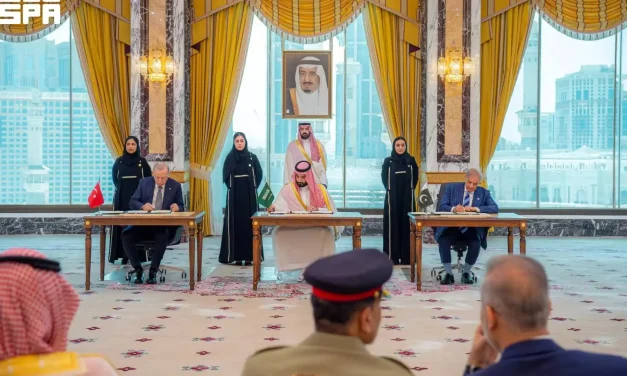
SCFR Online – Opinion: On Friday, August 7, the heads of state of three countries – Saudi Arabia, Turkey, and Pakistan – signed a text under the title “Makkah Joint Defense Agreement.”

Dimensions and challenges of the initiative to revive the Hejaz Railway

Strategic Council Online – Note: The initiative to revive the Hejaz Railway, beyond being a transportation project, constitutes an attempt to redefine geopolitics, the economy, and Turkey’s regional position; however, its realization appears to face significant financial, security, and institutional challenges.

Balancing in the chain of chokepoints; from sea-based deterrence to pluralistic diplomacy

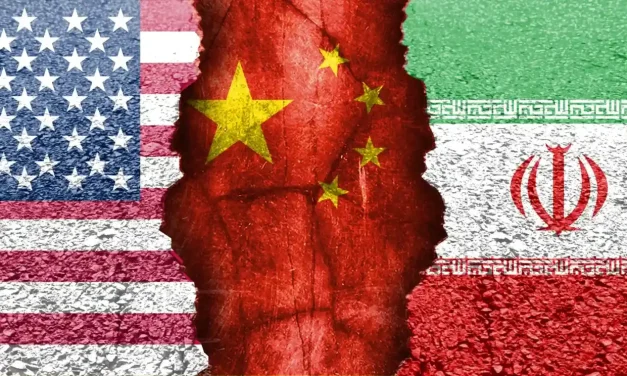
Strategic Council Online – Note: Recent developments in the political geography of West Asia, from rising tensions in the Persian Gulf to missile and drone activities in the Red Sea and the recent warning by Kaja Kallas, the European Union’s foreign policy chief, regarding the threat to freedom of navigation, indicate a key pattern shift; the US-Iran war has moved beyond the scope of a regional and local confrontation and has linked two vital passageways for the global economy: the Strait of Hormuz and the Bab el-Mandeb Strait.

Loading

extremist Hindu

Delhi’s Reasons for Rejecting Request on India-Pakistan Reconciliation

Delhi’s Reasons for Rejecting Request on India-Pakistan Reconciliation

Strategic Council Online – Interview: A former Iranian diplomat said that currently Indians have a superior position and the upper hand against Pakistan and in response to Islamabad request for reconciliation, set conditions and terms. He added: Due to internal problems, now the relations with India and the issue of Kashmir is out of Pakistan’s priority and their main problem is the terrorist and extremist groups that threaten the Islamabad government in Pakistan. The government of Pakistan is interested in creating peace on the Kashmir front so that it can better deal with its internal problems.

Collapse of Peaceful Coexistence in India, Consequences of Violence against Muslims

Collapse of Peaceful Coexistence in India, Consequences of Violence against Muslims

Strategic Council Online – Interview: A former Iranian diplomat, stating that the silence of the Indian government has accused New Delhi of collaborating with Hindu extremist groups against Muslims, adding: This situation is ultimately to the detriment of the Indian government and drags the country towards radicalism and extremism.

أحدث الوظائف

An Analysis of the Makkah Defense Pact

SCFR Online – Opinion: On Friday, August 7, the heads of state of three countries – Saudi Arabia, Turkey, and Pakistan – signed a text under the title “Makkah Joint Defense Agreement.”

Dimensions and challenges of the initiative to revive the Hejaz Railway

Strategic Council Online – Note: The initiative to revive the Hejaz Railway, beyond being a transportation project, constitutes an attempt to redefine geopolitics, the economy, and Turkey’s regional position; however, its realization appears to face significant financial, security, and institutional challenges.

Balancing in the chain of chokepoints; from sea-based deterrence to pluralistic diplomacy

Strategic Council Online – Note: Recent developments in the political geography of West Asia, from rising tensions in the Persian Gulf to missile and drone activities in the Red Sea and the recent warning by Kaja Kallas, the European Union’s foreign policy chief, regarding the threat to freedom of navigation, indicate a key pattern shift; the US-Iran war has moved beyond the scope of a regional and local confrontation and has linked two vital passageways for the global economy: the Strait of Hormuz and the Bab el-Mandeb Strait.

Loading

extremist Hindu

Delhi’s Reasons for Rejecting Request on India-Pakistan Reconciliation

Delhi’s Reasons for Rejecting Request on India-Pakistan Reconciliation

Strategic Council Online – Interview: A former Iranian diplomat said that currently Indians have a superior position and the upper hand against Pakistan and in response to Islamabad request for reconciliation, set conditions and terms. He added: Due to internal problems, now the relations with India and the issue of Kashmir is out of Pakistan’s priority and their main problem is the terrorist and extremist groups that threaten the Islamabad government in Pakistan. The government of Pakistan is interested in creating peace on the Kashmir front so that it can better deal with its internal problems.

Collapse of Peaceful Coexistence in India, Consequences of Violence against Muslims

Collapse of Peaceful Coexistence in India, Consequences of Violence against Muslims

Strategic Council Online – Interview: A former Iranian diplomat, stating that the silence of the Indian government has accused New Delhi of collaborating with Hindu extremist groups against Muslims, adding: This situation is ultimately to the detriment of the Indian government and drags the country towards radicalism and extremism.

extremist Hindu

Delhi’s Reasons for Rejecting Request on India-Pakistan Reconciliation

Delhi’s Reasons for Rejecting Request on India-Pakistan Reconciliation

Strategic Council Online – Interview: A former Iranian diplomat said that currently Indians have a superior position and the upper hand against Pakistan and in response to Islamabad request for reconciliation, set conditions and terms. He added: Due to internal problems, now the relations with India and the issue of Kashmir is out of Pakistan’s priority and their main problem is the terrorist and extremist groups that threaten the Islamabad government in Pakistan. The government of Pakistan is interested in creating peace on the Kashmir front so that it can better deal with its internal problems.

Collapse of Peaceful Coexistence in India, Consequences of Violence against Muslims

Collapse of Peaceful Coexistence in India, Consequences of Violence against Muslims

Strategic Council Online – Interview: A former Iranian diplomat, stating that the silence of the Indian government has accused New Delhi of collaborating with Hindu extremist groups against Muslims, adding: This situation is ultimately to the detriment of the Indian government and drags the country towards radicalism and extremism.

LATEST CONTENT

An Analysis of the Makkah Defense Pact

SCFR Online – Opinion: On Friday, August 7, the heads of state of three countries – Saudi Arabia, Turkey, and Pakistan – signed a text under the title “Makkah Joint Defense Agreement.”

Dimensions and challenges of the initiative to revive the Hejaz Railway

Strategic Council Online – Note: The initiative to revive the Hejaz Railway, beyond being a transportation project, constitutes an attempt to redefine geopolitics, the economy, and Turkey’s regional position; however, its realization appears to face significant financial, security, and institutional challenges.

Balancing in the chain of chokepoints; from sea-based deterrence to pluralistic diplomacy

Strategic Council Online – Note: Recent developments in the political geography of West Asia, from rising tensions in the Persian Gulf to missile and drone activities in the Red Sea and the recent warning by Kaja Kallas, the European Union’s foreign policy chief, regarding the threat to freedom of navigation, indicate a key pattern shift; the US-Iran war has moved beyond the scope of a regional and local confrontation and has linked two vital passageways for the global economy: the Strait of Hormuz and the Bab el-Mandeb Strait.

Loading

extremist Hindu

Delhi’s Reasons for Rejecting Request on India-Pakistan Reconciliation

Delhi’s Reasons for Rejecting Request on India-Pakistan Reconciliation

Strategic Council Online – Interview: A former Iranian diplomat said that currently Indians have a superior position and the upper hand against Pakistan and in response to Islamabad request for reconciliation, set conditions and terms. He added: Due to internal problems, now the relations with India and the issue of Kashmir is out of Pakistan’s priority and their main problem is the terrorist and extremist groups that threaten the Islamabad government in Pakistan. The government of Pakistan is interested in creating peace on the Kashmir front so that it can better deal with its internal problems.

Collapse of Peaceful Coexistence in India, Consequences of Violence against Muslims

Collapse of Peaceful Coexistence in India, Consequences of Violence against Muslims

Strategic Council Online – Interview: A former Iranian diplomat, stating that the silence of the Indian government has accused New Delhi of collaborating with Hindu extremist groups against Muslims, adding: This situation is ultimately to the detriment of the Indian government and drags the country towards radicalism and extremism.

ÚLTIMAS PUBLICACIONES

An Analysis of the Makkah Defense Pact

SCFR Online – Opinion: On Friday, August 7, the heads of state of three countries – Saudi Arabia, Turkey, and Pakistan – signed a text under the title “Makkah Joint Defense Agreement.”

Dimensions and challenges of the initiative to revive the Hejaz Railway

Strategic Council Online – Note: The initiative to revive the Hejaz Railway, beyond being a transportation project, constitutes an attempt to redefine geopolitics, the economy, and Turkey’s regional position; however, its realization appears to face significant financial, security, and institutional challenges.

Balancing in the chain of chokepoints; from sea-based deterrence to pluralistic diplomacy

Strategic Council Online – Note: Recent developments in the political geography of West Asia, from rising tensions in the Persian Gulf to missile and drone activities in the Red Sea and the recent warning by Kaja Kallas, the European Union’s foreign policy chief, regarding the threat to freedom of navigation, indicate a key pattern shift; the US-Iran war has moved beyond the scope of a regional and local confrontation and has linked two vital passageways for the global economy: the Strait of Hormuz and the Bab el-Mandeb Strait.

Loading

extremist Hindu

Delhi’s Reasons for Rejecting Request on India-Pakistan Reconciliation

Delhi’s Reasons for Rejecting Request on India-Pakistan Reconciliation

Strategic Council Online – Interview: A former Iranian diplomat said that currently Indians have a superior position and the upper hand against Pakistan and in response to Islamabad request for reconciliation, set conditions and terms. He added: Due to internal problems, now the relations with India and the issue of Kashmir is out of Pakistan’s priority and their main problem is the terrorist and extremist groups that threaten the Islamabad government in Pakistan. The government of Pakistan is interested in creating peace on the Kashmir front so that it can better deal with its internal problems.

Collapse of Peaceful Coexistence in India, Consequences of Violence against Muslims

Collapse of Peaceful Coexistence in India, Consequences of Violence against Muslims

Strategic Council Online – Interview: A former Iranian diplomat, stating that the silence of the Indian government has accused New Delhi of collaborating with Hindu extremist groups against Muslims, adding: This situation is ultimately to the detriment of the Indian government and drags the country towards radicalism and extremism.

ÚLTIMAS PUBLICACIONES

An Analysis of the Makkah Defense Pact

SCFR Online – Opinion: On Friday, August 7, the heads of state of three countries – Saudi Arabia, Turkey, and Pakistan – signed a text under the title “Makkah Joint Defense Agreement.”

Dimensions and challenges of the initiative to revive the Hejaz Railway

Strategic Council Online – Note: The initiative to revive the Hejaz Railway, beyond being a transportation project, constitutes an attempt to redefine geopolitics, the economy, and Turkey’s regional position; however, its realization appears to face significant financial, security, and institutional challenges.

Balancing in the chain of chokepoints; from sea-based deterrence to pluralistic diplomacy

Strategic Council Online – Note: Recent developments in the political geography of West Asia, from rising tensions in the Persian Gulf to missile and drone activities in the Red Sea and the recent warning by Kaja Kallas, the European Union’s foreign policy chief, regarding the threat to freedom of navigation, indicate a key pattern shift; the US-Iran war has moved beyond the scope of a regional and local confrontation and has linked two vital passageways for the global economy: the Strait of Hormuz and the Bab el-Mandeb Strait.

Loading

extremist Hindu

Delhi’s Reasons for Rejecting Request on India-Pakistan Reconciliation

Delhi’s Reasons for Rejecting Request on India-Pakistan Reconciliation

Strategic Council Online – Interview: A former Iranian diplomat said that currently Indians have a superior position and the upper hand against Pakistan and in response to Islamabad request for reconciliation, set conditions and terms. He added: Due to internal problems, now the relations with India and the issue of Kashmir is out of Pakistan’s priority and their main problem is the terrorist and extremist groups that threaten the Islamabad government in Pakistan. The government of Pakistan is interested in creating peace on the Kashmir front so that it can better deal with its internal problems.

Collapse of Peaceful Coexistence in India, Consequences of Violence against Muslims

Collapse of Peaceful Coexistence in India, Consequences of Violence against Muslims

Strategic Council Online – Interview: A former Iranian diplomat, stating that the silence of the Indian government has accused New Delhi of collaborating with Hindu extremist groups against Muslims, adding: This situation is ultimately to the detriment of the Indian government and drags the country towards radicalism and extremism.

ÚLTIMAS PUBLICACIONES

An Analysis of the Makkah Defense Pact

SCFR Online – Opinion: On Friday, August 7, the heads of state of three countries – Saudi Arabia, Turkey, and Pakistan – signed a text under the title “Makkah Joint Defense Agreement.”

Dimensions and challenges of the initiative to revive the Hejaz Railway

Strategic Council Online – Note: The initiative to revive the Hejaz Railway, beyond being a transportation project, constitutes an attempt to redefine geopolitics, the economy, and Turkey’s regional position; however, its realization appears to face significant financial, security, and institutional challenges.

Balancing in the chain of chokepoints; from sea-based deterrence to pluralistic diplomacy

Strategic Council Online – Note: Recent developments in the political geography of West Asia, from rising tensions in the Persian Gulf to missile and drone activities in the Red Sea and the recent warning by Kaja Kallas, the European Union’s foreign policy chief, regarding the threat to freedom of navigation, indicate a key pattern shift; the US-Iran war has moved beyond the scope of a regional and local confrontation and has linked two vital passageways for the global economy: the Strait of Hormuz and the Bab el-Mandeb Strait.

Loading

extremist Hindu

Delhi’s Reasons for Rejecting Request on India-Pakistan Reconciliation

Delhi’s Reasons for Rejecting Request on India-Pakistan Reconciliation

Strategic Council Online – Interview: A former Iranian diplomat said that currently Indians have a superior position and the upper hand against Pakistan and in response to Islamabad request for reconciliation, set conditions and terms. He added: Due to internal problems, now the relations with India and the issue of Kashmir is out of Pakistan’s priority and their main problem is the terrorist and extremist groups that threaten the Islamabad government in Pakistan. The government of Pakistan is interested in creating peace on the Kashmir front so that it can better deal with its internal problems.

Collapse of Peaceful Coexistence in India, Consequences of Violence against Muslims

Collapse of Peaceful Coexistence in India, Consequences of Violence against Muslims

Strategic Council Online – Interview: A former Iranian diplomat, stating that the silence of the Indian government has accused New Delhi of collaborating with Hindu extremist groups against Muslims, adding: This situation is ultimately to the detriment of the Indian government and drags the country towards radicalism and extremism.

ÚLTIMAS PUBLICACIONES

An Analysis of the Makkah Defense Pact

SCFR Online – Opinion: On Friday, August 7, the heads of state of three countries – Saudi Arabia, Turkey, and Pakistan – signed a text under the title “Makkah Joint Defense Agreement.”

Dimensions and challenges of the initiative to revive the Hejaz Railway

Strategic Council Online – Note: The initiative to revive the Hejaz Railway, beyond being a transportation project, constitutes an attempt to redefine geopolitics, the economy, and Turkey’s regional position; however, its realization appears to face significant financial, security, and institutional challenges.

Balancing in the chain of chokepoints; from sea-based deterrence to pluralistic diplomacy

Strategic Council Online – Note: Recent developments in the political geography of West Asia, from rising tensions in the Persian Gulf to missile and drone activities in the Red Sea and the recent warning by Kaja Kallas, the European Union’s foreign policy chief, regarding the threat to freedom of navigation, indicate a key pattern shift; the US-Iran war has moved beyond the scope of a regional and local confrontation and has linked two vital passageways for the global economy: the Strait of Hormuz and the Bab el-Mandeb Strait.

Loading