جدیدترین مطالب

Analysis of the Recognition of the Armenian Genocide by the Zionist Regime

SCFR Online – Opinion: At a time when the West Asia region, particularly in recent months, has been undergoing the most complex political and security developments of the past half-century, the sudden decision by the cabinet of the Zionist regime to recognize the Armenian genocide committed by Turkey, which has faced strong condemnation and opposition from Ankara and Baku, raises questions.

Lebanon Peace Agreement; Consolidation of Occupation

SCFR Online – Opinion: The Washington trilateral agreement, by linking the end of occupation to political and security conditions, does not establish a sustainable peace; rather, it consolidates the occupation.

China’s Effort to Recreate a New Global Order

SCFRonline – Opinion: Unlike classical powers, Beijing pursues its preferred order not through territorial occupation, but through technology, capital, standard-setting, and digital governance.

Loading

Germany

Public Pressure to Halt Military Cooperation with the Zionist Regime

Public Pressure to Halt Military Cooperation with the Zionist Regime

Strategic Council Online – Opinion: Following the intensification of war crimes by the Zionist regime in Lebanon and Palestine, as well as acts of warmongering that have weakened the foundations of peace, stability, and sustainable security in the region—producing highly destructive economic, security, and political consequences at the global level—for the first time since the establishment of the Israeli regime in 1948, a wave of coordinated and increasing pressure has emerged in Europe to halt military cooperation with this regime; a wave that is influenced by the growing opposition of European public opinion to the criminal actions of the Zionist regime in West Asia.

The Ukraine War and Europe’s Security Scenarios

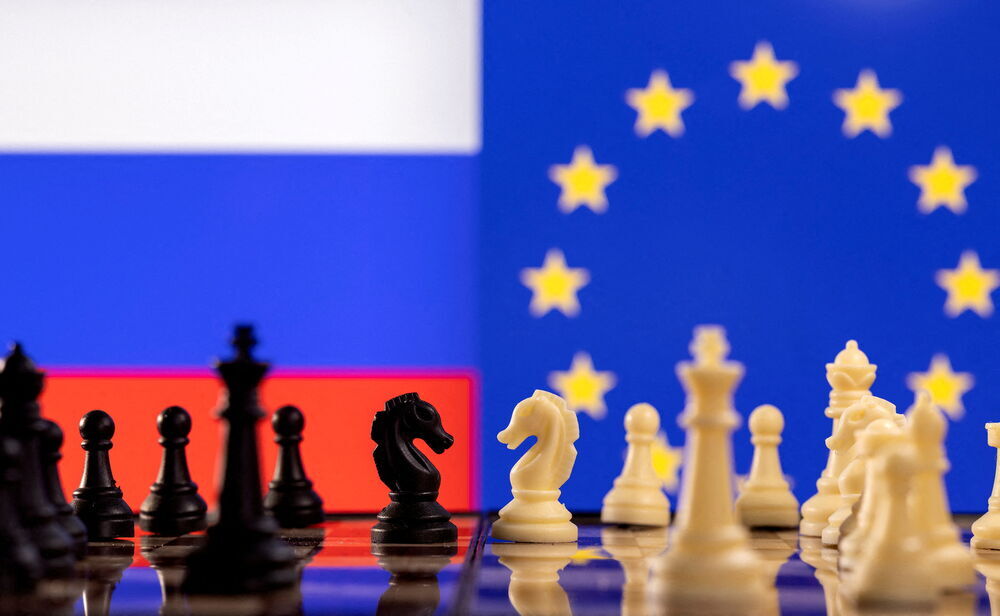
The Ukraine War and Europe’s Security Scenarios

Strategic Council Online – Interview: A Russia affairs expert stated that Europe will face a complex security environment in the future, including increased militarization, economic challenges stemming from cutting dependence on Russian energy, and the need to redefine relations with the U.S. and NATO. As a result, without sustainable solutions, Europe may face greater existential, economic, and social threats in the future.

An Analysis of Germany’s Wrong Approach to the 12-Day War

An Analysis of Germany’s Wrong Approach to the 12-Day War

Strategic Council Online – Interview: A senior European affairs analyst stated that Germany’s support for the Israeli regime in the 12-day war against Iran stems from its historical commitment to this regime. Friedrich Merz, Germany’s Chancellor from the Christian Democratic Party, firmly backed the Israeli regime’s attacks on Iran in June 2025, calling them a “dirty job for everyone’s benefit” and part of the Israeli regime’s “self-defense.” This stance is rooted in Germany’s historical commitment to the security of the Israeli regime (Staatsräson), which has been reinforced since the Holocaust and Angela Merkel’s 2008 speech at the Knesset. At the G7 summit and a conference in Berlin, Merz cited Iran’s underground facilities, arguing that the attacks were necessary to prevent Iran from obtaining nuclear weapons. Germany’s Foreign Minister, Johann Wadephul, also reiterated support for the Israeli regime’s “right to self-defense.” This position has faced domestic and international criticism. Germany’s unconditional support, aligned with Western geopolitical interests against Iran, signals a shift toward a more aggressive foreign policy. This stance has sparked criticism both at home and abroad.

Objectives of Western Military Support Escalation for the Zionist Regime After the Ceasefire with Iran

Objectives of Western Military Support Escalation for the Zionist Regime After the Ceasefire with Iran

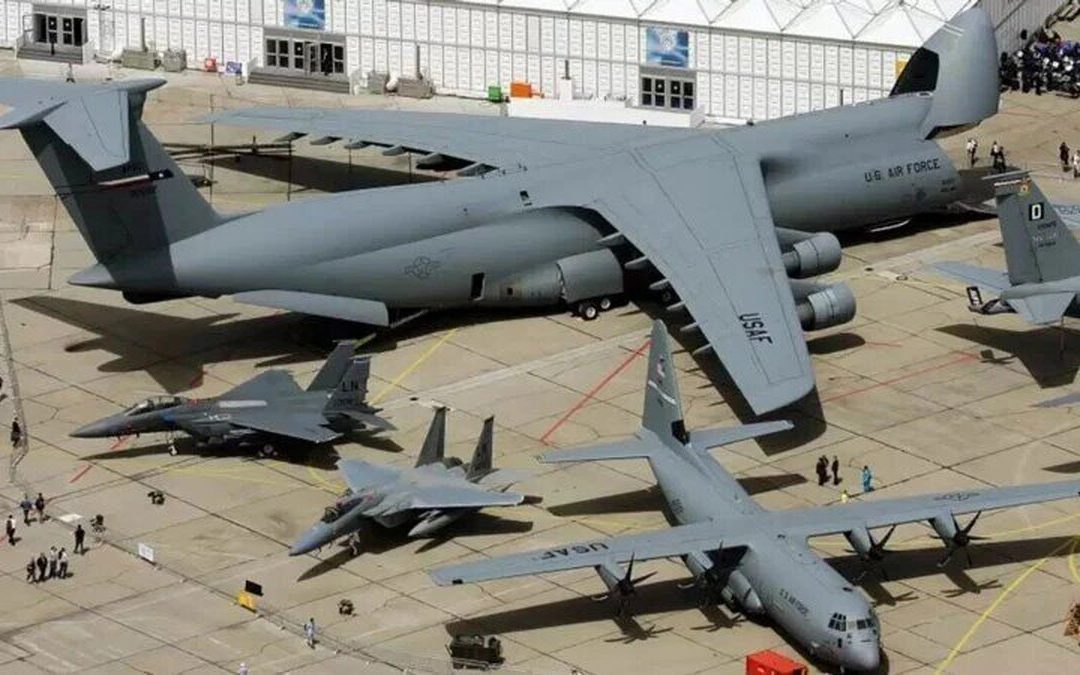
Strategic Council Online – Interview: A West Asia affairs expert stated that following the imposition of a ceasefire on the Zionist regime on June 23, 2025, after its military aggression against Iran, reports from Arab sources indicate the arrival of 17 heavy transport aircraft carrying military equipment from the United States and Germany to the Occupied Territories. This move, which the Iraqi media “Naya” describes as part of Western efforts to rebuild the Zionist regime’s military capabilities after heavy losses in the 12-day war with Iran, poses a serious threat to regional peace and Iran’s nuclear negotiations.

Europe’s New Security Strategy Aimed at Defense Self-Sufficiency

Europe’s New Security Strategy Aimed at Defense Self-Sufficiency

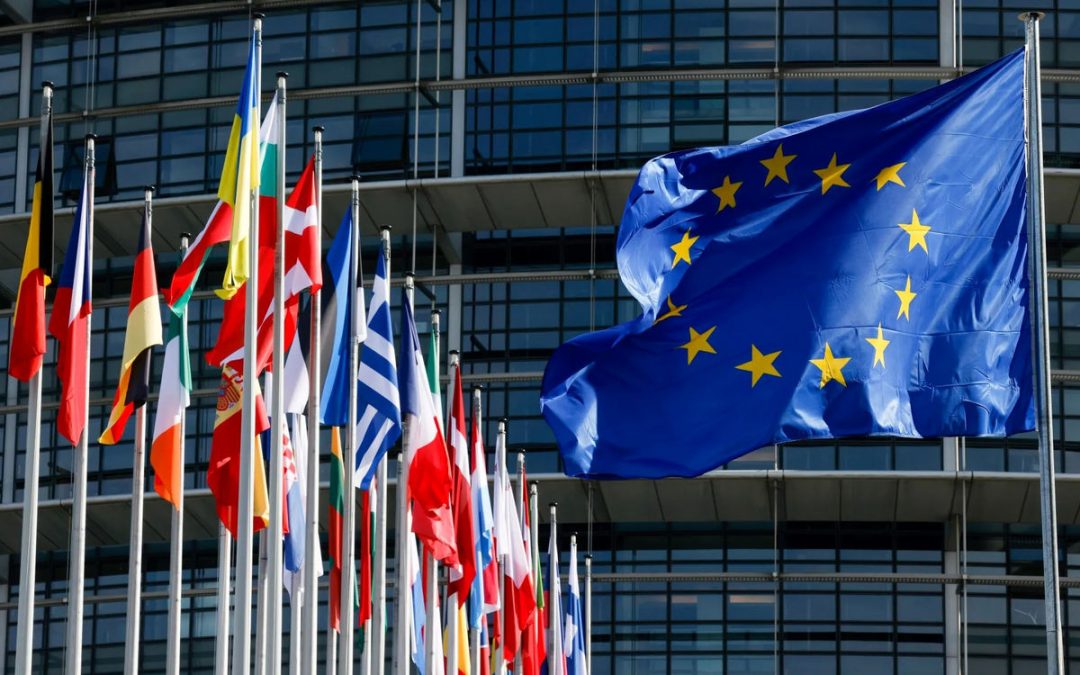
Strategic Council Online – Opinion: On June 2, 2025, the Council of the European Union took an unprecedented step toward strengthening Europe’s military self-sufficiency by officially approving a new defense fund worth 150 billion euros. This decision, made after decades of institutional debate and effort in common security policy, is now regarded not merely as a technical or budgetary initiative but as a reflection of a paradigm shift in Europe’s strategic outlook on its security future.

Reasons for NATO’s Interest in a Military Partnership with Iraq

Reasons for NATO’s Interest in a Military Partnership with Iraq

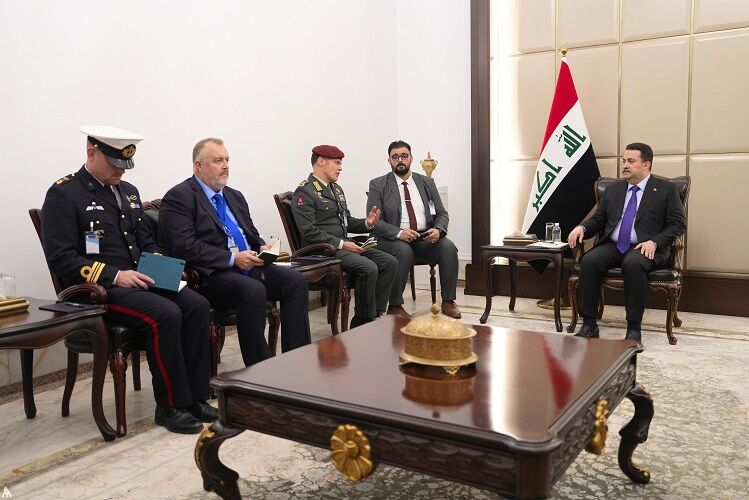
Strategic Council Online – Interview: A West Asia affairs expert stated that Christoph Henzi, the new NATO commander in Iraq, recently emphasized the North Atlantic Treaty Organization’s (NATO) continued commitment to coordinating and cooperating with Iraqi military and security institutions through experience-sharing, advisory services, and capacity-building.

EU3 and Iran-US Nuclear Talks

EU3 and Iran-US Nuclear Talks

Strategic Council Online – Guest Opinion: The recent nuclear talks between Iran and the United States, which are being conducted through the mediation of Oman, have once again attracted the attention of the international community. Although in the past, Iran, due to its differences and problems with the United States, mostly entered into negotiations on nuclear issues with European countries, especially the United Kingdom, France and Germany (EU3), in this period, due to specific regional and international conditions, and mainly due to the US President Donald Trump’s approach these negotiations have been limited to Iran and the United States, and other world powers are not present in the talks at the moment.

Germany at Crossroads Between Trump and EU

Germany at Crossroads Between Trump and EU

Strategic Council Online – Interview: Referring to the victory of the German Christian Democratic Party in the parliament and the impact of this election on regional and international interactions between Germany and the European Union, an international affairs expert said: “The relationship with America, especially during Donald Trump’s term, has become one of the serious challenges for the European Union, and given Germany’s pivotal position in the European Union, it is expected that this country will play an important role in this relationship. Therefore, one of the most important and main issues that Friedrich Mertz, the future Chancellor of Germany, should prioritize is how to deal with these two issues.”

West’s Double Standards and Destruction of Foundations of the Rule of Law in International Criminal Law

West’s Double Standards and Destruction of Foundations of the Rule of Law in International Criminal Law

Strategic Council Online – Opinion: International criminal law, as one of the main pillars of the international system, is based on principles such as justice, equality before the law, and the fight against impunity. However, the behavior of some Western countries, especially towards the Zionist regime, indicates the application of double standards and the weakening of the foundations of the rule of law.

Analysis of the Causes and Consequences of Germany’s Support for the Zionist Regime in the Gaza War

Analysis of the Causes and Consequences of Germany’s Support for the Zionist Regime in the Gaza War

Strategic Council Online – Opinion: After the end of World War II, Germany was among the European governments that did the most “good service” to the Zionist regime; the reason for this is quite clear. Germany considers itself “indebted” to the Zionist regime because of Hitler’s behavior and actions towards the Jews. Therefore, in order to compensate for Hitler’s actions and “gain the trust” of the Zionists and at the same time “benefit from the Jewish lobby,” it did not neglect any service to Tel Aviv.

أحدث الوظائف

Analysis of the Recognition of the Armenian Genocide by the Zionist Regime

SCFR Online – Opinion: At a time when the West Asia region, particularly in recent months, has been undergoing the most complex political and security developments of the past half-century, the sudden decision by the cabinet of the Zionist regime to recognize the Armenian genocide committed by Turkey, which has faced strong condemnation and opposition from Ankara and Baku, raises questions.

Lebanon Peace Agreement; Consolidation of Occupation

SCFR Online – Opinion: The Washington trilateral agreement, by linking the end of occupation to political and security conditions, does not establish a sustainable peace; rather, it consolidates the occupation.

China’s Effort to Recreate a New Global Order

SCFRonline – Opinion: Unlike classical powers, Beijing pursues its preferred order not through territorial occupation, but through technology, capital, standard-setting, and digital governance.

Loading

Germany

Public Pressure to Halt Military Cooperation with the Zionist Regime

Public Pressure to Halt Military Cooperation with the Zionist Regime

Strategic Council Online – Opinion: Following the intensification of war crimes by the Zionist regime in Lebanon and Palestine, as well as acts of warmongering that have weakened the foundations of peace, stability, and sustainable security in the region—producing highly destructive economic, security, and political consequences at the global level—for the first time since the establishment of the Israeli regime in 1948, a wave of coordinated and increasing pressure has emerged in Europe to halt military cooperation with this regime; a wave that is influenced by the growing opposition of European public opinion to the criminal actions of the Zionist regime in West Asia.

The Ukraine War and Europe’s Security Scenarios

The Ukraine War and Europe’s Security Scenarios

Strategic Council Online – Interview: A Russia affairs expert stated that Europe will face a complex security environment in the future, including increased militarization, economic challenges stemming from cutting dependence on Russian energy, and the need to redefine relations with the U.S. and NATO. As a result, without sustainable solutions, Europe may face greater existential, economic, and social threats in the future.

An Analysis of Germany’s Wrong Approach to the 12-Day War

An Analysis of Germany’s Wrong Approach to the 12-Day War

Strategic Council Online – Interview: A senior European affairs analyst stated that Germany’s support for the Israeli regime in the 12-day war against Iran stems from its historical commitment to this regime. Friedrich Merz, Germany’s Chancellor from the Christian Democratic Party, firmly backed the Israeli regime’s attacks on Iran in June 2025, calling them a “dirty job for everyone’s benefit” and part of the Israeli regime’s “self-defense.” This stance is rooted in Germany’s historical commitment to the security of the Israeli regime (Staatsräson), which has been reinforced since the Holocaust and Angela Merkel’s 2008 speech at the Knesset. At the G7 summit and a conference in Berlin, Merz cited Iran’s underground facilities, arguing that the attacks were necessary to prevent Iran from obtaining nuclear weapons. Germany’s Foreign Minister, Johann Wadephul, also reiterated support for the Israeli regime’s “right to self-defense.” This position has faced domestic and international criticism. Germany’s unconditional support, aligned with Western geopolitical interests against Iran, signals a shift toward a more aggressive foreign policy. This stance has sparked criticism both at home and abroad.

Objectives of Western Military Support Escalation for the Zionist Regime After the Ceasefire with Iran

Objectives of Western Military Support Escalation for the Zionist Regime After the Ceasefire with Iran

Strategic Council Online – Interview: A West Asia affairs expert stated that following the imposition of a ceasefire on the Zionist regime on June 23, 2025, after its military aggression against Iran, reports from Arab sources indicate the arrival of 17 heavy transport aircraft carrying military equipment from the United States and Germany to the Occupied Territories. This move, which the Iraqi media “Naya” describes as part of Western efforts to rebuild the Zionist regime’s military capabilities after heavy losses in the 12-day war with Iran, poses a serious threat to regional peace and Iran’s nuclear negotiations.

Europe’s New Security Strategy Aimed at Defense Self-Sufficiency

Europe’s New Security Strategy Aimed at Defense Self-Sufficiency

Strategic Council Online – Opinion: On June 2, 2025, the Council of the European Union took an unprecedented step toward strengthening Europe’s military self-sufficiency by officially approving a new defense fund worth 150 billion euros. This decision, made after decades of institutional debate and effort in common security policy, is now regarded not merely as a technical or budgetary initiative but as a reflection of a paradigm shift in Europe’s strategic outlook on its security future.

Reasons for NATO’s Interest in a Military Partnership with Iraq

Reasons for NATO’s Interest in a Military Partnership with Iraq

Strategic Council Online – Interview: A West Asia affairs expert stated that Christoph Henzi, the new NATO commander in Iraq, recently emphasized the North Atlantic Treaty Organization’s (NATO) continued commitment to coordinating and cooperating with Iraqi military and security institutions through experience-sharing, advisory services, and capacity-building.

EU3 and Iran-US Nuclear Talks

EU3 and Iran-US Nuclear Talks

Strategic Council Online – Guest Opinion: The recent nuclear talks between Iran and the United States, which are being conducted through the mediation of Oman, have once again attracted the attention of the international community. Although in the past, Iran, due to its differences and problems with the United States, mostly entered into negotiations on nuclear issues with European countries, especially the United Kingdom, France and Germany (EU3), in this period, due to specific regional and international conditions, and mainly due to the US President Donald Trump’s approach these negotiations have been limited to Iran and the United States, and other world powers are not present in the talks at the moment.

Germany at Crossroads Between Trump and EU

Germany at Crossroads Between Trump and EU

Strategic Council Online – Interview: Referring to the victory of the German Christian Democratic Party in the parliament and the impact of this election on regional and international interactions between Germany and the European Union, an international affairs expert said: “The relationship with America, especially during Donald Trump’s term, has become one of the serious challenges for the European Union, and given Germany’s pivotal position in the European Union, it is expected that this country will play an important role in this relationship. Therefore, one of the most important and main issues that Friedrich Mertz, the future Chancellor of Germany, should prioritize is how to deal with these two issues.”

West’s Double Standards and Destruction of Foundations of the Rule of Law in International Criminal Law

West’s Double Standards and Destruction of Foundations of the Rule of Law in International Criminal Law

Strategic Council Online – Opinion: International criminal law, as one of the main pillars of the international system, is based on principles such as justice, equality before the law, and the fight against impunity. However, the behavior of some Western countries, especially towards the Zionist regime, indicates the application of double standards and the weakening of the foundations of the rule of law.

Analysis of the Causes and Consequences of Germany’s Support for the Zionist Regime in the Gaza War

Analysis of the Causes and Consequences of Germany’s Support for the Zionist Regime in the Gaza War

Strategic Council Online – Opinion: After the end of World War II, Germany was among the European governments that did the most “good service” to the Zionist regime; the reason for this is quite clear. Germany considers itself “indebted” to the Zionist regime because of Hitler’s behavior and actions towards the Jews. Therefore, in order to compensate for Hitler’s actions and “gain the trust” of the Zionists and at the same time “benefit from the Jewish lobby,” it did not neglect any service to Tel Aviv.

Germany

Public Pressure to Halt Military Cooperation with the Zionist Regime

Public Pressure to Halt Military Cooperation with the Zionist Regime

Strategic Council Online – Opinion: Following the intensification of war crimes by the Zionist regime in Lebanon and Palestine, as well as acts of warmongering that have weakened the foundations of peace, stability, and sustainable security in the region—producing highly destructive economic, security, and political consequences at the global level—for the first time since the establishment of the Israeli regime in 1948, a wave of coordinated and increasing pressure has emerged in Europe to halt military cooperation with this regime; a wave that is influenced by the growing opposition of European public opinion to the criminal actions of the Zionist regime in West Asia.

The Ukraine War and Europe’s Security Scenarios

The Ukraine War and Europe’s Security Scenarios

Strategic Council Online – Interview: A Russia affairs expert stated that Europe will face a complex security environment in the future, including increased militarization, economic challenges stemming from cutting dependence on Russian energy, and the need to redefine relations with the U.S. and NATO. As a result, without sustainable solutions, Europe may face greater existential, economic, and social threats in the future.

An Analysis of Germany’s Wrong Approach to the 12-Day War

An Analysis of Germany’s Wrong Approach to the 12-Day War

Strategic Council Online – Interview: A senior European affairs analyst stated that Germany’s support for the Israeli regime in the 12-day war against Iran stems from its historical commitment to this regime. Friedrich Merz, Germany’s Chancellor from the Christian Democratic Party, firmly backed the Israeli regime’s attacks on Iran in June 2025, calling them a “dirty job for everyone’s benefit” and part of the Israeli regime’s “self-defense.” This stance is rooted in Germany’s historical commitment to the security of the Israeli regime (Staatsräson), which has been reinforced since the Holocaust and Angela Merkel’s 2008 speech at the Knesset. At the G7 summit and a conference in Berlin, Merz cited Iran’s underground facilities, arguing that the attacks were necessary to prevent Iran from obtaining nuclear weapons. Germany’s Foreign Minister, Johann Wadephul, also reiterated support for the Israeli regime’s “right to self-defense.” This position has faced domestic and international criticism. Germany’s unconditional support, aligned with Western geopolitical interests against Iran, signals a shift toward a more aggressive foreign policy. This stance has sparked criticism both at home and abroad.

Objectives of Western Military Support Escalation for the Zionist Regime After the Ceasefire with Iran

Objectives of Western Military Support Escalation for the Zionist Regime After the Ceasefire with Iran

Strategic Council Online – Interview: A West Asia affairs expert stated that following the imposition of a ceasefire on the Zionist regime on June 23, 2025, after its military aggression against Iran, reports from Arab sources indicate the arrival of 17 heavy transport aircraft carrying military equipment from the United States and Germany to the Occupied Territories. This move, which the Iraqi media “Naya” describes as part of Western efforts to rebuild the Zionist regime’s military capabilities after heavy losses in the 12-day war with Iran, poses a serious threat to regional peace and Iran’s nuclear negotiations.

Europe’s New Security Strategy Aimed at Defense Self-Sufficiency

Europe’s New Security Strategy Aimed at Defense Self-Sufficiency

Strategic Council Online – Opinion: On June 2, 2025, the Council of the European Union took an unprecedented step toward strengthening Europe’s military self-sufficiency by officially approving a new defense fund worth 150 billion euros. This decision, made after decades of institutional debate and effort in common security policy, is now regarded not merely as a technical or budgetary initiative but as a reflection of a paradigm shift in Europe’s strategic outlook on its security future.

Reasons for NATO’s Interest in a Military Partnership with Iraq

Reasons for NATO’s Interest in a Military Partnership with Iraq

Strategic Council Online – Interview: A West Asia affairs expert stated that Christoph Henzi, the new NATO commander in Iraq, recently emphasized the North Atlantic Treaty Organization’s (NATO) continued commitment to coordinating and cooperating with Iraqi military and security institutions through experience-sharing, advisory services, and capacity-building.

EU3 and Iran-US Nuclear Talks

EU3 and Iran-US Nuclear Talks

Strategic Council Online – Guest Opinion: The recent nuclear talks between Iran and the United States, which are being conducted through the mediation of Oman, have once again attracted the attention of the international community. Although in the past, Iran, due to its differences and problems with the United States, mostly entered into negotiations on nuclear issues with European countries, especially the United Kingdom, France and Germany (EU3), in this period, due to specific regional and international conditions, and mainly due to the US President Donald Trump’s approach these negotiations have been limited to Iran and the United States, and other world powers are not present in the talks at the moment.

Germany at Crossroads Between Trump and EU

Germany at Crossroads Between Trump and EU

Strategic Council Online – Interview: Referring to the victory of the German Christian Democratic Party in the parliament and the impact of this election on regional and international interactions between Germany and the European Union, an international affairs expert said: “The relationship with America, especially during Donald Trump’s term, has become one of the serious challenges for the European Union, and given Germany’s pivotal position in the European Union, it is expected that this country will play an important role in this relationship. Therefore, one of the most important and main issues that Friedrich Mertz, the future Chancellor of Germany, should prioritize is how to deal with these two issues.”

West’s Double Standards and Destruction of Foundations of the Rule of Law in International Criminal Law

West’s Double Standards and Destruction of Foundations of the Rule of Law in International Criminal Law

Strategic Council Online – Opinion: International criminal law, as one of the main pillars of the international system, is based on principles such as justice, equality before the law, and the fight against impunity. However, the behavior of some Western countries, especially towards the Zionist regime, indicates the application of double standards and the weakening of the foundations of the rule of law.

Analysis of the Causes and Consequences of Germany’s Support for the Zionist Regime in the Gaza War

Analysis of the Causes and Consequences of Germany’s Support for the Zionist Regime in the Gaza War

Strategic Council Online – Opinion: After the end of World War II, Germany was among the European governments that did the most “good service” to the Zionist regime; the reason for this is quite clear. Germany considers itself “indebted” to the Zionist regime because of Hitler’s behavior and actions towards the Jews. Therefore, in order to compensate for Hitler’s actions and “gain the trust” of the Zionists and at the same time “benefit from the Jewish lobby,” it did not neglect any service to Tel Aviv.

LATEST CONTENT

Analysis of the Recognition of the Armenian Genocide by the Zionist Regime

SCFR Online – Opinion: At a time when the West Asia region, particularly in recent months, has been undergoing the most complex political and security developments of the past half-century, the sudden decision by the cabinet of the Zionist regime to recognize the Armenian genocide committed by Turkey, which has faced strong condemnation and opposition from Ankara and Baku, raises questions.

Lebanon Peace Agreement; Consolidation of Occupation

SCFR Online – Opinion: The Washington trilateral agreement, by linking the end of occupation to political and security conditions, does not establish a sustainable peace; rather, it consolidates the occupation.

China’s Effort to Recreate a New Global Order

SCFRonline – Opinion: Unlike classical powers, Beijing pursues its preferred order not through territorial occupation, but through technology, capital, standard-setting, and digital governance.

Loading

Germany

Public Pressure to Halt Military Cooperation with the Zionist Regime

Public Pressure to Halt Military Cooperation with the Zionist Regime

Strategic Council Online – Opinion: Following the intensification of war crimes by the Zionist regime in Lebanon and Palestine, as well as acts of warmongering that have weakened the foundations of peace, stability, and sustainable security in the region—producing highly destructive economic, security, and political consequences at the global level—for the first time since the establishment of the Israeli regime in 1948, a wave of coordinated and increasing pressure has emerged in Europe to halt military cooperation with this regime; a wave that is influenced by the growing opposition of European public opinion to the criminal actions of the Zionist regime in West Asia.

The Ukraine War and Europe’s Security Scenarios

The Ukraine War and Europe’s Security Scenarios

Strategic Council Online – Interview: A Russia affairs expert stated that Europe will face a complex security environment in the future, including increased militarization, economic challenges stemming from cutting dependence on Russian energy, and the need to redefine relations with the U.S. and NATO. As a result, without sustainable solutions, Europe may face greater existential, economic, and social threats in the future.

An Analysis of Germany’s Wrong Approach to the 12-Day War

An Analysis of Germany’s Wrong Approach to the 12-Day War

Strategic Council Online – Interview: A senior European affairs analyst stated that Germany’s support for the Israeli regime in the 12-day war against Iran stems from its historical commitment to this regime. Friedrich Merz, Germany’s Chancellor from the Christian Democratic Party, firmly backed the Israeli regime’s attacks on Iran in June 2025, calling them a “dirty job for everyone’s benefit” and part of the Israeli regime’s “self-defense.” This stance is rooted in Germany’s historical commitment to the security of the Israeli regime (Staatsräson), which has been reinforced since the Holocaust and Angela Merkel’s 2008 speech at the Knesset. At the G7 summit and a conference in Berlin, Merz cited Iran’s underground facilities, arguing that the attacks were necessary to prevent Iran from obtaining nuclear weapons. Germany’s Foreign Minister, Johann Wadephul, also reiterated support for the Israeli regime’s “right to self-defense.” This position has faced domestic and international criticism. Germany’s unconditional support, aligned with Western geopolitical interests against Iran, signals a shift toward a more aggressive foreign policy. This stance has sparked criticism both at home and abroad.

Objectives of Western Military Support Escalation for the Zionist Regime After the Ceasefire with Iran

Objectives of Western Military Support Escalation for the Zionist Regime After the Ceasefire with Iran

Strategic Council Online – Interview: A West Asia affairs expert stated that following the imposition of a ceasefire on the Zionist regime on June 23, 2025, after its military aggression against Iran, reports from Arab sources indicate the arrival of 17 heavy transport aircraft carrying military equipment from the United States and Germany to the Occupied Territories. This move, which the Iraqi media “Naya” describes as part of Western efforts to rebuild the Zionist regime’s military capabilities after heavy losses in the 12-day war with Iran, poses a serious threat to regional peace and Iran’s nuclear negotiations.

Europe’s New Security Strategy Aimed at Defense Self-Sufficiency

Europe’s New Security Strategy Aimed at Defense Self-Sufficiency

Strategic Council Online – Opinion: On June 2, 2025, the Council of the European Union took an unprecedented step toward strengthening Europe’s military self-sufficiency by officially approving a new defense fund worth 150 billion euros. This decision, made after decades of institutional debate and effort in common security policy, is now regarded not merely as a technical or budgetary initiative but as a reflection of a paradigm shift in Europe’s strategic outlook on its security future.

Reasons for NATO’s Interest in a Military Partnership with Iraq

Reasons for NATO’s Interest in a Military Partnership with Iraq

Strategic Council Online – Interview: A West Asia affairs expert stated that Christoph Henzi, the new NATO commander in Iraq, recently emphasized the North Atlantic Treaty Organization’s (NATO) continued commitment to coordinating and cooperating with Iraqi military and security institutions through experience-sharing, advisory services, and capacity-building.

EU3 and Iran-US Nuclear Talks

EU3 and Iran-US Nuclear Talks

Strategic Council Online – Guest Opinion: The recent nuclear talks between Iran and the United States, which are being conducted through the mediation of Oman, have once again attracted the attention of the international community. Although in the past, Iran, due to its differences and problems with the United States, mostly entered into negotiations on nuclear issues with European countries, especially the United Kingdom, France and Germany (EU3), in this period, due to specific regional and international conditions, and mainly due to the US President Donald Trump’s approach these negotiations have been limited to Iran and the United States, and other world powers are not present in the talks at the moment.

Germany at Crossroads Between Trump and EU

Germany at Crossroads Between Trump and EU

Strategic Council Online – Interview: Referring to the victory of the German Christian Democratic Party in the parliament and the impact of this election on regional and international interactions between Germany and the European Union, an international affairs expert said: “The relationship with America, especially during Donald Trump’s term, has become one of the serious challenges for the European Union, and given Germany’s pivotal position in the European Union, it is expected that this country will play an important role in this relationship. Therefore, one of the most important and main issues that Friedrich Mertz, the future Chancellor of Germany, should prioritize is how to deal with these two issues.”

West’s Double Standards and Destruction of Foundations of the Rule of Law in International Criminal Law

West’s Double Standards and Destruction of Foundations of the Rule of Law in International Criminal Law

Strategic Council Online – Opinion: International criminal law, as one of the main pillars of the international system, is based on principles such as justice, equality before the law, and the fight against impunity. However, the behavior of some Western countries, especially towards the Zionist regime, indicates the application of double standards and the weakening of the foundations of the rule of law.

Analysis of the Causes and Consequences of Germany’s Support for the Zionist Regime in the Gaza War

Analysis of the Causes and Consequences of Germany’s Support for the Zionist Regime in the Gaza War

Strategic Council Online – Opinion: After the end of World War II, Germany was among the European governments that did the most “good service” to the Zionist regime; the reason for this is quite clear. Germany considers itself “indebted” to the Zionist regime because of Hitler’s behavior and actions towards the Jews. Therefore, in order to compensate for Hitler’s actions and “gain the trust” of the Zionists and at the same time “benefit from the Jewish lobby,” it did not neglect any service to Tel Aviv.

ÚLTIMAS PUBLICACIONES

Analysis of the Recognition of the Armenian Genocide by the Zionist Regime

SCFR Online – Opinion: At a time when the West Asia region, particularly in recent months, has been undergoing the most complex political and security developments of the past half-century, the sudden decision by the cabinet of the Zionist regime to recognize the Armenian genocide committed by Turkey, which has faced strong condemnation and opposition from Ankara and Baku, raises questions.

Lebanon Peace Agreement; Consolidation of Occupation

SCFR Online – Opinion: The Washington trilateral agreement, by linking the end of occupation to political and security conditions, does not establish a sustainable peace; rather, it consolidates the occupation.

China’s Effort to Recreate a New Global Order

SCFRonline – Opinion: Unlike classical powers, Beijing pursues its preferred order not through territorial occupation, but through technology, capital, standard-setting, and digital governance.

Loading

Germany

Public Pressure to Halt Military Cooperation with the Zionist Regime

Public Pressure to Halt Military Cooperation with the Zionist Regime

Strategic Council Online – Opinion: Following the intensification of war crimes by the Zionist regime in Lebanon and Palestine, as well as acts of warmongering that have weakened the foundations of peace, stability, and sustainable security in the region—producing highly destructive economic, security, and political consequences at the global level—for the first time since the establishment of the Israeli regime in 1948, a wave of coordinated and increasing pressure has emerged in Europe to halt military cooperation with this regime; a wave that is influenced by the growing opposition of European public opinion to the criminal actions of the Zionist regime in West Asia.

The Ukraine War and Europe’s Security Scenarios

The Ukraine War and Europe’s Security Scenarios

Strategic Council Online – Interview: A Russia affairs expert stated that Europe will face a complex security environment in the future, including increased militarization, economic challenges stemming from cutting dependence on Russian energy, and the need to redefine relations with the U.S. and NATO. As a result, without sustainable solutions, Europe may face greater existential, economic, and social threats in the future.

An Analysis of Germany’s Wrong Approach to the 12-Day War

An Analysis of Germany’s Wrong Approach to the 12-Day War

Strategic Council Online – Interview: A senior European affairs analyst stated that Germany’s support for the Israeli regime in the 12-day war against Iran stems from its historical commitment to this regime. Friedrich Merz, Germany’s Chancellor from the Christian Democratic Party, firmly backed the Israeli regime’s attacks on Iran in June 2025, calling them a “dirty job for everyone’s benefit” and part of the Israeli regime’s “self-defense.” This stance is rooted in Germany’s historical commitment to the security of the Israeli regime (Staatsräson), which has been reinforced since the Holocaust and Angela Merkel’s 2008 speech at the Knesset. At the G7 summit and a conference in Berlin, Merz cited Iran’s underground facilities, arguing that the attacks were necessary to prevent Iran from obtaining nuclear weapons. Germany’s Foreign Minister, Johann Wadephul, also reiterated support for the Israeli regime’s “right to self-defense.” This position has faced domestic and international criticism. Germany’s unconditional support, aligned with Western geopolitical interests against Iran, signals a shift toward a more aggressive foreign policy. This stance has sparked criticism both at home and abroad.

Objectives of Western Military Support Escalation for the Zionist Regime After the Ceasefire with Iran

Objectives of Western Military Support Escalation for the Zionist Regime After the Ceasefire with Iran

Strategic Council Online – Interview: A West Asia affairs expert stated that following the imposition of a ceasefire on the Zionist regime on June 23, 2025, after its military aggression against Iran, reports from Arab sources indicate the arrival of 17 heavy transport aircraft carrying military equipment from the United States and Germany to the Occupied Territories. This move, which the Iraqi media “Naya” describes as part of Western efforts to rebuild the Zionist regime’s military capabilities after heavy losses in the 12-day war with Iran, poses a serious threat to regional peace and Iran’s nuclear negotiations.

Europe’s New Security Strategy Aimed at Defense Self-Sufficiency

Europe’s New Security Strategy Aimed at Defense Self-Sufficiency

Strategic Council Online – Opinion: On June 2, 2025, the Council of the European Union took an unprecedented step toward strengthening Europe’s military self-sufficiency by officially approving a new defense fund worth 150 billion euros. This decision, made after decades of institutional debate and effort in common security policy, is now regarded not merely as a technical or budgetary initiative but as a reflection of a paradigm shift in Europe’s strategic outlook on its security future.

Reasons for NATO’s Interest in a Military Partnership with Iraq

Reasons for NATO’s Interest in a Military Partnership with Iraq

Strategic Council Online – Interview: A West Asia affairs expert stated that Christoph Henzi, the new NATO commander in Iraq, recently emphasized the North Atlantic Treaty Organization’s (NATO) continued commitment to coordinating and cooperating with Iraqi military and security institutions through experience-sharing, advisory services, and capacity-building.

EU3 and Iran-US Nuclear Talks

EU3 and Iran-US Nuclear Talks

Strategic Council Online – Guest Opinion: The recent nuclear talks between Iran and the United States, which are being conducted through the mediation of Oman, have once again attracted the attention of the international community. Although in the past, Iran, due to its differences and problems with the United States, mostly entered into negotiations on nuclear issues with European countries, especially the United Kingdom, France and Germany (EU3), in this period, due to specific regional and international conditions, and mainly due to the US President Donald Trump’s approach these negotiations have been limited to Iran and the United States, and other world powers are not present in the talks at the moment.

Germany at Crossroads Between Trump and EU

Germany at Crossroads Between Trump and EU

Strategic Council Online – Interview: Referring to the victory of the German Christian Democratic Party in the parliament and the impact of this election on regional and international interactions between Germany and the European Union, an international affairs expert said: “The relationship with America, especially during Donald Trump’s term, has become one of the serious challenges for the European Union, and given Germany’s pivotal position in the European Union, it is expected that this country will play an important role in this relationship. Therefore, one of the most important and main issues that Friedrich Mertz, the future Chancellor of Germany, should prioritize is how to deal with these two issues.”

West’s Double Standards and Destruction of Foundations of the Rule of Law in International Criminal Law

West’s Double Standards and Destruction of Foundations of the Rule of Law in International Criminal Law

Strategic Council Online – Opinion: International criminal law, as one of the main pillars of the international system, is based on principles such as justice, equality before the law, and the fight against impunity. However, the behavior of some Western countries, especially towards the Zionist regime, indicates the application of double standards and the weakening of the foundations of the rule of law.

Analysis of the Causes and Consequences of Germany’s Support for the Zionist Regime in the Gaza War

Analysis of the Causes and Consequences of Germany’s Support for the Zionist Regime in the Gaza War

Strategic Council Online – Opinion: After the end of World War II, Germany was among the European governments that did the most “good service” to the Zionist regime; the reason for this is quite clear. Germany considers itself “indebted” to the Zionist regime because of Hitler’s behavior and actions towards the Jews. Therefore, in order to compensate for Hitler’s actions and “gain the trust” of the Zionists and at the same time “benefit from the Jewish lobby,” it did not neglect any service to Tel Aviv.

ÚLTIMAS PUBLICACIONES

Analysis of the Recognition of the Armenian Genocide by the Zionist Regime

SCFR Online – Opinion: At a time when the West Asia region, particularly in recent months, has been undergoing the most complex political and security developments of the past half-century, the sudden decision by the cabinet of the Zionist regime to recognize the Armenian genocide committed by Turkey, which has faced strong condemnation and opposition from Ankara and Baku, raises questions.

Lebanon Peace Agreement; Consolidation of Occupation

SCFR Online – Opinion: The Washington trilateral agreement, by linking the end of occupation to political and security conditions, does not establish a sustainable peace; rather, it consolidates the occupation.

China’s Effort to Recreate a New Global Order

SCFRonline – Opinion: Unlike classical powers, Beijing pursues its preferred order not through territorial occupation, but through technology, capital, standard-setting, and digital governance.

Loading

Germany

Public Pressure to Halt Military Cooperation with the Zionist Regime

Public Pressure to Halt Military Cooperation with the Zionist Regime

Strategic Council Online – Opinion: Following the intensification of war crimes by the Zionist regime in Lebanon and Palestine, as well as acts of warmongering that have weakened the foundations of peace, stability, and sustainable security in the region—producing highly destructive economic, security, and political consequences at the global level—for the first time since the establishment of the Israeli regime in 1948, a wave of coordinated and increasing pressure has emerged in Europe to halt military cooperation with this regime; a wave that is influenced by the growing opposition of European public opinion to the criminal actions of the Zionist regime in West Asia.

The Ukraine War and Europe’s Security Scenarios

The Ukraine War and Europe’s Security Scenarios

Strategic Council Online – Interview: A Russia affairs expert stated that Europe will face a complex security environment in the future, including increased militarization, economic challenges stemming from cutting dependence on Russian energy, and the need to redefine relations with the U.S. and NATO. As a result, without sustainable solutions, Europe may face greater existential, economic, and social threats in the future.

An Analysis of Germany’s Wrong Approach to the 12-Day War

An Analysis of Germany’s Wrong Approach to the 12-Day War

Strategic Council Online – Interview: A senior European affairs analyst stated that Germany’s support for the Israeli regime in the 12-day war against Iran stems from its historical commitment to this regime. Friedrich Merz, Germany’s Chancellor from the Christian Democratic Party, firmly backed the Israeli regime’s attacks on Iran in June 2025, calling them a “dirty job for everyone’s benefit” and part of the Israeli regime’s “self-defense.” This stance is rooted in Germany’s historical commitment to the security of the Israeli regime (Staatsräson), which has been reinforced since the Holocaust and Angela Merkel’s 2008 speech at the Knesset. At the G7 summit and a conference in Berlin, Merz cited Iran’s underground facilities, arguing that the attacks were necessary to prevent Iran from obtaining nuclear weapons. Germany’s Foreign Minister, Johann Wadephul, also reiterated support for the Israeli regime’s “right to self-defense.” This position has faced domestic and international criticism. Germany’s unconditional support, aligned with Western geopolitical interests against Iran, signals a shift toward a more aggressive foreign policy. This stance has sparked criticism both at home and abroad.

Objectives of Western Military Support Escalation for the Zionist Regime After the Ceasefire with Iran

Objectives of Western Military Support Escalation for the Zionist Regime After the Ceasefire with Iran

Strategic Council Online – Interview: A West Asia affairs expert stated that following the imposition of a ceasefire on the Zionist regime on June 23, 2025, after its military aggression against Iran, reports from Arab sources indicate the arrival of 17 heavy transport aircraft carrying military equipment from the United States and Germany to the Occupied Territories. This move, which the Iraqi media “Naya” describes as part of Western efforts to rebuild the Zionist regime’s military capabilities after heavy losses in the 12-day war with Iran, poses a serious threat to regional peace and Iran’s nuclear negotiations.

Europe’s New Security Strategy Aimed at Defense Self-Sufficiency

Europe’s New Security Strategy Aimed at Defense Self-Sufficiency

Strategic Council Online – Opinion: On June 2, 2025, the Council of the European Union took an unprecedented step toward strengthening Europe’s military self-sufficiency by officially approving a new defense fund worth 150 billion euros. This decision, made after decades of institutional debate and effort in common security policy, is now regarded not merely as a technical or budgetary initiative but as a reflection of a paradigm shift in Europe’s strategic outlook on its security future.

Reasons for NATO’s Interest in a Military Partnership with Iraq

Reasons for NATO’s Interest in a Military Partnership with Iraq

Strategic Council Online – Interview: A West Asia affairs expert stated that Christoph Henzi, the new NATO commander in Iraq, recently emphasized the North Atlantic Treaty Organization’s (NATO) continued commitment to coordinating and cooperating with Iraqi military and security institutions through experience-sharing, advisory services, and capacity-building.

EU3 and Iran-US Nuclear Talks

EU3 and Iran-US Nuclear Talks

Strategic Council Online – Guest Opinion: The recent nuclear talks between Iran and the United States, which are being conducted through the mediation of Oman, have once again attracted the attention of the international community. Although in the past, Iran, due to its differences and problems with the United States, mostly entered into negotiations on nuclear issues with European countries, especially the United Kingdom, France and Germany (EU3), in this period, due to specific regional and international conditions, and mainly due to the US President Donald Trump’s approach these negotiations have been limited to Iran and the United States, and other world powers are not present in the talks at the moment.

Germany at Crossroads Between Trump and EU

Germany at Crossroads Between Trump and EU

Strategic Council Online – Interview: Referring to the victory of the German Christian Democratic Party in the parliament and the impact of this election on regional and international interactions between Germany and the European Union, an international affairs expert said: “The relationship with America, especially during Donald Trump’s term, has become one of the serious challenges for the European Union, and given Germany’s pivotal position in the European Union, it is expected that this country will play an important role in this relationship. Therefore, one of the most important and main issues that Friedrich Mertz, the future Chancellor of Germany, should prioritize is how to deal with these two issues.”

West’s Double Standards and Destruction of Foundations of the Rule of Law in International Criminal Law

West’s Double Standards and Destruction of Foundations of the Rule of Law in International Criminal Law

Strategic Council Online – Opinion: International criminal law, as one of the main pillars of the international system, is based on principles such as justice, equality before the law, and the fight against impunity. However, the behavior of some Western countries, especially towards the Zionist regime, indicates the application of double standards and the weakening of the foundations of the rule of law.

Analysis of the Causes and Consequences of Germany’s Support for the Zionist Regime in the Gaza War

Analysis of the Causes and Consequences of Germany’s Support for the Zionist Regime in the Gaza War

Strategic Council Online – Opinion: After the end of World War II, Germany was among the European governments that did the most “good service” to the Zionist regime; the reason for this is quite clear. Germany considers itself “indebted” to the Zionist regime because of Hitler’s behavior and actions towards the Jews. Therefore, in order to compensate for Hitler’s actions and “gain the trust” of the Zionists and at the same time “benefit from the Jewish lobby,” it did not neglect any service to Tel Aviv.

ÚLTIMAS PUBLICACIONES

Analysis of the Recognition of the Armenian Genocide by the Zionist Regime

SCFR Online – Opinion: At a time when the West Asia region, particularly in recent months, has been undergoing the most complex political and security developments of the past half-century, the sudden decision by the cabinet of the Zionist regime to recognize the Armenian genocide committed by Turkey, which has faced strong condemnation and opposition from Ankara and Baku, raises questions.

Lebanon Peace Agreement; Consolidation of Occupation

SCFR Online – Opinion: The Washington trilateral agreement, by linking the end of occupation to political and security conditions, does not establish a sustainable peace; rather, it consolidates the occupation.

China’s Effort to Recreate a New Global Order

SCFRonline – Opinion: Unlike classical powers, Beijing pursues its preferred order not through territorial occupation, but through technology, capital, standard-setting, and digital governance.

Loading

Germany

Public Pressure to Halt Military Cooperation with the Zionist Regime

Public Pressure to Halt Military Cooperation with the Zionist Regime

Strategic Council Online – Opinion: Following the intensification of war crimes by the Zionist regime in Lebanon and Palestine, as well as acts of warmongering that have weakened the foundations of peace, stability, and sustainable security in the region—producing highly destructive economic, security, and political consequences at the global level—for the first time since the establishment of the Israeli regime in 1948, a wave of coordinated and increasing pressure has emerged in Europe to halt military cooperation with this regime; a wave that is influenced by the growing opposition of European public opinion to the criminal actions of the Zionist regime in West Asia.

The Ukraine War and Europe’s Security Scenarios

The Ukraine War and Europe’s Security Scenarios

Strategic Council Online – Interview: A Russia affairs expert stated that Europe will face a complex security environment in the future, including increased militarization, economic challenges stemming from cutting dependence on Russian energy, and the need to redefine relations with the U.S. and NATO. As a result, without sustainable solutions, Europe may face greater existential, economic, and social threats in the future.

An Analysis of Germany’s Wrong Approach to the 12-Day War

An Analysis of Germany’s Wrong Approach to the 12-Day War

Strategic Council Online – Interview: A senior European affairs analyst stated that Germany’s support for the Israeli regime in the 12-day war against Iran stems from its historical commitment to this regime. Friedrich Merz, Germany’s Chancellor from the Christian Democratic Party, firmly backed the Israeli regime’s attacks on Iran in June 2025, calling them a “dirty job for everyone’s benefit” and part of the Israeli regime’s “self-defense.” This stance is rooted in Germany’s historical commitment to the security of the Israeli regime (Staatsräson), which has been reinforced since the Holocaust and Angela Merkel’s 2008 speech at the Knesset. At the G7 summit and a conference in Berlin, Merz cited Iran’s underground facilities, arguing that the attacks were necessary to prevent Iran from obtaining nuclear weapons. Germany’s Foreign Minister, Johann Wadephul, also reiterated support for the Israeli regime’s “right to self-defense.” This position has faced domestic and international criticism. Germany’s unconditional support, aligned with Western geopolitical interests against Iran, signals a shift toward a more aggressive foreign policy. This stance has sparked criticism both at home and abroad.

Objectives of Western Military Support Escalation for the Zionist Regime After the Ceasefire with Iran

Objectives of Western Military Support Escalation for the Zionist Regime After the Ceasefire with Iran

Strategic Council Online – Interview: A West Asia affairs expert stated that following the imposition of a ceasefire on the Zionist regime on June 23, 2025, after its military aggression against Iran, reports from Arab sources indicate the arrival of 17 heavy transport aircraft carrying military equipment from the United States and Germany to the Occupied Territories. This move, which the Iraqi media “Naya” describes as part of Western efforts to rebuild the Zionist regime’s military capabilities after heavy losses in the 12-day war with Iran, poses a serious threat to regional peace and Iran’s nuclear negotiations.

Europe’s New Security Strategy Aimed at Defense Self-Sufficiency

Europe’s New Security Strategy Aimed at Defense Self-Sufficiency

Strategic Council Online – Opinion: On June 2, 2025, the Council of the European Union took an unprecedented step toward strengthening Europe’s military self-sufficiency by officially approving a new defense fund worth 150 billion euros. This decision, made after decades of institutional debate and effort in common security policy, is now regarded not merely as a technical or budgetary initiative but as a reflection of a paradigm shift in Europe’s strategic outlook on its security future.

Reasons for NATO’s Interest in a Military Partnership with Iraq

Reasons for NATO’s Interest in a Military Partnership with Iraq

Strategic Council Online – Interview: A West Asia affairs expert stated that Christoph Henzi, the new NATO commander in Iraq, recently emphasized the North Atlantic Treaty Organization’s (NATO) continued commitment to coordinating and cooperating with Iraqi military and security institutions through experience-sharing, advisory services, and capacity-building.

EU3 and Iran-US Nuclear Talks

EU3 and Iran-US Nuclear Talks

Strategic Council Online – Guest Opinion: The recent nuclear talks between Iran and the United States, which are being conducted through the mediation of Oman, have once again attracted the attention of the international community. Although in the past, Iran, due to its differences and problems with the United States, mostly entered into negotiations on nuclear issues with European countries, especially the United Kingdom, France and Germany (EU3), in this period, due to specific regional and international conditions, and mainly due to the US President Donald Trump’s approach these negotiations have been limited to Iran and the United States, and other world powers are not present in the talks at the moment.

Germany at Crossroads Between Trump and EU

Germany at Crossroads Between Trump and EU

Strategic Council Online – Interview: Referring to the victory of the German Christian Democratic Party in the parliament and the impact of this election on regional and international interactions between Germany and the European Union, an international affairs expert said: “The relationship with America, especially during Donald Trump’s term, has become one of the serious challenges for the European Union, and given Germany’s pivotal position in the European Union, it is expected that this country will play an important role in this relationship. Therefore, one of the most important and main issues that Friedrich Mertz, the future Chancellor of Germany, should prioritize is how to deal with these two issues.”

West’s Double Standards and Destruction of Foundations of the Rule of Law in International Criminal Law

West’s Double Standards and Destruction of Foundations of the Rule of Law in International Criminal Law

Strategic Council Online – Opinion: International criminal law, as one of the main pillars of the international system, is based on principles such as justice, equality before the law, and the fight against impunity. However, the behavior of some Western countries, especially towards the Zionist regime, indicates the application of double standards and the weakening of the foundations of the rule of law.

Analysis of the Causes and Consequences of Germany’s Support for the Zionist Regime in the Gaza War

Analysis of the Causes and Consequences of Germany’s Support for the Zionist Regime in the Gaza War

Strategic Council Online – Opinion: After the end of World War II, Germany was among the European governments that did the most “good service” to the Zionist regime; the reason for this is quite clear. Germany considers itself “indebted” to the Zionist regime because of Hitler’s behavior and actions towards the Jews. Therefore, in order to compensate for Hitler’s actions and “gain the trust” of the Zionists and at the same time “benefit from the Jewish lobby,” it did not neglect any service to Tel Aviv.

ÚLTIMAS PUBLICACIONES

Analysis of the Recognition of the Armenian Genocide by the Zionist Regime

SCFR Online – Opinion: At a time when the West Asia region, particularly in recent months, has been undergoing the most complex political and security developments of the past half-century, the sudden decision by the cabinet of the Zionist regime to recognize the Armenian genocide committed by Turkey, which has faced strong condemnation and opposition from Ankara and Baku, raises questions.

Lebanon Peace Agreement; Consolidation of Occupation

SCFR Online – Opinion: The Washington trilateral agreement, by linking the end of occupation to political and security conditions, does not establish a sustainable peace; rather, it consolidates the occupation.

China’s Effort to Recreate a New Global Order

SCFRonline – Opinion: Unlike classical powers, Beijing pursues its preferred order not through territorial occupation, but through technology, capital, standard-setting, and digital governance.

Loading