2025/09/17
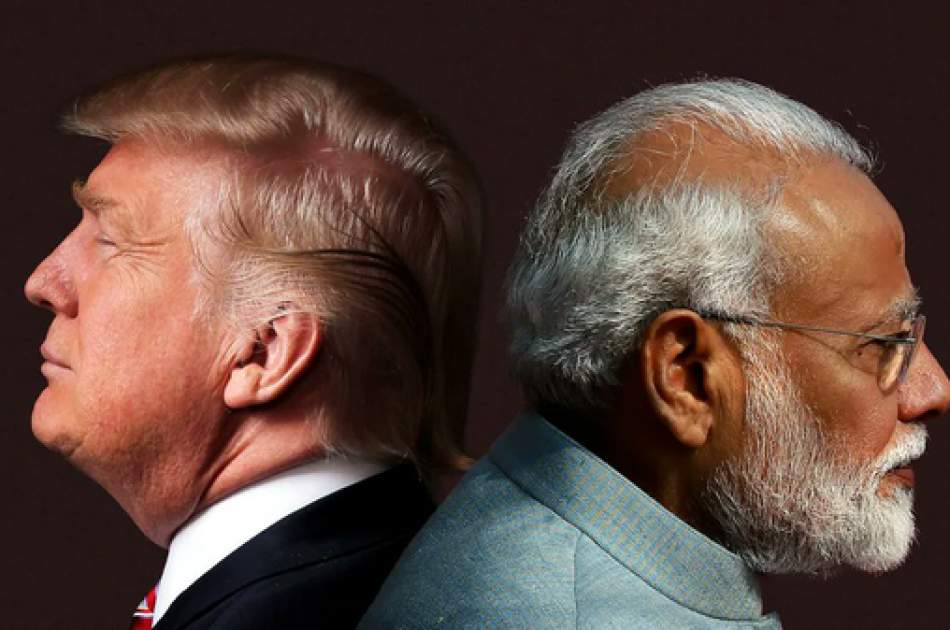
Strategic Council Online – Interview: A former Iranian diplomat stated that India will keep its differences with the United States limited and at the bilateral level, and will not join any power bloc against other powers.
2025/09/15
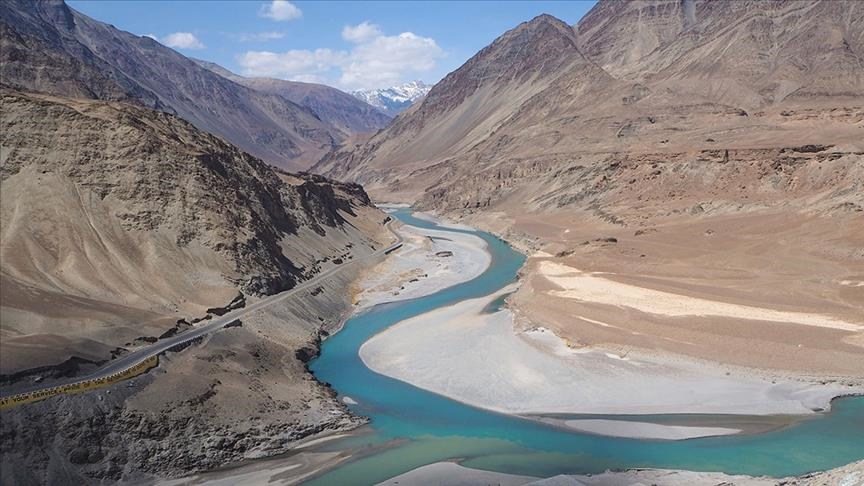
Strategic Council Online – Opinion: Recent tensions between New Delhi and Islamabad over the ‘Indus Waters Treaty’, along with climate data indicating the depletion of freshwater resources in various parts of the world, show that transboundary water resources in the 21st century are rapidly transforming from a technical and developmental issue into a strategic and even security variable.

2025/09/12
Strategic Council Online – Opinion: The 25th Shanghai Cooperation Organization (SCO) Summit in Tianjin, China, can be considered one of the most significant events in recent years in terms of global power dynamics. Through its impressive hosting and the announcement of various economic and political initiatives, China attempted to present an image of a gradual transition from the West-centric financial order. The presence of leaders from Russia, India, and Central Asian countries also demonstrated that the idea of multipolarity is no longer merely a slogan but is being pursued through economic and institutional cooperation. The coincidence of the Shanghai Summit with the military parade in Beijing commemorating the 80th anniversary of China’s victory over Japan also highlighted the integration of the “hard power–soft power” strategy on the international stage.
2025/09/11
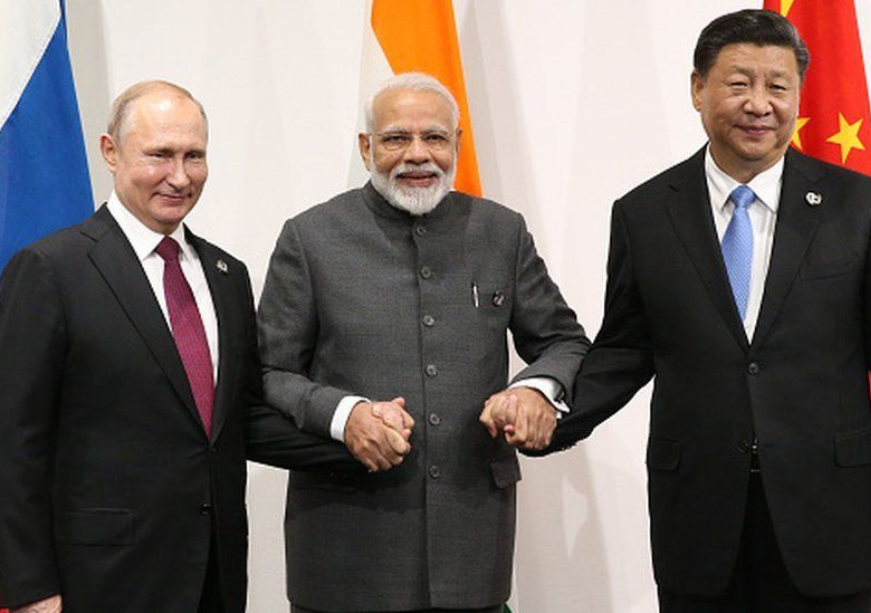
Strategic Council Online – Interview: An international affairs analyst stated that the United States’ imposition of 50% tariffs on Indian export goods has not only severely impacted the economic relations between the two countries but has also opened a new path in New Delhi’s foreign policy. While Washington has justified this move as “punishing” India for purchasing oil from Russia, the Narendra Modi government has called it unfair and emphasized the necessity of ensuring its country’s energy security. However, India’s reaction has not been limited to mere verbal statements; Modi’s visit to China and participation in the Shanghai Cooperation Organization summit can practically be assessed as a strategic pivot towards the East. Simultaneously, diplomatic exchanges among the three Asian powers have accelerated: China’s Foreign Minister visited New Delhi, his Indian counterpart went to Moscow, and Modi, in his meeting with Beijing’s leaders, sent a clear message of India’s desire for closer cooperation with Russia and China. In this context, the Indian Prime Minister’s lack of response to several phone calls from Trump suggests that New Delhi is redefining its foreign policy priorities in response to Washington’s pressure. Many analysts believe that India’s recent actions are not merely short-term reactions but rather a sign of a new balance of power forming in Asia’s equations.
2025/08/30
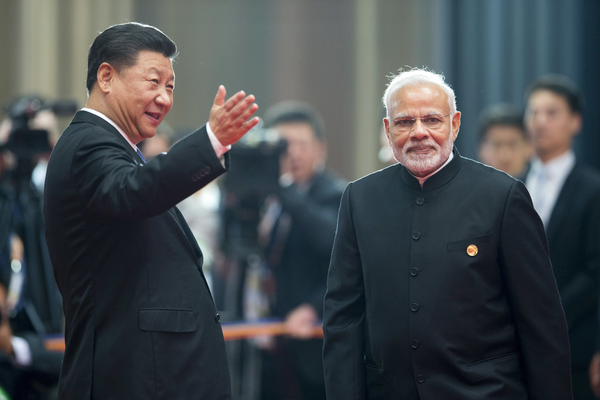
Strategic Council Online – Interview: A senior international relations analyst stated that the recent visit of Wang Yi, China’s Foreign Minister, to New Delhi is not merely a routine diplomatic meeting; rather, it represents a decisive point in the geopolitical equations of South Asia and even the new global order. After four years of tension and distrust stemming from deadly border clashes in Ladakh and Beijing’s full-throated support for Islamabad during the four-day India-Pakistan war, Beijing and New Delhi are now moving towards economic and political reconciliation under circumstances where external variables, including Trump’s tariff pressures and India’s closeness to Russia, have complicated the equation.
