An Analysis of the Makkah Defense Pact
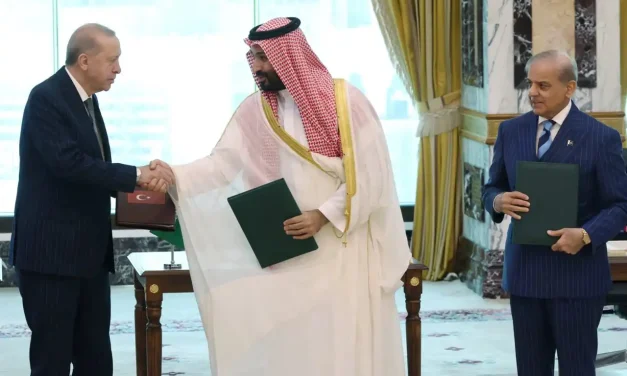
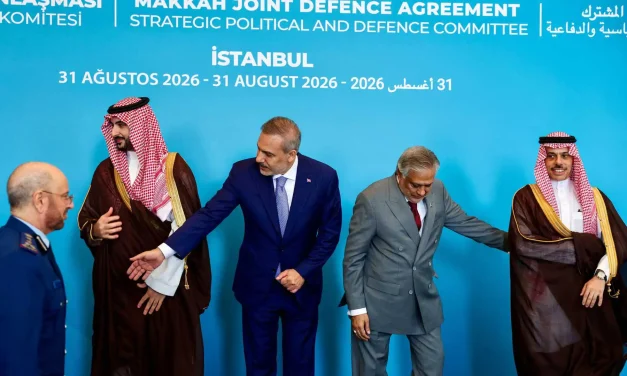
SCFR Online – Opinion: On Friday, August 7, the heads of state of three countries – Saudi Arabia, Turkey, and Pakistan – signed a text under the title “Makkah Joint Defense Agreement.”
Strategic Council Online – Note: The initiative to revive the Hejaz Railway, beyond being a transportation project, constitutes an attempt to redefine geopolitics, the economy, and Turkey’s regional position; however, its realization appears to face significant financial, security, and institutional challenges.
SCFR Online – Opinion: The Strait of Hormuz crisis is no longer merely the consequence of a military confrontation, but rather a sign of the transition from the US-centered maritime order to a new energy security structure involving the participation of emerging and influential powers.
SCFR Online – Opinion: Iran’s active deterrence strategy, while increasing the costs of US intervention, has increasingly exposed the hidden rifts between Washington’s interests and those of the Israeli regime.
SCFR Online – Opinion: The escalation of verbal and strategic tensions between Turkey and the Israeli regime, although not increasing the likelihood of direct war, indicates the formation of a new order in West Asian geopolitical rivalries.
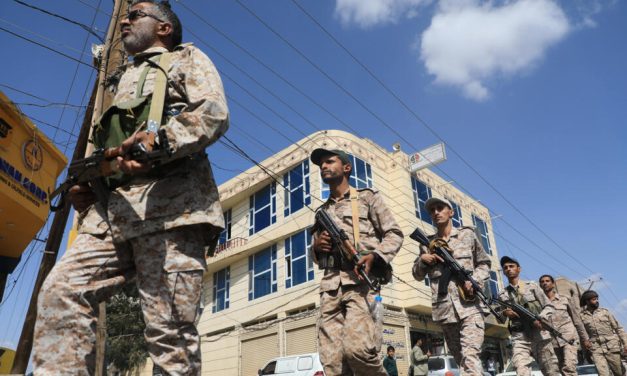
Strategic Council Online – Note: Recent developments in the political geography of West Asia, from rising tensions in the Persian Gulf to missile and drone activities in the Red Sea and the recent warning by Kaja Kallas, the European Union’s foreign policy chief, regarding the threat to freedom of navigation, indicate a key pattern shift; the US-Iran war has moved beyond the scope of a regional and local confrontation and has linked two vital passageways for the global economy: the Strait of Hormuz and the Bab el-Mandeb Strait.
SCFR Online – Opinion: The Ukraine war was not merely a European crisis, but rather the starting point for the rearrangement of the global balance of power and a shift in the strategic behavior of great powers.
SCFR Online – Opinion: Great power competition is now pursued more in trade, currency, technology, and global supply chains than on the battlefields of military confrontation.
Strategic Council Online– Opinion: From the past to the present, there has been a close relationship between technology and international relations. From the introduction of the steam engine to the emergence of the telephone and radio, significant milestones were achieved that enabled faster and more direct communication, reducing the need for intermediaries and diplomatic bureaucracy. The development and deployment of artificial intelligence (AI) systems also have the potential to transform various aspects of human life, much like climate change did decades ago in the international system. The reason AI impacts the international system, particularly in diplomacy, is that politics and political issues are among the most complex human behaviors, and this complexity reaches its peak in the international arena.
Strategic Council Online: A faculty member of Tehran University emphasized that with artificial intelligence while increasing agility and realism, the bias effect of the circles around the ruler is reduced. The ruler’s need for correct data and artificial intelligence becomes serious in this situation. There is no place in the world where artificial intelligence has been developed unless the ruler was the ancestor of its client.
Requirements for Iran’s Positioning in New World Order
Strategic Council Online – Guest opinion: In recent years, the discussion of changes in the world order, the conditions and reasons for this, and its requirements for different countries has become one of the serious topics in the field of foreign policy studies and international relations. Such changes include political, economic, and cultural areas at the global level, which cause changes in the way countries interact with each other, as well as changes in the way international conflicts are resolved. But what are the signs of this change in the international political order? And how can one successfully get the right place in this new order?
Dr. Mohammad Mehdi Mazaheri – University professor
Strategic Council Online: A university professor says the US administration has not been as successful in Iran’s diplomatic isolation as the economic sanctions. “The United States will do its best to implement this anti-Iran policy in the time left until the US presidential race.”
Strategic Council Online: “With the decline in US focus on foreign affairs and adoption of a controversial approach towards its allies, we will soon see more gaps in the alliance on the two sides of the Atlantic and greater independence of Europe,” said an expert on international affairs, referring to the corona pandemic.
Strategic Council Online: An international relations professor said US inhuman actions under the Coronavirus crisis are in no way in line with the slogans it claims to be adhering. He stressed that US officials’ aim behind the sanctions that have made the fight against Coronavirus difficult is to put direct pressure on the Iranian people to spark discontent.
Strategic Council Online: A university lecturer of international relations says the greatest achievement of colonialists in their efforts to intervene in other countries is the creation of instability. “Today, the United States and Israel want to get strong in the region and endeavour by fomenting secessionist sentiments in countries like Iraq, Syria and Yemen to pressure smaller nations and even bring them under their domination more easily.”
SCFR Online – Opinion: On Friday, August 7, the heads of state of three countries – Saudi Arabia, Turkey, and Pakistan – signed a text under the title “Makkah Joint Defense Agreement.”
Strategic Council Online – Note: The initiative to revive the Hejaz Railway, beyond being a transportation project, constitutes an attempt to redefine geopolitics, the economy, and Turkey’s regional position; however, its realization appears to face significant financial, security, and institutional challenges.
SCFR Online – Opinion: The Strait of Hormuz crisis is no longer merely the consequence of a military confrontation, but rather a sign of the transition from the US-centered maritime order to a new energy security structure involving the participation of emerging and influential powers.
SCFR Online – Opinion: Iran’s active deterrence strategy, while increasing the costs of US intervention, has increasingly exposed the hidden rifts between Washington’s interests and those of the Israeli regime.
SCFR Online – Opinion: The escalation of verbal and strategic tensions between Turkey and the Israeli regime, although not increasing the likelihood of direct war, indicates the formation of a new order in West Asian geopolitical rivalries.
Strategic Council Online – Note: Recent developments in the political geography of West Asia, from rising tensions in the Persian Gulf to missile and drone activities in the Red Sea and the recent warning by Kaja Kallas, the European Union’s foreign policy chief, regarding the threat to freedom of navigation, indicate a key pattern shift; the US-Iran war has moved beyond the scope of a regional and local confrontation and has linked two vital passageways for the global economy: the Strait of Hormuz and the Bab el-Mandeb Strait.
SCFR Online – Opinion: The Ukraine war was not merely a European crisis, but rather the starting point for the rearrangement of the global balance of power and a shift in the strategic behavior of great powers.
SCFR Online – Opinion: Great power competition is now pursued more in trade, currency, technology, and global supply chains than on the battlefields of military confrontation.
Strategic Council Online– Opinion: From the past to the present, there has been a close relationship between technology and international relations. From the introduction of the steam engine to the emergence of the telephone and radio, significant milestones were achieved that enabled faster and more direct communication, reducing the need for intermediaries and diplomatic bureaucracy. The development and deployment of artificial intelligence (AI) systems also have the potential to transform various aspects of human life, much like climate change did decades ago in the international system. The reason AI impacts the international system, particularly in diplomacy, is that politics and political issues are among the most complex human behaviors, and this complexity reaches its peak in the international arena.
Strategic Council Online: A faculty member of Tehran University emphasized that with artificial intelligence while increasing agility and realism, the bias effect of the circles around the ruler is reduced. The ruler’s need for correct data and artificial intelligence becomes serious in this situation. There is no place in the world where artificial intelligence has been developed unless the ruler was the ancestor of its client.
Requirements for Iran’s Positioning in New World Order
Strategic Council Online – Guest opinion: In recent years, the discussion of changes in the world order, the conditions and reasons for this, and its requirements for different countries has become one of the serious topics in the field of foreign policy studies and international relations. Such changes include political, economic, and cultural areas at the global level, which cause changes in the way countries interact with each other, as well as changes in the way international conflicts are resolved. But what are the signs of this change in the international political order? And how can one successfully get the right place in this new order?
Dr. Mohammad Mehdi Mazaheri – University professor
Strategic Council Online: A university professor says the US administration has not been as successful in Iran’s diplomatic isolation as the economic sanctions. “The United States will do its best to implement this anti-Iran policy in the time left until the US presidential race.”
Strategic Council Online: “With the decline in US focus on foreign affairs and adoption of a controversial approach towards its allies, we will soon see more gaps in the alliance on the two sides of the Atlantic and greater independence of Europe,” said an expert on international affairs, referring to the corona pandemic.
Strategic Council Online: An international relations professor said US inhuman actions under the Coronavirus crisis are in no way in line with the slogans it claims to be adhering. He stressed that US officials’ aim behind the sanctions that have made the fight against Coronavirus difficult is to put direct pressure on the Iranian people to spark discontent.
Strategic Council Online: A university lecturer of international relations says the greatest achievement of colonialists in their efforts to intervene in other countries is the creation of instability. “Today, the United States and Israel want to get strong in the region and endeavour by fomenting secessionist sentiments in countries like Iraq, Syria and Yemen to pressure smaller nations and even bring them under their domination more easily.”
Strategic Council Online– Opinion: From the past to the present, there has been a close relationship between technology and international relations. From the introduction of the steam engine to the emergence of the telephone and radio, significant milestones were achieved that enabled faster and more direct communication, reducing the need for intermediaries and diplomatic bureaucracy. The development and deployment of artificial intelligence (AI) systems also have the potential to transform various aspects of human life, much like climate change did decades ago in the international system. The reason AI impacts the international system, particularly in diplomacy, is that politics and political issues are among the most complex human behaviors, and this complexity reaches its peak in the international arena.
Strategic Council Online: A faculty member of Tehran University emphasized that with artificial intelligence while increasing agility and realism, the bias effect of the circles around the ruler is reduced. The ruler’s need for correct data and artificial intelligence becomes serious in this situation. There is no place in the world where artificial intelligence has been developed unless the ruler was the ancestor of its client.
Requirements for Iran’s Positioning in New World Order
Strategic Council Online – Guest opinion: In recent years, the discussion of changes in the world order, the conditions and reasons for this, and its requirements for different countries has become one of the serious topics in the field of foreign policy studies and international relations. Such changes include political, economic, and cultural areas at the global level, which cause changes in the way countries interact with each other, as well as changes in the way international conflicts are resolved. But what are the signs of this change in the international political order? And how can one successfully get the right place in this new order?
Dr. Mohammad Mehdi Mazaheri – University professor
Strategic Council Online: A university professor says the US administration has not been as successful in Iran’s diplomatic isolation as the economic sanctions. “The United States will do its best to implement this anti-Iran policy in the time left until the US presidential race.”
Strategic Council Online: “With the decline in US focus on foreign affairs and adoption of a controversial approach towards its allies, we will soon see more gaps in the alliance on the two sides of the Atlantic and greater independence of Europe,” said an expert on international affairs, referring to the corona pandemic.
Strategic Council Online: An international relations professor said US inhuman actions under the Coronavirus crisis are in no way in line with the slogans it claims to be adhering. He stressed that US officials’ aim behind the sanctions that have made the fight against Coronavirus difficult is to put direct pressure on the Iranian people to spark discontent.
Strategic Council Online: A university lecturer of international relations says the greatest achievement of colonialists in their efforts to intervene in other countries is the creation of instability. “Today, the United States and Israel want to get strong in the region and endeavour by fomenting secessionist sentiments in countries like Iraq, Syria and Yemen to pressure smaller nations and even bring them under their domination more easily.”
SCFR Online – Opinion: On Friday, August 7, the heads of state of three countries – Saudi Arabia, Turkey, and Pakistan – signed a text under the title “Makkah Joint Defense Agreement.”
Strategic Council Online – Note: The initiative to revive the Hejaz Railway, beyond being a transportation project, constitutes an attempt to redefine geopolitics, the economy, and Turkey’s regional position; however, its realization appears to face significant financial, security, and institutional challenges.
SCFR Online – Opinion: The Strait of Hormuz crisis is no longer merely the consequence of a military confrontation, but rather a sign of the transition from the US-centered maritime order to a new energy security structure involving the participation of emerging and influential powers.
SCFR Online – Opinion: Iran’s active deterrence strategy, while increasing the costs of US intervention, has increasingly exposed the hidden rifts between Washington’s interests and those of the Israeli regime.
SCFR Online – Opinion: The escalation of verbal and strategic tensions between Turkey and the Israeli regime, although not increasing the likelihood of direct war, indicates the formation of a new order in West Asian geopolitical rivalries.
Strategic Council Online – Note: Recent developments in the political geography of West Asia, from rising tensions in the Persian Gulf to missile and drone activities in the Red Sea and the recent warning by Kaja Kallas, the European Union’s foreign policy chief, regarding the threat to freedom of navigation, indicate a key pattern shift; the US-Iran war has moved beyond the scope of a regional and local confrontation and has linked two vital passageways for the global economy: the Strait of Hormuz and the Bab el-Mandeb Strait.
SCFR Online – Opinion: The Ukraine war was not merely a European crisis, but rather the starting point for the rearrangement of the global balance of power and a shift in the strategic behavior of great powers.
SCFR Online – Opinion: Great power competition is now pursued more in trade, currency, technology, and global supply chains than on the battlefields of military confrontation.
Strategic Council Online– Opinion: From the past to the present, there has been a close relationship between technology and international relations. From the introduction of the steam engine to the emergence of the telephone and radio, significant milestones were achieved that enabled faster and more direct communication, reducing the need for intermediaries and diplomatic bureaucracy. The development and deployment of artificial intelligence (AI) systems also have the potential to transform various aspects of human life, much like climate change did decades ago in the international system. The reason AI impacts the international system, particularly in diplomacy, is that politics and political issues are among the most complex human behaviors, and this complexity reaches its peak in the international arena.
Strategic Council Online: A faculty member of Tehran University emphasized that with artificial intelligence while increasing agility and realism, the bias effect of the circles around the ruler is reduced. The ruler’s need for correct data and artificial intelligence becomes serious in this situation. There is no place in the world where artificial intelligence has been developed unless the ruler was the ancestor of its client.
Requirements for Iran’s Positioning in New World Order
Strategic Council Online – Guest opinion: In recent years, the discussion of changes in the world order, the conditions and reasons for this, and its requirements for different countries has become one of the serious topics in the field of foreign policy studies and international relations. Such changes include political, economic, and cultural areas at the global level, which cause changes in the way countries interact with each other, as well as changes in the way international conflicts are resolved. But what are the signs of this change in the international political order? And how can one successfully get the right place in this new order?
Dr. Mohammad Mehdi Mazaheri – University professor
Strategic Council Online: A university professor says the US administration has not been as successful in Iran’s diplomatic isolation as the economic sanctions. “The United States will do its best to implement this anti-Iran policy in the time left until the US presidential race.”
Strategic Council Online: “With the decline in US focus on foreign affairs and adoption of a controversial approach towards its allies, we will soon see more gaps in the alliance on the two sides of the Atlantic and greater independence of Europe,” said an expert on international affairs, referring to the corona pandemic.
Strategic Council Online: An international relations professor said US inhuman actions under the Coronavirus crisis are in no way in line with the slogans it claims to be adhering. He stressed that US officials’ aim behind the sanctions that have made the fight against Coronavirus difficult is to put direct pressure on the Iranian people to spark discontent.
Strategic Council Online: A university lecturer of international relations says the greatest achievement of colonialists in their efforts to intervene in other countries is the creation of instability. “Today, the United States and Israel want to get strong in the region and endeavour by fomenting secessionist sentiments in countries like Iraq, Syria and Yemen to pressure smaller nations and even bring them under their domination more easily.”
SCFR Online – Opinion: On Friday, August 7, the heads of state of three countries – Saudi Arabia, Turkey, and Pakistan – signed a text under the title “Makkah Joint Defense Agreement.”
Strategic Council Online – Note: The initiative to revive the Hejaz Railway, beyond being a transportation project, constitutes an attempt to redefine geopolitics, the economy, and Turkey’s regional position; however, its realization appears to face significant financial, security, and institutional challenges.
SCFR Online – Opinion: The Strait of Hormuz crisis is no longer merely the consequence of a military confrontation, but rather a sign of the transition from the US-centered maritime order to a new energy security structure involving the participation of emerging and influential powers.
SCFR Online – Opinion: Iran’s active deterrence strategy, while increasing the costs of US intervention, has increasingly exposed the hidden rifts between Washington’s interests and those of the Israeli regime.
SCFR Online – Opinion: The escalation of verbal and strategic tensions between Turkey and the Israeli regime, although not increasing the likelihood of direct war, indicates the formation of a new order in West Asian geopolitical rivalries.
Strategic Council Online – Note: Recent developments in the political geography of West Asia, from rising tensions in the Persian Gulf to missile and drone activities in the Red Sea and the recent warning by Kaja Kallas, the European Union’s foreign policy chief, regarding the threat to freedom of navigation, indicate a key pattern shift; the US-Iran war has moved beyond the scope of a regional and local confrontation and has linked two vital passageways for the global economy: the Strait of Hormuz and the Bab el-Mandeb Strait.
SCFR Online – Opinion: The Ukraine war was not merely a European crisis, but rather the starting point for the rearrangement of the global balance of power and a shift in the strategic behavior of great powers.
SCFR Online – Opinion: Great power competition is now pursued more in trade, currency, technology, and global supply chains than on the battlefields of military confrontation.
Strategic Council Online– Opinion: From the past to the present, there has been a close relationship between technology and international relations. From the introduction of the steam engine to the emergence of the telephone and radio, significant milestones were achieved that enabled faster and more direct communication, reducing the need for intermediaries and diplomatic bureaucracy. The development and deployment of artificial intelligence (AI) systems also have the potential to transform various aspects of human life, much like climate change did decades ago in the international system. The reason AI impacts the international system, particularly in diplomacy, is that politics and political issues are among the most complex human behaviors, and this complexity reaches its peak in the international arena.
Strategic Council Online: A faculty member of Tehran University emphasized that with artificial intelligence while increasing agility and realism, the bias effect of the circles around the ruler is reduced. The ruler’s need for correct data and artificial intelligence becomes serious in this situation. There is no place in the world where artificial intelligence has been developed unless the ruler was the ancestor of its client.
Requirements for Iran’s Positioning in New World Order
Strategic Council Online – Guest opinion: In recent years, the discussion of changes in the world order, the conditions and reasons for this, and its requirements for different countries has become one of the serious topics in the field of foreign policy studies and international relations. Such changes include political, economic, and cultural areas at the global level, which cause changes in the way countries interact with each other, as well as changes in the way international conflicts are resolved. But what are the signs of this change in the international political order? And how can one successfully get the right place in this new order?
Dr. Mohammad Mehdi Mazaheri – University professor
Strategic Council Online: A university professor says the US administration has not been as successful in Iran’s diplomatic isolation as the economic sanctions. “The United States will do its best to implement this anti-Iran policy in the time left until the US presidential race.”
Strategic Council Online: “With the decline in US focus on foreign affairs and adoption of a controversial approach towards its allies, we will soon see more gaps in the alliance on the two sides of the Atlantic and greater independence of Europe,” said an expert on international affairs, referring to the corona pandemic.
Strategic Council Online: An international relations professor said US inhuman actions under the Coronavirus crisis are in no way in line with the slogans it claims to be adhering. He stressed that US officials’ aim behind the sanctions that have made the fight against Coronavirus difficult is to put direct pressure on the Iranian people to spark discontent.
Strategic Council Online: A university lecturer of international relations says the greatest achievement of colonialists in their efforts to intervene in other countries is the creation of instability. “Today, the United States and Israel want to get strong in the region and endeavour by fomenting secessionist sentiments in countries like Iraq, Syria and Yemen to pressure smaller nations and even bring them under their domination more easily.”
SCFR Online – Opinion: On Friday, August 7, the heads of state of three countries – Saudi Arabia, Turkey, and Pakistan – signed a text under the title “Makkah Joint Defense Agreement.”
Strategic Council Online – Note: The initiative to revive the Hejaz Railway, beyond being a transportation project, constitutes an attempt to redefine geopolitics, the economy, and Turkey’s regional position; however, its realization appears to face significant financial, security, and institutional challenges.
SCFR Online – Opinion: The Strait of Hormuz crisis is no longer merely the consequence of a military confrontation, but rather a sign of the transition from the US-centered maritime order to a new energy security structure involving the participation of emerging and influential powers.
SCFR Online – Opinion: Iran’s active deterrence strategy, while increasing the costs of US intervention, has increasingly exposed the hidden rifts between Washington’s interests and those of the Israeli regime.
SCFR Online – Opinion: The escalation of verbal and strategic tensions between Turkey and the Israeli regime, although not increasing the likelihood of direct war, indicates the formation of a new order in West Asian geopolitical rivalries.
Strategic Council Online – Note: Recent developments in the political geography of West Asia, from rising tensions in the Persian Gulf to missile and drone activities in the Red Sea and the recent warning by Kaja Kallas, the European Union’s foreign policy chief, regarding the threat to freedom of navigation, indicate a key pattern shift; the US-Iran war has moved beyond the scope of a regional and local confrontation and has linked two vital passageways for the global economy: the Strait of Hormuz and the Bab el-Mandeb Strait.
SCFR Online – Opinion: The Ukraine war was not merely a European crisis, but rather the starting point for the rearrangement of the global balance of power and a shift in the strategic behavior of great powers.
SCFR Online – Opinion: Great power competition is now pursued more in trade, currency, technology, and global supply chains than on the battlefields of military confrontation.
Strategic Council Online– Opinion: From the past to the present, there has been a close relationship between technology and international relations. From the introduction of the steam engine to the emergence of the telephone and radio, significant milestones were achieved that enabled faster and more direct communication, reducing the need for intermediaries and diplomatic bureaucracy. The development and deployment of artificial intelligence (AI) systems also have the potential to transform various aspects of human life, much like climate change did decades ago in the international system. The reason AI impacts the international system, particularly in diplomacy, is that politics and political issues are among the most complex human behaviors, and this complexity reaches its peak in the international arena.
Strategic Council Online: A faculty member of Tehran University emphasized that with artificial intelligence while increasing agility and realism, the bias effect of the circles around the ruler is reduced. The ruler’s need for correct data and artificial intelligence becomes serious in this situation. There is no place in the world where artificial intelligence has been developed unless the ruler was the ancestor of its client.
Requirements for Iran’s Positioning in New World Order
Strategic Council Online – Guest opinion: In recent years, the discussion of changes in the world order, the conditions and reasons for this, and its requirements for different countries has become one of the serious topics in the field of foreign policy studies and international relations. Such changes include political, economic, and cultural areas at the global level, which cause changes in the way countries interact with each other, as well as changes in the way international conflicts are resolved. But what are the signs of this change in the international political order? And how can one successfully get the right place in this new order?
Dr. Mohammad Mehdi Mazaheri – University professor
Strategic Council Online: A university professor says the US administration has not been as successful in Iran’s diplomatic isolation as the economic sanctions. “The United States will do its best to implement this anti-Iran policy in the time left until the US presidential race.”
Strategic Council Online: “With the decline in US focus on foreign affairs and adoption of a controversial approach towards its allies, we will soon see more gaps in the alliance on the two sides of the Atlantic and greater independence of Europe,” said an expert on international affairs, referring to the corona pandemic.
Strategic Council Online: An international relations professor said US inhuman actions under the Coronavirus crisis are in no way in line with the slogans it claims to be adhering. He stressed that US officials’ aim behind the sanctions that have made the fight against Coronavirus difficult is to put direct pressure on the Iranian people to spark discontent.
Strategic Council Online: A university lecturer of international relations says the greatest achievement of colonialists in their efforts to intervene in other countries is the creation of instability. “Today, the United States and Israel want to get strong in the region and endeavour by fomenting secessionist sentiments in countries like Iraq, Syria and Yemen to pressure smaller nations and even bring them under their domination more easily.”
SCFR Online – Opinion: On Friday, August 7, the heads of state of three countries – Saudi Arabia, Turkey, and Pakistan – signed a text under the title “Makkah Joint Defense Agreement.”
Strategic Council Online – Note: The initiative to revive the Hejaz Railway, beyond being a transportation project, constitutes an attempt to redefine geopolitics, the economy, and Turkey’s regional position; however, its realization appears to face significant financial, security, and institutional challenges.
SCFR Online – Opinion: The Strait of Hormuz crisis is no longer merely the consequence of a military confrontation, but rather a sign of the transition from the US-centered maritime order to a new energy security structure involving the participation of emerging and influential powers.
SCFR Online – Opinion: Iran’s active deterrence strategy, while increasing the costs of US intervention, has increasingly exposed the hidden rifts between Washington’s interests and those of the Israeli regime.
SCFR Online – Opinion: The escalation of verbal and strategic tensions between Turkey and the Israeli regime, although not increasing the likelihood of direct war, indicates the formation of a new order in West Asian geopolitical rivalries.
Strategic Council Online – Note: Recent developments in the political geography of West Asia, from rising tensions in the Persian Gulf to missile and drone activities in the Red Sea and the recent warning by Kaja Kallas, the European Union’s foreign policy chief, regarding the threat to freedom of navigation, indicate a key pattern shift; the US-Iran war has moved beyond the scope of a regional and local confrontation and has linked two vital passageways for the global economy: the Strait of Hormuz and the Bab el-Mandeb Strait.
SCFR Online – Opinion: The Ukraine war was not merely a European crisis, but rather the starting point for the rearrangement of the global balance of power and a shift in the strategic behavior of great powers.
SCFR Online – Opinion: Great power competition is now pursued more in trade, currency, technology, and global supply chains than on the battlefields of military confrontation.
Strategic Council Online– Opinion: From the past to the present, there has been a close relationship between technology and international relations. From the introduction of the steam engine to the emergence of the telephone and radio, significant milestones were achieved that enabled faster and more direct communication, reducing the need for intermediaries and diplomatic bureaucracy. The development and deployment of artificial intelligence (AI) systems also have the potential to transform various aspects of human life, much like climate change did decades ago in the international system. The reason AI impacts the international system, particularly in diplomacy, is that politics and political issues are among the most complex human behaviors, and this complexity reaches its peak in the international arena.
Strategic Council Online: A faculty member of Tehran University emphasized that with artificial intelligence while increasing agility and realism, the bias effect of the circles around the ruler is reduced. The ruler’s need for correct data and artificial intelligence becomes serious in this situation. There is no place in the world where artificial intelligence has been developed unless the ruler was the ancestor of its client.
Requirements for Iran’s Positioning in New World Order
Strategic Council Online – Guest opinion: In recent years, the discussion of changes in the world order, the conditions and reasons for this, and its requirements for different countries has become one of the serious topics in the field of foreign policy studies and international relations. Such changes include political, economic, and cultural areas at the global level, which cause changes in the way countries interact with each other, as well as changes in the way international conflicts are resolved. But what are the signs of this change in the international political order? And how can one successfully get the right place in this new order?
Dr. Mohammad Mehdi Mazaheri – University professor
Strategic Council Online: A university professor says the US administration has not been as successful in Iran’s diplomatic isolation as the economic sanctions. “The United States will do its best to implement this anti-Iran policy in the time left until the US presidential race.”
Strategic Council Online: “With the decline in US focus on foreign affairs and adoption of a controversial approach towards its allies, we will soon see more gaps in the alliance on the two sides of the Atlantic and greater independence of Europe,” said an expert on international affairs, referring to the corona pandemic.
Strategic Council Online: An international relations professor said US inhuman actions under the Coronavirus crisis are in no way in line with the slogans it claims to be adhering. He stressed that US officials’ aim behind the sanctions that have made the fight against Coronavirus difficult is to put direct pressure on the Iranian people to spark discontent.
Strategic Council Online: A university lecturer of international relations says the greatest achievement of colonialists in their efforts to intervene in other countries is the creation of instability. “Today, the United States and Israel want to get strong in the region and endeavour by fomenting secessionist sentiments in countries like Iraq, Syria and Yemen to pressure smaller nations and even bring them under their domination more easily.”
SCFR Online – Opinion: On Friday, August 7, the heads of state of three countries – Saudi Arabia, Turkey, and Pakistan – signed a text under the title “Makkah Joint Defense Agreement.”
Strategic Council Online – Note: The initiative to revive the Hejaz Railway, beyond being a transportation project, constitutes an attempt to redefine geopolitics, the economy, and Turkey’s regional position; however, its realization appears to face significant financial, security, and institutional challenges.
SCFR Online – Opinion: The Strait of Hormuz crisis is no longer merely the consequence of a military confrontation, but rather a sign of the transition from the US-centered maritime order to a new energy security structure involving the participation of emerging and influential powers.
SCFR Online – Opinion: Iran’s active deterrence strategy, while increasing the costs of US intervention, has increasingly exposed the hidden rifts between Washington’s interests and those of the Israeli regime.
SCFR Online – Opinion: The escalation of verbal and strategic tensions between Turkey and the Israeli regime, although not increasing the likelihood of direct war, indicates the formation of a new order in West Asian geopolitical rivalries.
Strategic Council Online – Note: Recent developments in the political geography of West Asia, from rising tensions in the Persian Gulf to missile and drone activities in the Red Sea and the recent warning by Kaja Kallas, the European Union’s foreign policy chief, regarding the threat to freedom of navigation, indicate a key pattern shift; the US-Iran war has moved beyond the scope of a regional and local confrontation and has linked two vital passageways for the global economy: the Strait of Hormuz and the Bab el-Mandeb Strait.
SCFR Online – Opinion: The Ukraine war was not merely a European crisis, but rather the starting point for the rearrangement of the global balance of power and a shift in the strategic behavior of great powers.
SCFR Online – Opinion: Great power competition is now pursued more in trade, currency, technology, and global supply chains than on the battlefields of military confrontation.