جدیدترین مطالب

Realities of the Tripartite Makkah Pact

SCFR Online – Interview: The signing of the Makkah agreement between Saudi Arabia, Pakistan, and Turkey has raised questions about the future of the region’s security structure and the position of these countries in West Asian equations. Can this agreement become a genuine collective defense mechanism, or does it have more of a political and deterrent function than creating new military capacity?

Strategic Implications of the Reduction of US Weapons Stockpiles

SCFR Online – Opinion: The continuation of the US war against Iran, in addition to increasing operational costs, has called into question the actual capacity of the American arsenal to simultaneously fulfill security commitments on multiple fronts; an issue that affects deterrence, defense production capacity, and Washington’s resource prioritization.

The Formation of a New Order in Relations Between Powers

SCFR Online – Opinion: The Russia-Ukraine war and the war of the United States and the Israeli regime against Iran have been formed with different objectives and actors, but field and political developments indicate that they are not entirely separate from one another.

An Analysis of the Makkah Defense Pact

SCFR Online – Opinion: On Friday, August 7, the heads of state of three countries – Saudi Arabia, Turkey, and Pakistan – signed a text under the title “Makkah Joint Defense Agreement.”

Dimensions and challenges of the initiative to revive the Hejaz Railway

Strategic Council Online – Note: The initiative to revive the Hejaz Railway, beyond being a transportation project, constitutes an attempt to redefine geopolitics, the economy, and Turkey’s regional position; however, its realization appears to face significant financial, security, and institutional challenges.

Loading

ISIS

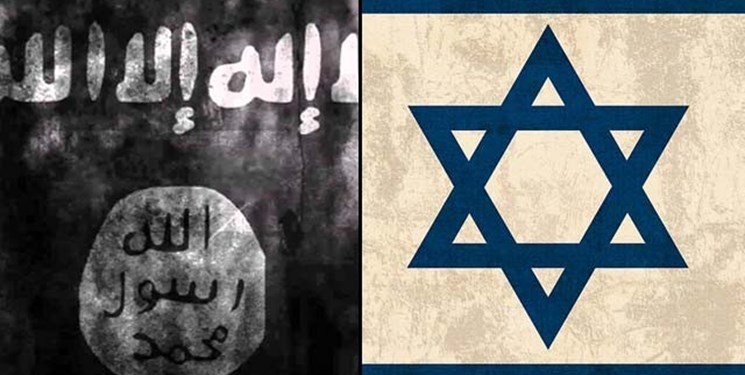
ISIS and the Zionist regime; Alignment in goals and strategies

ISIS and the Zionist regime; Alignment in goals and strategies

Strategic Council Online—Opinion: ISIS, which has been in a relatively long period of inactivity, has recovered and started “meaningful movements” in recent months, at the same time as the crimes against humanity and the genocide of the Zionist regime in Gaza.
Barsam Mohammadi—Expert of regional issues

NATO’s Ambiguous Mission in Iraq New Plan for Socio-Cultural Influence

NATO’s Ambiguous Mission in Iraq New Plan for Socio-Cultural Influence

Strategic Council Online – Interview: An international relations professor said that although NATO’s training mission for the Iraqi police forces is carried out in line with preventing ISIS from regaining power, in fact, NATO has decided to develop the scope of its mission in Iraq, noted: NATO, and the United States at its head, is looking for influence in the social body of Arab countries, especially Iraq, to advance its targets while shaping the intellectual formation and organizing the police body against the Resistance.

Analysis of Ahmad Massoud’s Trip to Russia

Analysis of Ahmad Massoud’s Trip to Russia

Strategic Council Online – Interview: A researcher on Afghanistan affairs, recalling that NATO and other Western countries also declared that they do not support the armed resistance in Afghanistan, said: Russia, in a situation in which it is worried about the activities of ISIS and extremist groups in Central Asia, is much more cautious than changing its attitude towards those groups by annoying the Taliban.

Future of the presence of US forces in Iraq

Future of the presence of US forces in Iraq

Strategic Council Online – Interview: An expert on West Asia affairs called the central message of the US defense secretary’s visit to Baghdad as the declaration of their desire to maintain the presence of their troops in Iraq and stressed: The United States still wants and insists that its forces remain in Iraq. Even though it declared policy, Iraq’s prime minister stated that Baghdad needed no presence of foreign troops, and this policy would only stay at the announcement level.

The continuation of the US military presence in Iraq and its consequences

The continuation of the US military presence in Iraq and its consequences

Strategic Council Online-Interview: An Iraqi affairs expert emphasized that the US wants to maintain a military presence in Iraq and the region, adding that the US presence has no consequences other than insecurity in the region and an impact on the independence of decision-making in the governments that host them.

The goals of the suspicious movements of the United States in Syria

The goals of the suspicious movements of the United States in Syria

Strategic Council Online—Opinion: In recent weeks, the “suspicious movements” of the US in Syria have spread. So that the movement of American political and intelligence officials to areas in the northeast of Syria, as well as the holding of meetings to exchange views with the opposition of the Damascus government outside of Syria, have increased.
Hamid Khoshayand-Regional affairs expert

China’s approach to the global fight against terrorism

China’s approach to the global fight against terrorism

Strategic Council Online—Interview: An expert on East Asian issues believes that China knows that after the realization of US conspiracies against independent, rival and critic countries such as Russia and Iran, Beijing will be the next target of these conspiracies, which will be pursued through any means, even the spread of insecurity and the growth of terrorism.

أحدث الوظائف

Realities of the Tripartite Makkah Pact

SCFR Online – Interview: The signing of the Makkah agreement between Saudi Arabia, Pakistan, and Turkey has raised questions about the future of the region’s security structure and the position of these countries in West Asian equations. Can this agreement become a genuine collective defense mechanism, or does it have more of a political and deterrent function than creating new military capacity?

Strategic Implications of the Reduction of US Weapons Stockpiles

SCFR Online – Opinion: The continuation of the US war against Iran, in addition to increasing operational costs, has called into question the actual capacity of the American arsenal to simultaneously fulfill security commitments on multiple fronts; an issue that affects deterrence, defense production capacity, and Washington’s resource prioritization.

The Formation of a New Order in Relations Between Powers

SCFR Online – Opinion: The Russia-Ukraine war and the war of the United States and the Israeli regime against Iran have been formed with different objectives and actors, but field and political developments indicate that they are not entirely separate from one another.

An Analysis of the Makkah Defense Pact

SCFR Online – Opinion: On Friday, August 7, the heads of state of three countries – Saudi Arabia, Turkey, and Pakistan – signed a text under the title “Makkah Joint Defense Agreement.”

Dimensions and challenges of the initiative to revive the Hejaz Railway

Strategic Council Online – Note: The initiative to revive the Hejaz Railway, beyond being a transportation project, constitutes an attempt to redefine geopolitics, the economy, and Turkey’s regional position; however, its realization appears to face significant financial, security, and institutional challenges.

Loading

ISIS

ISIS and the Zionist regime; Alignment in goals and strategies

ISIS and the Zionist regime; Alignment in goals and strategies

Strategic Council Online—Opinion: ISIS, which has been in a relatively long period of inactivity, has recovered and started “meaningful movements” in recent months, at the same time as the crimes against humanity and the genocide of the Zionist regime in Gaza.
Barsam Mohammadi—Expert of regional issues

NATO’s Ambiguous Mission in Iraq New Plan for Socio-Cultural Influence

NATO’s Ambiguous Mission in Iraq New Plan for Socio-Cultural Influence

Strategic Council Online – Interview: An international relations professor said that although NATO’s training mission for the Iraqi police forces is carried out in line with preventing ISIS from regaining power, in fact, NATO has decided to develop the scope of its mission in Iraq, noted: NATO, and the United States at its head, is looking for influence in the social body of Arab countries, especially Iraq, to advance its targets while shaping the intellectual formation and organizing the police body against the Resistance.

Analysis of Ahmad Massoud’s Trip to Russia

Analysis of Ahmad Massoud’s Trip to Russia

Strategic Council Online – Interview: A researcher on Afghanistan affairs, recalling that NATO and other Western countries also declared that they do not support the armed resistance in Afghanistan, said: Russia, in a situation in which it is worried about the activities of ISIS and extremist groups in Central Asia, is much more cautious than changing its attitude towards those groups by annoying the Taliban.

Future of the presence of US forces in Iraq

Future of the presence of US forces in Iraq

Strategic Council Online – Interview: An expert on West Asia affairs called the central message of the US defense secretary’s visit to Baghdad as the declaration of their desire to maintain the presence of their troops in Iraq and stressed: The United States still wants and insists that its forces remain in Iraq. Even though it declared policy, Iraq’s prime minister stated that Baghdad needed no presence of foreign troops, and this policy would only stay at the announcement level.

The continuation of the US military presence in Iraq and its consequences

The continuation of the US military presence in Iraq and its consequences

Strategic Council Online-Interview: An Iraqi affairs expert emphasized that the US wants to maintain a military presence in Iraq and the region, adding that the US presence has no consequences other than insecurity in the region and an impact on the independence of decision-making in the governments that host them.

The goals of the suspicious movements of the United States in Syria

The goals of the suspicious movements of the United States in Syria

Strategic Council Online—Opinion: In recent weeks, the “suspicious movements” of the US in Syria have spread. So that the movement of American political and intelligence officials to areas in the northeast of Syria, as well as the holding of meetings to exchange views with the opposition of the Damascus government outside of Syria, have increased.
Hamid Khoshayand-Regional affairs expert

China’s approach to the global fight against terrorism

China’s approach to the global fight against terrorism

Strategic Council Online—Interview: An expert on East Asian issues believes that China knows that after the realization of US conspiracies against independent, rival and critic countries such as Russia and Iran, Beijing will be the next target of these conspiracies, which will be pursued through any means, even the spread of insecurity and the growth of terrorism.

ISIS

ISIS and the Zionist regime; Alignment in goals and strategies

ISIS and the Zionist regime; Alignment in goals and strategies

Strategic Council Online—Opinion: ISIS, which has been in a relatively long period of inactivity, has recovered and started “meaningful movements” in recent months, at the same time as the crimes against humanity and the genocide of the Zionist regime in Gaza.
Barsam Mohammadi—Expert of regional issues

NATO’s Ambiguous Mission in Iraq New Plan for Socio-Cultural Influence

NATO’s Ambiguous Mission in Iraq New Plan for Socio-Cultural Influence

Strategic Council Online – Interview: An international relations professor said that although NATO’s training mission for the Iraqi police forces is carried out in line with preventing ISIS from regaining power, in fact, NATO has decided to develop the scope of its mission in Iraq, noted: NATO, and the United States at its head, is looking for influence in the social body of Arab countries, especially Iraq, to advance its targets while shaping the intellectual formation and organizing the police body against the Resistance.

Analysis of Ahmad Massoud’s Trip to Russia

Analysis of Ahmad Massoud’s Trip to Russia

Strategic Council Online – Interview: A researcher on Afghanistan affairs, recalling that NATO and other Western countries also declared that they do not support the armed resistance in Afghanistan, said: Russia, in a situation in which it is worried about the activities of ISIS and extremist groups in Central Asia, is much more cautious than changing its attitude towards those groups by annoying the Taliban.

Future of the presence of US forces in Iraq

Future of the presence of US forces in Iraq

Strategic Council Online – Interview: An expert on West Asia affairs called the central message of the US defense secretary’s visit to Baghdad as the declaration of their desire to maintain the presence of their troops in Iraq and stressed: The United States still wants and insists that its forces remain in Iraq. Even though it declared policy, Iraq’s prime minister stated that Baghdad needed no presence of foreign troops, and this policy would only stay at the announcement level.

The continuation of the US military presence in Iraq and its consequences

The continuation of the US military presence in Iraq and its consequences

Strategic Council Online-Interview: An Iraqi affairs expert emphasized that the US wants to maintain a military presence in Iraq and the region, adding that the US presence has no consequences other than insecurity in the region and an impact on the independence of decision-making in the governments that host them.

The goals of the suspicious movements of the United States in Syria

The goals of the suspicious movements of the United States in Syria

Strategic Council Online—Opinion: In recent weeks, the “suspicious movements” of the US in Syria have spread. So that the movement of American political and intelligence officials to areas in the northeast of Syria, as well as the holding of meetings to exchange views with the opposition of the Damascus government outside of Syria, have increased.
Hamid Khoshayand-Regional affairs expert

China’s approach to the global fight against terrorism

China’s approach to the global fight against terrorism

Strategic Council Online—Interview: An expert on East Asian issues believes that China knows that after the realization of US conspiracies against independent, rival and critic countries such as Russia and Iran, Beijing will be the next target of these conspiracies, which will be pursued through any means, even the spread of insecurity and the growth of terrorism.

LATEST CONTENT

Realities of the Tripartite Makkah Pact

SCFR Online – Interview: The signing of the Makkah agreement between Saudi Arabia, Pakistan, and Turkey has raised questions about the future of the region’s security structure and the position of these countries in West Asian equations. Can this agreement become a genuine collective defense mechanism, or does it have more of a political and deterrent function than creating new military capacity?

Strategic Implications of the Reduction of US Weapons Stockpiles

SCFR Online – Opinion: The continuation of the US war against Iran, in addition to increasing operational costs, has called into question the actual capacity of the American arsenal to simultaneously fulfill security commitments on multiple fronts; an issue that affects deterrence, defense production capacity, and Washington’s resource prioritization.

The Formation of a New Order in Relations Between Powers

SCFR Online – Opinion: The Russia-Ukraine war and the war of the United States and the Israeli regime against Iran have been formed with different objectives and actors, but field and political developments indicate that they are not entirely separate from one another.

An Analysis of the Makkah Defense Pact

SCFR Online – Opinion: On Friday, August 7, the heads of state of three countries – Saudi Arabia, Turkey, and Pakistan – signed a text under the title “Makkah Joint Defense Agreement.”

Dimensions and challenges of the initiative to revive the Hejaz Railway

Strategic Council Online – Note: The initiative to revive the Hejaz Railway, beyond being a transportation project, constitutes an attempt to redefine geopolitics, the economy, and Turkey’s regional position; however, its realization appears to face significant financial, security, and institutional challenges.

Loading

ISIS

ISIS and the Zionist regime; Alignment in goals and strategies

ISIS and the Zionist regime; Alignment in goals and strategies

Strategic Council Online—Opinion: ISIS, which has been in a relatively long period of inactivity, has recovered and started “meaningful movements” in recent months, at the same time as the crimes against humanity and the genocide of the Zionist regime in Gaza.
Barsam Mohammadi—Expert of regional issues

NATO’s Ambiguous Mission in Iraq New Plan for Socio-Cultural Influence

NATO’s Ambiguous Mission in Iraq New Plan for Socio-Cultural Influence

Strategic Council Online – Interview: An international relations professor said that although NATO’s training mission for the Iraqi police forces is carried out in line with preventing ISIS from regaining power, in fact, NATO has decided to develop the scope of its mission in Iraq, noted: NATO, and the United States at its head, is looking for influence in the social body of Arab countries, especially Iraq, to advance its targets while shaping the intellectual formation and organizing the police body against the Resistance.

Analysis of Ahmad Massoud’s Trip to Russia

Analysis of Ahmad Massoud’s Trip to Russia

Strategic Council Online – Interview: A researcher on Afghanistan affairs, recalling that NATO and other Western countries also declared that they do not support the armed resistance in Afghanistan, said: Russia, in a situation in which it is worried about the activities of ISIS and extremist groups in Central Asia, is much more cautious than changing its attitude towards those groups by annoying the Taliban.

Future of the presence of US forces in Iraq

Future of the presence of US forces in Iraq

Strategic Council Online – Interview: An expert on West Asia affairs called the central message of the US defense secretary’s visit to Baghdad as the declaration of their desire to maintain the presence of their troops in Iraq and stressed: The United States still wants and insists that its forces remain in Iraq. Even though it declared policy, Iraq’s prime minister stated that Baghdad needed no presence of foreign troops, and this policy would only stay at the announcement level.

The continuation of the US military presence in Iraq and its consequences

The continuation of the US military presence in Iraq and its consequences

Strategic Council Online-Interview: An Iraqi affairs expert emphasized that the US wants to maintain a military presence in Iraq and the region, adding that the US presence has no consequences other than insecurity in the region and an impact on the independence of decision-making in the governments that host them.

The goals of the suspicious movements of the United States in Syria

The goals of the suspicious movements of the United States in Syria

Strategic Council Online—Opinion: In recent weeks, the “suspicious movements” of the US in Syria have spread. So that the movement of American political and intelligence officials to areas in the northeast of Syria, as well as the holding of meetings to exchange views with the opposition of the Damascus government outside of Syria, have increased.
Hamid Khoshayand-Regional affairs expert

China’s approach to the global fight against terrorism

China’s approach to the global fight against terrorism

Strategic Council Online—Interview: An expert on East Asian issues believes that China knows that after the realization of US conspiracies against independent, rival and critic countries such as Russia and Iran, Beijing will be the next target of these conspiracies, which will be pursued through any means, even the spread of insecurity and the growth of terrorism.

ÚLTIMAS PUBLICACIONES

Realities of the Tripartite Makkah Pact

SCFR Online – Interview: The signing of the Makkah agreement between Saudi Arabia, Pakistan, and Turkey has raised questions about the future of the region’s security structure and the position of these countries in West Asian equations. Can this agreement become a genuine collective defense mechanism, or does it have more of a political and deterrent function than creating new military capacity?

Strategic Implications of the Reduction of US Weapons Stockpiles

SCFR Online – Opinion: The continuation of the US war against Iran, in addition to increasing operational costs, has called into question the actual capacity of the American arsenal to simultaneously fulfill security commitments on multiple fronts; an issue that affects deterrence, defense production capacity, and Washington’s resource prioritization.

The Formation of a New Order in Relations Between Powers

SCFR Online – Opinion: The Russia-Ukraine war and the war of the United States and the Israeli regime against Iran have been formed with different objectives and actors, but field and political developments indicate that they are not entirely separate from one another.

An Analysis of the Makkah Defense Pact

SCFR Online – Opinion: On Friday, August 7, the heads of state of three countries – Saudi Arabia, Turkey, and Pakistan – signed a text under the title “Makkah Joint Defense Agreement.”

Dimensions and challenges of the initiative to revive the Hejaz Railway

Strategic Council Online – Note: The initiative to revive the Hejaz Railway, beyond being a transportation project, constitutes an attempt to redefine geopolitics, the economy, and Turkey’s regional position; however, its realization appears to face significant financial, security, and institutional challenges.

Loading

ISIS

ISIS and the Zionist regime; Alignment in goals and strategies

ISIS and the Zionist regime; Alignment in goals and strategies

Strategic Council Online—Opinion: ISIS, which has been in a relatively long period of inactivity, has recovered and started “meaningful movements” in recent months, at the same time as the crimes against humanity and the genocide of the Zionist regime in Gaza.
Barsam Mohammadi—Expert of regional issues

NATO’s Ambiguous Mission in Iraq New Plan for Socio-Cultural Influence

NATO’s Ambiguous Mission in Iraq New Plan for Socio-Cultural Influence

Strategic Council Online – Interview: An international relations professor said that although NATO’s training mission for the Iraqi police forces is carried out in line with preventing ISIS from regaining power, in fact, NATO has decided to develop the scope of its mission in Iraq, noted: NATO, and the United States at its head, is looking for influence in the social body of Arab countries, especially Iraq, to advance its targets while shaping the intellectual formation and organizing the police body against the Resistance.

Analysis of Ahmad Massoud’s Trip to Russia

Analysis of Ahmad Massoud’s Trip to Russia

Strategic Council Online – Interview: A researcher on Afghanistan affairs, recalling that NATO and other Western countries also declared that they do not support the armed resistance in Afghanistan, said: Russia, in a situation in which it is worried about the activities of ISIS and extremist groups in Central Asia, is much more cautious than changing its attitude towards those groups by annoying the Taliban.

Future of the presence of US forces in Iraq

Future of the presence of US forces in Iraq

Strategic Council Online – Interview: An expert on West Asia affairs called the central message of the US defense secretary’s visit to Baghdad as the declaration of their desire to maintain the presence of their troops in Iraq and stressed: The United States still wants and insists that its forces remain in Iraq. Even though it declared policy, Iraq’s prime minister stated that Baghdad needed no presence of foreign troops, and this policy would only stay at the announcement level.

The continuation of the US military presence in Iraq and its consequences

The continuation of the US military presence in Iraq and its consequences

Strategic Council Online-Interview: An Iraqi affairs expert emphasized that the US wants to maintain a military presence in Iraq and the region, adding that the US presence has no consequences other than insecurity in the region and an impact on the independence of decision-making in the governments that host them.

The goals of the suspicious movements of the United States in Syria

The goals of the suspicious movements of the United States in Syria

Strategic Council Online—Opinion: In recent weeks, the “suspicious movements” of the US in Syria have spread. So that the movement of American political and intelligence officials to areas in the northeast of Syria, as well as the holding of meetings to exchange views with the opposition of the Damascus government outside of Syria, have increased.
Hamid Khoshayand-Regional affairs expert

China’s approach to the global fight against terrorism

China’s approach to the global fight against terrorism

Strategic Council Online—Interview: An expert on East Asian issues believes that China knows that after the realization of US conspiracies against independent, rival and critic countries such as Russia and Iran, Beijing will be the next target of these conspiracies, which will be pursued through any means, even the spread of insecurity and the growth of terrorism.

ÚLTIMAS PUBLICACIONES

Realities of the Tripartite Makkah Pact

SCFR Online – Interview: The signing of the Makkah agreement between Saudi Arabia, Pakistan, and Turkey has raised questions about the future of the region’s security structure and the position of these countries in West Asian equations. Can this agreement become a genuine collective defense mechanism, or does it have more of a political and deterrent function than creating new military capacity?

Strategic Implications of the Reduction of US Weapons Stockpiles

SCFR Online – Opinion: The continuation of the US war against Iran, in addition to increasing operational costs, has called into question the actual capacity of the American arsenal to simultaneously fulfill security commitments on multiple fronts; an issue that affects deterrence, defense production capacity, and Washington’s resource prioritization.

The Formation of a New Order in Relations Between Powers

SCFR Online – Opinion: The Russia-Ukraine war and the war of the United States and the Israeli regime against Iran have been formed with different objectives and actors, but field and political developments indicate that they are not entirely separate from one another.

An Analysis of the Makkah Defense Pact

SCFR Online – Opinion: On Friday, August 7, the heads of state of three countries – Saudi Arabia, Turkey, and Pakistan – signed a text under the title “Makkah Joint Defense Agreement.”

Dimensions and challenges of the initiative to revive the Hejaz Railway

Strategic Council Online – Note: The initiative to revive the Hejaz Railway, beyond being a transportation project, constitutes an attempt to redefine geopolitics, the economy, and Turkey’s regional position; however, its realization appears to face significant financial, security, and institutional challenges.

Loading

ISIS

ISIS and the Zionist regime; Alignment in goals and strategies

ISIS and the Zionist regime; Alignment in goals and strategies

Strategic Council Online—Opinion: ISIS, which has been in a relatively long period of inactivity, has recovered and started “meaningful movements” in recent months, at the same time as the crimes against humanity and the genocide of the Zionist regime in Gaza.
Barsam Mohammadi—Expert of regional issues

NATO’s Ambiguous Mission in Iraq New Plan for Socio-Cultural Influence

NATO’s Ambiguous Mission in Iraq New Plan for Socio-Cultural Influence

Strategic Council Online – Interview: An international relations professor said that although NATO’s training mission for the Iraqi police forces is carried out in line with preventing ISIS from regaining power, in fact, NATO has decided to develop the scope of its mission in Iraq, noted: NATO, and the United States at its head, is looking for influence in the social body of Arab countries, especially Iraq, to advance its targets while shaping the intellectual formation and organizing the police body against the Resistance.

Analysis of Ahmad Massoud’s Trip to Russia

Analysis of Ahmad Massoud’s Trip to Russia

Strategic Council Online – Interview: A researcher on Afghanistan affairs, recalling that NATO and other Western countries also declared that they do not support the armed resistance in Afghanistan, said: Russia, in a situation in which it is worried about the activities of ISIS and extremist groups in Central Asia, is much more cautious than changing its attitude towards those groups by annoying the Taliban.

Future of the presence of US forces in Iraq

Future of the presence of US forces in Iraq

Strategic Council Online – Interview: An expert on West Asia affairs called the central message of the US defense secretary’s visit to Baghdad as the declaration of their desire to maintain the presence of their troops in Iraq and stressed: The United States still wants and insists that its forces remain in Iraq. Even though it declared policy, Iraq’s prime minister stated that Baghdad needed no presence of foreign troops, and this policy would only stay at the announcement level.

The continuation of the US military presence in Iraq and its consequences

The continuation of the US military presence in Iraq and its consequences

Strategic Council Online-Interview: An Iraqi affairs expert emphasized that the US wants to maintain a military presence in Iraq and the region, adding that the US presence has no consequences other than insecurity in the region and an impact on the independence of decision-making in the governments that host them.

The goals of the suspicious movements of the United States in Syria

The goals of the suspicious movements of the United States in Syria

Strategic Council Online—Opinion: In recent weeks, the “suspicious movements” of the US in Syria have spread. So that the movement of American political and intelligence officials to areas in the northeast of Syria, as well as the holding of meetings to exchange views with the opposition of the Damascus government outside of Syria, have increased.
Hamid Khoshayand-Regional affairs expert

China’s approach to the global fight against terrorism

China’s approach to the global fight against terrorism

Strategic Council Online—Interview: An expert on East Asian issues believes that China knows that after the realization of US conspiracies against independent, rival and critic countries such as Russia and Iran, Beijing will be the next target of these conspiracies, which will be pursued through any means, even the spread of insecurity and the growth of terrorism.

ÚLTIMAS PUBLICACIONES

Realities of the Tripartite Makkah Pact

SCFR Online – Interview: The signing of the Makkah agreement between Saudi Arabia, Pakistan, and Turkey has raised questions about the future of the region’s security structure and the position of these countries in West Asian equations. Can this agreement become a genuine collective defense mechanism, or does it have more of a political and deterrent function than creating new military capacity?

Strategic Implications of the Reduction of US Weapons Stockpiles

SCFR Online – Opinion: The continuation of the US war against Iran, in addition to increasing operational costs, has called into question the actual capacity of the American arsenal to simultaneously fulfill security commitments on multiple fronts; an issue that affects deterrence, defense production capacity, and Washington’s resource prioritization.

The Formation of a New Order in Relations Between Powers

SCFR Online – Opinion: The Russia-Ukraine war and the war of the United States and the Israeli regime against Iran have been formed with different objectives and actors, but field and political developments indicate that they are not entirely separate from one another.

An Analysis of the Makkah Defense Pact

SCFR Online – Opinion: On Friday, August 7, the heads of state of three countries – Saudi Arabia, Turkey, and Pakistan – signed a text under the title “Makkah Joint Defense Agreement.”

Dimensions and challenges of the initiative to revive the Hejaz Railway

Strategic Council Online – Note: The initiative to revive the Hejaz Railway, beyond being a transportation project, constitutes an attempt to redefine geopolitics, the economy, and Turkey’s regional position; however, its realization appears to face significant financial, security, and institutional challenges.

Loading

ISIS

ISIS and the Zionist regime; Alignment in goals and strategies

ISIS and the Zionist regime; Alignment in goals and strategies

Strategic Council Online—Opinion: ISIS, which has been in a relatively long period of inactivity, has recovered and started “meaningful movements” in recent months, at the same time as the crimes against humanity and the genocide of the Zionist regime in Gaza.
Barsam Mohammadi—Expert of regional issues

NATO’s Ambiguous Mission in Iraq New Plan for Socio-Cultural Influence

NATO’s Ambiguous Mission in Iraq New Plan for Socio-Cultural Influence

Strategic Council Online – Interview: An international relations professor said that although NATO’s training mission for the Iraqi police forces is carried out in line with preventing ISIS from regaining power, in fact, NATO has decided to develop the scope of its mission in Iraq, noted: NATO, and the United States at its head, is looking for influence in the social body of Arab countries, especially Iraq, to advance its targets while shaping the intellectual formation and organizing the police body against the Resistance.

Analysis of Ahmad Massoud’s Trip to Russia

Analysis of Ahmad Massoud’s Trip to Russia

Strategic Council Online – Interview: A researcher on Afghanistan affairs, recalling that NATO and other Western countries also declared that they do not support the armed resistance in Afghanistan, said: Russia, in a situation in which it is worried about the activities of ISIS and extremist groups in Central Asia, is much more cautious than changing its attitude towards those groups by annoying the Taliban.

Future of the presence of US forces in Iraq

Future of the presence of US forces in Iraq

Strategic Council Online – Interview: An expert on West Asia affairs called the central message of the US defense secretary’s visit to Baghdad as the declaration of their desire to maintain the presence of their troops in Iraq and stressed: The United States still wants and insists that its forces remain in Iraq. Even though it declared policy, Iraq’s prime minister stated that Baghdad needed no presence of foreign troops, and this policy would only stay at the announcement level.

The continuation of the US military presence in Iraq and its consequences

The continuation of the US military presence in Iraq and its consequences

Strategic Council Online-Interview: An Iraqi affairs expert emphasized that the US wants to maintain a military presence in Iraq and the region, adding that the US presence has no consequences other than insecurity in the region and an impact on the independence of decision-making in the governments that host them.

The goals of the suspicious movements of the United States in Syria

The goals of the suspicious movements of the United States in Syria

Strategic Council Online—Opinion: In recent weeks, the “suspicious movements” of the US in Syria have spread. So that the movement of American political and intelligence officials to areas in the northeast of Syria, as well as the holding of meetings to exchange views with the opposition of the Damascus government outside of Syria, have increased.
Hamid Khoshayand-Regional affairs expert

China’s approach to the global fight against terrorism

China’s approach to the global fight against terrorism

Strategic Council Online—Interview: An expert on East Asian issues believes that China knows that after the realization of US conspiracies against independent, rival and critic countries such as Russia and Iran, Beijing will be the next target of these conspiracies, which will be pursued through any means, even the spread of insecurity and the growth of terrorism.

ÚLTIMAS PUBLICACIONES

Realities of the Tripartite Makkah Pact

SCFR Online – Interview: The signing of the Makkah agreement between Saudi Arabia, Pakistan, and Turkey has raised questions about the future of the region’s security structure and the position of these countries in West Asian equations. Can this agreement become a genuine collective defense mechanism, or does it have more of a political and deterrent function than creating new military capacity?

Strategic Implications of the Reduction of US Weapons Stockpiles

SCFR Online – Opinion: The continuation of the US war against Iran, in addition to increasing operational costs, has called into question the actual capacity of the American arsenal to simultaneously fulfill security commitments on multiple fronts; an issue that affects deterrence, defense production capacity, and Washington’s resource prioritization.

The Formation of a New Order in Relations Between Powers

SCFR Online – Opinion: The Russia-Ukraine war and the war of the United States and the Israeli regime against Iran have been formed with different objectives and actors, but field and political developments indicate that they are not entirely separate from one another.

An Analysis of the Makkah Defense Pact

SCFR Online – Opinion: On Friday, August 7, the heads of state of three countries – Saudi Arabia, Turkey, and Pakistan – signed a text under the title “Makkah Joint Defense Agreement.”

Dimensions and challenges of the initiative to revive the Hejaz Railway

Strategic Council Online – Note: The initiative to revive the Hejaz Railway, beyond being a transportation project, constitutes an attempt to redefine geopolitics, the economy, and Turkey’s regional position; however, its realization appears to face significant financial, security, and institutional challenges.

Loading