جدیدترین مطالب

The Makkah Pact; Reasons for its Formation and Challenges Ahead

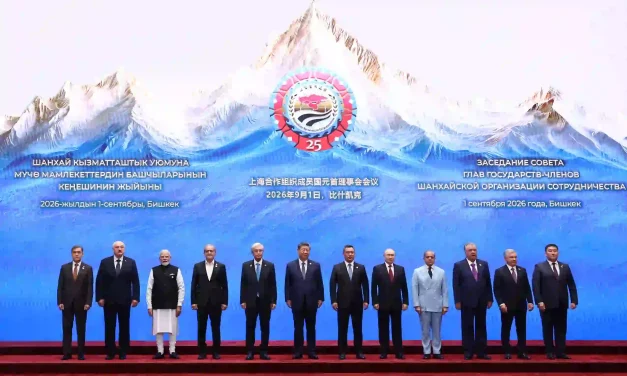
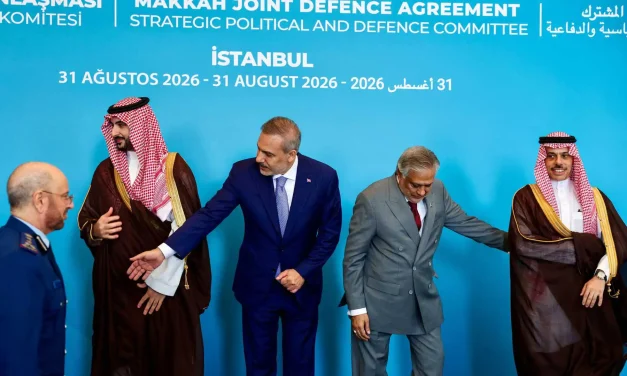
SCFR Online – Opinion: The Makkah Pact, signed between Saudi Arabia, Pakistan, and Turkey under the motto “an attack on one is an attack on all,” is viewed by some analysts less as a full-fledged military coalition and more as an attempt to reduce security dependence on an external power and to establish a regional security mechanism.

Implications of the US-Saudi Nuclear Agreement

SCFR Online – Opinion: The new US-Saudi nuclear agreement, despite legal and political ambiguities, could alter previous non-proliferation standards in West Asia and intensify nuclear competition, ushering it into a new phase.

An Analysis of Recent Turkey-Israeli Regime Tensions

SCFR Online – Opinion: Recent developments in Syria indicate an intensification of strategic rivalry between Turkey and the Israeli regime, but mutual considerations and the role of the United States have limited the likelihood of direct war.

Increasing criticism of the extensive Zionist lobby network

SCFR Online – Opinion: An examination of the mechanisms of the Israeli regime’s influence in the United States depicts a complex picture of shared interests, strategic dependencies, and the limitations of this relationship.

Realities of the Tripartite Makkah Pact

SCFR Online – Interview: The signing of the Makkah agreement between Saudi Arabia, Pakistan, and Turkey has raised questions about the future of the region’s security structure and the position of these countries in West Asian equations. Can this agreement become a genuine collective defense mechanism, or does it have more of a political and deterrent function than creating new military capacity?

Loading

ISIS

Internal Unrest, Potential for Major Socio-Political Developments in Saudi Arabia

Internal Unrest, Potential for Major Socio-Political Developments in Saudi Arabia

Strategic Council Online – An analyst of West Asia affairs said that Saudi Arabia is the cradle of ISIS line of thinking and that Mohammed bin Salman’s approach to social reform is contradictory, adding: There is potentials for great socio-political changes in Saudi Arabia, but they have forcefully prevented this by spending huge money and through false propaganda.

Winners and losers of the Yemen war in figures

Winners and losers of the Yemen war in figures

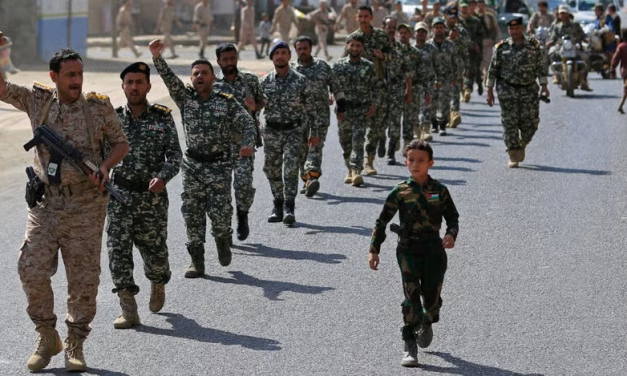
Strategic Council Online—Opinion: When the Saudi court started the invasion of Yemen and attacked this territory from the land, air, and sea with the hope of capturing it in several days and destroy Ansarallah, the Saudis and their regional and international allies could not have even imagined that this war, despite the huge damages on Yemen, would not end in the overthrow of the Ansarallah and the occupation of Yemen and the establishment of a Saudi-allied regime, but would turn into a turning point for the mighty display of the power of the Islamic resistance and the shameful failure of the Saudi regime.
Hamid Khoshayand—international issues analyst

The new US government’s view of the American military presence in Afghanistan

The new US government’s view of the American military presence in Afghanistan

Strategic Council Online—Interview: An expert of Afghanistan affairs says it seems the Americans had reached an agreement with the Taliban to limit their military presence in Afghanistan, adding that the United States would prolong its military presence in Afghanistan not to lose it to its rivals like in Iraq.

Importance of and Reason for Iran’s Interaction with Taliban

Importance of and Reason for Iran’s Interaction with Taliban

Strategic Council Online – Although for a long time, governments were the most important and only players in international politics and power was the first and most important determinant of international equations, in recent decades and with the emergence of non-governmental players, we have been witness to their role-playing.
Hamid Khoshayand – Expert on International Affairs

Strategic Importance of Iran’s Stabilizing Presence in the Region

Strategic Importance of Iran’s Stabilizing Presence in the Region

Strategic Council Online – Iran’s presence and influence in the region, which is a constructive and stabilizing one that eliminates insecurity and panic, is one of the main red lines in compliance with safeguarding the strategic interests of the Islamic Republic of Iran.
Hamid Khoshayand – Analyst of international affairs

ISIS Survivors in Iraq; a Tool for Foreign Players

ISIS Survivors in Iraq; a Tool for Foreign Players

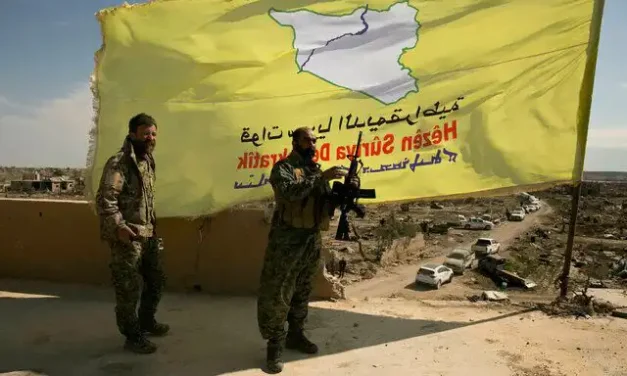
Strategic Council Online – A university professor said that ISIS survivors are part of the leverage of foreign powers to advance their foreign policy towards Iraq, adding: This view is especially true about the United States, which is under the pressure of the resistance groups to withdraw troops following a decision by the Iraqi parliament.

Legacy of Martyr Soleimani; Axis of Resistance, New Political-Security Structure & Special & Lasting Military Command

Legacy of Martyr Soleimani; Axis of Resistance, New Political-Security Structure & Special & Lasting Military Command

Strategic Council Online – Special Assistant to the IRI Parliament Speaker for International Affairs, stating that General Soleimani was able to launch new political-security arrangements in the region called “Axis of Resistance”, noted: “Using the capacity of diplomacy and personal power in negotiations with all foreign parties, has left another unique policy in the field of negotiations from General Soleimani.”

أحدث الوظائف

The Makkah Pact; Reasons for its Formation and Challenges Ahead

SCFR Online – Opinion: The Makkah Pact, signed between Saudi Arabia, Pakistan, and Turkey under the motto “an attack on one is an attack on all,” is viewed by some analysts less as a full-fledged military coalition and more as an attempt to reduce security dependence on an external power and to establish a regional security mechanism.

Implications of the US-Saudi Nuclear Agreement

SCFR Online – Opinion: The new US-Saudi nuclear agreement, despite legal and political ambiguities, could alter previous non-proliferation standards in West Asia and intensify nuclear competition, ushering it into a new phase.

An Analysis of Recent Turkey-Israeli Regime Tensions

SCFR Online – Opinion: Recent developments in Syria indicate an intensification of strategic rivalry between Turkey and the Israeli regime, but mutual considerations and the role of the United States have limited the likelihood of direct war.

Increasing criticism of the extensive Zionist lobby network

SCFR Online – Opinion: An examination of the mechanisms of the Israeli regime’s influence in the United States depicts a complex picture of shared interests, strategic dependencies, and the limitations of this relationship.

Realities of the Tripartite Makkah Pact

SCFR Online – Interview: The signing of the Makkah agreement between Saudi Arabia, Pakistan, and Turkey has raised questions about the future of the region’s security structure and the position of these countries in West Asian equations. Can this agreement become a genuine collective defense mechanism, or does it have more of a political and deterrent function than creating new military capacity?

Loading

ISIS

Internal Unrest, Potential for Major Socio-Political Developments in Saudi Arabia

Internal Unrest, Potential for Major Socio-Political Developments in Saudi Arabia

Strategic Council Online – An analyst of West Asia affairs said that Saudi Arabia is the cradle of ISIS line of thinking and that Mohammed bin Salman’s approach to social reform is contradictory, adding: There is potentials for great socio-political changes in Saudi Arabia, but they have forcefully prevented this by spending huge money and through false propaganda.

Winners and losers of the Yemen war in figures

Winners and losers of the Yemen war in figures

Strategic Council Online—Opinion: When the Saudi court started the invasion of Yemen and attacked this territory from the land, air, and sea with the hope of capturing it in several days and destroy Ansarallah, the Saudis and their regional and international allies could not have even imagined that this war, despite the huge damages on Yemen, would not end in the overthrow of the Ansarallah and the occupation of Yemen and the establishment of a Saudi-allied regime, but would turn into a turning point for the mighty display of the power of the Islamic resistance and the shameful failure of the Saudi regime.
Hamid Khoshayand—international issues analyst

The new US government’s view of the American military presence in Afghanistan

The new US government’s view of the American military presence in Afghanistan

Strategic Council Online—Interview: An expert of Afghanistan affairs says it seems the Americans had reached an agreement with the Taliban to limit their military presence in Afghanistan, adding that the United States would prolong its military presence in Afghanistan not to lose it to its rivals like in Iraq.

Importance of and Reason for Iran’s Interaction with Taliban

Importance of and Reason for Iran’s Interaction with Taliban

Strategic Council Online – Although for a long time, governments were the most important and only players in international politics and power was the first and most important determinant of international equations, in recent decades and with the emergence of non-governmental players, we have been witness to their role-playing.
Hamid Khoshayand – Expert on International Affairs

Strategic Importance of Iran’s Stabilizing Presence in the Region

Strategic Importance of Iran’s Stabilizing Presence in the Region

Strategic Council Online – Iran’s presence and influence in the region, which is a constructive and stabilizing one that eliminates insecurity and panic, is one of the main red lines in compliance with safeguarding the strategic interests of the Islamic Republic of Iran.
Hamid Khoshayand – Analyst of international affairs

ISIS Survivors in Iraq; a Tool for Foreign Players

ISIS Survivors in Iraq; a Tool for Foreign Players

Strategic Council Online – A university professor said that ISIS survivors are part of the leverage of foreign powers to advance their foreign policy towards Iraq, adding: This view is especially true about the United States, which is under the pressure of the resistance groups to withdraw troops following a decision by the Iraqi parliament.

Legacy of Martyr Soleimani; Axis of Resistance, New Political-Security Structure & Special & Lasting Military Command

Legacy of Martyr Soleimani; Axis of Resistance, New Political-Security Structure & Special & Lasting Military Command

Strategic Council Online – Special Assistant to the IRI Parliament Speaker for International Affairs, stating that General Soleimani was able to launch new political-security arrangements in the region called “Axis of Resistance”, noted: “Using the capacity of diplomacy and personal power in negotiations with all foreign parties, has left another unique policy in the field of negotiations from General Soleimani.”

ISIS

Internal Unrest, Potential for Major Socio-Political Developments in Saudi Arabia

Internal Unrest, Potential for Major Socio-Political Developments in Saudi Arabia

Strategic Council Online – An analyst of West Asia affairs said that Saudi Arabia is the cradle of ISIS line of thinking and that Mohammed bin Salman’s approach to social reform is contradictory, adding: There is potentials for great socio-political changes in Saudi Arabia, but they have forcefully prevented this by spending huge money and through false propaganda.

Winners and losers of the Yemen war in figures

Winners and losers of the Yemen war in figures

Strategic Council Online—Opinion: When the Saudi court started the invasion of Yemen and attacked this territory from the land, air, and sea with the hope of capturing it in several days and destroy Ansarallah, the Saudis and their regional and international allies could not have even imagined that this war, despite the huge damages on Yemen, would not end in the overthrow of the Ansarallah and the occupation of Yemen and the establishment of a Saudi-allied regime, but would turn into a turning point for the mighty display of the power of the Islamic resistance and the shameful failure of the Saudi regime.
Hamid Khoshayand—international issues analyst

The new US government’s view of the American military presence in Afghanistan

The new US government’s view of the American military presence in Afghanistan

Strategic Council Online—Interview: An expert of Afghanistan affairs says it seems the Americans had reached an agreement with the Taliban to limit their military presence in Afghanistan, adding that the United States would prolong its military presence in Afghanistan not to lose it to its rivals like in Iraq.

Importance of and Reason for Iran’s Interaction with Taliban

Importance of and Reason for Iran’s Interaction with Taliban

Strategic Council Online – Although for a long time, governments were the most important and only players in international politics and power was the first and most important determinant of international equations, in recent decades and with the emergence of non-governmental players, we have been witness to their role-playing.
Hamid Khoshayand – Expert on International Affairs

Strategic Importance of Iran’s Stabilizing Presence in the Region

Strategic Importance of Iran’s Stabilizing Presence in the Region

Strategic Council Online – Iran’s presence and influence in the region, which is a constructive and stabilizing one that eliminates insecurity and panic, is one of the main red lines in compliance with safeguarding the strategic interests of the Islamic Republic of Iran.
Hamid Khoshayand – Analyst of international affairs

ISIS Survivors in Iraq; a Tool for Foreign Players

ISIS Survivors in Iraq; a Tool for Foreign Players

Strategic Council Online – A university professor said that ISIS survivors are part of the leverage of foreign powers to advance their foreign policy towards Iraq, adding: This view is especially true about the United States, which is under the pressure of the resistance groups to withdraw troops following a decision by the Iraqi parliament.

Legacy of Martyr Soleimani; Axis of Resistance, New Political-Security Structure & Special & Lasting Military Command

Legacy of Martyr Soleimani; Axis of Resistance, New Political-Security Structure & Special & Lasting Military Command

Strategic Council Online – Special Assistant to the IRI Parliament Speaker for International Affairs, stating that General Soleimani was able to launch new political-security arrangements in the region called “Axis of Resistance”, noted: “Using the capacity of diplomacy and personal power in negotiations with all foreign parties, has left another unique policy in the field of negotiations from General Soleimani.”

LATEST CONTENT

The Makkah Pact; Reasons for its Formation and Challenges Ahead

SCFR Online – Opinion: The Makkah Pact, signed between Saudi Arabia, Pakistan, and Turkey under the motto “an attack on one is an attack on all,” is viewed by some analysts less as a full-fledged military coalition and more as an attempt to reduce security dependence on an external power and to establish a regional security mechanism.

Implications of the US-Saudi Nuclear Agreement

SCFR Online – Opinion: The new US-Saudi nuclear agreement, despite legal and political ambiguities, could alter previous non-proliferation standards in West Asia and intensify nuclear competition, ushering it into a new phase.

An Analysis of Recent Turkey-Israeli Regime Tensions

SCFR Online – Opinion: Recent developments in Syria indicate an intensification of strategic rivalry between Turkey and the Israeli regime, but mutual considerations and the role of the United States have limited the likelihood of direct war.

Increasing criticism of the extensive Zionist lobby network

SCFR Online – Opinion: An examination of the mechanisms of the Israeli regime’s influence in the United States depicts a complex picture of shared interests, strategic dependencies, and the limitations of this relationship.

Realities of the Tripartite Makkah Pact

SCFR Online – Interview: The signing of the Makkah agreement between Saudi Arabia, Pakistan, and Turkey has raised questions about the future of the region’s security structure and the position of these countries in West Asian equations. Can this agreement become a genuine collective defense mechanism, or does it have more of a political and deterrent function than creating new military capacity?

Loading

ISIS

Internal Unrest, Potential for Major Socio-Political Developments in Saudi Arabia

Internal Unrest, Potential for Major Socio-Political Developments in Saudi Arabia

Strategic Council Online – An analyst of West Asia affairs said that Saudi Arabia is the cradle of ISIS line of thinking and that Mohammed bin Salman’s approach to social reform is contradictory, adding: There is potentials for great socio-political changes in Saudi Arabia, but they have forcefully prevented this by spending huge money and through false propaganda.

Winners and losers of the Yemen war in figures

Winners and losers of the Yemen war in figures

Strategic Council Online—Opinion: When the Saudi court started the invasion of Yemen and attacked this territory from the land, air, and sea with the hope of capturing it in several days and destroy Ansarallah, the Saudis and their regional and international allies could not have even imagined that this war, despite the huge damages on Yemen, would not end in the overthrow of the Ansarallah and the occupation of Yemen and the establishment of a Saudi-allied regime, but would turn into a turning point for the mighty display of the power of the Islamic resistance and the shameful failure of the Saudi regime.
Hamid Khoshayand—international issues analyst

The new US government’s view of the American military presence in Afghanistan

The new US government’s view of the American military presence in Afghanistan

Strategic Council Online—Interview: An expert of Afghanistan affairs says it seems the Americans had reached an agreement with the Taliban to limit their military presence in Afghanistan, adding that the United States would prolong its military presence in Afghanistan not to lose it to its rivals like in Iraq.

Importance of and Reason for Iran’s Interaction with Taliban

Importance of and Reason for Iran’s Interaction with Taliban

Strategic Council Online – Although for a long time, governments were the most important and only players in international politics and power was the first and most important determinant of international equations, in recent decades and with the emergence of non-governmental players, we have been witness to their role-playing.
Hamid Khoshayand – Expert on International Affairs

Strategic Importance of Iran’s Stabilizing Presence in the Region

Strategic Importance of Iran’s Stabilizing Presence in the Region

Strategic Council Online – Iran’s presence and influence in the region, which is a constructive and stabilizing one that eliminates insecurity and panic, is one of the main red lines in compliance with safeguarding the strategic interests of the Islamic Republic of Iran.
Hamid Khoshayand – Analyst of international affairs

ISIS Survivors in Iraq; a Tool for Foreign Players

ISIS Survivors in Iraq; a Tool for Foreign Players

Strategic Council Online – A university professor said that ISIS survivors are part of the leverage of foreign powers to advance their foreign policy towards Iraq, adding: This view is especially true about the United States, which is under the pressure of the resistance groups to withdraw troops following a decision by the Iraqi parliament.

Legacy of Martyr Soleimani; Axis of Resistance, New Political-Security Structure & Special & Lasting Military Command

Legacy of Martyr Soleimani; Axis of Resistance, New Political-Security Structure & Special & Lasting Military Command

Strategic Council Online – Special Assistant to the IRI Parliament Speaker for International Affairs, stating that General Soleimani was able to launch new political-security arrangements in the region called “Axis of Resistance”, noted: “Using the capacity of diplomacy and personal power in negotiations with all foreign parties, has left another unique policy in the field of negotiations from General Soleimani.”

ÚLTIMAS PUBLICACIONES

The Makkah Pact; Reasons for its Formation and Challenges Ahead

SCFR Online – Opinion: The Makkah Pact, signed between Saudi Arabia, Pakistan, and Turkey under the motto “an attack on one is an attack on all,” is viewed by some analysts less as a full-fledged military coalition and more as an attempt to reduce security dependence on an external power and to establish a regional security mechanism.

Implications of the US-Saudi Nuclear Agreement

SCFR Online – Opinion: The new US-Saudi nuclear agreement, despite legal and political ambiguities, could alter previous non-proliferation standards in West Asia and intensify nuclear competition, ushering it into a new phase.

An Analysis of Recent Turkey-Israeli Regime Tensions

SCFR Online – Opinion: Recent developments in Syria indicate an intensification of strategic rivalry between Turkey and the Israeli regime, but mutual considerations and the role of the United States have limited the likelihood of direct war.

Increasing criticism of the extensive Zionist lobby network

SCFR Online – Opinion: An examination of the mechanisms of the Israeli regime’s influence in the United States depicts a complex picture of shared interests, strategic dependencies, and the limitations of this relationship.

Realities of the Tripartite Makkah Pact

SCFR Online – Interview: The signing of the Makkah agreement between Saudi Arabia, Pakistan, and Turkey has raised questions about the future of the region’s security structure and the position of these countries in West Asian equations. Can this agreement become a genuine collective defense mechanism, or does it have more of a political and deterrent function than creating new military capacity?

Loading

ISIS

Internal Unrest, Potential for Major Socio-Political Developments in Saudi Arabia

Internal Unrest, Potential for Major Socio-Political Developments in Saudi Arabia

Strategic Council Online – An analyst of West Asia affairs said that Saudi Arabia is the cradle of ISIS line of thinking and that Mohammed bin Salman’s approach to social reform is contradictory, adding: There is potentials for great socio-political changes in Saudi Arabia, but they have forcefully prevented this by spending huge money and through false propaganda.

Winners and losers of the Yemen war in figures

Winners and losers of the Yemen war in figures

Strategic Council Online—Opinion: When the Saudi court started the invasion of Yemen and attacked this territory from the land, air, and sea with the hope of capturing it in several days and destroy Ansarallah, the Saudis and their regional and international allies could not have even imagined that this war, despite the huge damages on Yemen, would not end in the overthrow of the Ansarallah and the occupation of Yemen and the establishment of a Saudi-allied regime, but would turn into a turning point for the mighty display of the power of the Islamic resistance and the shameful failure of the Saudi regime.
Hamid Khoshayand—international issues analyst

The new US government’s view of the American military presence in Afghanistan

The new US government’s view of the American military presence in Afghanistan

Strategic Council Online—Interview: An expert of Afghanistan affairs says it seems the Americans had reached an agreement with the Taliban to limit their military presence in Afghanistan, adding that the United States would prolong its military presence in Afghanistan not to lose it to its rivals like in Iraq.

Importance of and Reason for Iran’s Interaction with Taliban

Importance of and Reason for Iran’s Interaction with Taliban

Strategic Council Online – Although for a long time, governments were the most important and only players in international politics and power was the first and most important determinant of international equations, in recent decades and with the emergence of non-governmental players, we have been witness to their role-playing.
Hamid Khoshayand – Expert on International Affairs

Strategic Importance of Iran’s Stabilizing Presence in the Region

Strategic Importance of Iran’s Stabilizing Presence in the Region

Strategic Council Online – Iran’s presence and influence in the region, which is a constructive and stabilizing one that eliminates insecurity and panic, is one of the main red lines in compliance with safeguarding the strategic interests of the Islamic Republic of Iran.
Hamid Khoshayand – Analyst of international affairs

ISIS Survivors in Iraq; a Tool for Foreign Players

ISIS Survivors in Iraq; a Tool for Foreign Players

Strategic Council Online – A university professor said that ISIS survivors are part of the leverage of foreign powers to advance their foreign policy towards Iraq, adding: This view is especially true about the United States, which is under the pressure of the resistance groups to withdraw troops following a decision by the Iraqi parliament.

Legacy of Martyr Soleimani; Axis of Resistance, New Political-Security Structure & Special & Lasting Military Command

Legacy of Martyr Soleimani; Axis of Resistance, New Political-Security Structure & Special & Lasting Military Command

Strategic Council Online – Special Assistant to the IRI Parliament Speaker for International Affairs, stating that General Soleimani was able to launch new political-security arrangements in the region called “Axis of Resistance”, noted: “Using the capacity of diplomacy and personal power in negotiations with all foreign parties, has left another unique policy in the field of negotiations from General Soleimani.”

ÚLTIMAS PUBLICACIONES

The Makkah Pact; Reasons for its Formation and Challenges Ahead

SCFR Online – Opinion: The Makkah Pact, signed between Saudi Arabia, Pakistan, and Turkey under the motto “an attack on one is an attack on all,” is viewed by some analysts less as a full-fledged military coalition and more as an attempt to reduce security dependence on an external power and to establish a regional security mechanism.

Implications of the US-Saudi Nuclear Agreement

SCFR Online – Opinion: The new US-Saudi nuclear agreement, despite legal and political ambiguities, could alter previous non-proliferation standards in West Asia and intensify nuclear competition, ushering it into a new phase.

An Analysis of Recent Turkey-Israeli Regime Tensions

SCFR Online – Opinion: Recent developments in Syria indicate an intensification of strategic rivalry between Turkey and the Israeli regime, but mutual considerations and the role of the United States have limited the likelihood of direct war.

Increasing criticism of the extensive Zionist lobby network

SCFR Online – Opinion: An examination of the mechanisms of the Israeli regime’s influence in the United States depicts a complex picture of shared interests, strategic dependencies, and the limitations of this relationship.

Realities of the Tripartite Makkah Pact

SCFR Online – Interview: The signing of the Makkah agreement between Saudi Arabia, Pakistan, and Turkey has raised questions about the future of the region’s security structure and the position of these countries in West Asian equations. Can this agreement become a genuine collective defense mechanism, or does it have more of a political and deterrent function than creating new military capacity?

Loading

ISIS

Internal Unrest, Potential for Major Socio-Political Developments in Saudi Arabia

Internal Unrest, Potential for Major Socio-Political Developments in Saudi Arabia

Strategic Council Online – An analyst of West Asia affairs said that Saudi Arabia is the cradle of ISIS line of thinking and that Mohammed bin Salman’s approach to social reform is contradictory, adding: There is potentials for great socio-political changes in Saudi Arabia, but they have forcefully prevented this by spending huge money and through false propaganda.

Winners and losers of the Yemen war in figures

Winners and losers of the Yemen war in figures

Strategic Council Online—Opinion: When the Saudi court started the invasion of Yemen and attacked this territory from the land, air, and sea with the hope of capturing it in several days and destroy Ansarallah, the Saudis and their regional and international allies could not have even imagined that this war, despite the huge damages on Yemen, would not end in the overthrow of the Ansarallah and the occupation of Yemen and the establishment of a Saudi-allied regime, but would turn into a turning point for the mighty display of the power of the Islamic resistance and the shameful failure of the Saudi regime.
Hamid Khoshayand—international issues analyst

The new US government’s view of the American military presence in Afghanistan

The new US government’s view of the American military presence in Afghanistan

Strategic Council Online—Interview: An expert of Afghanistan affairs says it seems the Americans had reached an agreement with the Taliban to limit their military presence in Afghanistan, adding that the United States would prolong its military presence in Afghanistan not to lose it to its rivals like in Iraq.

Importance of and Reason for Iran’s Interaction with Taliban

Importance of and Reason for Iran’s Interaction with Taliban

Strategic Council Online – Although for a long time, governments were the most important and only players in international politics and power was the first and most important determinant of international equations, in recent decades and with the emergence of non-governmental players, we have been witness to their role-playing.
Hamid Khoshayand – Expert on International Affairs

Strategic Importance of Iran’s Stabilizing Presence in the Region

Strategic Importance of Iran’s Stabilizing Presence in the Region

Strategic Council Online – Iran’s presence and influence in the region, which is a constructive and stabilizing one that eliminates insecurity and panic, is one of the main red lines in compliance with safeguarding the strategic interests of the Islamic Republic of Iran.
Hamid Khoshayand – Analyst of international affairs

ISIS Survivors in Iraq; a Tool for Foreign Players

ISIS Survivors in Iraq; a Tool for Foreign Players

Strategic Council Online – A university professor said that ISIS survivors are part of the leverage of foreign powers to advance their foreign policy towards Iraq, adding: This view is especially true about the United States, which is under the pressure of the resistance groups to withdraw troops following a decision by the Iraqi parliament.

Legacy of Martyr Soleimani; Axis of Resistance, New Political-Security Structure & Special & Lasting Military Command

Legacy of Martyr Soleimani; Axis of Resistance, New Political-Security Structure & Special & Lasting Military Command

Strategic Council Online – Special Assistant to the IRI Parliament Speaker for International Affairs, stating that General Soleimani was able to launch new political-security arrangements in the region called “Axis of Resistance”, noted: “Using the capacity of diplomacy and personal power in negotiations with all foreign parties, has left another unique policy in the field of negotiations from General Soleimani.”

ÚLTIMAS PUBLICACIONES

The Makkah Pact; Reasons for its Formation and Challenges Ahead

SCFR Online – Opinion: The Makkah Pact, signed between Saudi Arabia, Pakistan, and Turkey under the motto “an attack on one is an attack on all,” is viewed by some analysts less as a full-fledged military coalition and more as an attempt to reduce security dependence on an external power and to establish a regional security mechanism.

Implications of the US-Saudi Nuclear Agreement

SCFR Online – Opinion: The new US-Saudi nuclear agreement, despite legal and political ambiguities, could alter previous non-proliferation standards in West Asia and intensify nuclear competition, ushering it into a new phase.

An Analysis of Recent Turkey-Israeli Regime Tensions

SCFR Online – Opinion: Recent developments in Syria indicate an intensification of strategic rivalry between Turkey and the Israeli regime, but mutual considerations and the role of the United States have limited the likelihood of direct war.

Increasing criticism of the extensive Zionist lobby network

SCFR Online – Opinion: An examination of the mechanisms of the Israeli regime’s influence in the United States depicts a complex picture of shared interests, strategic dependencies, and the limitations of this relationship.

Realities of the Tripartite Makkah Pact

SCFR Online – Interview: The signing of the Makkah agreement between Saudi Arabia, Pakistan, and Turkey has raised questions about the future of the region’s security structure and the position of these countries in West Asian equations. Can this agreement become a genuine collective defense mechanism, or does it have more of a political and deterrent function than creating new military capacity?

Loading

ISIS

Internal Unrest, Potential for Major Socio-Political Developments in Saudi Arabia

Internal Unrest, Potential for Major Socio-Political Developments in Saudi Arabia

Strategic Council Online – An analyst of West Asia affairs said that Saudi Arabia is the cradle of ISIS line of thinking and that Mohammed bin Salman’s approach to social reform is contradictory, adding: There is potentials for great socio-political changes in Saudi Arabia, but they have forcefully prevented this by spending huge money and through false propaganda.

Winners and losers of the Yemen war in figures

Winners and losers of the Yemen war in figures

Strategic Council Online—Opinion: When the Saudi court started the invasion of Yemen and attacked this territory from the land, air, and sea with the hope of capturing it in several days and destroy Ansarallah, the Saudis and their regional and international allies could not have even imagined that this war, despite the huge damages on Yemen, would not end in the overthrow of the Ansarallah and the occupation of Yemen and the establishment of a Saudi-allied regime, but would turn into a turning point for the mighty display of the power of the Islamic resistance and the shameful failure of the Saudi regime.
Hamid Khoshayand—international issues analyst

The new US government’s view of the American military presence in Afghanistan

The new US government’s view of the American military presence in Afghanistan

Strategic Council Online—Interview: An expert of Afghanistan affairs says it seems the Americans had reached an agreement with the Taliban to limit their military presence in Afghanistan, adding that the United States would prolong its military presence in Afghanistan not to lose it to its rivals like in Iraq.

Importance of and Reason for Iran’s Interaction with Taliban

Importance of and Reason for Iran’s Interaction with Taliban

Strategic Council Online – Although for a long time, governments were the most important and only players in international politics and power was the first and most important determinant of international equations, in recent decades and with the emergence of non-governmental players, we have been witness to their role-playing.
Hamid Khoshayand – Expert on International Affairs

Strategic Importance of Iran’s Stabilizing Presence in the Region

Strategic Importance of Iran’s Stabilizing Presence in the Region

Strategic Council Online – Iran’s presence and influence in the region, which is a constructive and stabilizing one that eliminates insecurity and panic, is one of the main red lines in compliance with safeguarding the strategic interests of the Islamic Republic of Iran.
Hamid Khoshayand – Analyst of international affairs

ISIS Survivors in Iraq; a Tool for Foreign Players

ISIS Survivors in Iraq; a Tool for Foreign Players

Strategic Council Online – A university professor said that ISIS survivors are part of the leverage of foreign powers to advance their foreign policy towards Iraq, adding: This view is especially true about the United States, which is under the pressure of the resistance groups to withdraw troops following a decision by the Iraqi parliament.

Legacy of Martyr Soleimani; Axis of Resistance, New Political-Security Structure & Special & Lasting Military Command

Legacy of Martyr Soleimani; Axis of Resistance, New Political-Security Structure & Special & Lasting Military Command

Strategic Council Online – Special Assistant to the IRI Parliament Speaker for International Affairs, stating that General Soleimani was able to launch new political-security arrangements in the region called “Axis of Resistance”, noted: “Using the capacity of diplomacy and personal power in negotiations with all foreign parties, has left another unique policy in the field of negotiations from General Soleimani.”

ÚLTIMAS PUBLICACIONES

The Makkah Pact; Reasons for its Formation and Challenges Ahead

SCFR Online – Opinion: The Makkah Pact, signed between Saudi Arabia, Pakistan, and Turkey under the motto “an attack on one is an attack on all,” is viewed by some analysts less as a full-fledged military coalition and more as an attempt to reduce security dependence on an external power and to establish a regional security mechanism.

Implications of the US-Saudi Nuclear Agreement

SCFR Online – Opinion: The new US-Saudi nuclear agreement, despite legal and political ambiguities, could alter previous non-proliferation standards in West Asia and intensify nuclear competition, ushering it into a new phase.

An Analysis of Recent Turkey-Israeli Regime Tensions

SCFR Online – Opinion: Recent developments in Syria indicate an intensification of strategic rivalry between Turkey and the Israeli regime, but mutual considerations and the role of the United States have limited the likelihood of direct war.

Increasing criticism of the extensive Zionist lobby network

SCFR Online – Opinion: An examination of the mechanisms of the Israeli regime’s influence in the United States depicts a complex picture of shared interests, strategic dependencies, and the limitations of this relationship.

Realities of the Tripartite Makkah Pact

SCFR Online – Interview: The signing of the Makkah agreement between Saudi Arabia, Pakistan, and Turkey has raised questions about the future of the region’s security structure and the position of these countries in West Asian equations. Can this agreement become a genuine collective defense mechanism, or does it have more of a political and deterrent function than creating new military capacity?

Loading