Role of the United State in insecurities in Afghanistan and the responsibility of the Taliban

2021/09/13 | interview, Politics, Top News

Strategic Council Online-Interview: An analyst of Afghanistan affairs, while explaining the responsibilities and challenges of the Taliban towards providing internal and border security in Afghanistan, says the new rise of Daesh is according to the goals and programs of the United States and would pursue a proxy war in the region.

Seyyed Abbas Hosseini told the Strategic Council on Foreign Relations on the challenges the Taliban are facing in providing security for Afghanistan, that “earlier there were analyses and estimations that when the Taliban joins the political trend in Afghanistan, Daesh may re-appear and turn into a new element of instability in that country. Now we see some signs of this happening and definitely these attacks and the re-emergence of Daesh are in line with the interests and goals of the United States.”

This expert of Afghanistan issues said the United States is definitely seeking to strengthen Daesh in Afghanistan and bigger attacks are imminent, adding that there are serious concerns about the level of knowledge of the Taliban of the real identity of these threats and their origins as well as the capability and determination of the Taliban to stand against Daesh.

“In the area of internal security, despite claims by the Taliban, they are more a guerrilla and irregular force and are not prepared enough to provide security across Afghanistan.”

He emphasized that the Taliban should immediately act to revive the police forces and army of Afghanistan while determining the fate of the structure of the future government of Afghanistan and the formation of an inclusive government.

He said the Taliban forces should merge with the police and army of Afghanistan and benefit from the experience of elite Afghan trained military forces. Instructors should return to training centers military and security structures of Afghanistan should be re-designed in accordance with scientific benchmarks and internal requirements.

This analyst of Afghanistan issues said the Taliban comprise of various groups and circles that have so far indicated that they take orders from the central command. However, there are other groups that have resorted to arbitrary actions and have not followed orders. For example, he said, in the Shia province of Daikoondi, the Taliban targeted the people and government forces who had surrendered—an action that raised a lot of reactions.

Hosseini emphasized that the Taliban should prevent such arbitrary actions as well as the plunder and looter of people and evict irresponsible and opportunist armed members in order to provide security. So far, no distinction has been made and the Taliban have welcomed anyone who has come for war in the name of the Taliban.

Stressing the role and responsibility of the Taliban in providing security in borders, he said the Taliban are facing challenges in providing security and one should see to what extent they will be successful in overcoming these challenges. The presence of terrorists among the Taliban in some regions of Afghanistan has made various countries such as Central Asian states, Russia and China worried about security. Therefore, he said, a disciplined structure should be created to prevent arbitrary actions.

This expert of Afghanistan issues, referring to the role of the US in insecurities, especially the reasons behind the US support for Daesh despite some agreements with the Taliban, said the Taliban, during the past years, in spite of pressures and demands by the US and some other countries to act as a trans-regional force, have not indicated green light and have portrayed themselves more as a nationalist force restricted to the geography of Afghanistan and with national objectives.

Daesh chosen by the US for proxy wars in Afghanistan

Hosseini added that the grounds for the presence of the US in the region have not been attained by them easily and they will not lose them so easily.

“It seems that the US, by encouraging the Taliban to talks and join the peace process, has practically removed them from the field of irregular war and has replaced another group so as to play the role they are expected. Daesh does not pursue national goals and has trans-national and global ambitions and want to establish global khalifate.”

Hosseini continued “It is unlikely that the Taliban will act as a proxy force during their rule or spread instability in Afghanistan, but the activation of Daesh is definitely a project that has been initiated differently and more seriously by the Americans this time. The arrangement and deployment of foreign terrorists that Daesh can recruit have also been more prevalent in Afghanistan’s border areas. In particular, we see that terrorists are mostly stationed on Afghanistan’s borders with Central Asian countries.”

“The new rise of Daesh will follow the proxy war in the region according to US goals and plans, and that can pave the way for a new and wide proxy war that will affect different countries, and it is necessary for the Taliban to respond appropriately considering the dimensions of these threats,” he stressed.
0 Comments

Submit a Comment

Your email address will not be published. Required fields are marked *

LATEST CONTENT

The Makkah Pact; Reasons for its Formation and Challenges Ahead

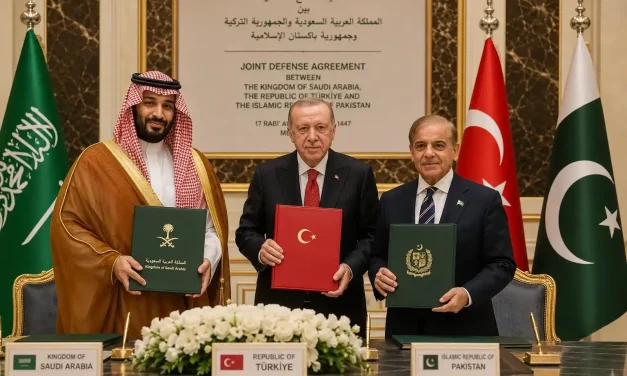
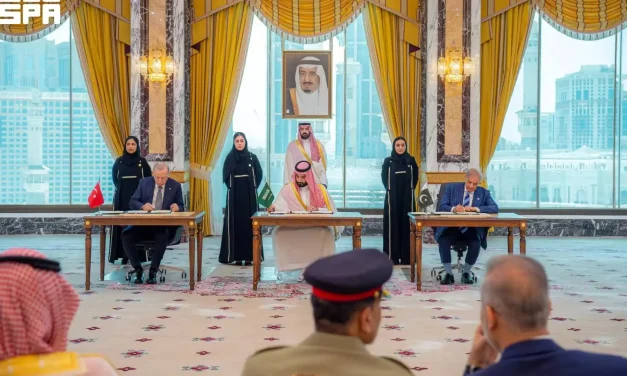
SCFR Online – Opinion: The Makkah Pact, signed between Saudi Arabia, Pakistan, and Turkey under the motto “an attack on one is an attack on all,” is viewed by some analysts less as a full-fledged military coalition and more as an attempt to reduce security dependence on an external power and to establish a regional security mechanism.

Implications of the US-Saudi Nuclear Agreement

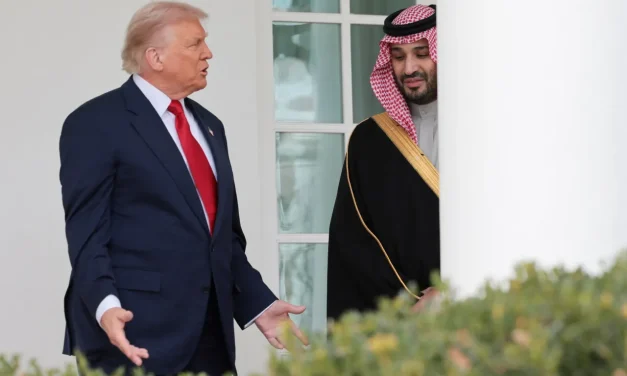
SCFR Online – Opinion: The new US-Saudi nuclear agreement, despite legal and political ambiguities, could alter previous non-proliferation standards in West Asia and intensify nuclear competition, ushering it into a new phase.

An Analysis of Recent Turkey-Israeli Regime Tensions

SCFR Online – Opinion: Recent developments in Syria indicate an intensification of strategic rivalry between Turkey and the Israeli regime, but mutual considerations and the role of the United States have limited the likelihood of direct war.

Increasing criticism of the extensive Zionist lobby network

SCFR Online – Opinion: An examination of the mechanisms of the Israeli regime’s influence in the United States depicts a complex picture of shared interests, strategic dependencies, and the limitations of this relationship.

Realities of the Tripartite Makkah Pact

SCFR Online – Interview: The signing of the Makkah agreement between Saudi Arabia, Pakistan, and Turkey has raised questions about the future of the region’s security structure and the position of these countries in West Asian equations. Can this agreement become a genuine collective defense mechanism, or does it have more of a political and deterrent function than creating new military capacity?

Strategic Implications of the Reduction of US Weapons Stockpiles

SCFR Online – Opinion: The continuation of the US war against Iran, in addition to increasing operational costs, has called into question the actual capacity of the American arsenal to simultaneously fulfill security commitments on multiple fronts; an issue that affects deterrence, defense production capacity, and Washington’s resource prioritization.

Loading

Últimas publicaciones

The Makkah Pact; Reasons for its Formation and Challenges Ahead

SCFR Online – Opinion: The Makkah Pact, signed between Saudi Arabia, Pakistan, and Turkey under the motto “an attack on one is an attack on all,” is viewed by some analysts less as a full-fledged military coalition and more as an attempt to reduce security dependence on an external power and to establish a regional security mechanism.

Implications of the US-Saudi Nuclear Agreement

SCFR Online – Opinion: The new US-Saudi nuclear agreement, despite legal and political ambiguities, could alter previous non-proliferation standards in West Asia and intensify nuclear competition, ushering it into a new phase.

An Analysis of Recent Turkey-Israeli Regime Tensions

SCFR Online – Opinion: Recent developments in Syria indicate an intensification of strategic rivalry between Turkey and the Israeli regime, but mutual considerations and the role of the United States have limited the likelihood of direct war.

Increasing criticism of the extensive Zionist lobby network

SCFR Online – Opinion: An examination of the mechanisms of the Israeli regime’s influence in the United States depicts a complex picture of shared interests, strategic dependencies, and the limitations of this relationship.

Realities of the Tripartite Makkah Pact

SCFR Online – Interview: The signing of the Makkah agreement between Saudi Arabia, Pakistan, and Turkey has raised questions about the future of the region’s security structure and the position of these countries in West Asian equations. Can this agreement become a genuine collective defense mechanism, or does it have more of a political and deterrent function than creating new military capacity?

Strategic Implications of the Reduction of US Weapons Stockpiles

SCFR Online – Opinion: The continuation of the US war against Iran, in addition to increasing operational costs, has called into question the actual capacity of the American arsenal to simultaneously fulfill security commitments on multiple fronts; an issue that affects deterrence, defense production capacity, and Washington’s resource prioritization.

Loading

DERNIER CONTENU

The Makkah Pact; Reasons for its Formation and Challenges Ahead

SCFR Online – Opinion: The Makkah Pact, signed between Saudi Arabia, Pakistan, and Turkey under the motto “an attack on one is an attack on all,” is viewed by some analysts less as a full-fledged military coalition and more as an attempt to reduce security dependence on an external power and to establish a regional security mechanism.

Implications of the US-Saudi Nuclear Agreement

SCFR Online – Opinion: The new US-Saudi nuclear agreement, despite legal and political ambiguities, could alter previous non-proliferation standards in West Asia and intensify nuclear competition, ushering it into a new phase.

An Analysis of Recent Turkey-Israeli Regime Tensions

SCFR Online – Opinion: Recent developments in Syria indicate an intensification of strategic rivalry between Turkey and the Israeli regime, but mutual considerations and the role of the United States have limited the likelihood of direct war.

Increasing criticism of the extensive Zionist lobby network

SCFR Online – Opinion: An examination of the mechanisms of the Israeli regime’s influence in the United States depicts a complex picture of shared interests, strategic dependencies, and the limitations of this relationship.

Realities of the Tripartite Makkah Pact

SCFR Online – Interview: The signing of the Makkah agreement between Saudi Arabia, Pakistan, and Turkey has raised questions about the future of the region’s security structure and the position of these countries in West Asian equations. Can this agreement become a genuine collective defense mechanism, or does it have more of a political and deterrent function than creating new military capacity?

Strategic Implications of the Reduction of US Weapons Stockpiles

SCFR Online – Opinion: The continuation of the US war against Iran, in addition to increasing operational costs, has called into question the actual capacity of the American arsenal to simultaneously fulfill security commitments on multiple fronts; an issue that affects deterrence, defense production capacity, and Washington’s resource prioritization.

Loading

DERNIER CONTENU

The Makkah Pact; Reasons for its Formation and Challenges Ahead

SCFR Online – Opinion: The Makkah Pact, signed between Saudi Arabia, Pakistan, and Turkey under the motto “an attack on one is an attack on all,” is viewed by some analysts less as a full-fledged military coalition and more as an attempt to reduce security dependence on an external power and to establish a regional security mechanism.

Implications of the US-Saudi Nuclear Agreement

SCFR Online – Opinion: The new US-Saudi nuclear agreement, despite legal and political ambiguities, could alter previous non-proliferation standards in West Asia and intensify nuclear competition, ushering it into a new phase.

An Analysis of Recent Turkey-Israeli Regime Tensions

SCFR Online – Opinion: Recent developments in Syria indicate an intensification of strategic rivalry between Turkey and the Israeli regime, but mutual considerations and the role of the United States have limited the likelihood of direct war.

Increasing criticism of the extensive Zionist lobby network

SCFR Online – Opinion: An examination of the mechanisms of the Israeli regime’s influence in the United States depicts a complex picture of shared interests, strategic dependencies, and the limitations of this relationship.

Realities of the Tripartite Makkah Pact

SCFR Online – Interview: The signing of the Makkah agreement between Saudi Arabia, Pakistan, and Turkey has raised questions about the future of the region’s security structure and the position of these countries in West Asian equations. Can this agreement become a genuine collective defense mechanism, or does it have more of a political and deterrent function than creating new military capacity?

Strategic Implications of the Reduction of US Weapons Stockpiles

SCFR Online – Opinion: The continuation of the US war against Iran, in addition to increasing operational costs, has called into question the actual capacity of the American arsenal to simultaneously fulfill security commitments on multiple fronts; an issue that affects deterrence, defense production capacity, and Washington’s resource prioritization.

Loading

DERNIER CONTENU

The Makkah Pact; Reasons for its Formation and Challenges Ahead

SCFR Online – Opinion: The Makkah Pact, signed between Saudi Arabia, Pakistan, and Turkey under the motto “an attack on one is an attack on all,” is viewed by some analysts less as a full-fledged military coalition and more as an attempt to reduce security dependence on an external power and to establish a regional security mechanism.

Implications of the US-Saudi Nuclear Agreement

SCFR Online – Opinion: The new US-Saudi nuclear agreement, despite legal and political ambiguities, could alter previous non-proliferation standards in West Asia and intensify nuclear competition, ushering it into a new phase.

An Analysis of Recent Turkey-Israeli Regime Tensions

SCFR Online – Opinion: Recent developments in Syria indicate an intensification of strategic rivalry between Turkey and the Israeli regime, but mutual considerations and the role of the United States have limited the likelihood of direct war.

Increasing criticism of the extensive Zionist lobby network

SCFR Online – Opinion: An examination of the mechanisms of the Israeli regime’s influence in the United States depicts a complex picture of shared interests, strategic dependencies, and the limitations of this relationship.

Realities of the Tripartite Makkah Pact

SCFR Online – Interview: The signing of the Makkah agreement between Saudi Arabia, Pakistan, and Turkey has raised questions about the future of the region’s security structure and the position of these countries in West Asian equations. Can this agreement become a genuine collective defense mechanism, or does it have more of a political and deterrent function than creating new military capacity?

Strategic Implications of the Reduction of US Weapons Stockpiles

SCFR Online – Opinion: The continuation of the US war against Iran, in addition to increasing operational costs, has called into question the actual capacity of the American arsenal to simultaneously fulfill security commitments on multiple fronts; an issue that affects deterrence, defense production capacity, and Washington’s resource prioritization.

Loading