جدیدترین مطالب

Balancing in the chain of chokepoints; from sea-based deterrence to pluralistic diplomacy

Strategic Council Online – Note: Recent developments in the political geography of West Asia, from rising tensions in the Persian Gulf to missile and drone activities in the Red Sea and the recent warning by Kaja Kallas, the European Union’s foreign policy chief, regarding the threat to freedom of navigation, indicate a key pattern shift; the US-Iran war has moved beyond the scope of a regional and local confrontation and has linked two vital passageways for the global economy: the Strait of Hormuz and the Bab el-Mandeb Strait.

Indicators for Choosing Between War and Diplomacy

SCFR Online – Opinion: Foreign policy analysis is valid when it evaluates decisions based on the information and circumstances prevailing at the time they were made, not on the basis of outcomes that only become apparent after the crisis has ended.

Loading

Zionist Regime

The 12-Day War: An Opportunity for Designing Targeted Public Diplomacy

The 12-Day War: An Opportunity for Designing Targeted Public Diplomacy

Strategic Council Online – Interview: A researcher on West Asian affairs stated: The 12-day war of the Israeli regime against Iran, despite its aggressive and destructive nature, can turn into a strategic opportunity for our country; a chance to legitimize defense policies and strengthen the Resistance Discourse in the international system. In a world where public opinion plays an increasing role in shaping policies, effective narrative-building about this war is the key to turning threat into opportunity. Iran, relying on public diplomacy and transnational media, can present the Israeli regime’s attacks as a blatant violation of international law and emphasize its legitimate right to defense and deterrence. Furthermore, by portraying itself as logical, resistant, and oppressed, it can pave the way for increased regional and global empathy. Ultimately, this war can provide a platform for domestic consensus, cohesion of the Resistance Axis, and redefining Iran’s position as a responsible actor in regional security equations.

Turkey’s Concerns Regarding Recent Developments in Syria

Turkey’s Concerns Regarding Recent Developments in Syria

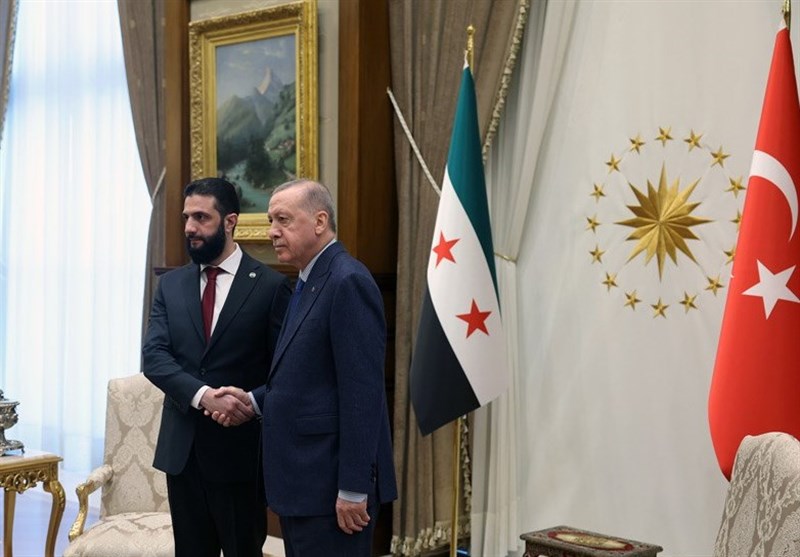
Strategic Council Online– Interview: A West Asia affairs expert stated that despite the internationally brokered ceasefire agreement reached a few days ago in Al-Suwayda, the Israeli regime’s movements in southern Syria continue. In this context, an important issue that has drawn public attention is Turkey’s reaction to these developments. By supporting Ahmed al-Shara (also known as Abu Muhammad al-Julene), Turkey managed to lay the groundwork for the fall of Bashar al-Assad and, in its view, solidify its foothold in the country. However, over the past few weeks, with the Zionist regime’s attacks on positions held by Julani’s forces in Syria and other areas, Ankara’s calculations in Syria have been significantly disrupted.

The Impact of the 12-Day War on the Economy of the Israeli Regime

The Impact of the 12-Day War on the Economy of the Israeli Regime

Strategic Council Online – Interview: A senior international affairs analyst stated that the Israeli regime’s 12-day war against Iran in June 2025 has pushed its economy to a fragile point. A 16.2% decline in exports to $3.6 billion is just the tip of the iceberg of the crisis. Simultaneously, global isolation and the continued widening of crimes in Gaza have placed an additional burden on its economy. The weakening of the shekel against the dollar and the destruction of key infrastructure have plunged the Israeli regime’s economy into a whirlpool of a 20.6% trade deficit and a 3.4% drop in six-month exports to $26.97 billion. A 5% increase in imports has further exacerbated the pressure. This crisis, rooted in the Israeli regime’s military adventurism and global isolation, has driven it toward dependence on foreign aid and social collapse.

Challenges Ahead for Future Cooperation Between Iran and the IAEA

Challenges Ahead for Future Cooperation Between Iran and the IAEA

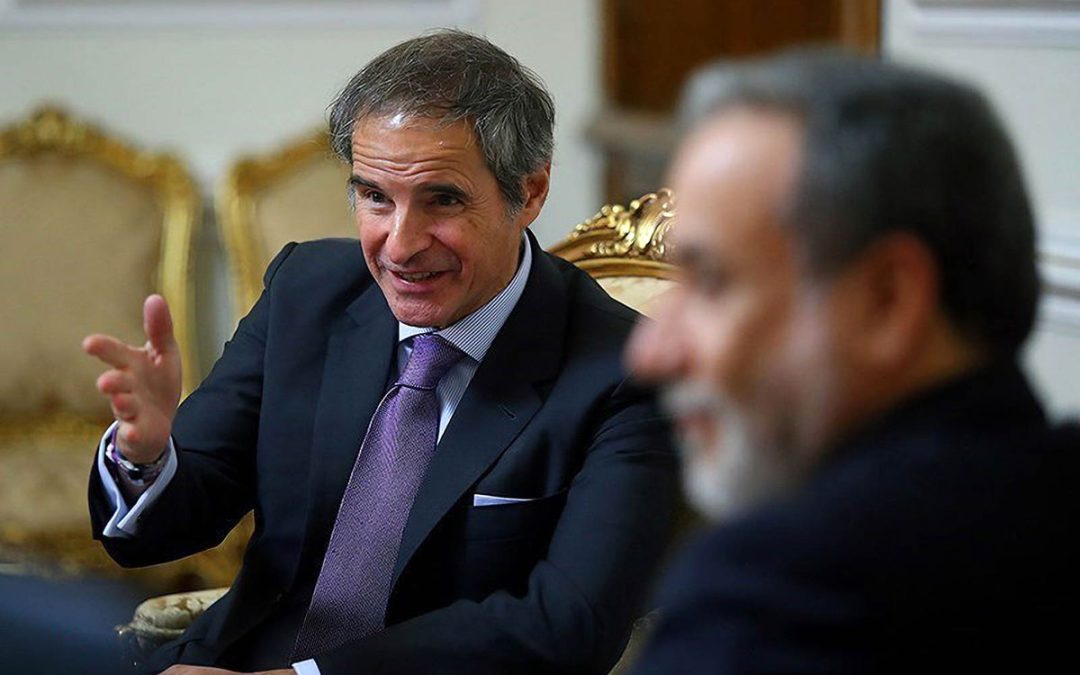
Strategic Council Online – Interview: An international affairs expert stated that the recent attacks by the Israeli regime and the U.S. against Iran’s nuclear facilities are the primary challenge to future cooperation between Iran and the International Atomic Energy Agency (IAEA).

An Analysis of the Behind-the-Scenes of Recent Developments in Syria

An Analysis of the Behind-the-Scenes of Recent Developments in Syria

Strategic Council Online Opinion: After the outbreak of clashes between the Druze and Bedouin tribes in As-Suwayda Governorate, the Israeli regime intervened in favor of the Druze and launched airstrikes against Syria, which lasted for three days. Although this tension ultimately led to a fragile ceasefire, what lies behind this escalation and the confrontation between the Zionist regime and the interim government of Ahmad al-Shara (also known as Abu Muhammad al-Julani)?

Iran’s Position in the Regional Balance of Power

Iran’s Position in the Regional Balance of Power

Strategic Council Online– Interview: A researcher on West Asian affairs stated that following the end of the 12-day war between the Israeli regime and Iran, which began on June 12 with the regime’s aggressive attacks on our country’s soil, resulting in the martyrdom of several military commanders, nuclear scientists, and even civilians, many questions arose. Among them was how Iran managed to shift the regional balance of power in its favor despite the extensive attacks by the Israeli regime on our country.

Iran’s Smart Diplomacy in Managing Regional Crises

Iran’s Smart Diplomacy in Managing Regional Crises

Strategic Council Online– Interview: A West Asia affairs analyst, discussing the role of Iran’s smart diplomacy in turning regional crises into opportunities to strengthen the country’s influence and position in the region, stated: Iran’s multilateral foreign policy can be an effective alternative to Western military interventions, especially at a time when the failures of the U.S. and the Israeli regime have reduced the trust of West Asian countries in them. By consciously leveraging regional capacities and strengthening cooperation, Tehran can play a pivotal role in establishing sustainable stability in the region.

Netanyahu’s Tactics to Evade Trial Under Pretext of Security and Regional Developments

Netanyahu’s Tactics to Evade Trial Under Pretext of Security and Regional Developments

Strategic Council Online – Interview: An Israeli regime affairs researcher stated: The Zionist regime media recently announced that Benjamin Netanyahu, the Prime Minister of this regime, has requested a two-week postponement of his trial for security reasons and regional developments. On Sunday, news also emerged that the “Occupied Jerusalem” district court agreed to postpone Netanyahu’s trial by one week. This decision followed the Zionist regime Prime Minister summoning officials from the Foreign Intelligence Service (Mossad) and Military Intelligence Organization (Aman) to a confidential session held at this court to explain the reasons for his request to delay his trial by two weeks.

The Necessity of Assessing the Zionist Regime’s Aggression and Utilizing the Emergence of New Opportunities

The Necessity of Assessing the Zionist Regime’s Aggression and Utilizing the Emergence of New Opportunities

Strategic Council Online– Opinion: In recent weeks, we witnessed how the Israeli regime disrupted the peace-seeking negotiations between our country’s officials and the U.S., and out of concern that diplomatic agreements might not secure its interests and objectives, it launched an aggressive attack on our soil. This regime, which had convinced Donald Trump to withdraw from the JCPOA in 2018, also persuaded him in this attack to cover up the weaknesses of the Israeli regime and, using its superior military equipment, target Iran’s nuclear facilities, which were under the supervision of the International Atomic Energy Agency.

أحدث الوظائف

Balancing in the chain of chokepoints; from sea-based deterrence to pluralistic diplomacy

Strategic Council Online – Note: Recent developments in the political geography of West Asia, from rising tensions in the Persian Gulf to missile and drone activities in the Red Sea and the recent warning by Kaja Kallas, the European Union’s foreign policy chief, regarding the threat to freedom of navigation, indicate a key pattern shift; the US-Iran war has moved beyond the scope of a regional and local confrontation and has linked two vital passageways for the global economy: the Strait of Hormuz and the Bab el-Mandeb Strait.

Indicators for Choosing Between War and Diplomacy

SCFR Online – Opinion: Foreign policy analysis is valid when it evaluates decisions based on the information and circumstances prevailing at the time they were made, not on the basis of outcomes that only become apparent after the crisis has ended.

Loading

Zionist Regime

The 12-Day War: An Opportunity for Designing Targeted Public Diplomacy

The 12-Day War: An Opportunity for Designing Targeted Public Diplomacy

Strategic Council Online – Interview: A researcher on West Asian affairs stated: The 12-day war of the Israeli regime against Iran, despite its aggressive and destructive nature, can turn into a strategic opportunity for our country; a chance to legitimize defense policies and strengthen the Resistance Discourse in the international system. In a world where public opinion plays an increasing role in shaping policies, effective narrative-building about this war is the key to turning threat into opportunity. Iran, relying on public diplomacy and transnational media, can present the Israeli regime’s attacks as a blatant violation of international law and emphasize its legitimate right to defense and deterrence. Furthermore, by portraying itself as logical, resistant, and oppressed, it can pave the way for increased regional and global empathy. Ultimately, this war can provide a platform for domestic consensus, cohesion of the Resistance Axis, and redefining Iran’s position as a responsible actor in regional security equations.

Turkey’s Concerns Regarding Recent Developments in Syria

Turkey’s Concerns Regarding Recent Developments in Syria

Strategic Council Online– Interview: A West Asia affairs expert stated that despite the internationally brokered ceasefire agreement reached a few days ago in Al-Suwayda, the Israeli regime’s movements in southern Syria continue. In this context, an important issue that has drawn public attention is Turkey’s reaction to these developments. By supporting Ahmed al-Shara (also known as Abu Muhammad al-Julene), Turkey managed to lay the groundwork for the fall of Bashar al-Assad and, in its view, solidify its foothold in the country. However, over the past few weeks, with the Zionist regime’s attacks on positions held by Julani’s forces in Syria and other areas, Ankara’s calculations in Syria have been significantly disrupted.

The Impact of the 12-Day War on the Economy of the Israeli Regime

The Impact of the 12-Day War on the Economy of the Israeli Regime

Strategic Council Online – Interview: A senior international affairs analyst stated that the Israeli regime’s 12-day war against Iran in June 2025 has pushed its economy to a fragile point. A 16.2% decline in exports to $3.6 billion is just the tip of the iceberg of the crisis. Simultaneously, global isolation and the continued widening of crimes in Gaza have placed an additional burden on its economy. The weakening of the shekel against the dollar and the destruction of key infrastructure have plunged the Israeli regime’s economy into a whirlpool of a 20.6% trade deficit and a 3.4% drop in six-month exports to $26.97 billion. A 5% increase in imports has further exacerbated the pressure. This crisis, rooted in the Israeli regime’s military adventurism and global isolation, has driven it toward dependence on foreign aid and social collapse.

Challenges Ahead for Future Cooperation Between Iran and the IAEA

Challenges Ahead for Future Cooperation Between Iran and the IAEA

Strategic Council Online – Interview: An international affairs expert stated that the recent attacks by the Israeli regime and the U.S. against Iran’s nuclear facilities are the primary challenge to future cooperation between Iran and the International Atomic Energy Agency (IAEA).

An Analysis of the Behind-the-Scenes of Recent Developments in Syria

An Analysis of the Behind-the-Scenes of Recent Developments in Syria

Strategic Council Online Opinion: After the outbreak of clashes between the Druze and Bedouin tribes in As-Suwayda Governorate, the Israeli regime intervened in favor of the Druze and launched airstrikes against Syria, which lasted for three days. Although this tension ultimately led to a fragile ceasefire, what lies behind this escalation and the confrontation between the Zionist regime and the interim government of Ahmad al-Shara (also known as Abu Muhammad al-Julani)?

Iran’s Position in the Regional Balance of Power

Iran’s Position in the Regional Balance of Power

Strategic Council Online– Interview: A researcher on West Asian affairs stated that following the end of the 12-day war between the Israeli regime and Iran, which began on June 12 with the regime’s aggressive attacks on our country’s soil, resulting in the martyrdom of several military commanders, nuclear scientists, and even civilians, many questions arose. Among them was how Iran managed to shift the regional balance of power in its favor despite the extensive attacks by the Israeli regime on our country.

Iran’s Smart Diplomacy in Managing Regional Crises

Iran’s Smart Diplomacy in Managing Regional Crises

Strategic Council Online– Interview: A West Asia affairs analyst, discussing the role of Iran’s smart diplomacy in turning regional crises into opportunities to strengthen the country’s influence and position in the region, stated: Iran’s multilateral foreign policy can be an effective alternative to Western military interventions, especially at a time when the failures of the U.S. and the Israeli regime have reduced the trust of West Asian countries in them. By consciously leveraging regional capacities and strengthening cooperation, Tehran can play a pivotal role in establishing sustainable stability in the region.

Netanyahu’s Tactics to Evade Trial Under Pretext of Security and Regional Developments

Netanyahu’s Tactics to Evade Trial Under Pretext of Security and Regional Developments

Strategic Council Online – Interview: An Israeli regime affairs researcher stated: The Zionist regime media recently announced that Benjamin Netanyahu, the Prime Minister of this regime, has requested a two-week postponement of his trial for security reasons and regional developments. On Sunday, news also emerged that the “Occupied Jerusalem” district court agreed to postpone Netanyahu’s trial by one week. This decision followed the Zionist regime Prime Minister summoning officials from the Foreign Intelligence Service (Mossad) and Military Intelligence Organization (Aman) to a confidential session held at this court to explain the reasons for his request to delay his trial by two weeks.

The Necessity of Assessing the Zionist Regime’s Aggression and Utilizing the Emergence of New Opportunities

The Necessity of Assessing the Zionist Regime’s Aggression and Utilizing the Emergence of New Opportunities

Strategic Council Online– Opinion: In recent weeks, we witnessed how the Israeli regime disrupted the peace-seeking negotiations between our country’s officials and the U.S., and out of concern that diplomatic agreements might not secure its interests and objectives, it launched an aggressive attack on our soil. This regime, which had convinced Donald Trump to withdraw from the JCPOA in 2018, also persuaded him in this attack to cover up the weaknesses of the Israeli regime and, using its superior military equipment, target Iran’s nuclear facilities, which were under the supervision of the International Atomic Energy Agency.

Zionist Regime

The 12-Day War: An Opportunity for Designing Targeted Public Diplomacy

The 12-Day War: An Opportunity for Designing Targeted Public Diplomacy

Strategic Council Online – Interview: A researcher on West Asian affairs stated: The 12-day war of the Israeli regime against Iran, despite its aggressive and destructive nature, can turn into a strategic opportunity for our country; a chance to legitimize defense policies and strengthen the Resistance Discourse in the international system. In a world where public opinion plays an increasing role in shaping policies, effective narrative-building about this war is the key to turning threat into opportunity. Iran, relying on public diplomacy and transnational media, can present the Israeli regime’s attacks as a blatant violation of international law and emphasize its legitimate right to defense and deterrence. Furthermore, by portraying itself as logical, resistant, and oppressed, it can pave the way for increased regional and global empathy. Ultimately, this war can provide a platform for domestic consensus, cohesion of the Resistance Axis, and redefining Iran’s position as a responsible actor in regional security equations.

Turkey’s Concerns Regarding Recent Developments in Syria

Turkey’s Concerns Regarding Recent Developments in Syria

Strategic Council Online– Interview: A West Asia affairs expert stated that despite the internationally brokered ceasefire agreement reached a few days ago in Al-Suwayda, the Israeli regime’s movements in southern Syria continue. In this context, an important issue that has drawn public attention is Turkey’s reaction to these developments. By supporting Ahmed al-Shara (also known as Abu Muhammad al-Julene), Turkey managed to lay the groundwork for the fall of Bashar al-Assad and, in its view, solidify its foothold in the country. However, over the past few weeks, with the Zionist regime’s attacks on positions held by Julani’s forces in Syria and other areas, Ankara’s calculations in Syria have been significantly disrupted.

The Impact of the 12-Day War on the Economy of the Israeli Regime

The Impact of the 12-Day War on the Economy of the Israeli Regime

Strategic Council Online – Interview: A senior international affairs analyst stated that the Israeli regime’s 12-day war against Iran in June 2025 has pushed its economy to a fragile point. A 16.2% decline in exports to $3.6 billion is just the tip of the iceberg of the crisis. Simultaneously, global isolation and the continued widening of crimes in Gaza have placed an additional burden on its economy. The weakening of the shekel against the dollar and the destruction of key infrastructure have plunged the Israeli regime’s economy into a whirlpool of a 20.6% trade deficit and a 3.4% drop in six-month exports to $26.97 billion. A 5% increase in imports has further exacerbated the pressure. This crisis, rooted in the Israeli regime’s military adventurism and global isolation, has driven it toward dependence on foreign aid and social collapse.

Challenges Ahead for Future Cooperation Between Iran and the IAEA

Challenges Ahead for Future Cooperation Between Iran and the IAEA

Strategic Council Online – Interview: An international affairs expert stated that the recent attacks by the Israeli regime and the U.S. against Iran’s nuclear facilities are the primary challenge to future cooperation between Iran and the International Atomic Energy Agency (IAEA).

An Analysis of the Behind-the-Scenes of Recent Developments in Syria

An Analysis of the Behind-the-Scenes of Recent Developments in Syria

Strategic Council Online Opinion: After the outbreak of clashes between the Druze and Bedouin tribes in As-Suwayda Governorate, the Israeli regime intervened in favor of the Druze and launched airstrikes against Syria, which lasted for three days. Although this tension ultimately led to a fragile ceasefire, what lies behind this escalation and the confrontation between the Zionist regime and the interim government of Ahmad al-Shara (also known as Abu Muhammad al-Julani)?

Iran’s Position in the Regional Balance of Power

Iran’s Position in the Regional Balance of Power

Strategic Council Online– Interview: A researcher on West Asian affairs stated that following the end of the 12-day war between the Israeli regime and Iran, which began on June 12 with the regime’s aggressive attacks on our country’s soil, resulting in the martyrdom of several military commanders, nuclear scientists, and even civilians, many questions arose. Among them was how Iran managed to shift the regional balance of power in its favor despite the extensive attacks by the Israeli regime on our country.

Iran’s Smart Diplomacy in Managing Regional Crises

Iran’s Smart Diplomacy in Managing Regional Crises

Strategic Council Online– Interview: A West Asia affairs analyst, discussing the role of Iran’s smart diplomacy in turning regional crises into opportunities to strengthen the country’s influence and position in the region, stated: Iran’s multilateral foreign policy can be an effective alternative to Western military interventions, especially at a time when the failures of the U.S. and the Israeli regime have reduced the trust of West Asian countries in them. By consciously leveraging regional capacities and strengthening cooperation, Tehran can play a pivotal role in establishing sustainable stability in the region.

Netanyahu’s Tactics to Evade Trial Under Pretext of Security and Regional Developments

Netanyahu’s Tactics to Evade Trial Under Pretext of Security and Regional Developments

Strategic Council Online – Interview: An Israeli regime affairs researcher stated: The Zionist regime media recently announced that Benjamin Netanyahu, the Prime Minister of this regime, has requested a two-week postponement of his trial for security reasons and regional developments. On Sunday, news also emerged that the “Occupied Jerusalem” district court agreed to postpone Netanyahu’s trial by one week. This decision followed the Zionist regime Prime Minister summoning officials from the Foreign Intelligence Service (Mossad) and Military Intelligence Organization (Aman) to a confidential session held at this court to explain the reasons for his request to delay his trial by two weeks.

The Necessity of Assessing the Zionist Regime’s Aggression and Utilizing the Emergence of New Opportunities

The Necessity of Assessing the Zionist Regime’s Aggression and Utilizing the Emergence of New Opportunities

Strategic Council Online– Opinion: In recent weeks, we witnessed how the Israeli regime disrupted the peace-seeking negotiations between our country’s officials and the U.S., and out of concern that diplomatic agreements might not secure its interests and objectives, it launched an aggressive attack on our soil. This regime, which had convinced Donald Trump to withdraw from the JCPOA in 2018, also persuaded him in this attack to cover up the weaknesses of the Israeli regime and, using its superior military equipment, target Iran’s nuclear facilities, which were under the supervision of the International Atomic Energy Agency.

LATEST CONTENT

Balancing in the chain of chokepoints; from sea-based deterrence to pluralistic diplomacy

Strategic Council Online – Note: Recent developments in the political geography of West Asia, from rising tensions in the Persian Gulf to missile and drone activities in the Red Sea and the recent warning by Kaja Kallas, the European Union’s foreign policy chief, regarding the threat to freedom of navigation, indicate a key pattern shift; the US-Iran war has moved beyond the scope of a regional and local confrontation and has linked two vital passageways for the global economy: the Strait of Hormuz and the Bab el-Mandeb Strait.

Indicators for Choosing Between War and Diplomacy

SCFR Online – Opinion: Foreign policy analysis is valid when it evaluates decisions based on the information and circumstances prevailing at the time they were made, not on the basis of outcomes that only become apparent after the crisis has ended.

Loading

Zionist Regime

The 12-Day War: An Opportunity for Designing Targeted Public Diplomacy

The 12-Day War: An Opportunity for Designing Targeted Public Diplomacy

Strategic Council Online – Interview: A researcher on West Asian affairs stated: The 12-day war of the Israeli regime against Iran, despite its aggressive and destructive nature, can turn into a strategic opportunity for our country; a chance to legitimize defense policies and strengthen the Resistance Discourse in the international system. In a world where public opinion plays an increasing role in shaping policies, effective narrative-building about this war is the key to turning threat into opportunity. Iran, relying on public diplomacy and transnational media, can present the Israeli regime’s attacks as a blatant violation of international law and emphasize its legitimate right to defense and deterrence. Furthermore, by portraying itself as logical, resistant, and oppressed, it can pave the way for increased regional and global empathy. Ultimately, this war can provide a platform for domestic consensus, cohesion of the Resistance Axis, and redefining Iran’s position as a responsible actor in regional security equations.

Turkey’s Concerns Regarding Recent Developments in Syria

Turkey’s Concerns Regarding Recent Developments in Syria

Strategic Council Online– Interview: A West Asia affairs expert stated that despite the internationally brokered ceasefire agreement reached a few days ago in Al-Suwayda, the Israeli regime’s movements in southern Syria continue. In this context, an important issue that has drawn public attention is Turkey’s reaction to these developments. By supporting Ahmed al-Shara (also known as Abu Muhammad al-Julene), Turkey managed to lay the groundwork for the fall of Bashar al-Assad and, in its view, solidify its foothold in the country. However, over the past few weeks, with the Zionist regime’s attacks on positions held by Julani’s forces in Syria and other areas, Ankara’s calculations in Syria have been significantly disrupted.

The Impact of the 12-Day War on the Economy of the Israeli Regime

The Impact of the 12-Day War on the Economy of the Israeli Regime

Strategic Council Online – Interview: A senior international affairs analyst stated that the Israeli regime’s 12-day war against Iran in June 2025 has pushed its economy to a fragile point. A 16.2% decline in exports to $3.6 billion is just the tip of the iceberg of the crisis. Simultaneously, global isolation and the continued widening of crimes in Gaza have placed an additional burden on its economy. The weakening of the shekel against the dollar and the destruction of key infrastructure have plunged the Israeli regime’s economy into a whirlpool of a 20.6% trade deficit and a 3.4% drop in six-month exports to $26.97 billion. A 5% increase in imports has further exacerbated the pressure. This crisis, rooted in the Israeli regime’s military adventurism and global isolation, has driven it toward dependence on foreign aid and social collapse.

Challenges Ahead for Future Cooperation Between Iran and the IAEA

Challenges Ahead for Future Cooperation Between Iran and the IAEA

Strategic Council Online – Interview: An international affairs expert stated that the recent attacks by the Israeli regime and the U.S. against Iran’s nuclear facilities are the primary challenge to future cooperation between Iran and the International Atomic Energy Agency (IAEA).

An Analysis of the Behind-the-Scenes of Recent Developments in Syria

An Analysis of the Behind-the-Scenes of Recent Developments in Syria

Strategic Council Online Opinion: After the outbreak of clashes between the Druze and Bedouin tribes in As-Suwayda Governorate, the Israeli regime intervened in favor of the Druze and launched airstrikes against Syria, which lasted for three days. Although this tension ultimately led to a fragile ceasefire, what lies behind this escalation and the confrontation between the Zionist regime and the interim government of Ahmad al-Shara (also known as Abu Muhammad al-Julani)?

Iran’s Position in the Regional Balance of Power

Iran’s Position in the Regional Balance of Power

Strategic Council Online– Interview: A researcher on West Asian affairs stated that following the end of the 12-day war between the Israeli regime and Iran, which began on June 12 with the regime’s aggressive attacks on our country’s soil, resulting in the martyrdom of several military commanders, nuclear scientists, and even civilians, many questions arose. Among them was how Iran managed to shift the regional balance of power in its favor despite the extensive attacks by the Israeli regime on our country.

Iran’s Smart Diplomacy in Managing Regional Crises

Iran’s Smart Diplomacy in Managing Regional Crises

Strategic Council Online– Interview: A West Asia affairs analyst, discussing the role of Iran’s smart diplomacy in turning regional crises into opportunities to strengthen the country’s influence and position in the region, stated: Iran’s multilateral foreign policy can be an effective alternative to Western military interventions, especially at a time when the failures of the U.S. and the Israeli regime have reduced the trust of West Asian countries in them. By consciously leveraging regional capacities and strengthening cooperation, Tehran can play a pivotal role in establishing sustainable stability in the region.

Netanyahu’s Tactics to Evade Trial Under Pretext of Security and Regional Developments

Netanyahu’s Tactics to Evade Trial Under Pretext of Security and Regional Developments

Strategic Council Online – Interview: An Israeli regime affairs researcher stated: The Zionist regime media recently announced that Benjamin Netanyahu, the Prime Minister of this regime, has requested a two-week postponement of his trial for security reasons and regional developments. On Sunday, news also emerged that the “Occupied Jerusalem” district court agreed to postpone Netanyahu’s trial by one week. This decision followed the Zionist regime Prime Minister summoning officials from the Foreign Intelligence Service (Mossad) and Military Intelligence Organization (Aman) to a confidential session held at this court to explain the reasons for his request to delay his trial by two weeks.

The Necessity of Assessing the Zionist Regime’s Aggression and Utilizing the Emergence of New Opportunities

The Necessity of Assessing the Zionist Regime’s Aggression and Utilizing the Emergence of New Opportunities

Strategic Council Online– Opinion: In recent weeks, we witnessed how the Israeli regime disrupted the peace-seeking negotiations between our country’s officials and the U.S., and out of concern that diplomatic agreements might not secure its interests and objectives, it launched an aggressive attack on our soil. This regime, which had convinced Donald Trump to withdraw from the JCPOA in 2018, also persuaded him in this attack to cover up the weaknesses of the Israeli regime and, using its superior military equipment, target Iran’s nuclear facilities, which were under the supervision of the International Atomic Energy Agency.

ÚLTIMAS PUBLICACIONES

Balancing in the chain of chokepoints; from sea-based deterrence to pluralistic diplomacy

Strategic Council Online – Note: Recent developments in the political geography of West Asia, from rising tensions in the Persian Gulf to missile and drone activities in the Red Sea and the recent warning by Kaja Kallas, the European Union’s foreign policy chief, regarding the threat to freedom of navigation, indicate a key pattern shift; the US-Iran war has moved beyond the scope of a regional and local confrontation and has linked two vital passageways for the global economy: the Strait of Hormuz and the Bab el-Mandeb Strait.

Indicators for Choosing Between War and Diplomacy

SCFR Online – Opinion: Foreign policy analysis is valid when it evaluates decisions based on the information and circumstances prevailing at the time they were made, not on the basis of outcomes that only become apparent after the crisis has ended.

Loading

Zionist Regime

The 12-Day War: An Opportunity for Designing Targeted Public Diplomacy

The 12-Day War: An Opportunity for Designing Targeted Public Diplomacy

Strategic Council Online – Interview: A researcher on West Asian affairs stated: The 12-day war of the Israeli regime against Iran, despite its aggressive and destructive nature, can turn into a strategic opportunity for our country; a chance to legitimize defense policies and strengthen the Resistance Discourse in the international system. In a world where public opinion plays an increasing role in shaping policies, effective narrative-building about this war is the key to turning threat into opportunity. Iran, relying on public diplomacy and transnational media, can present the Israeli regime’s attacks as a blatant violation of international law and emphasize its legitimate right to defense and deterrence. Furthermore, by portraying itself as logical, resistant, and oppressed, it can pave the way for increased regional and global empathy. Ultimately, this war can provide a platform for domestic consensus, cohesion of the Resistance Axis, and redefining Iran’s position as a responsible actor in regional security equations.

Turkey’s Concerns Regarding Recent Developments in Syria

Turkey’s Concerns Regarding Recent Developments in Syria

Strategic Council Online– Interview: A West Asia affairs expert stated that despite the internationally brokered ceasefire agreement reached a few days ago in Al-Suwayda, the Israeli regime’s movements in southern Syria continue. In this context, an important issue that has drawn public attention is Turkey’s reaction to these developments. By supporting Ahmed al-Shara (also known as Abu Muhammad al-Julene), Turkey managed to lay the groundwork for the fall of Bashar al-Assad and, in its view, solidify its foothold in the country. However, over the past few weeks, with the Zionist regime’s attacks on positions held by Julani’s forces in Syria and other areas, Ankara’s calculations in Syria have been significantly disrupted.

The Impact of the 12-Day War on the Economy of the Israeli Regime

The Impact of the 12-Day War on the Economy of the Israeli Regime

Strategic Council Online – Interview: A senior international affairs analyst stated that the Israeli regime’s 12-day war against Iran in June 2025 has pushed its economy to a fragile point. A 16.2% decline in exports to $3.6 billion is just the tip of the iceberg of the crisis. Simultaneously, global isolation and the continued widening of crimes in Gaza have placed an additional burden on its economy. The weakening of the shekel against the dollar and the destruction of key infrastructure have plunged the Israeli regime’s economy into a whirlpool of a 20.6% trade deficit and a 3.4% drop in six-month exports to $26.97 billion. A 5% increase in imports has further exacerbated the pressure. This crisis, rooted in the Israeli regime’s military adventurism and global isolation, has driven it toward dependence on foreign aid and social collapse.

Challenges Ahead for Future Cooperation Between Iran and the IAEA

Challenges Ahead for Future Cooperation Between Iran and the IAEA

Strategic Council Online – Interview: An international affairs expert stated that the recent attacks by the Israeli regime and the U.S. against Iran’s nuclear facilities are the primary challenge to future cooperation between Iran and the International Atomic Energy Agency (IAEA).

An Analysis of the Behind-the-Scenes of Recent Developments in Syria

An Analysis of the Behind-the-Scenes of Recent Developments in Syria

Strategic Council Online Opinion: After the outbreak of clashes between the Druze and Bedouin tribes in As-Suwayda Governorate, the Israeli regime intervened in favor of the Druze and launched airstrikes against Syria, which lasted for three days. Although this tension ultimately led to a fragile ceasefire, what lies behind this escalation and the confrontation between the Zionist regime and the interim government of Ahmad al-Shara (also known as Abu Muhammad al-Julani)?

Iran’s Position in the Regional Balance of Power

Iran’s Position in the Regional Balance of Power

Strategic Council Online– Interview: A researcher on West Asian affairs stated that following the end of the 12-day war between the Israeli regime and Iran, which began on June 12 with the regime’s aggressive attacks on our country’s soil, resulting in the martyrdom of several military commanders, nuclear scientists, and even civilians, many questions arose. Among them was how Iran managed to shift the regional balance of power in its favor despite the extensive attacks by the Israeli regime on our country.

Iran’s Smart Diplomacy in Managing Regional Crises

Iran’s Smart Diplomacy in Managing Regional Crises

Strategic Council Online– Interview: A West Asia affairs analyst, discussing the role of Iran’s smart diplomacy in turning regional crises into opportunities to strengthen the country’s influence and position in the region, stated: Iran’s multilateral foreign policy can be an effective alternative to Western military interventions, especially at a time when the failures of the U.S. and the Israeli regime have reduced the trust of West Asian countries in them. By consciously leveraging regional capacities and strengthening cooperation, Tehran can play a pivotal role in establishing sustainable stability in the region.

Netanyahu’s Tactics to Evade Trial Under Pretext of Security and Regional Developments

Netanyahu’s Tactics to Evade Trial Under Pretext of Security and Regional Developments

Strategic Council Online – Interview: An Israeli regime affairs researcher stated: The Zionist regime media recently announced that Benjamin Netanyahu, the Prime Minister of this regime, has requested a two-week postponement of his trial for security reasons and regional developments. On Sunday, news also emerged that the “Occupied Jerusalem” district court agreed to postpone Netanyahu’s trial by one week. This decision followed the Zionist regime Prime Minister summoning officials from the Foreign Intelligence Service (Mossad) and Military Intelligence Organization (Aman) to a confidential session held at this court to explain the reasons for his request to delay his trial by two weeks.

The Necessity of Assessing the Zionist Regime’s Aggression and Utilizing the Emergence of New Opportunities

The Necessity of Assessing the Zionist Regime’s Aggression and Utilizing the Emergence of New Opportunities

Strategic Council Online– Opinion: In recent weeks, we witnessed how the Israeli regime disrupted the peace-seeking negotiations between our country’s officials and the U.S., and out of concern that diplomatic agreements might not secure its interests and objectives, it launched an aggressive attack on our soil. This regime, which had convinced Donald Trump to withdraw from the JCPOA in 2018, also persuaded him in this attack to cover up the weaknesses of the Israeli regime and, using its superior military equipment, target Iran’s nuclear facilities, which were under the supervision of the International Atomic Energy Agency.

ÚLTIMAS PUBLICACIONES

Balancing in the chain of chokepoints; from sea-based deterrence to pluralistic diplomacy

Strategic Council Online – Note: Recent developments in the political geography of West Asia, from rising tensions in the Persian Gulf to missile and drone activities in the Red Sea and the recent warning by Kaja Kallas, the European Union’s foreign policy chief, regarding the threat to freedom of navigation, indicate a key pattern shift; the US-Iran war has moved beyond the scope of a regional and local confrontation and has linked two vital passageways for the global economy: the Strait of Hormuz and the Bab el-Mandeb Strait.

Indicators for Choosing Between War and Diplomacy

SCFR Online – Opinion: Foreign policy analysis is valid when it evaluates decisions based on the information and circumstances prevailing at the time they were made, not on the basis of outcomes that only become apparent after the crisis has ended.

Loading

Zionist Regime

The 12-Day War: An Opportunity for Designing Targeted Public Diplomacy

The 12-Day War: An Opportunity for Designing Targeted Public Diplomacy

Strategic Council Online – Interview: A researcher on West Asian affairs stated: The 12-day war of the Israeli regime against Iran, despite its aggressive and destructive nature, can turn into a strategic opportunity for our country; a chance to legitimize defense policies and strengthen the Resistance Discourse in the international system. In a world where public opinion plays an increasing role in shaping policies, effective narrative-building about this war is the key to turning threat into opportunity. Iran, relying on public diplomacy and transnational media, can present the Israeli regime’s attacks as a blatant violation of international law and emphasize its legitimate right to defense and deterrence. Furthermore, by portraying itself as logical, resistant, and oppressed, it can pave the way for increased regional and global empathy. Ultimately, this war can provide a platform for domestic consensus, cohesion of the Resistance Axis, and redefining Iran’s position as a responsible actor in regional security equations.

Turkey’s Concerns Regarding Recent Developments in Syria

Turkey’s Concerns Regarding Recent Developments in Syria

Strategic Council Online– Interview: A West Asia affairs expert stated that despite the internationally brokered ceasefire agreement reached a few days ago in Al-Suwayda, the Israeli regime’s movements in southern Syria continue. In this context, an important issue that has drawn public attention is Turkey’s reaction to these developments. By supporting Ahmed al-Shara (also known as Abu Muhammad al-Julene), Turkey managed to lay the groundwork for the fall of Bashar al-Assad and, in its view, solidify its foothold in the country. However, over the past few weeks, with the Zionist regime’s attacks on positions held by Julani’s forces in Syria and other areas, Ankara’s calculations in Syria have been significantly disrupted.

The Impact of the 12-Day War on the Economy of the Israeli Regime

The Impact of the 12-Day War on the Economy of the Israeli Regime

Strategic Council Online – Interview: A senior international affairs analyst stated that the Israeli regime’s 12-day war against Iran in June 2025 has pushed its economy to a fragile point. A 16.2% decline in exports to $3.6 billion is just the tip of the iceberg of the crisis. Simultaneously, global isolation and the continued widening of crimes in Gaza have placed an additional burden on its economy. The weakening of the shekel against the dollar and the destruction of key infrastructure have plunged the Israeli regime’s economy into a whirlpool of a 20.6% trade deficit and a 3.4% drop in six-month exports to $26.97 billion. A 5% increase in imports has further exacerbated the pressure. This crisis, rooted in the Israeli regime’s military adventurism and global isolation, has driven it toward dependence on foreign aid and social collapse.

Challenges Ahead for Future Cooperation Between Iran and the IAEA

Challenges Ahead for Future Cooperation Between Iran and the IAEA

Strategic Council Online – Interview: An international affairs expert stated that the recent attacks by the Israeli regime and the U.S. against Iran’s nuclear facilities are the primary challenge to future cooperation between Iran and the International Atomic Energy Agency (IAEA).

An Analysis of the Behind-the-Scenes of Recent Developments in Syria

An Analysis of the Behind-the-Scenes of Recent Developments in Syria

Strategic Council Online Opinion: After the outbreak of clashes between the Druze and Bedouin tribes in As-Suwayda Governorate, the Israeli regime intervened in favor of the Druze and launched airstrikes against Syria, which lasted for three days. Although this tension ultimately led to a fragile ceasefire, what lies behind this escalation and the confrontation between the Zionist regime and the interim government of Ahmad al-Shara (also known as Abu Muhammad al-Julani)?

Iran’s Position in the Regional Balance of Power

Iran’s Position in the Regional Balance of Power

Strategic Council Online– Interview: A researcher on West Asian affairs stated that following the end of the 12-day war between the Israeli regime and Iran, which began on June 12 with the regime’s aggressive attacks on our country’s soil, resulting in the martyrdom of several military commanders, nuclear scientists, and even civilians, many questions arose. Among them was how Iran managed to shift the regional balance of power in its favor despite the extensive attacks by the Israeli regime on our country.

Iran’s Smart Diplomacy in Managing Regional Crises

Iran’s Smart Diplomacy in Managing Regional Crises

Strategic Council Online– Interview: A West Asia affairs analyst, discussing the role of Iran’s smart diplomacy in turning regional crises into opportunities to strengthen the country’s influence and position in the region, stated: Iran’s multilateral foreign policy can be an effective alternative to Western military interventions, especially at a time when the failures of the U.S. and the Israeli regime have reduced the trust of West Asian countries in them. By consciously leveraging regional capacities and strengthening cooperation, Tehran can play a pivotal role in establishing sustainable stability in the region.

Netanyahu’s Tactics to Evade Trial Under Pretext of Security and Regional Developments

Netanyahu’s Tactics to Evade Trial Under Pretext of Security and Regional Developments

Strategic Council Online – Interview: An Israeli regime affairs researcher stated: The Zionist regime media recently announced that Benjamin Netanyahu, the Prime Minister of this regime, has requested a two-week postponement of his trial for security reasons and regional developments. On Sunday, news also emerged that the “Occupied Jerusalem” district court agreed to postpone Netanyahu’s trial by one week. This decision followed the Zionist regime Prime Minister summoning officials from the Foreign Intelligence Service (Mossad) and Military Intelligence Organization (Aman) to a confidential session held at this court to explain the reasons for his request to delay his trial by two weeks.

The Necessity of Assessing the Zionist Regime’s Aggression and Utilizing the Emergence of New Opportunities

The Necessity of Assessing the Zionist Regime’s Aggression and Utilizing the Emergence of New Opportunities

Strategic Council Online– Opinion: In recent weeks, we witnessed how the Israeli regime disrupted the peace-seeking negotiations between our country’s officials and the U.S., and out of concern that diplomatic agreements might not secure its interests and objectives, it launched an aggressive attack on our soil. This regime, which had convinced Donald Trump to withdraw from the JCPOA in 2018, also persuaded him in this attack to cover up the weaknesses of the Israeli regime and, using its superior military equipment, target Iran’s nuclear facilities, which were under the supervision of the International Atomic Energy Agency.

ÚLTIMAS PUBLICACIONES

Balancing in the chain of chokepoints; from sea-based deterrence to pluralistic diplomacy

Strategic Council Online – Note: Recent developments in the political geography of West Asia, from rising tensions in the Persian Gulf to missile and drone activities in the Red Sea and the recent warning by Kaja Kallas, the European Union’s foreign policy chief, regarding the threat to freedom of navigation, indicate a key pattern shift; the US-Iran war has moved beyond the scope of a regional and local confrontation and has linked two vital passageways for the global economy: the Strait of Hormuz and the Bab el-Mandeb Strait.

Indicators for Choosing Between War and Diplomacy

SCFR Online – Opinion: Foreign policy analysis is valid when it evaluates decisions based on the information and circumstances prevailing at the time they were made, not on the basis of outcomes that only become apparent after the crisis has ended.

Loading

Zionist Regime

The 12-Day War: An Opportunity for Designing Targeted Public Diplomacy

The 12-Day War: An Opportunity for Designing Targeted Public Diplomacy

Strategic Council Online – Interview: A researcher on West Asian affairs stated: The 12-day war of the Israeli regime against Iran, despite its aggressive and destructive nature, can turn into a strategic opportunity for our country; a chance to legitimize defense policies and strengthen the Resistance Discourse in the international system. In a world where public opinion plays an increasing role in shaping policies, effective narrative-building about this war is the key to turning threat into opportunity. Iran, relying on public diplomacy and transnational media, can present the Israeli regime’s attacks as a blatant violation of international law and emphasize its legitimate right to defense and deterrence. Furthermore, by portraying itself as logical, resistant, and oppressed, it can pave the way for increased regional and global empathy. Ultimately, this war can provide a platform for domestic consensus, cohesion of the Resistance Axis, and redefining Iran’s position as a responsible actor in regional security equations.

Turkey’s Concerns Regarding Recent Developments in Syria

Turkey’s Concerns Regarding Recent Developments in Syria

Strategic Council Online– Interview: A West Asia affairs expert stated that despite the internationally brokered ceasefire agreement reached a few days ago in Al-Suwayda, the Israeli regime’s movements in southern Syria continue. In this context, an important issue that has drawn public attention is Turkey’s reaction to these developments. By supporting Ahmed al-Shara (also known as Abu Muhammad al-Julene), Turkey managed to lay the groundwork for the fall of Bashar al-Assad and, in its view, solidify its foothold in the country. However, over the past few weeks, with the Zionist regime’s attacks on positions held by Julani’s forces in Syria and other areas, Ankara’s calculations in Syria have been significantly disrupted.

The Impact of the 12-Day War on the Economy of the Israeli Regime

The Impact of the 12-Day War on the Economy of the Israeli Regime

Strategic Council Online – Interview: A senior international affairs analyst stated that the Israeli regime’s 12-day war against Iran in June 2025 has pushed its economy to a fragile point. A 16.2% decline in exports to $3.6 billion is just the tip of the iceberg of the crisis. Simultaneously, global isolation and the continued widening of crimes in Gaza have placed an additional burden on its economy. The weakening of the shekel against the dollar and the destruction of key infrastructure have plunged the Israeli regime’s economy into a whirlpool of a 20.6% trade deficit and a 3.4% drop in six-month exports to $26.97 billion. A 5% increase in imports has further exacerbated the pressure. This crisis, rooted in the Israeli regime’s military adventurism and global isolation, has driven it toward dependence on foreign aid and social collapse.

Challenges Ahead for Future Cooperation Between Iran and the IAEA

Challenges Ahead for Future Cooperation Between Iran and the IAEA

Strategic Council Online – Interview: An international affairs expert stated that the recent attacks by the Israeli regime and the U.S. against Iran’s nuclear facilities are the primary challenge to future cooperation between Iran and the International Atomic Energy Agency (IAEA).

An Analysis of the Behind-the-Scenes of Recent Developments in Syria

An Analysis of the Behind-the-Scenes of Recent Developments in Syria

Strategic Council Online Opinion: After the outbreak of clashes between the Druze and Bedouin tribes in As-Suwayda Governorate, the Israeli regime intervened in favor of the Druze and launched airstrikes against Syria, which lasted for three days. Although this tension ultimately led to a fragile ceasefire, what lies behind this escalation and the confrontation between the Zionist regime and the interim government of Ahmad al-Shara (also known as Abu Muhammad al-Julani)?

Iran’s Position in the Regional Balance of Power

Iran’s Position in the Regional Balance of Power

Strategic Council Online– Interview: A researcher on West Asian affairs stated that following the end of the 12-day war between the Israeli regime and Iran, which began on June 12 with the regime’s aggressive attacks on our country’s soil, resulting in the martyrdom of several military commanders, nuclear scientists, and even civilians, many questions arose. Among them was how Iran managed to shift the regional balance of power in its favor despite the extensive attacks by the Israeli regime on our country.

Iran’s Smart Diplomacy in Managing Regional Crises

Iran’s Smart Diplomacy in Managing Regional Crises

Strategic Council Online– Interview: A West Asia affairs analyst, discussing the role of Iran’s smart diplomacy in turning regional crises into opportunities to strengthen the country’s influence and position in the region, stated: Iran’s multilateral foreign policy can be an effective alternative to Western military interventions, especially at a time when the failures of the U.S. and the Israeli regime have reduced the trust of West Asian countries in them. By consciously leveraging regional capacities and strengthening cooperation, Tehran can play a pivotal role in establishing sustainable stability in the region.

Netanyahu’s Tactics to Evade Trial Under Pretext of Security and Regional Developments

Netanyahu’s Tactics to Evade Trial Under Pretext of Security and Regional Developments

Strategic Council Online – Interview: An Israeli regime affairs researcher stated: The Zionist regime media recently announced that Benjamin Netanyahu, the Prime Minister of this regime, has requested a two-week postponement of his trial for security reasons and regional developments. On Sunday, news also emerged that the “Occupied Jerusalem” district court agreed to postpone Netanyahu’s trial by one week. This decision followed the Zionist regime Prime Minister summoning officials from the Foreign Intelligence Service (Mossad) and Military Intelligence Organization (Aman) to a confidential session held at this court to explain the reasons for his request to delay his trial by two weeks.

The Necessity of Assessing the Zionist Regime’s Aggression and Utilizing the Emergence of New Opportunities

The Necessity of Assessing the Zionist Regime’s Aggression and Utilizing the Emergence of New Opportunities

Strategic Council Online– Opinion: In recent weeks, we witnessed how the Israeli regime disrupted the peace-seeking negotiations between our country’s officials and the U.S., and out of concern that diplomatic agreements might not secure its interests and objectives, it launched an aggressive attack on our soil. This regime, which had convinced Donald Trump to withdraw from the JCPOA in 2018, also persuaded him in this attack to cover up the weaknesses of the Israeli regime and, using its superior military equipment, target Iran’s nuclear facilities, which were under the supervision of the International Atomic Energy Agency.

ÚLTIMAS PUBLICACIONES

Balancing in the chain of chokepoints; from sea-based deterrence to pluralistic diplomacy

Strategic Council Online – Note: Recent developments in the political geography of West Asia, from rising tensions in the Persian Gulf to missile and drone activities in the Red Sea and the recent warning by Kaja Kallas, the European Union’s foreign policy chief, regarding the threat to freedom of navigation, indicate a key pattern shift; the US-Iran war has moved beyond the scope of a regional and local confrontation and has linked two vital passageways for the global economy: the Strait of Hormuz and the Bab el-Mandeb Strait.

Indicators for Choosing Between War and Diplomacy

SCFR Online – Opinion: Foreign policy analysis is valid when it evaluates decisions based on the information and circumstances prevailing at the time they were made, not on the basis of outcomes that only become apparent after the crisis has ended.

Loading