جدیدترین مطالب

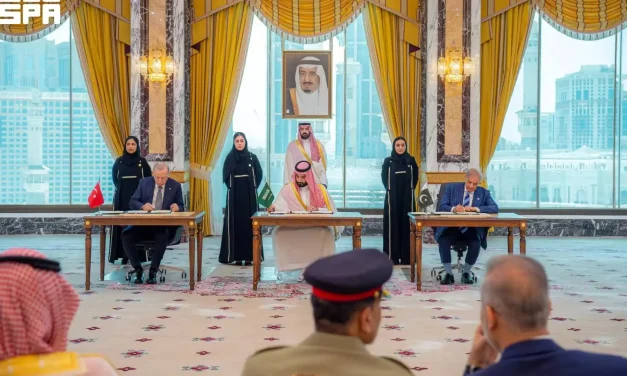
The Makkah Pact; Reasons for its Formation and Challenges Ahead

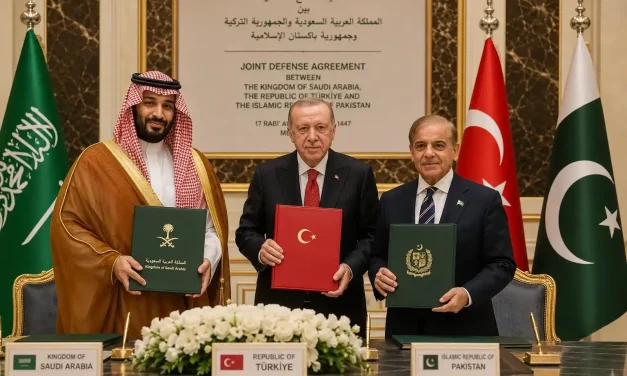
SCFR Online – Opinion: The Makkah Pact, signed between Saudi Arabia, Pakistan, and Turkey under the motto “an attack on one is an attack on all,” is viewed by some analysts less as a full-fledged military coalition and more as an attempt to reduce security dependence on an external power and to establish a regional security mechanism.

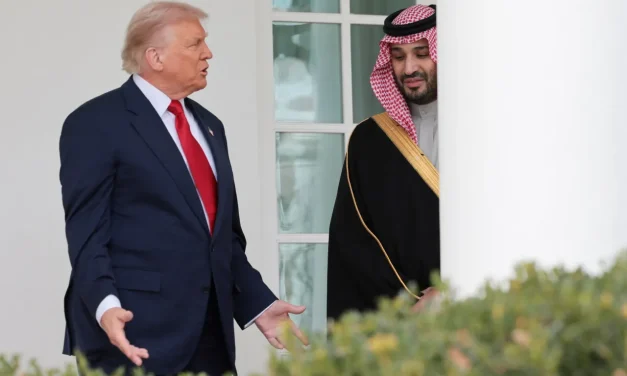
Implications of the US-Saudi Nuclear Agreement

SCFR Online – Opinion: The new US-Saudi nuclear agreement, despite legal and political ambiguities, could alter previous non-proliferation standards in West Asia and intensify nuclear competition, ushering it into a new phase.

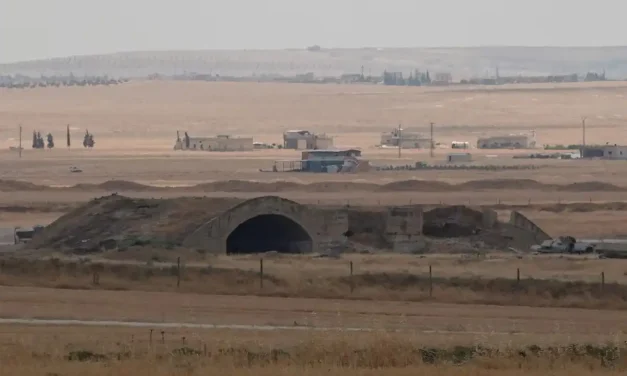
An Analysis of Recent Turkey-Israeli Regime Tensions

SCFR Online – Opinion: Recent developments in Syria indicate an intensification of strategic rivalry between Turkey and the Israeli regime, but mutual considerations and the role of the United States have limited the likelihood of direct war.

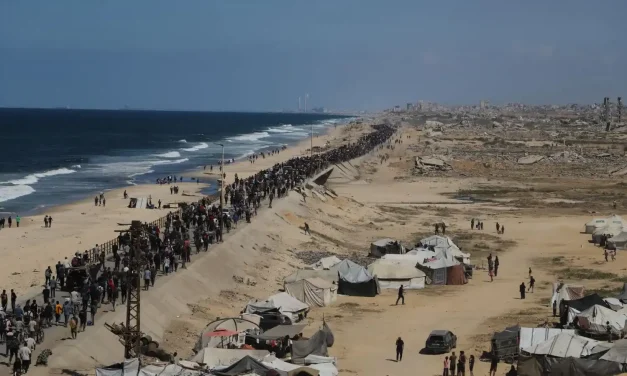
Increasing criticism of the extensive Zionist lobby network

SCFR Online – Opinion: An examination of the mechanisms of the Israeli regime’s influence in the United States depicts a complex picture of shared interests, strategic dependencies, and the limitations of this relationship.

Realities of the Tripartite Makkah Pact

SCFR Online – Interview: The signing of the Makkah agreement between Saudi Arabia, Pakistan, and Turkey has raised questions about the future of the region’s security structure and the position of these countries in West Asian equations. Can this agreement become a genuine collective defense mechanism, or does it have more of a political and deterrent function than creating new military capacity?

Loading

Lebanon

An analysis of the recent meeting between the leaders of Palestinian militant movements and Seyyed Hassan Nasrollah

An analysis of the recent meeting between the leaders of Palestinian militant movements and Seyyed Hassan Nasrollah

Strategic Council Online–Interview: An expert on West Asian issues stated that the meeting of the resistance leaders in Palestine and Lebanon gave the message that any move by the Zionist regime against the resistance front would be met with a multilateral and harsh response, which Israel cannot confront on several fronts at the same time, adding that the resistance groups are increasing the cost for any possible stupidity on the part of Netanyahu’s cabinet.

Developments in Lebanon, Challenges of Electing President

Developments in Lebanon, Challenges of Electing President

Strategic Council Online – Interview: A university professor says the issue of prolonging the presidential election (in Lebanon) is due to the differences among the Resistance Coalition. He added: The power structure and political groups have reached peaceful coexistence with the interim government and the existence of a power vacuum, and apparently, the presence or absence of the president does not matter much to them. In this situation, negotiations and bargaining do not reach a result that is the most desirable affair for the Zionist regime.

Analysis of recent events at Ein El Hilweh camp

Analysis of recent events at Ein El Hilweh camp

Strategic Council Online – Opinion: Ein El Hilweh camp near the city of Sidon, located in southern Lebanon, witnessed armed clashes between the Fatah movement and two takfiri groups known as “Jund al-Sham” and “Asbat al-Ansar” as a result of which about 40 people were killed and wounded, and two thousand people were also displaced.
Hamid Khoshayand – Expert on regional affairs

The strategic importance of resuming relations between Iran and Egypt

The strategic importance of resuming relations between Iran and Egypt

Strategic Council Online-Opinion: After the resumption of diplomatic relations between Iran and Saudi Arabia created a wave of positive developments in the region and encouraged other Persian Gulf countries to resume or strengthen ties with the Islamic Republic of Iran, now the news indicates that Iran and Egypt with the mediation of Iraq are trying to resume diplomatic relations.
Mohammad Mehdi Mazaheri—University scholar

The Zionist Regime on The Gunpowder Storage

The Zionist Regime on The Gunpowder Storage

Strategic Council Online—Interview: An expert on the issues of the Zionist regime, calling the horizon ahead of the Zionist regime vague and dark, emphasized that cohesion in the occupied territories is deteriorating, and this issue has affected the strategic approach of the regime.

Behind the scenes of the Zionist regime’s attacks on Syria

Behind the scenes of the Zionist regime’s attacks on Syria

Strategic Council Online—Opinion: Repeated missile attacks on Syria can have several goals, including maintaining the atmosphere of tension, measuring Syrian air defense systems and radars, supporting terrorists, etc., but the coincidence of these attacks with the internal crisis of the Zionist regime strengthens this hypothesis and proves that this regime has resorted to the policy of “exporting a severe internal crisis.”
Hamid Khoshayand—Expert in regional issues

Strategic Consequences of Improved Ties with the Saudis

Strategic Consequences of Improved Ties with the Saudis

Strategic Council Online – Opinion: The agreement between the Islamic Republic of Iran and the Kingdom of Saudi Arabia to resume bilateral relations is West Asia’s most important political and diplomatic event.
Barsam Mohammadi – International affairs analyst

Analysis of Inconclusive Paris Meeting on Lebanon, Impotence of Trans-Regional Powers

Analysis of Inconclusive Paris Meeting on Lebanon, Impotence of Trans-Regional Powers

Strategic Council Online – Interview: An expert on West Asia affairs emphasized that the interventionist meeting in Paris about Lebanon could not reach a conclusion due to the many contradictions in the point of view of members participating in the meeting, adding: Transregional countries are unable to solve the political crisis in Lebanon, but they refuse to admit it.

The significance and objectives of the visit by President Assad to Tehran

The significance and objectives of the visit by President Assad to Tehran

Strategic Council Online—Opinion: Bashar al-Assad traveled to Iran for the second time in ten years. Although it was not possible to travel at this level during the years of crisis in Syria for security reasons, it has never been able to overshadow the strategic relationship between the two countries or reduce it to lower levels.
Barsam Mohammadi-Expert of regional issues

أحدث الوظائف

The Makkah Pact; Reasons for its Formation and Challenges Ahead

SCFR Online – Opinion: The Makkah Pact, signed between Saudi Arabia, Pakistan, and Turkey under the motto “an attack on one is an attack on all,” is viewed by some analysts less as a full-fledged military coalition and more as an attempt to reduce security dependence on an external power and to establish a regional security mechanism.

Implications of the US-Saudi Nuclear Agreement

SCFR Online – Opinion: The new US-Saudi nuclear agreement, despite legal and political ambiguities, could alter previous non-proliferation standards in West Asia and intensify nuclear competition, ushering it into a new phase.

An Analysis of Recent Turkey-Israeli Regime Tensions

SCFR Online – Opinion: Recent developments in Syria indicate an intensification of strategic rivalry between Turkey and the Israeli regime, but mutual considerations and the role of the United States have limited the likelihood of direct war.

Increasing criticism of the extensive Zionist lobby network

SCFR Online – Opinion: An examination of the mechanisms of the Israeli regime’s influence in the United States depicts a complex picture of shared interests, strategic dependencies, and the limitations of this relationship.

Realities of the Tripartite Makkah Pact

SCFR Online – Interview: The signing of the Makkah agreement between Saudi Arabia, Pakistan, and Turkey has raised questions about the future of the region’s security structure and the position of these countries in West Asian equations. Can this agreement become a genuine collective defense mechanism, or does it have more of a political and deterrent function than creating new military capacity?

Loading

Lebanon

An analysis of the recent meeting between the leaders of Palestinian militant movements and Seyyed Hassan Nasrollah

An analysis of the recent meeting between the leaders of Palestinian militant movements and Seyyed Hassan Nasrollah

Strategic Council Online–Interview: An expert on West Asian issues stated that the meeting of the resistance leaders in Palestine and Lebanon gave the message that any move by the Zionist regime against the resistance front would be met with a multilateral and harsh response, which Israel cannot confront on several fronts at the same time, adding that the resistance groups are increasing the cost for any possible stupidity on the part of Netanyahu’s cabinet.

Developments in Lebanon, Challenges of Electing President

Developments in Lebanon, Challenges of Electing President

Strategic Council Online – Interview: A university professor says the issue of prolonging the presidential election (in Lebanon) is due to the differences among the Resistance Coalition. He added: The power structure and political groups have reached peaceful coexistence with the interim government and the existence of a power vacuum, and apparently, the presence or absence of the president does not matter much to them. In this situation, negotiations and bargaining do not reach a result that is the most desirable affair for the Zionist regime.

Analysis of recent events at Ein El Hilweh camp

Analysis of recent events at Ein El Hilweh camp

Strategic Council Online – Opinion: Ein El Hilweh camp near the city of Sidon, located in southern Lebanon, witnessed armed clashes between the Fatah movement and two takfiri groups known as “Jund al-Sham” and “Asbat al-Ansar” as a result of which about 40 people were killed and wounded, and two thousand people were also displaced.
Hamid Khoshayand – Expert on regional affairs

The strategic importance of resuming relations between Iran and Egypt

The strategic importance of resuming relations between Iran and Egypt

Strategic Council Online-Opinion: After the resumption of diplomatic relations between Iran and Saudi Arabia created a wave of positive developments in the region and encouraged other Persian Gulf countries to resume or strengthen ties with the Islamic Republic of Iran, now the news indicates that Iran and Egypt with the mediation of Iraq are trying to resume diplomatic relations.
Mohammad Mehdi Mazaheri—University scholar

The Zionist Regime on The Gunpowder Storage

The Zionist Regime on The Gunpowder Storage

Strategic Council Online—Interview: An expert on the issues of the Zionist regime, calling the horizon ahead of the Zionist regime vague and dark, emphasized that cohesion in the occupied territories is deteriorating, and this issue has affected the strategic approach of the regime.

Behind the scenes of the Zionist regime’s attacks on Syria

Behind the scenes of the Zionist regime’s attacks on Syria

Strategic Council Online—Opinion: Repeated missile attacks on Syria can have several goals, including maintaining the atmosphere of tension, measuring Syrian air defense systems and radars, supporting terrorists, etc., but the coincidence of these attacks with the internal crisis of the Zionist regime strengthens this hypothesis and proves that this regime has resorted to the policy of “exporting a severe internal crisis.”
Hamid Khoshayand—Expert in regional issues

Strategic Consequences of Improved Ties with the Saudis

Strategic Consequences of Improved Ties with the Saudis

Strategic Council Online – Opinion: The agreement between the Islamic Republic of Iran and the Kingdom of Saudi Arabia to resume bilateral relations is West Asia’s most important political and diplomatic event.
Barsam Mohammadi – International affairs analyst

Analysis of Inconclusive Paris Meeting on Lebanon, Impotence of Trans-Regional Powers

Analysis of Inconclusive Paris Meeting on Lebanon, Impotence of Trans-Regional Powers

Strategic Council Online – Interview: An expert on West Asia affairs emphasized that the interventionist meeting in Paris about Lebanon could not reach a conclusion due to the many contradictions in the point of view of members participating in the meeting, adding: Transregional countries are unable to solve the political crisis in Lebanon, but they refuse to admit it.

The significance and objectives of the visit by President Assad to Tehran

The significance and objectives of the visit by President Assad to Tehran

Strategic Council Online—Opinion: Bashar al-Assad traveled to Iran for the second time in ten years. Although it was not possible to travel at this level during the years of crisis in Syria for security reasons, it has never been able to overshadow the strategic relationship between the two countries or reduce it to lower levels.
Barsam Mohammadi-Expert of regional issues

Lebanon

An analysis of the recent meeting between the leaders of Palestinian militant movements and Seyyed Hassan Nasrollah

An analysis of the recent meeting between the leaders of Palestinian militant movements and Seyyed Hassan Nasrollah

Strategic Council Online–Interview: An expert on West Asian issues stated that the meeting of the resistance leaders in Palestine and Lebanon gave the message that any move by the Zionist regime against the resistance front would be met with a multilateral and harsh response, which Israel cannot confront on several fronts at the same time, adding that the resistance groups are increasing the cost for any possible stupidity on the part of Netanyahu’s cabinet.

Developments in Lebanon, Challenges of Electing President

Developments in Lebanon, Challenges of Electing President

Strategic Council Online – Interview: A university professor says the issue of prolonging the presidential election (in Lebanon) is due to the differences among the Resistance Coalition. He added: The power structure and political groups have reached peaceful coexistence with the interim government and the existence of a power vacuum, and apparently, the presence or absence of the president does not matter much to them. In this situation, negotiations and bargaining do not reach a result that is the most desirable affair for the Zionist regime.

Analysis of recent events at Ein El Hilweh camp

Analysis of recent events at Ein El Hilweh camp

Strategic Council Online – Opinion: Ein El Hilweh camp near the city of Sidon, located in southern Lebanon, witnessed armed clashes between the Fatah movement and two takfiri groups known as “Jund al-Sham” and “Asbat al-Ansar” as a result of which about 40 people were killed and wounded, and two thousand people were also displaced.
Hamid Khoshayand – Expert on regional affairs

The strategic importance of resuming relations between Iran and Egypt

The strategic importance of resuming relations between Iran and Egypt

Strategic Council Online-Opinion: After the resumption of diplomatic relations between Iran and Saudi Arabia created a wave of positive developments in the region and encouraged other Persian Gulf countries to resume or strengthen ties with the Islamic Republic of Iran, now the news indicates that Iran and Egypt with the mediation of Iraq are trying to resume diplomatic relations.
Mohammad Mehdi Mazaheri—University scholar

The Zionist Regime on The Gunpowder Storage

The Zionist Regime on The Gunpowder Storage

Strategic Council Online—Interview: An expert on the issues of the Zionist regime, calling the horizon ahead of the Zionist regime vague and dark, emphasized that cohesion in the occupied territories is deteriorating, and this issue has affected the strategic approach of the regime.

Behind the scenes of the Zionist regime’s attacks on Syria

Behind the scenes of the Zionist regime’s attacks on Syria

Strategic Council Online—Opinion: Repeated missile attacks on Syria can have several goals, including maintaining the atmosphere of tension, measuring Syrian air defense systems and radars, supporting terrorists, etc., but the coincidence of these attacks with the internal crisis of the Zionist regime strengthens this hypothesis and proves that this regime has resorted to the policy of “exporting a severe internal crisis.”
Hamid Khoshayand—Expert in regional issues

Strategic Consequences of Improved Ties with the Saudis

Strategic Consequences of Improved Ties with the Saudis

Strategic Council Online – Opinion: The agreement between the Islamic Republic of Iran and the Kingdom of Saudi Arabia to resume bilateral relations is West Asia’s most important political and diplomatic event.
Barsam Mohammadi – International affairs analyst

Analysis of Inconclusive Paris Meeting on Lebanon, Impotence of Trans-Regional Powers

Analysis of Inconclusive Paris Meeting on Lebanon, Impotence of Trans-Regional Powers

Strategic Council Online – Interview: An expert on West Asia affairs emphasized that the interventionist meeting in Paris about Lebanon could not reach a conclusion due to the many contradictions in the point of view of members participating in the meeting, adding: Transregional countries are unable to solve the political crisis in Lebanon, but they refuse to admit it.

The significance and objectives of the visit by President Assad to Tehran

The significance and objectives of the visit by President Assad to Tehran

Strategic Council Online—Opinion: Bashar al-Assad traveled to Iran for the second time in ten years. Although it was not possible to travel at this level during the years of crisis in Syria for security reasons, it has never been able to overshadow the strategic relationship between the two countries or reduce it to lower levels.
Barsam Mohammadi-Expert of regional issues

LATEST CONTENT

The Makkah Pact; Reasons for its Formation and Challenges Ahead

SCFR Online – Opinion: The Makkah Pact, signed between Saudi Arabia, Pakistan, and Turkey under the motto “an attack on one is an attack on all,” is viewed by some analysts less as a full-fledged military coalition and more as an attempt to reduce security dependence on an external power and to establish a regional security mechanism.

Implications of the US-Saudi Nuclear Agreement

SCFR Online – Opinion: The new US-Saudi nuclear agreement, despite legal and political ambiguities, could alter previous non-proliferation standards in West Asia and intensify nuclear competition, ushering it into a new phase.

An Analysis of Recent Turkey-Israeli Regime Tensions

SCFR Online – Opinion: Recent developments in Syria indicate an intensification of strategic rivalry between Turkey and the Israeli regime, but mutual considerations and the role of the United States have limited the likelihood of direct war.

Increasing criticism of the extensive Zionist lobby network

SCFR Online – Opinion: An examination of the mechanisms of the Israeli regime’s influence in the United States depicts a complex picture of shared interests, strategic dependencies, and the limitations of this relationship.

Realities of the Tripartite Makkah Pact

SCFR Online – Interview: The signing of the Makkah agreement between Saudi Arabia, Pakistan, and Turkey has raised questions about the future of the region’s security structure and the position of these countries in West Asian equations. Can this agreement become a genuine collective defense mechanism, or does it have more of a political and deterrent function than creating new military capacity?

Loading

Lebanon

An analysis of the recent meeting between the leaders of Palestinian militant movements and Seyyed Hassan Nasrollah

An analysis of the recent meeting between the leaders of Palestinian militant movements and Seyyed Hassan Nasrollah

Strategic Council Online–Interview: An expert on West Asian issues stated that the meeting of the resistance leaders in Palestine and Lebanon gave the message that any move by the Zionist regime against the resistance front would be met with a multilateral and harsh response, which Israel cannot confront on several fronts at the same time, adding that the resistance groups are increasing the cost for any possible stupidity on the part of Netanyahu’s cabinet.

Developments in Lebanon, Challenges of Electing President

Developments in Lebanon, Challenges of Electing President

Strategic Council Online – Interview: A university professor says the issue of prolonging the presidential election (in Lebanon) is due to the differences among the Resistance Coalition. He added: The power structure and political groups have reached peaceful coexistence with the interim government and the existence of a power vacuum, and apparently, the presence or absence of the president does not matter much to them. In this situation, negotiations and bargaining do not reach a result that is the most desirable affair for the Zionist regime.

Analysis of recent events at Ein El Hilweh camp

Analysis of recent events at Ein El Hilweh camp

Strategic Council Online – Opinion: Ein El Hilweh camp near the city of Sidon, located in southern Lebanon, witnessed armed clashes between the Fatah movement and two takfiri groups known as “Jund al-Sham” and “Asbat al-Ansar” as a result of which about 40 people were killed and wounded, and two thousand people were also displaced.
Hamid Khoshayand – Expert on regional affairs

The strategic importance of resuming relations between Iran and Egypt

The strategic importance of resuming relations between Iran and Egypt

Strategic Council Online-Opinion: After the resumption of diplomatic relations between Iran and Saudi Arabia created a wave of positive developments in the region and encouraged other Persian Gulf countries to resume or strengthen ties with the Islamic Republic of Iran, now the news indicates that Iran and Egypt with the mediation of Iraq are trying to resume diplomatic relations.
Mohammad Mehdi Mazaheri—University scholar

The Zionist Regime on The Gunpowder Storage

The Zionist Regime on The Gunpowder Storage

Strategic Council Online—Interview: An expert on the issues of the Zionist regime, calling the horizon ahead of the Zionist regime vague and dark, emphasized that cohesion in the occupied territories is deteriorating, and this issue has affected the strategic approach of the regime.

Behind the scenes of the Zionist regime’s attacks on Syria

Behind the scenes of the Zionist regime’s attacks on Syria

Strategic Council Online—Opinion: Repeated missile attacks on Syria can have several goals, including maintaining the atmosphere of tension, measuring Syrian air defense systems and radars, supporting terrorists, etc., but the coincidence of these attacks with the internal crisis of the Zionist regime strengthens this hypothesis and proves that this regime has resorted to the policy of “exporting a severe internal crisis.”
Hamid Khoshayand—Expert in regional issues

Strategic Consequences of Improved Ties with the Saudis

Strategic Consequences of Improved Ties with the Saudis

Strategic Council Online – Opinion: The agreement between the Islamic Republic of Iran and the Kingdom of Saudi Arabia to resume bilateral relations is West Asia’s most important political and diplomatic event.
Barsam Mohammadi – International affairs analyst

Analysis of Inconclusive Paris Meeting on Lebanon, Impotence of Trans-Regional Powers

Analysis of Inconclusive Paris Meeting on Lebanon, Impotence of Trans-Regional Powers

Strategic Council Online – Interview: An expert on West Asia affairs emphasized that the interventionist meeting in Paris about Lebanon could not reach a conclusion due to the many contradictions in the point of view of members participating in the meeting, adding: Transregional countries are unable to solve the political crisis in Lebanon, but they refuse to admit it.

The significance and objectives of the visit by President Assad to Tehran

The significance and objectives of the visit by President Assad to Tehran

Strategic Council Online—Opinion: Bashar al-Assad traveled to Iran for the second time in ten years. Although it was not possible to travel at this level during the years of crisis in Syria for security reasons, it has never been able to overshadow the strategic relationship between the two countries or reduce it to lower levels.
Barsam Mohammadi-Expert of regional issues

ÚLTIMAS PUBLICACIONES

The Makkah Pact; Reasons for its Formation and Challenges Ahead

SCFR Online – Opinion: The Makkah Pact, signed between Saudi Arabia, Pakistan, and Turkey under the motto “an attack on one is an attack on all,” is viewed by some analysts less as a full-fledged military coalition and more as an attempt to reduce security dependence on an external power and to establish a regional security mechanism.

Implications of the US-Saudi Nuclear Agreement

SCFR Online – Opinion: The new US-Saudi nuclear agreement, despite legal and political ambiguities, could alter previous non-proliferation standards in West Asia and intensify nuclear competition, ushering it into a new phase.

An Analysis of Recent Turkey-Israeli Regime Tensions

SCFR Online – Opinion: Recent developments in Syria indicate an intensification of strategic rivalry between Turkey and the Israeli regime, but mutual considerations and the role of the United States have limited the likelihood of direct war.

Increasing criticism of the extensive Zionist lobby network

SCFR Online – Opinion: An examination of the mechanisms of the Israeli regime’s influence in the United States depicts a complex picture of shared interests, strategic dependencies, and the limitations of this relationship.

Realities of the Tripartite Makkah Pact

SCFR Online – Interview: The signing of the Makkah agreement between Saudi Arabia, Pakistan, and Turkey has raised questions about the future of the region’s security structure and the position of these countries in West Asian equations. Can this agreement become a genuine collective defense mechanism, or does it have more of a political and deterrent function than creating new military capacity?

Loading

Lebanon

An analysis of the recent meeting between the leaders of Palestinian militant movements and Seyyed Hassan Nasrollah

An analysis of the recent meeting between the leaders of Palestinian militant movements and Seyyed Hassan Nasrollah

Strategic Council Online–Interview: An expert on West Asian issues stated that the meeting of the resistance leaders in Palestine and Lebanon gave the message that any move by the Zionist regime against the resistance front would be met with a multilateral and harsh response, which Israel cannot confront on several fronts at the same time, adding that the resistance groups are increasing the cost for any possible stupidity on the part of Netanyahu’s cabinet.

Developments in Lebanon, Challenges of Electing President

Developments in Lebanon, Challenges of Electing President

Strategic Council Online – Interview: A university professor says the issue of prolonging the presidential election (in Lebanon) is due to the differences among the Resistance Coalition. He added: The power structure and political groups have reached peaceful coexistence with the interim government and the existence of a power vacuum, and apparently, the presence or absence of the president does not matter much to them. In this situation, negotiations and bargaining do not reach a result that is the most desirable affair for the Zionist regime.

Analysis of recent events at Ein El Hilweh camp

Analysis of recent events at Ein El Hilweh camp

Strategic Council Online – Opinion: Ein El Hilweh camp near the city of Sidon, located in southern Lebanon, witnessed armed clashes between the Fatah movement and two takfiri groups known as “Jund al-Sham” and “Asbat al-Ansar” as a result of which about 40 people were killed and wounded, and two thousand people were also displaced.
Hamid Khoshayand – Expert on regional affairs

The strategic importance of resuming relations between Iran and Egypt

The strategic importance of resuming relations between Iran and Egypt

Strategic Council Online-Opinion: After the resumption of diplomatic relations between Iran and Saudi Arabia created a wave of positive developments in the region and encouraged other Persian Gulf countries to resume or strengthen ties with the Islamic Republic of Iran, now the news indicates that Iran and Egypt with the mediation of Iraq are trying to resume diplomatic relations.
Mohammad Mehdi Mazaheri—University scholar

The Zionist Regime on The Gunpowder Storage

The Zionist Regime on The Gunpowder Storage

Strategic Council Online—Interview: An expert on the issues of the Zionist regime, calling the horizon ahead of the Zionist regime vague and dark, emphasized that cohesion in the occupied territories is deteriorating, and this issue has affected the strategic approach of the regime.

Behind the scenes of the Zionist regime’s attacks on Syria

Behind the scenes of the Zionist regime’s attacks on Syria

Strategic Council Online—Opinion: Repeated missile attacks on Syria can have several goals, including maintaining the atmosphere of tension, measuring Syrian air defense systems and radars, supporting terrorists, etc., but the coincidence of these attacks with the internal crisis of the Zionist regime strengthens this hypothesis and proves that this regime has resorted to the policy of “exporting a severe internal crisis.”
Hamid Khoshayand—Expert in regional issues

Strategic Consequences of Improved Ties with the Saudis

Strategic Consequences of Improved Ties with the Saudis

Strategic Council Online – Opinion: The agreement between the Islamic Republic of Iran and the Kingdom of Saudi Arabia to resume bilateral relations is West Asia’s most important political and diplomatic event.
Barsam Mohammadi – International affairs analyst

Analysis of Inconclusive Paris Meeting on Lebanon, Impotence of Trans-Regional Powers

Analysis of Inconclusive Paris Meeting on Lebanon, Impotence of Trans-Regional Powers

Strategic Council Online – Interview: An expert on West Asia affairs emphasized that the interventionist meeting in Paris about Lebanon could not reach a conclusion due to the many contradictions in the point of view of members participating in the meeting, adding: Transregional countries are unable to solve the political crisis in Lebanon, but they refuse to admit it.

The significance and objectives of the visit by President Assad to Tehran

The significance and objectives of the visit by President Assad to Tehran

Strategic Council Online—Opinion: Bashar al-Assad traveled to Iran for the second time in ten years. Although it was not possible to travel at this level during the years of crisis in Syria for security reasons, it has never been able to overshadow the strategic relationship between the two countries or reduce it to lower levels.
Barsam Mohammadi-Expert of regional issues

ÚLTIMAS PUBLICACIONES

The Makkah Pact; Reasons for its Formation and Challenges Ahead

SCFR Online – Opinion: The Makkah Pact, signed between Saudi Arabia, Pakistan, and Turkey under the motto “an attack on one is an attack on all,” is viewed by some analysts less as a full-fledged military coalition and more as an attempt to reduce security dependence on an external power and to establish a regional security mechanism.

Implications of the US-Saudi Nuclear Agreement

SCFR Online – Opinion: The new US-Saudi nuclear agreement, despite legal and political ambiguities, could alter previous non-proliferation standards in West Asia and intensify nuclear competition, ushering it into a new phase.

An Analysis of Recent Turkey-Israeli Regime Tensions

SCFR Online – Opinion: Recent developments in Syria indicate an intensification of strategic rivalry between Turkey and the Israeli regime, but mutual considerations and the role of the United States have limited the likelihood of direct war.

Increasing criticism of the extensive Zionist lobby network

SCFR Online – Opinion: An examination of the mechanisms of the Israeli regime’s influence in the United States depicts a complex picture of shared interests, strategic dependencies, and the limitations of this relationship.

Realities of the Tripartite Makkah Pact

SCFR Online – Interview: The signing of the Makkah agreement between Saudi Arabia, Pakistan, and Turkey has raised questions about the future of the region’s security structure and the position of these countries in West Asian equations. Can this agreement become a genuine collective defense mechanism, or does it have more of a political and deterrent function than creating new military capacity?

Loading

Lebanon

An analysis of the recent meeting between the leaders of Palestinian militant movements and Seyyed Hassan Nasrollah

An analysis of the recent meeting between the leaders of Palestinian militant movements and Seyyed Hassan Nasrollah

Strategic Council Online–Interview: An expert on West Asian issues stated that the meeting of the resistance leaders in Palestine and Lebanon gave the message that any move by the Zionist regime against the resistance front would be met with a multilateral and harsh response, which Israel cannot confront on several fronts at the same time, adding that the resistance groups are increasing the cost for any possible stupidity on the part of Netanyahu’s cabinet.

Developments in Lebanon, Challenges of Electing President

Developments in Lebanon, Challenges of Electing President

Strategic Council Online – Interview: A university professor says the issue of prolonging the presidential election (in Lebanon) is due to the differences among the Resistance Coalition. He added: The power structure and political groups have reached peaceful coexistence with the interim government and the existence of a power vacuum, and apparently, the presence or absence of the president does not matter much to them. In this situation, negotiations and bargaining do not reach a result that is the most desirable affair for the Zionist regime.

Analysis of recent events at Ein El Hilweh camp

Analysis of recent events at Ein El Hilweh camp

Strategic Council Online – Opinion: Ein El Hilweh camp near the city of Sidon, located in southern Lebanon, witnessed armed clashes between the Fatah movement and two takfiri groups known as “Jund al-Sham” and “Asbat al-Ansar” as a result of which about 40 people were killed and wounded, and two thousand people were also displaced.
Hamid Khoshayand – Expert on regional affairs

The strategic importance of resuming relations between Iran and Egypt

The strategic importance of resuming relations between Iran and Egypt

Strategic Council Online-Opinion: After the resumption of diplomatic relations between Iran and Saudi Arabia created a wave of positive developments in the region and encouraged other Persian Gulf countries to resume or strengthen ties with the Islamic Republic of Iran, now the news indicates that Iran and Egypt with the mediation of Iraq are trying to resume diplomatic relations.
Mohammad Mehdi Mazaheri—University scholar

The Zionist Regime on The Gunpowder Storage

The Zionist Regime on The Gunpowder Storage

Strategic Council Online—Interview: An expert on the issues of the Zionist regime, calling the horizon ahead of the Zionist regime vague and dark, emphasized that cohesion in the occupied territories is deteriorating, and this issue has affected the strategic approach of the regime.

Behind the scenes of the Zionist regime’s attacks on Syria

Behind the scenes of the Zionist regime’s attacks on Syria

Strategic Council Online—Opinion: Repeated missile attacks on Syria can have several goals, including maintaining the atmosphere of tension, measuring Syrian air defense systems and radars, supporting terrorists, etc., but the coincidence of these attacks with the internal crisis of the Zionist regime strengthens this hypothesis and proves that this regime has resorted to the policy of “exporting a severe internal crisis.”
Hamid Khoshayand—Expert in regional issues

Strategic Consequences of Improved Ties with the Saudis

Strategic Consequences of Improved Ties with the Saudis

Strategic Council Online – Opinion: The agreement between the Islamic Republic of Iran and the Kingdom of Saudi Arabia to resume bilateral relations is West Asia’s most important political and diplomatic event.
Barsam Mohammadi – International affairs analyst

Analysis of Inconclusive Paris Meeting on Lebanon, Impotence of Trans-Regional Powers

Analysis of Inconclusive Paris Meeting on Lebanon, Impotence of Trans-Regional Powers

Strategic Council Online – Interview: An expert on West Asia affairs emphasized that the interventionist meeting in Paris about Lebanon could not reach a conclusion due to the many contradictions in the point of view of members participating in the meeting, adding: Transregional countries are unable to solve the political crisis in Lebanon, but they refuse to admit it.

The significance and objectives of the visit by President Assad to Tehran

The significance and objectives of the visit by President Assad to Tehran

Strategic Council Online—Opinion: Bashar al-Assad traveled to Iran for the second time in ten years. Although it was not possible to travel at this level during the years of crisis in Syria for security reasons, it has never been able to overshadow the strategic relationship between the two countries or reduce it to lower levels.
Barsam Mohammadi-Expert of regional issues

ÚLTIMAS PUBLICACIONES

The Makkah Pact; Reasons for its Formation and Challenges Ahead

SCFR Online – Opinion: The Makkah Pact, signed between Saudi Arabia, Pakistan, and Turkey under the motto “an attack on one is an attack on all,” is viewed by some analysts less as a full-fledged military coalition and more as an attempt to reduce security dependence on an external power and to establish a regional security mechanism.

Implications of the US-Saudi Nuclear Agreement

SCFR Online – Opinion: The new US-Saudi nuclear agreement, despite legal and political ambiguities, could alter previous non-proliferation standards in West Asia and intensify nuclear competition, ushering it into a new phase.

An Analysis of Recent Turkey-Israeli Regime Tensions

SCFR Online – Opinion: Recent developments in Syria indicate an intensification of strategic rivalry between Turkey and the Israeli regime, but mutual considerations and the role of the United States have limited the likelihood of direct war.

Increasing criticism of the extensive Zionist lobby network

SCFR Online – Opinion: An examination of the mechanisms of the Israeli regime’s influence in the United States depicts a complex picture of shared interests, strategic dependencies, and the limitations of this relationship.

Realities of the Tripartite Makkah Pact

SCFR Online – Interview: The signing of the Makkah agreement between Saudi Arabia, Pakistan, and Turkey has raised questions about the future of the region’s security structure and the position of these countries in West Asian equations. Can this agreement become a genuine collective defense mechanism, or does it have more of a political and deterrent function than creating new military capacity?

Loading

Lebanon

An analysis of the recent meeting between the leaders of Palestinian militant movements and Seyyed Hassan Nasrollah

An analysis of the recent meeting between the leaders of Palestinian militant movements and Seyyed Hassan Nasrollah

Strategic Council Online–Interview: An expert on West Asian issues stated that the meeting of the resistance leaders in Palestine and Lebanon gave the message that any move by the Zionist regime against the resistance front would be met with a multilateral and harsh response, which Israel cannot confront on several fronts at the same time, adding that the resistance groups are increasing the cost for any possible stupidity on the part of Netanyahu’s cabinet.

Developments in Lebanon, Challenges of Electing President

Developments in Lebanon, Challenges of Electing President

Strategic Council Online – Interview: A university professor says the issue of prolonging the presidential election (in Lebanon) is due to the differences among the Resistance Coalition. He added: The power structure and political groups have reached peaceful coexistence with the interim government and the existence of a power vacuum, and apparently, the presence or absence of the president does not matter much to them. In this situation, negotiations and bargaining do not reach a result that is the most desirable affair for the Zionist regime.

Analysis of recent events at Ein El Hilweh camp

Analysis of recent events at Ein El Hilweh camp

Strategic Council Online – Opinion: Ein El Hilweh camp near the city of Sidon, located in southern Lebanon, witnessed armed clashes between the Fatah movement and two takfiri groups known as “Jund al-Sham” and “Asbat al-Ansar” as a result of which about 40 people were killed and wounded, and two thousand people were also displaced.
Hamid Khoshayand – Expert on regional affairs

The strategic importance of resuming relations between Iran and Egypt

The strategic importance of resuming relations between Iran and Egypt

Strategic Council Online-Opinion: After the resumption of diplomatic relations between Iran and Saudi Arabia created a wave of positive developments in the region and encouraged other Persian Gulf countries to resume or strengthen ties with the Islamic Republic of Iran, now the news indicates that Iran and Egypt with the mediation of Iraq are trying to resume diplomatic relations.
Mohammad Mehdi Mazaheri—University scholar

The Zionist Regime on The Gunpowder Storage

The Zionist Regime on The Gunpowder Storage

Strategic Council Online—Interview: An expert on the issues of the Zionist regime, calling the horizon ahead of the Zionist regime vague and dark, emphasized that cohesion in the occupied territories is deteriorating, and this issue has affected the strategic approach of the regime.

Behind the scenes of the Zionist regime’s attacks on Syria

Behind the scenes of the Zionist regime’s attacks on Syria

Strategic Council Online—Opinion: Repeated missile attacks on Syria can have several goals, including maintaining the atmosphere of tension, measuring Syrian air defense systems and radars, supporting terrorists, etc., but the coincidence of these attacks with the internal crisis of the Zionist regime strengthens this hypothesis and proves that this regime has resorted to the policy of “exporting a severe internal crisis.”
Hamid Khoshayand—Expert in regional issues

Strategic Consequences of Improved Ties with the Saudis

Strategic Consequences of Improved Ties with the Saudis

Strategic Council Online – Opinion: The agreement between the Islamic Republic of Iran and the Kingdom of Saudi Arabia to resume bilateral relations is West Asia’s most important political and diplomatic event.
Barsam Mohammadi – International affairs analyst

Analysis of Inconclusive Paris Meeting on Lebanon, Impotence of Trans-Regional Powers

Analysis of Inconclusive Paris Meeting on Lebanon, Impotence of Trans-Regional Powers

Strategic Council Online – Interview: An expert on West Asia affairs emphasized that the interventionist meeting in Paris about Lebanon could not reach a conclusion due to the many contradictions in the point of view of members participating in the meeting, adding: Transregional countries are unable to solve the political crisis in Lebanon, but they refuse to admit it.

The significance and objectives of the visit by President Assad to Tehran

The significance and objectives of the visit by President Assad to Tehran

Strategic Council Online—Opinion: Bashar al-Assad traveled to Iran for the second time in ten years. Although it was not possible to travel at this level during the years of crisis in Syria for security reasons, it has never been able to overshadow the strategic relationship between the two countries or reduce it to lower levels.
Barsam Mohammadi-Expert of regional issues

ÚLTIMAS PUBLICACIONES

The Makkah Pact; Reasons for its Formation and Challenges Ahead

SCFR Online – Opinion: The Makkah Pact, signed between Saudi Arabia, Pakistan, and Turkey under the motto “an attack on one is an attack on all,” is viewed by some analysts less as a full-fledged military coalition and more as an attempt to reduce security dependence on an external power and to establish a regional security mechanism.

Implications of the US-Saudi Nuclear Agreement

SCFR Online – Opinion: The new US-Saudi nuclear agreement, despite legal and political ambiguities, could alter previous non-proliferation standards in West Asia and intensify nuclear competition, ushering it into a new phase.

An Analysis of Recent Turkey-Israeli Regime Tensions

SCFR Online – Opinion: Recent developments in Syria indicate an intensification of strategic rivalry between Turkey and the Israeli regime, but mutual considerations and the role of the United States have limited the likelihood of direct war.

Increasing criticism of the extensive Zionist lobby network

SCFR Online – Opinion: An examination of the mechanisms of the Israeli regime’s influence in the United States depicts a complex picture of shared interests, strategic dependencies, and the limitations of this relationship.

Realities of the Tripartite Makkah Pact

SCFR Online – Interview: The signing of the Makkah agreement between Saudi Arabia, Pakistan, and Turkey has raised questions about the future of the region’s security structure and the position of these countries in West Asian equations. Can this agreement become a genuine collective defense mechanism, or does it have more of a political and deterrent function than creating new military capacity?

Loading