جدیدترین مطالب

The Makkah Pact; Reasons for its Formation and Challenges Ahead

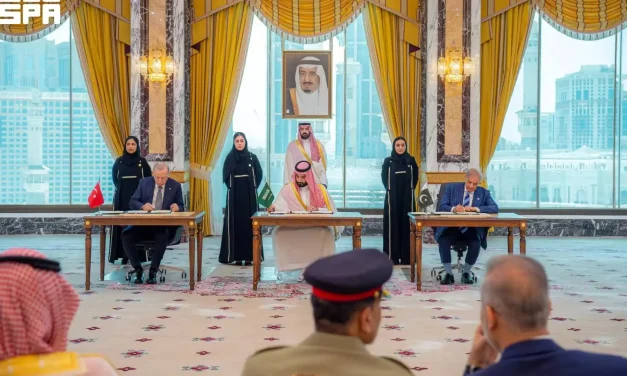
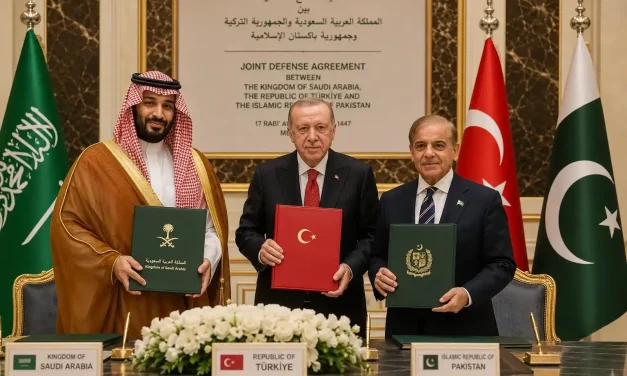
SCFR Online – Opinion: The Makkah Pact, signed between Saudi Arabia, Pakistan, and Turkey under the motto “an attack on one is an attack on all,” is viewed by some analysts less as a full-fledged military coalition and more as an attempt to reduce security dependence on an external power and to establish a regional security mechanism.

Implications of the US-Saudi Nuclear Agreement

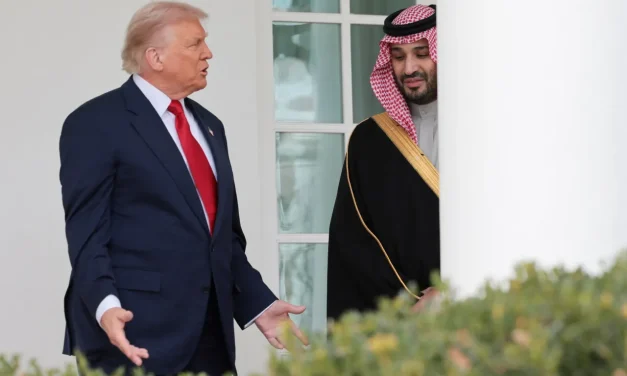
SCFR Online – Opinion: The new US-Saudi nuclear agreement, despite legal and political ambiguities, could alter previous non-proliferation standards in West Asia and intensify nuclear competition, ushering it into a new phase.

An Analysis of Recent Turkey-Israeli Regime Tensions

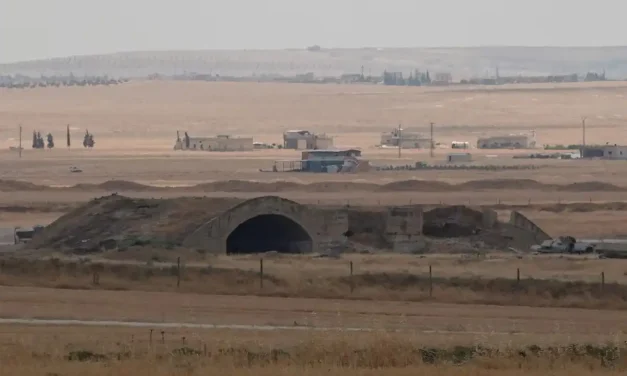
SCFR Online – Opinion: Recent developments in Syria indicate an intensification of strategic rivalry between Turkey and the Israeli regime, but mutual considerations and the role of the United States have limited the likelihood of direct war.

Increasing criticism of the extensive Zionist lobby network

SCFR Online – Opinion: An examination of the mechanisms of the Israeli regime’s influence in the United States depicts a complex picture of shared interests, strategic dependencies, and the limitations of this relationship.

Realities of the Tripartite Makkah Pact

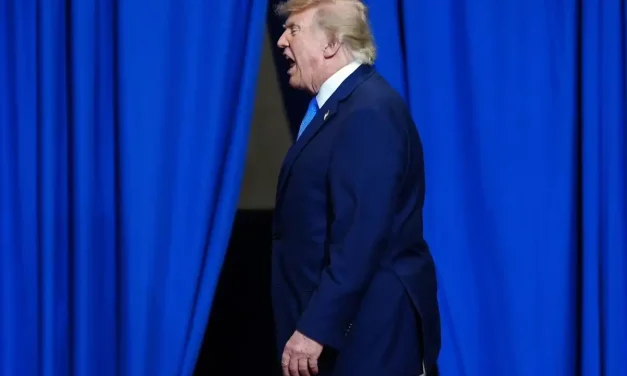
SCFR Online – Interview: The signing of the Makkah agreement between Saudi Arabia, Pakistan, and Turkey has raised questions about the future of the region’s security structure and the position of these countries in West Asian equations. Can this agreement become a genuine collective defense mechanism, or does it have more of a political and deterrent function than creating new military capacity?

Loading

Lebanon

Roots and outcomes of the diplomatic crises between Riyadh and Beirut

Roots and outcomes of the diplomatic crises between Riyadh and Beirut

Strategic Council Online—Interview: Former director-general of the Ministry of Foreign Affairs for the Middle East, while referring to the tensions in the relations between Riyadh and Beirut which resulted in the resignation of the Lebanese foreign minister, said if interests of Saudi Arabia are secured in the composition of the next Lebanese cabinet, the pressure would decrease and their policies will also change. Otherwise, he said, pressures will continue on Lebanon and they will create obstacles so as a stable government is not formed in Beirut.

Factors Strengthening Position of Resistance among Regional Nations

Factors Strengthening Position of Resistance among Regional Nations

Strategic Council Online – The recent speeches delivered by Sayyed Hassan Nasrallah, Secretary-General of Hezbollah in Lebanon, and Sayyed Abdul Malik Badruddin al-Houthi, the leader of Yemen’s Ansarollah, once again drew attention to the importance of the issue of resistance.
Hassan Hanizadeh – expert on the Middle East affairs

Reasons for Not Forming a Government in Lebanon

Reasons for Not Forming a Government in Lebanon

Strategic Council Online – Interview: An expert on the Middle East affairs commenting on the reasons for Saad Hariri’s delay in forming the Lebanese government said: The Lebanese government has suffered from an internal crisis in recent years, especially after the 2018 elections; in this way, the governments that came to power could not form a cabinet or continue to work due to some issues such as internal protests or lack of internal political understanding.

A Review of Resistance Axis Record in 1399

A Review of Resistance Axis Record in 1399

Strategic Council Online – The Islamic Resistance in the region in 1399 (March 2020 – March 2021), , recorded significant growth and efficiency in terms of field capabilities despite global developments and increasing US intervention.
Hassan Hanizadeh – Middle East affairs expert

France Making Attempts to Regain Colonial Role in Lebanon

France Making Attempts to Regain Colonial Role in Lebanon

Strategic Council Online – A former ambassador and Middle East affairs analyst says the roadmap drawn by France is a clear interference in Lebanon’s internal affairs, adding that what France is proposing is completely contrary to the goals of changing the structure or the Lebanese-Lebanese talks. Mr. Macron has entered the Lebanese arena with the false hope that he can take effective measure in the interest of France.

Lebanon’s government crisis: consequences and dimensions

Lebanon’s government crisis: consequences and dimensions

Strategic Council Online: Editorial—Under the present circumstances, we may witness once again a crisis in the formation of the Lebanese cabinet. With increasing foreign interference in Lebanon, it seems this crisis would be extended and prolonged more than the previous occasions as each of the foreign players are seeking to advance their own objectives and want to set the pieces of government in their own favour. This is while Lebanon is not a country to be settled with instruction issued from abroad.
Hossein Ajorloo – Expert of Middle East affairs

Hezbollah Is a Role Playing Reality in Lebanon

Hezbollah Is a Role Playing Reality in Lebanon

Strategic Council Online – A former Iranian diplomat, referring to the different stances of France and the United States regarding the role and status of Hezbollah in Lebanon, said: Hezbollah is a 100% and undeniable reality that exists and is present in Lebanon. No action in this country can succeed without taking the role of Hezbollah into account.

West’s Agenda to Exploit Lebanese Bombing

West’s Agenda to Exploit Lebanese Bombing

Strategic Council Online – After the recent deadly blasts in Beirut, a clear scenario was followed by the Western media, including the American, as well as Zionist and Arab media to the effect that Hezbollah missiles were being kept in the said warehouse, which exploded due to heat. Riyadh even claimed that Hezbollah missiles had exploded following the Israeli missile strike, sparking propaganda that was denied by Seyed Hassan Nasrallah.
Hassan Hanizadeh – Middle East Affairs Expert

Escalation of Foreign Interventions in Lebanon and the Need to Maintain Internal Solidarity

Escalation of Foreign Interventions in Lebanon and the Need to Maintain Internal Solidarity

Strategic Council Online – A Middle East affairs analyst believes that the United States is trying to change the political map in Lebanon, saying that under the status quo the conspiracy against Lebanon is pursued economically and with political goals, but people are largely patient and are trying to change these conditions with the help of the independent ruling government and Hezbollah.

Enemies of Resistance Axis Agenda to Confront Lebanese Hezbollah

Enemies of Resistance Axis Agenda to Confront Lebanese Hezbollah

Strategic Council Online – The United States, Britain, France and Saudi Arabia are now trying to create conditions to render the government of Hassan Diab ineffective through outside economic pressure and to provoke the people inside so that Lebanon’s Hezbollah too will come under pressure.
Hassan Hanizadeh – Middle East Affairs Expert

أحدث الوظائف

The Makkah Pact; Reasons for its Formation and Challenges Ahead

SCFR Online – Opinion: The Makkah Pact, signed between Saudi Arabia, Pakistan, and Turkey under the motto “an attack on one is an attack on all,” is viewed by some analysts less as a full-fledged military coalition and more as an attempt to reduce security dependence on an external power and to establish a regional security mechanism.

Implications of the US-Saudi Nuclear Agreement

SCFR Online – Opinion: The new US-Saudi nuclear agreement, despite legal and political ambiguities, could alter previous non-proliferation standards in West Asia and intensify nuclear competition, ushering it into a new phase.

An Analysis of Recent Turkey-Israeli Regime Tensions

SCFR Online – Opinion: Recent developments in Syria indicate an intensification of strategic rivalry between Turkey and the Israeli regime, but mutual considerations and the role of the United States have limited the likelihood of direct war.

Increasing criticism of the extensive Zionist lobby network

SCFR Online – Opinion: An examination of the mechanisms of the Israeli regime’s influence in the United States depicts a complex picture of shared interests, strategic dependencies, and the limitations of this relationship.

Realities of the Tripartite Makkah Pact

SCFR Online – Interview: The signing of the Makkah agreement between Saudi Arabia, Pakistan, and Turkey has raised questions about the future of the region’s security structure and the position of these countries in West Asian equations. Can this agreement become a genuine collective defense mechanism, or does it have more of a political and deterrent function than creating new military capacity?

Loading

Lebanon

Roots and outcomes of the diplomatic crises between Riyadh and Beirut

Roots and outcomes of the diplomatic crises between Riyadh and Beirut

Strategic Council Online—Interview: Former director-general of the Ministry of Foreign Affairs for the Middle East, while referring to the tensions in the relations between Riyadh and Beirut which resulted in the resignation of the Lebanese foreign minister, said if interests of Saudi Arabia are secured in the composition of the next Lebanese cabinet, the pressure would decrease and their policies will also change. Otherwise, he said, pressures will continue on Lebanon and they will create obstacles so as a stable government is not formed in Beirut.

Factors Strengthening Position of Resistance among Regional Nations

Factors Strengthening Position of Resistance among Regional Nations

Strategic Council Online – The recent speeches delivered by Sayyed Hassan Nasrallah, Secretary-General of Hezbollah in Lebanon, and Sayyed Abdul Malik Badruddin al-Houthi, the leader of Yemen’s Ansarollah, once again drew attention to the importance of the issue of resistance.
Hassan Hanizadeh – expert on the Middle East affairs

Reasons for Not Forming a Government in Lebanon

Reasons for Not Forming a Government in Lebanon

Strategic Council Online – Interview: An expert on the Middle East affairs commenting on the reasons for Saad Hariri’s delay in forming the Lebanese government said: The Lebanese government has suffered from an internal crisis in recent years, especially after the 2018 elections; in this way, the governments that came to power could not form a cabinet or continue to work due to some issues such as internal protests or lack of internal political understanding.

A Review of Resistance Axis Record in 1399

A Review of Resistance Axis Record in 1399

Strategic Council Online – The Islamic Resistance in the region in 1399 (March 2020 – March 2021), , recorded significant growth and efficiency in terms of field capabilities despite global developments and increasing US intervention.
Hassan Hanizadeh – Middle East affairs expert

France Making Attempts to Regain Colonial Role in Lebanon

France Making Attempts to Regain Colonial Role in Lebanon

Strategic Council Online – A former ambassador and Middle East affairs analyst says the roadmap drawn by France is a clear interference in Lebanon’s internal affairs, adding that what France is proposing is completely contrary to the goals of changing the structure or the Lebanese-Lebanese talks. Mr. Macron has entered the Lebanese arena with the false hope that he can take effective measure in the interest of France.

Lebanon’s government crisis: consequences and dimensions

Lebanon’s government crisis: consequences and dimensions

Strategic Council Online: Editorial—Under the present circumstances, we may witness once again a crisis in the formation of the Lebanese cabinet. With increasing foreign interference in Lebanon, it seems this crisis would be extended and prolonged more than the previous occasions as each of the foreign players are seeking to advance their own objectives and want to set the pieces of government in their own favour. This is while Lebanon is not a country to be settled with instruction issued from abroad.
Hossein Ajorloo – Expert of Middle East affairs

Hezbollah Is a Role Playing Reality in Lebanon

Hezbollah Is a Role Playing Reality in Lebanon

Strategic Council Online – A former Iranian diplomat, referring to the different stances of France and the United States regarding the role and status of Hezbollah in Lebanon, said: Hezbollah is a 100% and undeniable reality that exists and is present in Lebanon. No action in this country can succeed without taking the role of Hezbollah into account.

West’s Agenda to Exploit Lebanese Bombing

West’s Agenda to Exploit Lebanese Bombing

Strategic Council Online – After the recent deadly blasts in Beirut, a clear scenario was followed by the Western media, including the American, as well as Zionist and Arab media to the effect that Hezbollah missiles were being kept in the said warehouse, which exploded due to heat. Riyadh even claimed that Hezbollah missiles had exploded following the Israeli missile strike, sparking propaganda that was denied by Seyed Hassan Nasrallah.
Hassan Hanizadeh – Middle East Affairs Expert

Escalation of Foreign Interventions in Lebanon and the Need to Maintain Internal Solidarity

Escalation of Foreign Interventions in Lebanon and the Need to Maintain Internal Solidarity

Strategic Council Online – A Middle East affairs analyst believes that the United States is trying to change the political map in Lebanon, saying that under the status quo the conspiracy against Lebanon is pursued economically and with political goals, but people are largely patient and are trying to change these conditions with the help of the independent ruling government and Hezbollah.

Enemies of Resistance Axis Agenda to Confront Lebanese Hezbollah

Enemies of Resistance Axis Agenda to Confront Lebanese Hezbollah

Strategic Council Online – The United States, Britain, France and Saudi Arabia are now trying to create conditions to render the government of Hassan Diab ineffective through outside economic pressure and to provoke the people inside so that Lebanon’s Hezbollah too will come under pressure.
Hassan Hanizadeh – Middle East Affairs Expert

Lebanon

Roots and outcomes of the diplomatic crises between Riyadh and Beirut

Roots and outcomes of the diplomatic crises between Riyadh and Beirut

Strategic Council Online—Interview: Former director-general of the Ministry of Foreign Affairs for the Middle East, while referring to the tensions in the relations between Riyadh and Beirut which resulted in the resignation of the Lebanese foreign minister, said if interests of Saudi Arabia are secured in the composition of the next Lebanese cabinet, the pressure would decrease and their policies will also change. Otherwise, he said, pressures will continue on Lebanon and they will create obstacles so as a stable government is not formed in Beirut.

Factors Strengthening Position of Resistance among Regional Nations

Factors Strengthening Position of Resistance among Regional Nations

Strategic Council Online – The recent speeches delivered by Sayyed Hassan Nasrallah, Secretary-General of Hezbollah in Lebanon, and Sayyed Abdul Malik Badruddin al-Houthi, the leader of Yemen’s Ansarollah, once again drew attention to the importance of the issue of resistance.
Hassan Hanizadeh – expert on the Middle East affairs

Reasons for Not Forming a Government in Lebanon

Reasons for Not Forming a Government in Lebanon

Strategic Council Online – Interview: An expert on the Middle East affairs commenting on the reasons for Saad Hariri’s delay in forming the Lebanese government said: The Lebanese government has suffered from an internal crisis in recent years, especially after the 2018 elections; in this way, the governments that came to power could not form a cabinet or continue to work due to some issues such as internal protests or lack of internal political understanding.

A Review of Resistance Axis Record in 1399

A Review of Resistance Axis Record in 1399

Strategic Council Online – The Islamic Resistance in the region in 1399 (March 2020 – March 2021), , recorded significant growth and efficiency in terms of field capabilities despite global developments and increasing US intervention.
Hassan Hanizadeh – Middle East affairs expert

France Making Attempts to Regain Colonial Role in Lebanon

France Making Attempts to Regain Colonial Role in Lebanon

Strategic Council Online – A former ambassador and Middle East affairs analyst says the roadmap drawn by France is a clear interference in Lebanon’s internal affairs, adding that what France is proposing is completely contrary to the goals of changing the structure or the Lebanese-Lebanese talks. Mr. Macron has entered the Lebanese arena with the false hope that he can take effective measure in the interest of France.

Lebanon’s government crisis: consequences and dimensions

Lebanon’s government crisis: consequences and dimensions

Strategic Council Online: Editorial—Under the present circumstances, we may witness once again a crisis in the formation of the Lebanese cabinet. With increasing foreign interference in Lebanon, it seems this crisis would be extended and prolonged more than the previous occasions as each of the foreign players are seeking to advance their own objectives and want to set the pieces of government in their own favour. This is while Lebanon is not a country to be settled with instruction issued from abroad.
Hossein Ajorloo – Expert of Middle East affairs

Hezbollah Is a Role Playing Reality in Lebanon

Hezbollah Is a Role Playing Reality in Lebanon

Strategic Council Online – A former Iranian diplomat, referring to the different stances of France and the United States regarding the role and status of Hezbollah in Lebanon, said: Hezbollah is a 100% and undeniable reality that exists and is present in Lebanon. No action in this country can succeed without taking the role of Hezbollah into account.

West’s Agenda to Exploit Lebanese Bombing

West’s Agenda to Exploit Lebanese Bombing

Strategic Council Online – After the recent deadly blasts in Beirut, a clear scenario was followed by the Western media, including the American, as well as Zionist and Arab media to the effect that Hezbollah missiles were being kept in the said warehouse, which exploded due to heat. Riyadh even claimed that Hezbollah missiles had exploded following the Israeli missile strike, sparking propaganda that was denied by Seyed Hassan Nasrallah.
Hassan Hanizadeh – Middle East Affairs Expert

Escalation of Foreign Interventions in Lebanon and the Need to Maintain Internal Solidarity

Escalation of Foreign Interventions in Lebanon and the Need to Maintain Internal Solidarity

Strategic Council Online – A Middle East affairs analyst believes that the United States is trying to change the political map in Lebanon, saying that under the status quo the conspiracy against Lebanon is pursued economically and with political goals, but people are largely patient and are trying to change these conditions with the help of the independent ruling government and Hezbollah.

Enemies of Resistance Axis Agenda to Confront Lebanese Hezbollah

Enemies of Resistance Axis Agenda to Confront Lebanese Hezbollah

Strategic Council Online – The United States, Britain, France and Saudi Arabia are now trying to create conditions to render the government of Hassan Diab ineffective through outside economic pressure and to provoke the people inside so that Lebanon’s Hezbollah too will come under pressure.
Hassan Hanizadeh – Middle East Affairs Expert

LATEST CONTENT

The Makkah Pact; Reasons for its Formation and Challenges Ahead

SCFR Online – Opinion: The Makkah Pact, signed between Saudi Arabia, Pakistan, and Turkey under the motto “an attack on one is an attack on all,” is viewed by some analysts less as a full-fledged military coalition and more as an attempt to reduce security dependence on an external power and to establish a regional security mechanism.

Implications of the US-Saudi Nuclear Agreement

SCFR Online – Opinion: The new US-Saudi nuclear agreement, despite legal and political ambiguities, could alter previous non-proliferation standards in West Asia and intensify nuclear competition, ushering it into a new phase.

An Analysis of Recent Turkey-Israeli Regime Tensions

SCFR Online – Opinion: Recent developments in Syria indicate an intensification of strategic rivalry between Turkey and the Israeli regime, but mutual considerations and the role of the United States have limited the likelihood of direct war.

Increasing criticism of the extensive Zionist lobby network

SCFR Online – Opinion: An examination of the mechanisms of the Israeli regime’s influence in the United States depicts a complex picture of shared interests, strategic dependencies, and the limitations of this relationship.

Realities of the Tripartite Makkah Pact

SCFR Online – Interview: The signing of the Makkah agreement between Saudi Arabia, Pakistan, and Turkey has raised questions about the future of the region’s security structure and the position of these countries in West Asian equations. Can this agreement become a genuine collective defense mechanism, or does it have more of a political and deterrent function than creating new military capacity?

Loading

Lebanon

Roots and outcomes of the diplomatic crises between Riyadh and Beirut

Roots and outcomes of the diplomatic crises between Riyadh and Beirut

Strategic Council Online—Interview: Former director-general of the Ministry of Foreign Affairs for the Middle East, while referring to the tensions in the relations between Riyadh and Beirut which resulted in the resignation of the Lebanese foreign minister, said if interests of Saudi Arabia are secured in the composition of the next Lebanese cabinet, the pressure would decrease and their policies will also change. Otherwise, he said, pressures will continue on Lebanon and they will create obstacles so as a stable government is not formed in Beirut.

Factors Strengthening Position of Resistance among Regional Nations

Factors Strengthening Position of Resistance among Regional Nations

Strategic Council Online – The recent speeches delivered by Sayyed Hassan Nasrallah, Secretary-General of Hezbollah in Lebanon, and Sayyed Abdul Malik Badruddin al-Houthi, the leader of Yemen’s Ansarollah, once again drew attention to the importance of the issue of resistance.
Hassan Hanizadeh – expert on the Middle East affairs

Reasons for Not Forming a Government in Lebanon

Reasons for Not Forming a Government in Lebanon

Strategic Council Online – Interview: An expert on the Middle East affairs commenting on the reasons for Saad Hariri’s delay in forming the Lebanese government said: The Lebanese government has suffered from an internal crisis in recent years, especially after the 2018 elections; in this way, the governments that came to power could not form a cabinet or continue to work due to some issues such as internal protests or lack of internal political understanding.

A Review of Resistance Axis Record in 1399

A Review of Resistance Axis Record in 1399

Strategic Council Online – The Islamic Resistance in the region in 1399 (March 2020 – March 2021), , recorded significant growth and efficiency in terms of field capabilities despite global developments and increasing US intervention.
Hassan Hanizadeh – Middle East affairs expert

France Making Attempts to Regain Colonial Role in Lebanon

France Making Attempts to Regain Colonial Role in Lebanon

Strategic Council Online – A former ambassador and Middle East affairs analyst says the roadmap drawn by France is a clear interference in Lebanon’s internal affairs, adding that what France is proposing is completely contrary to the goals of changing the structure or the Lebanese-Lebanese talks. Mr. Macron has entered the Lebanese arena with the false hope that he can take effective measure in the interest of France.

Lebanon’s government crisis: consequences and dimensions

Lebanon’s government crisis: consequences and dimensions

Strategic Council Online: Editorial—Under the present circumstances, we may witness once again a crisis in the formation of the Lebanese cabinet. With increasing foreign interference in Lebanon, it seems this crisis would be extended and prolonged more than the previous occasions as each of the foreign players are seeking to advance their own objectives and want to set the pieces of government in their own favour. This is while Lebanon is not a country to be settled with instruction issued from abroad.
Hossein Ajorloo – Expert of Middle East affairs

Hezbollah Is a Role Playing Reality in Lebanon

Hezbollah Is a Role Playing Reality in Lebanon

Strategic Council Online – A former Iranian diplomat, referring to the different stances of France and the United States regarding the role and status of Hezbollah in Lebanon, said: Hezbollah is a 100% and undeniable reality that exists and is present in Lebanon. No action in this country can succeed without taking the role of Hezbollah into account.

West’s Agenda to Exploit Lebanese Bombing

West’s Agenda to Exploit Lebanese Bombing

Strategic Council Online – After the recent deadly blasts in Beirut, a clear scenario was followed by the Western media, including the American, as well as Zionist and Arab media to the effect that Hezbollah missiles were being kept in the said warehouse, which exploded due to heat. Riyadh even claimed that Hezbollah missiles had exploded following the Israeli missile strike, sparking propaganda that was denied by Seyed Hassan Nasrallah.
Hassan Hanizadeh – Middle East Affairs Expert

Escalation of Foreign Interventions in Lebanon and the Need to Maintain Internal Solidarity

Escalation of Foreign Interventions in Lebanon and the Need to Maintain Internal Solidarity

Strategic Council Online – A Middle East affairs analyst believes that the United States is trying to change the political map in Lebanon, saying that under the status quo the conspiracy against Lebanon is pursued economically and with political goals, but people are largely patient and are trying to change these conditions with the help of the independent ruling government and Hezbollah.

Enemies of Resistance Axis Agenda to Confront Lebanese Hezbollah

Enemies of Resistance Axis Agenda to Confront Lebanese Hezbollah

Strategic Council Online – The United States, Britain, France and Saudi Arabia are now trying to create conditions to render the government of Hassan Diab ineffective through outside economic pressure and to provoke the people inside so that Lebanon’s Hezbollah too will come under pressure.
Hassan Hanizadeh – Middle East Affairs Expert

ÚLTIMAS PUBLICACIONES

The Makkah Pact; Reasons for its Formation and Challenges Ahead

SCFR Online – Opinion: The Makkah Pact, signed between Saudi Arabia, Pakistan, and Turkey under the motto “an attack on one is an attack on all,” is viewed by some analysts less as a full-fledged military coalition and more as an attempt to reduce security dependence on an external power and to establish a regional security mechanism.

Implications of the US-Saudi Nuclear Agreement

SCFR Online – Opinion: The new US-Saudi nuclear agreement, despite legal and political ambiguities, could alter previous non-proliferation standards in West Asia and intensify nuclear competition, ushering it into a new phase.

An Analysis of Recent Turkey-Israeli Regime Tensions

SCFR Online – Opinion: Recent developments in Syria indicate an intensification of strategic rivalry between Turkey and the Israeli regime, but mutual considerations and the role of the United States have limited the likelihood of direct war.

Increasing criticism of the extensive Zionist lobby network

SCFR Online – Opinion: An examination of the mechanisms of the Israeli regime’s influence in the United States depicts a complex picture of shared interests, strategic dependencies, and the limitations of this relationship.

Realities of the Tripartite Makkah Pact

SCFR Online – Interview: The signing of the Makkah agreement between Saudi Arabia, Pakistan, and Turkey has raised questions about the future of the region’s security structure and the position of these countries in West Asian equations. Can this agreement become a genuine collective defense mechanism, or does it have more of a political and deterrent function than creating new military capacity?

Loading

Lebanon

Roots and outcomes of the diplomatic crises between Riyadh and Beirut

Roots and outcomes of the diplomatic crises between Riyadh and Beirut

Strategic Council Online—Interview: Former director-general of the Ministry of Foreign Affairs for the Middle East, while referring to the tensions in the relations between Riyadh and Beirut which resulted in the resignation of the Lebanese foreign minister, said if interests of Saudi Arabia are secured in the composition of the next Lebanese cabinet, the pressure would decrease and their policies will also change. Otherwise, he said, pressures will continue on Lebanon and they will create obstacles so as a stable government is not formed in Beirut.

Factors Strengthening Position of Resistance among Regional Nations

Factors Strengthening Position of Resistance among Regional Nations

Strategic Council Online – The recent speeches delivered by Sayyed Hassan Nasrallah, Secretary-General of Hezbollah in Lebanon, and Sayyed Abdul Malik Badruddin al-Houthi, the leader of Yemen’s Ansarollah, once again drew attention to the importance of the issue of resistance.
Hassan Hanizadeh – expert on the Middle East affairs

Reasons for Not Forming a Government in Lebanon

Reasons for Not Forming a Government in Lebanon

Strategic Council Online – Interview: An expert on the Middle East affairs commenting on the reasons for Saad Hariri’s delay in forming the Lebanese government said: The Lebanese government has suffered from an internal crisis in recent years, especially after the 2018 elections; in this way, the governments that came to power could not form a cabinet or continue to work due to some issues such as internal protests or lack of internal political understanding.

A Review of Resistance Axis Record in 1399

A Review of Resistance Axis Record in 1399

Strategic Council Online – The Islamic Resistance in the region in 1399 (March 2020 – March 2021), , recorded significant growth and efficiency in terms of field capabilities despite global developments and increasing US intervention.
Hassan Hanizadeh – Middle East affairs expert

France Making Attempts to Regain Colonial Role in Lebanon

France Making Attempts to Regain Colonial Role in Lebanon

Strategic Council Online – A former ambassador and Middle East affairs analyst says the roadmap drawn by France is a clear interference in Lebanon’s internal affairs, adding that what France is proposing is completely contrary to the goals of changing the structure or the Lebanese-Lebanese talks. Mr. Macron has entered the Lebanese arena with the false hope that he can take effective measure in the interest of France.

Lebanon’s government crisis: consequences and dimensions

Lebanon’s government crisis: consequences and dimensions

Strategic Council Online: Editorial—Under the present circumstances, we may witness once again a crisis in the formation of the Lebanese cabinet. With increasing foreign interference in Lebanon, it seems this crisis would be extended and prolonged more than the previous occasions as each of the foreign players are seeking to advance their own objectives and want to set the pieces of government in their own favour. This is while Lebanon is not a country to be settled with instruction issued from abroad.
Hossein Ajorloo – Expert of Middle East affairs

Hezbollah Is a Role Playing Reality in Lebanon

Hezbollah Is a Role Playing Reality in Lebanon

Strategic Council Online – A former Iranian diplomat, referring to the different stances of France and the United States regarding the role and status of Hezbollah in Lebanon, said: Hezbollah is a 100% and undeniable reality that exists and is present in Lebanon. No action in this country can succeed without taking the role of Hezbollah into account.

West’s Agenda to Exploit Lebanese Bombing

West’s Agenda to Exploit Lebanese Bombing

Strategic Council Online – After the recent deadly blasts in Beirut, a clear scenario was followed by the Western media, including the American, as well as Zionist and Arab media to the effect that Hezbollah missiles were being kept in the said warehouse, which exploded due to heat. Riyadh even claimed that Hezbollah missiles had exploded following the Israeli missile strike, sparking propaganda that was denied by Seyed Hassan Nasrallah.
Hassan Hanizadeh – Middle East Affairs Expert

Escalation of Foreign Interventions in Lebanon and the Need to Maintain Internal Solidarity

Escalation of Foreign Interventions in Lebanon and the Need to Maintain Internal Solidarity

Strategic Council Online – A Middle East affairs analyst believes that the United States is trying to change the political map in Lebanon, saying that under the status quo the conspiracy against Lebanon is pursued economically and with political goals, but people are largely patient and are trying to change these conditions with the help of the independent ruling government and Hezbollah.

Enemies of Resistance Axis Agenda to Confront Lebanese Hezbollah

Enemies of Resistance Axis Agenda to Confront Lebanese Hezbollah

Strategic Council Online – The United States, Britain, France and Saudi Arabia are now trying to create conditions to render the government of Hassan Diab ineffective through outside economic pressure and to provoke the people inside so that Lebanon’s Hezbollah too will come under pressure.
Hassan Hanizadeh – Middle East Affairs Expert

ÚLTIMAS PUBLICACIONES

The Makkah Pact; Reasons for its Formation and Challenges Ahead

SCFR Online – Opinion: The Makkah Pact, signed between Saudi Arabia, Pakistan, and Turkey under the motto “an attack on one is an attack on all,” is viewed by some analysts less as a full-fledged military coalition and more as an attempt to reduce security dependence on an external power and to establish a regional security mechanism.

Implications of the US-Saudi Nuclear Agreement

SCFR Online – Opinion: The new US-Saudi nuclear agreement, despite legal and political ambiguities, could alter previous non-proliferation standards in West Asia and intensify nuclear competition, ushering it into a new phase.

An Analysis of Recent Turkey-Israeli Regime Tensions

SCFR Online – Opinion: Recent developments in Syria indicate an intensification of strategic rivalry between Turkey and the Israeli regime, but mutual considerations and the role of the United States have limited the likelihood of direct war.

Increasing criticism of the extensive Zionist lobby network

SCFR Online – Opinion: An examination of the mechanisms of the Israeli regime’s influence in the United States depicts a complex picture of shared interests, strategic dependencies, and the limitations of this relationship.

Realities of the Tripartite Makkah Pact

SCFR Online – Interview: The signing of the Makkah agreement between Saudi Arabia, Pakistan, and Turkey has raised questions about the future of the region’s security structure and the position of these countries in West Asian equations. Can this agreement become a genuine collective defense mechanism, or does it have more of a political and deterrent function than creating new military capacity?

Loading

Lebanon

Roots and outcomes of the diplomatic crises between Riyadh and Beirut

Roots and outcomes of the diplomatic crises between Riyadh and Beirut

Strategic Council Online—Interview: Former director-general of the Ministry of Foreign Affairs for the Middle East, while referring to the tensions in the relations between Riyadh and Beirut which resulted in the resignation of the Lebanese foreign minister, said if interests of Saudi Arabia are secured in the composition of the next Lebanese cabinet, the pressure would decrease and their policies will also change. Otherwise, he said, pressures will continue on Lebanon and they will create obstacles so as a stable government is not formed in Beirut.

Factors Strengthening Position of Resistance among Regional Nations

Factors Strengthening Position of Resistance among Regional Nations

Strategic Council Online – The recent speeches delivered by Sayyed Hassan Nasrallah, Secretary-General of Hezbollah in Lebanon, and Sayyed Abdul Malik Badruddin al-Houthi, the leader of Yemen’s Ansarollah, once again drew attention to the importance of the issue of resistance.
Hassan Hanizadeh – expert on the Middle East affairs

Reasons for Not Forming a Government in Lebanon

Reasons for Not Forming a Government in Lebanon

Strategic Council Online – Interview: An expert on the Middle East affairs commenting on the reasons for Saad Hariri’s delay in forming the Lebanese government said: The Lebanese government has suffered from an internal crisis in recent years, especially after the 2018 elections; in this way, the governments that came to power could not form a cabinet or continue to work due to some issues such as internal protests or lack of internal political understanding.

A Review of Resistance Axis Record in 1399

A Review of Resistance Axis Record in 1399

Strategic Council Online – The Islamic Resistance in the region in 1399 (March 2020 – March 2021), , recorded significant growth and efficiency in terms of field capabilities despite global developments and increasing US intervention.
Hassan Hanizadeh – Middle East affairs expert

France Making Attempts to Regain Colonial Role in Lebanon

France Making Attempts to Regain Colonial Role in Lebanon

Strategic Council Online – A former ambassador and Middle East affairs analyst says the roadmap drawn by France is a clear interference in Lebanon’s internal affairs, adding that what France is proposing is completely contrary to the goals of changing the structure or the Lebanese-Lebanese talks. Mr. Macron has entered the Lebanese arena with the false hope that he can take effective measure in the interest of France.

Lebanon’s government crisis: consequences and dimensions

Lebanon’s government crisis: consequences and dimensions

Strategic Council Online: Editorial—Under the present circumstances, we may witness once again a crisis in the formation of the Lebanese cabinet. With increasing foreign interference in Lebanon, it seems this crisis would be extended and prolonged more than the previous occasions as each of the foreign players are seeking to advance their own objectives and want to set the pieces of government in their own favour. This is while Lebanon is not a country to be settled with instruction issued from abroad.
Hossein Ajorloo – Expert of Middle East affairs

Hezbollah Is a Role Playing Reality in Lebanon

Hezbollah Is a Role Playing Reality in Lebanon

Strategic Council Online – A former Iranian diplomat, referring to the different stances of France and the United States regarding the role and status of Hezbollah in Lebanon, said: Hezbollah is a 100% and undeniable reality that exists and is present in Lebanon. No action in this country can succeed without taking the role of Hezbollah into account.

West’s Agenda to Exploit Lebanese Bombing

West’s Agenda to Exploit Lebanese Bombing

Strategic Council Online – After the recent deadly blasts in Beirut, a clear scenario was followed by the Western media, including the American, as well as Zionist and Arab media to the effect that Hezbollah missiles were being kept in the said warehouse, which exploded due to heat. Riyadh even claimed that Hezbollah missiles had exploded following the Israeli missile strike, sparking propaganda that was denied by Seyed Hassan Nasrallah.
Hassan Hanizadeh – Middle East Affairs Expert

Escalation of Foreign Interventions in Lebanon and the Need to Maintain Internal Solidarity

Escalation of Foreign Interventions in Lebanon and the Need to Maintain Internal Solidarity

Strategic Council Online – A Middle East affairs analyst believes that the United States is trying to change the political map in Lebanon, saying that under the status quo the conspiracy against Lebanon is pursued economically and with political goals, but people are largely patient and are trying to change these conditions with the help of the independent ruling government and Hezbollah.

Enemies of Resistance Axis Agenda to Confront Lebanese Hezbollah

Enemies of Resistance Axis Agenda to Confront Lebanese Hezbollah

Strategic Council Online – The United States, Britain, France and Saudi Arabia are now trying to create conditions to render the government of Hassan Diab ineffective through outside economic pressure and to provoke the people inside so that Lebanon’s Hezbollah too will come under pressure.
Hassan Hanizadeh – Middle East Affairs Expert

ÚLTIMAS PUBLICACIONES

The Makkah Pact; Reasons for its Formation and Challenges Ahead

SCFR Online – Opinion: The Makkah Pact, signed between Saudi Arabia, Pakistan, and Turkey under the motto “an attack on one is an attack on all,” is viewed by some analysts less as a full-fledged military coalition and more as an attempt to reduce security dependence on an external power and to establish a regional security mechanism.

Implications of the US-Saudi Nuclear Agreement

SCFR Online – Opinion: The new US-Saudi nuclear agreement, despite legal and political ambiguities, could alter previous non-proliferation standards in West Asia and intensify nuclear competition, ushering it into a new phase.

An Analysis of Recent Turkey-Israeli Regime Tensions

SCFR Online – Opinion: Recent developments in Syria indicate an intensification of strategic rivalry between Turkey and the Israeli regime, but mutual considerations and the role of the United States have limited the likelihood of direct war.

Increasing criticism of the extensive Zionist lobby network

SCFR Online – Opinion: An examination of the mechanisms of the Israeli regime’s influence in the United States depicts a complex picture of shared interests, strategic dependencies, and the limitations of this relationship.

Realities of the Tripartite Makkah Pact

SCFR Online – Interview: The signing of the Makkah agreement between Saudi Arabia, Pakistan, and Turkey has raised questions about the future of the region’s security structure and the position of these countries in West Asian equations. Can this agreement become a genuine collective defense mechanism, or does it have more of a political and deterrent function than creating new military capacity?

Loading

Lebanon

Roots and outcomes of the diplomatic crises between Riyadh and Beirut

Roots and outcomes of the diplomatic crises between Riyadh and Beirut

Strategic Council Online—Interview: Former director-general of the Ministry of Foreign Affairs for the Middle East, while referring to the tensions in the relations between Riyadh and Beirut which resulted in the resignation of the Lebanese foreign minister, said if interests of Saudi Arabia are secured in the composition of the next Lebanese cabinet, the pressure would decrease and their policies will also change. Otherwise, he said, pressures will continue on Lebanon and they will create obstacles so as a stable government is not formed in Beirut.

Factors Strengthening Position of Resistance among Regional Nations

Factors Strengthening Position of Resistance among Regional Nations

Strategic Council Online – The recent speeches delivered by Sayyed Hassan Nasrallah, Secretary-General of Hezbollah in Lebanon, and Sayyed Abdul Malik Badruddin al-Houthi, the leader of Yemen’s Ansarollah, once again drew attention to the importance of the issue of resistance.
Hassan Hanizadeh – expert on the Middle East affairs

Reasons for Not Forming a Government in Lebanon

Reasons for Not Forming a Government in Lebanon

Strategic Council Online – Interview: An expert on the Middle East affairs commenting on the reasons for Saad Hariri’s delay in forming the Lebanese government said: The Lebanese government has suffered from an internal crisis in recent years, especially after the 2018 elections; in this way, the governments that came to power could not form a cabinet or continue to work due to some issues such as internal protests or lack of internal political understanding.

A Review of Resistance Axis Record in 1399

A Review of Resistance Axis Record in 1399

Strategic Council Online – The Islamic Resistance in the region in 1399 (March 2020 – March 2021), , recorded significant growth and efficiency in terms of field capabilities despite global developments and increasing US intervention.
Hassan Hanizadeh – Middle East affairs expert

France Making Attempts to Regain Colonial Role in Lebanon

France Making Attempts to Regain Colonial Role in Lebanon

Strategic Council Online – A former ambassador and Middle East affairs analyst says the roadmap drawn by France is a clear interference in Lebanon’s internal affairs, adding that what France is proposing is completely contrary to the goals of changing the structure or the Lebanese-Lebanese talks. Mr. Macron has entered the Lebanese arena with the false hope that he can take effective measure in the interest of France.

Lebanon’s government crisis: consequences and dimensions

Lebanon’s government crisis: consequences and dimensions

Strategic Council Online: Editorial—Under the present circumstances, we may witness once again a crisis in the formation of the Lebanese cabinet. With increasing foreign interference in Lebanon, it seems this crisis would be extended and prolonged more than the previous occasions as each of the foreign players are seeking to advance their own objectives and want to set the pieces of government in their own favour. This is while Lebanon is not a country to be settled with instruction issued from abroad.
Hossein Ajorloo – Expert of Middle East affairs

Hezbollah Is a Role Playing Reality in Lebanon

Hezbollah Is a Role Playing Reality in Lebanon

Strategic Council Online – A former Iranian diplomat, referring to the different stances of France and the United States regarding the role and status of Hezbollah in Lebanon, said: Hezbollah is a 100% and undeniable reality that exists and is present in Lebanon. No action in this country can succeed without taking the role of Hezbollah into account.

West’s Agenda to Exploit Lebanese Bombing

West’s Agenda to Exploit Lebanese Bombing

Strategic Council Online – After the recent deadly blasts in Beirut, a clear scenario was followed by the Western media, including the American, as well as Zionist and Arab media to the effect that Hezbollah missiles were being kept in the said warehouse, which exploded due to heat. Riyadh even claimed that Hezbollah missiles had exploded following the Israeli missile strike, sparking propaganda that was denied by Seyed Hassan Nasrallah.
Hassan Hanizadeh – Middle East Affairs Expert

Escalation of Foreign Interventions in Lebanon and the Need to Maintain Internal Solidarity

Escalation of Foreign Interventions in Lebanon and the Need to Maintain Internal Solidarity

Strategic Council Online – A Middle East affairs analyst believes that the United States is trying to change the political map in Lebanon, saying that under the status quo the conspiracy against Lebanon is pursued economically and with political goals, but people are largely patient and are trying to change these conditions with the help of the independent ruling government and Hezbollah.

Enemies of Resistance Axis Agenda to Confront Lebanese Hezbollah

Enemies of Resistance Axis Agenda to Confront Lebanese Hezbollah

Strategic Council Online – The United States, Britain, France and Saudi Arabia are now trying to create conditions to render the government of Hassan Diab ineffective through outside economic pressure and to provoke the people inside so that Lebanon’s Hezbollah too will come under pressure.
Hassan Hanizadeh – Middle East Affairs Expert

ÚLTIMAS PUBLICACIONES

The Makkah Pact; Reasons for its Formation and Challenges Ahead

SCFR Online – Opinion: The Makkah Pact, signed between Saudi Arabia, Pakistan, and Turkey under the motto “an attack on one is an attack on all,” is viewed by some analysts less as a full-fledged military coalition and more as an attempt to reduce security dependence on an external power and to establish a regional security mechanism.

Implications of the US-Saudi Nuclear Agreement

SCFR Online – Opinion: The new US-Saudi nuclear agreement, despite legal and political ambiguities, could alter previous non-proliferation standards in West Asia and intensify nuclear competition, ushering it into a new phase.

An Analysis of Recent Turkey-Israeli Regime Tensions

SCFR Online – Opinion: Recent developments in Syria indicate an intensification of strategic rivalry between Turkey and the Israeli regime, but mutual considerations and the role of the United States have limited the likelihood of direct war.

Increasing criticism of the extensive Zionist lobby network

SCFR Online – Opinion: An examination of the mechanisms of the Israeli regime’s influence in the United States depicts a complex picture of shared interests, strategic dependencies, and the limitations of this relationship.

Realities of the Tripartite Makkah Pact

SCFR Online – Interview: The signing of the Makkah agreement between Saudi Arabia, Pakistan, and Turkey has raised questions about the future of the region’s security structure and the position of these countries in West Asian equations. Can this agreement become a genuine collective defense mechanism, or does it have more of a political and deterrent function than creating new military capacity?

Loading