جدیدترین مطالب

Iran’s Potential Levers of Power

SCFRonline– Opinion: Iran’s geopolitical power is not limited solely to oil and the Strait of Hormuz; the unintended emergence of disruptions in the future global food and energy security chains can also demonstrate Iran’s strategic importance.

The Inseparability of the Lebanese Front from the Axis of Resistance

SCFR Online–Opinion: By providing an extensive network of social, healthcare, educational, and post-war reconstruction services, Hezbollah has established a strong social base for itself among Lebanon’s Shiites and Sunnis, and even beyond that, among other segments of Lebanese society, including Christians. Hezbollah has never been an external actor imposed upon Lebanon; rather, it is a phenomenon fundamentally born out of the occupation and crimes of the Zionist regime and itself influenced by popular resistance.

The Increasing Efforts of the Zionist Regime to Redefine Borders and the Regional Order and Its Consequences

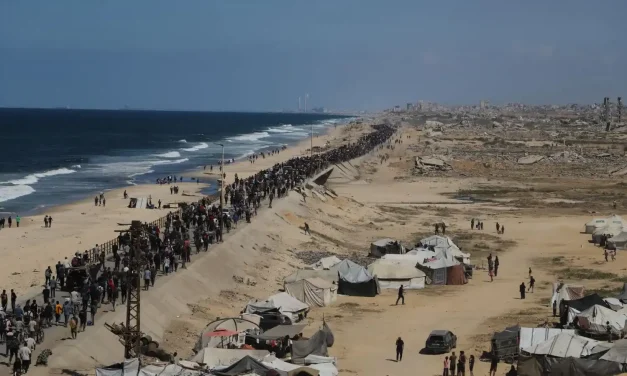
SCFR Online– Opinion: Security and military developments in the region over recent months indicate that the ongoing crises and wars in Gaza, southern Lebanon, and parts of Syrian territory encompass broader dimensions of geopolitical and geostrategic transformations. In this context, the increased military presence and control of the Zionist regime over parts of the territories of these areas, along with proposals regarding the creation of buffer zones or even the expansion of security borders, have raised serious questions about the future of the regional order and its consequences for the countries of West Asia.

The Components of Iran’s Deterrence Power

SCFR Online – Opinion: At a time when regional security equations have reached a sensitive stage under the influence of Iran’s strategic confrontation with the United States and the Zionist regime, the question of the nature of Tehran’s defensive power has gained greater significance than ever before. While Washington and Tel Aviv rely on their technological superiority, the Islamic Republic of Iran has presented a model of deterrence that extends beyond the material calculations of the world’s classical militaries. This power, rooted in the connection between “the field” and “the people,” has not only altered the balance of power in recent conflicts but has also disrupted adversaries’ calculations when confronting Iran’s strategic depth.

Loading

Middle East

Reducing US Military Presence in Syria: Motivations and Strategic Consequences

Reducing US Military Presence in Syria: Motivations and Strategic Consequences

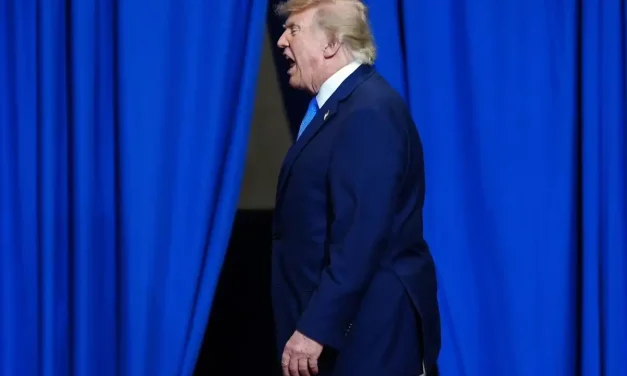
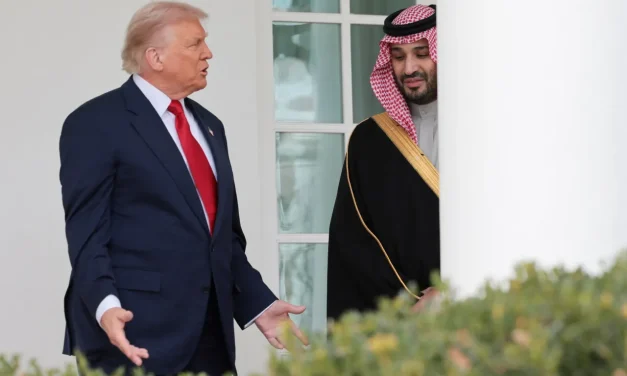
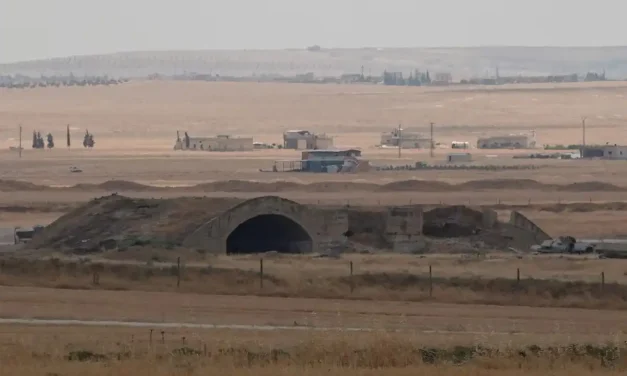
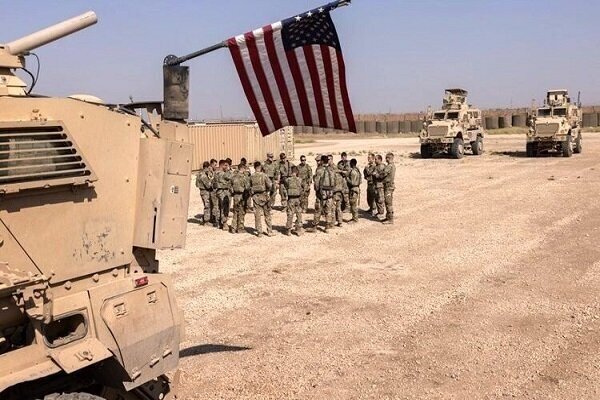
Strategic Council Online – Opinion: On April 18, 2025, the US Department of Defense (Pentagon) announced a review of the deployment of its military forces in Syria codenamed “Operation Inherent Resolve”. This plan, designed in line with Donald Trump’s policies to reduce US military presence in the Middle East, will reduce the number of US troops from 10,000 to 1,000 within two months. Although this measure was announced under the pretext of success in weakening ISIS, it is part of a broader US strategy to redefine its mission in the region. However, numerous political and security complexities accompany this decision, the consequences of which will be significant for Syria, the entire region, and even the international system.

The Fall of Bashar Assad Government and Turkey’s Role and Challenges

The Fall of Bashar Assad Government and Turkey’s Role and Challenges

Strategic Council Online – Interview: An expert on Turkish affairs said: The power vacuum in the region after the US military withdrawal from Iraq and its intensification after the withdrawal from Afghanistan opened up space for maneuvering by regional powers, especially Turkey. In the meantime, Ankara, relying on national power, an active foreign policy, and cooperation with the main power blocs in the international system, turned towards ambition and role-playing in the affairs of countries and regional issues, the most important example of which we are witnessing today in Syria.

Iran-Saudi Balanced Approach to Reviving Relations

Iran-Saudi Balanced Approach to Reviving Relations

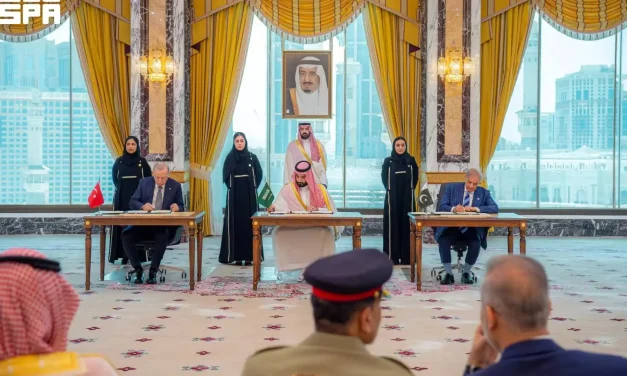
Strategic Council Online – Opinion: The second round of the Iran-Saudi-China trilateral meeting, hosted by Riyadh, signals the development of relations in an atmosphere of increasing regional and international tensions and uncertainties. The meeting also confirmed China’s role beyond facilitating the revived relations between Tehran and Riyadh and related to China’s political economy perspective in the Middle East, which has significant implications for the Beijing-Washington macro-rivalry.

An Analysis of the Possible Approach of the New British Government in Foreign Policy

An Analysis of the Possible Approach of the New British Government in Foreign Policy

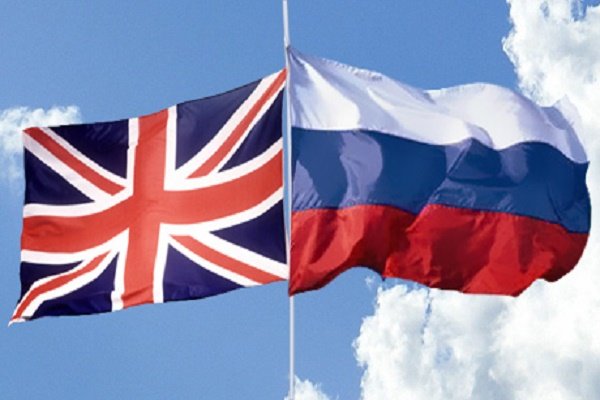
Strategic Council Online—Interview: An expert on European issues said: The British Labor Party, led by Keir Starmer, won the election by winning an overwhelming majority of the seats in the House of Commons. On the other hand, the Conservative party, led by Rishi Sunak, has lost 170 seats and is on the way to its heaviest political defeat since the party was founded in the 19th century.

COP 28, Need for Strategic Transition of West Asia Region

COP 28, Need for Strategic Transition of West Asia Region

Strategic Council Online – Opinion: In the past two weeks, the leaders and officials of the countries participating in the United Nations Climate Change Conference known as COP28 gathered in Dubai, United Arab Emirates, to make efforts to limit global warming and increase the reduction of the role of fossil fuels in the world. Although the heavy shadow of the Israeli regime’s inhumane attacks on the Gaza Strip has cast a shadow on the conference, this year’s dry autumn and low rainfall and the dark and low rainfall winters of the past few years remind us that attention to climate change and addressing its causes and reasons is no longer a luxury or an unimportant issue, and neglecting it can directly endanger the food security, welfare, and life of the citizens of different countries, and as a result, face those governments with serious risks.
Dr. Mohammad Mehdi Mazaheri – University professor

Analysis of Turkey’s Stance on Gaza Events

Analysis of Turkey’s Stance on Gaza Events

The brutal attacks of the Zionist regime’s fighters against the people of Gaza and the killing of innocent people recently have been met with various reactions and sometimes condemnation of some political leaders, as well as public protests in Turkey.
Mahmoud Fazeli – International affairs analyst

Analysis of Bashar Assad’s Visit to Beijing, China’s Strategic Targets

Analysis of Bashar Assad’s Visit to Beijing, China’s Strategic Targets

Strategic Council Online – Interview: An expert on West Asia affairs said China’s purpose of inviting Assad to Beijing in the current situation is more political and in line with the determination of the Chinese to strengthen their political and geopolitical role in the Middle East, especially in critical areas and disputed cases, adding: The signing of the memorandum with general titles without clear economic agreements is indicative of the fact that China currently has no intention of doing serious economic work in Syria and what is more likely is the implementation of small scale projects rather than macroeconomic plan.

Prospects of Egypt, Turkey, Greece, and Cyprus Quadrilateral Meeting

Prospects of Egypt, Turkey, Greece, and Cyprus Quadrilateral Meeting

Strategic Council Online – Opinion: Egyptian President Abdel Fattah el-Sisi announced during the recent visit of Greek Prime Minister Kyriakos Mitsotakis to Egypt that his country is considering a quadrilateral meeting in Cairo between the heads of Egypt, Greece, Turkey, and Cyprus to discuss the tensions in the Eastern Mediterranean and bring together views regarding the demarcation of maritime borders and the possibility of Turkey joining the East Mediterranean Gas Forum.
Mahmoud Fazeli – International affairs analyst

Turkey’s Macro Approach in Promoting Regional, European Policy; Interaction with Big Powers

Turkey’s Macro Approach in Promoting Regional, European Policy; Interaction with Big Powers

Strategic Council Online – Interview: Secretary of the Turkish Studies Department at the Iranian Association of West Asian Studies said: Turkey is trying to pass through the tensions it experienced with some countries in the region and its neighbors in the past years and put the policy of reducing tension seriously on its agenda. The increase in tensions has negatively affected the country’s economy, and now Ankara is not in a good position to bear more costs.

أحدث الوظائف

Iran’s Potential Levers of Power

SCFRonline– Opinion: Iran’s geopolitical power is not limited solely to oil and the Strait of Hormuz; the unintended emergence of disruptions in the future global food and energy security chains can also demonstrate Iran’s strategic importance.

The Inseparability of the Lebanese Front from the Axis of Resistance

SCFR Online–Opinion: By providing an extensive network of social, healthcare, educational, and post-war reconstruction services, Hezbollah has established a strong social base for itself among Lebanon’s Shiites and Sunnis, and even beyond that, among other segments of Lebanese society, including Christians. Hezbollah has never been an external actor imposed upon Lebanon; rather, it is a phenomenon fundamentally born out of the occupation and crimes of the Zionist regime and itself influenced by popular resistance.

The Increasing Efforts of the Zionist Regime to Redefine Borders and the Regional Order and Its Consequences

SCFR Online– Opinion: Security and military developments in the region over recent months indicate that the ongoing crises and wars in Gaza, southern Lebanon, and parts of Syrian territory encompass broader dimensions of geopolitical and geostrategic transformations. In this context, the increased military presence and control of the Zionist regime over parts of the territories of these areas, along with proposals regarding the creation of buffer zones or even the expansion of security borders, have raised serious questions about the future of the regional order and its consequences for the countries of West Asia.

The Components of Iran’s Deterrence Power

SCFR Online – Opinion: At a time when regional security equations have reached a sensitive stage under the influence of Iran’s strategic confrontation with the United States and the Zionist regime, the question of the nature of Tehran’s defensive power has gained greater significance than ever before. While Washington and Tel Aviv rely on their technological superiority, the Islamic Republic of Iran has presented a model of deterrence that extends beyond the material calculations of the world’s classical militaries. This power, rooted in the connection between “the field” and “the people,” has not only altered the balance of power in recent conflicts but has also disrupted adversaries’ calculations when confronting Iran’s strategic depth.

Loading

Middle East

Reducing US Military Presence in Syria: Motivations and Strategic Consequences

Reducing US Military Presence in Syria: Motivations and Strategic Consequences

Strategic Council Online – Opinion: On April 18, 2025, the US Department of Defense (Pentagon) announced a review of the deployment of its military forces in Syria codenamed “Operation Inherent Resolve”. This plan, designed in line with Donald Trump’s policies to reduce US military presence in the Middle East, will reduce the number of US troops from 10,000 to 1,000 within two months. Although this measure was announced under the pretext of success in weakening ISIS, it is part of a broader US strategy to redefine its mission in the region. However, numerous political and security complexities accompany this decision, the consequences of which will be significant for Syria, the entire region, and even the international system.

The Fall of Bashar Assad Government and Turkey’s Role and Challenges

The Fall of Bashar Assad Government and Turkey’s Role and Challenges

Strategic Council Online – Interview: An expert on Turkish affairs said: The power vacuum in the region after the US military withdrawal from Iraq and its intensification after the withdrawal from Afghanistan opened up space for maneuvering by regional powers, especially Turkey. In the meantime, Ankara, relying on national power, an active foreign policy, and cooperation with the main power blocs in the international system, turned towards ambition and role-playing in the affairs of countries and regional issues, the most important example of which we are witnessing today in Syria.

Iran-Saudi Balanced Approach to Reviving Relations

Iran-Saudi Balanced Approach to Reviving Relations

Strategic Council Online – Opinion: The second round of the Iran-Saudi-China trilateral meeting, hosted by Riyadh, signals the development of relations in an atmosphere of increasing regional and international tensions and uncertainties. The meeting also confirmed China’s role beyond facilitating the revived relations between Tehran and Riyadh and related to China’s political economy perspective in the Middle East, which has significant implications for the Beijing-Washington macro-rivalry.

An Analysis of the Possible Approach of the New British Government in Foreign Policy

An Analysis of the Possible Approach of the New British Government in Foreign Policy

Strategic Council Online—Interview: An expert on European issues said: The British Labor Party, led by Keir Starmer, won the election by winning an overwhelming majority of the seats in the House of Commons. On the other hand, the Conservative party, led by Rishi Sunak, has lost 170 seats and is on the way to its heaviest political defeat since the party was founded in the 19th century.

COP 28, Need for Strategic Transition of West Asia Region

COP 28, Need for Strategic Transition of West Asia Region

Strategic Council Online – Opinion: In the past two weeks, the leaders and officials of the countries participating in the United Nations Climate Change Conference known as COP28 gathered in Dubai, United Arab Emirates, to make efforts to limit global warming and increase the reduction of the role of fossil fuels in the world. Although the heavy shadow of the Israeli regime’s inhumane attacks on the Gaza Strip has cast a shadow on the conference, this year’s dry autumn and low rainfall and the dark and low rainfall winters of the past few years remind us that attention to climate change and addressing its causes and reasons is no longer a luxury or an unimportant issue, and neglecting it can directly endanger the food security, welfare, and life of the citizens of different countries, and as a result, face those governments with serious risks.
Dr. Mohammad Mehdi Mazaheri – University professor

Analysis of Turkey’s Stance on Gaza Events

Analysis of Turkey’s Stance on Gaza Events

The brutal attacks of the Zionist regime’s fighters against the people of Gaza and the killing of innocent people recently have been met with various reactions and sometimes condemnation of some political leaders, as well as public protests in Turkey.
Mahmoud Fazeli – International affairs analyst

Analysis of Bashar Assad’s Visit to Beijing, China’s Strategic Targets

Analysis of Bashar Assad’s Visit to Beijing, China’s Strategic Targets

Strategic Council Online – Interview: An expert on West Asia affairs said China’s purpose of inviting Assad to Beijing in the current situation is more political and in line with the determination of the Chinese to strengthen their political and geopolitical role in the Middle East, especially in critical areas and disputed cases, adding: The signing of the memorandum with general titles without clear economic agreements is indicative of the fact that China currently has no intention of doing serious economic work in Syria and what is more likely is the implementation of small scale projects rather than macroeconomic plan.

Prospects of Egypt, Turkey, Greece, and Cyprus Quadrilateral Meeting

Prospects of Egypt, Turkey, Greece, and Cyprus Quadrilateral Meeting

Strategic Council Online – Opinion: Egyptian President Abdel Fattah el-Sisi announced during the recent visit of Greek Prime Minister Kyriakos Mitsotakis to Egypt that his country is considering a quadrilateral meeting in Cairo between the heads of Egypt, Greece, Turkey, and Cyprus to discuss the tensions in the Eastern Mediterranean and bring together views regarding the demarcation of maritime borders and the possibility of Turkey joining the East Mediterranean Gas Forum.
Mahmoud Fazeli – International affairs analyst

Turkey’s Macro Approach in Promoting Regional, European Policy; Interaction with Big Powers

Turkey’s Macro Approach in Promoting Regional, European Policy; Interaction with Big Powers

Strategic Council Online – Interview: Secretary of the Turkish Studies Department at the Iranian Association of West Asian Studies said: Turkey is trying to pass through the tensions it experienced with some countries in the region and its neighbors in the past years and put the policy of reducing tension seriously on its agenda. The increase in tensions has negatively affected the country’s economy, and now Ankara is not in a good position to bear more costs.

Middle East

Reducing US Military Presence in Syria: Motivations and Strategic Consequences

Reducing US Military Presence in Syria: Motivations and Strategic Consequences

Strategic Council Online – Opinion: On April 18, 2025, the US Department of Defense (Pentagon) announced a review of the deployment of its military forces in Syria codenamed “Operation Inherent Resolve”. This plan, designed in line with Donald Trump’s policies to reduce US military presence in the Middle East, will reduce the number of US troops from 10,000 to 1,000 within two months. Although this measure was announced under the pretext of success in weakening ISIS, it is part of a broader US strategy to redefine its mission in the region. However, numerous political and security complexities accompany this decision, the consequences of which will be significant for Syria, the entire region, and even the international system.

The Fall of Bashar Assad Government and Turkey’s Role and Challenges

The Fall of Bashar Assad Government and Turkey’s Role and Challenges

Strategic Council Online – Interview: An expert on Turkish affairs said: The power vacuum in the region after the US military withdrawal from Iraq and its intensification after the withdrawal from Afghanistan opened up space for maneuvering by regional powers, especially Turkey. In the meantime, Ankara, relying on national power, an active foreign policy, and cooperation with the main power blocs in the international system, turned towards ambition and role-playing in the affairs of countries and regional issues, the most important example of which we are witnessing today in Syria.

Iran-Saudi Balanced Approach to Reviving Relations

Iran-Saudi Balanced Approach to Reviving Relations

Strategic Council Online – Opinion: The second round of the Iran-Saudi-China trilateral meeting, hosted by Riyadh, signals the development of relations in an atmosphere of increasing regional and international tensions and uncertainties. The meeting also confirmed China’s role beyond facilitating the revived relations between Tehran and Riyadh and related to China’s political economy perspective in the Middle East, which has significant implications for the Beijing-Washington macro-rivalry.

An Analysis of the Possible Approach of the New British Government in Foreign Policy

An Analysis of the Possible Approach of the New British Government in Foreign Policy

Strategic Council Online—Interview: An expert on European issues said: The British Labor Party, led by Keir Starmer, won the election by winning an overwhelming majority of the seats in the House of Commons. On the other hand, the Conservative party, led by Rishi Sunak, has lost 170 seats and is on the way to its heaviest political defeat since the party was founded in the 19th century.

COP 28, Need for Strategic Transition of West Asia Region

COP 28, Need for Strategic Transition of West Asia Region

Strategic Council Online – Opinion: In the past two weeks, the leaders and officials of the countries participating in the United Nations Climate Change Conference known as COP28 gathered in Dubai, United Arab Emirates, to make efforts to limit global warming and increase the reduction of the role of fossil fuels in the world. Although the heavy shadow of the Israeli regime’s inhumane attacks on the Gaza Strip has cast a shadow on the conference, this year’s dry autumn and low rainfall and the dark and low rainfall winters of the past few years remind us that attention to climate change and addressing its causes and reasons is no longer a luxury or an unimportant issue, and neglecting it can directly endanger the food security, welfare, and life of the citizens of different countries, and as a result, face those governments with serious risks.
Dr. Mohammad Mehdi Mazaheri – University professor

Analysis of Turkey’s Stance on Gaza Events

Analysis of Turkey’s Stance on Gaza Events

The brutal attacks of the Zionist regime’s fighters against the people of Gaza and the killing of innocent people recently have been met with various reactions and sometimes condemnation of some political leaders, as well as public protests in Turkey.
Mahmoud Fazeli – International affairs analyst

Analysis of Bashar Assad’s Visit to Beijing, China’s Strategic Targets

Analysis of Bashar Assad’s Visit to Beijing, China’s Strategic Targets

Strategic Council Online – Interview: An expert on West Asia affairs said China’s purpose of inviting Assad to Beijing in the current situation is more political and in line with the determination of the Chinese to strengthen their political and geopolitical role in the Middle East, especially in critical areas and disputed cases, adding: The signing of the memorandum with general titles without clear economic agreements is indicative of the fact that China currently has no intention of doing serious economic work in Syria and what is more likely is the implementation of small scale projects rather than macroeconomic plan.

Prospects of Egypt, Turkey, Greece, and Cyprus Quadrilateral Meeting

Prospects of Egypt, Turkey, Greece, and Cyprus Quadrilateral Meeting

Strategic Council Online – Opinion: Egyptian President Abdel Fattah el-Sisi announced during the recent visit of Greek Prime Minister Kyriakos Mitsotakis to Egypt that his country is considering a quadrilateral meeting in Cairo between the heads of Egypt, Greece, Turkey, and Cyprus to discuss the tensions in the Eastern Mediterranean and bring together views regarding the demarcation of maritime borders and the possibility of Turkey joining the East Mediterranean Gas Forum.
Mahmoud Fazeli – International affairs analyst

Turkey’s Macro Approach in Promoting Regional, European Policy; Interaction with Big Powers

Turkey’s Macro Approach in Promoting Regional, European Policy; Interaction with Big Powers

Strategic Council Online – Interview: Secretary of the Turkish Studies Department at the Iranian Association of West Asian Studies said: Turkey is trying to pass through the tensions it experienced with some countries in the region and its neighbors in the past years and put the policy of reducing tension seriously on its agenda. The increase in tensions has negatively affected the country’s economy, and now Ankara is not in a good position to bear more costs.

LATEST CONTENT

Iran’s Potential Levers of Power

SCFRonline– Opinion: Iran’s geopolitical power is not limited solely to oil and the Strait of Hormuz; the unintended emergence of disruptions in the future global food and energy security chains can also demonstrate Iran’s strategic importance.

The Inseparability of the Lebanese Front from the Axis of Resistance

SCFR Online–Opinion: By providing an extensive network of social, healthcare, educational, and post-war reconstruction services, Hezbollah has established a strong social base for itself among Lebanon’s Shiites and Sunnis, and even beyond that, among other segments of Lebanese society, including Christians. Hezbollah has never been an external actor imposed upon Lebanon; rather, it is a phenomenon fundamentally born out of the occupation and crimes of the Zionist regime and itself influenced by popular resistance.

The Increasing Efforts of the Zionist Regime to Redefine Borders and the Regional Order and Its Consequences

SCFR Online– Opinion: Security and military developments in the region over recent months indicate that the ongoing crises and wars in Gaza, southern Lebanon, and parts of Syrian territory encompass broader dimensions of geopolitical and geostrategic transformations. In this context, the increased military presence and control of the Zionist regime over parts of the territories of these areas, along with proposals regarding the creation of buffer zones or even the expansion of security borders, have raised serious questions about the future of the regional order and its consequences for the countries of West Asia.

The Components of Iran’s Deterrence Power

SCFR Online – Opinion: At a time when regional security equations have reached a sensitive stage under the influence of Iran’s strategic confrontation with the United States and the Zionist regime, the question of the nature of Tehran’s defensive power has gained greater significance than ever before. While Washington and Tel Aviv rely on their technological superiority, the Islamic Republic of Iran has presented a model of deterrence that extends beyond the material calculations of the world’s classical militaries. This power, rooted in the connection between “the field” and “the people,” has not only altered the balance of power in recent conflicts but has also disrupted adversaries’ calculations when confronting Iran’s strategic depth.

Loading

Middle East

Reducing US Military Presence in Syria: Motivations and Strategic Consequences

Reducing US Military Presence in Syria: Motivations and Strategic Consequences

Strategic Council Online – Opinion: On April 18, 2025, the US Department of Defense (Pentagon) announced a review of the deployment of its military forces in Syria codenamed “Operation Inherent Resolve”. This plan, designed in line with Donald Trump’s policies to reduce US military presence in the Middle East, will reduce the number of US troops from 10,000 to 1,000 within two months. Although this measure was announced under the pretext of success in weakening ISIS, it is part of a broader US strategy to redefine its mission in the region. However, numerous political and security complexities accompany this decision, the consequences of which will be significant for Syria, the entire region, and even the international system.

The Fall of Bashar Assad Government and Turkey’s Role and Challenges

The Fall of Bashar Assad Government and Turkey’s Role and Challenges

Strategic Council Online – Interview: An expert on Turkish affairs said: The power vacuum in the region after the US military withdrawal from Iraq and its intensification after the withdrawal from Afghanistan opened up space for maneuvering by regional powers, especially Turkey. In the meantime, Ankara, relying on national power, an active foreign policy, and cooperation with the main power blocs in the international system, turned towards ambition and role-playing in the affairs of countries and regional issues, the most important example of which we are witnessing today in Syria.

Iran-Saudi Balanced Approach to Reviving Relations

Iran-Saudi Balanced Approach to Reviving Relations

Strategic Council Online – Opinion: The second round of the Iran-Saudi-China trilateral meeting, hosted by Riyadh, signals the development of relations in an atmosphere of increasing regional and international tensions and uncertainties. The meeting also confirmed China’s role beyond facilitating the revived relations between Tehran and Riyadh and related to China’s political economy perspective in the Middle East, which has significant implications for the Beijing-Washington macro-rivalry.

An Analysis of the Possible Approach of the New British Government in Foreign Policy

An Analysis of the Possible Approach of the New British Government in Foreign Policy

Strategic Council Online—Interview: An expert on European issues said: The British Labor Party, led by Keir Starmer, won the election by winning an overwhelming majority of the seats in the House of Commons. On the other hand, the Conservative party, led by Rishi Sunak, has lost 170 seats and is on the way to its heaviest political defeat since the party was founded in the 19th century.

COP 28, Need for Strategic Transition of West Asia Region

COP 28, Need for Strategic Transition of West Asia Region

Strategic Council Online – Opinion: In the past two weeks, the leaders and officials of the countries participating in the United Nations Climate Change Conference known as COP28 gathered in Dubai, United Arab Emirates, to make efforts to limit global warming and increase the reduction of the role of fossil fuels in the world. Although the heavy shadow of the Israeli regime’s inhumane attacks on the Gaza Strip has cast a shadow on the conference, this year’s dry autumn and low rainfall and the dark and low rainfall winters of the past few years remind us that attention to climate change and addressing its causes and reasons is no longer a luxury or an unimportant issue, and neglecting it can directly endanger the food security, welfare, and life of the citizens of different countries, and as a result, face those governments with serious risks.
Dr. Mohammad Mehdi Mazaheri – University professor

Analysis of Turkey’s Stance on Gaza Events

Analysis of Turkey’s Stance on Gaza Events

The brutal attacks of the Zionist regime’s fighters against the people of Gaza and the killing of innocent people recently have been met with various reactions and sometimes condemnation of some political leaders, as well as public protests in Turkey.
Mahmoud Fazeli – International affairs analyst

Analysis of Bashar Assad’s Visit to Beijing, China’s Strategic Targets

Analysis of Bashar Assad’s Visit to Beijing, China’s Strategic Targets

Strategic Council Online – Interview: An expert on West Asia affairs said China’s purpose of inviting Assad to Beijing in the current situation is more political and in line with the determination of the Chinese to strengthen their political and geopolitical role in the Middle East, especially in critical areas and disputed cases, adding: The signing of the memorandum with general titles without clear economic agreements is indicative of the fact that China currently has no intention of doing serious economic work in Syria and what is more likely is the implementation of small scale projects rather than macroeconomic plan.

Prospects of Egypt, Turkey, Greece, and Cyprus Quadrilateral Meeting

Prospects of Egypt, Turkey, Greece, and Cyprus Quadrilateral Meeting

Strategic Council Online – Opinion: Egyptian President Abdel Fattah el-Sisi announced during the recent visit of Greek Prime Minister Kyriakos Mitsotakis to Egypt that his country is considering a quadrilateral meeting in Cairo between the heads of Egypt, Greece, Turkey, and Cyprus to discuss the tensions in the Eastern Mediterranean and bring together views regarding the demarcation of maritime borders and the possibility of Turkey joining the East Mediterranean Gas Forum.
Mahmoud Fazeli – International affairs analyst

Turkey’s Macro Approach in Promoting Regional, European Policy; Interaction with Big Powers

Turkey’s Macro Approach in Promoting Regional, European Policy; Interaction with Big Powers

Strategic Council Online – Interview: Secretary of the Turkish Studies Department at the Iranian Association of West Asian Studies said: Turkey is trying to pass through the tensions it experienced with some countries in the region and its neighbors in the past years and put the policy of reducing tension seriously on its agenda. The increase in tensions has negatively affected the country’s economy, and now Ankara is not in a good position to bear more costs.

ÚLTIMAS PUBLICACIONES

Iran’s Potential Levers of Power

SCFRonline– Opinion: Iran’s geopolitical power is not limited solely to oil and the Strait of Hormuz; the unintended emergence of disruptions in the future global food and energy security chains can also demonstrate Iran’s strategic importance.

The Inseparability of the Lebanese Front from the Axis of Resistance

SCFR Online–Opinion: By providing an extensive network of social, healthcare, educational, and post-war reconstruction services, Hezbollah has established a strong social base for itself among Lebanon’s Shiites and Sunnis, and even beyond that, among other segments of Lebanese society, including Christians. Hezbollah has never been an external actor imposed upon Lebanon; rather, it is a phenomenon fundamentally born out of the occupation and crimes of the Zionist regime and itself influenced by popular resistance.

The Increasing Efforts of the Zionist Regime to Redefine Borders and the Regional Order and Its Consequences

SCFR Online– Opinion: Security and military developments in the region over recent months indicate that the ongoing crises and wars in Gaza, southern Lebanon, and parts of Syrian territory encompass broader dimensions of geopolitical and geostrategic transformations. In this context, the increased military presence and control of the Zionist regime over parts of the territories of these areas, along with proposals regarding the creation of buffer zones or even the expansion of security borders, have raised serious questions about the future of the regional order and its consequences for the countries of West Asia.

The Components of Iran’s Deterrence Power

SCFR Online – Opinion: At a time when regional security equations have reached a sensitive stage under the influence of Iran’s strategic confrontation with the United States and the Zionist regime, the question of the nature of Tehran’s defensive power has gained greater significance than ever before. While Washington and Tel Aviv rely on their technological superiority, the Islamic Republic of Iran has presented a model of deterrence that extends beyond the material calculations of the world’s classical militaries. This power, rooted in the connection between “the field” and “the people,” has not only altered the balance of power in recent conflicts but has also disrupted adversaries’ calculations when confronting Iran’s strategic depth.

Loading

Middle East

Reducing US Military Presence in Syria: Motivations and Strategic Consequences

Reducing US Military Presence in Syria: Motivations and Strategic Consequences

Strategic Council Online – Opinion: On April 18, 2025, the US Department of Defense (Pentagon) announced a review of the deployment of its military forces in Syria codenamed “Operation Inherent Resolve”. This plan, designed in line with Donald Trump’s policies to reduce US military presence in the Middle East, will reduce the number of US troops from 10,000 to 1,000 within two months. Although this measure was announced under the pretext of success in weakening ISIS, it is part of a broader US strategy to redefine its mission in the region. However, numerous political and security complexities accompany this decision, the consequences of which will be significant for Syria, the entire region, and even the international system.

The Fall of Bashar Assad Government and Turkey’s Role and Challenges

The Fall of Bashar Assad Government and Turkey’s Role and Challenges

Strategic Council Online – Interview: An expert on Turkish affairs said: The power vacuum in the region after the US military withdrawal from Iraq and its intensification after the withdrawal from Afghanistan opened up space for maneuvering by regional powers, especially Turkey. In the meantime, Ankara, relying on national power, an active foreign policy, and cooperation with the main power blocs in the international system, turned towards ambition and role-playing in the affairs of countries and regional issues, the most important example of which we are witnessing today in Syria.

Iran-Saudi Balanced Approach to Reviving Relations

Iran-Saudi Balanced Approach to Reviving Relations

Strategic Council Online – Opinion: The second round of the Iran-Saudi-China trilateral meeting, hosted by Riyadh, signals the development of relations in an atmosphere of increasing regional and international tensions and uncertainties. The meeting also confirmed China’s role beyond facilitating the revived relations between Tehran and Riyadh and related to China’s political economy perspective in the Middle East, which has significant implications for the Beijing-Washington macro-rivalry.

An Analysis of the Possible Approach of the New British Government in Foreign Policy

An Analysis of the Possible Approach of the New British Government in Foreign Policy

Strategic Council Online—Interview: An expert on European issues said: The British Labor Party, led by Keir Starmer, won the election by winning an overwhelming majority of the seats in the House of Commons. On the other hand, the Conservative party, led by Rishi Sunak, has lost 170 seats and is on the way to its heaviest political defeat since the party was founded in the 19th century.

COP 28, Need for Strategic Transition of West Asia Region

COP 28, Need for Strategic Transition of West Asia Region

Strategic Council Online – Opinion: In the past two weeks, the leaders and officials of the countries participating in the United Nations Climate Change Conference known as COP28 gathered in Dubai, United Arab Emirates, to make efforts to limit global warming and increase the reduction of the role of fossil fuels in the world. Although the heavy shadow of the Israeli regime’s inhumane attacks on the Gaza Strip has cast a shadow on the conference, this year’s dry autumn and low rainfall and the dark and low rainfall winters of the past few years remind us that attention to climate change and addressing its causes and reasons is no longer a luxury or an unimportant issue, and neglecting it can directly endanger the food security, welfare, and life of the citizens of different countries, and as a result, face those governments with serious risks.
Dr. Mohammad Mehdi Mazaheri – University professor

Analysis of Turkey’s Stance on Gaza Events

Analysis of Turkey’s Stance on Gaza Events

The brutal attacks of the Zionist regime’s fighters against the people of Gaza and the killing of innocent people recently have been met with various reactions and sometimes condemnation of some political leaders, as well as public protests in Turkey.
Mahmoud Fazeli – International affairs analyst

Analysis of Bashar Assad’s Visit to Beijing, China’s Strategic Targets

Analysis of Bashar Assad’s Visit to Beijing, China’s Strategic Targets

Strategic Council Online – Interview: An expert on West Asia affairs said China’s purpose of inviting Assad to Beijing in the current situation is more political and in line with the determination of the Chinese to strengthen their political and geopolitical role in the Middle East, especially in critical areas and disputed cases, adding: The signing of the memorandum with general titles without clear economic agreements is indicative of the fact that China currently has no intention of doing serious economic work in Syria and what is more likely is the implementation of small scale projects rather than macroeconomic plan.

Prospects of Egypt, Turkey, Greece, and Cyprus Quadrilateral Meeting

Prospects of Egypt, Turkey, Greece, and Cyprus Quadrilateral Meeting

Strategic Council Online – Opinion: Egyptian President Abdel Fattah el-Sisi announced during the recent visit of Greek Prime Minister Kyriakos Mitsotakis to Egypt that his country is considering a quadrilateral meeting in Cairo between the heads of Egypt, Greece, Turkey, and Cyprus to discuss the tensions in the Eastern Mediterranean and bring together views regarding the demarcation of maritime borders and the possibility of Turkey joining the East Mediterranean Gas Forum.
Mahmoud Fazeli – International affairs analyst

Turkey’s Macro Approach in Promoting Regional, European Policy; Interaction with Big Powers

Turkey’s Macro Approach in Promoting Regional, European Policy; Interaction with Big Powers

Strategic Council Online – Interview: Secretary of the Turkish Studies Department at the Iranian Association of West Asian Studies said: Turkey is trying to pass through the tensions it experienced with some countries in the region and its neighbors in the past years and put the policy of reducing tension seriously on its agenda. The increase in tensions has negatively affected the country’s economy, and now Ankara is not in a good position to bear more costs.

ÚLTIMAS PUBLICACIONES

Iran’s Potential Levers of Power

SCFRonline– Opinion: Iran’s geopolitical power is not limited solely to oil and the Strait of Hormuz; the unintended emergence of disruptions in the future global food and energy security chains can also demonstrate Iran’s strategic importance.

The Inseparability of the Lebanese Front from the Axis of Resistance

SCFR Online–Opinion: By providing an extensive network of social, healthcare, educational, and post-war reconstruction services, Hezbollah has established a strong social base for itself among Lebanon’s Shiites and Sunnis, and even beyond that, among other segments of Lebanese society, including Christians. Hezbollah has never been an external actor imposed upon Lebanon; rather, it is a phenomenon fundamentally born out of the occupation and crimes of the Zionist regime and itself influenced by popular resistance.

The Increasing Efforts of the Zionist Regime to Redefine Borders and the Regional Order and Its Consequences

SCFR Online– Opinion: Security and military developments in the region over recent months indicate that the ongoing crises and wars in Gaza, southern Lebanon, and parts of Syrian territory encompass broader dimensions of geopolitical and geostrategic transformations. In this context, the increased military presence and control of the Zionist regime over parts of the territories of these areas, along with proposals regarding the creation of buffer zones or even the expansion of security borders, have raised serious questions about the future of the regional order and its consequences for the countries of West Asia.

The Components of Iran’s Deterrence Power

SCFR Online – Opinion: At a time when regional security equations have reached a sensitive stage under the influence of Iran’s strategic confrontation with the United States and the Zionist regime, the question of the nature of Tehran’s defensive power has gained greater significance than ever before. While Washington and Tel Aviv rely on their technological superiority, the Islamic Republic of Iran has presented a model of deterrence that extends beyond the material calculations of the world’s classical militaries. This power, rooted in the connection between “the field” and “the people,” has not only altered the balance of power in recent conflicts but has also disrupted adversaries’ calculations when confronting Iran’s strategic depth.

Loading

Middle East

Reducing US Military Presence in Syria: Motivations and Strategic Consequences

Reducing US Military Presence in Syria: Motivations and Strategic Consequences

Strategic Council Online – Opinion: On April 18, 2025, the US Department of Defense (Pentagon) announced a review of the deployment of its military forces in Syria codenamed “Operation Inherent Resolve”. This plan, designed in line with Donald Trump’s policies to reduce US military presence in the Middle East, will reduce the number of US troops from 10,000 to 1,000 within two months. Although this measure was announced under the pretext of success in weakening ISIS, it is part of a broader US strategy to redefine its mission in the region. However, numerous political and security complexities accompany this decision, the consequences of which will be significant for Syria, the entire region, and even the international system.

The Fall of Bashar Assad Government and Turkey’s Role and Challenges

The Fall of Bashar Assad Government and Turkey’s Role and Challenges

Strategic Council Online – Interview: An expert on Turkish affairs said: The power vacuum in the region after the US military withdrawal from Iraq and its intensification after the withdrawal from Afghanistan opened up space for maneuvering by regional powers, especially Turkey. In the meantime, Ankara, relying on national power, an active foreign policy, and cooperation with the main power blocs in the international system, turned towards ambition and role-playing in the affairs of countries and regional issues, the most important example of which we are witnessing today in Syria.

Iran-Saudi Balanced Approach to Reviving Relations

Iran-Saudi Balanced Approach to Reviving Relations

Strategic Council Online – Opinion: The second round of the Iran-Saudi-China trilateral meeting, hosted by Riyadh, signals the development of relations in an atmosphere of increasing regional and international tensions and uncertainties. The meeting also confirmed China’s role beyond facilitating the revived relations between Tehran and Riyadh and related to China’s political economy perspective in the Middle East, which has significant implications for the Beijing-Washington macro-rivalry.

An Analysis of the Possible Approach of the New British Government in Foreign Policy

An Analysis of the Possible Approach of the New British Government in Foreign Policy

Strategic Council Online—Interview: An expert on European issues said: The British Labor Party, led by Keir Starmer, won the election by winning an overwhelming majority of the seats in the House of Commons. On the other hand, the Conservative party, led by Rishi Sunak, has lost 170 seats and is on the way to its heaviest political defeat since the party was founded in the 19th century.

COP 28, Need for Strategic Transition of West Asia Region

COP 28, Need for Strategic Transition of West Asia Region

Strategic Council Online – Opinion: In the past two weeks, the leaders and officials of the countries participating in the United Nations Climate Change Conference known as COP28 gathered in Dubai, United Arab Emirates, to make efforts to limit global warming and increase the reduction of the role of fossil fuels in the world. Although the heavy shadow of the Israeli regime’s inhumane attacks on the Gaza Strip has cast a shadow on the conference, this year’s dry autumn and low rainfall and the dark and low rainfall winters of the past few years remind us that attention to climate change and addressing its causes and reasons is no longer a luxury or an unimportant issue, and neglecting it can directly endanger the food security, welfare, and life of the citizens of different countries, and as a result, face those governments with serious risks.
Dr. Mohammad Mehdi Mazaheri – University professor

Analysis of Turkey’s Stance on Gaza Events

Analysis of Turkey’s Stance on Gaza Events

The brutal attacks of the Zionist regime’s fighters against the people of Gaza and the killing of innocent people recently have been met with various reactions and sometimes condemnation of some political leaders, as well as public protests in Turkey.
Mahmoud Fazeli – International affairs analyst

Analysis of Bashar Assad’s Visit to Beijing, China’s Strategic Targets

Analysis of Bashar Assad’s Visit to Beijing, China’s Strategic Targets

Strategic Council Online – Interview: An expert on West Asia affairs said China’s purpose of inviting Assad to Beijing in the current situation is more political and in line with the determination of the Chinese to strengthen their political and geopolitical role in the Middle East, especially in critical areas and disputed cases, adding: The signing of the memorandum with general titles without clear economic agreements is indicative of the fact that China currently has no intention of doing serious economic work in Syria and what is more likely is the implementation of small scale projects rather than macroeconomic plan.

Prospects of Egypt, Turkey, Greece, and Cyprus Quadrilateral Meeting

Prospects of Egypt, Turkey, Greece, and Cyprus Quadrilateral Meeting

Strategic Council Online – Opinion: Egyptian President Abdel Fattah el-Sisi announced during the recent visit of Greek Prime Minister Kyriakos Mitsotakis to Egypt that his country is considering a quadrilateral meeting in Cairo between the heads of Egypt, Greece, Turkey, and Cyprus to discuss the tensions in the Eastern Mediterranean and bring together views regarding the demarcation of maritime borders and the possibility of Turkey joining the East Mediterranean Gas Forum.
Mahmoud Fazeli – International affairs analyst

Turkey’s Macro Approach in Promoting Regional, European Policy; Interaction with Big Powers

Turkey’s Macro Approach in Promoting Regional, European Policy; Interaction with Big Powers

Strategic Council Online – Interview: Secretary of the Turkish Studies Department at the Iranian Association of West Asian Studies said: Turkey is trying to pass through the tensions it experienced with some countries in the region and its neighbors in the past years and put the policy of reducing tension seriously on its agenda. The increase in tensions has negatively affected the country’s economy, and now Ankara is not in a good position to bear more costs.

ÚLTIMAS PUBLICACIONES

Iran’s Potential Levers of Power

SCFRonline– Opinion: Iran’s geopolitical power is not limited solely to oil and the Strait of Hormuz; the unintended emergence of disruptions in the future global food and energy security chains can also demonstrate Iran’s strategic importance.

The Inseparability of the Lebanese Front from the Axis of Resistance

SCFR Online–Opinion: By providing an extensive network of social, healthcare, educational, and post-war reconstruction services, Hezbollah has established a strong social base for itself among Lebanon’s Shiites and Sunnis, and even beyond that, among other segments of Lebanese society, including Christians. Hezbollah has never been an external actor imposed upon Lebanon; rather, it is a phenomenon fundamentally born out of the occupation and crimes of the Zionist regime and itself influenced by popular resistance.

The Increasing Efforts of the Zionist Regime to Redefine Borders and the Regional Order and Its Consequences

SCFR Online– Opinion: Security and military developments in the region over recent months indicate that the ongoing crises and wars in Gaza, southern Lebanon, and parts of Syrian territory encompass broader dimensions of geopolitical and geostrategic transformations. In this context, the increased military presence and control of the Zionist regime over parts of the territories of these areas, along with proposals regarding the creation of buffer zones or even the expansion of security borders, have raised serious questions about the future of the regional order and its consequences for the countries of West Asia.

The Components of Iran’s Deterrence Power

SCFR Online – Opinion: At a time when regional security equations have reached a sensitive stage under the influence of Iran’s strategic confrontation with the United States and the Zionist regime, the question of the nature of Tehran’s defensive power has gained greater significance than ever before. While Washington and Tel Aviv rely on their technological superiority, the Islamic Republic of Iran has presented a model of deterrence that extends beyond the material calculations of the world’s classical militaries. This power, rooted in the connection between “the field” and “the people,” has not only altered the balance of power in recent conflicts but has also disrupted adversaries’ calculations when confronting Iran’s strategic depth.

Loading

Middle East

Reducing US Military Presence in Syria: Motivations and Strategic Consequences

Reducing US Military Presence in Syria: Motivations and Strategic Consequences

Strategic Council Online – Opinion: On April 18, 2025, the US Department of Defense (Pentagon) announced a review of the deployment of its military forces in Syria codenamed “Operation Inherent Resolve”. This plan, designed in line with Donald Trump’s policies to reduce US military presence in the Middle East, will reduce the number of US troops from 10,000 to 1,000 within two months. Although this measure was announced under the pretext of success in weakening ISIS, it is part of a broader US strategy to redefine its mission in the region. However, numerous political and security complexities accompany this decision, the consequences of which will be significant for Syria, the entire region, and even the international system.

The Fall of Bashar Assad Government and Turkey’s Role and Challenges

The Fall of Bashar Assad Government and Turkey’s Role and Challenges

Strategic Council Online – Interview: An expert on Turkish affairs said: The power vacuum in the region after the US military withdrawal from Iraq and its intensification after the withdrawal from Afghanistan opened up space for maneuvering by regional powers, especially Turkey. In the meantime, Ankara, relying on national power, an active foreign policy, and cooperation with the main power blocs in the international system, turned towards ambition and role-playing in the affairs of countries and regional issues, the most important example of which we are witnessing today in Syria.

Iran-Saudi Balanced Approach to Reviving Relations

Iran-Saudi Balanced Approach to Reviving Relations

Strategic Council Online – Opinion: The second round of the Iran-Saudi-China trilateral meeting, hosted by Riyadh, signals the development of relations in an atmosphere of increasing regional and international tensions and uncertainties. The meeting also confirmed China’s role beyond facilitating the revived relations between Tehran and Riyadh and related to China’s political economy perspective in the Middle East, which has significant implications for the Beijing-Washington macro-rivalry.

An Analysis of the Possible Approach of the New British Government in Foreign Policy

An Analysis of the Possible Approach of the New British Government in Foreign Policy

Strategic Council Online—Interview: An expert on European issues said: The British Labor Party, led by Keir Starmer, won the election by winning an overwhelming majority of the seats in the House of Commons. On the other hand, the Conservative party, led by Rishi Sunak, has lost 170 seats and is on the way to its heaviest political defeat since the party was founded in the 19th century.

COP 28, Need for Strategic Transition of West Asia Region

COP 28, Need for Strategic Transition of West Asia Region

Strategic Council Online – Opinion: In the past two weeks, the leaders and officials of the countries participating in the United Nations Climate Change Conference known as COP28 gathered in Dubai, United Arab Emirates, to make efforts to limit global warming and increase the reduction of the role of fossil fuels in the world. Although the heavy shadow of the Israeli regime’s inhumane attacks on the Gaza Strip has cast a shadow on the conference, this year’s dry autumn and low rainfall and the dark and low rainfall winters of the past few years remind us that attention to climate change and addressing its causes and reasons is no longer a luxury or an unimportant issue, and neglecting it can directly endanger the food security, welfare, and life of the citizens of different countries, and as a result, face those governments with serious risks.
Dr. Mohammad Mehdi Mazaheri – University professor

Analysis of Turkey’s Stance on Gaza Events

Analysis of Turkey’s Stance on Gaza Events

The brutal attacks of the Zionist regime’s fighters against the people of Gaza and the killing of innocent people recently have been met with various reactions and sometimes condemnation of some political leaders, as well as public protests in Turkey.
Mahmoud Fazeli – International affairs analyst

Analysis of Bashar Assad’s Visit to Beijing, China’s Strategic Targets

Analysis of Bashar Assad’s Visit to Beijing, China’s Strategic Targets

Strategic Council Online – Interview: An expert on West Asia affairs said China’s purpose of inviting Assad to Beijing in the current situation is more political and in line with the determination of the Chinese to strengthen their political and geopolitical role in the Middle East, especially in critical areas and disputed cases, adding: The signing of the memorandum with general titles without clear economic agreements is indicative of the fact that China currently has no intention of doing serious economic work in Syria and what is more likely is the implementation of small scale projects rather than macroeconomic plan.

Prospects of Egypt, Turkey, Greece, and Cyprus Quadrilateral Meeting

Prospects of Egypt, Turkey, Greece, and Cyprus Quadrilateral Meeting

Strategic Council Online – Opinion: Egyptian President Abdel Fattah el-Sisi announced during the recent visit of Greek Prime Minister Kyriakos Mitsotakis to Egypt that his country is considering a quadrilateral meeting in Cairo between the heads of Egypt, Greece, Turkey, and Cyprus to discuss the tensions in the Eastern Mediterranean and bring together views regarding the demarcation of maritime borders and the possibility of Turkey joining the East Mediterranean Gas Forum.
Mahmoud Fazeli – International affairs analyst

Turkey’s Macro Approach in Promoting Regional, European Policy; Interaction with Big Powers

Turkey’s Macro Approach in Promoting Regional, European Policy; Interaction with Big Powers

Strategic Council Online – Interview: Secretary of the Turkish Studies Department at the Iranian Association of West Asian Studies said: Turkey is trying to pass through the tensions it experienced with some countries in the region and its neighbors in the past years and put the policy of reducing tension seriously on its agenda. The increase in tensions has negatively affected the country’s economy, and now Ankara is not in a good position to bear more costs.

ÚLTIMAS PUBLICACIONES

Iran’s Potential Levers of Power

SCFRonline– Opinion: Iran’s geopolitical power is not limited solely to oil and the Strait of Hormuz; the unintended emergence of disruptions in the future global food and energy security chains can also demonstrate Iran’s strategic importance.

The Inseparability of the Lebanese Front from the Axis of Resistance

SCFR Online–Opinion: By providing an extensive network of social, healthcare, educational, and post-war reconstruction services, Hezbollah has established a strong social base for itself among Lebanon’s Shiites and Sunnis, and even beyond that, among other segments of Lebanese society, including Christians. Hezbollah has never been an external actor imposed upon Lebanon; rather, it is a phenomenon fundamentally born out of the occupation and crimes of the Zionist regime and itself influenced by popular resistance.

The Increasing Efforts of the Zionist Regime to Redefine Borders and the Regional Order and Its Consequences

SCFR Online– Opinion: Security and military developments in the region over recent months indicate that the ongoing crises and wars in Gaza, southern Lebanon, and parts of Syrian territory encompass broader dimensions of geopolitical and geostrategic transformations. In this context, the increased military presence and control of the Zionist regime over parts of the territories of these areas, along with proposals regarding the creation of buffer zones or even the expansion of security borders, have raised serious questions about the future of the regional order and its consequences for the countries of West Asia.

The Components of Iran’s Deterrence Power

SCFR Online – Opinion: At a time when regional security equations have reached a sensitive stage under the influence of Iran’s strategic confrontation with the United States and the Zionist regime, the question of the nature of Tehran’s defensive power has gained greater significance than ever before. While Washington and Tel Aviv rely on their technological superiority, the Islamic Republic of Iran has presented a model of deterrence that extends beyond the material calculations of the world’s classical militaries. This power, rooted in the connection between “the field” and “the people,” has not only altered the balance of power in recent conflicts but has also disrupted adversaries’ calculations when confronting Iran’s strategic depth.

Loading