Reducing US Military Presence in Syria: Motivations and Strategic Consequences

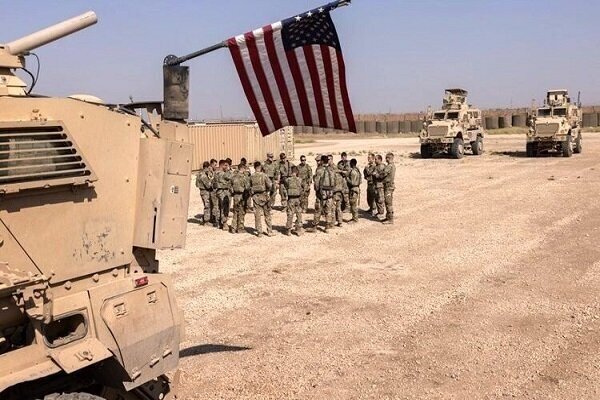
Strategic Council Online – Opinion: On April 18, 2025, the US Department of Defense (Pentagon) announced a review of the deployment of its military forces in Syria codenamed “Operation Inherent Resolve”. This plan, designed in line with Donald Trump’s policies to reduce US military presence in the Middle East, will reduce the number of US troops from 10,000 to 1,000 within two months. Although this measure was announced under the pretext of success in weakening ISIS, it is part of a broader US strategy to redefine its mission in the region. However, numerous political and security complexities accompany this decision, the consequences of which will be significant for Syria, the entire region, and even the international system.

Abdolrahman Fathollahi – Regional Affairs Expert


Backgrounds and Motivations of the US Decision

The policy of reducing the US military presence in Syria is rooted in the slogan “America First” that Donald Trump has emphasized since his 2016 election campaign. Trump sees military presence in critical regions, especially in West Asia, as a heavy economic and strategic burden for the United States. This view has been reinforced in his second term, and the reduction of military forces in Syria should be seen as a step towards realizing this approach. The Pentagon has announced that this cut will be carried out after assessing the security situation in northern and eastern Syria and aims to confine US missions to security areas that defend the country’s interests without getting involved in local geopolitical complexities. However, this does not mean a complete withdrawal of US forces from Syria, but rather a redefinition of the military presence with a focus on larger and more secure bases. One of the key drivers of this decision is the agreement between the Syrian Democratic Forces (SDF) and Ahmed al-Sharaa (Jolani), the interim president of Syria and leader of the Hayat Tahrir al-Sham, which was formed in March 2025.

The agreement, which focuses on pursuing ISIS cells and exchanging intelligence, has allowed the United States to implement a “security burden sharing” policy by relying on local actors. Washington believes that the SDF and local forces, even despite their differences, can manage the terrorist threat, as this will help to gradually reduce the US military presence without creating an immediate vacuum. In addition, unspoken understandings between Trump and Turkish President Recep Tayyip Erdogan have also played an essential role. Reports indicate that Ankara has offered to provide security and intelligence facilities in exchange for a gradual US withdrawal from northern Syria and the filling of this vacuum by the “Syrian National Army”. The agreement allows Turkey to expand its influence in northern Syria while increasing pressure on the Kurds, which is also consistent with Ankara’s security objectives. Domestically, the decision has been welcomed by a section of the American public, which is tired of long-term military interventions in West Asia. The Iraq-Afghanistan syndrome, which has led to public dissatisfaction with the enormous costs and human losses, is an incentive to reduce the military presence in other crisis spots. However, this policy comes with conditions that Dorothy Shea, the deputy US Representative to the UN,

put forward at the Security Council meeting. She stressed that the easing of sanctions on Syria is conditional on terms such as the complete rejection of terrorism, the prevention of the influence of Iran and its allies, the elimination of weapons of mass destruction, and guarantees for the security of all Syrians. These conditions reflect Washington’s cautious approach to maintaining its regional influence, even if its military presence is reduced.


Domestic Consequences in Syria

The consequences of this decision at the domestic level in Syria are significant. The Kurds, as the main US allies in the fight against ISIS, interpret the troop withdrawal as a sign of a change in Washington’s priorities. This may lead the SDF to seek security alternatives, such as Russia, especially since the political gains of the Kurds for the formation of an autonomous state are at stake. A US withdrawal could also exacerbate ethnic tensions between Kurds and Arabs, leading to chaos or geographical fragmentation in northern and eastern Syria. On the other hand, a reduced US presence in Syria could help the ISIS resurgence, as military pressure on the group would be reduced, and its underground cells would have a chance to rebuild.


Regional Implications and Role of Actors

At the regional level, this US decision affects various actors. Turkey will use this opportunity to expand its influence and contain the Kurds, which could lead to an escalation of the conflict in northern Syria. The Israeli regime, concerned about the growing influence of Iran and its allies, opposes this decision and may resort to increasing preventive airstrikes in Syria or strengthening coordination mechanisms with Jordan and Russia to control southern Syria. These actions could escalate tensions in the region. Russia, whose influence in Syria has declined after the conflict in Ukraine, may use this opportunity to play a stronger diplomatic role. However, it is reluctant to be directly present in tense areas.

At the international level, this decision affects the US position as an interventionist power. A reduced military presence may weaken the US’s credibility among its allies and encourage rivals to fill its power vacuum in West Asia. In Iraq, the decision could lead to logistical adjustments in the location of American forces, but is unlikely to change their missions. It could also strengthen the US position in the Ukraine case at the expense of Russia, which has a higher priority for Moscow than expanding its influence in Syria.

Force relocation is also an important part of this policy. The Pentagon has begun moving troops and equipment from Deir Ezzor bases, including the Conoco gas plant and the Al-Omar field, to bases in Hasakah province and the eastern outskirts of Aleppo. This is the most significant transfer of forces since the US entered Syria and will allow the new Syrian government to expand its influence in oil and gas-rich areas. Washington is also building a large base near the Tishreen Dam in the eastern outskirts of Aleppo. It plans to establish bases from Rumilan to Al-Tanf and the border triangle of Syria, Iraq, and Jordan. This tactical shift will allow the US to concentrate its presence in safer and more strategic places.


Relocation of Forces and Regional Diplomacy

At the same time, these developments have also affected regional diplomacy. US Congressman Corey Mills, who recently had a secret meeting with Ahmed al-Sharaa (Jolani), is carrying a letter from him to Donald Trump. Mills announced in an interview with Bloomberg that he had discussed with Jolani the lifting of sanctions on Syria and establishing peace with the Israeli regime. Jolani, who needs the lifting of sanctions to rebuild Syria’s devastated economy and attract investment from the Persian Gulf countries, has announced his readiness to cooperate with the US in the fight against terrorism and ensuring the destruction of chemical weapons. However, the Israeli regime distrusts Jolani and opposes the lifting of sanctions, mainly since the regime’s army has carried out widespread attacks on Syrian military positions since Jolani came to power.

In sum, although shaped by domestic motives and regional understandings, the policy of reducing the US military presence in Syria has complex consequences. This decision could lead to further instability in Syria, exacerbate ethnic and sectarian tensions, and strengthen regional rivals. The success of this policy will depend on the United States’ ability to manage the power vacuum and maintain its influence through local actors and regional allies. However, the geopolitical complexities of Syria and regional rivalries present serious challenges to this path.


0 Comments

LATEST CONTENT

Iran’s Potential Levers of Power

SCFRonline– Opinion: Iran’s geopolitical power is not limited solely to oil and the Strait of Hormuz; the unintended emergence of disruptions in the future global food and energy security chains can also demonstrate Iran’s strategic importance.

The Inseparability of the Lebanese Front from the Axis of Resistance

SCFR Online–Opinion: By providing an extensive network of social, healthcare, educational, and post-war reconstruction services, Hezbollah has established a strong social base for itself among Lebanon’s Shiites and Sunnis, and even beyond that, among other segments of Lebanese society, including Christians. Hezbollah has never been an external actor imposed upon Lebanon; rather, it is a phenomenon fundamentally born out of the occupation and crimes of the Zionist regime and itself influenced by popular resistance.

The Increasing Efforts of the Zionist Regime to Redefine Borders and the Regional Order and Its Consequences

SCFR Online– Opinion: Security and military developments in the region over recent months indicate that the ongoing crises and wars in Gaza, southern Lebanon, and parts of Syrian territory encompass broader dimensions of geopolitical and geostrategic transformations. In this context, the increased military presence and control of the Zionist regime over parts of the territories of these areas, along with proposals regarding the creation of buffer zones or even the expansion of security borders, have raised serious questions about the future of the regional order and its consequences for the countries of West Asia.

The Components of Iran’s Deterrence Power

SCFR Online – Opinion: At a time when regional security equations have reached a sensitive stage under the influence of Iran’s strategic confrontation with the United States and the Zionist regime, the question of the nature of Tehran’s defensive power has gained greater significance than ever before. While Washington and Tel Aviv rely on their technological superiority, the Islamic Republic of Iran has presented a model of deterrence that extends beyond the material calculations of the world’s classical militaries. This power, rooted in the connection between “the field” and “the people,” has not only altered the balance of power in recent conflicts but has also disrupted adversaries’ calculations when confronting Iran’s strategic depth.

Loading

Últimas publicaciones

Iran’s Potential Levers of Power

SCFRonline– Opinion: Iran’s geopolitical power is not limited solely to oil and the Strait of Hormuz; the unintended emergence of disruptions in the future global food and energy security chains can also demonstrate Iran’s strategic importance.

The Inseparability of the Lebanese Front from the Axis of Resistance

SCFR Online–Opinion: By providing an extensive network of social, healthcare, educational, and post-war reconstruction services, Hezbollah has established a strong social base for itself among Lebanon’s Shiites and Sunnis, and even beyond that, among other segments of Lebanese society, including Christians. Hezbollah has never been an external actor imposed upon Lebanon; rather, it is a phenomenon fundamentally born out of the occupation and crimes of the Zionist regime and itself influenced by popular resistance.

The Increasing Efforts of the Zionist Regime to Redefine Borders and the Regional Order and Its Consequences

SCFR Online– Opinion: Security and military developments in the region over recent months indicate that the ongoing crises and wars in Gaza, southern Lebanon, and parts of Syrian territory encompass broader dimensions of geopolitical and geostrategic transformations. In this context, the increased military presence and control of the Zionist regime over parts of the territories of these areas, along with proposals regarding the creation of buffer zones or even the expansion of security borders, have raised serious questions about the future of the regional order and its consequences for the countries of West Asia.

The Components of Iran’s Deterrence Power

SCFR Online – Opinion: At a time when regional security equations have reached a sensitive stage under the influence of Iran’s strategic confrontation with the United States and the Zionist regime, the question of the nature of Tehran’s defensive power has gained greater significance than ever before. While Washington and Tel Aviv rely on their technological superiority, the Islamic Republic of Iran has presented a model of deterrence that extends beyond the material calculations of the world’s classical militaries. This power, rooted in the connection between “the field” and “the people,” has not only altered the balance of power in recent conflicts but has also disrupted adversaries’ calculations when confronting Iran’s strategic depth.

Loading

DERNIER CONTENU

Iran’s Potential Levers of Power

SCFRonline– Opinion: Iran’s geopolitical power is not limited solely to oil and the Strait of Hormuz; the unintended emergence of disruptions in the future global food and energy security chains can also demonstrate Iran’s strategic importance.

The Inseparability of the Lebanese Front from the Axis of Resistance

SCFR Online–Opinion: By providing an extensive network of social, healthcare, educational, and post-war reconstruction services, Hezbollah has established a strong social base for itself among Lebanon’s Shiites and Sunnis, and even beyond that, among other segments of Lebanese society, including Christians. Hezbollah has never been an external actor imposed upon Lebanon; rather, it is a phenomenon fundamentally born out of the occupation and crimes of the Zionist regime and itself influenced by popular resistance.

The Increasing Efforts of the Zionist Regime to Redefine Borders and the Regional Order and Its Consequences

SCFR Online– Opinion: Security and military developments in the region over recent months indicate that the ongoing crises and wars in Gaza, southern Lebanon, and parts of Syrian territory encompass broader dimensions of geopolitical and geostrategic transformations. In this context, the increased military presence and control of the Zionist regime over parts of the territories of these areas, along with proposals regarding the creation of buffer zones or even the expansion of security borders, have raised serious questions about the future of the regional order and its consequences for the countries of West Asia.

The Components of Iran’s Deterrence Power

SCFR Online – Opinion: At a time when regional security equations have reached a sensitive stage under the influence of Iran’s strategic confrontation with the United States and the Zionist regime, the question of the nature of Tehran’s defensive power has gained greater significance than ever before. While Washington and Tel Aviv rely on their technological superiority, the Islamic Republic of Iran has presented a model of deterrence that extends beyond the material calculations of the world’s classical militaries. This power, rooted in the connection between “the field” and “the people,” has not only altered the balance of power in recent conflicts but has also disrupted adversaries’ calculations when confronting Iran’s strategic depth.

Loading

DERNIER CONTENU

Iran’s Potential Levers of Power

SCFRonline– Opinion: Iran’s geopolitical power is not limited solely to oil and the Strait of Hormuz; the unintended emergence of disruptions in the future global food and energy security chains can also demonstrate Iran’s strategic importance.

The Inseparability of the Lebanese Front from the Axis of Resistance

SCFR Online–Opinion: By providing an extensive network of social, healthcare, educational, and post-war reconstruction services, Hezbollah has established a strong social base for itself among Lebanon’s Shiites and Sunnis, and even beyond that, among other segments of Lebanese society, including Christians. Hezbollah has never been an external actor imposed upon Lebanon; rather, it is a phenomenon fundamentally born out of the occupation and crimes of the Zionist regime and itself influenced by popular resistance.

The Increasing Efforts of the Zionist Regime to Redefine Borders and the Regional Order and Its Consequences

SCFR Online– Opinion: Security and military developments in the region over recent months indicate that the ongoing crises and wars in Gaza, southern Lebanon, and parts of Syrian territory encompass broader dimensions of geopolitical and geostrategic transformations. In this context, the increased military presence and control of the Zionist regime over parts of the territories of these areas, along with proposals regarding the creation of buffer zones or even the expansion of security borders, have raised serious questions about the future of the regional order and its consequences for the countries of West Asia.

The Components of Iran’s Deterrence Power

SCFR Online – Opinion: At a time when regional security equations have reached a sensitive stage under the influence of Iran’s strategic confrontation with the United States and the Zionist regime, the question of the nature of Tehran’s defensive power has gained greater significance than ever before. While Washington and Tel Aviv rely on their technological superiority, the Islamic Republic of Iran has presented a model of deterrence that extends beyond the material calculations of the world’s classical militaries. This power, rooted in the connection between “the field” and “the people,” has not only altered the balance of power in recent conflicts but has also disrupted adversaries’ calculations when confronting Iran’s strategic depth.

Loading

DERNIER CONTENU

Iran’s Potential Levers of Power

SCFRonline– Opinion: Iran’s geopolitical power is not limited solely to oil and the Strait of Hormuz; the unintended emergence of disruptions in the future global food and energy security chains can also demonstrate Iran’s strategic importance.

The Inseparability of the Lebanese Front from the Axis of Resistance

SCFR Online–Opinion: By providing an extensive network of social, healthcare, educational, and post-war reconstruction services, Hezbollah has established a strong social base for itself among Lebanon’s Shiites and Sunnis, and even beyond that, among other segments of Lebanese society, including Christians. Hezbollah has never been an external actor imposed upon Lebanon; rather, it is a phenomenon fundamentally born out of the occupation and crimes of the Zionist regime and itself influenced by popular resistance.

The Increasing Efforts of the Zionist Regime to Redefine Borders and the Regional Order and Its Consequences

SCFR Online– Opinion: Security and military developments in the region over recent months indicate that the ongoing crises and wars in Gaza, southern Lebanon, and parts of Syrian territory encompass broader dimensions of geopolitical and geostrategic transformations. In this context, the increased military presence and control of the Zionist regime over parts of the territories of these areas, along with proposals regarding the creation of buffer zones or even the expansion of security borders, have raised serious questions about the future of the regional order and its consequences for the countries of West Asia.

The Components of Iran’s Deterrence Power

SCFR Online – Opinion: At a time when regional security equations have reached a sensitive stage under the influence of Iran’s strategic confrontation with the United States and the Zionist regime, the question of the nature of Tehran’s defensive power has gained greater significance than ever before. While Washington and Tel Aviv rely on their technological superiority, the Islamic Republic of Iran has presented a model of deterrence that extends beyond the material calculations of the world’s classical militaries. This power, rooted in the connection between “the field” and “the people,” has not only altered the balance of power in recent conflicts but has also disrupted adversaries’ calculations when confronting Iran’s strategic depth.

Loading



