جدیدترین مطالب

Europe’s Enduring Dependence on Persian Gulf Energy

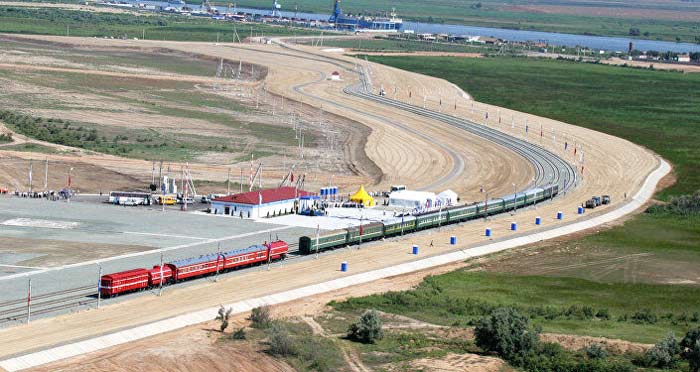
SCFR Online – Opinion: The dominant discourse in the field of European energy security over the past two decades has revolved around diversification of supply sources and the gradual reduction of dependence on fossil fuels. This narrative, which gained particular momentum after the Ukraine gas crisis in 2006 and its intensification in 2014 and 2022, was based on the assumption that Europe could free itself from the geopolitical vulnerabilities arising from dependence on specific suppliers through investment in renewable energy, imports of liquefied natural gas from diversified sources, and the establishment of new infrastructure. However, a closer analysis of energy trade data and the structure of the global oil and gas supply chain presents a different picture. Europe has not only failed to meaningfully reduce its dependence on the Persian Gulf, but in some sectors — particularly in liquefied natural gas imports — this dependence has deepened. This reality, which is often overlooked in public discourse, raises fundamental questions about the sustainability of Europe’s energy security strategies and their impact on regional power equations.

The Challenge of Hezbollah’s Low-Cost “FPV” Drones for the Zionist Regime

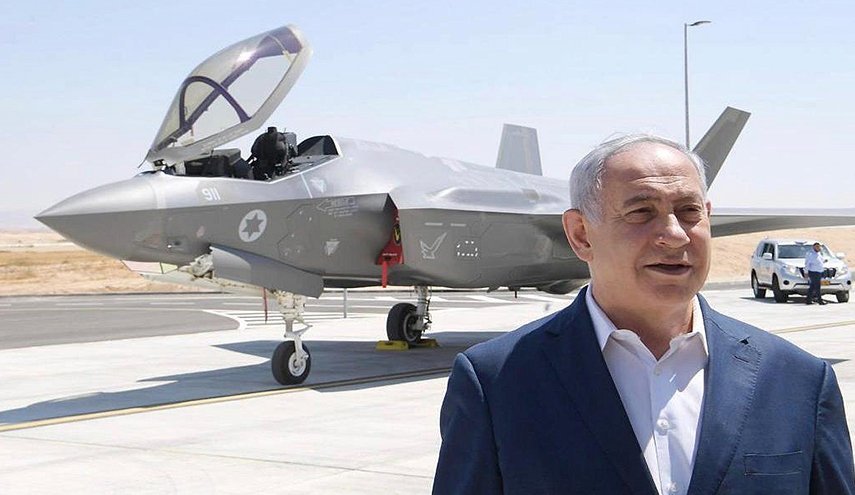
SCFR Online – Opinion: In modern warfare, it has always been assumed that the more expensive, and advanced the weapon—particularly from well-known companies—the more certain the victory will be. However, developments on the northern front of occupied Palestine in recent months have challenged this long-held belief. Here, the Zionist regime’s military, despite possessing the most advanced defense systems such as Iron Dome, David’s Sling, and Arrow, as well as fifth-generation F-35 fighter jets, Merkava tanks, and other modern equipment found in few countries worldwide, has effectively been rendered helpless against Hezbollah Lebanon’s few-hundred-dollar drones. Benjamin Netanyahu’s bitter admission regarding the inability to counter this threat, and his order to allocate an unlimited budget to find a solution, underscores the reality that the era of pure superiority through expensive technologies has come to an end.

The Impact of West Asian Developments on the Ukraine War

SCFR Online – Note: Vladimir Putin, President of Russia, recently announced—more than four years after the commencement of military aggression against Ukraine—that he believes the conflict between Russia and Ukraine is drawing to a close.

Temporary China–U.S. Trade Truce in the Shadow of Fundamental Distrust

SCFR Online – Opinion: The recent visit of the President of the United States to China is significant from various aspects; because China is recognized as the world’s second-largest economic power and a growing economy. The Chinese are also advancing in various fields, including the space sector, artificial intelligence, and military industries; to the extent that in the military sector, whereas they previously lacked an aircraft carrier, they now possess their third aircraft carrier. On the other hand, the United States, as a superpower, has always regarded China as its rival and continues to view it as such today.

Loading

Turkey

The goals of the Israeli regime in its military attacks on Syria

The goals of the Israeli regime in its military attacks on Syria

Strategic Council Online – Interview: A West Asian affairs expert said: One of the main objectives of the recent attacks by the Israeli regime on Syria is to prevent the establishment of a strong central authority or government in Syria. Therefore, it is trying to prevent the comprehensive rule of the new government under the name of Ahmad al-Sharaa or al-Julani by attacking and invading southern Syria and various regions of the country, even Damascus.

Iran in the New Eurasian Order

Iran in the New Eurasian Order

Strategic Council Online – Interview: A geostrategic affairs analyst said: The emerging Eurasian order is not merely an economic plan, but an effort to redefine the global order based on independence, multilateralism, and regional convergence.

The South Caucasus, A New Front in NATO-Russia Competition

The South Caucasus, A New Front in NATO-Russia Competition

Strategic Council Online – Interview: A Caucasus issues analyst stated that increased cooperation between the Republic of Azerbaijan and NATO, along with Western support for Baku, signifies the formation of a new front of geopolitical competition between NATO and Russia in the South Caucasus.

An Analysis of Iran’s Strategy in Central Asia and the Caucasus

An Analysis of Iran’s Strategy in Central Asia and the Caucasus

Online Strategic Council – Interview: An international affairs expert stated that Iran, by relying on its geo-economic capacities across various fields, should strive to solidify its position as a bridge connecting the Persian Gulf to Eurasia. However, regional and extra-regional competition for influence in Azerbaijan and Armenia has reached a critical point, where Iran’s security considerations and geopolitical red lines could turn the advancement of a multi-faceted strategy into a real test for the diplomatic apparatus.

An Analysis of Syria’s Parliamentary Elections

An Analysis of Syria’s Parliamentary Elections

Online Strategic Council – Interview: A West Asia affairs expert stated that the first parliamentary elections in Syria during the interim government’s tenure, led by Ahmad al-Shar, were held while the appointed composition of seats, the absence of a national census, and the influence of foreign actors challenge the real legitimacy and freedom of these elections.

Egypt Seeks to Reduce Vulnerability vis-à-vis the Zionist Regime

Egypt Seeks to Reduce Vulnerability vis-à-vis the Zionist Regime

Online Strategic Council – Interview: A senior Egyptian affairs analyst stated that Egypt, the first Arab country to sign a peace agreement with the Zionist regime in 1979, has now adopted a new strategy due to concerns about the regime’s expansionist policies. The developments following the 2023 Gaza war revealed that Tel Aviv, with the unconditional support of the United States, seeks to alter the balance of power in West Asia —a matter that has compelled Cairo to expand its relations with Iran and Turkey, two significant regional powers. By holding joint military exercises with Turkey, mediating in Iran’s nuclear dossier, and seeking military and technological cooperation, Egypt is trying to prevent the Zionists’ hegemony in the region. Although the formation of a trilateral military alliance seems unlikely for now, Cairo’s rapprochement with Tehran and Ankara is considered a potential threat to the Israeli regime. In fact, in the face of regional pressures and border crises, Egypt is seeking to create a strategic balance to curb Tel Aviv’s influence and enhance its own position in the West Asian equations.

أحدث الوظائف

Europe’s Enduring Dependence on Persian Gulf Energy

SCFR Online – Opinion: The dominant discourse in the field of European energy security over the past two decades has revolved around diversification of supply sources and the gradual reduction of dependence on fossil fuels. This narrative, which gained particular momentum after the Ukraine gas crisis in 2006 and its intensification in 2014 and 2022, was based on the assumption that Europe could free itself from the geopolitical vulnerabilities arising from dependence on specific suppliers through investment in renewable energy, imports of liquefied natural gas from diversified sources, and the establishment of new infrastructure. However, a closer analysis of energy trade data and the structure of the global oil and gas supply chain presents a different picture. Europe has not only failed to meaningfully reduce its dependence on the Persian Gulf, but in some sectors — particularly in liquefied natural gas imports — this dependence has deepened. This reality, which is often overlooked in public discourse, raises fundamental questions about the sustainability of Europe’s energy security strategies and their impact on regional power equations.

The Challenge of Hezbollah’s Low-Cost “FPV” Drones for the Zionist Regime

SCFR Online – Opinion: In modern warfare, it has always been assumed that the more expensive, and advanced the weapon—particularly from well-known companies—the more certain the victory will be. However, developments on the northern front of occupied Palestine in recent months have challenged this long-held belief. Here, the Zionist regime’s military, despite possessing the most advanced defense systems such as Iron Dome, David’s Sling, and Arrow, as well as fifth-generation F-35 fighter jets, Merkava tanks, and other modern equipment found in few countries worldwide, has effectively been rendered helpless against Hezbollah Lebanon’s few-hundred-dollar drones. Benjamin Netanyahu’s bitter admission regarding the inability to counter this threat, and his order to allocate an unlimited budget to find a solution, underscores the reality that the era of pure superiority through expensive technologies has come to an end.

The Impact of West Asian Developments on the Ukraine War

SCFR Online – Note: Vladimir Putin, President of Russia, recently announced—more than four years after the commencement of military aggression against Ukraine—that he believes the conflict between Russia and Ukraine is drawing to a close.

Temporary China–U.S. Trade Truce in the Shadow of Fundamental Distrust

SCFR Online – Opinion: The recent visit of the President of the United States to China is significant from various aspects; because China is recognized as the world’s second-largest economic power and a growing economy. The Chinese are also advancing in various fields, including the space sector, artificial intelligence, and military industries; to the extent that in the military sector, whereas they previously lacked an aircraft carrier, they now possess their third aircraft carrier. On the other hand, the United States, as a superpower, has always regarded China as its rival and continues to view it as such today.

Loading

Turkey

The goals of the Israeli regime in its military attacks on Syria

The goals of the Israeli regime in its military attacks on Syria

Strategic Council Online – Interview: A West Asian affairs expert said: One of the main objectives of the recent attacks by the Israeli regime on Syria is to prevent the establishment of a strong central authority or government in Syria. Therefore, it is trying to prevent the comprehensive rule of the new government under the name of Ahmad al-Sharaa or al-Julani by attacking and invading southern Syria and various regions of the country, even Damascus.

Iran in the New Eurasian Order

Iran in the New Eurasian Order

Strategic Council Online – Interview: A geostrategic affairs analyst said: The emerging Eurasian order is not merely an economic plan, but an effort to redefine the global order based on independence, multilateralism, and regional convergence.

The South Caucasus, A New Front in NATO-Russia Competition

The South Caucasus, A New Front in NATO-Russia Competition

Strategic Council Online – Interview: A Caucasus issues analyst stated that increased cooperation between the Republic of Azerbaijan and NATO, along with Western support for Baku, signifies the formation of a new front of geopolitical competition between NATO and Russia in the South Caucasus.

An Analysis of Iran’s Strategy in Central Asia and the Caucasus

An Analysis of Iran’s Strategy in Central Asia and the Caucasus

Online Strategic Council – Interview: An international affairs expert stated that Iran, by relying on its geo-economic capacities across various fields, should strive to solidify its position as a bridge connecting the Persian Gulf to Eurasia. However, regional and extra-regional competition for influence in Azerbaijan and Armenia has reached a critical point, where Iran’s security considerations and geopolitical red lines could turn the advancement of a multi-faceted strategy into a real test for the diplomatic apparatus.

An Analysis of Syria’s Parliamentary Elections

An Analysis of Syria’s Parliamentary Elections

Online Strategic Council – Interview: A West Asia affairs expert stated that the first parliamentary elections in Syria during the interim government’s tenure, led by Ahmad al-Shar, were held while the appointed composition of seats, the absence of a national census, and the influence of foreign actors challenge the real legitimacy and freedom of these elections.

Egypt Seeks to Reduce Vulnerability vis-à-vis the Zionist Regime

Egypt Seeks to Reduce Vulnerability vis-à-vis the Zionist Regime

Online Strategic Council – Interview: A senior Egyptian affairs analyst stated that Egypt, the first Arab country to sign a peace agreement with the Zionist regime in 1979, has now adopted a new strategy due to concerns about the regime’s expansionist policies. The developments following the 2023 Gaza war revealed that Tel Aviv, with the unconditional support of the United States, seeks to alter the balance of power in West Asia —a matter that has compelled Cairo to expand its relations with Iran and Turkey, two significant regional powers. By holding joint military exercises with Turkey, mediating in Iran’s nuclear dossier, and seeking military and technological cooperation, Egypt is trying to prevent the Zionists’ hegemony in the region. Although the formation of a trilateral military alliance seems unlikely for now, Cairo’s rapprochement with Tehran and Ankara is considered a potential threat to the Israeli regime. In fact, in the face of regional pressures and border crises, Egypt is seeking to create a strategic balance to curb Tel Aviv’s influence and enhance its own position in the West Asian equations.

Turkey

The goals of the Israeli regime in its military attacks on Syria

The goals of the Israeli regime in its military attacks on Syria

Strategic Council Online – Interview: A West Asian affairs expert said: One of the main objectives of the recent attacks by the Israeli regime on Syria is to prevent the establishment of a strong central authority or government in Syria. Therefore, it is trying to prevent the comprehensive rule of the new government under the name of Ahmad al-Sharaa or al-Julani by attacking and invading southern Syria and various regions of the country, even Damascus.

Iran in the New Eurasian Order

Iran in the New Eurasian Order

Strategic Council Online – Interview: A geostrategic affairs analyst said: The emerging Eurasian order is not merely an economic plan, but an effort to redefine the global order based on independence, multilateralism, and regional convergence.

The South Caucasus, A New Front in NATO-Russia Competition

The South Caucasus, A New Front in NATO-Russia Competition

Strategic Council Online – Interview: A Caucasus issues analyst stated that increased cooperation between the Republic of Azerbaijan and NATO, along with Western support for Baku, signifies the formation of a new front of geopolitical competition between NATO and Russia in the South Caucasus.

An Analysis of Iran’s Strategy in Central Asia and the Caucasus

An Analysis of Iran’s Strategy in Central Asia and the Caucasus

Online Strategic Council – Interview: An international affairs expert stated that Iran, by relying on its geo-economic capacities across various fields, should strive to solidify its position as a bridge connecting the Persian Gulf to Eurasia. However, regional and extra-regional competition for influence in Azerbaijan and Armenia has reached a critical point, where Iran’s security considerations and geopolitical red lines could turn the advancement of a multi-faceted strategy into a real test for the diplomatic apparatus.

An Analysis of Syria’s Parliamentary Elections

An Analysis of Syria’s Parliamentary Elections

Online Strategic Council – Interview: A West Asia affairs expert stated that the first parliamentary elections in Syria during the interim government’s tenure, led by Ahmad al-Shar, were held while the appointed composition of seats, the absence of a national census, and the influence of foreign actors challenge the real legitimacy and freedom of these elections.

Egypt Seeks to Reduce Vulnerability vis-à-vis the Zionist Regime

Egypt Seeks to Reduce Vulnerability vis-à-vis the Zionist Regime

Online Strategic Council – Interview: A senior Egyptian affairs analyst stated that Egypt, the first Arab country to sign a peace agreement with the Zionist regime in 1979, has now adopted a new strategy due to concerns about the regime’s expansionist policies. The developments following the 2023 Gaza war revealed that Tel Aviv, with the unconditional support of the United States, seeks to alter the balance of power in West Asia —a matter that has compelled Cairo to expand its relations with Iran and Turkey, two significant regional powers. By holding joint military exercises with Turkey, mediating in Iran’s nuclear dossier, and seeking military and technological cooperation, Egypt is trying to prevent the Zionists’ hegemony in the region. Although the formation of a trilateral military alliance seems unlikely for now, Cairo’s rapprochement with Tehran and Ankara is considered a potential threat to the Israeli regime. In fact, in the face of regional pressures and border crises, Egypt is seeking to create a strategic balance to curb Tel Aviv’s influence and enhance its own position in the West Asian equations.

LATEST CONTENT

Europe’s Enduring Dependence on Persian Gulf Energy

SCFR Online – Opinion: The dominant discourse in the field of European energy security over the past two decades has revolved around diversification of supply sources and the gradual reduction of dependence on fossil fuels. This narrative, which gained particular momentum after the Ukraine gas crisis in 2006 and its intensification in 2014 and 2022, was based on the assumption that Europe could free itself from the geopolitical vulnerabilities arising from dependence on specific suppliers through investment in renewable energy, imports of liquefied natural gas from diversified sources, and the establishment of new infrastructure. However, a closer analysis of energy trade data and the structure of the global oil and gas supply chain presents a different picture. Europe has not only failed to meaningfully reduce its dependence on the Persian Gulf, but in some sectors — particularly in liquefied natural gas imports — this dependence has deepened. This reality, which is often overlooked in public discourse, raises fundamental questions about the sustainability of Europe’s energy security strategies and their impact on regional power equations.

The Challenge of Hezbollah’s Low-Cost “FPV” Drones for the Zionist Regime

SCFR Online – Opinion: In modern warfare, it has always been assumed that the more expensive, and advanced the weapon—particularly from well-known companies—the more certain the victory will be. However, developments on the northern front of occupied Palestine in recent months have challenged this long-held belief. Here, the Zionist regime’s military, despite possessing the most advanced defense systems such as Iron Dome, David’s Sling, and Arrow, as well as fifth-generation F-35 fighter jets, Merkava tanks, and other modern equipment found in few countries worldwide, has effectively been rendered helpless against Hezbollah Lebanon’s few-hundred-dollar drones. Benjamin Netanyahu’s bitter admission regarding the inability to counter this threat, and his order to allocate an unlimited budget to find a solution, underscores the reality that the era of pure superiority through expensive technologies has come to an end.

The Impact of West Asian Developments on the Ukraine War

SCFR Online – Note: Vladimir Putin, President of Russia, recently announced—more than four years after the commencement of military aggression against Ukraine—that he believes the conflict between Russia and Ukraine is drawing to a close.

Temporary China–U.S. Trade Truce in the Shadow of Fundamental Distrust

SCFR Online – Opinion: The recent visit of the President of the United States to China is significant from various aspects; because China is recognized as the world’s second-largest economic power and a growing economy. The Chinese are also advancing in various fields, including the space sector, artificial intelligence, and military industries; to the extent that in the military sector, whereas they previously lacked an aircraft carrier, they now possess their third aircraft carrier. On the other hand, the United States, as a superpower, has always regarded China as its rival and continues to view it as such today.

Loading

Turkey

The goals of the Israeli regime in its military attacks on Syria

The goals of the Israeli regime in its military attacks on Syria

Strategic Council Online – Interview: A West Asian affairs expert said: One of the main objectives of the recent attacks by the Israeli regime on Syria is to prevent the establishment of a strong central authority or government in Syria. Therefore, it is trying to prevent the comprehensive rule of the new government under the name of Ahmad al-Sharaa or al-Julani by attacking and invading southern Syria and various regions of the country, even Damascus.

Iran in the New Eurasian Order

Iran in the New Eurasian Order

Strategic Council Online – Interview: A geostrategic affairs analyst said: The emerging Eurasian order is not merely an economic plan, but an effort to redefine the global order based on independence, multilateralism, and regional convergence.

The South Caucasus, A New Front in NATO-Russia Competition

The South Caucasus, A New Front in NATO-Russia Competition

Strategic Council Online – Interview: A Caucasus issues analyst stated that increased cooperation between the Republic of Azerbaijan and NATO, along with Western support for Baku, signifies the formation of a new front of geopolitical competition between NATO and Russia in the South Caucasus.

An Analysis of Iran’s Strategy in Central Asia and the Caucasus

An Analysis of Iran’s Strategy in Central Asia and the Caucasus

Online Strategic Council – Interview: An international affairs expert stated that Iran, by relying on its geo-economic capacities across various fields, should strive to solidify its position as a bridge connecting the Persian Gulf to Eurasia. However, regional and extra-regional competition for influence in Azerbaijan and Armenia has reached a critical point, where Iran’s security considerations and geopolitical red lines could turn the advancement of a multi-faceted strategy into a real test for the diplomatic apparatus.

An Analysis of Syria’s Parliamentary Elections

An Analysis of Syria’s Parliamentary Elections

Online Strategic Council – Interview: A West Asia affairs expert stated that the first parliamentary elections in Syria during the interim government’s tenure, led by Ahmad al-Shar, were held while the appointed composition of seats, the absence of a national census, and the influence of foreign actors challenge the real legitimacy and freedom of these elections.

Egypt Seeks to Reduce Vulnerability vis-à-vis the Zionist Regime

Egypt Seeks to Reduce Vulnerability vis-à-vis the Zionist Regime

Online Strategic Council – Interview: A senior Egyptian affairs analyst stated that Egypt, the first Arab country to sign a peace agreement with the Zionist regime in 1979, has now adopted a new strategy due to concerns about the regime’s expansionist policies. The developments following the 2023 Gaza war revealed that Tel Aviv, with the unconditional support of the United States, seeks to alter the balance of power in West Asia —a matter that has compelled Cairo to expand its relations with Iran and Turkey, two significant regional powers. By holding joint military exercises with Turkey, mediating in Iran’s nuclear dossier, and seeking military and technological cooperation, Egypt is trying to prevent the Zionists’ hegemony in the region. Although the formation of a trilateral military alliance seems unlikely for now, Cairo’s rapprochement with Tehran and Ankara is considered a potential threat to the Israeli regime. In fact, in the face of regional pressures and border crises, Egypt is seeking to create a strategic balance to curb Tel Aviv’s influence and enhance its own position in the West Asian equations.

ÚLTIMAS PUBLICACIONES

Europe’s Enduring Dependence on Persian Gulf Energy

SCFR Online – Opinion: The dominant discourse in the field of European energy security over the past two decades has revolved around diversification of supply sources and the gradual reduction of dependence on fossil fuels. This narrative, which gained particular momentum after the Ukraine gas crisis in 2006 and its intensification in 2014 and 2022, was based on the assumption that Europe could free itself from the geopolitical vulnerabilities arising from dependence on specific suppliers through investment in renewable energy, imports of liquefied natural gas from diversified sources, and the establishment of new infrastructure. However, a closer analysis of energy trade data and the structure of the global oil and gas supply chain presents a different picture. Europe has not only failed to meaningfully reduce its dependence on the Persian Gulf, but in some sectors — particularly in liquefied natural gas imports — this dependence has deepened. This reality, which is often overlooked in public discourse, raises fundamental questions about the sustainability of Europe’s energy security strategies and their impact on regional power equations.

The Challenge of Hezbollah’s Low-Cost “FPV” Drones for the Zionist Regime

SCFR Online – Opinion: In modern warfare, it has always been assumed that the more expensive, and advanced the weapon—particularly from well-known companies—the more certain the victory will be. However, developments on the northern front of occupied Palestine in recent months have challenged this long-held belief. Here, the Zionist regime’s military, despite possessing the most advanced defense systems such as Iron Dome, David’s Sling, and Arrow, as well as fifth-generation F-35 fighter jets, Merkava tanks, and other modern equipment found in few countries worldwide, has effectively been rendered helpless against Hezbollah Lebanon’s few-hundred-dollar drones. Benjamin Netanyahu’s bitter admission regarding the inability to counter this threat, and his order to allocate an unlimited budget to find a solution, underscores the reality that the era of pure superiority through expensive technologies has come to an end.

The Impact of West Asian Developments on the Ukraine War

SCFR Online – Note: Vladimir Putin, President of Russia, recently announced—more than four years after the commencement of military aggression against Ukraine—that he believes the conflict between Russia and Ukraine is drawing to a close.

Temporary China–U.S. Trade Truce in the Shadow of Fundamental Distrust

SCFR Online – Opinion: The recent visit of the President of the United States to China is significant from various aspects; because China is recognized as the world’s second-largest economic power and a growing economy. The Chinese are also advancing in various fields, including the space sector, artificial intelligence, and military industries; to the extent that in the military sector, whereas they previously lacked an aircraft carrier, they now possess their third aircraft carrier. On the other hand, the United States, as a superpower, has always regarded China as its rival and continues to view it as such today.

Loading

Turkey

The goals of the Israeli regime in its military attacks on Syria

The goals of the Israeli regime in its military attacks on Syria

Strategic Council Online – Interview: A West Asian affairs expert said: One of the main objectives of the recent attacks by the Israeli regime on Syria is to prevent the establishment of a strong central authority or government in Syria. Therefore, it is trying to prevent the comprehensive rule of the new government under the name of Ahmad al-Sharaa or al-Julani by attacking and invading southern Syria and various regions of the country, even Damascus.

Iran in the New Eurasian Order

Iran in the New Eurasian Order

Strategic Council Online – Interview: A geostrategic affairs analyst said: The emerging Eurasian order is not merely an economic plan, but an effort to redefine the global order based on independence, multilateralism, and regional convergence.

The South Caucasus, A New Front in NATO-Russia Competition

The South Caucasus, A New Front in NATO-Russia Competition

Strategic Council Online – Interview: A Caucasus issues analyst stated that increased cooperation between the Republic of Azerbaijan and NATO, along with Western support for Baku, signifies the formation of a new front of geopolitical competition between NATO and Russia in the South Caucasus.

An Analysis of Iran’s Strategy in Central Asia and the Caucasus

An Analysis of Iran’s Strategy in Central Asia and the Caucasus

Online Strategic Council – Interview: An international affairs expert stated that Iran, by relying on its geo-economic capacities across various fields, should strive to solidify its position as a bridge connecting the Persian Gulf to Eurasia. However, regional and extra-regional competition for influence in Azerbaijan and Armenia has reached a critical point, where Iran’s security considerations and geopolitical red lines could turn the advancement of a multi-faceted strategy into a real test for the diplomatic apparatus.

An Analysis of Syria’s Parliamentary Elections

An Analysis of Syria’s Parliamentary Elections

Online Strategic Council – Interview: A West Asia affairs expert stated that the first parliamentary elections in Syria during the interim government’s tenure, led by Ahmad al-Shar, were held while the appointed composition of seats, the absence of a national census, and the influence of foreign actors challenge the real legitimacy and freedom of these elections.

Egypt Seeks to Reduce Vulnerability vis-à-vis the Zionist Regime

Egypt Seeks to Reduce Vulnerability vis-à-vis the Zionist Regime

Online Strategic Council – Interview: A senior Egyptian affairs analyst stated that Egypt, the first Arab country to sign a peace agreement with the Zionist regime in 1979, has now adopted a new strategy due to concerns about the regime’s expansionist policies. The developments following the 2023 Gaza war revealed that Tel Aviv, with the unconditional support of the United States, seeks to alter the balance of power in West Asia —a matter that has compelled Cairo to expand its relations with Iran and Turkey, two significant regional powers. By holding joint military exercises with Turkey, mediating in Iran’s nuclear dossier, and seeking military and technological cooperation, Egypt is trying to prevent the Zionists’ hegemony in the region. Although the formation of a trilateral military alliance seems unlikely for now, Cairo’s rapprochement with Tehran and Ankara is considered a potential threat to the Israeli regime. In fact, in the face of regional pressures and border crises, Egypt is seeking to create a strategic balance to curb Tel Aviv’s influence and enhance its own position in the West Asian equations.

ÚLTIMAS PUBLICACIONES

Europe’s Enduring Dependence on Persian Gulf Energy

SCFR Online – Opinion: The dominant discourse in the field of European energy security over the past two decades has revolved around diversification of supply sources and the gradual reduction of dependence on fossil fuels. This narrative, which gained particular momentum after the Ukraine gas crisis in 2006 and its intensification in 2014 and 2022, was based on the assumption that Europe could free itself from the geopolitical vulnerabilities arising from dependence on specific suppliers through investment in renewable energy, imports of liquefied natural gas from diversified sources, and the establishment of new infrastructure. However, a closer analysis of energy trade data and the structure of the global oil and gas supply chain presents a different picture. Europe has not only failed to meaningfully reduce its dependence on the Persian Gulf, but in some sectors — particularly in liquefied natural gas imports — this dependence has deepened. This reality, which is often overlooked in public discourse, raises fundamental questions about the sustainability of Europe’s energy security strategies and their impact on regional power equations.

The Challenge of Hezbollah’s Low-Cost “FPV” Drones for the Zionist Regime

SCFR Online – Opinion: In modern warfare, it has always been assumed that the more expensive, and advanced the weapon—particularly from well-known companies—the more certain the victory will be. However, developments on the northern front of occupied Palestine in recent months have challenged this long-held belief. Here, the Zionist regime’s military, despite possessing the most advanced defense systems such as Iron Dome, David’s Sling, and Arrow, as well as fifth-generation F-35 fighter jets, Merkava tanks, and other modern equipment found in few countries worldwide, has effectively been rendered helpless against Hezbollah Lebanon’s few-hundred-dollar drones. Benjamin Netanyahu’s bitter admission regarding the inability to counter this threat, and his order to allocate an unlimited budget to find a solution, underscores the reality that the era of pure superiority through expensive technologies has come to an end.

The Impact of West Asian Developments on the Ukraine War

SCFR Online – Note: Vladimir Putin, President of Russia, recently announced—more than four years after the commencement of military aggression against Ukraine—that he believes the conflict between Russia and Ukraine is drawing to a close.

Temporary China–U.S. Trade Truce in the Shadow of Fundamental Distrust

SCFR Online – Opinion: The recent visit of the President of the United States to China is significant from various aspects; because China is recognized as the world’s second-largest economic power and a growing economy. The Chinese are also advancing in various fields, including the space sector, artificial intelligence, and military industries; to the extent that in the military sector, whereas they previously lacked an aircraft carrier, they now possess their third aircraft carrier. On the other hand, the United States, as a superpower, has always regarded China as its rival and continues to view it as such today.

Loading

Turkey

The goals of the Israeli regime in its military attacks on Syria

The goals of the Israeli regime in its military attacks on Syria

Strategic Council Online – Interview: A West Asian affairs expert said: One of the main objectives of the recent attacks by the Israeli regime on Syria is to prevent the establishment of a strong central authority or government in Syria. Therefore, it is trying to prevent the comprehensive rule of the new government under the name of Ahmad al-Sharaa or al-Julani by attacking and invading southern Syria and various regions of the country, even Damascus.

Iran in the New Eurasian Order

Iran in the New Eurasian Order

Strategic Council Online – Interview: A geostrategic affairs analyst said: The emerging Eurasian order is not merely an economic plan, but an effort to redefine the global order based on independence, multilateralism, and regional convergence.

The South Caucasus, A New Front in NATO-Russia Competition

The South Caucasus, A New Front in NATO-Russia Competition

Strategic Council Online – Interview: A Caucasus issues analyst stated that increased cooperation between the Republic of Azerbaijan and NATO, along with Western support for Baku, signifies the formation of a new front of geopolitical competition between NATO and Russia in the South Caucasus.

An Analysis of Iran’s Strategy in Central Asia and the Caucasus

An Analysis of Iran’s Strategy in Central Asia and the Caucasus

Online Strategic Council – Interview: An international affairs expert stated that Iran, by relying on its geo-economic capacities across various fields, should strive to solidify its position as a bridge connecting the Persian Gulf to Eurasia. However, regional and extra-regional competition for influence in Azerbaijan and Armenia has reached a critical point, where Iran’s security considerations and geopolitical red lines could turn the advancement of a multi-faceted strategy into a real test for the diplomatic apparatus.

An Analysis of Syria’s Parliamentary Elections

An Analysis of Syria’s Parliamentary Elections

Online Strategic Council – Interview: A West Asia affairs expert stated that the first parliamentary elections in Syria during the interim government’s tenure, led by Ahmad al-Shar, were held while the appointed composition of seats, the absence of a national census, and the influence of foreign actors challenge the real legitimacy and freedom of these elections.

Egypt Seeks to Reduce Vulnerability vis-à-vis the Zionist Regime

Egypt Seeks to Reduce Vulnerability vis-à-vis the Zionist Regime

Online Strategic Council – Interview: A senior Egyptian affairs analyst stated that Egypt, the first Arab country to sign a peace agreement with the Zionist regime in 1979, has now adopted a new strategy due to concerns about the regime’s expansionist policies. The developments following the 2023 Gaza war revealed that Tel Aviv, with the unconditional support of the United States, seeks to alter the balance of power in West Asia —a matter that has compelled Cairo to expand its relations with Iran and Turkey, two significant regional powers. By holding joint military exercises with Turkey, mediating in Iran’s nuclear dossier, and seeking military and technological cooperation, Egypt is trying to prevent the Zionists’ hegemony in the region. Although the formation of a trilateral military alliance seems unlikely for now, Cairo’s rapprochement with Tehran and Ankara is considered a potential threat to the Israeli regime. In fact, in the face of regional pressures and border crises, Egypt is seeking to create a strategic balance to curb Tel Aviv’s influence and enhance its own position in the West Asian equations.

ÚLTIMAS PUBLICACIONES

Europe’s Enduring Dependence on Persian Gulf Energy

SCFR Online – Opinion: The dominant discourse in the field of European energy security over the past two decades has revolved around diversification of supply sources and the gradual reduction of dependence on fossil fuels. This narrative, which gained particular momentum after the Ukraine gas crisis in 2006 and its intensification in 2014 and 2022, was based on the assumption that Europe could free itself from the geopolitical vulnerabilities arising from dependence on specific suppliers through investment in renewable energy, imports of liquefied natural gas from diversified sources, and the establishment of new infrastructure. However, a closer analysis of energy trade data and the structure of the global oil and gas supply chain presents a different picture. Europe has not only failed to meaningfully reduce its dependence on the Persian Gulf, but in some sectors — particularly in liquefied natural gas imports — this dependence has deepened. This reality, which is often overlooked in public discourse, raises fundamental questions about the sustainability of Europe’s energy security strategies and their impact on regional power equations.

The Challenge of Hezbollah’s Low-Cost “FPV” Drones for the Zionist Regime

SCFR Online – Opinion: In modern warfare, it has always been assumed that the more expensive, and advanced the weapon—particularly from well-known companies—the more certain the victory will be. However, developments on the northern front of occupied Palestine in recent months have challenged this long-held belief. Here, the Zionist regime’s military, despite possessing the most advanced defense systems such as Iron Dome, David’s Sling, and Arrow, as well as fifth-generation F-35 fighter jets, Merkava tanks, and other modern equipment found in few countries worldwide, has effectively been rendered helpless against Hezbollah Lebanon’s few-hundred-dollar drones. Benjamin Netanyahu’s bitter admission regarding the inability to counter this threat, and his order to allocate an unlimited budget to find a solution, underscores the reality that the era of pure superiority through expensive technologies has come to an end.

The Impact of West Asian Developments on the Ukraine War

SCFR Online – Note: Vladimir Putin, President of Russia, recently announced—more than four years after the commencement of military aggression against Ukraine—that he believes the conflict between Russia and Ukraine is drawing to a close.

Temporary China–U.S. Trade Truce in the Shadow of Fundamental Distrust

SCFR Online – Opinion: The recent visit of the President of the United States to China is significant from various aspects; because China is recognized as the world’s second-largest economic power and a growing economy. The Chinese are also advancing in various fields, including the space sector, artificial intelligence, and military industries; to the extent that in the military sector, whereas they previously lacked an aircraft carrier, they now possess their third aircraft carrier. On the other hand, the United States, as a superpower, has always regarded China as its rival and continues to view it as such today.

Loading

Turkey

The goals of the Israeli regime in its military attacks on Syria

The goals of the Israeli regime in its military attacks on Syria

Strategic Council Online – Interview: A West Asian affairs expert said: One of the main objectives of the recent attacks by the Israeli regime on Syria is to prevent the establishment of a strong central authority or government in Syria. Therefore, it is trying to prevent the comprehensive rule of the new government under the name of Ahmad al-Sharaa or al-Julani by attacking and invading southern Syria and various regions of the country, even Damascus.

Iran in the New Eurasian Order

Iran in the New Eurasian Order

Strategic Council Online – Interview: A geostrategic affairs analyst said: The emerging Eurasian order is not merely an economic plan, but an effort to redefine the global order based on independence, multilateralism, and regional convergence.

The South Caucasus, A New Front in NATO-Russia Competition

The South Caucasus, A New Front in NATO-Russia Competition

Strategic Council Online – Interview: A Caucasus issues analyst stated that increased cooperation between the Republic of Azerbaijan and NATO, along with Western support for Baku, signifies the formation of a new front of geopolitical competition between NATO and Russia in the South Caucasus.

An Analysis of Iran’s Strategy in Central Asia and the Caucasus

An Analysis of Iran’s Strategy in Central Asia and the Caucasus

Online Strategic Council – Interview: An international affairs expert stated that Iran, by relying on its geo-economic capacities across various fields, should strive to solidify its position as a bridge connecting the Persian Gulf to Eurasia. However, regional and extra-regional competition for influence in Azerbaijan and Armenia has reached a critical point, where Iran’s security considerations and geopolitical red lines could turn the advancement of a multi-faceted strategy into a real test for the diplomatic apparatus.

An Analysis of Syria’s Parliamentary Elections

An Analysis of Syria’s Parliamentary Elections

Online Strategic Council – Interview: A West Asia affairs expert stated that the first parliamentary elections in Syria during the interim government’s tenure, led by Ahmad al-Shar, were held while the appointed composition of seats, the absence of a national census, and the influence of foreign actors challenge the real legitimacy and freedom of these elections.

Egypt Seeks to Reduce Vulnerability vis-à-vis the Zionist Regime

Egypt Seeks to Reduce Vulnerability vis-à-vis the Zionist Regime

Online Strategic Council – Interview: A senior Egyptian affairs analyst stated that Egypt, the first Arab country to sign a peace agreement with the Zionist regime in 1979, has now adopted a new strategy due to concerns about the regime’s expansionist policies. The developments following the 2023 Gaza war revealed that Tel Aviv, with the unconditional support of the United States, seeks to alter the balance of power in West Asia —a matter that has compelled Cairo to expand its relations with Iran and Turkey, two significant regional powers. By holding joint military exercises with Turkey, mediating in Iran’s nuclear dossier, and seeking military and technological cooperation, Egypt is trying to prevent the Zionists’ hegemony in the region. Although the formation of a trilateral military alliance seems unlikely for now, Cairo’s rapprochement with Tehran and Ankara is considered a potential threat to the Israeli regime. In fact, in the face of regional pressures and border crises, Egypt is seeking to create a strategic balance to curb Tel Aviv’s influence and enhance its own position in the West Asian equations.

ÚLTIMAS PUBLICACIONES

Europe’s Enduring Dependence on Persian Gulf Energy

SCFR Online – Opinion: The dominant discourse in the field of European energy security over the past two decades has revolved around diversification of supply sources and the gradual reduction of dependence on fossil fuels. This narrative, which gained particular momentum after the Ukraine gas crisis in 2006 and its intensification in 2014 and 2022, was based on the assumption that Europe could free itself from the geopolitical vulnerabilities arising from dependence on specific suppliers through investment in renewable energy, imports of liquefied natural gas from diversified sources, and the establishment of new infrastructure. However, a closer analysis of energy trade data and the structure of the global oil and gas supply chain presents a different picture. Europe has not only failed to meaningfully reduce its dependence on the Persian Gulf, but in some sectors — particularly in liquefied natural gas imports — this dependence has deepened. This reality, which is often overlooked in public discourse, raises fundamental questions about the sustainability of Europe’s energy security strategies and their impact on regional power equations.

The Challenge of Hezbollah’s Low-Cost “FPV” Drones for the Zionist Regime

SCFR Online – Opinion: In modern warfare, it has always been assumed that the more expensive, and advanced the weapon—particularly from well-known companies—the more certain the victory will be. However, developments on the northern front of occupied Palestine in recent months have challenged this long-held belief. Here, the Zionist regime’s military, despite possessing the most advanced defense systems such as Iron Dome, David’s Sling, and Arrow, as well as fifth-generation F-35 fighter jets, Merkava tanks, and other modern equipment found in few countries worldwide, has effectively been rendered helpless against Hezbollah Lebanon’s few-hundred-dollar drones. Benjamin Netanyahu’s bitter admission regarding the inability to counter this threat, and his order to allocate an unlimited budget to find a solution, underscores the reality that the era of pure superiority through expensive technologies has come to an end.

The Impact of West Asian Developments on the Ukraine War

SCFR Online – Note: Vladimir Putin, President of Russia, recently announced—more than four years after the commencement of military aggression against Ukraine—that he believes the conflict between Russia and Ukraine is drawing to a close.

Temporary China–U.S. Trade Truce in the Shadow of Fundamental Distrust

SCFR Online – Opinion: The recent visit of the President of the United States to China is significant from various aspects; because China is recognized as the world’s second-largest economic power and a growing economy. The Chinese are also advancing in various fields, including the space sector, artificial intelligence, and military industries; to the extent that in the military sector, whereas they previously lacked an aircraft carrier, they now possess their third aircraft carrier. On the other hand, the United States, as a superpower, has always regarded China as its rival and continues to view it as such today.

Loading