Geoeconomics as the Most Important Arena of Great Power Competition
SCFR Online – Opinion: Great power competition is now pursued more in trade, currency, technology, and global supply chains than on the battlefields of military confrontation.
Strategic Council Online – Note: By disregarding Iran’s deterrence capabilities and political economy leverage in the Strait of Hormuz, Washington has reached a strategic deadlock from which military means are unable to extricate it.
SCFR Online – Opinion: Foreign policy analysis is valid when it evaluates decisions based on the information and circumstances prevailing at the time they were made, not on the basis of outcomes that only become apparent after the crisis has ended.
SCFR Online-Opinion: Sanctions are gradually transforming from classical financial instruments into complex mechanisms for the containment of technology, data, and global supply chains.
SCFR Online – Opinion: Emmanuel Macron’s visit to Damascus is an attempt to redefine France’s role in Syria following the recent political developments in that country; an effort pursued within the context of great power competition and the country’s security challenges.
Strategic Council Online – Note: Middle powers such as India, Turkey, Australia, and some Persian Gulf countries are no longer marginal actors, but are redefining global power equations through balancing diplomacy.
Strategic Council Online – Note: In today’s global politics, the creation of narratives has become as important as territorial control and economic management, and has turned into the main tool of great power competition.
Strategic Council Online – Note: Hamas’s handing over the civilian management in Gaza is assessed as an attempt to reduce political pressures, facilitate reconstruction, and preserve the status of resistance in the future equations of Palestine.
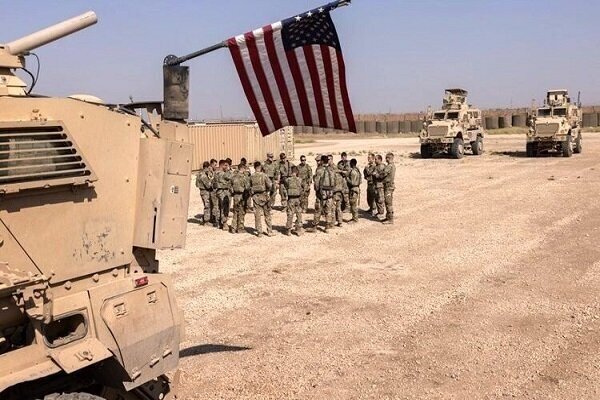
Strategic Council Online – Opinion: On April 18, 2025, the US Department of Defense (Pentagon) announced a review of the deployment of its military forces in Syria codenamed “Operation Inherent Resolve”. This plan, designed in line with Donald Trump’s policies to reduce US military presence in the Middle East, will reduce the number of US troops from 10,000 to 1,000 within two months. Although this measure was announced under the pretext of success in weakening ISIS, it is part of a broader US strategy to redefine its mission in the region. However, numerous political and security complexities accompany this decision, the consequences of which will be significant for Syria, the entire region, and even the international system.
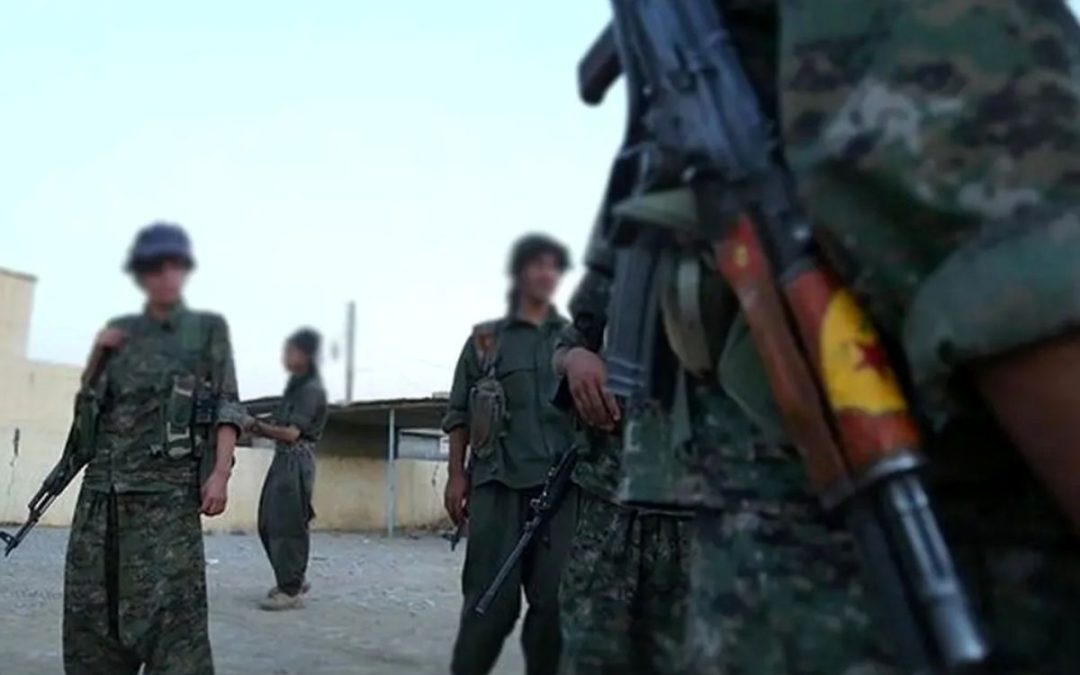
Strategic Council Online – Interview: A researcher in the field of strategy and geopolitical affairs considered the PKK disarmament to be due to their feeling of weakness after the collapse of Bashar al-Assad’s government and the rise of Turkey, as well as the increase in international pressure with the coming to power of Donald Trump, and said: At the current stage, both the PKK and the Turkish government welcome this agreement, but it is unlikely that this agreement will last long.
Strategic Council Online – Opinion: Since Syria’s independence, the country has not faced the threat of “division” and “disintegration” as it has in recent weeks.
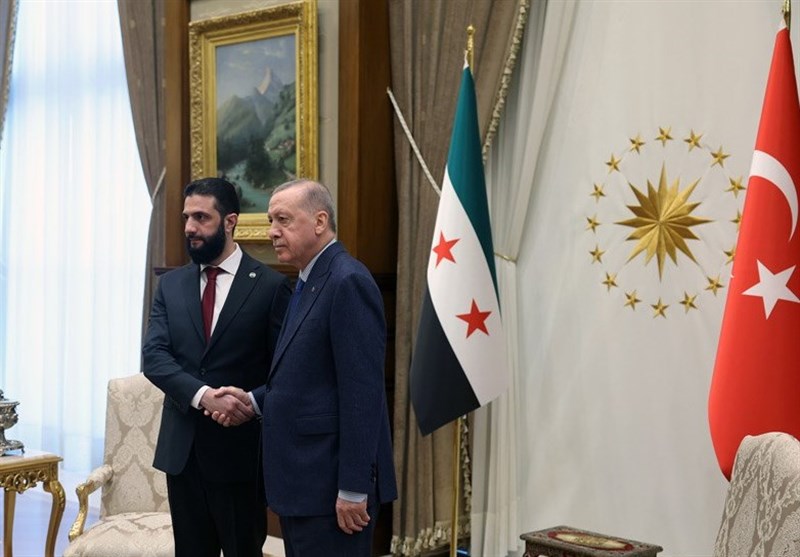
Strategic Council Online – Opinion: Emmanuel Macron is the first European head of state to have invited Golani to visit France during a telephone conversation. Golani has previously visited Turkey and Saudi Arabia.
Strategic Council Online – Guest Opinion: The increase in civilian casualties and ordinary citizens in the northern and eastern regions of Syria, following the continuation and intensification of air and artillery attacks by the Turkish army and its affiliated militias, namely the Syrian National Army (SNA), has led to growing concerns about the future course of developments in Syria.
Strategic Council Online—Interview: An expert on Turkish affairs said: Recently, Turkish forces entered the northwest of the country to establish a military base in the Syrian province of Latakia and installed the Turkish flag in various areas. It is said that Turkish troops entered some villages in northern Latakia with engineering and surveying equipment. After surveying the Al-Kamiliya Heights, they installed the Turkish flag in various areas of villages and schools in northwestern Syria. Rami Abdul Rahman, director of the Syrian Observatory for Human Rights, warned about this move to annex these areas to Turkish territory. Without a doubt, this process will have serious consequences for Turkey.
Strategic Council Online—Opinion: The general direction of the global natural gas market does not make Syria an attractive option for gas transit.
Strategic Council Online—Opinion: Over the past 15 years, the UAE has assumed a different role than is commonly thought. This role goes beyond the regional and has political and military dimensions.
Strategic Council Online – Opinion: The fall of Bashar al-Assad’s government in Syria is an important event that will affect the role of many regional and international powers in the West Asian region. This event is also considered an important issue from the perspective of the People’s Republic of China. What happened in Syria has the potential to create serious threats to China’s interests, so Beijing has adopted a conservative approach to developments in Syria.
Strategic Council Online – Interview: An expert on regional issues assessed the visit of the Syrian Interim Government’s Foreign Minister to Saudi Arabia as a progressive and important step, saying: Contrary to some news and analysis about Saudi Arabia’s agreement and support for the new developments in Syria and the formation of an interim government by Syrian opposition forces, the Riyadh government has serious concerns and worries about the future of this government.
SCFR Online – Opinion: Great power competition is now pursued more in trade, currency, technology, and global supply chains than on the battlefields of military confrontation.
Strategic Council Online – Note: By disregarding Iran’s deterrence capabilities and political economy leverage in the Strait of Hormuz, Washington has reached a strategic deadlock from which military means are unable to extricate it.
SCFR Online – Opinion: Foreign policy analysis is valid when it evaluates decisions based on the information and circumstances prevailing at the time they were made, not on the basis of outcomes that only become apparent after the crisis has ended.
SCFR Online-Opinion: Sanctions are gradually transforming from classical financial instruments into complex mechanisms for the containment of technology, data, and global supply chains.
SCFR Online – Opinion: Emmanuel Macron’s visit to Damascus is an attempt to redefine France’s role in Syria following the recent political developments in that country; an effort pursued within the context of great power competition and the country’s security challenges.
Strategic Council Online – Note: Middle powers such as India, Turkey, Australia, and some Persian Gulf countries are no longer marginal actors, but are redefining global power equations through balancing diplomacy.
Strategic Council Online – Note: In today’s global politics, the creation of narratives has become as important as territorial control and economic management, and has turned into the main tool of great power competition.
Strategic Council Online – Note: Hamas’s handing over the civilian management in Gaza is assessed as an attempt to reduce political pressures, facilitate reconstruction, and preserve the status of resistance in the future equations of Palestine.
Strategic Council Online – Opinion: On April 18, 2025, the US Department of Defense (Pentagon) announced a review of the deployment of its military forces in Syria codenamed “Operation Inherent Resolve”. This plan, designed in line with Donald Trump’s policies to reduce US military presence in the Middle East, will reduce the number of US troops from 10,000 to 1,000 within two months. Although this measure was announced under the pretext of success in weakening ISIS, it is part of a broader US strategy to redefine its mission in the region. However, numerous political and security complexities accompany this decision, the consequences of which will be significant for Syria, the entire region, and even the international system.
Strategic Council Online – Interview: A researcher in the field of strategy and geopolitical affairs considered the PKK disarmament to be due to their feeling of weakness after the collapse of Bashar al-Assad’s government and the rise of Turkey, as well as the increase in international pressure with the coming to power of Donald Trump, and said: At the current stage, both the PKK and the Turkish government welcome this agreement, but it is unlikely that this agreement will last long.
Strategic Council Online – Opinion: Since Syria’s independence, the country has not faced the threat of “division” and “disintegration” as it has in recent weeks.
Strategic Council Online – Opinion: Emmanuel Macron is the first European head of state to have invited Golani to visit France during a telephone conversation. Golani has previously visited Turkey and Saudi Arabia.
Strategic Council Online – Guest Opinion: The increase in civilian casualties and ordinary citizens in the northern and eastern regions of Syria, following the continuation and intensification of air and artillery attacks by the Turkish army and its affiliated militias, namely the Syrian National Army (SNA), has led to growing concerns about the future course of developments in Syria.
Strategic Council Online—Interview: An expert on Turkish affairs said: Recently, Turkish forces entered the northwest of the country to establish a military base in the Syrian province of Latakia and installed the Turkish flag in various areas. It is said that Turkish troops entered some villages in northern Latakia with engineering and surveying equipment. After surveying the Al-Kamiliya Heights, they installed the Turkish flag in various areas of villages and schools in northwestern Syria. Rami Abdul Rahman, director of the Syrian Observatory for Human Rights, warned about this move to annex these areas to Turkish territory. Without a doubt, this process will have serious consequences for Turkey.
Strategic Council Online—Opinion: The general direction of the global natural gas market does not make Syria an attractive option for gas transit.
Strategic Council Online—Opinion: Over the past 15 years, the UAE has assumed a different role than is commonly thought. This role goes beyond the regional and has political and military dimensions.
Strategic Council Online – Opinion: The fall of Bashar al-Assad’s government in Syria is an important event that will affect the role of many regional and international powers in the West Asian region. This event is also considered an important issue from the perspective of the People’s Republic of China. What happened in Syria has the potential to create serious threats to China’s interests, so Beijing has adopted a conservative approach to developments in Syria.
Strategic Council Online – Interview: An expert on regional issues assessed the visit of the Syrian Interim Government’s Foreign Minister to Saudi Arabia as a progressive and important step, saying: Contrary to some news and analysis about Saudi Arabia’s agreement and support for the new developments in Syria and the formation of an interim government by Syrian opposition forces, the Riyadh government has serious concerns and worries about the future of this government.
Strategic Council Online – Opinion: On April 18, 2025, the US Department of Defense (Pentagon) announced a review of the deployment of its military forces in Syria codenamed “Operation Inherent Resolve”. This plan, designed in line with Donald Trump’s policies to reduce US military presence in the Middle East, will reduce the number of US troops from 10,000 to 1,000 within two months. Although this measure was announced under the pretext of success in weakening ISIS, it is part of a broader US strategy to redefine its mission in the region. However, numerous political and security complexities accompany this decision, the consequences of which will be significant for Syria, the entire region, and even the international system.
Strategic Council Online – Interview: A researcher in the field of strategy and geopolitical affairs considered the PKK disarmament to be due to their feeling of weakness after the collapse of Bashar al-Assad’s government and the rise of Turkey, as well as the increase in international pressure with the coming to power of Donald Trump, and said: At the current stage, both the PKK and the Turkish government welcome this agreement, but it is unlikely that this agreement will last long.
Strategic Council Online – Opinion: Since Syria’s independence, the country has not faced the threat of “division” and “disintegration” as it has in recent weeks.
Strategic Council Online – Opinion: Emmanuel Macron is the first European head of state to have invited Golani to visit France during a telephone conversation. Golani has previously visited Turkey and Saudi Arabia.
Strategic Council Online – Guest Opinion: The increase in civilian casualties and ordinary citizens in the northern and eastern regions of Syria, following the continuation and intensification of air and artillery attacks by the Turkish army and its affiliated militias, namely the Syrian National Army (SNA), has led to growing concerns about the future course of developments in Syria.
Strategic Council Online—Interview: An expert on Turkish affairs said: Recently, Turkish forces entered the northwest of the country to establish a military base in the Syrian province of Latakia and installed the Turkish flag in various areas. It is said that Turkish troops entered some villages in northern Latakia with engineering and surveying equipment. After surveying the Al-Kamiliya Heights, they installed the Turkish flag in various areas of villages and schools in northwestern Syria. Rami Abdul Rahman, director of the Syrian Observatory for Human Rights, warned about this move to annex these areas to Turkish territory. Without a doubt, this process will have serious consequences for Turkey.
Strategic Council Online—Opinion: The general direction of the global natural gas market does not make Syria an attractive option for gas transit.
Strategic Council Online—Opinion: Over the past 15 years, the UAE has assumed a different role than is commonly thought. This role goes beyond the regional and has political and military dimensions.
Strategic Council Online – Opinion: The fall of Bashar al-Assad’s government in Syria is an important event that will affect the role of many regional and international powers in the West Asian region. This event is also considered an important issue from the perspective of the People’s Republic of China. What happened in Syria has the potential to create serious threats to China’s interests, so Beijing has adopted a conservative approach to developments in Syria.
Strategic Council Online – Interview: An expert on regional issues assessed the visit of the Syrian Interim Government’s Foreign Minister to Saudi Arabia as a progressive and important step, saying: Contrary to some news and analysis about Saudi Arabia’s agreement and support for the new developments in Syria and the formation of an interim government by Syrian opposition forces, the Riyadh government has serious concerns and worries about the future of this government.
SCFR Online – Opinion: Great power competition is now pursued more in trade, currency, technology, and global supply chains than on the battlefields of military confrontation.
Strategic Council Online – Note: By disregarding Iran’s deterrence capabilities and political economy leverage in the Strait of Hormuz, Washington has reached a strategic deadlock from which military means are unable to extricate it.
SCFR Online – Opinion: Foreign policy analysis is valid when it evaluates decisions based on the information and circumstances prevailing at the time they were made, not on the basis of outcomes that only become apparent after the crisis has ended.
SCFR Online-Opinion: Sanctions are gradually transforming from classical financial instruments into complex mechanisms for the containment of technology, data, and global supply chains.
SCFR Online – Opinion: Emmanuel Macron’s visit to Damascus is an attempt to redefine France’s role in Syria following the recent political developments in that country; an effort pursued within the context of great power competition and the country’s security challenges.
Strategic Council Online – Note: Middle powers such as India, Turkey, Australia, and some Persian Gulf countries are no longer marginal actors, but are redefining global power equations through balancing diplomacy.
Strategic Council Online – Note: In today’s global politics, the creation of narratives has become as important as territorial control and economic management, and has turned into the main tool of great power competition.
Strategic Council Online – Note: Hamas’s handing over the civilian management in Gaza is assessed as an attempt to reduce political pressures, facilitate reconstruction, and preserve the status of resistance in the future equations of Palestine.
Strategic Council Online – Opinion: On April 18, 2025, the US Department of Defense (Pentagon) announced a review of the deployment of its military forces in Syria codenamed “Operation Inherent Resolve”. This plan, designed in line with Donald Trump’s policies to reduce US military presence in the Middle East, will reduce the number of US troops from 10,000 to 1,000 within two months. Although this measure was announced under the pretext of success in weakening ISIS, it is part of a broader US strategy to redefine its mission in the region. However, numerous political and security complexities accompany this decision, the consequences of which will be significant for Syria, the entire region, and even the international system.
Strategic Council Online – Interview: A researcher in the field of strategy and geopolitical affairs considered the PKK disarmament to be due to their feeling of weakness after the collapse of Bashar al-Assad’s government and the rise of Turkey, as well as the increase in international pressure with the coming to power of Donald Trump, and said: At the current stage, both the PKK and the Turkish government welcome this agreement, but it is unlikely that this agreement will last long.
Strategic Council Online – Opinion: Since Syria’s independence, the country has not faced the threat of “division” and “disintegration” as it has in recent weeks.
Strategic Council Online – Opinion: Emmanuel Macron is the first European head of state to have invited Golani to visit France during a telephone conversation. Golani has previously visited Turkey and Saudi Arabia.
Strategic Council Online – Guest Opinion: The increase in civilian casualties and ordinary citizens in the northern and eastern regions of Syria, following the continuation and intensification of air and artillery attacks by the Turkish army and its affiliated militias, namely the Syrian National Army (SNA), has led to growing concerns about the future course of developments in Syria.
Strategic Council Online—Interview: An expert on Turkish affairs said: Recently, Turkish forces entered the northwest of the country to establish a military base in the Syrian province of Latakia and installed the Turkish flag in various areas. It is said that Turkish troops entered some villages in northern Latakia with engineering and surveying equipment. After surveying the Al-Kamiliya Heights, they installed the Turkish flag in various areas of villages and schools in northwestern Syria. Rami Abdul Rahman, director of the Syrian Observatory for Human Rights, warned about this move to annex these areas to Turkish territory. Without a doubt, this process will have serious consequences for Turkey.
Strategic Council Online—Opinion: The general direction of the global natural gas market does not make Syria an attractive option for gas transit.
Strategic Council Online—Opinion: Over the past 15 years, the UAE has assumed a different role than is commonly thought. This role goes beyond the regional and has political and military dimensions.
Strategic Council Online – Opinion: The fall of Bashar al-Assad’s government in Syria is an important event that will affect the role of many regional and international powers in the West Asian region. This event is also considered an important issue from the perspective of the People’s Republic of China. What happened in Syria has the potential to create serious threats to China’s interests, so Beijing has adopted a conservative approach to developments in Syria.
Strategic Council Online – Interview: An expert on regional issues assessed the visit of the Syrian Interim Government’s Foreign Minister to Saudi Arabia as a progressive and important step, saying: Contrary to some news and analysis about Saudi Arabia’s agreement and support for the new developments in Syria and the formation of an interim government by Syrian opposition forces, the Riyadh government has serious concerns and worries about the future of this government.
SCFR Online – Opinion: Great power competition is now pursued more in trade, currency, technology, and global supply chains than on the battlefields of military confrontation.
Strategic Council Online – Note: By disregarding Iran’s deterrence capabilities and political economy leverage in the Strait of Hormuz, Washington has reached a strategic deadlock from which military means are unable to extricate it.
SCFR Online – Opinion: Foreign policy analysis is valid when it evaluates decisions based on the information and circumstances prevailing at the time they were made, not on the basis of outcomes that only become apparent after the crisis has ended.
SCFR Online-Opinion: Sanctions are gradually transforming from classical financial instruments into complex mechanisms for the containment of technology, data, and global supply chains.
SCFR Online – Opinion: Emmanuel Macron’s visit to Damascus is an attempt to redefine France’s role in Syria following the recent political developments in that country; an effort pursued within the context of great power competition and the country’s security challenges.
Strategic Council Online – Note: Middle powers such as India, Turkey, Australia, and some Persian Gulf countries are no longer marginal actors, but are redefining global power equations through balancing diplomacy.
Strategic Council Online – Note: In today’s global politics, the creation of narratives has become as important as territorial control and economic management, and has turned into the main tool of great power competition.
Strategic Council Online – Note: Hamas’s handing over the civilian management in Gaza is assessed as an attempt to reduce political pressures, facilitate reconstruction, and preserve the status of resistance in the future equations of Palestine.
Strategic Council Online – Opinion: On April 18, 2025, the US Department of Defense (Pentagon) announced a review of the deployment of its military forces in Syria codenamed “Operation Inherent Resolve”. This plan, designed in line with Donald Trump’s policies to reduce US military presence in the Middle East, will reduce the number of US troops from 10,000 to 1,000 within two months. Although this measure was announced under the pretext of success in weakening ISIS, it is part of a broader US strategy to redefine its mission in the region. However, numerous political and security complexities accompany this decision, the consequences of which will be significant for Syria, the entire region, and even the international system.
Strategic Council Online – Interview: A researcher in the field of strategy and geopolitical affairs considered the PKK disarmament to be due to their feeling of weakness after the collapse of Bashar al-Assad’s government and the rise of Turkey, as well as the increase in international pressure with the coming to power of Donald Trump, and said: At the current stage, both the PKK and the Turkish government welcome this agreement, but it is unlikely that this agreement will last long.
Strategic Council Online – Opinion: Since Syria’s independence, the country has not faced the threat of “division” and “disintegration” as it has in recent weeks.
Strategic Council Online – Opinion: Emmanuel Macron is the first European head of state to have invited Golani to visit France during a telephone conversation. Golani has previously visited Turkey and Saudi Arabia.
Strategic Council Online – Guest Opinion: The increase in civilian casualties and ordinary citizens in the northern and eastern regions of Syria, following the continuation and intensification of air and artillery attacks by the Turkish army and its affiliated militias, namely the Syrian National Army (SNA), has led to growing concerns about the future course of developments in Syria.
Strategic Council Online—Interview: An expert on Turkish affairs said: Recently, Turkish forces entered the northwest of the country to establish a military base in the Syrian province of Latakia and installed the Turkish flag in various areas. It is said that Turkish troops entered some villages in northern Latakia with engineering and surveying equipment. After surveying the Al-Kamiliya Heights, they installed the Turkish flag in various areas of villages and schools in northwestern Syria. Rami Abdul Rahman, director of the Syrian Observatory for Human Rights, warned about this move to annex these areas to Turkish territory. Without a doubt, this process will have serious consequences for Turkey.
Strategic Council Online—Opinion: The general direction of the global natural gas market does not make Syria an attractive option for gas transit.
Strategic Council Online—Opinion: Over the past 15 years, the UAE has assumed a different role than is commonly thought. This role goes beyond the regional and has political and military dimensions.
Strategic Council Online – Opinion: The fall of Bashar al-Assad’s government in Syria is an important event that will affect the role of many regional and international powers in the West Asian region. This event is also considered an important issue from the perspective of the People’s Republic of China. What happened in Syria has the potential to create serious threats to China’s interests, so Beijing has adopted a conservative approach to developments in Syria.
Strategic Council Online – Interview: An expert on regional issues assessed the visit of the Syrian Interim Government’s Foreign Minister to Saudi Arabia as a progressive and important step, saying: Contrary to some news and analysis about Saudi Arabia’s agreement and support for the new developments in Syria and the formation of an interim government by Syrian opposition forces, the Riyadh government has serious concerns and worries about the future of this government.
SCFR Online – Opinion: Great power competition is now pursued more in trade, currency, technology, and global supply chains than on the battlefields of military confrontation.
Strategic Council Online – Note: By disregarding Iran’s deterrence capabilities and political economy leverage in the Strait of Hormuz, Washington has reached a strategic deadlock from which military means are unable to extricate it.
SCFR Online – Opinion: Foreign policy analysis is valid when it evaluates decisions based on the information and circumstances prevailing at the time they were made, not on the basis of outcomes that only become apparent after the crisis has ended.
SCFR Online-Opinion: Sanctions are gradually transforming from classical financial instruments into complex mechanisms for the containment of technology, data, and global supply chains.
SCFR Online – Opinion: Emmanuel Macron’s visit to Damascus is an attempt to redefine France’s role in Syria following the recent political developments in that country; an effort pursued within the context of great power competition and the country’s security challenges.
Strategic Council Online – Note: Middle powers such as India, Turkey, Australia, and some Persian Gulf countries are no longer marginal actors, but are redefining global power equations through balancing diplomacy.
Strategic Council Online – Note: In today’s global politics, the creation of narratives has become as important as territorial control and economic management, and has turned into the main tool of great power competition.
Strategic Council Online – Note: Hamas’s handing over the civilian management in Gaza is assessed as an attempt to reduce political pressures, facilitate reconstruction, and preserve the status of resistance in the future equations of Palestine.
Strategic Council Online – Opinion: On April 18, 2025, the US Department of Defense (Pentagon) announced a review of the deployment of its military forces in Syria codenamed “Operation Inherent Resolve”. This plan, designed in line with Donald Trump’s policies to reduce US military presence in the Middle East, will reduce the number of US troops from 10,000 to 1,000 within two months. Although this measure was announced under the pretext of success in weakening ISIS, it is part of a broader US strategy to redefine its mission in the region. However, numerous political and security complexities accompany this decision, the consequences of which will be significant for Syria, the entire region, and even the international system.
Strategic Council Online – Interview: A researcher in the field of strategy and geopolitical affairs considered the PKK disarmament to be due to their feeling of weakness after the collapse of Bashar al-Assad’s government and the rise of Turkey, as well as the increase in international pressure with the coming to power of Donald Trump, and said: At the current stage, both the PKK and the Turkish government welcome this agreement, but it is unlikely that this agreement will last long.
Strategic Council Online – Opinion: Since Syria’s independence, the country has not faced the threat of “division” and “disintegration” as it has in recent weeks.
Strategic Council Online – Opinion: Emmanuel Macron is the first European head of state to have invited Golani to visit France during a telephone conversation. Golani has previously visited Turkey and Saudi Arabia.
Strategic Council Online – Guest Opinion: The increase in civilian casualties and ordinary citizens in the northern and eastern regions of Syria, following the continuation and intensification of air and artillery attacks by the Turkish army and its affiliated militias, namely the Syrian National Army (SNA), has led to growing concerns about the future course of developments in Syria.
Strategic Council Online—Interview: An expert on Turkish affairs said: Recently, Turkish forces entered the northwest of the country to establish a military base in the Syrian province of Latakia and installed the Turkish flag in various areas. It is said that Turkish troops entered some villages in northern Latakia with engineering and surveying equipment. After surveying the Al-Kamiliya Heights, they installed the Turkish flag in various areas of villages and schools in northwestern Syria. Rami Abdul Rahman, director of the Syrian Observatory for Human Rights, warned about this move to annex these areas to Turkish territory. Without a doubt, this process will have serious consequences for Turkey.
Strategic Council Online—Opinion: The general direction of the global natural gas market does not make Syria an attractive option for gas transit.
Strategic Council Online—Opinion: Over the past 15 years, the UAE has assumed a different role than is commonly thought. This role goes beyond the regional and has political and military dimensions.
Strategic Council Online – Opinion: The fall of Bashar al-Assad’s government in Syria is an important event that will affect the role of many regional and international powers in the West Asian region. This event is also considered an important issue from the perspective of the People’s Republic of China. What happened in Syria has the potential to create serious threats to China’s interests, so Beijing has adopted a conservative approach to developments in Syria.
Strategic Council Online – Interview: An expert on regional issues assessed the visit of the Syrian Interim Government’s Foreign Minister to Saudi Arabia as a progressive and important step, saying: Contrary to some news and analysis about Saudi Arabia’s agreement and support for the new developments in Syria and the formation of an interim government by Syrian opposition forces, the Riyadh government has serious concerns and worries about the future of this government.
SCFR Online – Opinion: Great power competition is now pursued more in trade, currency, technology, and global supply chains than on the battlefields of military confrontation.
Strategic Council Online – Note: By disregarding Iran’s deterrence capabilities and political economy leverage in the Strait of Hormuz, Washington has reached a strategic deadlock from which military means are unable to extricate it.
SCFR Online – Opinion: Foreign policy analysis is valid when it evaluates decisions based on the information and circumstances prevailing at the time they were made, not on the basis of outcomes that only become apparent after the crisis has ended.
SCFR Online-Opinion: Sanctions are gradually transforming from classical financial instruments into complex mechanisms for the containment of technology, data, and global supply chains.
SCFR Online – Opinion: Emmanuel Macron’s visit to Damascus is an attempt to redefine France’s role in Syria following the recent political developments in that country; an effort pursued within the context of great power competition and the country’s security challenges.
Strategic Council Online – Note: Middle powers such as India, Turkey, Australia, and some Persian Gulf countries are no longer marginal actors, but are redefining global power equations through balancing diplomacy.
Strategic Council Online – Note: In today’s global politics, the creation of narratives has become as important as territorial control and economic management, and has turned into the main tool of great power competition.
Strategic Council Online – Note: Hamas’s handing over the civilian management in Gaza is assessed as an attempt to reduce political pressures, facilitate reconstruction, and preserve the status of resistance in the future equations of Palestine.
Strategic Council Online – Opinion: On April 18, 2025, the US Department of Defense (Pentagon) announced a review of the deployment of its military forces in Syria codenamed “Operation Inherent Resolve”. This plan, designed in line with Donald Trump’s policies to reduce US military presence in the Middle East, will reduce the number of US troops from 10,000 to 1,000 within two months. Although this measure was announced under the pretext of success in weakening ISIS, it is part of a broader US strategy to redefine its mission in the region. However, numerous political and security complexities accompany this decision, the consequences of which will be significant for Syria, the entire region, and even the international system.
Strategic Council Online – Interview: A researcher in the field of strategy and geopolitical affairs considered the PKK disarmament to be due to their feeling of weakness after the collapse of Bashar al-Assad’s government and the rise of Turkey, as well as the increase in international pressure with the coming to power of Donald Trump, and said: At the current stage, both the PKK and the Turkish government welcome this agreement, but it is unlikely that this agreement will last long.
Strategic Council Online – Opinion: Since Syria’s independence, the country has not faced the threat of “division” and “disintegration” as it has in recent weeks.
Strategic Council Online – Opinion: Emmanuel Macron is the first European head of state to have invited Golani to visit France during a telephone conversation. Golani has previously visited Turkey and Saudi Arabia.
Strategic Council Online – Guest Opinion: The increase in civilian casualties and ordinary citizens in the northern and eastern regions of Syria, following the continuation and intensification of air and artillery attacks by the Turkish army and its affiliated militias, namely the Syrian National Army (SNA), has led to growing concerns about the future course of developments in Syria.
Strategic Council Online—Interview: An expert on Turkish affairs said: Recently, Turkish forces entered the northwest of the country to establish a military base in the Syrian province of Latakia and installed the Turkish flag in various areas. It is said that Turkish troops entered some villages in northern Latakia with engineering and surveying equipment. After surveying the Al-Kamiliya Heights, they installed the Turkish flag in various areas of villages and schools in northwestern Syria. Rami Abdul Rahman, director of the Syrian Observatory for Human Rights, warned about this move to annex these areas to Turkish territory. Without a doubt, this process will have serious consequences for Turkey.
Strategic Council Online—Opinion: The general direction of the global natural gas market does not make Syria an attractive option for gas transit.
Strategic Council Online—Opinion: Over the past 15 years, the UAE has assumed a different role than is commonly thought. This role goes beyond the regional and has political and military dimensions.
Strategic Council Online – Opinion: The fall of Bashar al-Assad’s government in Syria is an important event that will affect the role of many regional and international powers in the West Asian region. This event is also considered an important issue from the perspective of the People’s Republic of China. What happened in Syria has the potential to create serious threats to China’s interests, so Beijing has adopted a conservative approach to developments in Syria.
Strategic Council Online – Interview: An expert on regional issues assessed the visit of the Syrian Interim Government’s Foreign Minister to Saudi Arabia as a progressive and important step, saying: Contrary to some news and analysis about Saudi Arabia’s agreement and support for the new developments in Syria and the formation of an interim government by Syrian opposition forces, the Riyadh government has serious concerns and worries about the future of this government.
SCFR Online – Opinion: Great power competition is now pursued more in trade, currency, technology, and global supply chains than on the battlefields of military confrontation.
Strategic Council Online – Note: By disregarding Iran’s deterrence capabilities and political economy leverage in the Strait of Hormuz, Washington has reached a strategic deadlock from which military means are unable to extricate it.
SCFR Online – Opinion: Foreign policy analysis is valid when it evaluates decisions based on the information and circumstances prevailing at the time they were made, not on the basis of outcomes that only become apparent after the crisis has ended.
SCFR Online-Opinion: Sanctions are gradually transforming from classical financial instruments into complex mechanisms for the containment of technology, data, and global supply chains.
SCFR Online – Opinion: Emmanuel Macron’s visit to Damascus is an attempt to redefine France’s role in Syria following the recent political developments in that country; an effort pursued within the context of great power competition and the country’s security challenges.
Strategic Council Online – Note: Middle powers such as India, Turkey, Australia, and some Persian Gulf countries are no longer marginal actors, but are redefining global power equations through balancing diplomacy.
Strategic Council Online – Note: In today’s global politics, the creation of narratives has become as important as territorial control and economic management, and has turned into the main tool of great power competition.
Strategic Council Online – Note: Hamas’s handing over the civilian management in Gaza is assessed as an attempt to reduce political pressures, facilitate reconstruction, and preserve the status of resistance in the future equations of Palestine.