جدیدترین مطالب

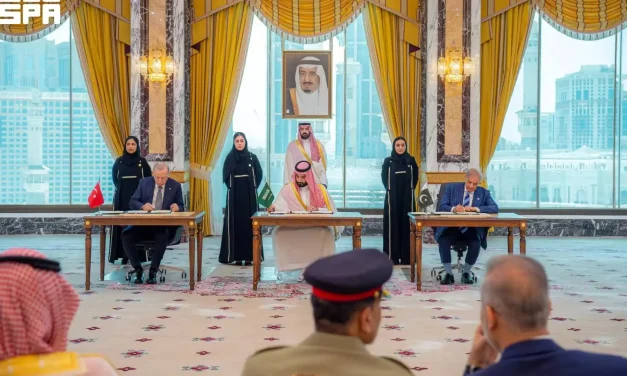
The Makkah Pact; Reasons for its Formation and Challenges Ahead

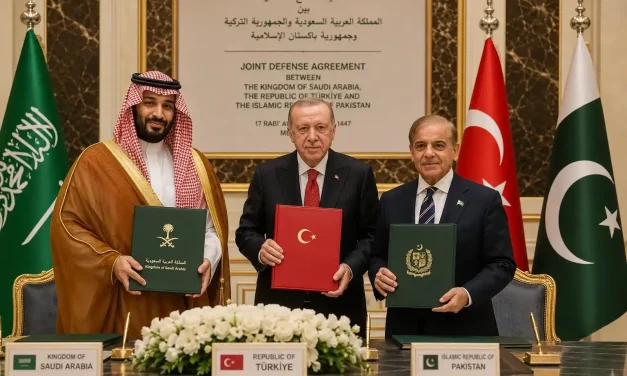
SCFR Online – Opinion: The Makkah Pact, signed between Saudi Arabia, Pakistan, and Turkey under the motto “an attack on one is an attack on all,” is viewed by some analysts less as a full-fledged military coalition and more as an attempt to reduce security dependence on an external power and to establish a regional security mechanism.

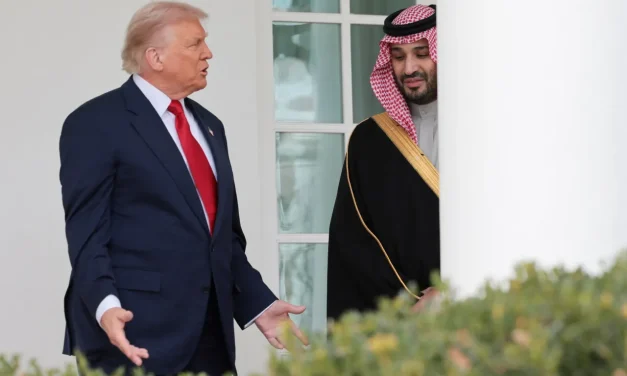
Implications of the US-Saudi Nuclear Agreement

SCFR Online – Opinion: The new US-Saudi nuclear agreement, despite legal and political ambiguities, could alter previous non-proliferation standards in West Asia and intensify nuclear competition, ushering it into a new phase.

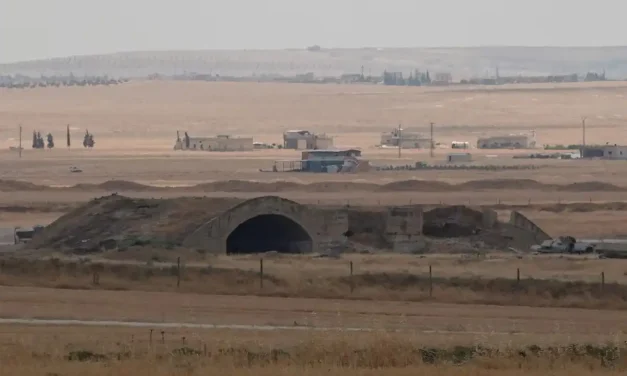
An Analysis of Recent Turkey-Israeli Regime Tensions

SCFR Online – Opinion: Recent developments in Syria indicate an intensification of strategic rivalry between Turkey and the Israeli regime, but mutual considerations and the role of the United States have limited the likelihood of direct war.

Increasing criticism of the extensive Zionist lobby network

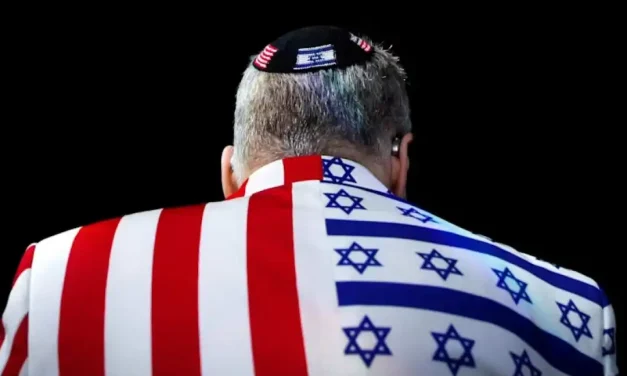
SCFR Online – Opinion: An examination of the mechanisms of the Israeli regime’s influence in the United States depicts a complex picture of shared interests, strategic dependencies, and the limitations of this relationship.

Realities of the Tripartite Makkah Pact

SCFR Online – Interview: The signing of the Makkah agreement between Saudi Arabia, Pakistan, and Turkey has raised questions about the future of the region’s security structure and the position of these countries in West Asian equations. Can this agreement become a genuine collective defense mechanism, or does it have more of a political and deterrent function than creating new military capacity?

Strategic Implications of the Reduction of US Weapons Stockpiles

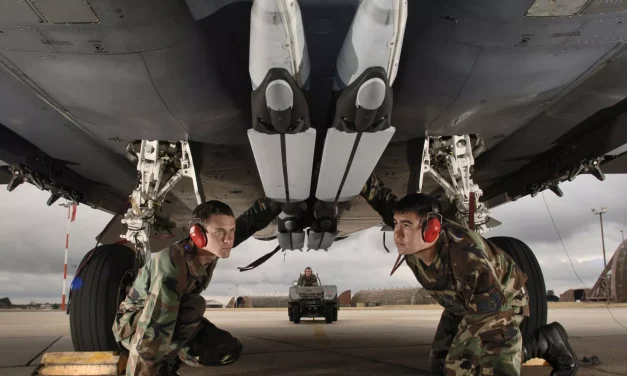
SCFR Online – Opinion: The continuation of the US war against Iran, in addition to increasing operational costs, has called into question the actual capacity of the American arsenal to simultaneously fulfill security commitments on multiple fronts; an issue that affects deterrence, defense production capacity, and Washington’s resource prioritization.

Loading

Middle East

Europe Empty-Handed against Developments in Syria

Europe Empty-Handed against Developments in Syria

Strategic Council Online: Developments in Syria and measures taken by Turkish President Recep Tayyip Erdogan to fill US military withdrawal from Syria over the past few weeks have further exposed the weakness and desperation of the European governments in pursuit of their political and security goals in the Middle East.
Morteza Makki – European Affairs Expert

American Strategy; Creating More Tension in the Middle East

American Strategy; Creating More Tension in the Middle East

Strategic Council Online: White House leaders have shown that US support for Saudi Arabia will continue as long as Saudi petrodollars flow into the pockets of US arms dealers.
Hamideh Safamanesh – International Relations Researcher

Reasons for Escalation of US-EU Divide

Reasons for Escalation of US-EU Divide

Strategic Council Online: The United States has shown in different terms, especially under Donald Trump that it does not regard Europe a close ally; withdrawal from the Paris Climate Agreement, pulling out of many trade treaties, and leaving the Joint Comprehensive Plan of Action (JCPOA) contrary to the wishes of European governments indicates that the political and historical bonds between the two sides of the Atlantic are fading, because their common interests have diminished.
Morteza Makki – European Affairs Expert

Prerequisites of Possible Iran-Saudi Dialogue

Prerequisites of Possible Iran-Saudi Dialogue

Strategic Council Online: Former Middle East Department Director General of the IRI Ministry of Foreign Affairs (MFA) said it may be better for Iran and Saudi Arabia to talk directly and without mediation. “If Iran and Saudi could reach agreement on a framework both the US influence will decline in the region and the big powers that are interested in getting stronger and seek tension and escalation of regional competitions will become weaker in playing their game,” he said.

Practical Failure of Security for Oil Policy

Practical Failure of Security for Oil Policy

Strategic Council Online: A Middle East affairs expert says the Saudi policy is one of destructive proxy policy, adding that the Saudi behavior is a function of the policies of the United States, the West and the Zionist regime. He further pointed out that despite Saudi policy of “buying security from the US”, the recent strike on Saudi oil facilities showed the weakness of the military-security structure of the United States and Saudi Arabia.

Zionist Regime’s Election Crisis and Options Ahead

Zionist Regime’s Election Crisis and Options Ahead

Strategic Council Online: Former Director General for Middle East Affairs at the IRI Ministry of Foreign Affairs, outlining the Zionist regime’s options to exit the current impasse, said: “Given the situation, the Tel Aviv government has suffered a meltdown and is unlikely to resolve it easily.” Qasem Mohebali said Netanyahu’s fall from power is still uncertain, noting that neither Netanyahu nor his rival Benny Gantz, the leader of the Blue and White center-right party, have won enough seats in parliament to form a government. Even if they form a coalition they cannot win more than half of the Knesset with 120 seats, he noted.

Developments in Sudan: Future Prospect

Developments in Sudan: Future Prospect

Strategic Council Online: The possibility of power transfer to civilians and the formation of a democratic government in Sudan are very far-fetched; the only possible thing is for a democratic government to take over for a short period of time.
Hassan Hanizadeh – West Asian Affairs expert

أحدث الوظائف

The Makkah Pact; Reasons for its Formation and Challenges Ahead

SCFR Online – Opinion: The Makkah Pact, signed between Saudi Arabia, Pakistan, and Turkey under the motto “an attack on one is an attack on all,” is viewed by some analysts less as a full-fledged military coalition and more as an attempt to reduce security dependence on an external power and to establish a regional security mechanism.

Implications of the US-Saudi Nuclear Agreement

SCFR Online – Opinion: The new US-Saudi nuclear agreement, despite legal and political ambiguities, could alter previous non-proliferation standards in West Asia and intensify nuclear competition, ushering it into a new phase.

An Analysis of Recent Turkey-Israeli Regime Tensions

SCFR Online – Opinion: Recent developments in Syria indicate an intensification of strategic rivalry between Turkey and the Israeli regime, but mutual considerations and the role of the United States have limited the likelihood of direct war.

Increasing criticism of the extensive Zionist lobby network

SCFR Online – Opinion: An examination of the mechanisms of the Israeli regime’s influence in the United States depicts a complex picture of shared interests, strategic dependencies, and the limitations of this relationship.

Realities of the Tripartite Makkah Pact

SCFR Online – Interview: The signing of the Makkah agreement between Saudi Arabia, Pakistan, and Turkey has raised questions about the future of the region’s security structure and the position of these countries in West Asian equations. Can this agreement become a genuine collective defense mechanism, or does it have more of a political and deterrent function than creating new military capacity?

Strategic Implications of the Reduction of US Weapons Stockpiles

SCFR Online – Opinion: The continuation of the US war against Iran, in addition to increasing operational costs, has called into question the actual capacity of the American arsenal to simultaneously fulfill security commitments on multiple fronts; an issue that affects deterrence, defense production capacity, and Washington’s resource prioritization.

Loading

Middle East

Europe Empty-Handed against Developments in Syria

Europe Empty-Handed against Developments in Syria

Strategic Council Online: Developments in Syria and measures taken by Turkish President Recep Tayyip Erdogan to fill US military withdrawal from Syria over the past few weeks have further exposed the weakness and desperation of the European governments in pursuit of their political and security goals in the Middle East.
Morteza Makki – European Affairs Expert

American Strategy; Creating More Tension in the Middle East

American Strategy; Creating More Tension in the Middle East

Strategic Council Online: White House leaders have shown that US support for Saudi Arabia will continue as long as Saudi petrodollars flow into the pockets of US arms dealers.
Hamideh Safamanesh – International Relations Researcher

Reasons for Escalation of US-EU Divide

Reasons for Escalation of US-EU Divide

Strategic Council Online: The United States has shown in different terms, especially under Donald Trump that it does not regard Europe a close ally; withdrawal from the Paris Climate Agreement, pulling out of many trade treaties, and leaving the Joint Comprehensive Plan of Action (JCPOA) contrary to the wishes of European governments indicates that the political and historical bonds between the two sides of the Atlantic are fading, because their common interests have diminished.
Morteza Makki – European Affairs Expert

Prerequisites of Possible Iran-Saudi Dialogue

Prerequisites of Possible Iran-Saudi Dialogue

Strategic Council Online: Former Middle East Department Director General of the IRI Ministry of Foreign Affairs (MFA) said it may be better for Iran and Saudi Arabia to talk directly and without mediation. “If Iran and Saudi could reach agreement on a framework both the US influence will decline in the region and the big powers that are interested in getting stronger and seek tension and escalation of regional competitions will become weaker in playing their game,” he said.

Practical Failure of Security for Oil Policy

Practical Failure of Security for Oil Policy

Strategic Council Online: A Middle East affairs expert says the Saudi policy is one of destructive proxy policy, adding that the Saudi behavior is a function of the policies of the United States, the West and the Zionist regime. He further pointed out that despite Saudi policy of “buying security from the US”, the recent strike on Saudi oil facilities showed the weakness of the military-security structure of the United States and Saudi Arabia.

Zionist Regime’s Election Crisis and Options Ahead

Zionist Regime’s Election Crisis and Options Ahead

Strategic Council Online: Former Director General for Middle East Affairs at the IRI Ministry of Foreign Affairs, outlining the Zionist regime’s options to exit the current impasse, said: “Given the situation, the Tel Aviv government has suffered a meltdown and is unlikely to resolve it easily.” Qasem Mohebali said Netanyahu’s fall from power is still uncertain, noting that neither Netanyahu nor his rival Benny Gantz, the leader of the Blue and White center-right party, have won enough seats in parliament to form a government. Even if they form a coalition they cannot win more than half of the Knesset with 120 seats, he noted.

Developments in Sudan: Future Prospect

Developments in Sudan: Future Prospect

Strategic Council Online: The possibility of power transfer to civilians and the formation of a democratic government in Sudan are very far-fetched; the only possible thing is for a democratic government to take over for a short period of time.
Hassan Hanizadeh – West Asian Affairs expert

Middle East

Europe Empty-Handed against Developments in Syria

Europe Empty-Handed against Developments in Syria

Strategic Council Online: Developments in Syria and measures taken by Turkish President Recep Tayyip Erdogan to fill US military withdrawal from Syria over the past few weeks have further exposed the weakness and desperation of the European governments in pursuit of their political and security goals in the Middle East.
Morteza Makki – European Affairs Expert

American Strategy; Creating More Tension in the Middle East

American Strategy; Creating More Tension in the Middle East

Strategic Council Online: White House leaders have shown that US support for Saudi Arabia will continue as long as Saudi petrodollars flow into the pockets of US arms dealers.
Hamideh Safamanesh – International Relations Researcher

Reasons for Escalation of US-EU Divide

Reasons for Escalation of US-EU Divide

Strategic Council Online: The United States has shown in different terms, especially under Donald Trump that it does not regard Europe a close ally; withdrawal from the Paris Climate Agreement, pulling out of many trade treaties, and leaving the Joint Comprehensive Plan of Action (JCPOA) contrary to the wishes of European governments indicates that the political and historical bonds between the two sides of the Atlantic are fading, because their common interests have diminished.
Morteza Makki – European Affairs Expert

Prerequisites of Possible Iran-Saudi Dialogue

Prerequisites of Possible Iran-Saudi Dialogue

Strategic Council Online: Former Middle East Department Director General of the IRI Ministry of Foreign Affairs (MFA) said it may be better for Iran and Saudi Arabia to talk directly and without mediation. “If Iran and Saudi could reach agreement on a framework both the US influence will decline in the region and the big powers that are interested in getting stronger and seek tension and escalation of regional competitions will become weaker in playing their game,” he said.

Practical Failure of Security for Oil Policy

Practical Failure of Security for Oil Policy

Strategic Council Online: A Middle East affairs expert says the Saudi policy is one of destructive proxy policy, adding that the Saudi behavior is a function of the policies of the United States, the West and the Zionist regime. He further pointed out that despite Saudi policy of “buying security from the US”, the recent strike on Saudi oil facilities showed the weakness of the military-security structure of the United States and Saudi Arabia.

Zionist Regime’s Election Crisis and Options Ahead

Zionist Regime’s Election Crisis and Options Ahead

Strategic Council Online: Former Director General for Middle East Affairs at the IRI Ministry of Foreign Affairs, outlining the Zionist regime’s options to exit the current impasse, said: “Given the situation, the Tel Aviv government has suffered a meltdown and is unlikely to resolve it easily.” Qasem Mohebali said Netanyahu’s fall from power is still uncertain, noting that neither Netanyahu nor his rival Benny Gantz, the leader of the Blue and White center-right party, have won enough seats in parliament to form a government. Even if they form a coalition they cannot win more than half of the Knesset with 120 seats, he noted.

Developments in Sudan: Future Prospect

Developments in Sudan: Future Prospect

Strategic Council Online: The possibility of power transfer to civilians and the formation of a democratic government in Sudan are very far-fetched; the only possible thing is for a democratic government to take over for a short period of time.
Hassan Hanizadeh – West Asian Affairs expert

LATEST CONTENT

The Makkah Pact; Reasons for its Formation and Challenges Ahead

SCFR Online – Opinion: The Makkah Pact, signed between Saudi Arabia, Pakistan, and Turkey under the motto “an attack on one is an attack on all,” is viewed by some analysts less as a full-fledged military coalition and more as an attempt to reduce security dependence on an external power and to establish a regional security mechanism.

Implications of the US-Saudi Nuclear Agreement

SCFR Online – Opinion: The new US-Saudi nuclear agreement, despite legal and political ambiguities, could alter previous non-proliferation standards in West Asia and intensify nuclear competition, ushering it into a new phase.

An Analysis of Recent Turkey-Israeli Regime Tensions

SCFR Online – Opinion: Recent developments in Syria indicate an intensification of strategic rivalry between Turkey and the Israeli regime, but mutual considerations and the role of the United States have limited the likelihood of direct war.

Increasing criticism of the extensive Zionist lobby network

SCFR Online – Opinion: An examination of the mechanisms of the Israeli regime’s influence in the United States depicts a complex picture of shared interests, strategic dependencies, and the limitations of this relationship.

Realities of the Tripartite Makkah Pact

SCFR Online – Interview: The signing of the Makkah agreement between Saudi Arabia, Pakistan, and Turkey has raised questions about the future of the region’s security structure and the position of these countries in West Asian equations. Can this agreement become a genuine collective defense mechanism, or does it have more of a political and deterrent function than creating new military capacity?

Strategic Implications of the Reduction of US Weapons Stockpiles

SCFR Online – Opinion: The continuation of the US war against Iran, in addition to increasing operational costs, has called into question the actual capacity of the American arsenal to simultaneously fulfill security commitments on multiple fronts; an issue that affects deterrence, defense production capacity, and Washington’s resource prioritization.

Loading

Middle East

Europe Empty-Handed against Developments in Syria

Europe Empty-Handed against Developments in Syria

Strategic Council Online: Developments in Syria and measures taken by Turkish President Recep Tayyip Erdogan to fill US military withdrawal from Syria over the past few weeks have further exposed the weakness and desperation of the European governments in pursuit of their political and security goals in the Middle East.
Morteza Makki – European Affairs Expert

American Strategy; Creating More Tension in the Middle East

American Strategy; Creating More Tension in the Middle East

Strategic Council Online: White House leaders have shown that US support for Saudi Arabia will continue as long as Saudi petrodollars flow into the pockets of US arms dealers.
Hamideh Safamanesh – International Relations Researcher

Reasons for Escalation of US-EU Divide

Reasons for Escalation of US-EU Divide

Strategic Council Online: The United States has shown in different terms, especially under Donald Trump that it does not regard Europe a close ally; withdrawal from the Paris Climate Agreement, pulling out of many trade treaties, and leaving the Joint Comprehensive Plan of Action (JCPOA) contrary to the wishes of European governments indicates that the political and historical bonds between the two sides of the Atlantic are fading, because their common interests have diminished.
Morteza Makki – European Affairs Expert

Prerequisites of Possible Iran-Saudi Dialogue

Prerequisites of Possible Iran-Saudi Dialogue

Strategic Council Online: Former Middle East Department Director General of the IRI Ministry of Foreign Affairs (MFA) said it may be better for Iran and Saudi Arabia to talk directly and without mediation. “If Iran and Saudi could reach agreement on a framework both the US influence will decline in the region and the big powers that are interested in getting stronger and seek tension and escalation of regional competitions will become weaker in playing their game,” he said.

Practical Failure of Security for Oil Policy

Practical Failure of Security for Oil Policy

Strategic Council Online: A Middle East affairs expert says the Saudi policy is one of destructive proxy policy, adding that the Saudi behavior is a function of the policies of the United States, the West and the Zionist regime. He further pointed out that despite Saudi policy of “buying security from the US”, the recent strike on Saudi oil facilities showed the weakness of the military-security structure of the United States and Saudi Arabia.

Zionist Regime’s Election Crisis and Options Ahead

Zionist Regime’s Election Crisis and Options Ahead

Strategic Council Online: Former Director General for Middle East Affairs at the IRI Ministry of Foreign Affairs, outlining the Zionist regime’s options to exit the current impasse, said: “Given the situation, the Tel Aviv government has suffered a meltdown and is unlikely to resolve it easily.” Qasem Mohebali said Netanyahu’s fall from power is still uncertain, noting that neither Netanyahu nor his rival Benny Gantz, the leader of the Blue and White center-right party, have won enough seats in parliament to form a government. Even if they form a coalition they cannot win more than half of the Knesset with 120 seats, he noted.

Developments in Sudan: Future Prospect

Developments in Sudan: Future Prospect

Strategic Council Online: The possibility of power transfer to civilians and the formation of a democratic government in Sudan are very far-fetched; the only possible thing is for a democratic government to take over for a short period of time.
Hassan Hanizadeh – West Asian Affairs expert

ÚLTIMAS PUBLICACIONES

The Makkah Pact; Reasons for its Formation and Challenges Ahead

SCFR Online – Opinion: The Makkah Pact, signed between Saudi Arabia, Pakistan, and Turkey under the motto “an attack on one is an attack on all,” is viewed by some analysts less as a full-fledged military coalition and more as an attempt to reduce security dependence on an external power and to establish a regional security mechanism.

Implications of the US-Saudi Nuclear Agreement

SCFR Online – Opinion: The new US-Saudi nuclear agreement, despite legal and political ambiguities, could alter previous non-proliferation standards in West Asia and intensify nuclear competition, ushering it into a new phase.

An Analysis of Recent Turkey-Israeli Regime Tensions

SCFR Online – Opinion: Recent developments in Syria indicate an intensification of strategic rivalry between Turkey and the Israeli regime, but mutual considerations and the role of the United States have limited the likelihood of direct war.

Increasing criticism of the extensive Zionist lobby network

SCFR Online – Opinion: An examination of the mechanisms of the Israeli regime’s influence in the United States depicts a complex picture of shared interests, strategic dependencies, and the limitations of this relationship.

Realities of the Tripartite Makkah Pact

SCFR Online – Interview: The signing of the Makkah agreement between Saudi Arabia, Pakistan, and Turkey has raised questions about the future of the region’s security structure and the position of these countries in West Asian equations. Can this agreement become a genuine collective defense mechanism, or does it have more of a political and deterrent function than creating new military capacity?

Strategic Implications of the Reduction of US Weapons Stockpiles

SCFR Online – Opinion: The continuation of the US war against Iran, in addition to increasing operational costs, has called into question the actual capacity of the American arsenal to simultaneously fulfill security commitments on multiple fronts; an issue that affects deterrence, defense production capacity, and Washington’s resource prioritization.

Loading

Middle East

Europe Empty-Handed against Developments in Syria

Europe Empty-Handed against Developments in Syria

Strategic Council Online: Developments in Syria and measures taken by Turkish President Recep Tayyip Erdogan to fill US military withdrawal from Syria over the past few weeks have further exposed the weakness and desperation of the European governments in pursuit of their political and security goals in the Middle East.
Morteza Makki – European Affairs Expert

American Strategy; Creating More Tension in the Middle East

American Strategy; Creating More Tension in the Middle East

Strategic Council Online: White House leaders have shown that US support for Saudi Arabia will continue as long as Saudi petrodollars flow into the pockets of US arms dealers.
Hamideh Safamanesh – International Relations Researcher

Reasons for Escalation of US-EU Divide

Reasons for Escalation of US-EU Divide

Strategic Council Online: The United States has shown in different terms, especially under Donald Trump that it does not regard Europe a close ally; withdrawal from the Paris Climate Agreement, pulling out of many trade treaties, and leaving the Joint Comprehensive Plan of Action (JCPOA) contrary to the wishes of European governments indicates that the political and historical bonds between the two sides of the Atlantic are fading, because their common interests have diminished.
Morteza Makki – European Affairs Expert

Prerequisites of Possible Iran-Saudi Dialogue

Prerequisites of Possible Iran-Saudi Dialogue

Strategic Council Online: Former Middle East Department Director General of the IRI Ministry of Foreign Affairs (MFA) said it may be better for Iran and Saudi Arabia to talk directly and without mediation. “If Iran and Saudi could reach agreement on a framework both the US influence will decline in the region and the big powers that are interested in getting stronger and seek tension and escalation of regional competitions will become weaker in playing their game,” he said.

Practical Failure of Security for Oil Policy

Practical Failure of Security for Oil Policy

Strategic Council Online: A Middle East affairs expert says the Saudi policy is one of destructive proxy policy, adding that the Saudi behavior is a function of the policies of the United States, the West and the Zionist regime. He further pointed out that despite Saudi policy of “buying security from the US”, the recent strike on Saudi oil facilities showed the weakness of the military-security structure of the United States and Saudi Arabia.

Zionist Regime’s Election Crisis and Options Ahead

Zionist Regime’s Election Crisis and Options Ahead

Strategic Council Online: Former Director General for Middle East Affairs at the IRI Ministry of Foreign Affairs, outlining the Zionist regime’s options to exit the current impasse, said: “Given the situation, the Tel Aviv government has suffered a meltdown and is unlikely to resolve it easily.” Qasem Mohebali said Netanyahu’s fall from power is still uncertain, noting that neither Netanyahu nor his rival Benny Gantz, the leader of the Blue and White center-right party, have won enough seats in parliament to form a government. Even if they form a coalition they cannot win more than half of the Knesset with 120 seats, he noted.

Developments in Sudan: Future Prospect

Developments in Sudan: Future Prospect

Strategic Council Online: The possibility of power transfer to civilians and the formation of a democratic government in Sudan are very far-fetched; the only possible thing is for a democratic government to take over for a short period of time.
Hassan Hanizadeh – West Asian Affairs expert

ÚLTIMAS PUBLICACIONES

The Makkah Pact; Reasons for its Formation and Challenges Ahead

SCFR Online – Opinion: The Makkah Pact, signed between Saudi Arabia, Pakistan, and Turkey under the motto “an attack on one is an attack on all,” is viewed by some analysts less as a full-fledged military coalition and more as an attempt to reduce security dependence on an external power and to establish a regional security mechanism.

Implications of the US-Saudi Nuclear Agreement

SCFR Online – Opinion: The new US-Saudi nuclear agreement, despite legal and political ambiguities, could alter previous non-proliferation standards in West Asia and intensify nuclear competition, ushering it into a new phase.

An Analysis of Recent Turkey-Israeli Regime Tensions

SCFR Online – Opinion: Recent developments in Syria indicate an intensification of strategic rivalry between Turkey and the Israeli regime, but mutual considerations and the role of the United States have limited the likelihood of direct war.

Increasing criticism of the extensive Zionist lobby network

SCFR Online – Opinion: An examination of the mechanisms of the Israeli regime’s influence in the United States depicts a complex picture of shared interests, strategic dependencies, and the limitations of this relationship.

Realities of the Tripartite Makkah Pact

SCFR Online – Interview: The signing of the Makkah agreement between Saudi Arabia, Pakistan, and Turkey has raised questions about the future of the region’s security structure and the position of these countries in West Asian equations. Can this agreement become a genuine collective defense mechanism, or does it have more of a political and deterrent function than creating new military capacity?

Strategic Implications of the Reduction of US Weapons Stockpiles

SCFR Online – Opinion: The continuation of the US war against Iran, in addition to increasing operational costs, has called into question the actual capacity of the American arsenal to simultaneously fulfill security commitments on multiple fronts; an issue that affects deterrence, defense production capacity, and Washington’s resource prioritization.

Loading

Middle East

Europe Empty-Handed against Developments in Syria

Europe Empty-Handed against Developments in Syria

Strategic Council Online: Developments in Syria and measures taken by Turkish President Recep Tayyip Erdogan to fill US military withdrawal from Syria over the past few weeks have further exposed the weakness and desperation of the European governments in pursuit of their political and security goals in the Middle East.
Morteza Makki – European Affairs Expert

American Strategy; Creating More Tension in the Middle East

American Strategy; Creating More Tension in the Middle East

Strategic Council Online: White House leaders have shown that US support for Saudi Arabia will continue as long as Saudi petrodollars flow into the pockets of US arms dealers.
Hamideh Safamanesh – International Relations Researcher

Reasons for Escalation of US-EU Divide

Reasons for Escalation of US-EU Divide

Strategic Council Online: The United States has shown in different terms, especially under Donald Trump that it does not regard Europe a close ally; withdrawal from the Paris Climate Agreement, pulling out of many trade treaties, and leaving the Joint Comprehensive Plan of Action (JCPOA) contrary to the wishes of European governments indicates that the political and historical bonds between the two sides of the Atlantic are fading, because their common interests have diminished.
Morteza Makki – European Affairs Expert

Prerequisites of Possible Iran-Saudi Dialogue

Prerequisites of Possible Iran-Saudi Dialogue

Strategic Council Online: Former Middle East Department Director General of the IRI Ministry of Foreign Affairs (MFA) said it may be better for Iran and Saudi Arabia to talk directly and without mediation. “If Iran and Saudi could reach agreement on a framework both the US influence will decline in the region and the big powers that are interested in getting stronger and seek tension and escalation of regional competitions will become weaker in playing their game,” he said.

Practical Failure of Security for Oil Policy

Practical Failure of Security for Oil Policy

Strategic Council Online: A Middle East affairs expert says the Saudi policy is one of destructive proxy policy, adding that the Saudi behavior is a function of the policies of the United States, the West and the Zionist regime. He further pointed out that despite Saudi policy of “buying security from the US”, the recent strike on Saudi oil facilities showed the weakness of the military-security structure of the United States and Saudi Arabia.

Zionist Regime’s Election Crisis and Options Ahead

Zionist Regime’s Election Crisis and Options Ahead

Strategic Council Online: Former Director General for Middle East Affairs at the IRI Ministry of Foreign Affairs, outlining the Zionist regime’s options to exit the current impasse, said: “Given the situation, the Tel Aviv government has suffered a meltdown and is unlikely to resolve it easily.” Qasem Mohebali said Netanyahu’s fall from power is still uncertain, noting that neither Netanyahu nor his rival Benny Gantz, the leader of the Blue and White center-right party, have won enough seats in parliament to form a government. Even if they form a coalition they cannot win more than half of the Knesset with 120 seats, he noted.

Developments in Sudan: Future Prospect

Developments in Sudan: Future Prospect

Strategic Council Online: The possibility of power transfer to civilians and the formation of a democratic government in Sudan are very far-fetched; the only possible thing is for a democratic government to take over for a short period of time.
Hassan Hanizadeh – West Asian Affairs expert

ÚLTIMAS PUBLICACIONES

The Makkah Pact; Reasons for its Formation and Challenges Ahead

SCFR Online – Opinion: The Makkah Pact, signed between Saudi Arabia, Pakistan, and Turkey under the motto “an attack on one is an attack on all,” is viewed by some analysts less as a full-fledged military coalition and more as an attempt to reduce security dependence on an external power and to establish a regional security mechanism.

Implications of the US-Saudi Nuclear Agreement

SCFR Online – Opinion: The new US-Saudi nuclear agreement, despite legal and political ambiguities, could alter previous non-proliferation standards in West Asia and intensify nuclear competition, ushering it into a new phase.

An Analysis of Recent Turkey-Israeli Regime Tensions

SCFR Online – Opinion: Recent developments in Syria indicate an intensification of strategic rivalry between Turkey and the Israeli regime, but mutual considerations and the role of the United States have limited the likelihood of direct war.

Increasing criticism of the extensive Zionist lobby network

SCFR Online – Opinion: An examination of the mechanisms of the Israeli regime’s influence in the United States depicts a complex picture of shared interests, strategic dependencies, and the limitations of this relationship.

Realities of the Tripartite Makkah Pact

SCFR Online – Interview: The signing of the Makkah agreement between Saudi Arabia, Pakistan, and Turkey has raised questions about the future of the region’s security structure and the position of these countries in West Asian equations. Can this agreement become a genuine collective defense mechanism, or does it have more of a political and deterrent function than creating new military capacity?

Strategic Implications of the Reduction of US Weapons Stockpiles

SCFR Online – Opinion: The continuation of the US war against Iran, in addition to increasing operational costs, has called into question the actual capacity of the American arsenal to simultaneously fulfill security commitments on multiple fronts; an issue that affects deterrence, defense production capacity, and Washington’s resource prioritization.

Loading

Middle East

Europe Empty-Handed against Developments in Syria

Europe Empty-Handed against Developments in Syria

Strategic Council Online: Developments in Syria and measures taken by Turkish President Recep Tayyip Erdogan to fill US military withdrawal from Syria over the past few weeks have further exposed the weakness and desperation of the European governments in pursuit of their political and security goals in the Middle East.
Morteza Makki – European Affairs Expert

American Strategy; Creating More Tension in the Middle East

American Strategy; Creating More Tension in the Middle East

Strategic Council Online: White House leaders have shown that US support for Saudi Arabia will continue as long as Saudi petrodollars flow into the pockets of US arms dealers.
Hamideh Safamanesh – International Relations Researcher

Reasons for Escalation of US-EU Divide

Reasons for Escalation of US-EU Divide

Strategic Council Online: The United States has shown in different terms, especially under Donald Trump that it does not regard Europe a close ally; withdrawal from the Paris Climate Agreement, pulling out of many trade treaties, and leaving the Joint Comprehensive Plan of Action (JCPOA) contrary to the wishes of European governments indicates that the political and historical bonds between the two sides of the Atlantic are fading, because their common interests have diminished.
Morteza Makki – European Affairs Expert

Prerequisites of Possible Iran-Saudi Dialogue

Prerequisites of Possible Iran-Saudi Dialogue

Strategic Council Online: Former Middle East Department Director General of the IRI Ministry of Foreign Affairs (MFA) said it may be better for Iran and Saudi Arabia to talk directly and without mediation. “If Iran and Saudi could reach agreement on a framework both the US influence will decline in the region and the big powers that are interested in getting stronger and seek tension and escalation of regional competitions will become weaker in playing their game,” he said.

Practical Failure of Security for Oil Policy

Practical Failure of Security for Oil Policy

Strategic Council Online: A Middle East affairs expert says the Saudi policy is one of destructive proxy policy, adding that the Saudi behavior is a function of the policies of the United States, the West and the Zionist regime. He further pointed out that despite Saudi policy of “buying security from the US”, the recent strike on Saudi oil facilities showed the weakness of the military-security structure of the United States and Saudi Arabia.

Zionist Regime’s Election Crisis and Options Ahead

Zionist Regime’s Election Crisis and Options Ahead

Strategic Council Online: Former Director General for Middle East Affairs at the IRI Ministry of Foreign Affairs, outlining the Zionist regime’s options to exit the current impasse, said: “Given the situation, the Tel Aviv government has suffered a meltdown and is unlikely to resolve it easily.” Qasem Mohebali said Netanyahu’s fall from power is still uncertain, noting that neither Netanyahu nor his rival Benny Gantz, the leader of the Blue and White center-right party, have won enough seats in parliament to form a government. Even if they form a coalition they cannot win more than half of the Knesset with 120 seats, he noted.

Developments in Sudan: Future Prospect

Developments in Sudan: Future Prospect

Strategic Council Online: The possibility of power transfer to civilians and the formation of a democratic government in Sudan are very far-fetched; the only possible thing is for a democratic government to take over for a short period of time.
Hassan Hanizadeh – West Asian Affairs expert

ÚLTIMAS PUBLICACIONES

The Makkah Pact; Reasons for its Formation and Challenges Ahead

SCFR Online – Opinion: The Makkah Pact, signed between Saudi Arabia, Pakistan, and Turkey under the motto “an attack on one is an attack on all,” is viewed by some analysts less as a full-fledged military coalition and more as an attempt to reduce security dependence on an external power and to establish a regional security mechanism.

Implications of the US-Saudi Nuclear Agreement

SCFR Online – Opinion: The new US-Saudi nuclear agreement, despite legal and political ambiguities, could alter previous non-proliferation standards in West Asia and intensify nuclear competition, ushering it into a new phase.

An Analysis of Recent Turkey-Israeli Regime Tensions

SCFR Online – Opinion: Recent developments in Syria indicate an intensification of strategic rivalry between Turkey and the Israeli regime, but mutual considerations and the role of the United States have limited the likelihood of direct war.

Increasing criticism of the extensive Zionist lobby network

SCFR Online – Opinion: An examination of the mechanisms of the Israeli regime’s influence in the United States depicts a complex picture of shared interests, strategic dependencies, and the limitations of this relationship.

Realities of the Tripartite Makkah Pact

SCFR Online – Interview: The signing of the Makkah agreement between Saudi Arabia, Pakistan, and Turkey has raised questions about the future of the region’s security structure and the position of these countries in West Asian equations. Can this agreement become a genuine collective defense mechanism, or does it have more of a political and deterrent function than creating new military capacity?

Strategic Implications of the Reduction of US Weapons Stockpiles

SCFR Online – Opinion: The continuation of the US war against Iran, in addition to increasing operational costs, has called into question the actual capacity of the American arsenal to simultaneously fulfill security commitments on multiple fronts; an issue that affects deterrence, defense production capacity, and Washington’s resource prioritization.

Loading