جدیدترین مطالب

The Makkah Pact; Reasons for its Formation and Challenges Ahead

SCFR Online – Opinion: The Makkah Pact, signed between Saudi Arabia, Pakistan, and Turkey under the motto “an attack on one is an attack on all,” is viewed by some analysts less as a full-fledged military coalition and more as an attempt to reduce security dependence on an external power and to establish a regional security mechanism.

Implications of the US-Saudi Nuclear Agreement

SCFR Online – Opinion: The new US-Saudi nuclear agreement, despite legal and political ambiguities, could alter previous non-proliferation standards in West Asia and intensify nuclear competition, ushering it into a new phase.

An Analysis of Recent Turkey-Israeli Regime Tensions

SCFR Online – Opinion: Recent developments in Syria indicate an intensification of strategic rivalry between Turkey and the Israeli regime, but mutual considerations and the role of the United States have limited the likelihood of direct war.

Increasing criticism of the extensive Zionist lobby network

SCFR Online – Opinion: An examination of the mechanisms of the Israeli regime’s influence in the United States depicts a complex picture of shared interests, strategic dependencies, and the limitations of this relationship.

Realities of the Tripartite Makkah Pact

SCFR Online – Interview: The signing of the Makkah agreement between Saudi Arabia, Pakistan, and Turkey has raised questions about the future of the region’s security structure and the position of these countries in West Asian equations. Can this agreement become a genuine collective defense mechanism, or does it have more of a political and deterrent function than creating new military capacity?

Strategic Implications of the Reduction of US Weapons Stockpiles

SCFR Online – Opinion: The continuation of the US war against Iran, in addition to increasing operational costs, has called into question the actual capacity of the American arsenal to simultaneously fulfill security commitments on multiple fronts; an issue that affects deterrence, defense production capacity, and Washington’s resource prioritization.

The Formation of a New Order in Relations Between Powers

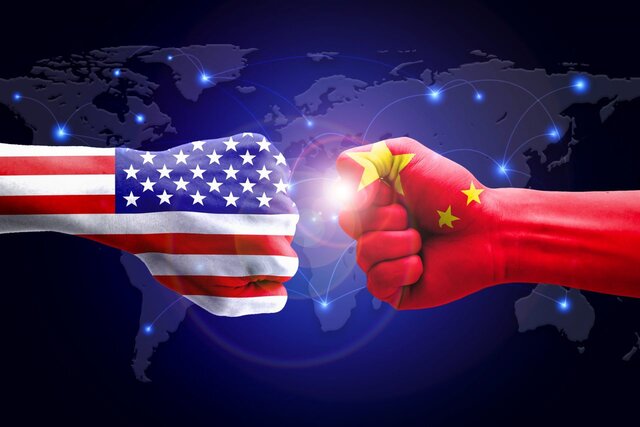
SCFR Online – Opinion: The Russia-Ukraine war and the war of the United States and the Israeli regime against Iran have been formed with different objectives and actors, but field and political developments indicate that they are not entirely separate from one another.

Loading

NATO

Position of Biden and Trump in Terms of Electoral Components

Position of Biden and Trump in Terms of Electoral Components

Strategic Council Online – Biden believes in the threats that Trump has made to US interests and national security over the past four years, such as threats to Iran, China, North Korea, or the threat posed by terrorism, but believes that the approach to face such threats is multilateral. That is to say, he will try again to revive transatlantic relations, including relations with Europe, whether, within the NATO, the European Union or bilateral relations, and also will advance the issue of Iran and Joint Comprehensive Plan of Action (JCPOA) within the framework of the same JCPOA mechanism.
Tahmoures Gholami – Expert on American Affairs

Prospect of Geopolitical Tensions & Complexities in Eastern Mediterranean

Prospect of Geopolitical Tensions & Complexities in Eastern Mediterranean

Strategic Council Online – Explaining the geopolitical complexities in the Eastern Mediterranean, a faculty member said: “One of the concerns about this region, especially in Europe, is the addition of this crisis to the Middle East security crisis which due to Europe’s geographical proximity to the region, it will have negative consequences for Europe.

Russia the Main Target in Transfer of American Troops from Germany to Poland

Russia the Main Target in Transfer of American Troops from Germany to Poland

Strategic Council Online – Perhaps one of the goals of the United States in transferring troops from Germany to Poland is to divert Moscow’s attention to Russia’s western borders, forcing the Russians to spend a significant portion of their troops and equipment, as well as their military budgets on the western borders.
Seyed Reza Mirtaher – Expert in Military and Strategic Issues

China’s Trump Cards in Competition with US

China’s Trump Cards in Competition with US

Strategic Council Online – The Americans hope that with the cooperation of India they will be able to implement the India-Pacific project and stop China; but China has opposed the India-Pacific project, meaning it wants to focus from the Pacific to the Indian Ocean.
Pir Mohammad Mollazehi – Asia Affairs Expert

US Troops Withdrawal from Germany and Escalation of EU Divergence

US Troops Withdrawal from Germany and Escalation of EU Divergence

Strategic Council Online – An expert on European developments said that the withdrawal of US troops from Germany is a policy to intensify divergence in the European Union, adding that when part of the US military is to be concentrated in other European countries and long-term military ties and agreements are established with the US, political differences and divisions within the EU will increase.

Prospects, Challenges of Negotiations between Taliban & Gov’t

Prospects, Challenges of Negotiations between Taliban & Gov’t

Strategic Council Online – An Afghan affairs analyst said that the process of dialogue between the Afghans and its future does not seem dark: “Given the existing challenges, we will certainly not see a comprehensive agreement between the Taliban and the Afghan government in the short term, but we can expect the process of dialogue gradually reduce the volume of disputes.

Finding the Roots of Recent Tensions between Turkey and France

Finding the Roots of Recent Tensions between Turkey and France

Strategic Council Online: Following recent incident in Mediterranean waters between Turkish and French navies, the North Atlantic Treaty Organization (NATO) has ordered an investigation into this unprecedented incident in the military relations between the two member states. The announcement of the arrest of members of a French spy network by Ankara, who were gathering information on Turkish soil, once again showed another questionable reflection of the internal developments of the NATO alliance and the deep differences in relations between its members.
Abolghasem Delphi – Former Ambassador to France

West’s Strategic Reflections on “Eastern Threat”

West’s Strategic Reflections on “Eastern Threat”

Strategic Council Online – “The post-corona era is a space for hostility in the areas of trade, finance, economics and administration,” a university professor said, referring to NATO Secretary-General’s warning of China’s future threat to the West. “These tensions have begun and cannot be ignored in the relations of the great powers,” he said.

Scenarios in Afghanistan

Scenarios in Afghanistan

Strategic Council Online: At present, there are three currents in Afghanistan claiming power: Abdullah Abdullah and the Jihadists, the Liberal Democrats represented by Ashraf Ghani, and the Taliban. Zalmay Khalilzad seems to be trying to balance these three currents in order to overcome the crisis in Afghanistan.
Pir Mohammad Molazehi – Expert on Afghanistan

US Observation about Recent Russian-Turkish Deal on Idlib

US Observation about Recent Russian-Turkish Deal on Idlib

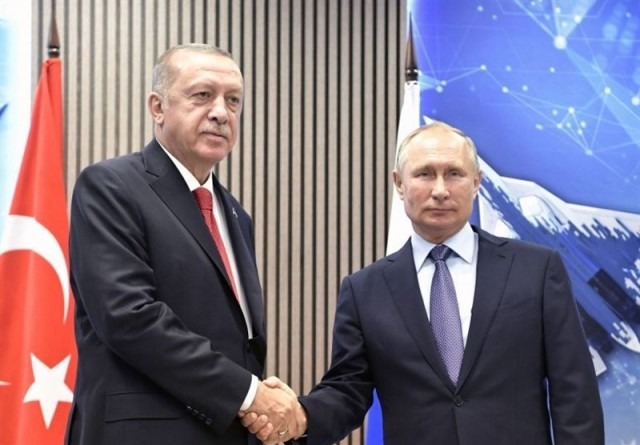
Strategic Council Online: A West Asian affairs expert said US opposition to a UN Security Council statement in support of the recent ceasefire agreement between Turkey and Russia was over fears that Russia will hold the upper hand in the talks. He added that the agreement reached in the talks on Idlib was in the interest of the government of Bashar Assad.

أحدث الوظائف

The Makkah Pact; Reasons for its Formation and Challenges Ahead

SCFR Online – Opinion: The Makkah Pact, signed between Saudi Arabia, Pakistan, and Turkey under the motto “an attack on one is an attack on all,” is viewed by some analysts less as a full-fledged military coalition and more as an attempt to reduce security dependence on an external power and to establish a regional security mechanism.

Implications of the US-Saudi Nuclear Agreement

SCFR Online – Opinion: The new US-Saudi nuclear agreement, despite legal and political ambiguities, could alter previous non-proliferation standards in West Asia and intensify nuclear competition, ushering it into a new phase.

An Analysis of Recent Turkey-Israeli Regime Tensions

SCFR Online – Opinion: Recent developments in Syria indicate an intensification of strategic rivalry between Turkey and the Israeli regime, but mutual considerations and the role of the United States have limited the likelihood of direct war.

Increasing criticism of the extensive Zionist lobby network

SCFR Online – Opinion: An examination of the mechanisms of the Israeli regime’s influence in the United States depicts a complex picture of shared interests, strategic dependencies, and the limitations of this relationship.

Realities of the Tripartite Makkah Pact

SCFR Online – Interview: The signing of the Makkah agreement between Saudi Arabia, Pakistan, and Turkey has raised questions about the future of the region’s security structure and the position of these countries in West Asian equations. Can this agreement become a genuine collective defense mechanism, or does it have more of a political and deterrent function than creating new military capacity?

Strategic Implications of the Reduction of US Weapons Stockpiles

SCFR Online – Opinion: The continuation of the US war against Iran, in addition to increasing operational costs, has called into question the actual capacity of the American arsenal to simultaneously fulfill security commitments on multiple fronts; an issue that affects deterrence, defense production capacity, and Washington’s resource prioritization.

The Formation of a New Order in Relations Between Powers

SCFR Online – Opinion: The Russia-Ukraine war and the war of the United States and the Israeli regime against Iran have been formed with different objectives and actors, but field and political developments indicate that they are not entirely separate from one another.

Loading

NATO

Position of Biden and Trump in Terms of Electoral Components

Position of Biden and Trump in Terms of Electoral Components

Strategic Council Online – Biden believes in the threats that Trump has made to US interests and national security over the past four years, such as threats to Iran, China, North Korea, or the threat posed by terrorism, but believes that the approach to face such threats is multilateral. That is to say, he will try again to revive transatlantic relations, including relations with Europe, whether, within the NATO, the European Union or bilateral relations, and also will advance the issue of Iran and Joint Comprehensive Plan of Action (JCPOA) within the framework of the same JCPOA mechanism.
Tahmoures Gholami – Expert on American Affairs

Prospect of Geopolitical Tensions & Complexities in Eastern Mediterranean

Prospect of Geopolitical Tensions & Complexities in Eastern Mediterranean

Strategic Council Online – Explaining the geopolitical complexities in the Eastern Mediterranean, a faculty member said: “One of the concerns about this region, especially in Europe, is the addition of this crisis to the Middle East security crisis which due to Europe’s geographical proximity to the region, it will have negative consequences for Europe.

Russia the Main Target in Transfer of American Troops from Germany to Poland

Russia the Main Target in Transfer of American Troops from Germany to Poland

Strategic Council Online – Perhaps one of the goals of the United States in transferring troops from Germany to Poland is to divert Moscow’s attention to Russia’s western borders, forcing the Russians to spend a significant portion of their troops and equipment, as well as their military budgets on the western borders.
Seyed Reza Mirtaher – Expert in Military and Strategic Issues

China’s Trump Cards in Competition with US

China’s Trump Cards in Competition with US

Strategic Council Online – The Americans hope that with the cooperation of India they will be able to implement the India-Pacific project and stop China; but China has opposed the India-Pacific project, meaning it wants to focus from the Pacific to the Indian Ocean.
Pir Mohammad Mollazehi – Asia Affairs Expert

US Troops Withdrawal from Germany and Escalation of EU Divergence

US Troops Withdrawal from Germany and Escalation of EU Divergence

Strategic Council Online – An expert on European developments said that the withdrawal of US troops from Germany is a policy to intensify divergence in the European Union, adding that when part of the US military is to be concentrated in other European countries and long-term military ties and agreements are established with the US, political differences and divisions within the EU will increase.

Prospects, Challenges of Negotiations between Taliban & Gov’t

Prospects, Challenges of Negotiations between Taliban & Gov’t

Strategic Council Online – An Afghan affairs analyst said that the process of dialogue between the Afghans and its future does not seem dark: “Given the existing challenges, we will certainly not see a comprehensive agreement between the Taliban and the Afghan government in the short term, but we can expect the process of dialogue gradually reduce the volume of disputes.

Finding the Roots of Recent Tensions between Turkey and France

Finding the Roots of Recent Tensions between Turkey and France

Strategic Council Online: Following recent incident in Mediterranean waters between Turkish and French navies, the North Atlantic Treaty Organization (NATO) has ordered an investigation into this unprecedented incident in the military relations between the two member states. The announcement of the arrest of members of a French spy network by Ankara, who were gathering information on Turkish soil, once again showed another questionable reflection of the internal developments of the NATO alliance and the deep differences in relations between its members.
Abolghasem Delphi – Former Ambassador to France

West’s Strategic Reflections on “Eastern Threat”

West’s Strategic Reflections on “Eastern Threat”

Strategic Council Online – “The post-corona era is a space for hostility in the areas of trade, finance, economics and administration,” a university professor said, referring to NATO Secretary-General’s warning of China’s future threat to the West. “These tensions have begun and cannot be ignored in the relations of the great powers,” he said.

Scenarios in Afghanistan

Scenarios in Afghanistan

Strategic Council Online: At present, there are three currents in Afghanistan claiming power: Abdullah Abdullah and the Jihadists, the Liberal Democrats represented by Ashraf Ghani, and the Taliban. Zalmay Khalilzad seems to be trying to balance these three currents in order to overcome the crisis in Afghanistan.
Pir Mohammad Molazehi – Expert on Afghanistan

US Observation about Recent Russian-Turkish Deal on Idlib

US Observation about Recent Russian-Turkish Deal on Idlib

Strategic Council Online: A West Asian affairs expert said US opposition to a UN Security Council statement in support of the recent ceasefire agreement between Turkey and Russia was over fears that Russia will hold the upper hand in the talks. He added that the agreement reached in the talks on Idlib was in the interest of the government of Bashar Assad.

NATO

Position of Biden and Trump in Terms of Electoral Components

Position of Biden and Trump in Terms of Electoral Components

Strategic Council Online – Biden believes in the threats that Trump has made to US interests and national security over the past four years, such as threats to Iran, China, North Korea, or the threat posed by terrorism, but believes that the approach to face such threats is multilateral. That is to say, he will try again to revive transatlantic relations, including relations with Europe, whether, within the NATO, the European Union or bilateral relations, and also will advance the issue of Iran and Joint Comprehensive Plan of Action (JCPOA) within the framework of the same JCPOA mechanism.
Tahmoures Gholami – Expert on American Affairs

Prospect of Geopolitical Tensions & Complexities in Eastern Mediterranean

Prospect of Geopolitical Tensions & Complexities in Eastern Mediterranean

Strategic Council Online – Explaining the geopolitical complexities in the Eastern Mediterranean, a faculty member said: “One of the concerns about this region, especially in Europe, is the addition of this crisis to the Middle East security crisis which due to Europe’s geographical proximity to the region, it will have negative consequences for Europe.

Russia the Main Target in Transfer of American Troops from Germany to Poland

Russia the Main Target in Transfer of American Troops from Germany to Poland

Strategic Council Online – Perhaps one of the goals of the United States in transferring troops from Germany to Poland is to divert Moscow’s attention to Russia’s western borders, forcing the Russians to spend a significant portion of their troops and equipment, as well as their military budgets on the western borders.
Seyed Reza Mirtaher – Expert in Military and Strategic Issues

China’s Trump Cards in Competition with US

China’s Trump Cards in Competition with US

Strategic Council Online – The Americans hope that with the cooperation of India they will be able to implement the India-Pacific project and stop China; but China has opposed the India-Pacific project, meaning it wants to focus from the Pacific to the Indian Ocean.
Pir Mohammad Mollazehi – Asia Affairs Expert

US Troops Withdrawal from Germany and Escalation of EU Divergence

US Troops Withdrawal from Germany and Escalation of EU Divergence

Strategic Council Online – An expert on European developments said that the withdrawal of US troops from Germany is a policy to intensify divergence in the European Union, adding that when part of the US military is to be concentrated in other European countries and long-term military ties and agreements are established with the US, political differences and divisions within the EU will increase.

Prospects, Challenges of Negotiations between Taliban & Gov’t

Prospects, Challenges of Negotiations between Taliban & Gov’t

Strategic Council Online – An Afghan affairs analyst said that the process of dialogue between the Afghans and its future does not seem dark: “Given the existing challenges, we will certainly not see a comprehensive agreement between the Taliban and the Afghan government in the short term, but we can expect the process of dialogue gradually reduce the volume of disputes.

Finding the Roots of Recent Tensions between Turkey and France

Finding the Roots of Recent Tensions between Turkey and France

Strategic Council Online: Following recent incident in Mediterranean waters between Turkish and French navies, the North Atlantic Treaty Organization (NATO) has ordered an investigation into this unprecedented incident in the military relations between the two member states. The announcement of the arrest of members of a French spy network by Ankara, who were gathering information on Turkish soil, once again showed another questionable reflection of the internal developments of the NATO alliance and the deep differences in relations between its members.
Abolghasem Delphi – Former Ambassador to France

West’s Strategic Reflections on “Eastern Threat”

West’s Strategic Reflections on “Eastern Threat”

Strategic Council Online – “The post-corona era is a space for hostility in the areas of trade, finance, economics and administration,” a university professor said, referring to NATO Secretary-General’s warning of China’s future threat to the West. “These tensions have begun and cannot be ignored in the relations of the great powers,” he said.

Scenarios in Afghanistan

Scenarios in Afghanistan

Strategic Council Online: At present, there are three currents in Afghanistan claiming power: Abdullah Abdullah and the Jihadists, the Liberal Democrats represented by Ashraf Ghani, and the Taliban. Zalmay Khalilzad seems to be trying to balance these three currents in order to overcome the crisis in Afghanistan.
Pir Mohammad Molazehi – Expert on Afghanistan

US Observation about Recent Russian-Turkish Deal on Idlib

US Observation about Recent Russian-Turkish Deal on Idlib

Strategic Council Online: A West Asian affairs expert said US opposition to a UN Security Council statement in support of the recent ceasefire agreement between Turkey and Russia was over fears that Russia will hold the upper hand in the talks. He added that the agreement reached in the talks on Idlib was in the interest of the government of Bashar Assad.

LATEST CONTENT

The Makkah Pact; Reasons for its Formation and Challenges Ahead

SCFR Online – Opinion: The Makkah Pact, signed between Saudi Arabia, Pakistan, and Turkey under the motto “an attack on one is an attack on all,” is viewed by some analysts less as a full-fledged military coalition and more as an attempt to reduce security dependence on an external power and to establish a regional security mechanism.

Implications of the US-Saudi Nuclear Agreement

SCFR Online – Opinion: The new US-Saudi nuclear agreement, despite legal and political ambiguities, could alter previous non-proliferation standards in West Asia and intensify nuclear competition, ushering it into a new phase.

An Analysis of Recent Turkey-Israeli Regime Tensions

SCFR Online – Opinion: Recent developments in Syria indicate an intensification of strategic rivalry between Turkey and the Israeli regime, but mutual considerations and the role of the United States have limited the likelihood of direct war.

Increasing criticism of the extensive Zionist lobby network

SCFR Online – Opinion: An examination of the mechanisms of the Israeli regime’s influence in the United States depicts a complex picture of shared interests, strategic dependencies, and the limitations of this relationship.

Realities of the Tripartite Makkah Pact

SCFR Online – Interview: The signing of the Makkah agreement between Saudi Arabia, Pakistan, and Turkey has raised questions about the future of the region’s security structure and the position of these countries in West Asian equations. Can this agreement become a genuine collective defense mechanism, or does it have more of a political and deterrent function than creating new military capacity?

Strategic Implications of the Reduction of US Weapons Stockpiles

SCFR Online – Opinion: The continuation of the US war against Iran, in addition to increasing operational costs, has called into question the actual capacity of the American arsenal to simultaneously fulfill security commitments on multiple fronts; an issue that affects deterrence, defense production capacity, and Washington’s resource prioritization.

The Formation of a New Order in Relations Between Powers

SCFR Online – Opinion: The Russia-Ukraine war and the war of the United States and the Israeli regime against Iran have been formed with different objectives and actors, but field and political developments indicate that they are not entirely separate from one another.

Loading

NATO

Position of Biden and Trump in Terms of Electoral Components

Position of Biden and Trump in Terms of Electoral Components

Strategic Council Online – Biden believes in the threats that Trump has made to US interests and national security over the past four years, such as threats to Iran, China, North Korea, or the threat posed by terrorism, but believes that the approach to face such threats is multilateral. That is to say, he will try again to revive transatlantic relations, including relations with Europe, whether, within the NATO, the European Union or bilateral relations, and also will advance the issue of Iran and Joint Comprehensive Plan of Action (JCPOA) within the framework of the same JCPOA mechanism.
Tahmoures Gholami – Expert on American Affairs

Prospect of Geopolitical Tensions & Complexities in Eastern Mediterranean

Prospect of Geopolitical Tensions & Complexities in Eastern Mediterranean

Strategic Council Online – Explaining the geopolitical complexities in the Eastern Mediterranean, a faculty member said: “One of the concerns about this region, especially in Europe, is the addition of this crisis to the Middle East security crisis which due to Europe’s geographical proximity to the region, it will have negative consequences for Europe.

Russia the Main Target in Transfer of American Troops from Germany to Poland

Russia the Main Target in Transfer of American Troops from Germany to Poland

Strategic Council Online – Perhaps one of the goals of the United States in transferring troops from Germany to Poland is to divert Moscow’s attention to Russia’s western borders, forcing the Russians to spend a significant portion of their troops and equipment, as well as their military budgets on the western borders.
Seyed Reza Mirtaher – Expert in Military and Strategic Issues

China’s Trump Cards in Competition with US

China’s Trump Cards in Competition with US

Strategic Council Online – The Americans hope that with the cooperation of India they will be able to implement the India-Pacific project and stop China; but China has opposed the India-Pacific project, meaning it wants to focus from the Pacific to the Indian Ocean.
Pir Mohammad Mollazehi – Asia Affairs Expert

US Troops Withdrawal from Germany and Escalation of EU Divergence

US Troops Withdrawal from Germany and Escalation of EU Divergence

Strategic Council Online – An expert on European developments said that the withdrawal of US troops from Germany is a policy to intensify divergence in the European Union, adding that when part of the US military is to be concentrated in other European countries and long-term military ties and agreements are established with the US, political differences and divisions within the EU will increase.

Prospects, Challenges of Negotiations between Taliban & Gov’t

Prospects, Challenges of Negotiations between Taliban & Gov’t

Strategic Council Online – An Afghan affairs analyst said that the process of dialogue between the Afghans and its future does not seem dark: “Given the existing challenges, we will certainly not see a comprehensive agreement between the Taliban and the Afghan government in the short term, but we can expect the process of dialogue gradually reduce the volume of disputes.

Finding the Roots of Recent Tensions between Turkey and France

Finding the Roots of Recent Tensions between Turkey and France

Strategic Council Online: Following recent incident in Mediterranean waters between Turkish and French navies, the North Atlantic Treaty Organization (NATO) has ordered an investigation into this unprecedented incident in the military relations between the two member states. The announcement of the arrest of members of a French spy network by Ankara, who were gathering information on Turkish soil, once again showed another questionable reflection of the internal developments of the NATO alliance and the deep differences in relations between its members.
Abolghasem Delphi – Former Ambassador to France

West’s Strategic Reflections on “Eastern Threat”

West’s Strategic Reflections on “Eastern Threat”

Strategic Council Online – “The post-corona era is a space for hostility in the areas of trade, finance, economics and administration,” a university professor said, referring to NATO Secretary-General’s warning of China’s future threat to the West. “These tensions have begun and cannot be ignored in the relations of the great powers,” he said.

Scenarios in Afghanistan

Scenarios in Afghanistan

Strategic Council Online: At present, there are three currents in Afghanistan claiming power: Abdullah Abdullah and the Jihadists, the Liberal Democrats represented by Ashraf Ghani, and the Taliban. Zalmay Khalilzad seems to be trying to balance these three currents in order to overcome the crisis in Afghanistan.
Pir Mohammad Molazehi – Expert on Afghanistan

US Observation about Recent Russian-Turkish Deal on Idlib

US Observation about Recent Russian-Turkish Deal on Idlib

Strategic Council Online: A West Asian affairs expert said US opposition to a UN Security Council statement in support of the recent ceasefire agreement between Turkey and Russia was over fears that Russia will hold the upper hand in the talks. He added that the agreement reached in the talks on Idlib was in the interest of the government of Bashar Assad.

ÚLTIMAS PUBLICACIONES

The Makkah Pact; Reasons for its Formation and Challenges Ahead

SCFR Online – Opinion: The Makkah Pact, signed between Saudi Arabia, Pakistan, and Turkey under the motto “an attack on one is an attack on all,” is viewed by some analysts less as a full-fledged military coalition and more as an attempt to reduce security dependence on an external power and to establish a regional security mechanism.

Implications of the US-Saudi Nuclear Agreement

SCFR Online – Opinion: The new US-Saudi nuclear agreement, despite legal and political ambiguities, could alter previous non-proliferation standards in West Asia and intensify nuclear competition, ushering it into a new phase.

An Analysis of Recent Turkey-Israeli Regime Tensions

SCFR Online – Opinion: Recent developments in Syria indicate an intensification of strategic rivalry between Turkey and the Israeli regime, but mutual considerations and the role of the United States have limited the likelihood of direct war.

Increasing criticism of the extensive Zionist lobby network

SCFR Online – Opinion: An examination of the mechanisms of the Israeli regime’s influence in the United States depicts a complex picture of shared interests, strategic dependencies, and the limitations of this relationship.

Realities of the Tripartite Makkah Pact

SCFR Online – Interview: The signing of the Makkah agreement between Saudi Arabia, Pakistan, and Turkey has raised questions about the future of the region’s security structure and the position of these countries in West Asian equations. Can this agreement become a genuine collective defense mechanism, or does it have more of a political and deterrent function than creating new military capacity?

Strategic Implications of the Reduction of US Weapons Stockpiles

SCFR Online – Opinion: The continuation of the US war against Iran, in addition to increasing operational costs, has called into question the actual capacity of the American arsenal to simultaneously fulfill security commitments on multiple fronts; an issue that affects deterrence, defense production capacity, and Washington’s resource prioritization.

The Formation of a New Order in Relations Between Powers

SCFR Online – Opinion: The Russia-Ukraine war and the war of the United States and the Israeli regime against Iran have been formed with different objectives and actors, but field and political developments indicate that they are not entirely separate from one another.

Loading

NATO

Position of Biden and Trump in Terms of Electoral Components

Position of Biden and Trump in Terms of Electoral Components

Strategic Council Online – Biden believes in the threats that Trump has made to US interests and national security over the past four years, such as threats to Iran, China, North Korea, or the threat posed by terrorism, but believes that the approach to face such threats is multilateral. That is to say, he will try again to revive transatlantic relations, including relations with Europe, whether, within the NATO, the European Union or bilateral relations, and also will advance the issue of Iran and Joint Comprehensive Plan of Action (JCPOA) within the framework of the same JCPOA mechanism.
Tahmoures Gholami – Expert on American Affairs

Prospect of Geopolitical Tensions & Complexities in Eastern Mediterranean

Prospect of Geopolitical Tensions & Complexities in Eastern Mediterranean

Strategic Council Online – Explaining the geopolitical complexities in the Eastern Mediterranean, a faculty member said: “One of the concerns about this region, especially in Europe, is the addition of this crisis to the Middle East security crisis which due to Europe’s geographical proximity to the region, it will have negative consequences for Europe.

Russia the Main Target in Transfer of American Troops from Germany to Poland

Russia the Main Target in Transfer of American Troops from Germany to Poland

Strategic Council Online – Perhaps one of the goals of the United States in transferring troops from Germany to Poland is to divert Moscow’s attention to Russia’s western borders, forcing the Russians to spend a significant portion of their troops and equipment, as well as their military budgets on the western borders.
Seyed Reza Mirtaher – Expert in Military and Strategic Issues

China’s Trump Cards in Competition with US

China’s Trump Cards in Competition with US

Strategic Council Online – The Americans hope that with the cooperation of India they will be able to implement the India-Pacific project and stop China; but China has opposed the India-Pacific project, meaning it wants to focus from the Pacific to the Indian Ocean.
Pir Mohammad Mollazehi – Asia Affairs Expert

US Troops Withdrawal from Germany and Escalation of EU Divergence

US Troops Withdrawal from Germany and Escalation of EU Divergence

Strategic Council Online – An expert on European developments said that the withdrawal of US troops from Germany is a policy to intensify divergence in the European Union, adding that when part of the US military is to be concentrated in other European countries and long-term military ties and agreements are established with the US, political differences and divisions within the EU will increase.

Prospects, Challenges of Negotiations between Taliban & Gov’t

Prospects, Challenges of Negotiations between Taliban & Gov’t

Strategic Council Online – An Afghan affairs analyst said that the process of dialogue between the Afghans and its future does not seem dark: “Given the existing challenges, we will certainly not see a comprehensive agreement between the Taliban and the Afghan government in the short term, but we can expect the process of dialogue gradually reduce the volume of disputes.

Finding the Roots of Recent Tensions between Turkey and France

Finding the Roots of Recent Tensions between Turkey and France

Strategic Council Online: Following recent incident in Mediterranean waters between Turkish and French navies, the North Atlantic Treaty Organization (NATO) has ordered an investigation into this unprecedented incident in the military relations between the two member states. The announcement of the arrest of members of a French spy network by Ankara, who were gathering information on Turkish soil, once again showed another questionable reflection of the internal developments of the NATO alliance and the deep differences in relations between its members.
Abolghasem Delphi – Former Ambassador to France

West’s Strategic Reflections on “Eastern Threat”

West’s Strategic Reflections on “Eastern Threat”

Strategic Council Online – “The post-corona era is a space for hostility in the areas of trade, finance, economics and administration,” a university professor said, referring to NATO Secretary-General’s warning of China’s future threat to the West. “These tensions have begun and cannot be ignored in the relations of the great powers,” he said.

Scenarios in Afghanistan

Scenarios in Afghanistan

Strategic Council Online: At present, there are three currents in Afghanistan claiming power: Abdullah Abdullah and the Jihadists, the Liberal Democrats represented by Ashraf Ghani, and the Taliban. Zalmay Khalilzad seems to be trying to balance these three currents in order to overcome the crisis in Afghanistan.
Pir Mohammad Molazehi – Expert on Afghanistan

US Observation about Recent Russian-Turkish Deal on Idlib

US Observation about Recent Russian-Turkish Deal on Idlib

Strategic Council Online: A West Asian affairs expert said US opposition to a UN Security Council statement in support of the recent ceasefire agreement between Turkey and Russia was over fears that Russia will hold the upper hand in the talks. He added that the agreement reached in the talks on Idlib was in the interest of the government of Bashar Assad.

ÚLTIMAS PUBLICACIONES

The Makkah Pact; Reasons for its Formation and Challenges Ahead

SCFR Online – Opinion: The Makkah Pact, signed between Saudi Arabia, Pakistan, and Turkey under the motto “an attack on one is an attack on all,” is viewed by some analysts less as a full-fledged military coalition and more as an attempt to reduce security dependence on an external power and to establish a regional security mechanism.

Implications of the US-Saudi Nuclear Agreement

SCFR Online – Opinion: The new US-Saudi nuclear agreement, despite legal and political ambiguities, could alter previous non-proliferation standards in West Asia and intensify nuclear competition, ushering it into a new phase.

An Analysis of Recent Turkey-Israeli Regime Tensions

SCFR Online – Opinion: Recent developments in Syria indicate an intensification of strategic rivalry between Turkey and the Israeli regime, but mutual considerations and the role of the United States have limited the likelihood of direct war.

Increasing criticism of the extensive Zionist lobby network

SCFR Online – Opinion: An examination of the mechanisms of the Israeli regime’s influence in the United States depicts a complex picture of shared interests, strategic dependencies, and the limitations of this relationship.

Realities of the Tripartite Makkah Pact

SCFR Online – Interview: The signing of the Makkah agreement between Saudi Arabia, Pakistan, and Turkey has raised questions about the future of the region’s security structure and the position of these countries in West Asian equations. Can this agreement become a genuine collective defense mechanism, or does it have more of a political and deterrent function than creating new military capacity?

Strategic Implications of the Reduction of US Weapons Stockpiles

SCFR Online – Opinion: The continuation of the US war against Iran, in addition to increasing operational costs, has called into question the actual capacity of the American arsenal to simultaneously fulfill security commitments on multiple fronts; an issue that affects deterrence, defense production capacity, and Washington’s resource prioritization.

The Formation of a New Order in Relations Between Powers

SCFR Online – Opinion: The Russia-Ukraine war and the war of the United States and the Israeli regime against Iran have been formed with different objectives and actors, but field and political developments indicate that they are not entirely separate from one another.

Loading

NATO

Position of Biden and Trump in Terms of Electoral Components

Position of Biden and Trump in Terms of Electoral Components

Strategic Council Online – Biden believes in the threats that Trump has made to US interests and national security over the past four years, such as threats to Iran, China, North Korea, or the threat posed by terrorism, but believes that the approach to face such threats is multilateral. That is to say, he will try again to revive transatlantic relations, including relations with Europe, whether, within the NATO, the European Union or bilateral relations, and also will advance the issue of Iran and Joint Comprehensive Plan of Action (JCPOA) within the framework of the same JCPOA mechanism.
Tahmoures Gholami – Expert on American Affairs

Prospect of Geopolitical Tensions & Complexities in Eastern Mediterranean

Prospect of Geopolitical Tensions & Complexities in Eastern Mediterranean

Strategic Council Online – Explaining the geopolitical complexities in the Eastern Mediterranean, a faculty member said: “One of the concerns about this region, especially in Europe, is the addition of this crisis to the Middle East security crisis which due to Europe’s geographical proximity to the region, it will have negative consequences for Europe.

Russia the Main Target in Transfer of American Troops from Germany to Poland

Russia the Main Target in Transfer of American Troops from Germany to Poland

Strategic Council Online – Perhaps one of the goals of the United States in transferring troops from Germany to Poland is to divert Moscow’s attention to Russia’s western borders, forcing the Russians to spend a significant portion of their troops and equipment, as well as their military budgets on the western borders.
Seyed Reza Mirtaher – Expert in Military and Strategic Issues

China’s Trump Cards in Competition with US

China’s Trump Cards in Competition with US

Strategic Council Online – The Americans hope that with the cooperation of India they will be able to implement the India-Pacific project and stop China; but China has opposed the India-Pacific project, meaning it wants to focus from the Pacific to the Indian Ocean.
Pir Mohammad Mollazehi – Asia Affairs Expert

US Troops Withdrawal from Germany and Escalation of EU Divergence

US Troops Withdrawal from Germany and Escalation of EU Divergence

Strategic Council Online – An expert on European developments said that the withdrawal of US troops from Germany is a policy to intensify divergence in the European Union, adding that when part of the US military is to be concentrated in other European countries and long-term military ties and agreements are established with the US, political differences and divisions within the EU will increase.

Prospects, Challenges of Negotiations between Taliban & Gov’t

Prospects, Challenges of Negotiations between Taliban & Gov’t

Strategic Council Online – An Afghan affairs analyst said that the process of dialogue between the Afghans and its future does not seem dark: “Given the existing challenges, we will certainly not see a comprehensive agreement between the Taliban and the Afghan government in the short term, but we can expect the process of dialogue gradually reduce the volume of disputes.

Finding the Roots of Recent Tensions between Turkey and France

Finding the Roots of Recent Tensions between Turkey and France

Strategic Council Online: Following recent incident in Mediterranean waters between Turkish and French navies, the North Atlantic Treaty Organization (NATO) has ordered an investigation into this unprecedented incident in the military relations between the two member states. The announcement of the arrest of members of a French spy network by Ankara, who were gathering information on Turkish soil, once again showed another questionable reflection of the internal developments of the NATO alliance and the deep differences in relations between its members.
Abolghasem Delphi – Former Ambassador to France

West’s Strategic Reflections on “Eastern Threat”

West’s Strategic Reflections on “Eastern Threat”

Strategic Council Online – “The post-corona era is a space for hostility in the areas of trade, finance, economics and administration,” a university professor said, referring to NATO Secretary-General’s warning of China’s future threat to the West. “These tensions have begun and cannot be ignored in the relations of the great powers,” he said.

Scenarios in Afghanistan

Scenarios in Afghanistan

Strategic Council Online: At present, there are three currents in Afghanistan claiming power: Abdullah Abdullah and the Jihadists, the Liberal Democrats represented by Ashraf Ghani, and the Taliban. Zalmay Khalilzad seems to be trying to balance these three currents in order to overcome the crisis in Afghanistan.
Pir Mohammad Molazehi – Expert on Afghanistan

US Observation about Recent Russian-Turkish Deal on Idlib

US Observation about Recent Russian-Turkish Deal on Idlib

Strategic Council Online: A West Asian affairs expert said US opposition to a UN Security Council statement in support of the recent ceasefire agreement between Turkey and Russia was over fears that Russia will hold the upper hand in the talks. He added that the agreement reached in the talks on Idlib was in the interest of the government of Bashar Assad.

ÚLTIMAS PUBLICACIONES

The Makkah Pact; Reasons for its Formation and Challenges Ahead

SCFR Online – Opinion: The Makkah Pact, signed between Saudi Arabia, Pakistan, and Turkey under the motto “an attack on one is an attack on all,” is viewed by some analysts less as a full-fledged military coalition and more as an attempt to reduce security dependence on an external power and to establish a regional security mechanism.

Implications of the US-Saudi Nuclear Agreement

SCFR Online – Opinion: The new US-Saudi nuclear agreement, despite legal and political ambiguities, could alter previous non-proliferation standards in West Asia and intensify nuclear competition, ushering it into a new phase.

An Analysis of Recent Turkey-Israeli Regime Tensions

SCFR Online – Opinion: Recent developments in Syria indicate an intensification of strategic rivalry between Turkey and the Israeli regime, but mutual considerations and the role of the United States have limited the likelihood of direct war.

Increasing criticism of the extensive Zionist lobby network

SCFR Online – Opinion: An examination of the mechanisms of the Israeli regime’s influence in the United States depicts a complex picture of shared interests, strategic dependencies, and the limitations of this relationship.

Realities of the Tripartite Makkah Pact

SCFR Online – Interview: The signing of the Makkah agreement between Saudi Arabia, Pakistan, and Turkey has raised questions about the future of the region’s security structure and the position of these countries in West Asian equations. Can this agreement become a genuine collective defense mechanism, or does it have more of a political and deterrent function than creating new military capacity?

Strategic Implications of the Reduction of US Weapons Stockpiles

SCFR Online – Opinion: The continuation of the US war against Iran, in addition to increasing operational costs, has called into question the actual capacity of the American arsenal to simultaneously fulfill security commitments on multiple fronts; an issue that affects deterrence, defense production capacity, and Washington’s resource prioritization.

The Formation of a New Order in Relations Between Powers

SCFR Online – Opinion: The Russia-Ukraine war and the war of the United States and the Israeli regime against Iran have been formed with different objectives and actors, but field and political developments indicate that they are not entirely separate from one another.

Loading

NATO

Position of Biden and Trump in Terms of Electoral Components

Position of Biden and Trump in Terms of Electoral Components

Strategic Council Online – Biden believes in the threats that Trump has made to US interests and national security over the past four years, such as threats to Iran, China, North Korea, or the threat posed by terrorism, but believes that the approach to face such threats is multilateral. That is to say, he will try again to revive transatlantic relations, including relations with Europe, whether, within the NATO, the European Union or bilateral relations, and also will advance the issue of Iran and Joint Comprehensive Plan of Action (JCPOA) within the framework of the same JCPOA mechanism.
Tahmoures Gholami – Expert on American Affairs

Prospect of Geopolitical Tensions & Complexities in Eastern Mediterranean

Prospect of Geopolitical Tensions & Complexities in Eastern Mediterranean

Strategic Council Online – Explaining the geopolitical complexities in the Eastern Mediterranean, a faculty member said: “One of the concerns about this region, especially in Europe, is the addition of this crisis to the Middle East security crisis which due to Europe’s geographical proximity to the region, it will have negative consequences for Europe.

Russia the Main Target in Transfer of American Troops from Germany to Poland

Russia the Main Target in Transfer of American Troops from Germany to Poland

Strategic Council Online – Perhaps one of the goals of the United States in transferring troops from Germany to Poland is to divert Moscow’s attention to Russia’s western borders, forcing the Russians to spend a significant portion of their troops and equipment, as well as their military budgets on the western borders.
Seyed Reza Mirtaher – Expert in Military and Strategic Issues

China’s Trump Cards in Competition with US

China’s Trump Cards in Competition with US

Strategic Council Online – The Americans hope that with the cooperation of India they will be able to implement the India-Pacific project and stop China; but China has opposed the India-Pacific project, meaning it wants to focus from the Pacific to the Indian Ocean.
Pir Mohammad Mollazehi – Asia Affairs Expert

US Troops Withdrawal from Germany and Escalation of EU Divergence

US Troops Withdrawal from Germany and Escalation of EU Divergence

Strategic Council Online – An expert on European developments said that the withdrawal of US troops from Germany is a policy to intensify divergence in the European Union, adding that when part of the US military is to be concentrated in other European countries and long-term military ties and agreements are established with the US, political differences and divisions within the EU will increase.

Prospects, Challenges of Negotiations between Taliban & Gov’t

Prospects, Challenges of Negotiations between Taliban & Gov’t

Strategic Council Online – An Afghan affairs analyst said that the process of dialogue between the Afghans and its future does not seem dark: “Given the existing challenges, we will certainly not see a comprehensive agreement between the Taliban and the Afghan government in the short term, but we can expect the process of dialogue gradually reduce the volume of disputes.

Finding the Roots of Recent Tensions between Turkey and France

Finding the Roots of Recent Tensions between Turkey and France

Strategic Council Online: Following recent incident in Mediterranean waters between Turkish and French navies, the North Atlantic Treaty Organization (NATO) has ordered an investigation into this unprecedented incident in the military relations between the two member states. The announcement of the arrest of members of a French spy network by Ankara, who were gathering information on Turkish soil, once again showed another questionable reflection of the internal developments of the NATO alliance and the deep differences in relations between its members.
Abolghasem Delphi – Former Ambassador to France

West’s Strategic Reflections on “Eastern Threat”

West’s Strategic Reflections on “Eastern Threat”

Strategic Council Online – “The post-corona era is a space for hostility in the areas of trade, finance, economics and administration,” a university professor said, referring to NATO Secretary-General’s warning of China’s future threat to the West. “These tensions have begun and cannot be ignored in the relations of the great powers,” he said.

Scenarios in Afghanistan

Scenarios in Afghanistan

Strategic Council Online: At present, there are three currents in Afghanistan claiming power: Abdullah Abdullah and the Jihadists, the Liberal Democrats represented by Ashraf Ghani, and the Taliban. Zalmay Khalilzad seems to be trying to balance these three currents in order to overcome the crisis in Afghanistan.
Pir Mohammad Molazehi – Expert on Afghanistan

US Observation about Recent Russian-Turkish Deal on Idlib

US Observation about Recent Russian-Turkish Deal on Idlib

Strategic Council Online: A West Asian affairs expert said US opposition to a UN Security Council statement in support of the recent ceasefire agreement between Turkey and Russia was over fears that Russia will hold the upper hand in the talks. He added that the agreement reached in the talks on Idlib was in the interest of the government of Bashar Assad.

ÚLTIMAS PUBLICACIONES

The Makkah Pact; Reasons for its Formation and Challenges Ahead

SCFR Online – Opinion: The Makkah Pact, signed between Saudi Arabia, Pakistan, and Turkey under the motto “an attack on one is an attack on all,” is viewed by some analysts less as a full-fledged military coalition and more as an attempt to reduce security dependence on an external power and to establish a regional security mechanism.

Implications of the US-Saudi Nuclear Agreement

SCFR Online – Opinion: The new US-Saudi nuclear agreement, despite legal and political ambiguities, could alter previous non-proliferation standards in West Asia and intensify nuclear competition, ushering it into a new phase.

An Analysis of Recent Turkey-Israeli Regime Tensions

SCFR Online – Opinion: Recent developments in Syria indicate an intensification of strategic rivalry between Turkey and the Israeli regime, but mutual considerations and the role of the United States have limited the likelihood of direct war.

Increasing criticism of the extensive Zionist lobby network

SCFR Online – Opinion: An examination of the mechanisms of the Israeli regime’s influence in the United States depicts a complex picture of shared interests, strategic dependencies, and the limitations of this relationship.

Realities of the Tripartite Makkah Pact

SCFR Online – Interview: The signing of the Makkah agreement between Saudi Arabia, Pakistan, and Turkey has raised questions about the future of the region’s security structure and the position of these countries in West Asian equations. Can this agreement become a genuine collective defense mechanism, or does it have more of a political and deterrent function than creating new military capacity?

Strategic Implications of the Reduction of US Weapons Stockpiles

SCFR Online – Opinion: The continuation of the US war against Iran, in addition to increasing operational costs, has called into question the actual capacity of the American arsenal to simultaneously fulfill security commitments on multiple fronts; an issue that affects deterrence, defense production capacity, and Washington’s resource prioritization.

The Formation of a New Order in Relations Between Powers

SCFR Online – Opinion: The Russia-Ukraine war and the war of the United States and the Israeli regime against Iran have been formed with different objectives and actors, but field and political developments indicate that they are not entirely separate from one another.

Loading