جدیدترین مطالب

Indicators for Choosing Between War and Diplomacy

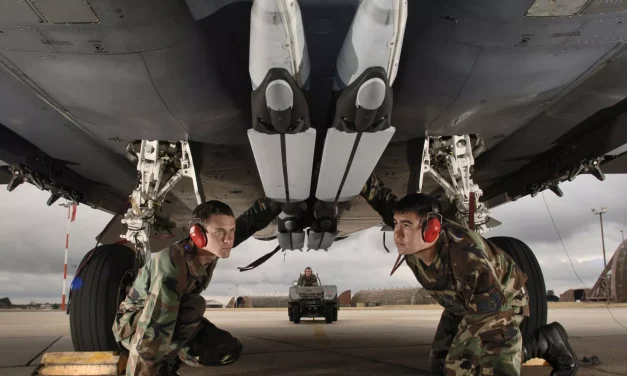
SCFR Online – Opinion: Foreign policy analysis is valid when it evaluates decisions based on the information and circumstances prevailing at the time they were made, not on the basis of outcomes that only become apparent after the crisis has ended.

The war of narratives; a tool for geopolitical competition

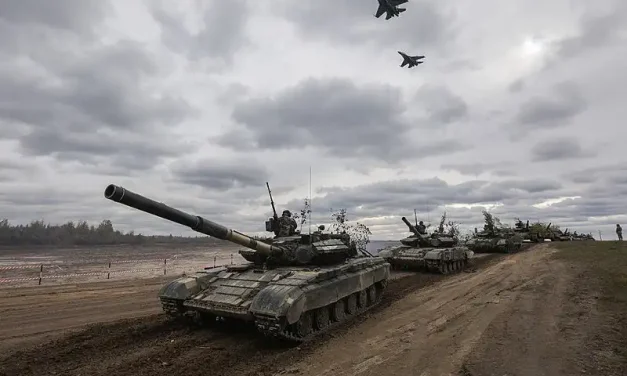
Strategic Council Online – Note: In today’s global politics, the creation of narratives has become as important as territorial control and economic management, and has turned into the main tool of great power competition.

Analysis of the Recognition of the Armenian Genocide by the Zionist Regime

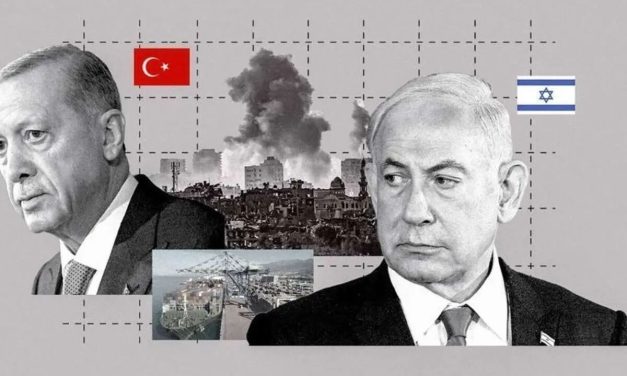
SCFR Online – Opinion: At a time when the West Asia region, particularly in recent months, has been undergoing the most complex political and security developments of the past half-century, the sudden decision by the cabinet of the Zionist regime to recognize the Armenian genocide committed by Turkey, which has faced strong condemnation and opposition from Ankara and Baku, raises questions.

Loading

Nicaragua’s nationwide elections

Nicaragua; External Pressures; Internal Hopes

Nicaragua; External Pressures; Internal Hopes

Strategic Council Online – Opinion: Nicaragua’s nationwide elections were held to elect a presidential couple and 92 members of the National Assembly (Unicameral Parliament) and 20 parliamentary members of the Central America (PARLACEN). President Daniel Ortega, the incumbent president, and his wife and deputy, Ms. Rosario Murillo, ran as candidates for the ruling Sandinista Liberation Front (FSLN) with candidates from six other parties. According to the High Electoral Council, the ruling Sandinista party led by Ortega won the election for the fourth time with 75% of the votes. The turnout in this round of the elections was 65%.
Mahmoud Fazeli – International affairs analyst

أحدث الوظائف

Indicators for Choosing Between War and Diplomacy

SCFR Online – Opinion: Foreign policy analysis is valid when it evaluates decisions based on the information and circumstances prevailing at the time they were made, not on the basis of outcomes that only become apparent after the crisis has ended.

The war of narratives; a tool for geopolitical competition

Strategic Council Online – Note: In today’s global politics, the creation of narratives has become as important as territorial control and economic management, and has turned into the main tool of great power competition.

Analysis of the Recognition of the Armenian Genocide by the Zionist Regime

SCFR Online – Opinion: At a time when the West Asia region, particularly in recent months, has been undergoing the most complex political and security developments of the past half-century, the sudden decision by the cabinet of the Zionist regime to recognize the Armenian genocide committed by Turkey, which has faced strong condemnation and opposition from Ankara and Baku, raises questions.

Loading

Nicaragua’s nationwide elections

Nicaragua; External Pressures; Internal Hopes

Nicaragua; External Pressures; Internal Hopes

Strategic Council Online – Opinion: Nicaragua’s nationwide elections were held to elect a presidential couple and 92 members of the National Assembly (Unicameral Parliament) and 20 parliamentary members of the Central America (PARLACEN). President Daniel Ortega, the incumbent president, and his wife and deputy, Ms. Rosario Murillo, ran as candidates for the ruling Sandinista Liberation Front (FSLN) with candidates from six other parties. According to the High Electoral Council, the ruling Sandinista party led by Ortega won the election for the fourth time with 75% of the votes. The turnout in this round of the elections was 65%.
Mahmoud Fazeli – International affairs analyst

Nicaragua’s nationwide elections

Nicaragua; External Pressures; Internal Hopes

Nicaragua; External Pressures; Internal Hopes

Strategic Council Online – Opinion: Nicaragua’s nationwide elections were held to elect a presidential couple and 92 members of the National Assembly (Unicameral Parliament) and 20 parliamentary members of the Central America (PARLACEN). President Daniel Ortega, the incumbent president, and his wife and deputy, Ms. Rosario Murillo, ran as candidates for the ruling Sandinista Liberation Front (FSLN) with candidates from six other parties. According to the High Electoral Council, the ruling Sandinista party led by Ortega won the election for the fourth time with 75% of the votes. The turnout in this round of the elections was 65%.
Mahmoud Fazeli – International affairs analyst

LATEST CONTENT

Indicators for Choosing Between War and Diplomacy

SCFR Online – Opinion: Foreign policy analysis is valid when it evaluates decisions based on the information and circumstances prevailing at the time they were made, not on the basis of outcomes that only become apparent after the crisis has ended.

The war of narratives; a tool for geopolitical competition

Strategic Council Online – Note: In today’s global politics, the creation of narratives has become as important as territorial control and economic management, and has turned into the main tool of great power competition.

Analysis of the Recognition of the Armenian Genocide by the Zionist Regime

SCFR Online – Opinion: At a time when the West Asia region, particularly in recent months, has been undergoing the most complex political and security developments of the past half-century, the sudden decision by the cabinet of the Zionist regime to recognize the Armenian genocide committed by Turkey, which has faced strong condemnation and opposition from Ankara and Baku, raises questions.

Loading

Nicaragua’s nationwide elections

Nicaragua; External Pressures; Internal Hopes

Nicaragua; External Pressures; Internal Hopes

Strategic Council Online – Opinion: Nicaragua’s nationwide elections were held to elect a presidential couple and 92 members of the National Assembly (Unicameral Parliament) and 20 parliamentary members of the Central America (PARLACEN). President Daniel Ortega, the incumbent president, and his wife and deputy, Ms. Rosario Murillo, ran as candidates for the ruling Sandinista Liberation Front (FSLN) with candidates from six other parties. According to the High Electoral Council, the ruling Sandinista party led by Ortega won the election for the fourth time with 75% of the votes. The turnout in this round of the elections was 65%.
Mahmoud Fazeli – International affairs analyst

ÚLTIMAS PUBLICACIONES

Indicators for Choosing Between War and Diplomacy

SCFR Online – Opinion: Foreign policy analysis is valid when it evaluates decisions based on the information and circumstances prevailing at the time they were made, not on the basis of outcomes that only become apparent after the crisis has ended.

The war of narratives; a tool for geopolitical competition

Strategic Council Online – Note: In today’s global politics, the creation of narratives has become as important as territorial control and economic management, and has turned into the main tool of great power competition.

Analysis of the Recognition of the Armenian Genocide by the Zionist Regime

SCFR Online – Opinion: At a time when the West Asia region, particularly in recent months, has been undergoing the most complex political and security developments of the past half-century, the sudden decision by the cabinet of the Zionist regime to recognize the Armenian genocide committed by Turkey, which has faced strong condemnation and opposition from Ankara and Baku, raises questions.

Loading

Nicaragua’s nationwide elections

Nicaragua; External Pressures; Internal Hopes

Nicaragua; External Pressures; Internal Hopes

Strategic Council Online – Opinion: Nicaragua’s nationwide elections were held to elect a presidential couple and 92 members of the National Assembly (Unicameral Parliament) and 20 parliamentary members of the Central America (PARLACEN). President Daniel Ortega, the incumbent president, and his wife and deputy, Ms. Rosario Murillo, ran as candidates for the ruling Sandinista Liberation Front (FSLN) with candidates from six other parties. According to the High Electoral Council, the ruling Sandinista party led by Ortega won the election for the fourth time with 75% of the votes. The turnout in this round of the elections was 65%.
Mahmoud Fazeli – International affairs analyst

ÚLTIMAS PUBLICACIONES

Indicators for Choosing Between War and Diplomacy

SCFR Online – Opinion: Foreign policy analysis is valid when it evaluates decisions based on the information and circumstances prevailing at the time they were made, not on the basis of outcomes that only become apparent after the crisis has ended.

The war of narratives; a tool for geopolitical competition

Strategic Council Online – Note: In today’s global politics, the creation of narratives has become as important as territorial control and economic management, and has turned into the main tool of great power competition.

Analysis of the Recognition of the Armenian Genocide by the Zionist Regime

SCFR Online – Opinion: At a time when the West Asia region, particularly in recent months, has been undergoing the most complex political and security developments of the past half-century, the sudden decision by the cabinet of the Zionist regime to recognize the Armenian genocide committed by Turkey, which has faced strong condemnation and opposition from Ankara and Baku, raises questions.

Loading

Nicaragua’s nationwide elections

Nicaragua; External Pressures; Internal Hopes

Nicaragua; External Pressures; Internal Hopes

Strategic Council Online – Opinion: Nicaragua’s nationwide elections were held to elect a presidential couple and 92 members of the National Assembly (Unicameral Parliament) and 20 parliamentary members of the Central America (PARLACEN). President Daniel Ortega, the incumbent president, and his wife and deputy, Ms. Rosario Murillo, ran as candidates for the ruling Sandinista Liberation Front (FSLN) with candidates from six other parties. According to the High Electoral Council, the ruling Sandinista party led by Ortega won the election for the fourth time with 75% of the votes. The turnout in this round of the elections was 65%.
Mahmoud Fazeli – International affairs analyst

ÚLTIMAS PUBLICACIONES

Indicators for Choosing Between War and Diplomacy

SCFR Online – Opinion: Foreign policy analysis is valid when it evaluates decisions based on the information and circumstances prevailing at the time they were made, not on the basis of outcomes that only become apparent after the crisis has ended.

The war of narratives; a tool for geopolitical competition

Strategic Council Online – Note: In today’s global politics, the creation of narratives has become as important as territorial control and economic management, and has turned into the main tool of great power competition.

Analysis of the Recognition of the Armenian Genocide by the Zionist Regime

SCFR Online – Opinion: At a time when the West Asia region, particularly in recent months, has been undergoing the most complex political and security developments of the past half-century, the sudden decision by the cabinet of the Zionist regime to recognize the Armenian genocide committed by Turkey, which has faced strong condemnation and opposition from Ankara and Baku, raises questions.

Loading

Nicaragua’s nationwide elections

Nicaragua; External Pressures; Internal Hopes

Nicaragua; External Pressures; Internal Hopes

Strategic Council Online – Opinion: Nicaragua’s nationwide elections were held to elect a presidential couple and 92 members of the National Assembly (Unicameral Parliament) and 20 parliamentary members of the Central America (PARLACEN). President Daniel Ortega, the incumbent president, and his wife and deputy, Ms. Rosario Murillo, ran as candidates for the ruling Sandinista Liberation Front (FSLN) with candidates from six other parties. According to the High Electoral Council, the ruling Sandinista party led by Ortega won the election for the fourth time with 75% of the votes. The turnout in this round of the elections was 65%.
Mahmoud Fazeli – International affairs analyst

ÚLTIMAS PUBLICACIONES

Indicators for Choosing Between War and Diplomacy

SCFR Online – Opinion: Foreign policy analysis is valid when it evaluates decisions based on the information and circumstances prevailing at the time they were made, not on the basis of outcomes that only become apparent after the crisis has ended.

The war of narratives; a tool for geopolitical competition

Strategic Council Online – Note: In today’s global politics, the creation of narratives has become as important as territorial control and economic management, and has turned into the main tool of great power competition.

Analysis of the Recognition of the Armenian Genocide by the Zionist Regime

SCFR Online – Opinion: At a time when the West Asia region, particularly in recent months, has been undergoing the most complex political and security developments of the past half-century, the sudden decision by the cabinet of the Zionist regime to recognize the Armenian genocide committed by Turkey, which has faced strong condemnation and opposition from Ankara and Baku, raises questions.

Loading