Geoeconomics as the Most Important Arena of Great Power Competition
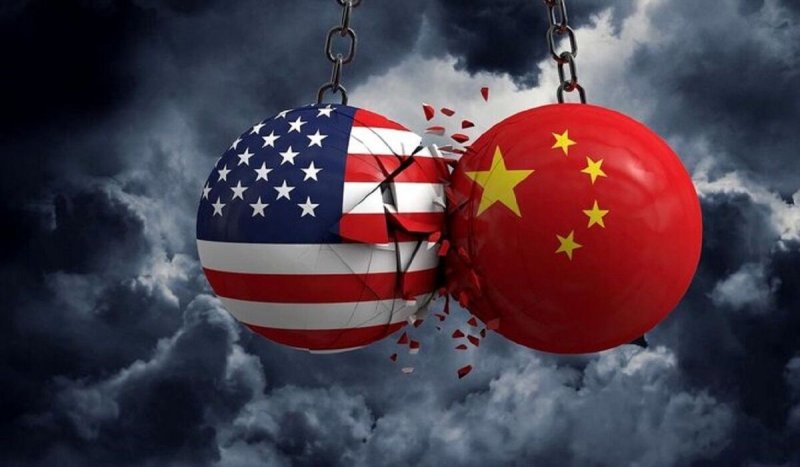
SCFR Online – Opinion: Great power competition is now pursued more in trade, currency, technology, and global supply chains than on the battlefields of military confrontation.
Strategic Council Online – Note: By disregarding Iran’s deterrence capabilities and political economy leverage in the Strait of Hormuz, Washington has reached a strategic deadlock from which military means are unable to extricate it.
SCFR Online – Opinion: Foreign policy analysis is valid when it evaluates decisions based on the information and circumstances prevailing at the time they were made, not on the basis of outcomes that only become apparent after the crisis has ended.
SCFR Online-Opinion: Sanctions are gradually transforming from classical financial instruments into complex mechanisms for the containment of technology, data, and global supply chains.
SCFR Online – Opinion: Emmanuel Macron’s visit to Damascus is an attempt to redefine France’s role in Syria following the recent political developments in that country; an effort pursued within the context of great power competition and the country’s security challenges.
Strategic Council Online – Note: Middle powers such as India, Turkey, Australia, and some Persian Gulf countries are no longer marginal actors, but are redefining global power equations through balancing diplomacy.
Strategic Council Online – Note: In today’s global politics, the creation of narratives has become as important as territorial control and economic management, and has turned into the main tool of great power competition.
Strategic Council Online – Note: Hamas’s handing over the civilian management in Gaza is assessed as an attempt to reduce political pressures, facilitate reconstruction, and preserve the status of resistance in the future equations of Palestine.
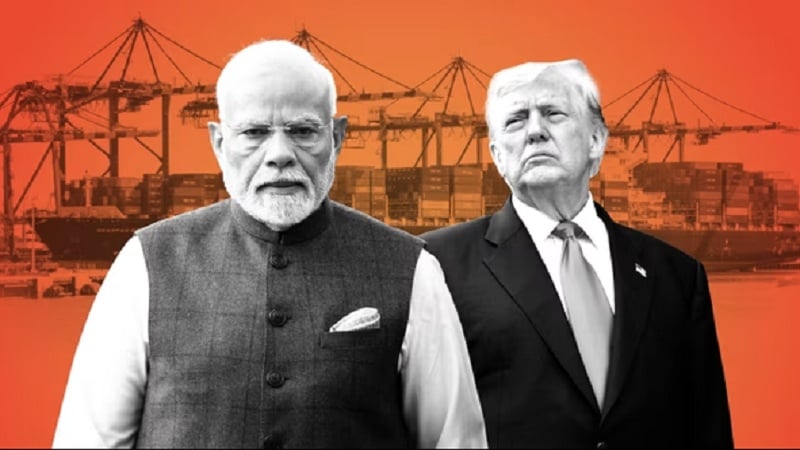
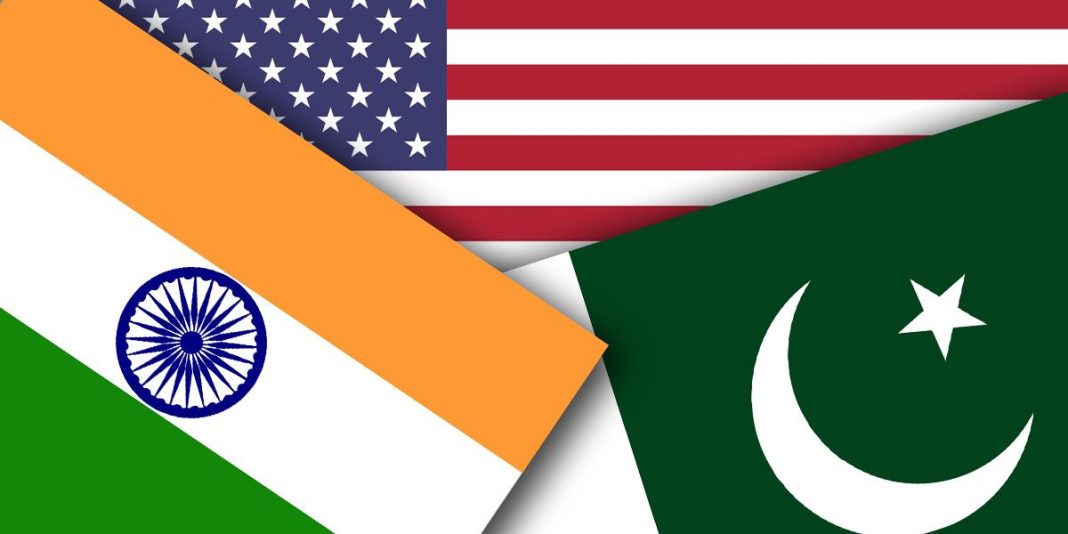
Strategic Council Online- Interview: An analyst of subcontinent affairs stated: Chabahar has become the focal point of the intersection of India and America’s competition and cooperation; a place where diplomacy, economy, and geopolitics intertwine.
Strategic Council Online – Interview: A senior analyst on South Asian affairs stated that China’s grand military parade on September 3, 2025, was not merely a display of power; instead, it will mark the beginning of a new chapter in global geopolitical equations. The simultaneous presence of the leaders of China, Russia, and North Korea before the cameras, especially against the backdrop of Beijing’s “nuclear strategic triangle” unveiling, sent a clear message to Washington and its allies that the past unipolar order is collapsing and the world is moving toward multipolarity. China’s new land-based, sea-based, and air-launched missile systems have elevated its nuclear deterrent capability to an unprecedented level, and the sharp reactions from the United States—from Donald Trump’s sarcastic remarks to the Pentagon’s alert—indicate that Washington views these developments as a strategic threat. Many analysts believe that this event, beyond its military dimension, symbolizes the formation of new alliances among Eastern powers against the West. Simultaneously, the arms race and diplomatic pressures in the Asia-Pacific region have accelerated, and security equations in Taiwan and beyond have entered a new phase. It seems that the Beijing parade was not just a military ceremony but the beginning of an era in which the redefinition of power in the twenty-first century will accelerate.
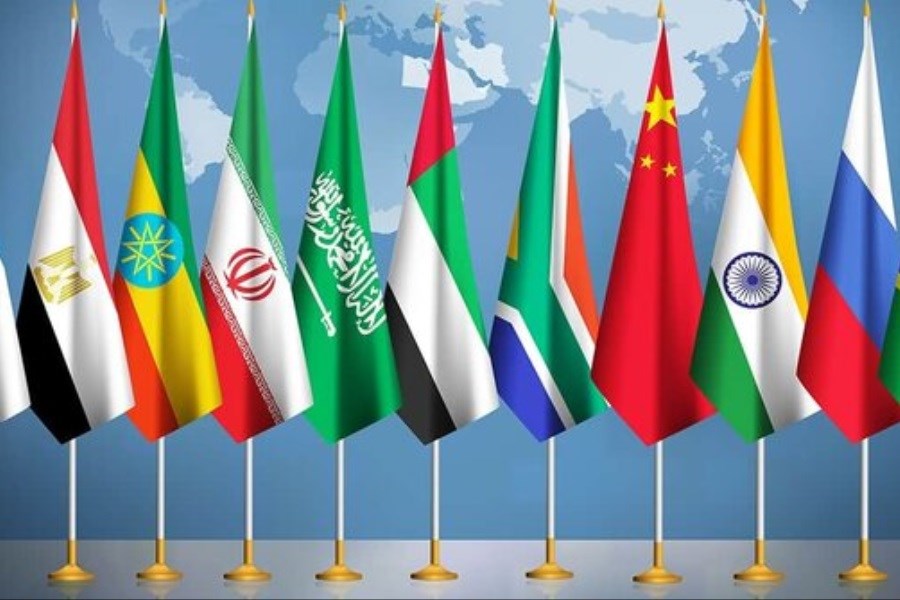
Strategic Council Online – Interview: An international affairs analyst stated that the contemporary world is transitioning toward a multipolar order in which major powers such as the United States, China, and Russia are engaged in a complex competition to preserve or expand their global influence. In this context, Iran, as a key player in the region and the Islamic world with significant strategic capabilities—including membership in BRICS and the Shanghai Cooperation Organization (SCO)—can leverage these developments to strengthen its position.
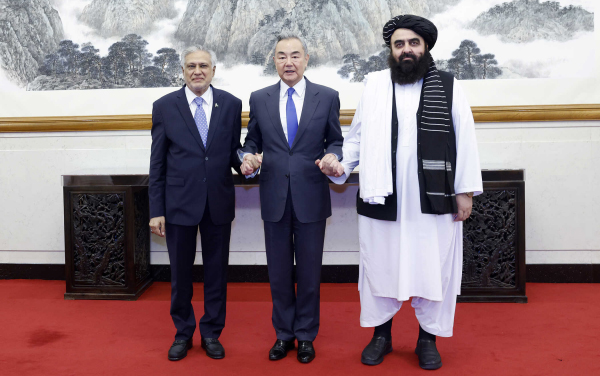
Strategic Council Online– Interview: A senior analyst on South Asian affairs stated that after a period of escalating tensions, which led to the mass expulsion of Afghan refugees from Pakistan and a downgrade in diplomatic relations between Islamabad and Kabul, the two sides have strategically resumed relations at the ambassador level. This development, which followed high-level consultations and coincided with an informal trilateral meeting of the foreign ministers of Pakistan, Afghanistan, and China in Beijing, signals a shared willingness to rebuild trust and deepen security and economic cooperation. This diplomatic shift must be understood as the result of intersecting security, economic, and geopolitical factors.
Strategic Council Online – Opinion: The U.S. stance on the tensions between Islamabad and New Delhi was based on urging restraint from both sides, as the United States fears Pakistan may grow closer to China and act as a strategic pivot in anti-American equations.
Strategic Council Online – Interview: An expert on international issues said: Although the tensions and war of words between North Korea and South Korea over garbage balloons are not serious, they are important because they occur in the context of a historical and long-term tension.
Strategic Council Online – Interview: A researcher on subcontinental affairs says that the United Nations is looking for a mechanism with a so-called aim of “recognition of the Taliban” to prevent the movement from its extreme behavior. The international view is that by attracting the Taliban, more effective steps can be taken to achieve the target.
Strategic Council Online – Interview: An expert on Afghanistan affairs commenting on Taliban’s instruction on banning higher education for the girls, which should be condemned, and its consequences said: The previous constitution of Afghanistan, that is to say before the Taliban, which was a modern constitution, granted civil and many rights to Afghan citizens; including education, employment and even women’s political activities.
Strategic Council Online – Interview: A university professor saying that Iran could be the third most influential country in the Shanghai Cooperation Organization after China and Russia, said: Iran’s membership in that organization alone is not enough for the achievement of Tehran’s goals and some factors must be taken into account and at the same time movements should be put on the agenda.
Strategic Council Online: The biggest challenge facing Afghan peace talks in Moscow and Doha at present is that the Taliban believe the Afghan government is a puppet state and has no legitimacy.
Nozar Shafiei – Expert on Subcontinent Affairs
SCFR Online – Opinion: Great power competition is now pursued more in trade, currency, technology, and global supply chains than on the battlefields of military confrontation.
Strategic Council Online – Note: By disregarding Iran’s deterrence capabilities and political economy leverage in the Strait of Hormuz, Washington has reached a strategic deadlock from which military means are unable to extricate it.
SCFR Online – Opinion: Foreign policy analysis is valid when it evaluates decisions based on the information and circumstances prevailing at the time they were made, not on the basis of outcomes that only become apparent after the crisis has ended.
SCFR Online-Opinion: Sanctions are gradually transforming from classical financial instruments into complex mechanisms for the containment of technology, data, and global supply chains.
SCFR Online – Opinion: Emmanuel Macron’s visit to Damascus is an attempt to redefine France’s role in Syria following the recent political developments in that country; an effort pursued within the context of great power competition and the country’s security challenges.
Strategic Council Online – Note: Middle powers such as India, Turkey, Australia, and some Persian Gulf countries are no longer marginal actors, but are redefining global power equations through balancing diplomacy.
Strategic Council Online – Note: In today’s global politics, the creation of narratives has become as important as territorial control and economic management, and has turned into the main tool of great power competition.
Strategic Council Online – Note: Hamas’s handing over the civilian management in Gaza is assessed as an attempt to reduce political pressures, facilitate reconstruction, and preserve the status of resistance in the future equations of Palestine.
Strategic Council Online- Interview: An analyst of subcontinent affairs stated: Chabahar has become the focal point of the intersection of India and America’s competition and cooperation; a place where diplomacy, economy, and geopolitics intertwine.
Strategic Council Online – Interview: A senior analyst on South Asian affairs stated that China’s grand military parade on September 3, 2025, was not merely a display of power; instead, it will mark the beginning of a new chapter in global geopolitical equations. The simultaneous presence of the leaders of China, Russia, and North Korea before the cameras, especially against the backdrop of Beijing’s “nuclear strategic triangle” unveiling, sent a clear message to Washington and its allies that the past unipolar order is collapsing and the world is moving toward multipolarity. China’s new land-based, sea-based, and air-launched missile systems have elevated its nuclear deterrent capability to an unprecedented level, and the sharp reactions from the United States—from Donald Trump’s sarcastic remarks to the Pentagon’s alert—indicate that Washington views these developments as a strategic threat. Many analysts believe that this event, beyond its military dimension, symbolizes the formation of new alliances among Eastern powers against the West. Simultaneously, the arms race and diplomatic pressures in the Asia-Pacific region have accelerated, and security equations in Taiwan and beyond have entered a new phase. It seems that the Beijing parade was not just a military ceremony but the beginning of an era in which the redefinition of power in the twenty-first century will accelerate.
Strategic Council Online – Interview: An international affairs analyst stated that the contemporary world is transitioning toward a multipolar order in which major powers such as the United States, China, and Russia are engaged in a complex competition to preserve or expand their global influence. In this context, Iran, as a key player in the region and the Islamic world with significant strategic capabilities—including membership in BRICS and the Shanghai Cooperation Organization (SCO)—can leverage these developments to strengthen its position.
Strategic Council Online– Interview: A senior analyst on South Asian affairs stated that after a period of escalating tensions, which led to the mass expulsion of Afghan refugees from Pakistan and a downgrade in diplomatic relations between Islamabad and Kabul, the two sides have strategically resumed relations at the ambassador level. This development, which followed high-level consultations and coincided with an informal trilateral meeting of the foreign ministers of Pakistan, Afghanistan, and China in Beijing, signals a shared willingness to rebuild trust and deepen security and economic cooperation. This diplomatic shift must be understood as the result of intersecting security, economic, and geopolitical factors.
Strategic Council Online – Opinion: The U.S. stance on the tensions between Islamabad and New Delhi was based on urging restraint from both sides, as the United States fears Pakistan may grow closer to China and act as a strategic pivot in anti-American equations.
Strategic Council Online – Interview: An expert on international issues said: Although the tensions and war of words between North Korea and South Korea over garbage balloons are not serious, they are important because they occur in the context of a historical and long-term tension.
Strategic Council Online – Interview: A researcher on subcontinental affairs says that the United Nations is looking for a mechanism with a so-called aim of “recognition of the Taliban” to prevent the movement from its extreme behavior. The international view is that by attracting the Taliban, more effective steps can be taken to achieve the target.
Strategic Council Online – Interview: An expert on Afghanistan affairs commenting on Taliban’s instruction on banning higher education for the girls, which should be condemned, and its consequences said: The previous constitution of Afghanistan, that is to say before the Taliban, which was a modern constitution, granted civil and many rights to Afghan citizens; including education, employment and even women’s political activities.
Strategic Council Online – Interview: A university professor saying that Iran could be the third most influential country in the Shanghai Cooperation Organization after China and Russia, said: Iran’s membership in that organization alone is not enough for the achievement of Tehran’s goals and some factors must be taken into account and at the same time movements should be put on the agenda.
Strategic Council Online: The biggest challenge facing Afghan peace talks in Moscow and Doha at present is that the Taliban believe the Afghan government is a puppet state and has no legitimacy.
Nozar Shafiei – Expert on Subcontinent Affairs
Strategic Council Online- Interview: An analyst of subcontinent affairs stated: Chabahar has become the focal point of the intersection of India and America’s competition and cooperation; a place where diplomacy, economy, and geopolitics intertwine.
Strategic Council Online – Interview: A senior analyst on South Asian affairs stated that China’s grand military parade on September 3, 2025, was not merely a display of power; instead, it will mark the beginning of a new chapter in global geopolitical equations. The simultaneous presence of the leaders of China, Russia, and North Korea before the cameras, especially against the backdrop of Beijing’s “nuclear strategic triangle” unveiling, sent a clear message to Washington and its allies that the past unipolar order is collapsing and the world is moving toward multipolarity. China’s new land-based, sea-based, and air-launched missile systems have elevated its nuclear deterrent capability to an unprecedented level, and the sharp reactions from the United States—from Donald Trump’s sarcastic remarks to the Pentagon’s alert—indicate that Washington views these developments as a strategic threat. Many analysts believe that this event, beyond its military dimension, symbolizes the formation of new alliances among Eastern powers against the West. Simultaneously, the arms race and diplomatic pressures in the Asia-Pacific region have accelerated, and security equations in Taiwan and beyond have entered a new phase. It seems that the Beijing parade was not just a military ceremony but the beginning of an era in which the redefinition of power in the twenty-first century will accelerate.
Strategic Council Online – Interview: An international affairs analyst stated that the contemporary world is transitioning toward a multipolar order in which major powers such as the United States, China, and Russia are engaged in a complex competition to preserve or expand their global influence. In this context, Iran, as a key player in the region and the Islamic world with significant strategic capabilities—including membership in BRICS and the Shanghai Cooperation Organization (SCO)—can leverage these developments to strengthen its position.
Strategic Council Online– Interview: A senior analyst on South Asian affairs stated that after a period of escalating tensions, which led to the mass expulsion of Afghan refugees from Pakistan and a downgrade in diplomatic relations between Islamabad and Kabul, the two sides have strategically resumed relations at the ambassador level. This development, which followed high-level consultations and coincided with an informal trilateral meeting of the foreign ministers of Pakistan, Afghanistan, and China in Beijing, signals a shared willingness to rebuild trust and deepen security and economic cooperation. This diplomatic shift must be understood as the result of intersecting security, economic, and geopolitical factors.
Strategic Council Online – Opinion: The U.S. stance on the tensions between Islamabad and New Delhi was based on urging restraint from both sides, as the United States fears Pakistan may grow closer to China and act as a strategic pivot in anti-American equations.
Strategic Council Online – Interview: An expert on international issues said: Although the tensions and war of words between North Korea and South Korea over garbage balloons are not serious, they are important because they occur in the context of a historical and long-term tension.
Strategic Council Online – Interview: A researcher on subcontinental affairs says that the United Nations is looking for a mechanism with a so-called aim of “recognition of the Taliban” to prevent the movement from its extreme behavior. The international view is that by attracting the Taliban, more effective steps can be taken to achieve the target.
Strategic Council Online – Interview: An expert on Afghanistan affairs commenting on Taliban’s instruction on banning higher education for the girls, which should be condemned, and its consequences said: The previous constitution of Afghanistan, that is to say before the Taliban, which was a modern constitution, granted civil and many rights to Afghan citizens; including education, employment and even women’s political activities.
Strategic Council Online – Interview: A university professor saying that Iran could be the third most influential country in the Shanghai Cooperation Organization after China and Russia, said: Iran’s membership in that organization alone is not enough for the achievement of Tehran’s goals and some factors must be taken into account and at the same time movements should be put on the agenda.
Strategic Council Online: The biggest challenge facing Afghan peace talks in Moscow and Doha at present is that the Taliban believe the Afghan government is a puppet state and has no legitimacy.
Nozar Shafiei – Expert on Subcontinent Affairs
SCFR Online – Opinion: Great power competition is now pursued more in trade, currency, technology, and global supply chains than on the battlefields of military confrontation.
Strategic Council Online – Note: By disregarding Iran’s deterrence capabilities and political economy leverage in the Strait of Hormuz, Washington has reached a strategic deadlock from which military means are unable to extricate it.
SCFR Online – Opinion: Foreign policy analysis is valid when it evaluates decisions based on the information and circumstances prevailing at the time they were made, not on the basis of outcomes that only become apparent after the crisis has ended.
SCFR Online-Opinion: Sanctions are gradually transforming from classical financial instruments into complex mechanisms for the containment of technology, data, and global supply chains.
SCFR Online – Opinion: Emmanuel Macron’s visit to Damascus is an attempt to redefine France’s role in Syria following the recent political developments in that country; an effort pursued within the context of great power competition and the country’s security challenges.
Strategic Council Online – Note: Middle powers such as India, Turkey, Australia, and some Persian Gulf countries are no longer marginal actors, but are redefining global power equations through balancing diplomacy.
Strategic Council Online – Note: In today’s global politics, the creation of narratives has become as important as territorial control and economic management, and has turned into the main tool of great power competition.
Strategic Council Online – Note: Hamas’s handing over the civilian management in Gaza is assessed as an attempt to reduce political pressures, facilitate reconstruction, and preserve the status of resistance in the future equations of Palestine.
Strategic Council Online- Interview: An analyst of subcontinent affairs stated: Chabahar has become the focal point of the intersection of India and America’s competition and cooperation; a place where diplomacy, economy, and geopolitics intertwine.
Strategic Council Online – Interview: A senior analyst on South Asian affairs stated that China’s grand military parade on September 3, 2025, was not merely a display of power; instead, it will mark the beginning of a new chapter in global geopolitical equations. The simultaneous presence of the leaders of China, Russia, and North Korea before the cameras, especially against the backdrop of Beijing’s “nuclear strategic triangle” unveiling, sent a clear message to Washington and its allies that the past unipolar order is collapsing and the world is moving toward multipolarity. China’s new land-based, sea-based, and air-launched missile systems have elevated its nuclear deterrent capability to an unprecedented level, and the sharp reactions from the United States—from Donald Trump’s sarcastic remarks to the Pentagon’s alert—indicate that Washington views these developments as a strategic threat. Many analysts believe that this event, beyond its military dimension, symbolizes the formation of new alliances among Eastern powers against the West. Simultaneously, the arms race and diplomatic pressures in the Asia-Pacific region have accelerated, and security equations in Taiwan and beyond have entered a new phase. It seems that the Beijing parade was not just a military ceremony but the beginning of an era in which the redefinition of power in the twenty-first century will accelerate.
Strategic Council Online – Interview: An international affairs analyst stated that the contemporary world is transitioning toward a multipolar order in which major powers such as the United States, China, and Russia are engaged in a complex competition to preserve or expand their global influence. In this context, Iran, as a key player in the region and the Islamic world with significant strategic capabilities—including membership in BRICS and the Shanghai Cooperation Organization (SCO)—can leverage these developments to strengthen its position.
Strategic Council Online– Interview: A senior analyst on South Asian affairs stated that after a period of escalating tensions, which led to the mass expulsion of Afghan refugees from Pakistan and a downgrade in diplomatic relations between Islamabad and Kabul, the two sides have strategically resumed relations at the ambassador level. This development, which followed high-level consultations and coincided with an informal trilateral meeting of the foreign ministers of Pakistan, Afghanistan, and China in Beijing, signals a shared willingness to rebuild trust and deepen security and economic cooperation. This diplomatic shift must be understood as the result of intersecting security, economic, and geopolitical factors.
Strategic Council Online – Opinion: The U.S. stance on the tensions between Islamabad and New Delhi was based on urging restraint from both sides, as the United States fears Pakistan may grow closer to China and act as a strategic pivot in anti-American equations.
Strategic Council Online – Interview: An expert on international issues said: Although the tensions and war of words between North Korea and South Korea over garbage balloons are not serious, they are important because they occur in the context of a historical and long-term tension.
Strategic Council Online – Interview: A researcher on subcontinental affairs says that the United Nations is looking for a mechanism with a so-called aim of “recognition of the Taliban” to prevent the movement from its extreme behavior. The international view is that by attracting the Taliban, more effective steps can be taken to achieve the target.
Strategic Council Online – Interview: An expert on Afghanistan affairs commenting on Taliban’s instruction on banning higher education for the girls, which should be condemned, and its consequences said: The previous constitution of Afghanistan, that is to say before the Taliban, which was a modern constitution, granted civil and many rights to Afghan citizens; including education, employment and even women’s political activities.
Strategic Council Online – Interview: A university professor saying that Iran could be the third most influential country in the Shanghai Cooperation Organization after China and Russia, said: Iran’s membership in that organization alone is not enough for the achievement of Tehran’s goals and some factors must be taken into account and at the same time movements should be put on the agenda.
Strategic Council Online: The biggest challenge facing Afghan peace talks in Moscow and Doha at present is that the Taliban believe the Afghan government is a puppet state and has no legitimacy.
Nozar Shafiei – Expert on Subcontinent Affairs
SCFR Online – Opinion: Great power competition is now pursued more in trade, currency, technology, and global supply chains than on the battlefields of military confrontation.
Strategic Council Online – Note: By disregarding Iran’s deterrence capabilities and political economy leverage in the Strait of Hormuz, Washington has reached a strategic deadlock from which military means are unable to extricate it.
SCFR Online – Opinion: Foreign policy analysis is valid when it evaluates decisions based on the information and circumstances prevailing at the time they were made, not on the basis of outcomes that only become apparent after the crisis has ended.
SCFR Online-Opinion: Sanctions are gradually transforming from classical financial instruments into complex mechanisms for the containment of technology, data, and global supply chains.
SCFR Online – Opinion: Emmanuel Macron’s visit to Damascus is an attempt to redefine France’s role in Syria following the recent political developments in that country; an effort pursued within the context of great power competition and the country’s security challenges.
Strategic Council Online – Note: Middle powers such as India, Turkey, Australia, and some Persian Gulf countries are no longer marginal actors, but are redefining global power equations through balancing diplomacy.
Strategic Council Online – Note: In today’s global politics, the creation of narratives has become as important as territorial control and economic management, and has turned into the main tool of great power competition.
Strategic Council Online – Note: Hamas’s handing over the civilian management in Gaza is assessed as an attempt to reduce political pressures, facilitate reconstruction, and preserve the status of resistance in the future equations of Palestine.
Strategic Council Online- Interview: An analyst of subcontinent affairs stated: Chabahar has become the focal point of the intersection of India and America’s competition and cooperation; a place where diplomacy, economy, and geopolitics intertwine.
Strategic Council Online – Interview: A senior analyst on South Asian affairs stated that China’s grand military parade on September 3, 2025, was not merely a display of power; instead, it will mark the beginning of a new chapter in global geopolitical equations. The simultaneous presence of the leaders of China, Russia, and North Korea before the cameras, especially against the backdrop of Beijing’s “nuclear strategic triangle” unveiling, sent a clear message to Washington and its allies that the past unipolar order is collapsing and the world is moving toward multipolarity. China’s new land-based, sea-based, and air-launched missile systems have elevated its nuclear deterrent capability to an unprecedented level, and the sharp reactions from the United States—from Donald Trump’s sarcastic remarks to the Pentagon’s alert—indicate that Washington views these developments as a strategic threat. Many analysts believe that this event, beyond its military dimension, symbolizes the formation of new alliances among Eastern powers against the West. Simultaneously, the arms race and diplomatic pressures in the Asia-Pacific region have accelerated, and security equations in Taiwan and beyond have entered a new phase. It seems that the Beijing parade was not just a military ceremony but the beginning of an era in which the redefinition of power in the twenty-first century will accelerate.
Strategic Council Online – Interview: An international affairs analyst stated that the contemporary world is transitioning toward a multipolar order in which major powers such as the United States, China, and Russia are engaged in a complex competition to preserve or expand their global influence. In this context, Iran, as a key player in the region and the Islamic world with significant strategic capabilities—including membership in BRICS and the Shanghai Cooperation Organization (SCO)—can leverage these developments to strengthen its position.
Strategic Council Online– Interview: A senior analyst on South Asian affairs stated that after a period of escalating tensions, which led to the mass expulsion of Afghan refugees from Pakistan and a downgrade in diplomatic relations between Islamabad and Kabul, the two sides have strategically resumed relations at the ambassador level. This development, which followed high-level consultations and coincided with an informal trilateral meeting of the foreign ministers of Pakistan, Afghanistan, and China in Beijing, signals a shared willingness to rebuild trust and deepen security and economic cooperation. This diplomatic shift must be understood as the result of intersecting security, economic, and geopolitical factors.
Strategic Council Online – Opinion: The U.S. stance on the tensions between Islamabad and New Delhi was based on urging restraint from both sides, as the United States fears Pakistan may grow closer to China and act as a strategic pivot in anti-American equations.
Strategic Council Online – Interview: An expert on international issues said: Although the tensions and war of words between North Korea and South Korea over garbage balloons are not serious, they are important because they occur in the context of a historical and long-term tension.
Strategic Council Online – Interview: A researcher on subcontinental affairs says that the United Nations is looking for a mechanism with a so-called aim of “recognition of the Taliban” to prevent the movement from its extreme behavior. The international view is that by attracting the Taliban, more effective steps can be taken to achieve the target.
Strategic Council Online – Interview: An expert on Afghanistan affairs commenting on Taliban’s instruction on banning higher education for the girls, which should be condemned, and its consequences said: The previous constitution of Afghanistan, that is to say before the Taliban, which was a modern constitution, granted civil and many rights to Afghan citizens; including education, employment and even women’s political activities.
Strategic Council Online – Interview: A university professor saying that Iran could be the third most influential country in the Shanghai Cooperation Organization after China and Russia, said: Iran’s membership in that organization alone is not enough for the achievement of Tehran’s goals and some factors must be taken into account and at the same time movements should be put on the agenda.
Strategic Council Online: The biggest challenge facing Afghan peace talks in Moscow and Doha at present is that the Taliban believe the Afghan government is a puppet state and has no legitimacy.
Nozar Shafiei – Expert on Subcontinent Affairs
SCFR Online – Opinion: Great power competition is now pursued more in trade, currency, technology, and global supply chains than on the battlefields of military confrontation.
Strategic Council Online – Note: By disregarding Iran’s deterrence capabilities and political economy leverage in the Strait of Hormuz, Washington has reached a strategic deadlock from which military means are unable to extricate it.
SCFR Online – Opinion: Foreign policy analysis is valid when it evaluates decisions based on the information and circumstances prevailing at the time they were made, not on the basis of outcomes that only become apparent after the crisis has ended.
SCFR Online-Opinion: Sanctions are gradually transforming from classical financial instruments into complex mechanisms for the containment of technology, data, and global supply chains.
SCFR Online – Opinion: Emmanuel Macron’s visit to Damascus is an attempt to redefine France’s role in Syria following the recent political developments in that country; an effort pursued within the context of great power competition and the country’s security challenges.
Strategic Council Online – Note: Middle powers such as India, Turkey, Australia, and some Persian Gulf countries are no longer marginal actors, but are redefining global power equations through balancing diplomacy.
Strategic Council Online – Note: In today’s global politics, the creation of narratives has become as important as territorial control and economic management, and has turned into the main tool of great power competition.
Strategic Council Online – Note: Hamas’s handing over the civilian management in Gaza is assessed as an attempt to reduce political pressures, facilitate reconstruction, and preserve the status of resistance in the future equations of Palestine.
Strategic Council Online- Interview: An analyst of subcontinent affairs stated: Chabahar has become the focal point of the intersection of India and America’s competition and cooperation; a place where diplomacy, economy, and geopolitics intertwine.
Strategic Council Online – Interview: A senior analyst on South Asian affairs stated that China’s grand military parade on September 3, 2025, was not merely a display of power; instead, it will mark the beginning of a new chapter in global geopolitical equations. The simultaneous presence of the leaders of China, Russia, and North Korea before the cameras, especially against the backdrop of Beijing’s “nuclear strategic triangle” unveiling, sent a clear message to Washington and its allies that the past unipolar order is collapsing and the world is moving toward multipolarity. China’s new land-based, sea-based, and air-launched missile systems have elevated its nuclear deterrent capability to an unprecedented level, and the sharp reactions from the United States—from Donald Trump’s sarcastic remarks to the Pentagon’s alert—indicate that Washington views these developments as a strategic threat. Many analysts believe that this event, beyond its military dimension, symbolizes the formation of new alliances among Eastern powers against the West. Simultaneously, the arms race and diplomatic pressures in the Asia-Pacific region have accelerated, and security equations in Taiwan and beyond have entered a new phase. It seems that the Beijing parade was not just a military ceremony but the beginning of an era in which the redefinition of power in the twenty-first century will accelerate.
Strategic Council Online – Interview: An international affairs analyst stated that the contemporary world is transitioning toward a multipolar order in which major powers such as the United States, China, and Russia are engaged in a complex competition to preserve or expand their global influence. In this context, Iran, as a key player in the region and the Islamic world with significant strategic capabilities—including membership in BRICS and the Shanghai Cooperation Organization (SCO)—can leverage these developments to strengthen its position.
Strategic Council Online– Interview: A senior analyst on South Asian affairs stated that after a period of escalating tensions, which led to the mass expulsion of Afghan refugees from Pakistan and a downgrade in diplomatic relations between Islamabad and Kabul, the two sides have strategically resumed relations at the ambassador level. This development, which followed high-level consultations and coincided with an informal trilateral meeting of the foreign ministers of Pakistan, Afghanistan, and China in Beijing, signals a shared willingness to rebuild trust and deepen security and economic cooperation. This diplomatic shift must be understood as the result of intersecting security, economic, and geopolitical factors.
Strategic Council Online – Opinion: The U.S. stance on the tensions between Islamabad and New Delhi was based on urging restraint from both sides, as the United States fears Pakistan may grow closer to China and act as a strategic pivot in anti-American equations.
Strategic Council Online – Interview: An expert on international issues said: Although the tensions and war of words between North Korea and South Korea over garbage balloons are not serious, they are important because they occur in the context of a historical and long-term tension.
Strategic Council Online – Interview: A researcher on subcontinental affairs says that the United Nations is looking for a mechanism with a so-called aim of “recognition of the Taliban” to prevent the movement from its extreme behavior. The international view is that by attracting the Taliban, more effective steps can be taken to achieve the target.
Strategic Council Online – Interview: An expert on Afghanistan affairs commenting on Taliban’s instruction on banning higher education for the girls, which should be condemned, and its consequences said: The previous constitution of Afghanistan, that is to say before the Taliban, which was a modern constitution, granted civil and many rights to Afghan citizens; including education, employment and even women’s political activities.
Strategic Council Online – Interview: A university professor saying that Iran could be the third most influential country in the Shanghai Cooperation Organization after China and Russia, said: Iran’s membership in that organization alone is not enough for the achievement of Tehran’s goals and some factors must be taken into account and at the same time movements should be put on the agenda.
Strategic Council Online: The biggest challenge facing Afghan peace talks in Moscow and Doha at present is that the Taliban believe the Afghan government is a puppet state and has no legitimacy.
Nozar Shafiei – Expert on Subcontinent Affairs
SCFR Online – Opinion: Great power competition is now pursued more in trade, currency, technology, and global supply chains than on the battlefields of military confrontation.
Strategic Council Online – Note: By disregarding Iran’s deterrence capabilities and political economy leverage in the Strait of Hormuz, Washington has reached a strategic deadlock from which military means are unable to extricate it.
SCFR Online – Opinion: Foreign policy analysis is valid when it evaluates decisions based on the information and circumstances prevailing at the time they were made, not on the basis of outcomes that only become apparent after the crisis has ended.
SCFR Online-Opinion: Sanctions are gradually transforming from classical financial instruments into complex mechanisms for the containment of technology, data, and global supply chains.
SCFR Online – Opinion: Emmanuel Macron’s visit to Damascus is an attempt to redefine France’s role in Syria following the recent political developments in that country; an effort pursued within the context of great power competition and the country’s security challenges.
Strategic Council Online – Note: Middle powers such as India, Turkey, Australia, and some Persian Gulf countries are no longer marginal actors, but are redefining global power equations through balancing diplomacy.
Strategic Council Online – Note: In today’s global politics, the creation of narratives has become as important as territorial control and economic management, and has turned into the main tool of great power competition.
Strategic Council Online – Note: Hamas’s handing over the civilian management in Gaza is assessed as an attempt to reduce political pressures, facilitate reconstruction, and preserve the status of resistance in the future equations of Palestine.
Strategic Council Online- Interview: An analyst of subcontinent affairs stated: Chabahar has become the focal point of the intersection of India and America’s competition and cooperation; a place where diplomacy, economy, and geopolitics intertwine.
Strategic Council Online – Interview: A senior analyst on South Asian affairs stated that China’s grand military parade on September 3, 2025, was not merely a display of power; instead, it will mark the beginning of a new chapter in global geopolitical equations. The simultaneous presence of the leaders of China, Russia, and North Korea before the cameras, especially against the backdrop of Beijing’s “nuclear strategic triangle” unveiling, sent a clear message to Washington and its allies that the past unipolar order is collapsing and the world is moving toward multipolarity. China’s new land-based, sea-based, and air-launched missile systems have elevated its nuclear deterrent capability to an unprecedented level, and the sharp reactions from the United States—from Donald Trump’s sarcastic remarks to the Pentagon’s alert—indicate that Washington views these developments as a strategic threat. Many analysts believe that this event, beyond its military dimension, symbolizes the formation of new alliances among Eastern powers against the West. Simultaneously, the arms race and diplomatic pressures in the Asia-Pacific region have accelerated, and security equations in Taiwan and beyond have entered a new phase. It seems that the Beijing parade was not just a military ceremony but the beginning of an era in which the redefinition of power in the twenty-first century will accelerate.
Strategic Council Online – Interview: An international affairs analyst stated that the contemporary world is transitioning toward a multipolar order in which major powers such as the United States, China, and Russia are engaged in a complex competition to preserve or expand their global influence. In this context, Iran, as a key player in the region and the Islamic world with significant strategic capabilities—including membership in BRICS and the Shanghai Cooperation Organization (SCO)—can leverage these developments to strengthen its position.
Strategic Council Online– Interview: A senior analyst on South Asian affairs stated that after a period of escalating tensions, which led to the mass expulsion of Afghan refugees from Pakistan and a downgrade in diplomatic relations between Islamabad and Kabul, the two sides have strategically resumed relations at the ambassador level. This development, which followed high-level consultations and coincided with an informal trilateral meeting of the foreign ministers of Pakistan, Afghanistan, and China in Beijing, signals a shared willingness to rebuild trust and deepen security and economic cooperation. This diplomatic shift must be understood as the result of intersecting security, economic, and geopolitical factors.
Strategic Council Online – Opinion: The U.S. stance on the tensions between Islamabad and New Delhi was based on urging restraint from both sides, as the United States fears Pakistan may grow closer to China and act as a strategic pivot in anti-American equations.
Strategic Council Online – Interview: An expert on international issues said: Although the tensions and war of words between North Korea and South Korea over garbage balloons are not serious, they are important because they occur in the context of a historical and long-term tension.
Strategic Council Online – Interview: A researcher on subcontinental affairs says that the United Nations is looking for a mechanism with a so-called aim of “recognition of the Taliban” to prevent the movement from its extreme behavior. The international view is that by attracting the Taliban, more effective steps can be taken to achieve the target.
Strategic Council Online – Interview: An expert on Afghanistan affairs commenting on Taliban’s instruction on banning higher education for the girls, which should be condemned, and its consequences said: The previous constitution of Afghanistan, that is to say before the Taliban, which was a modern constitution, granted civil and many rights to Afghan citizens; including education, employment and even women’s political activities.
Strategic Council Online – Interview: A university professor saying that Iran could be the third most influential country in the Shanghai Cooperation Organization after China and Russia, said: Iran’s membership in that organization alone is not enough for the achievement of Tehran’s goals and some factors must be taken into account and at the same time movements should be put on the agenda.
Strategic Council Online: The biggest challenge facing Afghan peace talks in Moscow and Doha at present is that the Taliban believe the Afghan government is a puppet state and has no legitimacy.
Nozar Shafiei – Expert on Subcontinent Affairs
SCFR Online – Opinion: Great power competition is now pursued more in trade, currency, technology, and global supply chains than on the battlefields of military confrontation.
Strategic Council Online – Note: By disregarding Iran’s deterrence capabilities and political economy leverage in the Strait of Hormuz, Washington has reached a strategic deadlock from which military means are unable to extricate it.
SCFR Online – Opinion: Foreign policy analysis is valid when it evaluates decisions based on the information and circumstances prevailing at the time they were made, not on the basis of outcomes that only become apparent after the crisis has ended.
SCFR Online-Opinion: Sanctions are gradually transforming from classical financial instruments into complex mechanisms for the containment of technology, data, and global supply chains.
SCFR Online – Opinion: Emmanuel Macron’s visit to Damascus is an attempt to redefine France’s role in Syria following the recent political developments in that country; an effort pursued within the context of great power competition and the country’s security challenges.
Strategic Council Online – Note: Middle powers such as India, Turkey, Australia, and some Persian Gulf countries are no longer marginal actors, but are redefining global power equations through balancing diplomacy.
Strategic Council Online – Note: In today’s global politics, the creation of narratives has become as important as territorial control and economic management, and has turned into the main tool of great power competition.
Strategic Council Online – Note: Hamas’s handing over the civilian management in Gaza is assessed as an attempt to reduce political pressures, facilitate reconstruction, and preserve the status of resistance in the future equations of Palestine.