Iran’s Role in the New World Order

2025/07/16 | interview, Politics, Top News

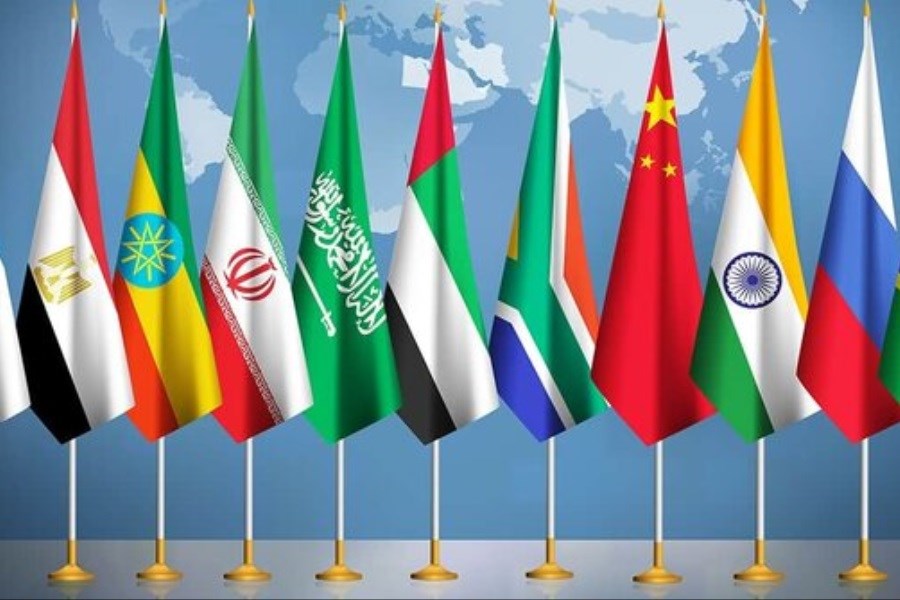
Strategic Council Online – Interview: An international affairs analyst stated that the contemporary world is transitioning toward a multipolar order in which major powers such as the United States, China, and Russia are engaged in a complex competition to preserve or expand their global influence. In this context, Iran, as a key player in the region and the Islamic world with significant strategic capabilities—including membership in BRICS and the Shanghai Cooperation Organization (SCO)—can leverage these developments to strengthen its position.

Multipolar Order and America’s Efforts to Maintain Dominance
Nozar Shafiei, in an interview with the Foreign Relations Strategic Council website, stated: “The emerging multipolar world is the result of various countries striving to gain power in response to the United States’ efforts to maintain its hegemony. In this regard, measures such as sanctions, economic pressure, and even military actions by the U.S. against countries like Iran are part of its strategy to solidify its global dominance. However, these efforts have faced resistance from other actors. Countries like China, which seek to increase their power, and regional and transregional institutions such as BRICS and the SCO, which are creating friction with the U.S., have intensified this conflict. This confrontation provides Iran with an opportunity to strengthen its position by exploiting the existing gaps in the international system.”
This senior international affairs analyst emphasized that “groups like BRICS are not seeking to dismantle the liberal international order but rather to reform it. This reform includes revising decision-making mechanisms in institutions like the World Bank and the International Monetary Fund (IMF), which currently operate in favor of the U.S.”
According to him, “BRICS, through initiatives such as establishing the New Development Bank and promoting financial transactions in national currencies, aims to reduce the dominance of the dollar and create a fairer order. Within this framework, Iran can benefit economically and politically by actively participating in these institutions.”
Iran’s Membership in BRICS and the SCO
Iran’s membership in agreements such as BRICS and the SCO is a significant step toward enhancing its international standing. However, Shafiei noted that “while these memberships provide the necessary conditions for benefiting from multilateral institutions, they are not sufficient. For example, Iran was a founding member of the Economic Cooperation Organization (ECO) and is now a member of BRICS and the SCO. Still, limitations such as international sanctions and issues related to the Financial Action Task Force (FATF) have prevented Iran from fully capitalizing on these memberships.”
From this academic’s perspective, “other countries like Saudi Arabia, which face no similar restrictions, can fully benefit from BRICS, while Iran, due to structural challenges in the international financial and trade system, has been deprived of these opportunities.”
He further stressed: “Many BRICS members still prioritize their national interests over the collective interests of the group, which could pose challenges for Iran.”
In this regard, Shafiei suggested that “for Iran to leverage BRICS effectively, it must address both internal and external obstacles. This could include reforming economic policies to align with international standards, strengthening economic diplomacy, and establishing mechanisms to reduce dependence on the Western-dominated financial system.”
However, the senior international affairs analyst cautioned that “BRICS is still in its early stages of development, and one should not expect immediate or widespread impacts from it. Moving in this direction is a step in the right direction, but it requires patience and strategic planning.”
Iran’s Role in Shaping a Just Global Order
The university professor further stated: “With its exceptional geopolitical position, abundant energy resources, and educated population, Iran has significant potential to play a role in the new world order. Therefore, Tehran can leverage the competition among major powers such as China and the U.S. or tensions between Russia and Europe to its advantage. However, this requires a fundamental reassessment of certain policies and approaches.”
In a critical assessment, Shafiei pointed out that *”experiences such as the 12-day imposed war (referring to the 2021 Gaza conflict) demonstrated that many countries are unwilling to offer practical support to Iran against the aggressions of the Zionist regime. This situation highlights the need for Iran to diversify its foreign policy.”* Hence, he emphasized: “Iran must move toward stable and multilateral relations with all countries across all continents.”
He also highlighted the importance of domestic reforms, stating: “For Iran to become a rational and balanced power in the international arena, it must strengthen its economic, political, and social infrastructures. This includes improving macro-level decision-making, enhancing transparency, and adopting a cohesive and interest-driven foreign policy. Without these reforms, even membership in institutions like BRICS and the SCO will not fully enhance Iran’s standing.”
Leveraging Great Power Competition
Shafiei stressed that “the competition among major powers presents a strategic opportunity for Iran to increase its influence through diplomatic, economic, and geopolitical leverage. Therefore, Iran must utilize its strategic geographical position and energy resources to negotiate in global equations. For example, Tehran can play a more active role in projects like the Belt and Road Initiative by strengthening economic ties with China and Russia, its key partners in BRICS.”
Despite this, the professor noted that “Iran must learn from past experiences and use opportunities arising from global competition to form new alliances and diversify its partnerships.”
In conclusion, the analyst stated: “The multipolar world, with all its complexities, presents an opportunity for Iran to play a more active role in shaping a fairer order by leveraging its strategic capacities. This path requires long-term planning, smart diplomacy, and structural reforms to secure Iran’s rightful place in the new world order.”


0 Comments

LATEST CONTENT

Consequences of Declining Trust in the Judiciary in Europe

SCFRonline – Opinion: The increase in public distrust of the French judicial system, which in recent surveys has reached approximately two-thirds of citizens, should be analyzed within a framework broader than temporary dissatisfaction or an emotional reaction to a particular criminal case.

Iran’s Potential Levers of Power

SCFRonline– Opinion: Iran’s geopolitical power is not limited solely to oil and the Strait of Hormuz; the unintended emergence of disruptions in the future global food and energy security chains can also demonstrate Iran’s strategic importance.

The Inseparability of the Lebanese Front from the Axis of Resistance

SCFR Online–Opinion: By providing an extensive network of social, healthcare, educational, and post-war reconstruction services, Hezbollah has established a strong social base for itself among Lebanon’s Shiites and Sunnis, and even beyond that, among other segments of Lebanese society, including Christians. Hezbollah has never been an external actor imposed upon Lebanon; rather, it is a phenomenon fundamentally born out of the occupation and crimes of the Zionist regime and itself influenced by popular resistance.

The Increasing Efforts of the Zionist Regime to Redefine Borders and the Regional Order and Its Consequences

SCFR Online– Opinion: Security and military developments in the region over recent months indicate that the ongoing crises and wars in Gaza, southern Lebanon, and parts of Syrian territory encompass broader dimensions of geopolitical and geostrategic transformations. In this context, the increased military presence and control of the Zionist regime over parts of the territories of these areas, along with proposals regarding the creation of buffer zones or even the expansion of security borders, have raised serious questions about the future of the regional order and its consequences for the countries of West Asia.

Loading

Últimas publicaciones

Consequences of Declining Trust in the Judiciary in Europe

SCFRonline – Opinion: The increase in public distrust of the French judicial system, which in recent surveys has reached approximately two-thirds of citizens, should be analyzed within a framework broader than temporary dissatisfaction or an emotional reaction to a particular criminal case.

Iran’s Potential Levers of Power

SCFRonline– Opinion: Iran’s geopolitical power is not limited solely to oil and the Strait of Hormuz; the unintended emergence of disruptions in the future global food and energy security chains can also demonstrate Iran’s strategic importance.

The Inseparability of the Lebanese Front from the Axis of Resistance

SCFR Online–Opinion: By providing an extensive network of social, healthcare, educational, and post-war reconstruction services, Hezbollah has established a strong social base for itself among Lebanon’s Shiites and Sunnis, and even beyond that, among other segments of Lebanese society, including Christians. Hezbollah has never been an external actor imposed upon Lebanon; rather, it is a phenomenon fundamentally born out of the occupation and crimes of the Zionist regime and itself influenced by popular resistance.

The Increasing Efforts of the Zionist Regime to Redefine Borders and the Regional Order and Its Consequences

SCFR Online– Opinion: Security and military developments in the region over recent months indicate that the ongoing crises and wars in Gaza, southern Lebanon, and parts of Syrian territory encompass broader dimensions of geopolitical and geostrategic transformations. In this context, the increased military presence and control of the Zionist regime over parts of the territories of these areas, along with proposals regarding the creation of buffer zones or even the expansion of security borders, have raised serious questions about the future of the regional order and its consequences for the countries of West Asia.

Loading

DERNIER CONTENU

Consequences of Declining Trust in the Judiciary in Europe

SCFRonline – Opinion: The increase in public distrust of the French judicial system, which in recent surveys has reached approximately two-thirds of citizens, should be analyzed within a framework broader than temporary dissatisfaction or an emotional reaction to a particular criminal case.

Iran’s Potential Levers of Power

SCFRonline– Opinion: Iran’s geopolitical power is not limited solely to oil and the Strait of Hormuz; the unintended emergence of disruptions in the future global food and energy security chains can also demonstrate Iran’s strategic importance.

The Inseparability of the Lebanese Front from the Axis of Resistance

SCFR Online–Opinion: By providing an extensive network of social, healthcare, educational, and post-war reconstruction services, Hezbollah has established a strong social base for itself among Lebanon’s Shiites and Sunnis, and even beyond that, among other segments of Lebanese society, including Christians. Hezbollah has never been an external actor imposed upon Lebanon; rather, it is a phenomenon fundamentally born out of the occupation and crimes of the Zionist regime and itself influenced by popular resistance.

The Increasing Efforts of the Zionist Regime to Redefine Borders and the Regional Order and Its Consequences

SCFR Online– Opinion: Security and military developments in the region over recent months indicate that the ongoing crises and wars in Gaza, southern Lebanon, and parts of Syrian territory encompass broader dimensions of geopolitical and geostrategic transformations. In this context, the increased military presence and control of the Zionist regime over parts of the territories of these areas, along with proposals regarding the creation of buffer zones or even the expansion of security borders, have raised serious questions about the future of the regional order and its consequences for the countries of West Asia.

Loading

DERNIER CONTENU

Consequences of Declining Trust in the Judiciary in Europe

SCFRonline – Opinion: The increase in public distrust of the French judicial system, which in recent surveys has reached approximately two-thirds of citizens, should be analyzed within a framework broader than temporary dissatisfaction or an emotional reaction to a particular criminal case.

Iran’s Potential Levers of Power

SCFRonline– Opinion: Iran’s geopolitical power is not limited solely to oil and the Strait of Hormuz; the unintended emergence of disruptions in the future global food and energy security chains can also demonstrate Iran’s strategic importance.

The Inseparability of the Lebanese Front from the Axis of Resistance

SCFR Online–Opinion: By providing an extensive network of social, healthcare, educational, and post-war reconstruction services, Hezbollah has established a strong social base for itself among Lebanon’s Shiites and Sunnis, and even beyond that, among other segments of Lebanese society, including Christians. Hezbollah has never been an external actor imposed upon Lebanon; rather, it is a phenomenon fundamentally born out of the occupation and crimes of the Zionist regime and itself influenced by popular resistance.

The Increasing Efforts of the Zionist Regime to Redefine Borders and the Regional Order and Its Consequences

SCFR Online– Opinion: Security and military developments in the region over recent months indicate that the ongoing crises and wars in Gaza, southern Lebanon, and parts of Syrian territory encompass broader dimensions of geopolitical and geostrategic transformations. In this context, the increased military presence and control of the Zionist regime over parts of the territories of these areas, along with proposals regarding the creation of buffer zones or even the expansion of security borders, have raised serious questions about the future of the regional order and its consequences for the countries of West Asia.

Loading

DERNIER CONTENU

Consequences of Declining Trust in the Judiciary in Europe

SCFRonline – Opinion: The increase in public distrust of the French judicial system, which in recent surveys has reached approximately two-thirds of citizens, should be analyzed within a framework broader than temporary dissatisfaction or an emotional reaction to a particular criminal case.

Iran’s Potential Levers of Power

SCFRonline– Opinion: Iran’s geopolitical power is not limited solely to oil and the Strait of Hormuz; the unintended emergence of disruptions in the future global food and energy security chains can also demonstrate Iran’s strategic importance.

The Inseparability of the Lebanese Front from the Axis of Resistance

SCFR Online–Opinion: By providing an extensive network of social, healthcare, educational, and post-war reconstruction services, Hezbollah has established a strong social base for itself among Lebanon’s Shiites and Sunnis, and even beyond that, among other segments of Lebanese society, including Christians. Hezbollah has never been an external actor imposed upon Lebanon; rather, it is a phenomenon fundamentally born out of the occupation and crimes of the Zionist regime and itself influenced by popular resistance.

The Increasing Efforts of the Zionist Regime to Redefine Borders and the Regional Order and Its Consequences

SCFR Online– Opinion: Security and military developments in the region over recent months indicate that the ongoing crises and wars in Gaza, southern Lebanon, and parts of Syrian territory encompass broader dimensions of geopolitical and geostrategic transformations. In this context, the increased military presence and control of the Zionist regime over parts of the territories of these areas, along with proposals regarding the creation of buffer zones or even the expansion of security borders, have raised serious questions about the future of the regional order and its consequences for the countries of West Asia.

Loading



