جدیدترین مطالب

Iran’s Potential Levers of Power

SCFRonline– Opinion: Iran’s geopolitical power is not limited solely to oil and the Strait of Hormuz; the unintended emergence of disruptions in the future global food and energy security chains can also demonstrate Iran’s strategic importance.

The Inseparability of the Lebanese Front from the Axis of Resistance

SCFR Online–Opinion: By providing an extensive network of social, healthcare, educational, and post-war reconstruction services, Hezbollah has established a strong social base for itself among Lebanon’s Shiites and Sunnis, and even beyond that, among other segments of Lebanese society, including Christians. Hezbollah has never been an external actor imposed upon Lebanon; rather, it is a phenomenon fundamentally born out of the occupation and crimes of the Zionist regime and itself influenced by popular resistance.

The Increasing Efforts of the Zionist Regime to Redefine Borders and the Regional Order and Its Consequences

SCFR Online– Opinion: Security and military developments in the region over recent months indicate that the ongoing crises and wars in Gaza, southern Lebanon, and parts of Syrian territory encompass broader dimensions of geopolitical and geostrategic transformations. In this context, the increased military presence and control of the Zionist regime over parts of the territories of these areas, along with proposals regarding the creation of buffer zones or even the expansion of security borders, have raised serious questions about the future of the regional order and its consequences for the countries of West Asia.

The Components of Iran’s Deterrence Power

SCFR Online – Opinion: At a time when regional security equations have reached a sensitive stage under the influence of Iran’s strategic confrontation with the United States and the Zionist regime, the question of the nature of Tehran’s defensive power has gained greater significance than ever before. While Washington and Tel Aviv rely on their technological superiority, the Islamic Republic of Iran has presented a model of deterrence that extends beyond the material calculations of the world’s classical militaries. This power, rooted in the connection between “the field” and “the people,” has not only altered the balance of power in recent conflicts but has also disrupted adversaries’ calculations when confronting Iran’s strategic depth.

Loading

Nuclear deterrence

The Return of the Nuclear War Shadow: Deterrence Based on Suspicion

The Return of the Nuclear War Shadow: Deterrence Based on Suspicion

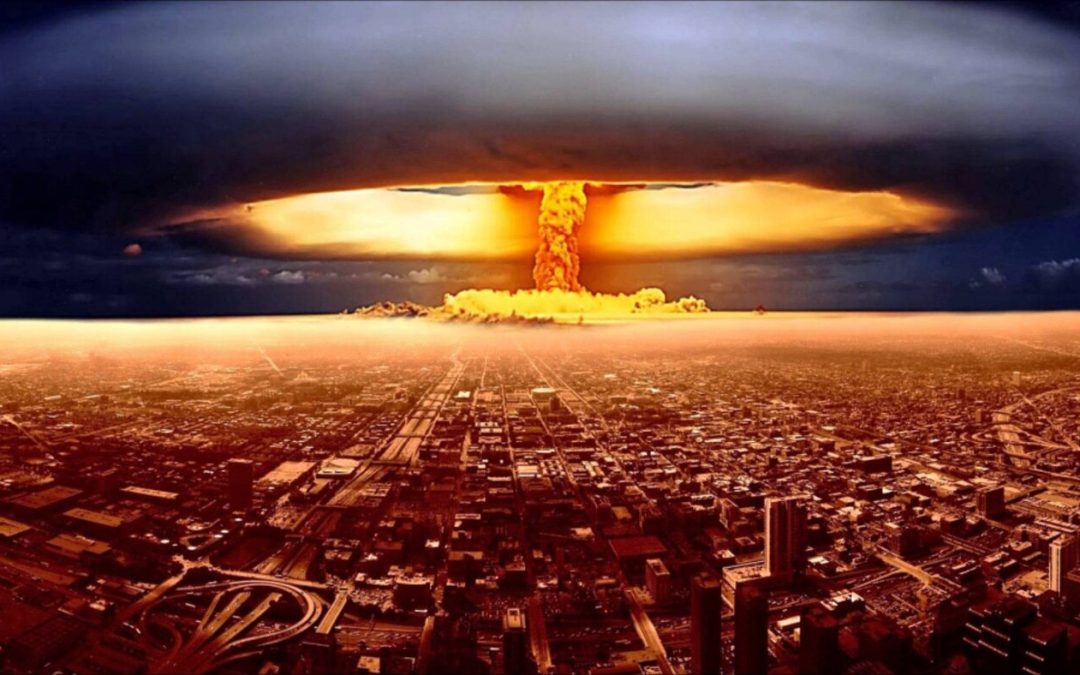
Strategic Council Online –Opinion: The international system is once again under a heavy shadow, fueled not by a nuclear explosion, but by the erosion of trust and the return of nuclear threat logic, pushing global security into an unstable state. This shadow has spread quietly and gradually, plunging the strategic calculations of major powers into a phase of profound ambiguity.

China’s Strategy to Become a Global Military Power

China’s Strategy to Become a Global Military Power

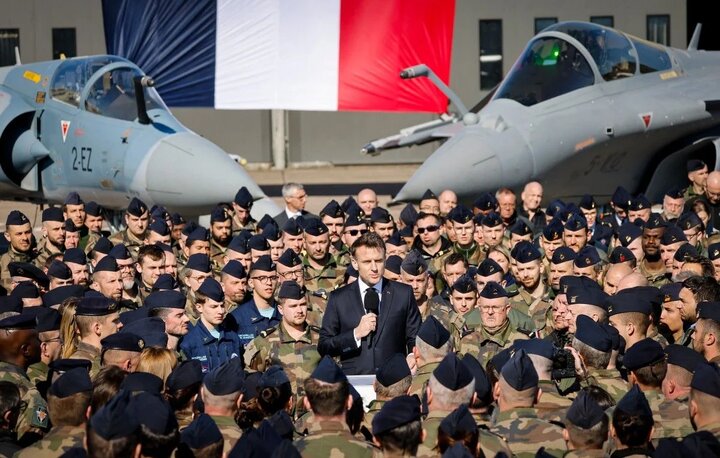
Strategic Council Online – Opinion: With its large arsenal of hypersonic missiles, advanced cyber capabilities, extensive satellite network, and survivable nuclear triad, China has become a serious competitor to the United States. Nevertheless, in strategic documents, including the 2025 National Security Document, China describes itself as a development-oriented power committed to the international order, whose path to rise does not pass through war.

An Analysis of NATO’s Nuclear Exercise

An Analysis of NATO’s Nuclear Exercise

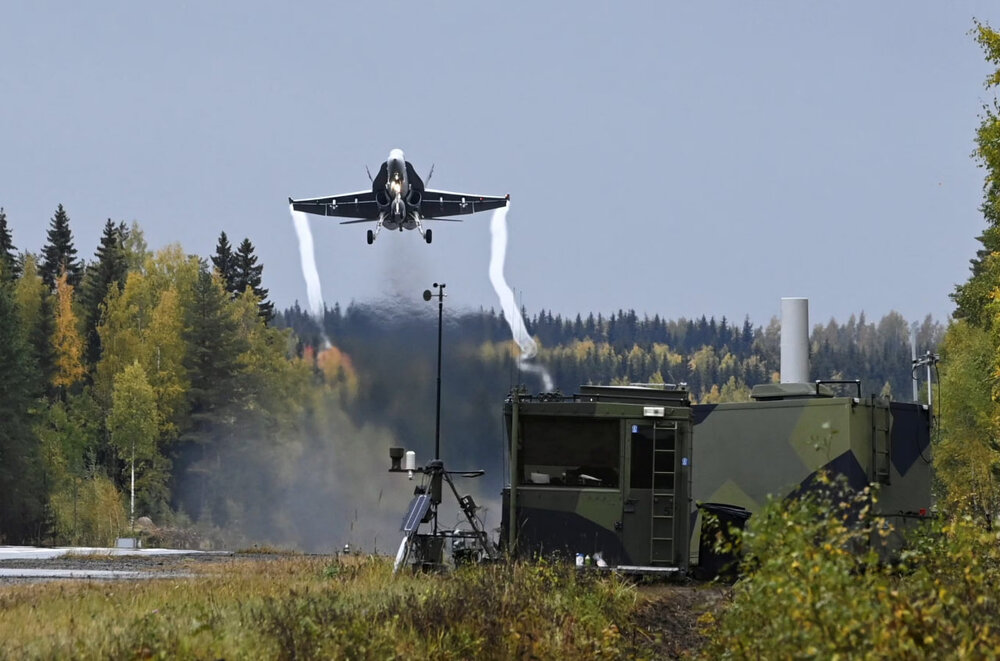
Strategic Council Online – Interview: An international affairs analyst stated that NATO’s recent nuclear deterrence-centered exercise is not a sign of stability, but rather indicates the world’s return to the tense arms race between East and West.

An Analysis of Russia’s Move to Officially Cancel the Agreement to Destroy Plutonium Stocks

An Analysis of Russia’s Move to Officially Cancel the Agreement to Destroy Plutonium Stocks

Strategic Council Online- Interview: A researcher from the Middle East Strategic Studies Center, referring to Russia’s recent move to cancel the agreement to destroy plutonium stocks officially, stated: Russia, through such actions, is sending messages to declare that the era of Western control and domination is over, and that Moscow is monitoring actions. The reality is that the Ukraine war has intensified the geopolitical confrontation between Russia and the US/West, and Moscow is trying to redefine the rules of the global security game.

Nuclear Deterrence of Britain and France: A Step Toward Reducing Europe’s Defense Dependence on the U.S.

Nuclear Deterrence of Britain and France: A Step Toward Reducing Europe’s Defense Dependence on the U.S.

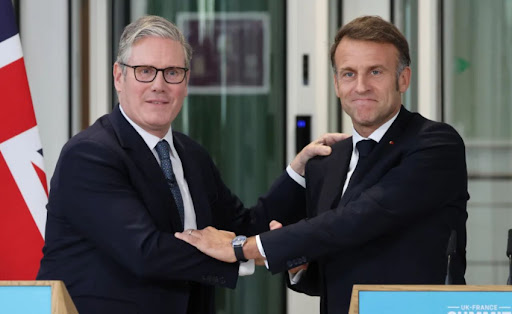
Strategic Council Online – Interview: A senior European affairs analyst stated that the nuclear deterrence agreement between Britain and France marks a turning point in Europe’s security architecture. This pact not only addresses immediate threats, including those posed by Russia, but also lays the groundwork for long-term cooperation in cyber, space, and military domains. The success of this collaboration depends on the two nations’ commitment to fulfilling existing obligations and actively participating in new security arrangements.

أحدث الوظائف

Iran’s Potential Levers of Power

SCFRonline– Opinion: Iran’s geopolitical power is not limited solely to oil and the Strait of Hormuz; the unintended emergence of disruptions in the future global food and energy security chains can also demonstrate Iran’s strategic importance.

The Inseparability of the Lebanese Front from the Axis of Resistance

SCFR Online–Opinion: By providing an extensive network of social, healthcare, educational, and post-war reconstruction services, Hezbollah has established a strong social base for itself among Lebanon’s Shiites and Sunnis, and even beyond that, among other segments of Lebanese society, including Christians. Hezbollah has never been an external actor imposed upon Lebanon; rather, it is a phenomenon fundamentally born out of the occupation and crimes of the Zionist regime and itself influenced by popular resistance.

The Increasing Efforts of the Zionist Regime to Redefine Borders and the Regional Order and Its Consequences

SCFR Online– Opinion: Security and military developments in the region over recent months indicate that the ongoing crises and wars in Gaza, southern Lebanon, and parts of Syrian territory encompass broader dimensions of geopolitical and geostrategic transformations. In this context, the increased military presence and control of the Zionist regime over parts of the territories of these areas, along with proposals regarding the creation of buffer zones or even the expansion of security borders, have raised serious questions about the future of the regional order and its consequences for the countries of West Asia.

The Components of Iran’s Deterrence Power

SCFR Online – Opinion: At a time when regional security equations have reached a sensitive stage under the influence of Iran’s strategic confrontation with the United States and the Zionist regime, the question of the nature of Tehran’s defensive power has gained greater significance than ever before. While Washington and Tel Aviv rely on their technological superiority, the Islamic Republic of Iran has presented a model of deterrence that extends beyond the material calculations of the world’s classical militaries. This power, rooted in the connection between “the field” and “the people,” has not only altered the balance of power in recent conflicts but has also disrupted adversaries’ calculations when confronting Iran’s strategic depth.

Loading

Nuclear deterrence

The Return of the Nuclear War Shadow: Deterrence Based on Suspicion

The Return of the Nuclear War Shadow: Deterrence Based on Suspicion

Strategic Council Online –Opinion: The international system is once again under a heavy shadow, fueled not by a nuclear explosion, but by the erosion of trust and the return of nuclear threat logic, pushing global security into an unstable state. This shadow has spread quietly and gradually, plunging the strategic calculations of major powers into a phase of profound ambiguity.

China’s Strategy to Become a Global Military Power

China’s Strategy to Become a Global Military Power

Strategic Council Online – Opinion: With its large arsenal of hypersonic missiles, advanced cyber capabilities, extensive satellite network, and survivable nuclear triad, China has become a serious competitor to the United States. Nevertheless, in strategic documents, including the 2025 National Security Document, China describes itself as a development-oriented power committed to the international order, whose path to rise does not pass through war.

An Analysis of NATO’s Nuclear Exercise

An Analysis of NATO’s Nuclear Exercise

Strategic Council Online – Interview: An international affairs analyst stated that NATO’s recent nuclear deterrence-centered exercise is not a sign of stability, but rather indicates the world’s return to the tense arms race between East and West.

An Analysis of Russia’s Move to Officially Cancel the Agreement to Destroy Plutonium Stocks

An Analysis of Russia’s Move to Officially Cancel the Agreement to Destroy Plutonium Stocks

Strategic Council Online- Interview: A researcher from the Middle East Strategic Studies Center, referring to Russia’s recent move to cancel the agreement to destroy plutonium stocks officially, stated: Russia, through such actions, is sending messages to declare that the era of Western control and domination is over, and that Moscow is monitoring actions. The reality is that the Ukraine war has intensified the geopolitical confrontation between Russia and the US/West, and Moscow is trying to redefine the rules of the global security game.

Nuclear Deterrence of Britain and France: A Step Toward Reducing Europe’s Defense Dependence on the U.S.

Nuclear Deterrence of Britain and France: A Step Toward Reducing Europe’s Defense Dependence on the U.S.

Strategic Council Online – Interview: A senior European affairs analyst stated that the nuclear deterrence agreement between Britain and France marks a turning point in Europe’s security architecture. This pact not only addresses immediate threats, including those posed by Russia, but also lays the groundwork for long-term cooperation in cyber, space, and military domains. The success of this collaboration depends on the two nations’ commitment to fulfilling existing obligations and actively participating in new security arrangements.

Nuclear deterrence

The Return of the Nuclear War Shadow: Deterrence Based on Suspicion

The Return of the Nuclear War Shadow: Deterrence Based on Suspicion

Strategic Council Online –Opinion: The international system is once again under a heavy shadow, fueled not by a nuclear explosion, but by the erosion of trust and the return of nuclear threat logic, pushing global security into an unstable state. This shadow has spread quietly and gradually, plunging the strategic calculations of major powers into a phase of profound ambiguity.

China’s Strategy to Become a Global Military Power

China’s Strategy to Become a Global Military Power

Strategic Council Online – Opinion: With its large arsenal of hypersonic missiles, advanced cyber capabilities, extensive satellite network, and survivable nuclear triad, China has become a serious competitor to the United States. Nevertheless, in strategic documents, including the 2025 National Security Document, China describes itself as a development-oriented power committed to the international order, whose path to rise does not pass through war.

An Analysis of NATO’s Nuclear Exercise

An Analysis of NATO’s Nuclear Exercise

Strategic Council Online – Interview: An international affairs analyst stated that NATO’s recent nuclear deterrence-centered exercise is not a sign of stability, but rather indicates the world’s return to the tense arms race between East and West.

An Analysis of Russia’s Move to Officially Cancel the Agreement to Destroy Plutonium Stocks

An Analysis of Russia’s Move to Officially Cancel the Agreement to Destroy Plutonium Stocks

Strategic Council Online- Interview: A researcher from the Middle East Strategic Studies Center, referring to Russia’s recent move to cancel the agreement to destroy plutonium stocks officially, stated: Russia, through such actions, is sending messages to declare that the era of Western control and domination is over, and that Moscow is monitoring actions. The reality is that the Ukraine war has intensified the geopolitical confrontation between Russia and the US/West, and Moscow is trying to redefine the rules of the global security game.

Nuclear Deterrence of Britain and France: A Step Toward Reducing Europe’s Defense Dependence on the U.S.

Nuclear Deterrence of Britain and France: A Step Toward Reducing Europe’s Defense Dependence on the U.S.

Strategic Council Online – Interview: A senior European affairs analyst stated that the nuclear deterrence agreement between Britain and France marks a turning point in Europe’s security architecture. This pact not only addresses immediate threats, including those posed by Russia, but also lays the groundwork for long-term cooperation in cyber, space, and military domains. The success of this collaboration depends on the two nations’ commitment to fulfilling existing obligations and actively participating in new security arrangements.

LATEST CONTENT

Iran’s Potential Levers of Power

SCFRonline– Opinion: Iran’s geopolitical power is not limited solely to oil and the Strait of Hormuz; the unintended emergence of disruptions in the future global food and energy security chains can also demonstrate Iran’s strategic importance.

The Inseparability of the Lebanese Front from the Axis of Resistance

SCFR Online–Opinion: By providing an extensive network of social, healthcare, educational, and post-war reconstruction services, Hezbollah has established a strong social base for itself among Lebanon’s Shiites and Sunnis, and even beyond that, among other segments of Lebanese society, including Christians. Hezbollah has never been an external actor imposed upon Lebanon; rather, it is a phenomenon fundamentally born out of the occupation and crimes of the Zionist regime and itself influenced by popular resistance.

The Increasing Efforts of the Zionist Regime to Redefine Borders and the Regional Order and Its Consequences

SCFR Online– Opinion: Security and military developments in the region over recent months indicate that the ongoing crises and wars in Gaza, southern Lebanon, and parts of Syrian territory encompass broader dimensions of geopolitical and geostrategic transformations. In this context, the increased military presence and control of the Zionist regime over parts of the territories of these areas, along with proposals regarding the creation of buffer zones or even the expansion of security borders, have raised serious questions about the future of the regional order and its consequences for the countries of West Asia.

The Components of Iran’s Deterrence Power

SCFR Online – Opinion: At a time when regional security equations have reached a sensitive stage under the influence of Iran’s strategic confrontation with the United States and the Zionist regime, the question of the nature of Tehran’s defensive power has gained greater significance than ever before. While Washington and Tel Aviv rely on their technological superiority, the Islamic Republic of Iran has presented a model of deterrence that extends beyond the material calculations of the world’s classical militaries. This power, rooted in the connection between “the field” and “the people,” has not only altered the balance of power in recent conflicts but has also disrupted adversaries’ calculations when confronting Iran’s strategic depth.

Loading

Nuclear deterrence

The Return of the Nuclear War Shadow: Deterrence Based on Suspicion

The Return of the Nuclear War Shadow: Deterrence Based on Suspicion

Strategic Council Online –Opinion: The international system is once again under a heavy shadow, fueled not by a nuclear explosion, but by the erosion of trust and the return of nuclear threat logic, pushing global security into an unstable state. This shadow has spread quietly and gradually, plunging the strategic calculations of major powers into a phase of profound ambiguity.

China’s Strategy to Become a Global Military Power

China’s Strategy to Become a Global Military Power

Strategic Council Online – Opinion: With its large arsenal of hypersonic missiles, advanced cyber capabilities, extensive satellite network, and survivable nuclear triad, China has become a serious competitor to the United States. Nevertheless, in strategic documents, including the 2025 National Security Document, China describes itself as a development-oriented power committed to the international order, whose path to rise does not pass through war.

An Analysis of NATO’s Nuclear Exercise

An Analysis of NATO’s Nuclear Exercise

Strategic Council Online – Interview: An international affairs analyst stated that NATO’s recent nuclear deterrence-centered exercise is not a sign of stability, but rather indicates the world’s return to the tense arms race between East and West.

An Analysis of Russia’s Move to Officially Cancel the Agreement to Destroy Plutonium Stocks

An Analysis of Russia’s Move to Officially Cancel the Agreement to Destroy Plutonium Stocks

Strategic Council Online- Interview: A researcher from the Middle East Strategic Studies Center, referring to Russia’s recent move to cancel the agreement to destroy plutonium stocks officially, stated: Russia, through such actions, is sending messages to declare that the era of Western control and domination is over, and that Moscow is monitoring actions. The reality is that the Ukraine war has intensified the geopolitical confrontation between Russia and the US/West, and Moscow is trying to redefine the rules of the global security game.

Nuclear Deterrence of Britain and France: A Step Toward Reducing Europe’s Defense Dependence on the U.S.

Nuclear Deterrence of Britain and France: A Step Toward Reducing Europe’s Defense Dependence on the U.S.

Strategic Council Online – Interview: A senior European affairs analyst stated that the nuclear deterrence agreement between Britain and France marks a turning point in Europe’s security architecture. This pact not only addresses immediate threats, including those posed by Russia, but also lays the groundwork for long-term cooperation in cyber, space, and military domains. The success of this collaboration depends on the two nations’ commitment to fulfilling existing obligations and actively participating in new security arrangements.

ÚLTIMAS PUBLICACIONES

Iran’s Potential Levers of Power

SCFRonline– Opinion: Iran’s geopolitical power is not limited solely to oil and the Strait of Hormuz; the unintended emergence of disruptions in the future global food and energy security chains can also demonstrate Iran’s strategic importance.

The Inseparability of the Lebanese Front from the Axis of Resistance

SCFR Online–Opinion: By providing an extensive network of social, healthcare, educational, and post-war reconstruction services, Hezbollah has established a strong social base for itself among Lebanon’s Shiites and Sunnis, and even beyond that, among other segments of Lebanese society, including Christians. Hezbollah has never been an external actor imposed upon Lebanon; rather, it is a phenomenon fundamentally born out of the occupation and crimes of the Zionist regime and itself influenced by popular resistance.

The Increasing Efforts of the Zionist Regime to Redefine Borders and the Regional Order and Its Consequences

SCFR Online– Opinion: Security and military developments in the region over recent months indicate that the ongoing crises and wars in Gaza, southern Lebanon, and parts of Syrian territory encompass broader dimensions of geopolitical and geostrategic transformations. In this context, the increased military presence and control of the Zionist regime over parts of the territories of these areas, along with proposals regarding the creation of buffer zones or even the expansion of security borders, have raised serious questions about the future of the regional order and its consequences for the countries of West Asia.

The Components of Iran’s Deterrence Power

SCFR Online – Opinion: At a time when regional security equations have reached a sensitive stage under the influence of Iran’s strategic confrontation with the United States and the Zionist regime, the question of the nature of Tehran’s defensive power has gained greater significance than ever before. While Washington and Tel Aviv rely on their technological superiority, the Islamic Republic of Iran has presented a model of deterrence that extends beyond the material calculations of the world’s classical militaries. This power, rooted in the connection between “the field” and “the people,” has not only altered the balance of power in recent conflicts but has also disrupted adversaries’ calculations when confronting Iran’s strategic depth.

Loading

Nuclear deterrence

The Return of the Nuclear War Shadow: Deterrence Based on Suspicion

The Return of the Nuclear War Shadow: Deterrence Based on Suspicion

Strategic Council Online –Opinion: The international system is once again under a heavy shadow, fueled not by a nuclear explosion, but by the erosion of trust and the return of nuclear threat logic, pushing global security into an unstable state. This shadow has spread quietly and gradually, plunging the strategic calculations of major powers into a phase of profound ambiguity.

China’s Strategy to Become a Global Military Power

China’s Strategy to Become a Global Military Power

Strategic Council Online – Opinion: With its large arsenal of hypersonic missiles, advanced cyber capabilities, extensive satellite network, and survivable nuclear triad, China has become a serious competitor to the United States. Nevertheless, in strategic documents, including the 2025 National Security Document, China describes itself as a development-oriented power committed to the international order, whose path to rise does not pass through war.

An Analysis of NATO’s Nuclear Exercise

An Analysis of NATO’s Nuclear Exercise

Strategic Council Online – Interview: An international affairs analyst stated that NATO’s recent nuclear deterrence-centered exercise is not a sign of stability, but rather indicates the world’s return to the tense arms race between East and West.

An Analysis of Russia’s Move to Officially Cancel the Agreement to Destroy Plutonium Stocks

An Analysis of Russia’s Move to Officially Cancel the Agreement to Destroy Plutonium Stocks

Strategic Council Online- Interview: A researcher from the Middle East Strategic Studies Center, referring to Russia’s recent move to cancel the agreement to destroy plutonium stocks officially, stated: Russia, through such actions, is sending messages to declare that the era of Western control and domination is over, and that Moscow is monitoring actions. The reality is that the Ukraine war has intensified the geopolitical confrontation between Russia and the US/West, and Moscow is trying to redefine the rules of the global security game.

Nuclear Deterrence of Britain and France: A Step Toward Reducing Europe’s Defense Dependence on the U.S.

Nuclear Deterrence of Britain and France: A Step Toward Reducing Europe’s Defense Dependence on the U.S.

Strategic Council Online – Interview: A senior European affairs analyst stated that the nuclear deterrence agreement between Britain and France marks a turning point in Europe’s security architecture. This pact not only addresses immediate threats, including those posed by Russia, but also lays the groundwork for long-term cooperation in cyber, space, and military domains. The success of this collaboration depends on the two nations’ commitment to fulfilling existing obligations and actively participating in new security arrangements.

ÚLTIMAS PUBLICACIONES

Iran’s Potential Levers of Power

SCFRonline– Opinion: Iran’s geopolitical power is not limited solely to oil and the Strait of Hormuz; the unintended emergence of disruptions in the future global food and energy security chains can also demonstrate Iran’s strategic importance.

The Inseparability of the Lebanese Front from the Axis of Resistance

SCFR Online–Opinion: By providing an extensive network of social, healthcare, educational, and post-war reconstruction services, Hezbollah has established a strong social base for itself among Lebanon’s Shiites and Sunnis, and even beyond that, among other segments of Lebanese society, including Christians. Hezbollah has never been an external actor imposed upon Lebanon; rather, it is a phenomenon fundamentally born out of the occupation and crimes of the Zionist regime and itself influenced by popular resistance.

The Increasing Efforts of the Zionist Regime to Redefine Borders and the Regional Order and Its Consequences

SCFR Online– Opinion: Security and military developments in the region over recent months indicate that the ongoing crises and wars in Gaza, southern Lebanon, and parts of Syrian territory encompass broader dimensions of geopolitical and geostrategic transformations. In this context, the increased military presence and control of the Zionist regime over parts of the territories of these areas, along with proposals regarding the creation of buffer zones or even the expansion of security borders, have raised serious questions about the future of the regional order and its consequences for the countries of West Asia.

The Components of Iran’s Deterrence Power

SCFR Online – Opinion: At a time when regional security equations have reached a sensitive stage under the influence of Iran’s strategic confrontation with the United States and the Zionist regime, the question of the nature of Tehran’s defensive power has gained greater significance than ever before. While Washington and Tel Aviv rely on their technological superiority, the Islamic Republic of Iran has presented a model of deterrence that extends beyond the material calculations of the world’s classical militaries. This power, rooted in the connection between “the field” and “the people,” has not only altered the balance of power in recent conflicts but has also disrupted adversaries’ calculations when confronting Iran’s strategic depth.

Loading

Nuclear deterrence

The Return of the Nuclear War Shadow: Deterrence Based on Suspicion

The Return of the Nuclear War Shadow: Deterrence Based on Suspicion

Strategic Council Online –Opinion: The international system is once again under a heavy shadow, fueled not by a nuclear explosion, but by the erosion of trust and the return of nuclear threat logic, pushing global security into an unstable state. This shadow has spread quietly and gradually, plunging the strategic calculations of major powers into a phase of profound ambiguity.

China’s Strategy to Become a Global Military Power

China’s Strategy to Become a Global Military Power

Strategic Council Online – Opinion: With its large arsenal of hypersonic missiles, advanced cyber capabilities, extensive satellite network, and survivable nuclear triad, China has become a serious competitor to the United States. Nevertheless, in strategic documents, including the 2025 National Security Document, China describes itself as a development-oriented power committed to the international order, whose path to rise does not pass through war.

An Analysis of NATO’s Nuclear Exercise

An Analysis of NATO’s Nuclear Exercise

Strategic Council Online – Interview: An international affairs analyst stated that NATO’s recent nuclear deterrence-centered exercise is not a sign of stability, but rather indicates the world’s return to the tense arms race between East and West.

An Analysis of Russia’s Move to Officially Cancel the Agreement to Destroy Plutonium Stocks

An Analysis of Russia’s Move to Officially Cancel the Agreement to Destroy Plutonium Stocks

Strategic Council Online- Interview: A researcher from the Middle East Strategic Studies Center, referring to Russia’s recent move to cancel the agreement to destroy plutonium stocks officially, stated: Russia, through such actions, is sending messages to declare that the era of Western control and domination is over, and that Moscow is monitoring actions. The reality is that the Ukraine war has intensified the geopolitical confrontation between Russia and the US/West, and Moscow is trying to redefine the rules of the global security game.

Nuclear Deterrence of Britain and France: A Step Toward Reducing Europe’s Defense Dependence on the U.S.

Nuclear Deterrence of Britain and France: A Step Toward Reducing Europe’s Defense Dependence on the U.S.

Strategic Council Online – Interview: A senior European affairs analyst stated that the nuclear deterrence agreement between Britain and France marks a turning point in Europe’s security architecture. This pact not only addresses immediate threats, including those posed by Russia, but also lays the groundwork for long-term cooperation in cyber, space, and military domains. The success of this collaboration depends on the two nations’ commitment to fulfilling existing obligations and actively participating in new security arrangements.

ÚLTIMAS PUBLICACIONES

Iran’s Potential Levers of Power

SCFRonline– Opinion: Iran’s geopolitical power is not limited solely to oil and the Strait of Hormuz; the unintended emergence of disruptions in the future global food and energy security chains can also demonstrate Iran’s strategic importance.

The Inseparability of the Lebanese Front from the Axis of Resistance

SCFR Online–Opinion: By providing an extensive network of social, healthcare, educational, and post-war reconstruction services, Hezbollah has established a strong social base for itself among Lebanon’s Shiites and Sunnis, and even beyond that, among other segments of Lebanese society, including Christians. Hezbollah has never been an external actor imposed upon Lebanon; rather, it is a phenomenon fundamentally born out of the occupation and crimes of the Zionist regime and itself influenced by popular resistance.

The Increasing Efforts of the Zionist Regime to Redefine Borders and the Regional Order and Its Consequences

SCFR Online– Opinion: Security and military developments in the region over recent months indicate that the ongoing crises and wars in Gaza, southern Lebanon, and parts of Syrian territory encompass broader dimensions of geopolitical and geostrategic transformations. In this context, the increased military presence and control of the Zionist regime over parts of the territories of these areas, along with proposals regarding the creation of buffer zones or even the expansion of security borders, have raised serious questions about the future of the regional order and its consequences for the countries of West Asia.

The Components of Iran’s Deterrence Power

SCFR Online – Opinion: At a time when regional security equations have reached a sensitive stage under the influence of Iran’s strategic confrontation with the United States and the Zionist regime, the question of the nature of Tehran’s defensive power has gained greater significance than ever before. While Washington and Tel Aviv rely on their technological superiority, the Islamic Republic of Iran has presented a model of deterrence that extends beyond the material calculations of the world’s classical militaries. This power, rooted in the connection between “the field” and “the people,” has not only altered the balance of power in recent conflicts but has also disrupted adversaries’ calculations when confronting Iran’s strategic depth.

Loading

Nuclear deterrence

The Return of the Nuclear War Shadow: Deterrence Based on Suspicion

The Return of the Nuclear War Shadow: Deterrence Based on Suspicion

Strategic Council Online –Opinion: The international system is once again under a heavy shadow, fueled not by a nuclear explosion, but by the erosion of trust and the return of nuclear threat logic, pushing global security into an unstable state. This shadow has spread quietly and gradually, plunging the strategic calculations of major powers into a phase of profound ambiguity.

China’s Strategy to Become a Global Military Power

China’s Strategy to Become a Global Military Power

Strategic Council Online – Opinion: With its large arsenal of hypersonic missiles, advanced cyber capabilities, extensive satellite network, and survivable nuclear triad, China has become a serious competitor to the United States. Nevertheless, in strategic documents, including the 2025 National Security Document, China describes itself as a development-oriented power committed to the international order, whose path to rise does not pass through war.

An Analysis of NATO’s Nuclear Exercise

An Analysis of NATO’s Nuclear Exercise

Strategic Council Online – Interview: An international affairs analyst stated that NATO’s recent nuclear deterrence-centered exercise is not a sign of stability, but rather indicates the world’s return to the tense arms race between East and West.

An Analysis of Russia’s Move to Officially Cancel the Agreement to Destroy Plutonium Stocks

An Analysis of Russia’s Move to Officially Cancel the Agreement to Destroy Plutonium Stocks

Strategic Council Online- Interview: A researcher from the Middle East Strategic Studies Center, referring to Russia’s recent move to cancel the agreement to destroy plutonium stocks officially, stated: Russia, through such actions, is sending messages to declare that the era of Western control and domination is over, and that Moscow is monitoring actions. The reality is that the Ukraine war has intensified the geopolitical confrontation between Russia and the US/West, and Moscow is trying to redefine the rules of the global security game.

Nuclear Deterrence of Britain and France: A Step Toward Reducing Europe’s Defense Dependence on the U.S.

Nuclear Deterrence of Britain and France: A Step Toward Reducing Europe’s Defense Dependence on the U.S.

Strategic Council Online – Interview: A senior European affairs analyst stated that the nuclear deterrence agreement between Britain and France marks a turning point in Europe’s security architecture. This pact not only addresses immediate threats, including those posed by Russia, but also lays the groundwork for long-term cooperation in cyber, space, and military domains. The success of this collaboration depends on the two nations’ commitment to fulfilling existing obligations and actively participating in new security arrangements.

ÚLTIMAS PUBLICACIONES

Iran’s Potential Levers of Power

SCFRonline– Opinion: Iran’s geopolitical power is not limited solely to oil and the Strait of Hormuz; the unintended emergence of disruptions in the future global food and energy security chains can also demonstrate Iran’s strategic importance.

The Inseparability of the Lebanese Front from the Axis of Resistance

SCFR Online–Opinion: By providing an extensive network of social, healthcare, educational, and post-war reconstruction services, Hezbollah has established a strong social base for itself among Lebanon’s Shiites and Sunnis, and even beyond that, among other segments of Lebanese society, including Christians. Hezbollah has never been an external actor imposed upon Lebanon; rather, it is a phenomenon fundamentally born out of the occupation and crimes of the Zionist regime and itself influenced by popular resistance.

The Increasing Efforts of the Zionist Regime to Redefine Borders and the Regional Order and Its Consequences

SCFR Online– Opinion: Security and military developments in the region over recent months indicate that the ongoing crises and wars in Gaza, southern Lebanon, and parts of Syrian territory encompass broader dimensions of geopolitical and geostrategic transformations. In this context, the increased military presence and control of the Zionist regime over parts of the territories of these areas, along with proposals regarding the creation of buffer zones or even the expansion of security borders, have raised serious questions about the future of the regional order and its consequences for the countries of West Asia.

The Components of Iran’s Deterrence Power

SCFR Online – Opinion: At a time when regional security equations have reached a sensitive stage under the influence of Iran’s strategic confrontation with the United States and the Zionist regime, the question of the nature of Tehran’s defensive power has gained greater significance than ever before. While Washington and Tel Aviv rely on their technological superiority, the Islamic Republic of Iran has presented a model of deterrence that extends beyond the material calculations of the world’s classical militaries. This power, rooted in the connection between “the field” and “the people,” has not only altered the balance of power in recent conflicts but has also disrupted adversaries’ calculations when confronting Iran’s strategic depth.

Loading