جدیدترین مطالب

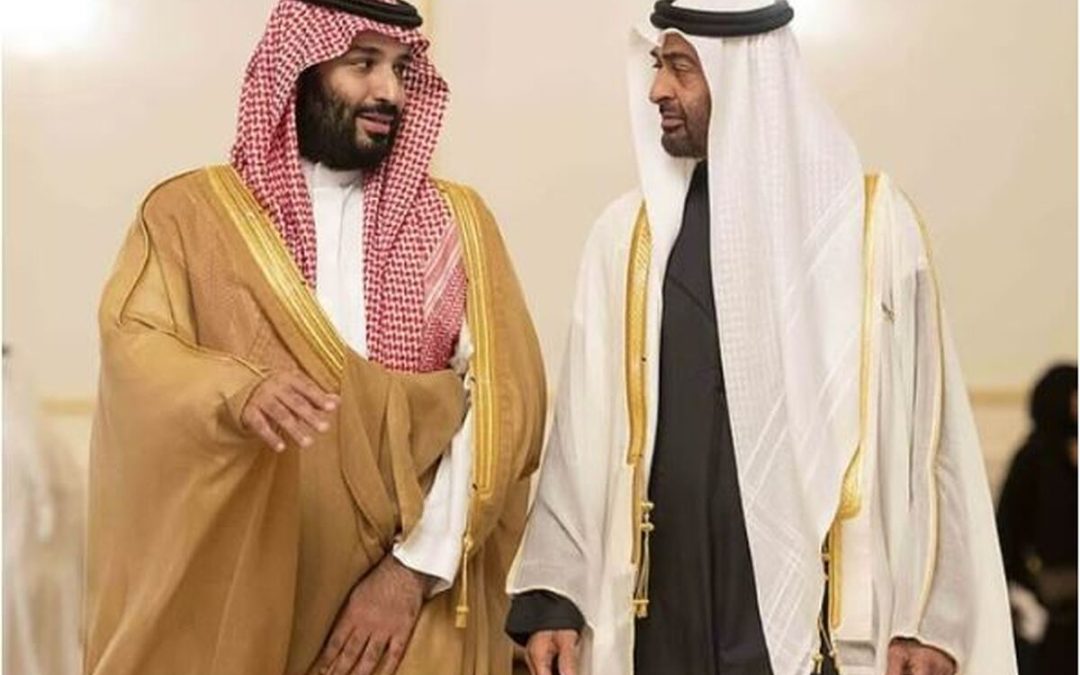
Implications of the US-Saudi Nuclear Agreement

SCFR Online – Opinion: The new US-Saudi nuclear agreement, despite legal and political ambiguities, could alter previous non-proliferation standards in West Asia and intensify nuclear competition, ushering it into a new phase.

An Analysis of Recent Turkey-Israeli Regime Tensions

SCFR Online – Opinion: Recent developments in Syria indicate an intensification of strategic rivalry between Turkey and the Israeli regime, but mutual considerations and the role of the United States have limited the likelihood of direct war.

Increasing criticism of the extensive Zionist lobby network

SCFR Online – Opinion: An examination of the mechanisms of the Israeli regime’s influence in the United States depicts a complex picture of shared interests, strategic dependencies, and the limitations of this relationship.

Realities of the Tripartite Makkah Pact

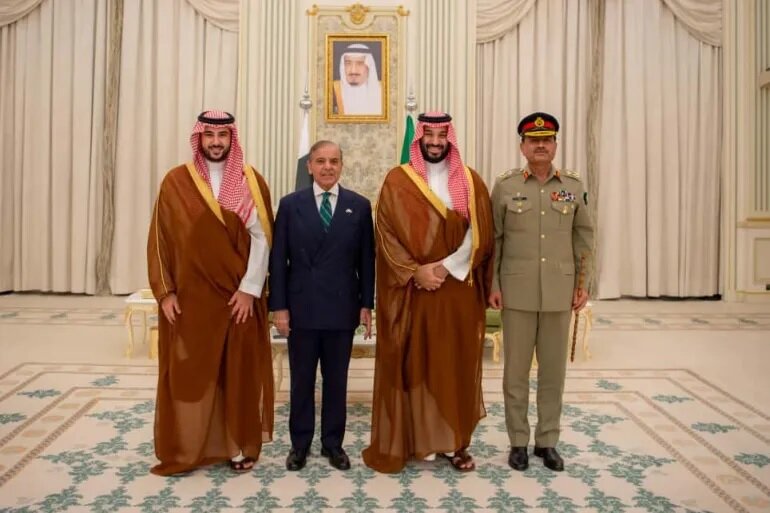
SCFR Online – Interview: The signing of the Makkah agreement between Saudi Arabia, Pakistan, and Turkey has raised questions about the future of the region’s security structure and the position of these countries in West Asian equations. Can this agreement become a genuine collective defense mechanism, or does it have more of a political and deterrent function than creating new military capacity?

Strategic Implications of the Reduction of US Weapons Stockpiles

SCFR Online – Opinion: The continuation of the US war against Iran, in addition to increasing operational costs, has called into question the actual capacity of the American arsenal to simultaneously fulfill security commitments on multiple fronts; an issue that affects deterrence, defense production capacity, and Washington’s resource prioritization.

The Formation of a New Order in Relations Between Powers

SCFR Online – Opinion: The Russia-Ukraine war and the war of the United States and the Israeli regime against Iran have been formed with different objectives and actors, but field and political developments indicate that they are not entirely separate from one another.

An Analysis of the Makkah Defense Pact

SCFR Online – Opinion: On Friday, August 7, the heads of state of three countries – Saudi Arabia, Turkey, and Pakistan – signed a text under the title “Makkah Joint Defense Agreement.”

Loading

Palestine

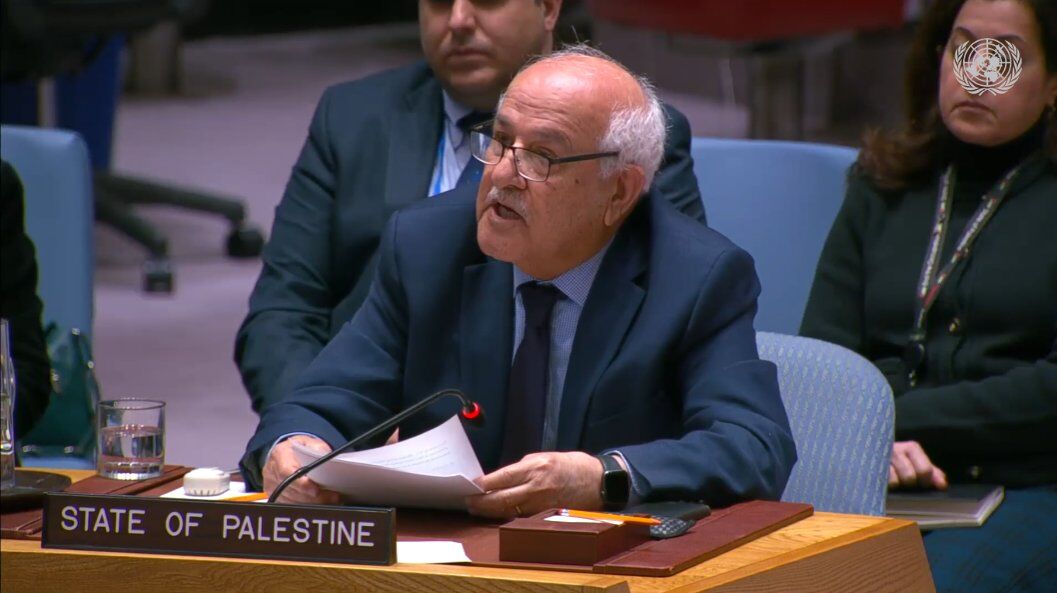
The Prospect of Global Recognition of the State of Palestine

The Prospect of Global Recognition of the State of Palestine

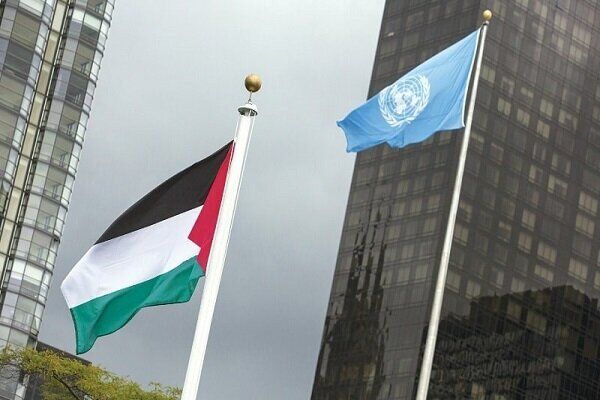
Online Strategic Council – Note: The process of recognizing Palestine by countries around the world, which has been met with opposition and anger from the Israeli regime, is noteworthy. The unprecedented move by various world countries to recognize the independent State of Palestine is entirely linked to the crimes of the Zionist regime in Gaza and its genocidal and racist policies.

The Prospect of Regional Order: Scenarios of Deterrence, Cooperation, and Crisis

The Prospect of Regional Order: Scenarios of Deterrence, Cooperation, and Crisis

Online Strategic Council – Dialogue: After October 7, 2023, and the start of the cycle of killing and aggression by the Israeli regime, the equations of the Middle East entered a new and more complex stage. This development not only altered the security and diplomatic balances but also impacted the region’s geopolitical structure, and over the past two years, has led to the emergence of a new regional architecture. Today, the Middle East has become a multi-layered arena with changing conflicts and alliances.
The Gaza crisis and the reaction of public opinion in the region’s countries have also altered the internal calculations of governments and put their foreign policies under pressure from public opinion. The wave of official recognition of the state of Palestine, along with the experience of the Israeli regime’s aggression against Iran and Tehran’s decisive response, has made the current situation completely different from the past. It appears that in the near future, the new regional architecture will require multilateral interactions and a redefinition of power relations beyond traditional equations.

Consequences of Global Sanctions Against the Israeli Regime

Consequences of Global Sanctions Against the Israeli Regime

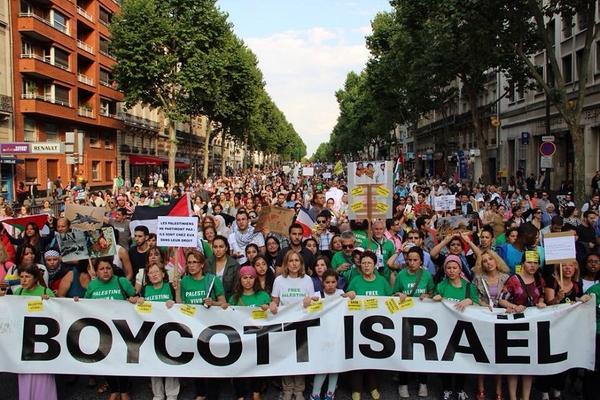
Strategic Council Online – Interview: An international affairs expert stated that in recent months, a multitude of political, economic, cultural, and scientific sanctions have been imposed against the Israeli regime, which, in the interpretation of many analysts, constitutes an “unprecedented set” of multi-layered global pressures. This wave, from the European Union to academic circles, from music festivals to world cinema, has targeted Tel Aviv’s international legitimacy and placed it in an increasingly tight spot. The message of these sanctions is also clear; the Israeli regime can no longer rely on its traditional immunity in the West to escape the moral and political consequences of its crimes in Gaza. Diplomatic isolation, economic restrictions, civil pressures, and damage to cultural prestige are all shaping an environment that can not only limit the Israeli regime’s freedom of action on the international stage but also challenges the credibility and legitimacy of this regime in global public opinion; a challenge that, in principle, should lead to a change in behavior or even internal political equations of the Israeli regime.

The Reality of Escalating European Pressures Against the Israeli Regime?

The Reality of Escalating European Pressures Against the Israeli Regime?

Strategic Council Online – Interview: A regional affairs expert stated that Europe has taken no action to increase political, economic, and security pressure on the Israeli regime to counter its genocide in Gaza, and it is unlikely to take any action in this regard in the future, although even at this level, support for Palestine and opposition to the crimes and genocide of the Israeli regime in Gaza are unprecedented in Europe.

Outlook of European Governments’ Plan to Recognize the State of Palestine

Outlook of European Governments’ Plan to Recognize the State of Palestine

Strategic Council Online – Interview: A senior analyst on West Asia and North Africa affairs stated, “The recognition of the State of Palestine at the United Nations General Assembly, particularly by European countries, initially appears to be a symbolic and positive action in support of Palestinian rights.” However, this move is more of a political and diplomatic response to the pressure from European and global public opinion than a real pressure on the Israeli regime.

Objectives and Consequences of the Israeli Regime’s Military Attack on Qatar

Objectives and Consequences of the Israeli Regime’s Military Attack on Qatar

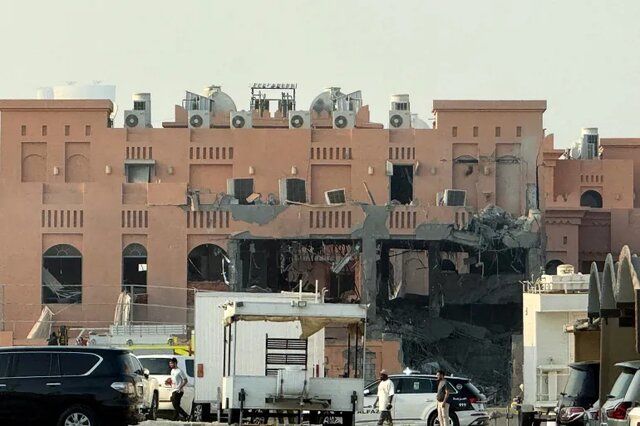
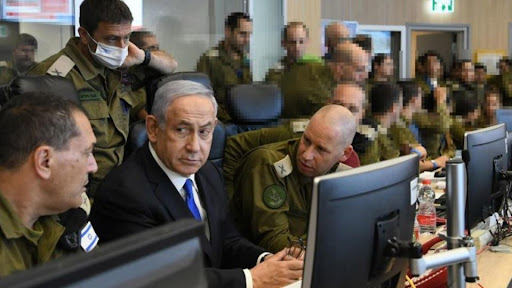
Strategic Council Online – Interview: A West Asia affairs expert stated that the Zionist regime’s airstrike on Doha, the capital of Qatar, aimed at assassinating senior Hamas leaders, once again revealed Tel Aviv’s brazen disregard for international law and the national sovereignty of countries. Benjamin Netanyahu, the Prime Minister of this regime, justified the operation by claiming to “eliminate an existential threat” and asserted that “Hamas leaders were targeted.” However, incoming reports indicate that this attack has failed. This aggression, carried out with the knowledge and consent of American officials, sparked a wave of anger and condemnation across the Arab and Islamic world. From the Arab League to Saudi Arabia, the UAE, Egypt, Iraq, Jordan, Kuwait, Lebanon, and even the Palestinian Authority, they deemed this action a clear violation of international law and a serious threat to regional security. Saudi Arabia warned that the continuation of such behavior could endanger the stability of West Asia, while the UAE described the security of Arab countries as “integral and indivisible.” However, regional observers believe that this wave of condemnations will likely remain at the level of diplomatic statements, with no serious practical action taken by Arab countries—a pattern previously observed in response to the Israeli regime’s repeated attacks on Gaza. Meanwhile, Tel Aviv, relying on American support and the inaction of regional countries, is attempting to manage its internal crisis and advance the “Greater Israel” project by creating successive crises; a project whose explosions are now heard as far as the heart of the Persian Gulf.

Limiting Palestinian Presence at the United Nations: A Deceptive Effort to Manage the Fate of Palestine

Limiting Palestinian Presence at the United Nations: A Deceptive Effort to Manage the Fate of Palestine

Strategic Council Online – Interview: A West Asia affairs analyst stated that on the eve of the September session of the United Nations General Assembly, the U.S. government limited the presence of the Palestinian delegation at this meeting by canceling the visa of Mahmoud Abbas, the head of the Palestinian Authority. This U.S. action is part of a complex political game between Washington, Tel Aviv, and global public opinion, aiming to question the role of Palestinians in international equations. The U.S. government and Zionist lobbies, by supporting the Israeli regime, have targeted any plan and flourishing of the Palestinian issue on the global stage, while some Western governments, due to public opinion pressure, are trying to advance the process of recognizing Palestine. This U.S. action has sparked widespread international reactions and raised concerns about violations of UN agreements and Washington’s blatant bias in favor of the Israeli regime. The Palestinian Ministry of Foreign Affairs has assessed this decision as a violation of international laws and an obstacle to the legal presence of their representatives at meetings, calling for diplomatic and legal solutions to ensure the participation of the Palestinian delegation. This restriction was imposed while European countries, especially France, Canada, and several other Western nations, are striving to increase diplomatic pressure on the Israeli regime and the U.S. by recognizing the state of Palestine.

Upcoming UNGA Session: A Test of International Will for Practical Action on Palestine

Upcoming UNGA Session: A Test of International Will for Practical Action on Palestine

Strategic Council Online – Interview: A senior analyst in West Asia affairs stated that while a wave of readiness for the official recognition of the State of Palestine by some countries is forming, the upcoming UN General Assembly session has become a decisive stage for the future of the Palestinian issue. At first glance, these moves are considered an essential step towards the potential advancement of the two-state solution and pressuring the Israeli regime to halt illegal settlements and accept the political reality of Palestinian sovereignty. Belgium’s decision to impose 12 firm sanctions against the Israeli regime and recognize the State of Palestine reflects this same perspective, which seeks to open a new political path in the face of the Gaza humanitarian crisis. However, there is another view that considers this diplomatic wave merely a symbolic reaction to public opinion pressure after nearly two years of slaughter and siege in Gaza, believing that as long as the United States stands alongside the Israeli regime, these movements will not lead to the establishment of a real Palestinian state. This viewpoint holds that the expansionist policies of Tel Aviv, the idea of Greater Israel, and the support of Western powers remain the main obstacles to any real change on the ground. Therefore, the September session of the UN General Assembly is considered an important test to gauge the seriousness of the international community in moving beyond symbolism towards practical action.

Failure of the Israeli Regime’s Assassination Policy in Containing the Resistance Front

Failure of the Israeli Regime’s Assassination Policy in Containing the Resistance Front

Strategic Council Online – Interview: A senior West Asia affairs analyst stated: By assassinating Yemeni executive officials, the Israeli regime has not only failed to achieve its military objectives, but its position has also been weakened in the diplomatic arena. In contrast, Yemen and the Resistance Front are continuing their path with greater cohesion, and the future outlook indicates that not only will their military capabilities not diminish, but their political standing will also be enhanced at the regional and global levels.

The Necessity of Utilizing the Security-Creating Capacity of the Persian Gulf Countries

The Necessity of Utilizing the Security-Creating Capacity of the Persian Gulf Countries

Strategic Council Online: Before the illegitimate attack by the Israeli and American regimes on our country’s nuclear and military centers, Iran’s diplomatic apparatus had adopted an active and multilateral regional policy. This policy aimed to gain and maintain the trust and cooperation of important and influential regional countries, including Saudi Arabia, by keeping them informed about the progress and process of nuclear negotiations with the United States. This policy has proven to be effective. Unlike in previous instances when it was highly likely that these countries would remain silent or even cooperate with attacks on our nuclear facilities, we recently observed a unanimous condemnation of the Israeli regime’s attack on our nation by the Persian Gulf Cooperation Council.

أحدث الوظائف

Implications of the US-Saudi Nuclear Agreement

SCFR Online – Opinion: The new US-Saudi nuclear agreement, despite legal and political ambiguities, could alter previous non-proliferation standards in West Asia and intensify nuclear competition, ushering it into a new phase.

An Analysis of Recent Turkey-Israeli Regime Tensions

SCFR Online – Opinion: Recent developments in Syria indicate an intensification of strategic rivalry between Turkey and the Israeli regime, but mutual considerations and the role of the United States have limited the likelihood of direct war.

Increasing criticism of the extensive Zionist lobby network

SCFR Online – Opinion: An examination of the mechanisms of the Israeli regime’s influence in the United States depicts a complex picture of shared interests, strategic dependencies, and the limitations of this relationship.

Realities of the Tripartite Makkah Pact

SCFR Online – Interview: The signing of the Makkah agreement between Saudi Arabia, Pakistan, and Turkey has raised questions about the future of the region’s security structure and the position of these countries in West Asian equations. Can this agreement become a genuine collective defense mechanism, or does it have more of a political and deterrent function than creating new military capacity?

Strategic Implications of the Reduction of US Weapons Stockpiles

SCFR Online – Opinion: The continuation of the US war against Iran, in addition to increasing operational costs, has called into question the actual capacity of the American arsenal to simultaneously fulfill security commitments on multiple fronts; an issue that affects deterrence, defense production capacity, and Washington’s resource prioritization.

The Formation of a New Order in Relations Between Powers

SCFR Online – Opinion: The Russia-Ukraine war and the war of the United States and the Israeli regime against Iran have been formed with different objectives and actors, but field and political developments indicate that they are not entirely separate from one another.

An Analysis of the Makkah Defense Pact

SCFR Online – Opinion: On Friday, August 7, the heads of state of three countries – Saudi Arabia, Turkey, and Pakistan – signed a text under the title “Makkah Joint Defense Agreement.”

Loading

Palestine

The Prospect of Global Recognition of the State of Palestine

The Prospect of Global Recognition of the State of Palestine

Online Strategic Council – Note: The process of recognizing Palestine by countries around the world, which has been met with opposition and anger from the Israeli regime, is noteworthy. The unprecedented move by various world countries to recognize the independent State of Palestine is entirely linked to the crimes of the Zionist regime in Gaza and its genocidal and racist policies.

The Prospect of Regional Order: Scenarios of Deterrence, Cooperation, and Crisis

The Prospect of Regional Order: Scenarios of Deterrence, Cooperation, and Crisis

Online Strategic Council – Dialogue: After October 7, 2023, and the start of the cycle of killing and aggression by the Israeli regime, the equations of the Middle East entered a new and more complex stage. This development not only altered the security and diplomatic balances but also impacted the region’s geopolitical structure, and over the past two years, has led to the emergence of a new regional architecture. Today, the Middle East has become a multi-layered arena with changing conflicts and alliances.
The Gaza crisis and the reaction of public opinion in the region’s countries have also altered the internal calculations of governments and put their foreign policies under pressure from public opinion. The wave of official recognition of the state of Palestine, along with the experience of the Israeli regime’s aggression against Iran and Tehran’s decisive response, has made the current situation completely different from the past. It appears that in the near future, the new regional architecture will require multilateral interactions and a redefinition of power relations beyond traditional equations.

Consequences of Global Sanctions Against the Israeli Regime

Consequences of Global Sanctions Against the Israeli Regime

Strategic Council Online – Interview: An international affairs expert stated that in recent months, a multitude of political, economic, cultural, and scientific sanctions have been imposed against the Israeli regime, which, in the interpretation of many analysts, constitutes an “unprecedented set” of multi-layered global pressures. This wave, from the European Union to academic circles, from music festivals to world cinema, has targeted Tel Aviv’s international legitimacy and placed it in an increasingly tight spot. The message of these sanctions is also clear; the Israeli regime can no longer rely on its traditional immunity in the West to escape the moral and political consequences of its crimes in Gaza. Diplomatic isolation, economic restrictions, civil pressures, and damage to cultural prestige are all shaping an environment that can not only limit the Israeli regime’s freedom of action on the international stage but also challenges the credibility and legitimacy of this regime in global public opinion; a challenge that, in principle, should lead to a change in behavior or even internal political equations of the Israeli regime.

The Reality of Escalating European Pressures Against the Israeli Regime?

The Reality of Escalating European Pressures Against the Israeli Regime?

Strategic Council Online – Interview: A regional affairs expert stated that Europe has taken no action to increase political, economic, and security pressure on the Israeli regime to counter its genocide in Gaza, and it is unlikely to take any action in this regard in the future, although even at this level, support for Palestine and opposition to the crimes and genocide of the Israeli regime in Gaza are unprecedented in Europe.

Outlook of European Governments’ Plan to Recognize the State of Palestine

Outlook of European Governments’ Plan to Recognize the State of Palestine

Strategic Council Online – Interview: A senior analyst on West Asia and North Africa affairs stated, “The recognition of the State of Palestine at the United Nations General Assembly, particularly by European countries, initially appears to be a symbolic and positive action in support of Palestinian rights.” However, this move is more of a political and diplomatic response to the pressure from European and global public opinion than a real pressure on the Israeli regime.

Objectives and Consequences of the Israeli Regime’s Military Attack on Qatar

Objectives and Consequences of the Israeli Regime’s Military Attack on Qatar

Strategic Council Online – Interview: A West Asia affairs expert stated that the Zionist regime’s airstrike on Doha, the capital of Qatar, aimed at assassinating senior Hamas leaders, once again revealed Tel Aviv’s brazen disregard for international law and the national sovereignty of countries. Benjamin Netanyahu, the Prime Minister of this regime, justified the operation by claiming to “eliminate an existential threat” and asserted that “Hamas leaders were targeted.” However, incoming reports indicate that this attack has failed. This aggression, carried out with the knowledge and consent of American officials, sparked a wave of anger and condemnation across the Arab and Islamic world. From the Arab League to Saudi Arabia, the UAE, Egypt, Iraq, Jordan, Kuwait, Lebanon, and even the Palestinian Authority, they deemed this action a clear violation of international law and a serious threat to regional security. Saudi Arabia warned that the continuation of such behavior could endanger the stability of West Asia, while the UAE described the security of Arab countries as “integral and indivisible.” However, regional observers believe that this wave of condemnations will likely remain at the level of diplomatic statements, with no serious practical action taken by Arab countries—a pattern previously observed in response to the Israeli regime’s repeated attacks on Gaza. Meanwhile, Tel Aviv, relying on American support and the inaction of regional countries, is attempting to manage its internal crisis and advance the “Greater Israel” project by creating successive crises; a project whose explosions are now heard as far as the heart of the Persian Gulf.

Limiting Palestinian Presence at the United Nations: A Deceptive Effort to Manage the Fate of Palestine

Limiting Palestinian Presence at the United Nations: A Deceptive Effort to Manage the Fate of Palestine

Strategic Council Online – Interview: A West Asia affairs analyst stated that on the eve of the September session of the United Nations General Assembly, the U.S. government limited the presence of the Palestinian delegation at this meeting by canceling the visa of Mahmoud Abbas, the head of the Palestinian Authority. This U.S. action is part of a complex political game between Washington, Tel Aviv, and global public opinion, aiming to question the role of Palestinians in international equations. The U.S. government and Zionist lobbies, by supporting the Israeli regime, have targeted any plan and flourishing of the Palestinian issue on the global stage, while some Western governments, due to public opinion pressure, are trying to advance the process of recognizing Palestine. This U.S. action has sparked widespread international reactions and raised concerns about violations of UN agreements and Washington’s blatant bias in favor of the Israeli regime. The Palestinian Ministry of Foreign Affairs has assessed this decision as a violation of international laws and an obstacle to the legal presence of their representatives at meetings, calling for diplomatic and legal solutions to ensure the participation of the Palestinian delegation. This restriction was imposed while European countries, especially France, Canada, and several other Western nations, are striving to increase diplomatic pressure on the Israeli regime and the U.S. by recognizing the state of Palestine.

Upcoming UNGA Session: A Test of International Will for Practical Action on Palestine

Upcoming UNGA Session: A Test of International Will for Practical Action on Palestine

Strategic Council Online – Interview: A senior analyst in West Asia affairs stated that while a wave of readiness for the official recognition of the State of Palestine by some countries is forming, the upcoming UN General Assembly session has become a decisive stage for the future of the Palestinian issue. At first glance, these moves are considered an essential step towards the potential advancement of the two-state solution and pressuring the Israeli regime to halt illegal settlements and accept the political reality of Palestinian sovereignty. Belgium’s decision to impose 12 firm sanctions against the Israeli regime and recognize the State of Palestine reflects this same perspective, which seeks to open a new political path in the face of the Gaza humanitarian crisis. However, there is another view that considers this diplomatic wave merely a symbolic reaction to public opinion pressure after nearly two years of slaughter and siege in Gaza, believing that as long as the United States stands alongside the Israeli regime, these movements will not lead to the establishment of a real Palestinian state. This viewpoint holds that the expansionist policies of Tel Aviv, the idea of Greater Israel, and the support of Western powers remain the main obstacles to any real change on the ground. Therefore, the September session of the UN General Assembly is considered an important test to gauge the seriousness of the international community in moving beyond symbolism towards practical action.

Failure of the Israeli Regime’s Assassination Policy in Containing the Resistance Front

Failure of the Israeli Regime’s Assassination Policy in Containing the Resistance Front

Strategic Council Online – Interview: A senior West Asia affairs analyst stated: By assassinating Yemeni executive officials, the Israeli regime has not only failed to achieve its military objectives, but its position has also been weakened in the diplomatic arena. In contrast, Yemen and the Resistance Front are continuing their path with greater cohesion, and the future outlook indicates that not only will their military capabilities not diminish, but their political standing will also be enhanced at the regional and global levels.

The Necessity of Utilizing the Security-Creating Capacity of the Persian Gulf Countries

The Necessity of Utilizing the Security-Creating Capacity of the Persian Gulf Countries

Strategic Council Online: Before the illegitimate attack by the Israeli and American regimes on our country’s nuclear and military centers, Iran’s diplomatic apparatus had adopted an active and multilateral regional policy. This policy aimed to gain and maintain the trust and cooperation of important and influential regional countries, including Saudi Arabia, by keeping them informed about the progress and process of nuclear negotiations with the United States. This policy has proven to be effective. Unlike in previous instances when it was highly likely that these countries would remain silent or even cooperate with attacks on our nuclear facilities, we recently observed a unanimous condemnation of the Israeli regime’s attack on our nation by the Persian Gulf Cooperation Council.

Palestine

The Prospect of Global Recognition of the State of Palestine

The Prospect of Global Recognition of the State of Palestine

Online Strategic Council – Note: The process of recognizing Palestine by countries around the world, which has been met with opposition and anger from the Israeli regime, is noteworthy. The unprecedented move by various world countries to recognize the independent State of Palestine is entirely linked to the crimes of the Zionist regime in Gaza and its genocidal and racist policies.

The Prospect of Regional Order: Scenarios of Deterrence, Cooperation, and Crisis

The Prospect of Regional Order: Scenarios of Deterrence, Cooperation, and Crisis

Online Strategic Council – Dialogue: After October 7, 2023, and the start of the cycle of killing and aggression by the Israeli regime, the equations of the Middle East entered a new and more complex stage. This development not only altered the security and diplomatic balances but also impacted the region’s geopolitical structure, and over the past two years, has led to the emergence of a new regional architecture. Today, the Middle East has become a multi-layered arena with changing conflicts and alliances.
The Gaza crisis and the reaction of public opinion in the region’s countries have also altered the internal calculations of governments and put their foreign policies under pressure from public opinion. The wave of official recognition of the state of Palestine, along with the experience of the Israeli regime’s aggression against Iran and Tehran’s decisive response, has made the current situation completely different from the past. It appears that in the near future, the new regional architecture will require multilateral interactions and a redefinition of power relations beyond traditional equations.

Consequences of Global Sanctions Against the Israeli Regime

Consequences of Global Sanctions Against the Israeli Regime

Strategic Council Online – Interview: An international affairs expert stated that in recent months, a multitude of political, economic, cultural, and scientific sanctions have been imposed against the Israeli regime, which, in the interpretation of many analysts, constitutes an “unprecedented set” of multi-layered global pressures. This wave, from the European Union to academic circles, from music festivals to world cinema, has targeted Tel Aviv’s international legitimacy and placed it in an increasingly tight spot. The message of these sanctions is also clear; the Israeli regime can no longer rely on its traditional immunity in the West to escape the moral and political consequences of its crimes in Gaza. Diplomatic isolation, economic restrictions, civil pressures, and damage to cultural prestige are all shaping an environment that can not only limit the Israeli regime’s freedom of action on the international stage but also challenges the credibility and legitimacy of this regime in global public opinion; a challenge that, in principle, should lead to a change in behavior or even internal political equations of the Israeli regime.

The Reality of Escalating European Pressures Against the Israeli Regime?

The Reality of Escalating European Pressures Against the Israeli Regime?

Strategic Council Online – Interview: A regional affairs expert stated that Europe has taken no action to increase political, economic, and security pressure on the Israeli regime to counter its genocide in Gaza, and it is unlikely to take any action in this regard in the future, although even at this level, support for Palestine and opposition to the crimes and genocide of the Israeli regime in Gaza are unprecedented in Europe.

Outlook of European Governments’ Plan to Recognize the State of Palestine

Outlook of European Governments’ Plan to Recognize the State of Palestine

Strategic Council Online – Interview: A senior analyst on West Asia and North Africa affairs stated, “The recognition of the State of Palestine at the United Nations General Assembly, particularly by European countries, initially appears to be a symbolic and positive action in support of Palestinian rights.” However, this move is more of a political and diplomatic response to the pressure from European and global public opinion than a real pressure on the Israeli regime.

Objectives and Consequences of the Israeli Regime’s Military Attack on Qatar

Objectives and Consequences of the Israeli Regime’s Military Attack on Qatar

Strategic Council Online – Interview: A West Asia affairs expert stated that the Zionist regime’s airstrike on Doha, the capital of Qatar, aimed at assassinating senior Hamas leaders, once again revealed Tel Aviv’s brazen disregard for international law and the national sovereignty of countries. Benjamin Netanyahu, the Prime Minister of this regime, justified the operation by claiming to “eliminate an existential threat” and asserted that “Hamas leaders were targeted.” However, incoming reports indicate that this attack has failed. This aggression, carried out with the knowledge and consent of American officials, sparked a wave of anger and condemnation across the Arab and Islamic world. From the Arab League to Saudi Arabia, the UAE, Egypt, Iraq, Jordan, Kuwait, Lebanon, and even the Palestinian Authority, they deemed this action a clear violation of international law and a serious threat to regional security. Saudi Arabia warned that the continuation of such behavior could endanger the stability of West Asia, while the UAE described the security of Arab countries as “integral and indivisible.” However, regional observers believe that this wave of condemnations will likely remain at the level of diplomatic statements, with no serious practical action taken by Arab countries—a pattern previously observed in response to the Israeli regime’s repeated attacks on Gaza. Meanwhile, Tel Aviv, relying on American support and the inaction of regional countries, is attempting to manage its internal crisis and advance the “Greater Israel” project by creating successive crises; a project whose explosions are now heard as far as the heart of the Persian Gulf.

Limiting Palestinian Presence at the United Nations: A Deceptive Effort to Manage the Fate of Palestine

Limiting Palestinian Presence at the United Nations: A Deceptive Effort to Manage the Fate of Palestine

Strategic Council Online – Interview: A West Asia affairs analyst stated that on the eve of the September session of the United Nations General Assembly, the U.S. government limited the presence of the Palestinian delegation at this meeting by canceling the visa of Mahmoud Abbas, the head of the Palestinian Authority. This U.S. action is part of a complex political game between Washington, Tel Aviv, and global public opinion, aiming to question the role of Palestinians in international equations. The U.S. government and Zionist lobbies, by supporting the Israeli regime, have targeted any plan and flourishing of the Palestinian issue on the global stage, while some Western governments, due to public opinion pressure, are trying to advance the process of recognizing Palestine. This U.S. action has sparked widespread international reactions and raised concerns about violations of UN agreements and Washington’s blatant bias in favor of the Israeli regime. The Palestinian Ministry of Foreign Affairs has assessed this decision as a violation of international laws and an obstacle to the legal presence of their representatives at meetings, calling for diplomatic and legal solutions to ensure the participation of the Palestinian delegation. This restriction was imposed while European countries, especially France, Canada, and several other Western nations, are striving to increase diplomatic pressure on the Israeli regime and the U.S. by recognizing the state of Palestine.

Upcoming UNGA Session: A Test of International Will for Practical Action on Palestine

Upcoming UNGA Session: A Test of International Will for Practical Action on Palestine

Strategic Council Online – Interview: A senior analyst in West Asia affairs stated that while a wave of readiness for the official recognition of the State of Palestine by some countries is forming, the upcoming UN General Assembly session has become a decisive stage for the future of the Palestinian issue. At first glance, these moves are considered an essential step towards the potential advancement of the two-state solution and pressuring the Israeli regime to halt illegal settlements and accept the political reality of Palestinian sovereignty. Belgium’s decision to impose 12 firm sanctions against the Israeli regime and recognize the State of Palestine reflects this same perspective, which seeks to open a new political path in the face of the Gaza humanitarian crisis. However, there is another view that considers this diplomatic wave merely a symbolic reaction to public opinion pressure after nearly two years of slaughter and siege in Gaza, believing that as long as the United States stands alongside the Israeli regime, these movements will not lead to the establishment of a real Palestinian state. This viewpoint holds that the expansionist policies of Tel Aviv, the idea of Greater Israel, and the support of Western powers remain the main obstacles to any real change on the ground. Therefore, the September session of the UN General Assembly is considered an important test to gauge the seriousness of the international community in moving beyond symbolism towards practical action.

Failure of the Israeli Regime’s Assassination Policy in Containing the Resistance Front

Failure of the Israeli Regime’s Assassination Policy in Containing the Resistance Front

Strategic Council Online – Interview: A senior West Asia affairs analyst stated: By assassinating Yemeni executive officials, the Israeli regime has not only failed to achieve its military objectives, but its position has also been weakened in the diplomatic arena. In contrast, Yemen and the Resistance Front are continuing their path with greater cohesion, and the future outlook indicates that not only will their military capabilities not diminish, but their political standing will also be enhanced at the regional and global levels.

The Necessity of Utilizing the Security-Creating Capacity of the Persian Gulf Countries

The Necessity of Utilizing the Security-Creating Capacity of the Persian Gulf Countries

Strategic Council Online: Before the illegitimate attack by the Israeli and American regimes on our country’s nuclear and military centers, Iran’s diplomatic apparatus had adopted an active and multilateral regional policy. This policy aimed to gain and maintain the trust and cooperation of important and influential regional countries, including Saudi Arabia, by keeping them informed about the progress and process of nuclear negotiations with the United States. This policy has proven to be effective. Unlike in previous instances when it was highly likely that these countries would remain silent or even cooperate with attacks on our nuclear facilities, we recently observed a unanimous condemnation of the Israeli regime’s attack on our nation by the Persian Gulf Cooperation Council.

LATEST CONTENT

Implications of the US-Saudi Nuclear Agreement

SCFR Online – Opinion: The new US-Saudi nuclear agreement, despite legal and political ambiguities, could alter previous non-proliferation standards in West Asia and intensify nuclear competition, ushering it into a new phase.

An Analysis of Recent Turkey-Israeli Regime Tensions

SCFR Online – Opinion: Recent developments in Syria indicate an intensification of strategic rivalry between Turkey and the Israeli regime, but mutual considerations and the role of the United States have limited the likelihood of direct war.

Increasing criticism of the extensive Zionist lobby network

SCFR Online – Opinion: An examination of the mechanisms of the Israeli regime’s influence in the United States depicts a complex picture of shared interests, strategic dependencies, and the limitations of this relationship.

Realities of the Tripartite Makkah Pact

SCFR Online – Interview: The signing of the Makkah agreement between Saudi Arabia, Pakistan, and Turkey has raised questions about the future of the region’s security structure and the position of these countries in West Asian equations. Can this agreement become a genuine collective defense mechanism, or does it have more of a political and deterrent function than creating new military capacity?

Strategic Implications of the Reduction of US Weapons Stockpiles

SCFR Online – Opinion: The continuation of the US war against Iran, in addition to increasing operational costs, has called into question the actual capacity of the American arsenal to simultaneously fulfill security commitments on multiple fronts; an issue that affects deterrence, defense production capacity, and Washington’s resource prioritization.

The Formation of a New Order in Relations Between Powers

SCFR Online – Opinion: The Russia-Ukraine war and the war of the United States and the Israeli regime against Iran have been formed with different objectives and actors, but field and political developments indicate that they are not entirely separate from one another.

An Analysis of the Makkah Defense Pact

SCFR Online – Opinion: On Friday, August 7, the heads of state of three countries – Saudi Arabia, Turkey, and Pakistan – signed a text under the title “Makkah Joint Defense Agreement.”

Loading

Palestine

The Prospect of Global Recognition of the State of Palestine

The Prospect of Global Recognition of the State of Palestine

Online Strategic Council – Note: The process of recognizing Palestine by countries around the world, which has been met with opposition and anger from the Israeli regime, is noteworthy. The unprecedented move by various world countries to recognize the independent State of Palestine is entirely linked to the crimes of the Zionist regime in Gaza and its genocidal and racist policies.

The Prospect of Regional Order: Scenarios of Deterrence, Cooperation, and Crisis

The Prospect of Regional Order: Scenarios of Deterrence, Cooperation, and Crisis

Online Strategic Council – Dialogue: After October 7, 2023, and the start of the cycle of killing and aggression by the Israeli regime, the equations of the Middle East entered a new and more complex stage. This development not only altered the security and diplomatic balances but also impacted the region’s geopolitical structure, and over the past two years, has led to the emergence of a new regional architecture. Today, the Middle East has become a multi-layered arena with changing conflicts and alliances.
The Gaza crisis and the reaction of public opinion in the region’s countries have also altered the internal calculations of governments and put their foreign policies under pressure from public opinion. The wave of official recognition of the state of Palestine, along with the experience of the Israeli regime’s aggression against Iran and Tehran’s decisive response, has made the current situation completely different from the past. It appears that in the near future, the new regional architecture will require multilateral interactions and a redefinition of power relations beyond traditional equations.

Consequences of Global Sanctions Against the Israeli Regime

Consequences of Global Sanctions Against the Israeli Regime

Strategic Council Online – Interview: An international affairs expert stated that in recent months, a multitude of political, economic, cultural, and scientific sanctions have been imposed against the Israeli regime, which, in the interpretation of many analysts, constitutes an “unprecedented set” of multi-layered global pressures. This wave, from the European Union to academic circles, from music festivals to world cinema, has targeted Tel Aviv’s international legitimacy and placed it in an increasingly tight spot. The message of these sanctions is also clear; the Israeli regime can no longer rely on its traditional immunity in the West to escape the moral and political consequences of its crimes in Gaza. Diplomatic isolation, economic restrictions, civil pressures, and damage to cultural prestige are all shaping an environment that can not only limit the Israeli regime’s freedom of action on the international stage but also challenges the credibility and legitimacy of this regime in global public opinion; a challenge that, in principle, should lead to a change in behavior or even internal political equations of the Israeli regime.

The Reality of Escalating European Pressures Against the Israeli Regime?

The Reality of Escalating European Pressures Against the Israeli Regime?

Strategic Council Online – Interview: A regional affairs expert stated that Europe has taken no action to increase political, economic, and security pressure on the Israeli regime to counter its genocide in Gaza, and it is unlikely to take any action in this regard in the future, although even at this level, support for Palestine and opposition to the crimes and genocide of the Israeli regime in Gaza are unprecedented in Europe.

Outlook of European Governments’ Plan to Recognize the State of Palestine

Outlook of European Governments’ Plan to Recognize the State of Palestine

Strategic Council Online – Interview: A senior analyst on West Asia and North Africa affairs stated, “The recognition of the State of Palestine at the United Nations General Assembly, particularly by European countries, initially appears to be a symbolic and positive action in support of Palestinian rights.” However, this move is more of a political and diplomatic response to the pressure from European and global public opinion than a real pressure on the Israeli regime.

Objectives and Consequences of the Israeli Regime’s Military Attack on Qatar

Objectives and Consequences of the Israeli Regime’s Military Attack on Qatar

Strategic Council Online – Interview: A West Asia affairs expert stated that the Zionist regime’s airstrike on Doha, the capital of Qatar, aimed at assassinating senior Hamas leaders, once again revealed Tel Aviv’s brazen disregard for international law and the national sovereignty of countries. Benjamin Netanyahu, the Prime Minister of this regime, justified the operation by claiming to “eliminate an existential threat” and asserted that “Hamas leaders were targeted.” However, incoming reports indicate that this attack has failed. This aggression, carried out with the knowledge and consent of American officials, sparked a wave of anger and condemnation across the Arab and Islamic world. From the Arab League to Saudi Arabia, the UAE, Egypt, Iraq, Jordan, Kuwait, Lebanon, and even the Palestinian Authority, they deemed this action a clear violation of international law and a serious threat to regional security. Saudi Arabia warned that the continuation of such behavior could endanger the stability of West Asia, while the UAE described the security of Arab countries as “integral and indivisible.” However, regional observers believe that this wave of condemnations will likely remain at the level of diplomatic statements, with no serious practical action taken by Arab countries—a pattern previously observed in response to the Israeli regime’s repeated attacks on Gaza. Meanwhile, Tel Aviv, relying on American support and the inaction of regional countries, is attempting to manage its internal crisis and advance the “Greater Israel” project by creating successive crises; a project whose explosions are now heard as far as the heart of the Persian Gulf.

Limiting Palestinian Presence at the United Nations: A Deceptive Effort to Manage the Fate of Palestine

Limiting Palestinian Presence at the United Nations: A Deceptive Effort to Manage the Fate of Palestine

Strategic Council Online – Interview: A West Asia affairs analyst stated that on the eve of the September session of the United Nations General Assembly, the U.S. government limited the presence of the Palestinian delegation at this meeting by canceling the visa of Mahmoud Abbas, the head of the Palestinian Authority. This U.S. action is part of a complex political game between Washington, Tel Aviv, and global public opinion, aiming to question the role of Palestinians in international equations. The U.S. government and Zionist lobbies, by supporting the Israeli regime, have targeted any plan and flourishing of the Palestinian issue on the global stage, while some Western governments, due to public opinion pressure, are trying to advance the process of recognizing Palestine. This U.S. action has sparked widespread international reactions and raised concerns about violations of UN agreements and Washington’s blatant bias in favor of the Israeli regime. The Palestinian Ministry of Foreign Affairs has assessed this decision as a violation of international laws and an obstacle to the legal presence of their representatives at meetings, calling for diplomatic and legal solutions to ensure the participation of the Palestinian delegation. This restriction was imposed while European countries, especially France, Canada, and several other Western nations, are striving to increase diplomatic pressure on the Israeli regime and the U.S. by recognizing the state of Palestine.

Upcoming UNGA Session: A Test of International Will for Practical Action on Palestine

Upcoming UNGA Session: A Test of International Will for Practical Action on Palestine

Strategic Council Online – Interview: A senior analyst in West Asia affairs stated that while a wave of readiness for the official recognition of the State of Palestine by some countries is forming, the upcoming UN General Assembly session has become a decisive stage for the future of the Palestinian issue. At first glance, these moves are considered an essential step towards the potential advancement of the two-state solution and pressuring the Israeli regime to halt illegal settlements and accept the political reality of Palestinian sovereignty. Belgium’s decision to impose 12 firm sanctions against the Israeli regime and recognize the State of Palestine reflects this same perspective, which seeks to open a new political path in the face of the Gaza humanitarian crisis. However, there is another view that considers this diplomatic wave merely a symbolic reaction to public opinion pressure after nearly two years of slaughter and siege in Gaza, believing that as long as the United States stands alongside the Israeli regime, these movements will not lead to the establishment of a real Palestinian state. This viewpoint holds that the expansionist policies of Tel Aviv, the idea of Greater Israel, and the support of Western powers remain the main obstacles to any real change on the ground. Therefore, the September session of the UN General Assembly is considered an important test to gauge the seriousness of the international community in moving beyond symbolism towards practical action.

Failure of the Israeli Regime’s Assassination Policy in Containing the Resistance Front

Failure of the Israeli Regime’s Assassination Policy in Containing the Resistance Front

Strategic Council Online – Interview: A senior West Asia affairs analyst stated: By assassinating Yemeni executive officials, the Israeli regime has not only failed to achieve its military objectives, but its position has also been weakened in the diplomatic arena. In contrast, Yemen and the Resistance Front are continuing their path with greater cohesion, and the future outlook indicates that not only will their military capabilities not diminish, but their political standing will also be enhanced at the regional and global levels.

The Necessity of Utilizing the Security-Creating Capacity of the Persian Gulf Countries

The Necessity of Utilizing the Security-Creating Capacity of the Persian Gulf Countries

Strategic Council Online: Before the illegitimate attack by the Israeli and American regimes on our country’s nuclear and military centers, Iran’s diplomatic apparatus had adopted an active and multilateral regional policy. This policy aimed to gain and maintain the trust and cooperation of important and influential regional countries, including Saudi Arabia, by keeping them informed about the progress and process of nuclear negotiations with the United States. This policy has proven to be effective. Unlike in previous instances when it was highly likely that these countries would remain silent or even cooperate with attacks on our nuclear facilities, we recently observed a unanimous condemnation of the Israeli regime’s attack on our nation by the Persian Gulf Cooperation Council.

ÚLTIMAS PUBLICACIONES

Implications of the US-Saudi Nuclear Agreement

SCFR Online – Opinion: The new US-Saudi nuclear agreement, despite legal and political ambiguities, could alter previous non-proliferation standards in West Asia and intensify nuclear competition, ushering it into a new phase.

An Analysis of Recent Turkey-Israeli Regime Tensions

SCFR Online – Opinion: Recent developments in Syria indicate an intensification of strategic rivalry between Turkey and the Israeli regime, but mutual considerations and the role of the United States have limited the likelihood of direct war.

Increasing criticism of the extensive Zionist lobby network

SCFR Online – Opinion: An examination of the mechanisms of the Israeli regime’s influence in the United States depicts a complex picture of shared interests, strategic dependencies, and the limitations of this relationship.

Realities of the Tripartite Makkah Pact

SCFR Online – Interview: The signing of the Makkah agreement between Saudi Arabia, Pakistan, and Turkey has raised questions about the future of the region’s security structure and the position of these countries in West Asian equations. Can this agreement become a genuine collective defense mechanism, or does it have more of a political and deterrent function than creating new military capacity?

Strategic Implications of the Reduction of US Weapons Stockpiles

SCFR Online – Opinion: The continuation of the US war against Iran, in addition to increasing operational costs, has called into question the actual capacity of the American arsenal to simultaneously fulfill security commitments on multiple fronts; an issue that affects deterrence, defense production capacity, and Washington’s resource prioritization.

The Formation of a New Order in Relations Between Powers

SCFR Online – Opinion: The Russia-Ukraine war and the war of the United States and the Israeli regime against Iran have been formed with different objectives and actors, but field and political developments indicate that they are not entirely separate from one another.

An Analysis of the Makkah Defense Pact

SCFR Online – Opinion: On Friday, August 7, the heads of state of three countries – Saudi Arabia, Turkey, and Pakistan – signed a text under the title “Makkah Joint Defense Agreement.”

Loading

Palestine

The Prospect of Global Recognition of the State of Palestine

The Prospect of Global Recognition of the State of Palestine

Online Strategic Council – Note: The process of recognizing Palestine by countries around the world, which has been met with opposition and anger from the Israeli regime, is noteworthy. The unprecedented move by various world countries to recognize the independent State of Palestine is entirely linked to the crimes of the Zionist regime in Gaza and its genocidal and racist policies.

The Prospect of Regional Order: Scenarios of Deterrence, Cooperation, and Crisis

The Prospect of Regional Order: Scenarios of Deterrence, Cooperation, and Crisis

Online Strategic Council – Dialogue: After October 7, 2023, and the start of the cycle of killing and aggression by the Israeli regime, the equations of the Middle East entered a new and more complex stage. This development not only altered the security and diplomatic balances but also impacted the region’s geopolitical structure, and over the past two years, has led to the emergence of a new regional architecture. Today, the Middle East has become a multi-layered arena with changing conflicts and alliances.
The Gaza crisis and the reaction of public opinion in the region’s countries have also altered the internal calculations of governments and put their foreign policies under pressure from public opinion. The wave of official recognition of the state of Palestine, along with the experience of the Israeli regime’s aggression against Iran and Tehran’s decisive response, has made the current situation completely different from the past. It appears that in the near future, the new regional architecture will require multilateral interactions and a redefinition of power relations beyond traditional equations.

Consequences of Global Sanctions Against the Israeli Regime

Consequences of Global Sanctions Against the Israeli Regime

Strategic Council Online – Interview: An international affairs expert stated that in recent months, a multitude of political, economic, cultural, and scientific sanctions have been imposed against the Israeli regime, which, in the interpretation of many analysts, constitutes an “unprecedented set” of multi-layered global pressures. This wave, from the European Union to academic circles, from music festivals to world cinema, has targeted Tel Aviv’s international legitimacy and placed it in an increasingly tight spot. The message of these sanctions is also clear; the Israeli regime can no longer rely on its traditional immunity in the West to escape the moral and political consequences of its crimes in Gaza. Diplomatic isolation, economic restrictions, civil pressures, and damage to cultural prestige are all shaping an environment that can not only limit the Israeli regime’s freedom of action on the international stage but also challenges the credibility and legitimacy of this regime in global public opinion; a challenge that, in principle, should lead to a change in behavior or even internal political equations of the Israeli regime.

The Reality of Escalating European Pressures Against the Israeli Regime?

The Reality of Escalating European Pressures Against the Israeli Regime?

Strategic Council Online – Interview: A regional affairs expert stated that Europe has taken no action to increase political, economic, and security pressure on the Israeli regime to counter its genocide in Gaza, and it is unlikely to take any action in this regard in the future, although even at this level, support for Palestine and opposition to the crimes and genocide of the Israeli regime in Gaza are unprecedented in Europe.

Outlook of European Governments’ Plan to Recognize the State of Palestine

Outlook of European Governments’ Plan to Recognize the State of Palestine

Strategic Council Online – Interview: A senior analyst on West Asia and North Africa affairs stated, “The recognition of the State of Palestine at the United Nations General Assembly, particularly by European countries, initially appears to be a symbolic and positive action in support of Palestinian rights.” However, this move is more of a political and diplomatic response to the pressure from European and global public opinion than a real pressure on the Israeli regime.

Objectives and Consequences of the Israeli Regime’s Military Attack on Qatar

Objectives and Consequences of the Israeli Regime’s Military Attack on Qatar

Strategic Council Online – Interview: A West Asia affairs expert stated that the Zionist regime’s airstrike on Doha, the capital of Qatar, aimed at assassinating senior Hamas leaders, once again revealed Tel Aviv’s brazen disregard for international law and the national sovereignty of countries. Benjamin Netanyahu, the Prime Minister of this regime, justified the operation by claiming to “eliminate an existential threat” and asserted that “Hamas leaders were targeted.” However, incoming reports indicate that this attack has failed. This aggression, carried out with the knowledge and consent of American officials, sparked a wave of anger and condemnation across the Arab and Islamic world. From the Arab League to Saudi Arabia, the UAE, Egypt, Iraq, Jordan, Kuwait, Lebanon, and even the Palestinian Authority, they deemed this action a clear violation of international law and a serious threat to regional security. Saudi Arabia warned that the continuation of such behavior could endanger the stability of West Asia, while the UAE described the security of Arab countries as “integral and indivisible.” However, regional observers believe that this wave of condemnations will likely remain at the level of diplomatic statements, with no serious practical action taken by Arab countries—a pattern previously observed in response to the Israeli regime’s repeated attacks on Gaza. Meanwhile, Tel Aviv, relying on American support and the inaction of regional countries, is attempting to manage its internal crisis and advance the “Greater Israel” project by creating successive crises; a project whose explosions are now heard as far as the heart of the Persian Gulf.

Limiting Palestinian Presence at the United Nations: A Deceptive Effort to Manage the Fate of Palestine

Limiting Palestinian Presence at the United Nations: A Deceptive Effort to Manage the Fate of Palestine

Strategic Council Online – Interview: A West Asia affairs analyst stated that on the eve of the September session of the United Nations General Assembly, the U.S. government limited the presence of the Palestinian delegation at this meeting by canceling the visa of Mahmoud Abbas, the head of the Palestinian Authority. This U.S. action is part of a complex political game between Washington, Tel Aviv, and global public opinion, aiming to question the role of Palestinians in international equations. The U.S. government and Zionist lobbies, by supporting the Israeli regime, have targeted any plan and flourishing of the Palestinian issue on the global stage, while some Western governments, due to public opinion pressure, are trying to advance the process of recognizing Palestine. This U.S. action has sparked widespread international reactions and raised concerns about violations of UN agreements and Washington’s blatant bias in favor of the Israeli regime. The Palestinian Ministry of Foreign Affairs has assessed this decision as a violation of international laws and an obstacle to the legal presence of their representatives at meetings, calling for diplomatic and legal solutions to ensure the participation of the Palestinian delegation. This restriction was imposed while European countries, especially France, Canada, and several other Western nations, are striving to increase diplomatic pressure on the Israeli regime and the U.S. by recognizing the state of Palestine.

Upcoming UNGA Session: A Test of International Will for Practical Action on Palestine

Upcoming UNGA Session: A Test of International Will for Practical Action on Palestine

Strategic Council Online – Interview: A senior analyst in West Asia affairs stated that while a wave of readiness for the official recognition of the State of Palestine by some countries is forming, the upcoming UN General Assembly session has become a decisive stage for the future of the Palestinian issue. At first glance, these moves are considered an essential step towards the potential advancement of the two-state solution and pressuring the Israeli regime to halt illegal settlements and accept the political reality of Palestinian sovereignty. Belgium’s decision to impose 12 firm sanctions against the Israeli regime and recognize the State of Palestine reflects this same perspective, which seeks to open a new political path in the face of the Gaza humanitarian crisis. However, there is another view that considers this diplomatic wave merely a symbolic reaction to public opinion pressure after nearly two years of slaughter and siege in Gaza, believing that as long as the United States stands alongside the Israeli regime, these movements will not lead to the establishment of a real Palestinian state. This viewpoint holds that the expansionist policies of Tel Aviv, the idea of Greater Israel, and the support of Western powers remain the main obstacles to any real change on the ground. Therefore, the September session of the UN General Assembly is considered an important test to gauge the seriousness of the international community in moving beyond symbolism towards practical action.

Failure of the Israeli Regime’s Assassination Policy in Containing the Resistance Front

Failure of the Israeli Regime’s Assassination Policy in Containing the Resistance Front

Strategic Council Online – Interview: A senior West Asia affairs analyst stated: By assassinating Yemeni executive officials, the Israeli regime has not only failed to achieve its military objectives, but its position has also been weakened in the diplomatic arena. In contrast, Yemen and the Resistance Front are continuing their path with greater cohesion, and the future outlook indicates that not only will their military capabilities not diminish, but their political standing will also be enhanced at the regional and global levels.

The Necessity of Utilizing the Security-Creating Capacity of the Persian Gulf Countries

The Necessity of Utilizing the Security-Creating Capacity of the Persian Gulf Countries

Strategic Council Online: Before the illegitimate attack by the Israeli and American regimes on our country’s nuclear and military centers, Iran’s diplomatic apparatus had adopted an active and multilateral regional policy. This policy aimed to gain and maintain the trust and cooperation of important and influential regional countries, including Saudi Arabia, by keeping them informed about the progress and process of nuclear negotiations with the United States. This policy has proven to be effective. Unlike in previous instances when it was highly likely that these countries would remain silent or even cooperate with attacks on our nuclear facilities, we recently observed a unanimous condemnation of the Israeli regime’s attack on our nation by the Persian Gulf Cooperation Council.

ÚLTIMAS PUBLICACIONES

Implications of the US-Saudi Nuclear Agreement

SCFR Online – Opinion: The new US-Saudi nuclear agreement, despite legal and political ambiguities, could alter previous non-proliferation standards in West Asia and intensify nuclear competition, ushering it into a new phase.

An Analysis of Recent Turkey-Israeli Regime Tensions

SCFR Online – Opinion: Recent developments in Syria indicate an intensification of strategic rivalry between Turkey and the Israeli regime, but mutual considerations and the role of the United States have limited the likelihood of direct war.

Increasing criticism of the extensive Zionist lobby network

SCFR Online – Opinion: An examination of the mechanisms of the Israeli regime’s influence in the United States depicts a complex picture of shared interests, strategic dependencies, and the limitations of this relationship.

Realities of the Tripartite Makkah Pact

SCFR Online – Interview: The signing of the Makkah agreement between Saudi Arabia, Pakistan, and Turkey has raised questions about the future of the region’s security structure and the position of these countries in West Asian equations. Can this agreement become a genuine collective defense mechanism, or does it have more of a political and deterrent function than creating new military capacity?

Strategic Implications of the Reduction of US Weapons Stockpiles

SCFR Online – Opinion: The continuation of the US war against Iran, in addition to increasing operational costs, has called into question the actual capacity of the American arsenal to simultaneously fulfill security commitments on multiple fronts; an issue that affects deterrence, defense production capacity, and Washington’s resource prioritization.

The Formation of a New Order in Relations Between Powers

SCFR Online – Opinion: The Russia-Ukraine war and the war of the United States and the Israeli regime against Iran have been formed with different objectives and actors, but field and political developments indicate that they are not entirely separate from one another.

An Analysis of the Makkah Defense Pact

SCFR Online – Opinion: On Friday, August 7, the heads of state of three countries – Saudi Arabia, Turkey, and Pakistan – signed a text under the title “Makkah Joint Defense Agreement.”

Loading

Palestine

The Prospect of Global Recognition of the State of Palestine

The Prospect of Global Recognition of the State of Palestine

Online Strategic Council – Note: The process of recognizing Palestine by countries around the world, which has been met with opposition and anger from the Israeli regime, is noteworthy. The unprecedented move by various world countries to recognize the independent State of Palestine is entirely linked to the crimes of the Zionist regime in Gaza and its genocidal and racist policies.

The Prospect of Regional Order: Scenarios of Deterrence, Cooperation, and Crisis

The Prospect of Regional Order: Scenarios of Deterrence, Cooperation, and Crisis

Online Strategic Council – Dialogue: After October 7, 2023, and the start of the cycle of killing and aggression by the Israeli regime, the equations of the Middle East entered a new and more complex stage. This development not only altered the security and diplomatic balances but also impacted the region’s geopolitical structure, and over the past two years, has led to the emergence of a new regional architecture. Today, the Middle East has become a multi-layered arena with changing conflicts and alliances.
The Gaza crisis and the reaction of public opinion in the region’s countries have also altered the internal calculations of governments and put their foreign policies under pressure from public opinion. The wave of official recognition of the state of Palestine, along with the experience of the Israeli regime’s aggression against Iran and Tehran’s decisive response, has made the current situation completely different from the past. It appears that in the near future, the new regional architecture will require multilateral interactions and a redefinition of power relations beyond traditional equations.

Consequences of Global Sanctions Against the Israeli Regime

Consequences of Global Sanctions Against the Israeli Regime

Strategic Council Online – Interview: An international affairs expert stated that in recent months, a multitude of political, economic, cultural, and scientific sanctions have been imposed against the Israeli regime, which, in the interpretation of many analysts, constitutes an “unprecedented set” of multi-layered global pressures. This wave, from the European Union to academic circles, from music festivals to world cinema, has targeted Tel Aviv’s international legitimacy and placed it in an increasingly tight spot. The message of these sanctions is also clear; the Israeli regime can no longer rely on its traditional immunity in the West to escape the moral and political consequences of its crimes in Gaza. Diplomatic isolation, economic restrictions, civil pressures, and damage to cultural prestige are all shaping an environment that can not only limit the Israeli regime’s freedom of action on the international stage but also challenges the credibility and legitimacy of this regime in global public opinion; a challenge that, in principle, should lead to a change in behavior or even internal political equations of the Israeli regime.

The Reality of Escalating European Pressures Against the Israeli Regime?

The Reality of Escalating European Pressures Against the Israeli Regime?

Strategic Council Online – Interview: A regional affairs expert stated that Europe has taken no action to increase political, economic, and security pressure on the Israeli regime to counter its genocide in Gaza, and it is unlikely to take any action in this regard in the future, although even at this level, support for Palestine and opposition to the crimes and genocide of the Israeli regime in Gaza are unprecedented in Europe.

Outlook of European Governments’ Plan to Recognize the State of Palestine

Outlook of European Governments’ Plan to Recognize the State of Palestine

Strategic Council Online – Interview: A senior analyst on West Asia and North Africa affairs stated, “The recognition of the State of Palestine at the United Nations General Assembly, particularly by European countries, initially appears to be a symbolic and positive action in support of Palestinian rights.” However, this move is more of a political and diplomatic response to the pressure from European and global public opinion than a real pressure on the Israeli regime.

Objectives and Consequences of the Israeli Regime’s Military Attack on Qatar

Objectives and Consequences of the Israeli Regime’s Military Attack on Qatar

Strategic Council Online – Interview: A West Asia affairs expert stated that the Zionist regime’s airstrike on Doha, the capital of Qatar, aimed at assassinating senior Hamas leaders, once again revealed Tel Aviv’s brazen disregard for international law and the national sovereignty of countries. Benjamin Netanyahu, the Prime Minister of this regime, justified the operation by claiming to “eliminate an existential threat” and asserted that “Hamas leaders were targeted.” However, incoming reports indicate that this attack has failed. This aggression, carried out with the knowledge and consent of American officials, sparked a wave of anger and condemnation across the Arab and Islamic world. From the Arab League to Saudi Arabia, the UAE, Egypt, Iraq, Jordan, Kuwait, Lebanon, and even the Palestinian Authority, they deemed this action a clear violation of international law and a serious threat to regional security. Saudi Arabia warned that the continuation of such behavior could endanger the stability of West Asia, while the UAE described the security of Arab countries as “integral and indivisible.” However, regional observers believe that this wave of condemnations will likely remain at the level of diplomatic statements, with no serious practical action taken by Arab countries—a pattern previously observed in response to the Israeli regime’s repeated attacks on Gaza. Meanwhile, Tel Aviv, relying on American support and the inaction of regional countries, is attempting to manage its internal crisis and advance the “Greater Israel” project by creating successive crises; a project whose explosions are now heard as far as the heart of the Persian Gulf.

Limiting Palestinian Presence at the United Nations: A Deceptive Effort to Manage the Fate of Palestine

Limiting Palestinian Presence at the United Nations: A Deceptive Effort to Manage the Fate of Palestine

Strategic Council Online – Interview: A West Asia affairs analyst stated that on the eve of the September session of the United Nations General Assembly, the U.S. government limited the presence of the Palestinian delegation at this meeting by canceling the visa of Mahmoud Abbas, the head of the Palestinian Authority. This U.S. action is part of a complex political game between Washington, Tel Aviv, and global public opinion, aiming to question the role of Palestinians in international equations. The U.S. government and Zionist lobbies, by supporting the Israeli regime, have targeted any plan and flourishing of the Palestinian issue on the global stage, while some Western governments, due to public opinion pressure, are trying to advance the process of recognizing Palestine. This U.S. action has sparked widespread international reactions and raised concerns about violations of UN agreements and Washington’s blatant bias in favor of the Israeli regime. The Palestinian Ministry of Foreign Affairs has assessed this decision as a violation of international laws and an obstacle to the legal presence of their representatives at meetings, calling for diplomatic and legal solutions to ensure the participation of the Palestinian delegation. This restriction was imposed while European countries, especially France, Canada, and several other Western nations, are striving to increase diplomatic pressure on the Israeli regime and the U.S. by recognizing the state of Palestine.

Upcoming UNGA Session: A Test of International Will for Practical Action on Palestine

Upcoming UNGA Session: A Test of International Will for Practical Action on Palestine

Strategic Council Online – Interview: A senior analyst in West Asia affairs stated that while a wave of readiness for the official recognition of the State of Palestine by some countries is forming, the upcoming UN General Assembly session has become a decisive stage for the future of the Palestinian issue. At first glance, these moves are considered an essential step towards the potential advancement of the two-state solution and pressuring the Israeli regime to halt illegal settlements and accept the political reality of Palestinian sovereignty. Belgium’s decision to impose 12 firm sanctions against the Israeli regime and recognize the State of Palestine reflects this same perspective, which seeks to open a new political path in the face of the Gaza humanitarian crisis. However, there is another view that considers this diplomatic wave merely a symbolic reaction to public opinion pressure after nearly two years of slaughter and siege in Gaza, believing that as long as the United States stands alongside the Israeli regime, these movements will not lead to the establishment of a real Palestinian state. This viewpoint holds that the expansionist policies of Tel Aviv, the idea of Greater Israel, and the support of Western powers remain the main obstacles to any real change on the ground. Therefore, the September session of the UN General Assembly is considered an important test to gauge the seriousness of the international community in moving beyond symbolism towards practical action.

Failure of the Israeli Regime’s Assassination Policy in Containing the Resistance Front

Failure of the Israeli Regime’s Assassination Policy in Containing the Resistance Front

Strategic Council Online – Interview: A senior West Asia affairs analyst stated: By assassinating Yemeni executive officials, the Israeli regime has not only failed to achieve its military objectives, but its position has also been weakened in the diplomatic arena. In contrast, Yemen and the Resistance Front are continuing their path with greater cohesion, and the future outlook indicates that not only will their military capabilities not diminish, but their political standing will also be enhanced at the regional and global levels.

The Necessity of Utilizing the Security-Creating Capacity of the Persian Gulf Countries

The Necessity of Utilizing the Security-Creating Capacity of the Persian Gulf Countries

Strategic Council Online: Before the illegitimate attack by the Israeli and American regimes on our country’s nuclear and military centers, Iran’s diplomatic apparatus had adopted an active and multilateral regional policy. This policy aimed to gain and maintain the trust and cooperation of important and influential regional countries, including Saudi Arabia, by keeping them informed about the progress and process of nuclear negotiations with the United States. This policy has proven to be effective. Unlike in previous instances when it was highly likely that these countries would remain silent or even cooperate with attacks on our nuclear facilities, we recently observed a unanimous condemnation of the Israeli regime’s attack on our nation by the Persian Gulf Cooperation Council.

ÚLTIMAS PUBLICACIONES

Implications of the US-Saudi Nuclear Agreement

SCFR Online – Opinion: The new US-Saudi nuclear agreement, despite legal and political ambiguities, could alter previous non-proliferation standards in West Asia and intensify nuclear competition, ushering it into a new phase.

An Analysis of Recent Turkey-Israeli Regime Tensions

SCFR Online – Opinion: Recent developments in Syria indicate an intensification of strategic rivalry between Turkey and the Israeli regime, but mutual considerations and the role of the United States have limited the likelihood of direct war.

Increasing criticism of the extensive Zionist lobby network

SCFR Online – Opinion: An examination of the mechanisms of the Israeli regime’s influence in the United States depicts a complex picture of shared interests, strategic dependencies, and the limitations of this relationship.

Realities of the Tripartite Makkah Pact

SCFR Online – Interview: The signing of the Makkah agreement between Saudi Arabia, Pakistan, and Turkey has raised questions about the future of the region’s security structure and the position of these countries in West Asian equations. Can this agreement become a genuine collective defense mechanism, or does it have more of a political and deterrent function than creating new military capacity?

Strategic Implications of the Reduction of US Weapons Stockpiles

SCFR Online – Opinion: The continuation of the US war against Iran, in addition to increasing operational costs, has called into question the actual capacity of the American arsenal to simultaneously fulfill security commitments on multiple fronts; an issue that affects deterrence, defense production capacity, and Washington’s resource prioritization.

The Formation of a New Order in Relations Between Powers

SCFR Online – Opinion: The Russia-Ukraine war and the war of the United States and the Israeli regime against Iran have been formed with different objectives and actors, but field and political developments indicate that they are not entirely separate from one another.

An Analysis of the Makkah Defense Pact

SCFR Online – Opinion: On Friday, August 7, the heads of state of three countries – Saudi Arabia, Turkey, and Pakistan – signed a text under the title “Makkah Joint Defense Agreement.”

Loading

Palestine

The Prospect of Global Recognition of the State of Palestine

The Prospect of Global Recognition of the State of Palestine

Online Strategic Council – Note: The process of recognizing Palestine by countries around the world, which has been met with opposition and anger from the Israeli regime, is noteworthy. The unprecedented move by various world countries to recognize the independent State of Palestine is entirely linked to the crimes of the Zionist regime in Gaza and its genocidal and racist policies.

The Prospect of Regional Order: Scenarios of Deterrence, Cooperation, and Crisis

The Prospect of Regional Order: Scenarios of Deterrence, Cooperation, and Crisis

Online Strategic Council – Dialogue: After October 7, 2023, and the start of the cycle of killing and aggression by the Israeli regime, the equations of the Middle East entered a new and more complex stage. This development not only altered the security and diplomatic balances but also impacted the region’s geopolitical structure, and over the past two years, has led to the emergence of a new regional architecture. Today, the Middle East has become a multi-layered arena with changing conflicts and alliances.
The Gaza crisis and the reaction of public opinion in the region’s countries have also altered the internal calculations of governments and put their foreign policies under pressure from public opinion. The wave of official recognition of the state of Palestine, along with the experience of the Israeli regime’s aggression against Iran and Tehran’s decisive response, has made the current situation completely different from the past. It appears that in the near future, the new regional architecture will require multilateral interactions and a redefinition of power relations beyond traditional equations.

Consequences of Global Sanctions Against the Israeli Regime

Consequences of Global Sanctions Against the Israeli Regime

Strategic Council Online – Interview: An international affairs expert stated that in recent months, a multitude of political, economic, cultural, and scientific sanctions have been imposed against the Israeli regime, which, in the interpretation of many analysts, constitutes an “unprecedented set” of multi-layered global pressures. This wave, from the European Union to academic circles, from music festivals to world cinema, has targeted Tel Aviv’s international legitimacy and placed it in an increasingly tight spot. The message of these sanctions is also clear; the Israeli regime can no longer rely on its traditional immunity in the West to escape the moral and political consequences of its crimes in Gaza. Diplomatic isolation, economic restrictions, civil pressures, and damage to cultural prestige are all shaping an environment that can not only limit the Israeli regime’s freedom of action on the international stage but also challenges the credibility and legitimacy of this regime in global public opinion; a challenge that, in principle, should lead to a change in behavior or even internal political equations of the Israeli regime.

The Reality of Escalating European Pressures Against the Israeli Regime?

The Reality of Escalating European Pressures Against the Israeli Regime?

Strategic Council Online – Interview: A regional affairs expert stated that Europe has taken no action to increase political, economic, and security pressure on the Israeli regime to counter its genocide in Gaza, and it is unlikely to take any action in this regard in the future, although even at this level, support for Palestine and opposition to the crimes and genocide of the Israeli regime in Gaza are unprecedented in Europe.

Outlook of European Governments’ Plan to Recognize the State of Palestine

Outlook of European Governments’ Plan to Recognize the State of Palestine

Strategic Council Online – Interview: A senior analyst on West Asia and North Africa affairs stated, “The recognition of the State of Palestine at the United Nations General Assembly, particularly by European countries, initially appears to be a symbolic and positive action in support of Palestinian rights.” However, this move is more of a political and diplomatic response to the pressure from European and global public opinion than a real pressure on the Israeli regime.

Objectives and Consequences of the Israeli Regime’s Military Attack on Qatar

Objectives and Consequences of the Israeli Regime’s Military Attack on Qatar

Strategic Council Online – Interview: A West Asia affairs expert stated that the Zionist regime’s airstrike on Doha, the capital of Qatar, aimed at assassinating senior Hamas leaders, once again revealed Tel Aviv’s brazen disregard for international law and the national sovereignty of countries. Benjamin Netanyahu, the Prime Minister of this regime, justified the operation by claiming to “eliminate an existential threat” and asserted that “Hamas leaders were targeted.” However, incoming reports indicate that this attack has failed. This aggression, carried out with the knowledge and consent of American officials, sparked a wave of anger and condemnation across the Arab and Islamic world. From the Arab League to Saudi Arabia, the UAE, Egypt, Iraq, Jordan, Kuwait, Lebanon, and even the Palestinian Authority, they deemed this action a clear violation of international law and a serious threat to regional security. Saudi Arabia warned that the continuation of such behavior could endanger the stability of West Asia, while the UAE described the security of Arab countries as “integral and indivisible.” However, regional observers believe that this wave of condemnations will likely remain at the level of diplomatic statements, with no serious practical action taken by Arab countries—a pattern previously observed in response to the Israeli regime’s repeated attacks on Gaza. Meanwhile, Tel Aviv, relying on American support and the inaction of regional countries, is attempting to manage its internal crisis and advance the “Greater Israel” project by creating successive crises; a project whose explosions are now heard as far as the heart of the Persian Gulf.

Limiting Palestinian Presence at the United Nations: A Deceptive Effort to Manage the Fate of Palestine

Limiting Palestinian Presence at the United Nations: A Deceptive Effort to Manage the Fate of Palestine

Strategic Council Online – Interview: A West Asia affairs analyst stated that on the eve of the September session of the United Nations General Assembly, the U.S. government limited the presence of the Palestinian delegation at this meeting by canceling the visa of Mahmoud Abbas, the head of the Palestinian Authority. This U.S. action is part of a complex political game between Washington, Tel Aviv, and global public opinion, aiming to question the role of Palestinians in international equations. The U.S. government and Zionist lobbies, by supporting the Israeli regime, have targeted any plan and flourishing of the Palestinian issue on the global stage, while some Western governments, due to public opinion pressure, are trying to advance the process of recognizing Palestine. This U.S. action has sparked widespread international reactions and raised concerns about violations of UN agreements and Washington’s blatant bias in favor of the Israeli regime. The Palestinian Ministry of Foreign Affairs has assessed this decision as a violation of international laws and an obstacle to the legal presence of their representatives at meetings, calling for diplomatic and legal solutions to ensure the participation of the Palestinian delegation. This restriction was imposed while European countries, especially France, Canada, and several other Western nations, are striving to increase diplomatic pressure on the Israeli regime and the U.S. by recognizing the state of Palestine.

Upcoming UNGA Session: A Test of International Will for Practical Action on Palestine

Upcoming UNGA Session: A Test of International Will for Practical Action on Palestine

Strategic Council Online – Interview: A senior analyst in West Asia affairs stated that while a wave of readiness for the official recognition of the State of Palestine by some countries is forming, the upcoming UN General Assembly session has become a decisive stage for the future of the Palestinian issue. At first glance, these moves are considered an essential step towards the potential advancement of the two-state solution and pressuring the Israeli regime to halt illegal settlements and accept the political reality of Palestinian sovereignty. Belgium’s decision to impose 12 firm sanctions against the Israeli regime and recognize the State of Palestine reflects this same perspective, which seeks to open a new political path in the face of the Gaza humanitarian crisis. However, there is another view that considers this diplomatic wave merely a symbolic reaction to public opinion pressure after nearly two years of slaughter and siege in Gaza, believing that as long as the United States stands alongside the Israeli regime, these movements will not lead to the establishment of a real Palestinian state. This viewpoint holds that the expansionist policies of Tel Aviv, the idea of Greater Israel, and the support of Western powers remain the main obstacles to any real change on the ground. Therefore, the September session of the UN General Assembly is considered an important test to gauge the seriousness of the international community in moving beyond symbolism towards practical action.

Failure of the Israeli Regime’s Assassination Policy in Containing the Resistance Front

Failure of the Israeli Regime’s Assassination Policy in Containing the Resistance Front

Strategic Council Online – Interview: A senior West Asia affairs analyst stated: By assassinating Yemeni executive officials, the Israeli regime has not only failed to achieve its military objectives, but its position has also been weakened in the diplomatic arena. In contrast, Yemen and the Resistance Front are continuing their path with greater cohesion, and the future outlook indicates that not only will their military capabilities not diminish, but their political standing will also be enhanced at the regional and global levels.

The Necessity of Utilizing the Security-Creating Capacity of the Persian Gulf Countries

The Necessity of Utilizing the Security-Creating Capacity of the Persian Gulf Countries

Strategic Council Online: Before the illegitimate attack by the Israeli and American regimes on our country’s nuclear and military centers, Iran’s diplomatic apparatus had adopted an active and multilateral regional policy. This policy aimed to gain and maintain the trust and cooperation of important and influential regional countries, including Saudi Arabia, by keeping them informed about the progress and process of nuclear negotiations with the United States. This policy has proven to be effective. Unlike in previous instances when it was highly likely that these countries would remain silent or even cooperate with attacks on our nuclear facilities, we recently observed a unanimous condemnation of the Israeli regime’s attack on our nation by the Persian Gulf Cooperation Council.

ÚLTIMAS PUBLICACIONES

Implications of the US-Saudi Nuclear Agreement

SCFR Online – Opinion: The new US-Saudi nuclear agreement, despite legal and political ambiguities, could alter previous non-proliferation standards in West Asia and intensify nuclear competition, ushering it into a new phase.

An Analysis of Recent Turkey-Israeli Regime Tensions

SCFR Online – Opinion: Recent developments in Syria indicate an intensification of strategic rivalry between Turkey and the Israeli regime, but mutual considerations and the role of the United States have limited the likelihood of direct war.

Increasing criticism of the extensive Zionist lobby network

SCFR Online – Opinion: An examination of the mechanisms of the Israeli regime’s influence in the United States depicts a complex picture of shared interests, strategic dependencies, and the limitations of this relationship.

Realities of the Tripartite Makkah Pact

SCFR Online – Interview: The signing of the Makkah agreement between Saudi Arabia, Pakistan, and Turkey has raised questions about the future of the region’s security structure and the position of these countries in West Asian equations. Can this agreement become a genuine collective defense mechanism, or does it have more of a political and deterrent function than creating new military capacity?

Strategic Implications of the Reduction of US Weapons Stockpiles

SCFR Online – Opinion: The continuation of the US war against Iran, in addition to increasing operational costs, has called into question the actual capacity of the American arsenal to simultaneously fulfill security commitments on multiple fronts; an issue that affects deterrence, defense production capacity, and Washington’s resource prioritization.

The Formation of a New Order in Relations Between Powers

SCFR Online – Opinion: The Russia-Ukraine war and the war of the United States and the Israeli regime against Iran have been formed with different objectives and actors, but field and political developments indicate that they are not entirely separate from one another.

An Analysis of the Makkah Defense Pact

SCFR Online – Opinion: On Friday, August 7, the heads of state of three countries – Saudi Arabia, Turkey, and Pakistan – signed a text under the title “Makkah Joint Defense Agreement.”

Loading