جدیدترین مطالب

The Makkah Pact; Reasons for its Formation and Challenges Ahead

SCFR Online – Opinion: The Makkah Pact, signed between Saudi Arabia, Pakistan, and Turkey under the motto “an attack on one is an attack on all,” is viewed by some analysts less as a full-fledged military coalition and more as an attempt to reduce security dependence on an external power and to establish a regional security mechanism.

Implications of the US-Saudi Nuclear Agreement

SCFR Online – Opinion: The new US-Saudi nuclear agreement, despite legal and political ambiguities, could alter previous non-proliferation standards in West Asia and intensify nuclear competition, ushering it into a new phase.

An Analysis of Recent Turkey-Israeli Regime Tensions

SCFR Online – Opinion: Recent developments in Syria indicate an intensification of strategic rivalry between Turkey and the Israeli regime, but mutual considerations and the role of the United States have limited the likelihood of direct war.

Increasing criticism of the extensive Zionist lobby network

SCFR Online – Opinion: An examination of the mechanisms of the Israeli regime’s influence in the United States depicts a complex picture of shared interests, strategic dependencies, and the limitations of this relationship.

Realities of the Tripartite Makkah Pact

SCFR Online – Interview: The signing of the Makkah agreement between Saudi Arabia, Pakistan, and Turkey has raised questions about the future of the region’s security structure and the position of these countries in West Asian equations. Can this agreement become a genuine collective defense mechanism, or does it have more of a political and deterrent function than creating new military capacity?

Strategic Implications of the Reduction of US Weapons Stockpiles

SCFR Online – Opinion: The continuation of the US war against Iran, in addition to increasing operational costs, has called into question the actual capacity of the American arsenal to simultaneously fulfill security commitments on multiple fronts; an issue that affects deterrence, defense production capacity, and Washington’s resource prioritization.

The Formation of a New Order in Relations Between Powers

SCFR Online – Opinion: The Russia-Ukraine war and the war of the United States and the Israeli regime against Iran have been formed with different objectives and actors, but field and political developments indicate that they are not entirely separate from one another.

Loading

Palestine

Martyrdom of 270 Journalists by the Zionist Regime: A Deplorable and Unprecedented Record in the History of Wars

Martyrdom of 270 Journalists by the Zionist Regime: A Deplorable and Unprecedented Record in the History of Wars

Strategic Council Online – Interview: A senior West Asia affairs analyst wrote: A report by the Hebrew magazine “972” reveals that after October 7, 2023, the Zionist regime established a unit called the “Legitimization Unit” for media warfare and defaming Palestinian journalists. The goal of this unit is not security-related, but rather an effort to legitimize the actions of the Israeli regime in the eyes of public opinion and prevent international pressure. According to this report, the Israeli regime’s intelligence teams distort data and falsely link journalists to Hamas to both justify their killing and silence the Palestinian narrative. In some cases, a journalist was labeled as a “Hamas member” before being assassinated—an act that amounts to an unofficial death sentence in Gaza. The severe restrictions on foreign journalists entering Gaza are also part of this policy of narrative monopoly. According to statistics, over the past 22 months, at least 270 journalists have been killed in Gaza—an unprecedented number that exceeds the total number of journalists killed in World Wars, Vietnam, and Afghanistan. The recent drone attack on journalists’ tents near Al-Shifa Hospital and the martyrdom of Al Jazeera journalists represent the peak of this targeted and inhumane policy. As a result, the Israeli regime’s war against Gaza is not only military but also an organized media battle to distort reality and legitimize war crimes.

Dimensions and Negative Consequences of Netanyahu’s “Greater Israel” Idea

Dimensions and Negative Consequences of Netanyahu’s “Greater Israel” Idea

Strategic Council Online– Opinion: Netanyahu, the Prime Minister of the Zionist regime, in an interview with the i24 network, while receiving the “Promised Land” talisman from Sharon Gal, a former representative of the right-wing faction, said he is very attached to the ideal of “Greater Israel.” In this interview, he emphasized that he sees himself on a historical and spiritual mission that includes generations of Jews who dreamed of coming here and generations of Jews who will come after us.

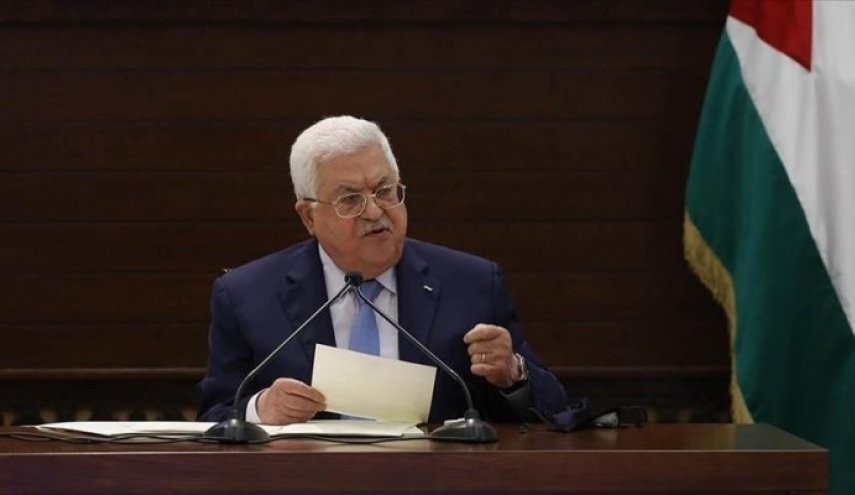
An Analysis of Mahmoud Abbas’s Proposal for General Elections in the Occupied Territories

An Analysis of Mahmoud Abbas’s Proposal for General Elections in the Occupied Territories

Strategic Council Online – Interview: A regional affairs expert stated that the remarks by Mahmoud Abbas, President of the Palestinian Authority, about holding general elections with the participation of Palestinians, while Gaza and the West Bank are facing the most severe attacks and threats, are a theatrical move aimed at legitimizing Mahmoud Abbas. This comes while Mahmoud Abbas suffers from severe illegitimacy among Palestinians, which is precisely why he raises such proposals.

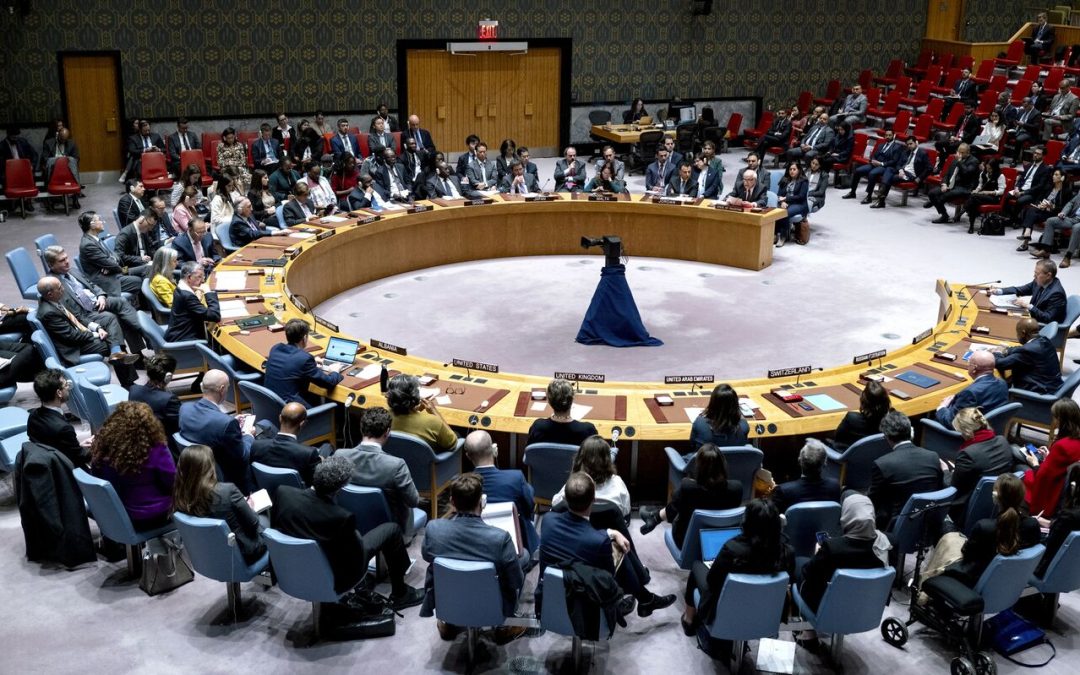
Critical Analysis of the Security Council’s Approach Towards the Gaza Crisis

Critical Analysis of the Security Council’s Approach Towards the Gaza Crisis

Strategic Council Online in – Interview: A senior Arab world analyst stated: When 61 thousand people are killed in Gaza and the Security Council is not even willing to issue a simple resolution in condemnation of the Zionist regime, it means the international structure is entirely dysfunctional. In such a situation, it is the nations that must cry out and awaken the global conscience.

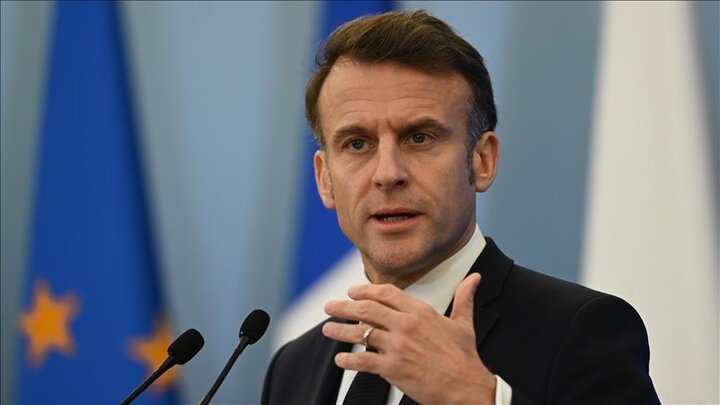
An Analysis of France’s Decision to Recognize the Palestinian State

An Analysis of France’s Decision to Recognize the Palestinian State

Strategic Council Online – Interview: A senior West Asia affairs analyst stated: The explicit support of Spain, Ireland, Portugal, and some political factions in the Netherlands and Britain for France’s decision to recognize the Palestinian state indicates that the public atmosphere in Europe is changing. Emmanuel Macron, the President of France, has announced that in September, coinciding with the United Nations General Assembly, his government will recognize the State of Palestine. This decision, amid the humanitarian crisis in the Gaza Strip and the continuation of the Israeli regime’s military attacks, is considered a significant step in the diplomatic arena. Of course, it should not go unmentioned that France, as one of the founders of the Israeli regime’s nuclear program and a member of the Rome Statute, has a past full of legal and moral responsibilities towards this regime. In this vein, many analysts believe that if France wants to go beyond this symbolic decision and truly play a role in changing international relations regarding the Palestinian crisis, now is the time to reexamine its historical past.

Prospect of Military Conflict Between Ansar Allah and the Israeli Regime

Prospect of Military Conflict Between Ansar Allah and the Israeli Regime

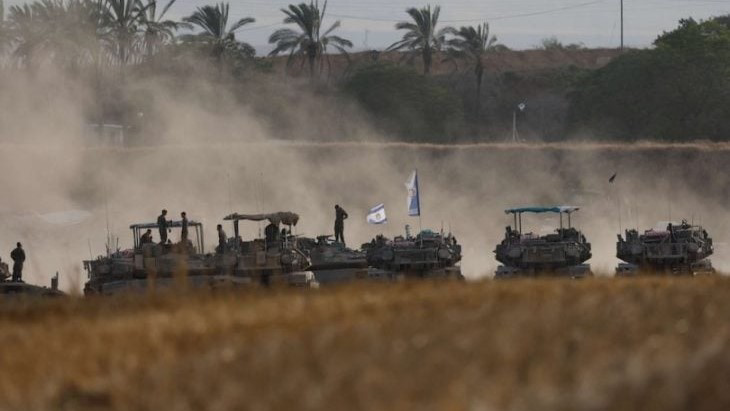
Strategic Council Online – Interview: A regional affairs expert stated that the months-long history of conflict between the Israeli regime and Ansar Allah has shown that the leaders and structure of Ansar Allah will not collapse, even with continued intense attacks by the U.S. and the Zionist regime, nor with the potential assassination and loss of their leaders. They will continue their resistance and warfare against the Israeli regime. In reality, the Yemeni resistance has demonstrated that the Israeli regime is incapable of defeating or pushing back Ansar Allah from their positions in support of the people of Gaza and Palestine.

Objectives of the Zionist Regime in Creating Famine in Gaza

Objectives of the Zionist Regime in Creating Famine in Gaza

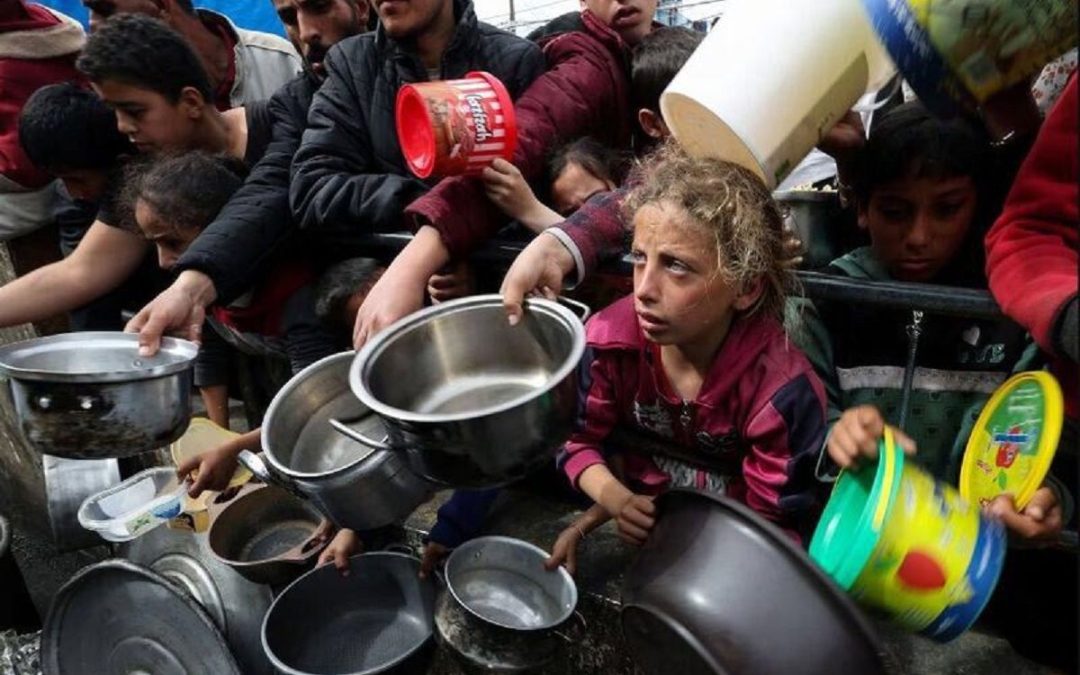
Strategic Online Council – Interview: A West Asia affairs expert stated that the Zionist regime’s policy of creating famine for the Palestinians in the Gaza Strip is “deliberate.” This policy is not only an attempt to weaken the Palestinian resistance but also part of a long-term strategy to alter the demographic composition of the Strip. The recent warning by the World Food Program about an imminent famine in Gaza has once again drawn global attention to the humanitarian crisis in the region. United Nations reports also indicate that over two million people in Gaza face severe food insecurity, exacerbated by the Zionist regime’s obstruction of humanitarian aid.

Examination of the Causes of the Arab League’s Inability and Passivity Regarding Palestine

Examination of the Causes of the Arab League’s Inability and Passivity Regarding Palestine

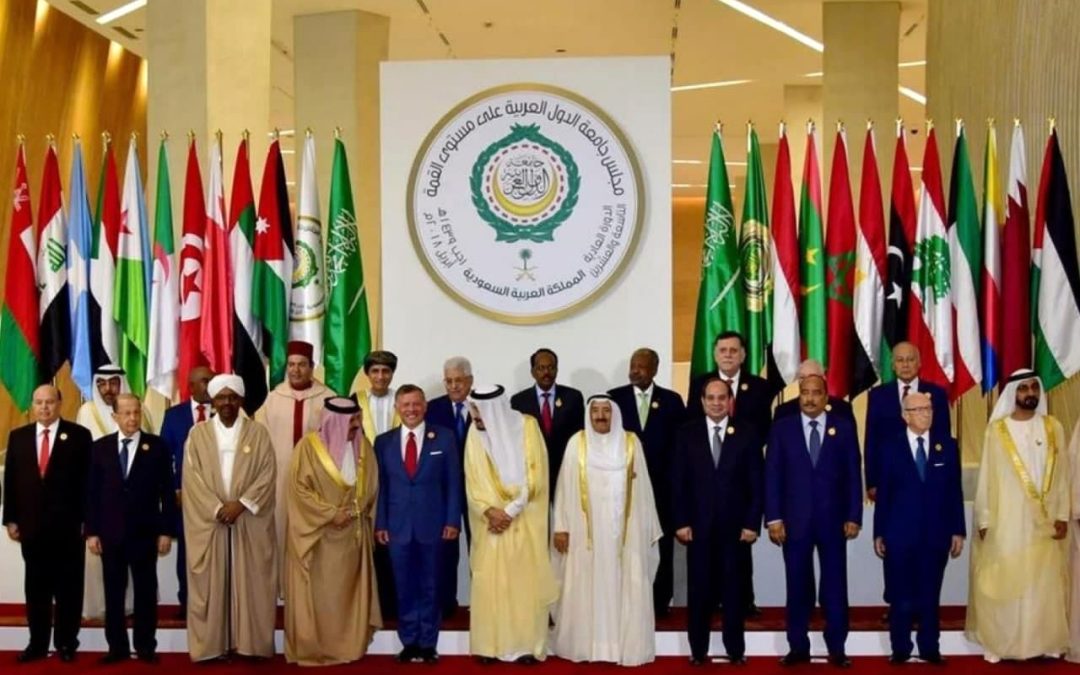
Strategic Council Online – Interview: A faculty member of International Relations at the Institute for Humanities and Cultural Studies stated: The 34th Arab League Summit was held in Baghdad on Saturday, May 17. 2024). In their final statement, Arab leaders called on the international community to pressure the Zionist regime to stop the bloodshed and massacres in Gaza. The summit’s final statement focused on the centrality of the Palestinian issue and the demand for an immediate ceasefire in the Gaza Strip. However, the question remains: Why has this body, aside from issuing a series of ineffective statements, failed to play a role in regional matters?

أحدث الوظائف

The Makkah Pact; Reasons for its Formation and Challenges Ahead

SCFR Online – Opinion: The Makkah Pact, signed between Saudi Arabia, Pakistan, and Turkey under the motto “an attack on one is an attack on all,” is viewed by some analysts less as a full-fledged military coalition and more as an attempt to reduce security dependence on an external power and to establish a regional security mechanism.

Implications of the US-Saudi Nuclear Agreement

SCFR Online – Opinion: The new US-Saudi nuclear agreement, despite legal and political ambiguities, could alter previous non-proliferation standards in West Asia and intensify nuclear competition, ushering it into a new phase.

An Analysis of Recent Turkey-Israeli Regime Tensions

SCFR Online – Opinion: Recent developments in Syria indicate an intensification of strategic rivalry between Turkey and the Israeli regime, but mutual considerations and the role of the United States have limited the likelihood of direct war.

Increasing criticism of the extensive Zionist lobby network

SCFR Online – Opinion: An examination of the mechanisms of the Israeli regime’s influence in the United States depicts a complex picture of shared interests, strategic dependencies, and the limitations of this relationship.

Realities of the Tripartite Makkah Pact

SCFR Online – Interview: The signing of the Makkah agreement between Saudi Arabia, Pakistan, and Turkey has raised questions about the future of the region’s security structure and the position of these countries in West Asian equations. Can this agreement become a genuine collective defense mechanism, or does it have more of a political and deterrent function than creating new military capacity?

Strategic Implications of the Reduction of US Weapons Stockpiles

SCFR Online – Opinion: The continuation of the US war against Iran, in addition to increasing operational costs, has called into question the actual capacity of the American arsenal to simultaneously fulfill security commitments on multiple fronts; an issue that affects deterrence, defense production capacity, and Washington’s resource prioritization.

The Formation of a New Order in Relations Between Powers

SCFR Online – Opinion: The Russia-Ukraine war and the war of the United States and the Israeli regime against Iran have been formed with different objectives and actors, but field and political developments indicate that they are not entirely separate from one another.

Loading

Palestine

Martyrdom of 270 Journalists by the Zionist Regime: A Deplorable and Unprecedented Record in the History of Wars

Martyrdom of 270 Journalists by the Zionist Regime: A Deplorable and Unprecedented Record in the History of Wars

Strategic Council Online – Interview: A senior West Asia affairs analyst wrote: A report by the Hebrew magazine “972” reveals that after October 7, 2023, the Zionist regime established a unit called the “Legitimization Unit” for media warfare and defaming Palestinian journalists. The goal of this unit is not security-related, but rather an effort to legitimize the actions of the Israeli regime in the eyes of public opinion and prevent international pressure. According to this report, the Israeli regime’s intelligence teams distort data and falsely link journalists to Hamas to both justify their killing and silence the Palestinian narrative. In some cases, a journalist was labeled as a “Hamas member” before being assassinated—an act that amounts to an unofficial death sentence in Gaza. The severe restrictions on foreign journalists entering Gaza are also part of this policy of narrative monopoly. According to statistics, over the past 22 months, at least 270 journalists have been killed in Gaza—an unprecedented number that exceeds the total number of journalists killed in World Wars, Vietnam, and Afghanistan. The recent drone attack on journalists’ tents near Al-Shifa Hospital and the martyrdom of Al Jazeera journalists represent the peak of this targeted and inhumane policy. As a result, the Israeli regime’s war against Gaza is not only military but also an organized media battle to distort reality and legitimize war crimes.

Dimensions and Negative Consequences of Netanyahu’s “Greater Israel” Idea

Dimensions and Negative Consequences of Netanyahu’s “Greater Israel” Idea

Strategic Council Online– Opinion: Netanyahu, the Prime Minister of the Zionist regime, in an interview with the i24 network, while receiving the “Promised Land” talisman from Sharon Gal, a former representative of the right-wing faction, said he is very attached to the ideal of “Greater Israel.” In this interview, he emphasized that he sees himself on a historical and spiritual mission that includes generations of Jews who dreamed of coming here and generations of Jews who will come after us.

An Analysis of Mahmoud Abbas’s Proposal for General Elections in the Occupied Territories

An Analysis of Mahmoud Abbas’s Proposal for General Elections in the Occupied Territories

Strategic Council Online – Interview: A regional affairs expert stated that the remarks by Mahmoud Abbas, President of the Palestinian Authority, about holding general elections with the participation of Palestinians, while Gaza and the West Bank are facing the most severe attacks and threats, are a theatrical move aimed at legitimizing Mahmoud Abbas. This comes while Mahmoud Abbas suffers from severe illegitimacy among Palestinians, which is precisely why he raises such proposals.

Critical Analysis of the Security Council’s Approach Towards the Gaza Crisis

Critical Analysis of the Security Council’s Approach Towards the Gaza Crisis

Strategic Council Online in – Interview: A senior Arab world analyst stated: When 61 thousand people are killed in Gaza and the Security Council is not even willing to issue a simple resolution in condemnation of the Zionist regime, it means the international structure is entirely dysfunctional. In such a situation, it is the nations that must cry out and awaken the global conscience.

An Analysis of France’s Decision to Recognize the Palestinian State

An Analysis of France’s Decision to Recognize the Palestinian State

Strategic Council Online – Interview: A senior West Asia affairs analyst stated: The explicit support of Spain, Ireland, Portugal, and some political factions in the Netherlands and Britain for France’s decision to recognize the Palestinian state indicates that the public atmosphere in Europe is changing. Emmanuel Macron, the President of France, has announced that in September, coinciding with the United Nations General Assembly, his government will recognize the State of Palestine. This decision, amid the humanitarian crisis in the Gaza Strip and the continuation of the Israeli regime’s military attacks, is considered a significant step in the diplomatic arena. Of course, it should not go unmentioned that France, as one of the founders of the Israeli regime’s nuclear program and a member of the Rome Statute, has a past full of legal and moral responsibilities towards this regime. In this vein, many analysts believe that if France wants to go beyond this symbolic decision and truly play a role in changing international relations regarding the Palestinian crisis, now is the time to reexamine its historical past.

Prospect of Military Conflict Between Ansar Allah and the Israeli Regime

Prospect of Military Conflict Between Ansar Allah and the Israeli Regime

Strategic Council Online – Interview: A regional affairs expert stated that the months-long history of conflict between the Israeli regime and Ansar Allah has shown that the leaders and structure of Ansar Allah will not collapse, even with continued intense attacks by the U.S. and the Zionist regime, nor with the potential assassination and loss of their leaders. They will continue their resistance and warfare against the Israeli regime. In reality, the Yemeni resistance has demonstrated that the Israeli regime is incapable of defeating or pushing back Ansar Allah from their positions in support of the people of Gaza and Palestine.

Objectives of the Zionist Regime in Creating Famine in Gaza

Objectives of the Zionist Regime in Creating Famine in Gaza

Strategic Online Council – Interview: A West Asia affairs expert stated that the Zionist regime’s policy of creating famine for the Palestinians in the Gaza Strip is “deliberate.” This policy is not only an attempt to weaken the Palestinian resistance but also part of a long-term strategy to alter the demographic composition of the Strip. The recent warning by the World Food Program about an imminent famine in Gaza has once again drawn global attention to the humanitarian crisis in the region. United Nations reports also indicate that over two million people in Gaza face severe food insecurity, exacerbated by the Zionist regime’s obstruction of humanitarian aid.

Examination of the Causes of the Arab League’s Inability and Passivity Regarding Palestine

Examination of the Causes of the Arab League’s Inability and Passivity Regarding Palestine

Strategic Council Online – Interview: A faculty member of International Relations at the Institute for Humanities and Cultural Studies stated: The 34th Arab League Summit was held in Baghdad on Saturday, May 17. 2024). In their final statement, Arab leaders called on the international community to pressure the Zionist regime to stop the bloodshed and massacres in Gaza. The summit’s final statement focused on the centrality of the Palestinian issue and the demand for an immediate ceasefire in the Gaza Strip. However, the question remains: Why has this body, aside from issuing a series of ineffective statements, failed to play a role in regional matters?

Palestine

Martyrdom of 270 Journalists by the Zionist Regime: A Deplorable and Unprecedented Record in the History of Wars

Martyrdom of 270 Journalists by the Zionist Regime: A Deplorable and Unprecedented Record in the History of Wars

Strategic Council Online – Interview: A senior West Asia affairs analyst wrote: A report by the Hebrew magazine “972” reveals that after October 7, 2023, the Zionist regime established a unit called the “Legitimization Unit” for media warfare and defaming Palestinian journalists. The goal of this unit is not security-related, but rather an effort to legitimize the actions of the Israeli regime in the eyes of public opinion and prevent international pressure. According to this report, the Israeli regime’s intelligence teams distort data and falsely link journalists to Hamas to both justify their killing and silence the Palestinian narrative. In some cases, a journalist was labeled as a “Hamas member” before being assassinated—an act that amounts to an unofficial death sentence in Gaza. The severe restrictions on foreign journalists entering Gaza are also part of this policy of narrative monopoly. According to statistics, over the past 22 months, at least 270 journalists have been killed in Gaza—an unprecedented number that exceeds the total number of journalists killed in World Wars, Vietnam, and Afghanistan. The recent drone attack on journalists’ tents near Al-Shifa Hospital and the martyrdom of Al Jazeera journalists represent the peak of this targeted and inhumane policy. As a result, the Israeli regime’s war against Gaza is not only military but also an organized media battle to distort reality and legitimize war crimes.

Dimensions and Negative Consequences of Netanyahu’s “Greater Israel” Idea

Dimensions and Negative Consequences of Netanyahu’s “Greater Israel” Idea

Strategic Council Online– Opinion: Netanyahu, the Prime Minister of the Zionist regime, in an interview with the i24 network, while receiving the “Promised Land” talisman from Sharon Gal, a former representative of the right-wing faction, said he is very attached to the ideal of “Greater Israel.” In this interview, he emphasized that he sees himself on a historical and spiritual mission that includes generations of Jews who dreamed of coming here and generations of Jews who will come after us.

An Analysis of Mahmoud Abbas’s Proposal for General Elections in the Occupied Territories

An Analysis of Mahmoud Abbas’s Proposal for General Elections in the Occupied Territories

Strategic Council Online – Interview: A regional affairs expert stated that the remarks by Mahmoud Abbas, President of the Palestinian Authority, about holding general elections with the participation of Palestinians, while Gaza and the West Bank are facing the most severe attacks and threats, are a theatrical move aimed at legitimizing Mahmoud Abbas. This comes while Mahmoud Abbas suffers from severe illegitimacy among Palestinians, which is precisely why he raises such proposals.

Critical Analysis of the Security Council’s Approach Towards the Gaza Crisis

Critical Analysis of the Security Council’s Approach Towards the Gaza Crisis

Strategic Council Online in – Interview: A senior Arab world analyst stated: When 61 thousand people are killed in Gaza and the Security Council is not even willing to issue a simple resolution in condemnation of the Zionist regime, it means the international structure is entirely dysfunctional. In such a situation, it is the nations that must cry out and awaken the global conscience.

An Analysis of France’s Decision to Recognize the Palestinian State

An Analysis of France’s Decision to Recognize the Palestinian State

Strategic Council Online – Interview: A senior West Asia affairs analyst stated: The explicit support of Spain, Ireland, Portugal, and some political factions in the Netherlands and Britain for France’s decision to recognize the Palestinian state indicates that the public atmosphere in Europe is changing. Emmanuel Macron, the President of France, has announced that in September, coinciding with the United Nations General Assembly, his government will recognize the State of Palestine. This decision, amid the humanitarian crisis in the Gaza Strip and the continuation of the Israeli regime’s military attacks, is considered a significant step in the diplomatic arena. Of course, it should not go unmentioned that France, as one of the founders of the Israeli regime’s nuclear program and a member of the Rome Statute, has a past full of legal and moral responsibilities towards this regime. In this vein, many analysts believe that if France wants to go beyond this symbolic decision and truly play a role in changing international relations regarding the Palestinian crisis, now is the time to reexamine its historical past.

Prospect of Military Conflict Between Ansar Allah and the Israeli Regime

Prospect of Military Conflict Between Ansar Allah and the Israeli Regime

Strategic Council Online – Interview: A regional affairs expert stated that the months-long history of conflict between the Israeli regime and Ansar Allah has shown that the leaders and structure of Ansar Allah will not collapse, even with continued intense attacks by the U.S. and the Zionist regime, nor with the potential assassination and loss of their leaders. They will continue their resistance and warfare against the Israeli regime. In reality, the Yemeni resistance has demonstrated that the Israeli regime is incapable of defeating or pushing back Ansar Allah from their positions in support of the people of Gaza and Palestine.

Objectives of the Zionist Regime in Creating Famine in Gaza

Objectives of the Zionist Regime in Creating Famine in Gaza

Strategic Online Council – Interview: A West Asia affairs expert stated that the Zionist regime’s policy of creating famine for the Palestinians in the Gaza Strip is “deliberate.” This policy is not only an attempt to weaken the Palestinian resistance but also part of a long-term strategy to alter the demographic composition of the Strip. The recent warning by the World Food Program about an imminent famine in Gaza has once again drawn global attention to the humanitarian crisis in the region. United Nations reports also indicate that over two million people in Gaza face severe food insecurity, exacerbated by the Zionist regime’s obstruction of humanitarian aid.

Examination of the Causes of the Arab League’s Inability and Passivity Regarding Palestine

Examination of the Causes of the Arab League’s Inability and Passivity Regarding Palestine

Strategic Council Online – Interview: A faculty member of International Relations at the Institute for Humanities and Cultural Studies stated: The 34th Arab League Summit was held in Baghdad on Saturday, May 17. 2024). In their final statement, Arab leaders called on the international community to pressure the Zionist regime to stop the bloodshed and massacres in Gaza. The summit’s final statement focused on the centrality of the Palestinian issue and the demand for an immediate ceasefire in the Gaza Strip. However, the question remains: Why has this body, aside from issuing a series of ineffective statements, failed to play a role in regional matters?

LATEST CONTENT

The Makkah Pact; Reasons for its Formation and Challenges Ahead

SCFR Online – Opinion: The Makkah Pact, signed between Saudi Arabia, Pakistan, and Turkey under the motto “an attack on one is an attack on all,” is viewed by some analysts less as a full-fledged military coalition and more as an attempt to reduce security dependence on an external power and to establish a regional security mechanism.

Implications of the US-Saudi Nuclear Agreement

SCFR Online – Opinion: The new US-Saudi nuclear agreement, despite legal and political ambiguities, could alter previous non-proliferation standards in West Asia and intensify nuclear competition, ushering it into a new phase.

An Analysis of Recent Turkey-Israeli Regime Tensions

SCFR Online – Opinion: Recent developments in Syria indicate an intensification of strategic rivalry between Turkey and the Israeli regime, but mutual considerations and the role of the United States have limited the likelihood of direct war.

Increasing criticism of the extensive Zionist lobby network

SCFR Online – Opinion: An examination of the mechanisms of the Israeli regime’s influence in the United States depicts a complex picture of shared interests, strategic dependencies, and the limitations of this relationship.

Realities of the Tripartite Makkah Pact

SCFR Online – Interview: The signing of the Makkah agreement between Saudi Arabia, Pakistan, and Turkey has raised questions about the future of the region’s security structure and the position of these countries in West Asian equations. Can this agreement become a genuine collective defense mechanism, or does it have more of a political and deterrent function than creating new military capacity?

Strategic Implications of the Reduction of US Weapons Stockpiles

SCFR Online – Opinion: The continuation of the US war against Iran, in addition to increasing operational costs, has called into question the actual capacity of the American arsenal to simultaneously fulfill security commitments on multiple fronts; an issue that affects deterrence, defense production capacity, and Washington’s resource prioritization.

The Formation of a New Order in Relations Between Powers

SCFR Online – Opinion: The Russia-Ukraine war and the war of the United States and the Israeli regime against Iran have been formed with different objectives and actors, but field and political developments indicate that they are not entirely separate from one another.

Loading

Palestine

Martyrdom of 270 Journalists by the Zionist Regime: A Deplorable and Unprecedented Record in the History of Wars

Martyrdom of 270 Journalists by the Zionist Regime: A Deplorable and Unprecedented Record in the History of Wars

Strategic Council Online – Interview: A senior West Asia affairs analyst wrote: A report by the Hebrew magazine “972” reveals that after October 7, 2023, the Zionist regime established a unit called the “Legitimization Unit” for media warfare and defaming Palestinian journalists. The goal of this unit is not security-related, but rather an effort to legitimize the actions of the Israeli regime in the eyes of public opinion and prevent international pressure. According to this report, the Israeli regime’s intelligence teams distort data and falsely link journalists to Hamas to both justify their killing and silence the Palestinian narrative. In some cases, a journalist was labeled as a “Hamas member” before being assassinated—an act that amounts to an unofficial death sentence in Gaza. The severe restrictions on foreign journalists entering Gaza are also part of this policy of narrative monopoly. According to statistics, over the past 22 months, at least 270 journalists have been killed in Gaza—an unprecedented number that exceeds the total number of journalists killed in World Wars, Vietnam, and Afghanistan. The recent drone attack on journalists’ tents near Al-Shifa Hospital and the martyrdom of Al Jazeera journalists represent the peak of this targeted and inhumane policy. As a result, the Israeli regime’s war against Gaza is not only military but also an organized media battle to distort reality and legitimize war crimes.

Dimensions and Negative Consequences of Netanyahu’s “Greater Israel” Idea

Dimensions and Negative Consequences of Netanyahu’s “Greater Israel” Idea

Strategic Council Online– Opinion: Netanyahu, the Prime Minister of the Zionist regime, in an interview with the i24 network, while receiving the “Promised Land” talisman from Sharon Gal, a former representative of the right-wing faction, said he is very attached to the ideal of “Greater Israel.” In this interview, he emphasized that he sees himself on a historical and spiritual mission that includes generations of Jews who dreamed of coming here and generations of Jews who will come after us.

An Analysis of Mahmoud Abbas’s Proposal for General Elections in the Occupied Territories

An Analysis of Mahmoud Abbas’s Proposal for General Elections in the Occupied Territories

Strategic Council Online – Interview: A regional affairs expert stated that the remarks by Mahmoud Abbas, President of the Palestinian Authority, about holding general elections with the participation of Palestinians, while Gaza and the West Bank are facing the most severe attacks and threats, are a theatrical move aimed at legitimizing Mahmoud Abbas. This comes while Mahmoud Abbas suffers from severe illegitimacy among Palestinians, which is precisely why he raises such proposals.

Critical Analysis of the Security Council’s Approach Towards the Gaza Crisis

Critical Analysis of the Security Council’s Approach Towards the Gaza Crisis

Strategic Council Online in – Interview: A senior Arab world analyst stated: When 61 thousand people are killed in Gaza and the Security Council is not even willing to issue a simple resolution in condemnation of the Zionist regime, it means the international structure is entirely dysfunctional. In such a situation, it is the nations that must cry out and awaken the global conscience.

An Analysis of France’s Decision to Recognize the Palestinian State

An Analysis of France’s Decision to Recognize the Palestinian State

Strategic Council Online – Interview: A senior West Asia affairs analyst stated: The explicit support of Spain, Ireland, Portugal, and some political factions in the Netherlands and Britain for France’s decision to recognize the Palestinian state indicates that the public atmosphere in Europe is changing. Emmanuel Macron, the President of France, has announced that in September, coinciding with the United Nations General Assembly, his government will recognize the State of Palestine. This decision, amid the humanitarian crisis in the Gaza Strip and the continuation of the Israeli regime’s military attacks, is considered a significant step in the diplomatic arena. Of course, it should not go unmentioned that France, as one of the founders of the Israeli regime’s nuclear program and a member of the Rome Statute, has a past full of legal and moral responsibilities towards this regime. In this vein, many analysts believe that if France wants to go beyond this symbolic decision and truly play a role in changing international relations regarding the Palestinian crisis, now is the time to reexamine its historical past.

Prospect of Military Conflict Between Ansar Allah and the Israeli Regime

Prospect of Military Conflict Between Ansar Allah and the Israeli Regime

Strategic Council Online – Interview: A regional affairs expert stated that the months-long history of conflict between the Israeli regime and Ansar Allah has shown that the leaders and structure of Ansar Allah will not collapse, even with continued intense attacks by the U.S. and the Zionist regime, nor with the potential assassination and loss of their leaders. They will continue their resistance and warfare against the Israeli regime. In reality, the Yemeni resistance has demonstrated that the Israeli regime is incapable of defeating or pushing back Ansar Allah from their positions in support of the people of Gaza and Palestine.

Objectives of the Zionist Regime in Creating Famine in Gaza

Objectives of the Zionist Regime in Creating Famine in Gaza

Strategic Online Council – Interview: A West Asia affairs expert stated that the Zionist regime’s policy of creating famine for the Palestinians in the Gaza Strip is “deliberate.” This policy is not only an attempt to weaken the Palestinian resistance but also part of a long-term strategy to alter the demographic composition of the Strip. The recent warning by the World Food Program about an imminent famine in Gaza has once again drawn global attention to the humanitarian crisis in the region. United Nations reports also indicate that over two million people in Gaza face severe food insecurity, exacerbated by the Zionist regime’s obstruction of humanitarian aid.

Examination of the Causes of the Arab League’s Inability and Passivity Regarding Palestine

Examination of the Causes of the Arab League’s Inability and Passivity Regarding Palestine

Strategic Council Online – Interview: A faculty member of International Relations at the Institute for Humanities and Cultural Studies stated: The 34th Arab League Summit was held in Baghdad on Saturday, May 17. 2024). In their final statement, Arab leaders called on the international community to pressure the Zionist regime to stop the bloodshed and massacres in Gaza. The summit’s final statement focused on the centrality of the Palestinian issue and the demand for an immediate ceasefire in the Gaza Strip. However, the question remains: Why has this body, aside from issuing a series of ineffective statements, failed to play a role in regional matters?

ÚLTIMAS PUBLICACIONES

The Makkah Pact; Reasons for its Formation and Challenges Ahead

SCFR Online – Opinion: The Makkah Pact, signed between Saudi Arabia, Pakistan, and Turkey under the motto “an attack on one is an attack on all,” is viewed by some analysts less as a full-fledged military coalition and more as an attempt to reduce security dependence on an external power and to establish a regional security mechanism.

Implications of the US-Saudi Nuclear Agreement

SCFR Online – Opinion: The new US-Saudi nuclear agreement, despite legal and political ambiguities, could alter previous non-proliferation standards in West Asia and intensify nuclear competition, ushering it into a new phase.

An Analysis of Recent Turkey-Israeli Regime Tensions

SCFR Online – Opinion: Recent developments in Syria indicate an intensification of strategic rivalry between Turkey and the Israeli regime, but mutual considerations and the role of the United States have limited the likelihood of direct war.

Increasing criticism of the extensive Zionist lobby network

SCFR Online – Opinion: An examination of the mechanisms of the Israeli regime’s influence in the United States depicts a complex picture of shared interests, strategic dependencies, and the limitations of this relationship.

Realities of the Tripartite Makkah Pact

SCFR Online – Interview: The signing of the Makkah agreement between Saudi Arabia, Pakistan, and Turkey has raised questions about the future of the region’s security structure and the position of these countries in West Asian equations. Can this agreement become a genuine collective defense mechanism, or does it have more of a political and deterrent function than creating new military capacity?

Strategic Implications of the Reduction of US Weapons Stockpiles

SCFR Online – Opinion: The continuation of the US war against Iran, in addition to increasing operational costs, has called into question the actual capacity of the American arsenal to simultaneously fulfill security commitments on multiple fronts; an issue that affects deterrence, defense production capacity, and Washington’s resource prioritization.

The Formation of a New Order in Relations Between Powers

SCFR Online – Opinion: The Russia-Ukraine war and the war of the United States and the Israeli regime against Iran have been formed with different objectives and actors, but field and political developments indicate that they are not entirely separate from one another.

Loading

Palestine

Martyrdom of 270 Journalists by the Zionist Regime: A Deplorable and Unprecedented Record in the History of Wars

Martyrdom of 270 Journalists by the Zionist Regime: A Deplorable and Unprecedented Record in the History of Wars

Strategic Council Online – Interview: A senior West Asia affairs analyst wrote: A report by the Hebrew magazine “972” reveals that after October 7, 2023, the Zionist regime established a unit called the “Legitimization Unit” for media warfare and defaming Palestinian journalists. The goal of this unit is not security-related, but rather an effort to legitimize the actions of the Israeli regime in the eyes of public opinion and prevent international pressure. According to this report, the Israeli regime’s intelligence teams distort data and falsely link journalists to Hamas to both justify their killing and silence the Palestinian narrative. In some cases, a journalist was labeled as a “Hamas member” before being assassinated—an act that amounts to an unofficial death sentence in Gaza. The severe restrictions on foreign journalists entering Gaza are also part of this policy of narrative monopoly. According to statistics, over the past 22 months, at least 270 journalists have been killed in Gaza—an unprecedented number that exceeds the total number of journalists killed in World Wars, Vietnam, and Afghanistan. The recent drone attack on journalists’ tents near Al-Shifa Hospital and the martyrdom of Al Jazeera journalists represent the peak of this targeted and inhumane policy. As a result, the Israeli regime’s war against Gaza is not only military but also an organized media battle to distort reality and legitimize war crimes.

Dimensions and Negative Consequences of Netanyahu’s “Greater Israel” Idea

Dimensions and Negative Consequences of Netanyahu’s “Greater Israel” Idea

Strategic Council Online– Opinion: Netanyahu, the Prime Minister of the Zionist regime, in an interview with the i24 network, while receiving the “Promised Land” talisman from Sharon Gal, a former representative of the right-wing faction, said he is very attached to the ideal of “Greater Israel.” In this interview, he emphasized that he sees himself on a historical and spiritual mission that includes generations of Jews who dreamed of coming here and generations of Jews who will come after us.

An Analysis of Mahmoud Abbas’s Proposal for General Elections in the Occupied Territories

An Analysis of Mahmoud Abbas’s Proposal for General Elections in the Occupied Territories

Strategic Council Online – Interview: A regional affairs expert stated that the remarks by Mahmoud Abbas, President of the Palestinian Authority, about holding general elections with the participation of Palestinians, while Gaza and the West Bank are facing the most severe attacks and threats, are a theatrical move aimed at legitimizing Mahmoud Abbas. This comes while Mahmoud Abbas suffers from severe illegitimacy among Palestinians, which is precisely why he raises such proposals.

Critical Analysis of the Security Council’s Approach Towards the Gaza Crisis

Critical Analysis of the Security Council’s Approach Towards the Gaza Crisis

Strategic Council Online in – Interview: A senior Arab world analyst stated: When 61 thousand people are killed in Gaza and the Security Council is not even willing to issue a simple resolution in condemnation of the Zionist regime, it means the international structure is entirely dysfunctional. In such a situation, it is the nations that must cry out and awaken the global conscience.

An Analysis of France’s Decision to Recognize the Palestinian State

An Analysis of France’s Decision to Recognize the Palestinian State

Strategic Council Online – Interview: A senior West Asia affairs analyst stated: The explicit support of Spain, Ireland, Portugal, and some political factions in the Netherlands and Britain for France’s decision to recognize the Palestinian state indicates that the public atmosphere in Europe is changing. Emmanuel Macron, the President of France, has announced that in September, coinciding with the United Nations General Assembly, his government will recognize the State of Palestine. This decision, amid the humanitarian crisis in the Gaza Strip and the continuation of the Israeli regime’s military attacks, is considered a significant step in the diplomatic arena. Of course, it should not go unmentioned that France, as one of the founders of the Israeli regime’s nuclear program and a member of the Rome Statute, has a past full of legal and moral responsibilities towards this regime. In this vein, many analysts believe that if France wants to go beyond this symbolic decision and truly play a role in changing international relations regarding the Palestinian crisis, now is the time to reexamine its historical past.

Prospect of Military Conflict Between Ansar Allah and the Israeli Regime

Prospect of Military Conflict Between Ansar Allah and the Israeli Regime

Strategic Council Online – Interview: A regional affairs expert stated that the months-long history of conflict between the Israeli regime and Ansar Allah has shown that the leaders and structure of Ansar Allah will not collapse, even with continued intense attacks by the U.S. and the Zionist regime, nor with the potential assassination and loss of their leaders. They will continue their resistance and warfare against the Israeli regime. In reality, the Yemeni resistance has demonstrated that the Israeli regime is incapable of defeating or pushing back Ansar Allah from their positions in support of the people of Gaza and Palestine.

Objectives of the Zionist Regime in Creating Famine in Gaza

Objectives of the Zionist Regime in Creating Famine in Gaza

Strategic Online Council – Interview: A West Asia affairs expert stated that the Zionist regime’s policy of creating famine for the Palestinians in the Gaza Strip is “deliberate.” This policy is not only an attempt to weaken the Palestinian resistance but also part of a long-term strategy to alter the demographic composition of the Strip. The recent warning by the World Food Program about an imminent famine in Gaza has once again drawn global attention to the humanitarian crisis in the region. United Nations reports also indicate that over two million people in Gaza face severe food insecurity, exacerbated by the Zionist regime’s obstruction of humanitarian aid.

Examination of the Causes of the Arab League’s Inability and Passivity Regarding Palestine

Examination of the Causes of the Arab League’s Inability and Passivity Regarding Palestine

Strategic Council Online – Interview: A faculty member of International Relations at the Institute for Humanities and Cultural Studies stated: The 34th Arab League Summit was held in Baghdad on Saturday, May 17. 2024). In their final statement, Arab leaders called on the international community to pressure the Zionist regime to stop the bloodshed and massacres in Gaza. The summit’s final statement focused on the centrality of the Palestinian issue and the demand for an immediate ceasefire in the Gaza Strip. However, the question remains: Why has this body, aside from issuing a series of ineffective statements, failed to play a role in regional matters?

ÚLTIMAS PUBLICACIONES

The Makkah Pact; Reasons for its Formation and Challenges Ahead

SCFR Online – Opinion: The Makkah Pact, signed between Saudi Arabia, Pakistan, and Turkey under the motto “an attack on one is an attack on all,” is viewed by some analysts less as a full-fledged military coalition and more as an attempt to reduce security dependence on an external power and to establish a regional security mechanism.

Implications of the US-Saudi Nuclear Agreement

SCFR Online – Opinion: The new US-Saudi nuclear agreement, despite legal and political ambiguities, could alter previous non-proliferation standards in West Asia and intensify nuclear competition, ushering it into a new phase.

An Analysis of Recent Turkey-Israeli Regime Tensions

SCFR Online – Opinion: Recent developments in Syria indicate an intensification of strategic rivalry between Turkey and the Israeli regime, but mutual considerations and the role of the United States have limited the likelihood of direct war.

Increasing criticism of the extensive Zionist lobby network

SCFR Online – Opinion: An examination of the mechanisms of the Israeli regime’s influence in the United States depicts a complex picture of shared interests, strategic dependencies, and the limitations of this relationship.

Realities of the Tripartite Makkah Pact

SCFR Online – Interview: The signing of the Makkah agreement between Saudi Arabia, Pakistan, and Turkey has raised questions about the future of the region’s security structure and the position of these countries in West Asian equations. Can this agreement become a genuine collective defense mechanism, or does it have more of a political and deterrent function than creating new military capacity?

Strategic Implications of the Reduction of US Weapons Stockpiles

SCFR Online – Opinion: The continuation of the US war against Iran, in addition to increasing operational costs, has called into question the actual capacity of the American arsenal to simultaneously fulfill security commitments on multiple fronts; an issue that affects deterrence, defense production capacity, and Washington’s resource prioritization.

The Formation of a New Order in Relations Between Powers

SCFR Online – Opinion: The Russia-Ukraine war and the war of the United States and the Israeli regime against Iran have been formed with different objectives and actors, but field and political developments indicate that they are not entirely separate from one another.

Loading

Palestine

Martyrdom of 270 Journalists by the Zionist Regime: A Deplorable and Unprecedented Record in the History of Wars

Martyrdom of 270 Journalists by the Zionist Regime: A Deplorable and Unprecedented Record in the History of Wars

Strategic Council Online – Interview: A senior West Asia affairs analyst wrote: A report by the Hebrew magazine “972” reveals that after October 7, 2023, the Zionist regime established a unit called the “Legitimization Unit” for media warfare and defaming Palestinian journalists. The goal of this unit is not security-related, but rather an effort to legitimize the actions of the Israeli regime in the eyes of public opinion and prevent international pressure. According to this report, the Israeli regime’s intelligence teams distort data and falsely link journalists to Hamas to both justify their killing and silence the Palestinian narrative. In some cases, a journalist was labeled as a “Hamas member” before being assassinated—an act that amounts to an unofficial death sentence in Gaza. The severe restrictions on foreign journalists entering Gaza are also part of this policy of narrative monopoly. According to statistics, over the past 22 months, at least 270 journalists have been killed in Gaza—an unprecedented number that exceeds the total number of journalists killed in World Wars, Vietnam, and Afghanistan. The recent drone attack on journalists’ tents near Al-Shifa Hospital and the martyrdom of Al Jazeera journalists represent the peak of this targeted and inhumane policy. As a result, the Israeli regime’s war against Gaza is not only military but also an organized media battle to distort reality and legitimize war crimes.

Dimensions and Negative Consequences of Netanyahu’s “Greater Israel” Idea

Dimensions and Negative Consequences of Netanyahu’s “Greater Israel” Idea

Strategic Council Online– Opinion: Netanyahu, the Prime Minister of the Zionist regime, in an interview with the i24 network, while receiving the “Promised Land” talisman from Sharon Gal, a former representative of the right-wing faction, said he is very attached to the ideal of “Greater Israel.” In this interview, he emphasized that he sees himself on a historical and spiritual mission that includes generations of Jews who dreamed of coming here and generations of Jews who will come after us.

An Analysis of Mahmoud Abbas’s Proposal for General Elections in the Occupied Territories

An Analysis of Mahmoud Abbas’s Proposal for General Elections in the Occupied Territories

Strategic Council Online – Interview: A regional affairs expert stated that the remarks by Mahmoud Abbas, President of the Palestinian Authority, about holding general elections with the participation of Palestinians, while Gaza and the West Bank are facing the most severe attacks and threats, are a theatrical move aimed at legitimizing Mahmoud Abbas. This comes while Mahmoud Abbas suffers from severe illegitimacy among Palestinians, which is precisely why he raises such proposals.

Critical Analysis of the Security Council’s Approach Towards the Gaza Crisis

Critical Analysis of the Security Council’s Approach Towards the Gaza Crisis

Strategic Council Online in – Interview: A senior Arab world analyst stated: When 61 thousand people are killed in Gaza and the Security Council is not even willing to issue a simple resolution in condemnation of the Zionist regime, it means the international structure is entirely dysfunctional. In such a situation, it is the nations that must cry out and awaken the global conscience.

An Analysis of France’s Decision to Recognize the Palestinian State

An Analysis of France’s Decision to Recognize the Palestinian State

Strategic Council Online – Interview: A senior West Asia affairs analyst stated: The explicit support of Spain, Ireland, Portugal, and some political factions in the Netherlands and Britain for France’s decision to recognize the Palestinian state indicates that the public atmosphere in Europe is changing. Emmanuel Macron, the President of France, has announced that in September, coinciding with the United Nations General Assembly, his government will recognize the State of Palestine. This decision, amid the humanitarian crisis in the Gaza Strip and the continuation of the Israeli regime’s military attacks, is considered a significant step in the diplomatic arena. Of course, it should not go unmentioned that France, as one of the founders of the Israeli regime’s nuclear program and a member of the Rome Statute, has a past full of legal and moral responsibilities towards this regime. In this vein, many analysts believe that if France wants to go beyond this symbolic decision and truly play a role in changing international relations regarding the Palestinian crisis, now is the time to reexamine its historical past.

Prospect of Military Conflict Between Ansar Allah and the Israeli Regime

Prospect of Military Conflict Between Ansar Allah and the Israeli Regime

Strategic Council Online – Interview: A regional affairs expert stated that the months-long history of conflict between the Israeli regime and Ansar Allah has shown that the leaders and structure of Ansar Allah will not collapse, even with continued intense attacks by the U.S. and the Zionist regime, nor with the potential assassination and loss of their leaders. They will continue their resistance and warfare against the Israeli regime. In reality, the Yemeni resistance has demonstrated that the Israeli regime is incapable of defeating or pushing back Ansar Allah from their positions in support of the people of Gaza and Palestine.

Objectives of the Zionist Regime in Creating Famine in Gaza

Objectives of the Zionist Regime in Creating Famine in Gaza

Strategic Online Council – Interview: A West Asia affairs expert stated that the Zionist regime’s policy of creating famine for the Palestinians in the Gaza Strip is “deliberate.” This policy is not only an attempt to weaken the Palestinian resistance but also part of a long-term strategy to alter the demographic composition of the Strip. The recent warning by the World Food Program about an imminent famine in Gaza has once again drawn global attention to the humanitarian crisis in the region. United Nations reports also indicate that over two million people in Gaza face severe food insecurity, exacerbated by the Zionist regime’s obstruction of humanitarian aid.

Examination of the Causes of the Arab League’s Inability and Passivity Regarding Palestine

Examination of the Causes of the Arab League’s Inability and Passivity Regarding Palestine

Strategic Council Online – Interview: A faculty member of International Relations at the Institute for Humanities and Cultural Studies stated: The 34th Arab League Summit was held in Baghdad on Saturday, May 17. 2024). In their final statement, Arab leaders called on the international community to pressure the Zionist regime to stop the bloodshed and massacres in Gaza. The summit’s final statement focused on the centrality of the Palestinian issue and the demand for an immediate ceasefire in the Gaza Strip. However, the question remains: Why has this body, aside from issuing a series of ineffective statements, failed to play a role in regional matters?

ÚLTIMAS PUBLICACIONES

The Makkah Pact; Reasons for its Formation and Challenges Ahead

SCFR Online – Opinion: The Makkah Pact, signed between Saudi Arabia, Pakistan, and Turkey under the motto “an attack on one is an attack on all,” is viewed by some analysts less as a full-fledged military coalition and more as an attempt to reduce security dependence on an external power and to establish a regional security mechanism.

Implications of the US-Saudi Nuclear Agreement

SCFR Online – Opinion: The new US-Saudi nuclear agreement, despite legal and political ambiguities, could alter previous non-proliferation standards in West Asia and intensify nuclear competition, ushering it into a new phase.

An Analysis of Recent Turkey-Israeli Regime Tensions

SCFR Online – Opinion: Recent developments in Syria indicate an intensification of strategic rivalry between Turkey and the Israeli regime, but mutual considerations and the role of the United States have limited the likelihood of direct war.

Increasing criticism of the extensive Zionist lobby network

SCFR Online – Opinion: An examination of the mechanisms of the Israeli regime’s influence in the United States depicts a complex picture of shared interests, strategic dependencies, and the limitations of this relationship.

Realities of the Tripartite Makkah Pact

SCFR Online – Interview: The signing of the Makkah agreement between Saudi Arabia, Pakistan, and Turkey has raised questions about the future of the region’s security structure and the position of these countries in West Asian equations. Can this agreement become a genuine collective defense mechanism, or does it have more of a political and deterrent function than creating new military capacity?

Strategic Implications of the Reduction of US Weapons Stockpiles

SCFR Online – Opinion: The continuation of the US war against Iran, in addition to increasing operational costs, has called into question the actual capacity of the American arsenal to simultaneously fulfill security commitments on multiple fronts; an issue that affects deterrence, defense production capacity, and Washington’s resource prioritization.

The Formation of a New Order in Relations Between Powers

SCFR Online – Opinion: The Russia-Ukraine war and the war of the United States and the Israeli regime against Iran have been formed with different objectives and actors, but field and political developments indicate that they are not entirely separate from one another.

Loading

Palestine

Martyrdom of 270 Journalists by the Zionist Regime: A Deplorable and Unprecedented Record in the History of Wars

Martyrdom of 270 Journalists by the Zionist Regime: A Deplorable and Unprecedented Record in the History of Wars

Strategic Council Online – Interview: A senior West Asia affairs analyst wrote: A report by the Hebrew magazine “972” reveals that after October 7, 2023, the Zionist regime established a unit called the “Legitimization Unit” for media warfare and defaming Palestinian journalists. The goal of this unit is not security-related, but rather an effort to legitimize the actions of the Israeli regime in the eyes of public opinion and prevent international pressure. According to this report, the Israeli regime’s intelligence teams distort data and falsely link journalists to Hamas to both justify their killing and silence the Palestinian narrative. In some cases, a journalist was labeled as a “Hamas member” before being assassinated—an act that amounts to an unofficial death sentence in Gaza. The severe restrictions on foreign journalists entering Gaza are also part of this policy of narrative monopoly. According to statistics, over the past 22 months, at least 270 journalists have been killed in Gaza—an unprecedented number that exceeds the total number of journalists killed in World Wars, Vietnam, and Afghanistan. The recent drone attack on journalists’ tents near Al-Shifa Hospital and the martyrdom of Al Jazeera journalists represent the peak of this targeted and inhumane policy. As a result, the Israeli regime’s war against Gaza is not only military but also an organized media battle to distort reality and legitimize war crimes.

Dimensions and Negative Consequences of Netanyahu’s “Greater Israel” Idea

Dimensions and Negative Consequences of Netanyahu’s “Greater Israel” Idea

Strategic Council Online– Opinion: Netanyahu, the Prime Minister of the Zionist regime, in an interview with the i24 network, while receiving the “Promised Land” talisman from Sharon Gal, a former representative of the right-wing faction, said he is very attached to the ideal of “Greater Israel.” In this interview, he emphasized that he sees himself on a historical and spiritual mission that includes generations of Jews who dreamed of coming here and generations of Jews who will come after us.

An Analysis of Mahmoud Abbas’s Proposal for General Elections in the Occupied Territories

An Analysis of Mahmoud Abbas’s Proposal for General Elections in the Occupied Territories

Strategic Council Online – Interview: A regional affairs expert stated that the remarks by Mahmoud Abbas, President of the Palestinian Authority, about holding general elections with the participation of Palestinians, while Gaza and the West Bank are facing the most severe attacks and threats, are a theatrical move aimed at legitimizing Mahmoud Abbas. This comes while Mahmoud Abbas suffers from severe illegitimacy among Palestinians, which is precisely why he raises such proposals.

Critical Analysis of the Security Council’s Approach Towards the Gaza Crisis

Critical Analysis of the Security Council’s Approach Towards the Gaza Crisis

Strategic Council Online in – Interview: A senior Arab world analyst stated: When 61 thousand people are killed in Gaza and the Security Council is not even willing to issue a simple resolution in condemnation of the Zionist regime, it means the international structure is entirely dysfunctional. In such a situation, it is the nations that must cry out and awaken the global conscience.

An Analysis of France’s Decision to Recognize the Palestinian State

An Analysis of France’s Decision to Recognize the Palestinian State

Strategic Council Online – Interview: A senior West Asia affairs analyst stated: The explicit support of Spain, Ireland, Portugal, and some political factions in the Netherlands and Britain for France’s decision to recognize the Palestinian state indicates that the public atmosphere in Europe is changing. Emmanuel Macron, the President of France, has announced that in September, coinciding with the United Nations General Assembly, his government will recognize the State of Palestine. This decision, amid the humanitarian crisis in the Gaza Strip and the continuation of the Israeli regime’s military attacks, is considered a significant step in the diplomatic arena. Of course, it should not go unmentioned that France, as one of the founders of the Israeli regime’s nuclear program and a member of the Rome Statute, has a past full of legal and moral responsibilities towards this regime. In this vein, many analysts believe that if France wants to go beyond this symbolic decision and truly play a role in changing international relations regarding the Palestinian crisis, now is the time to reexamine its historical past.

Prospect of Military Conflict Between Ansar Allah and the Israeli Regime

Prospect of Military Conflict Between Ansar Allah and the Israeli Regime

Strategic Council Online – Interview: A regional affairs expert stated that the months-long history of conflict between the Israeli regime and Ansar Allah has shown that the leaders and structure of Ansar Allah will not collapse, even with continued intense attacks by the U.S. and the Zionist regime, nor with the potential assassination and loss of their leaders. They will continue their resistance and warfare against the Israeli regime. In reality, the Yemeni resistance has demonstrated that the Israeli regime is incapable of defeating or pushing back Ansar Allah from their positions in support of the people of Gaza and Palestine.

Objectives of the Zionist Regime in Creating Famine in Gaza

Objectives of the Zionist Regime in Creating Famine in Gaza

Strategic Online Council – Interview: A West Asia affairs expert stated that the Zionist regime’s policy of creating famine for the Palestinians in the Gaza Strip is “deliberate.” This policy is not only an attempt to weaken the Palestinian resistance but also part of a long-term strategy to alter the demographic composition of the Strip. The recent warning by the World Food Program about an imminent famine in Gaza has once again drawn global attention to the humanitarian crisis in the region. United Nations reports also indicate that over two million people in Gaza face severe food insecurity, exacerbated by the Zionist regime’s obstruction of humanitarian aid.

Examination of the Causes of the Arab League’s Inability and Passivity Regarding Palestine

Examination of the Causes of the Arab League’s Inability and Passivity Regarding Palestine

Strategic Council Online – Interview: A faculty member of International Relations at the Institute for Humanities and Cultural Studies stated: The 34th Arab League Summit was held in Baghdad on Saturday, May 17. 2024). In their final statement, Arab leaders called on the international community to pressure the Zionist regime to stop the bloodshed and massacres in Gaza. The summit’s final statement focused on the centrality of the Palestinian issue and the demand for an immediate ceasefire in the Gaza Strip. However, the question remains: Why has this body, aside from issuing a series of ineffective statements, failed to play a role in regional matters?

ÚLTIMAS PUBLICACIONES

The Makkah Pact; Reasons for its Formation and Challenges Ahead

SCFR Online – Opinion: The Makkah Pact, signed between Saudi Arabia, Pakistan, and Turkey under the motto “an attack on one is an attack on all,” is viewed by some analysts less as a full-fledged military coalition and more as an attempt to reduce security dependence on an external power and to establish a regional security mechanism.

Implications of the US-Saudi Nuclear Agreement

SCFR Online – Opinion: The new US-Saudi nuclear agreement, despite legal and political ambiguities, could alter previous non-proliferation standards in West Asia and intensify nuclear competition, ushering it into a new phase.

An Analysis of Recent Turkey-Israeli Regime Tensions

SCFR Online – Opinion: Recent developments in Syria indicate an intensification of strategic rivalry between Turkey and the Israeli regime, but mutual considerations and the role of the United States have limited the likelihood of direct war.

Increasing criticism of the extensive Zionist lobby network

SCFR Online – Opinion: An examination of the mechanisms of the Israeli regime’s influence in the United States depicts a complex picture of shared interests, strategic dependencies, and the limitations of this relationship.

Realities of the Tripartite Makkah Pact

SCFR Online – Interview: The signing of the Makkah agreement between Saudi Arabia, Pakistan, and Turkey has raised questions about the future of the region’s security structure and the position of these countries in West Asian equations. Can this agreement become a genuine collective defense mechanism, or does it have more of a political and deterrent function than creating new military capacity?

Strategic Implications of the Reduction of US Weapons Stockpiles

SCFR Online – Opinion: The continuation of the US war against Iran, in addition to increasing operational costs, has called into question the actual capacity of the American arsenal to simultaneously fulfill security commitments on multiple fronts; an issue that affects deterrence, defense production capacity, and Washington’s resource prioritization.

The Formation of a New Order in Relations Between Powers

SCFR Online – Opinion: The Russia-Ukraine war and the war of the United States and the Israeli regime against Iran have been formed with different objectives and actors, but field and political developments indicate that they are not entirely separate from one another.

Loading