Reasons for the Ineffectiveness of Trump’s “Economic War” against Iran
SCFR Online – Opinion: The intensification of U.S. sanctions against Iran on the eve of the U.S. midterm elections indicates Washington’s inability to achieve its war objectives.


SCFR Online – Opinion: The intensification of U.S. sanctions against Iran on the eve of the U.S. midterm elections indicates Washington’s inability to achieve its war objectives.

SCFR Online – Opinion: The competition between Washington and Beijing over chips and artificial intelligence, simultaneously with the shifting of technological balances, has taken on new economic and security dimensions.
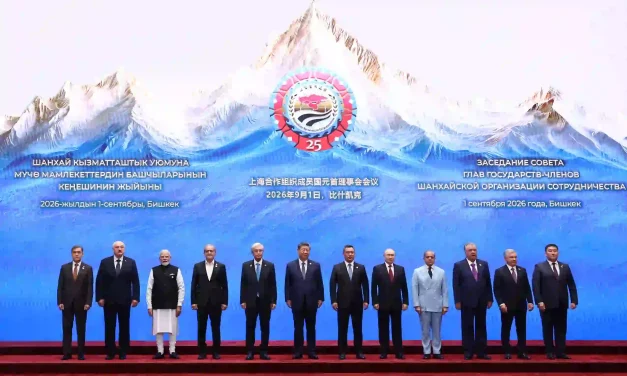
SCFR Online – Opinion: The Shanghai Cooperation Organization summit has created a new opportunity for Iran to transform its membership from a political achievement into economic and transit cooperation.
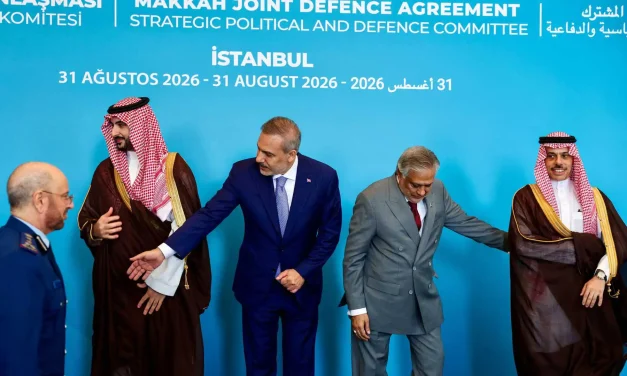
Strategic Council Online – Note: The Makkah Defense Pact can be seen as a sign of regional countries’ efforts to reduce security dependence on extra-regional powers and redefine the balance in West Asia.

SCFR Online – Opinion: The Ukraine war, by exhausting US military capability on one hand and strengthening European defense capacity on the other, has altered the balance of power in the European continent, cast uncertainty over NATO’s future, and is driving it toward a European NATO.
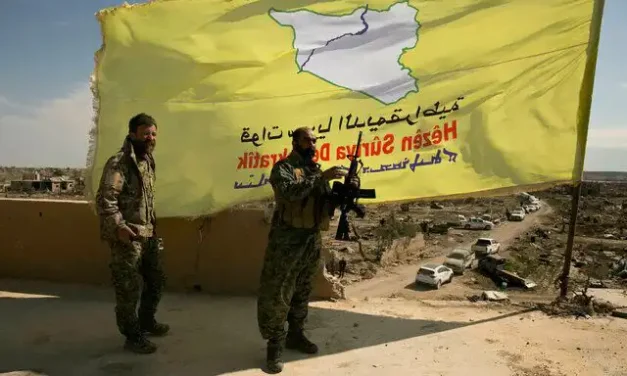
SCFR Online – Opinion: The dissolution of the SDF, although considered an achievement for Turkey’s security, does not put an end to the challenges arising from the Israeli regime’s aggression and expansionism, refugees, and Syria’s fragility.
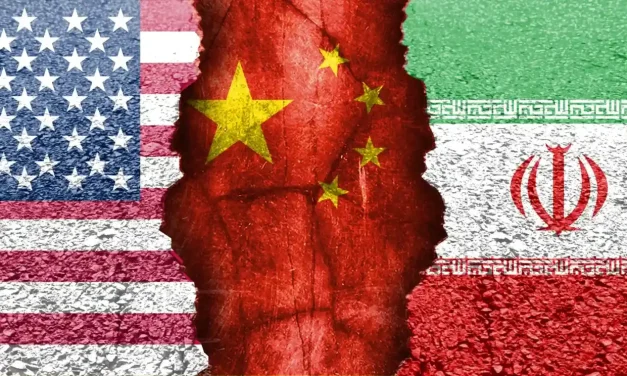
SCFR Online – Opinion: Concurrent with the official commencement of the United States’ economic war against our country, focusing on sanctions instruments, isolation, and economic pressure, what has now become increasingly important is the lack of alignment of other major global powers, especially China, with this policy.

SCFR Online – Opinion: The new US sanctions against Iran, despite extensive propaganda, face serious obstacles to success due to the ineffectiveness of sanctions tools and opposition from some of Tehran’s trading partners.


Strategic Council Online – Interview: A senior oil and energy expert said: It is unlikely that Qatar, with its production and development plans from the beginning, will want to change its gas export method from LNG to pipeline.

Strategic Council Online – Interview: A senior energy expert considered the increase in gas extraction from the joint field with Iran to be in line with Qatar’s maximum exploitation of hydrocarbon resources and greater connection to international markets.
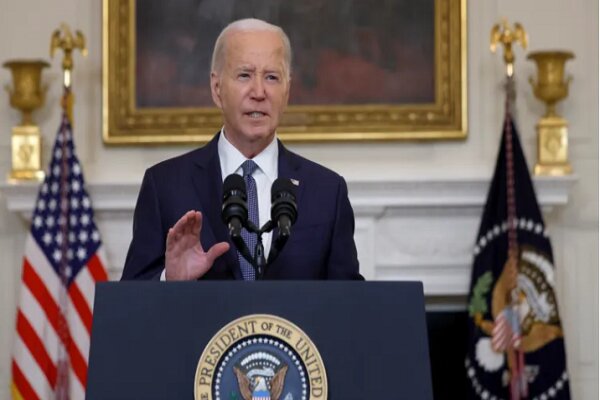
Strategic Council Online: – Opinion: US President Joe Biden recently presented a four-and-a-half-page plan to establish a ceasefire and end the Gaza war. After his speech at the White House, the American President announced that the Zionist regime proposed this plan.
Hamid Khoshayand, an expert on regional issues
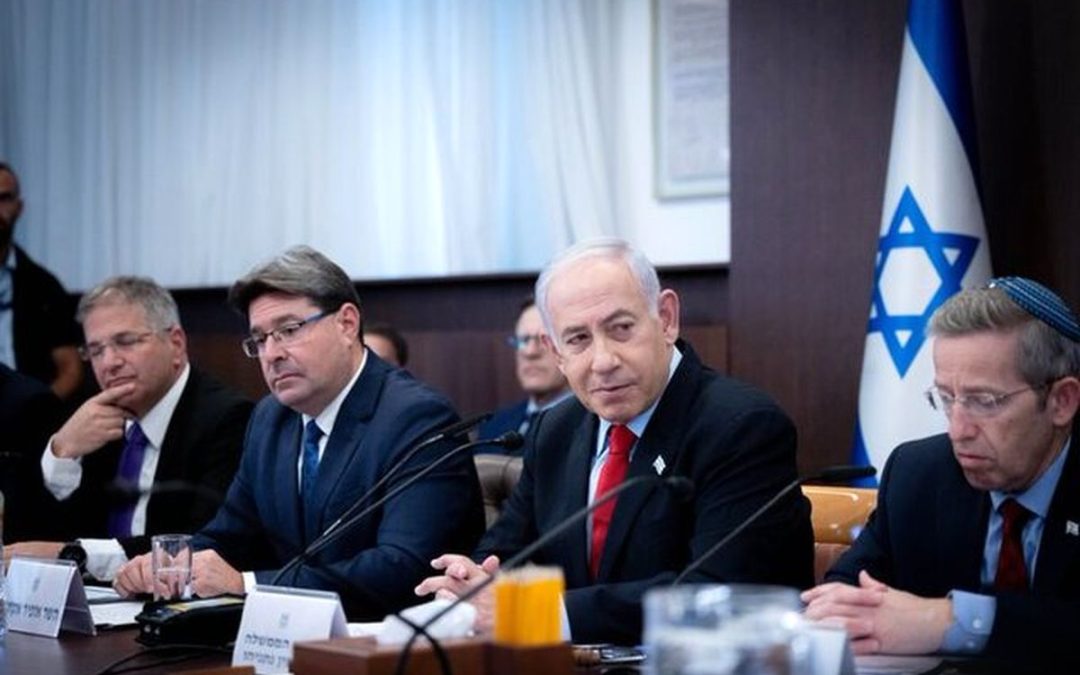
Strategic Council Online – Opinion: The last round of indirect negotiations between Hamas officials and the Zionist regime, which was conducted in Cairo with the mediation of Qatar, Egypt, and the United States, was unsuccessful due to the Zionists’ “Obstruction.”
Hamid Khoshayand, an expert on regional issues
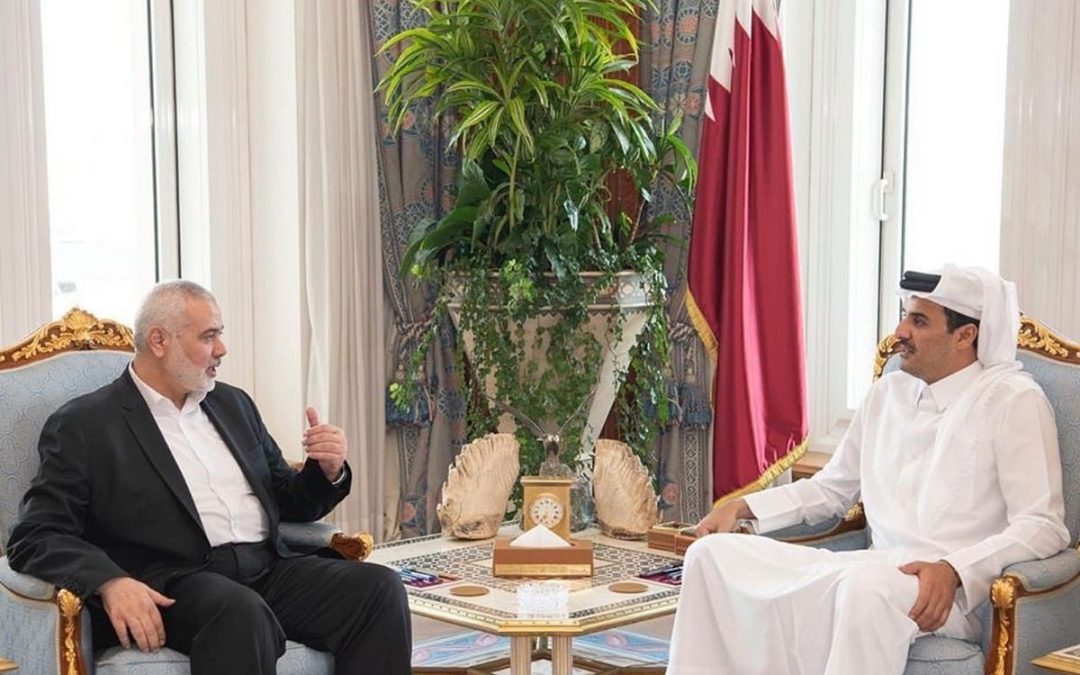
Strategic Council Online – Interview: An expert on regional issues said Qatari authorities will definitely resist Western pressure to expel Hamas leaders from their territory, and probably the United States will not move towards a zero-hundred equation in this regard because if the Hamas leaders remain in Qatar, which is an ally of the United States, is better than moving to a country outside the power of the United States to exert pressure.

Strategic Council Online-Opinion: During the past few days, the Gaza Strip witnessed a temporary ceasefire for the mutual release of Zionist and Palestinian prisoners and limited aid to Gaza. The ceasefire was finally implemented not because of respect for the UN General Assembly vote or the Security Council resolution but because of political negotiations, the mediation of Qatar, and the United States’s green light.
Mohammad Mehdi Mazaheri—University professor

Strategic Council Online—Opinion: At the end of August this year, Saudi Arabia announced that it had appointed its first ambassador to the Palestinian Authority. Based on this decision, Nayef bin Bandar al-Sudairi, as the extraordinary, plenipotentiary and non-resident ambassador (accredited) of Saudi Arabia in Ramallah and the Saudi consul general in occupied Quds, handed over his credentials to Majdi Al-Khalidi, the diplomatic advisor of Mahmoud Abbas, the head of the Palestinian Authority. Now, less than two months have passed since these decisions and actions, the Saudi government has announced that an official delegation from this country, headed by Nayef Bin Bandar Al-Sudairi, will travel to Ramallah to celebrate the birthday of the Prophet of Islam (PBUH) and to offer prayers in Al-Aqsa Mosque; An unprecedented action since the occupation of Quds in 1967, which will open a new chapter in Saudi Arabia’s diplomatic and role-playing activities in the West Asian region.
Mohammad Mehdi Mazaheri – University professor

Strategic Council Online – Interview: An expert on West Asia affairs said that the meeting of the five-party committee in New York has failed. The failure that French President Macron experienced after the events related to the Beirut port explosion showed that France trying to play a role in Lebanon, as in the past, does not have the necessary place in the public opinion of that country for the settlement of disputes.

Strategic Council Online – Opinion: During the Turkish President’s recent visit to Saudi Arabia, Qatar, and the UAE, several agreements were signed between the three Persian Gulf states and Turkey. The economic aspect of this trip has received widespread attention in the media, and the main objective of the trip, from Ankara’s point of view, has been referred to as attracting capital from Arab states of the Persian Gulf region.
Mahmoud Fazeli – Analyst of international affairs

Strategic Council Online – Interview: An expert on West Asia affairs emphasized that the interventionist meeting in Paris about Lebanon could not reach a conclusion due to the many contradictions in the point of view of members participating in the meeting, adding: Transregional countries are unable to solve the political crisis in Lebanon, but they refuse to admit it.
SCFR Online – Opinion: The intensification of U.S. sanctions against Iran on the eve of the U.S. midterm elections indicates Washington’s inability to achieve its war objectives.
SCFR Online – Opinion: The competition between Washington and Beijing over chips and artificial intelligence, simultaneously with the shifting of technological balances, has taken on new economic and security dimensions.
SCFR Online – Opinion: The Shanghai Cooperation Organization summit has created a new opportunity for Iran to transform its membership from a political achievement into economic and transit cooperation.
Strategic Council Online – Note: The Makkah Defense Pact can be seen as a sign of regional countries’ efforts to reduce security dependence on extra-regional powers and redefine the balance in West Asia.
SCFR Online – Opinion: The Ukraine war, by exhausting US military capability on one hand and strengthening European defense capacity on the other, has altered the balance of power in the European continent, cast uncertainty over NATO’s future, and is driving it toward a European NATO.
SCFR Online – Opinion: The dissolution of the SDF, although considered an achievement for Turkey’s security, does not put an end to the challenges arising from the Israeli regime’s aggression and expansionism, refugees, and Syria’s fragility.
SCFR Online – Opinion: Concurrent with the official commencement of the United States’ economic war against our country, focusing on sanctions instruments, isolation, and economic pressure, what has now become increasingly important is the lack of alignment of other major global powers, especially China, with this policy.
SCFR Online – Opinion: The new US sanctions against Iran, despite extensive propaganda, face serious obstacles to success due to the ineffectiveness of sanctions tools and opposition from some of Tehran’s trading partners.
Strategic Council Online – Interview: A senior oil and energy expert said: It is unlikely that Qatar, with its production and development plans from the beginning, will want to change its gas export method from LNG to pipeline.
Strategic Council Online – Interview: A senior energy expert considered the increase in gas extraction from the joint field with Iran to be in line with Qatar’s maximum exploitation of hydrocarbon resources and greater connection to international markets.
Strategic Council Online: – Opinion: US President Joe Biden recently presented a four-and-a-half-page plan to establish a ceasefire and end the Gaza war. After his speech at the White House, the American President announced that the Zionist regime proposed this plan.
Hamid Khoshayand, an expert on regional issues
Strategic Council Online – Opinion: The last round of indirect negotiations between Hamas officials and the Zionist regime, which was conducted in Cairo with the mediation of Qatar, Egypt, and the United States, was unsuccessful due to the Zionists’ “Obstruction.”
Hamid Khoshayand, an expert on regional issues
Strategic Council Online – Interview: An expert on regional issues said Qatari authorities will definitely resist Western pressure to expel Hamas leaders from their territory, and probably the United States will not move towards a zero-hundred equation in this regard because if the Hamas leaders remain in Qatar, which is an ally of the United States, is better than moving to a country outside the power of the United States to exert pressure.
Strategic Council Online-Opinion: During the past few days, the Gaza Strip witnessed a temporary ceasefire for the mutual release of Zionist and Palestinian prisoners and limited aid to Gaza. The ceasefire was finally implemented not because of respect for the UN General Assembly vote or the Security Council resolution but because of political negotiations, the mediation of Qatar, and the United States’s green light.
Mohammad Mehdi Mazaheri—University professor
Strategic Council Online—Opinion: At the end of August this year, Saudi Arabia announced that it had appointed its first ambassador to the Palestinian Authority. Based on this decision, Nayef bin Bandar al-Sudairi, as the extraordinary, plenipotentiary and non-resident ambassador (accredited) of Saudi Arabia in Ramallah and the Saudi consul general in occupied Quds, handed over his credentials to Majdi Al-Khalidi, the diplomatic advisor of Mahmoud Abbas, the head of the Palestinian Authority. Now, less than two months have passed since these decisions and actions, the Saudi government has announced that an official delegation from this country, headed by Nayef Bin Bandar Al-Sudairi, will travel to Ramallah to celebrate the birthday of the Prophet of Islam (PBUH) and to offer prayers in Al-Aqsa Mosque; An unprecedented action since the occupation of Quds in 1967, which will open a new chapter in Saudi Arabia’s diplomatic and role-playing activities in the West Asian region.
Mohammad Mehdi Mazaheri – University professor
Strategic Council Online – Interview: An expert on West Asia affairs said that the meeting of the five-party committee in New York has failed. The failure that French President Macron experienced after the events related to the Beirut port explosion showed that France trying to play a role in Lebanon, as in the past, does not have the necessary place in the public opinion of that country for the settlement of disputes.
Strategic Council Online – Opinion: During the Turkish President’s recent visit to Saudi Arabia, Qatar, and the UAE, several agreements were signed between the three Persian Gulf states and Turkey. The economic aspect of this trip has received widespread attention in the media, and the main objective of the trip, from Ankara’s point of view, has been referred to as attracting capital from Arab states of the Persian Gulf region.
Mahmoud Fazeli – Analyst of international affairs
Strategic Council Online – Interview: An expert on West Asia affairs emphasized that the interventionist meeting in Paris about Lebanon could not reach a conclusion due to the many contradictions in the point of view of members participating in the meeting, adding: Transregional countries are unable to solve the political crisis in Lebanon, but they refuse to admit it.
Strategic Council Online – Interview: A senior oil and energy expert said: It is unlikely that Qatar, with its production and development plans from the beginning, will want to change its gas export method from LNG to pipeline.
Strategic Council Online – Interview: A senior energy expert considered the increase in gas extraction from the joint field with Iran to be in line with Qatar’s maximum exploitation of hydrocarbon resources and greater connection to international markets.
Strategic Council Online: – Opinion: US President Joe Biden recently presented a four-and-a-half-page plan to establish a ceasefire and end the Gaza war. After his speech at the White House, the American President announced that the Zionist regime proposed this plan.
Hamid Khoshayand, an expert on regional issues
Strategic Council Online – Opinion: The last round of indirect negotiations between Hamas officials and the Zionist regime, which was conducted in Cairo with the mediation of Qatar, Egypt, and the United States, was unsuccessful due to the Zionists’ “Obstruction.”
Hamid Khoshayand, an expert on regional issues
Strategic Council Online – Interview: An expert on regional issues said Qatari authorities will definitely resist Western pressure to expel Hamas leaders from their territory, and probably the United States will not move towards a zero-hundred equation in this regard because if the Hamas leaders remain in Qatar, which is an ally of the United States, is better than moving to a country outside the power of the United States to exert pressure.
Strategic Council Online-Opinion: During the past few days, the Gaza Strip witnessed a temporary ceasefire for the mutual release of Zionist and Palestinian prisoners and limited aid to Gaza. The ceasefire was finally implemented not because of respect for the UN General Assembly vote or the Security Council resolution but because of political negotiations, the mediation of Qatar, and the United States’s green light.
Mohammad Mehdi Mazaheri—University professor
Strategic Council Online—Opinion: At the end of August this year, Saudi Arabia announced that it had appointed its first ambassador to the Palestinian Authority. Based on this decision, Nayef bin Bandar al-Sudairi, as the extraordinary, plenipotentiary and non-resident ambassador (accredited) of Saudi Arabia in Ramallah and the Saudi consul general in occupied Quds, handed over his credentials to Majdi Al-Khalidi, the diplomatic advisor of Mahmoud Abbas, the head of the Palestinian Authority. Now, less than two months have passed since these decisions and actions, the Saudi government has announced that an official delegation from this country, headed by Nayef Bin Bandar Al-Sudairi, will travel to Ramallah to celebrate the birthday of the Prophet of Islam (PBUH) and to offer prayers in Al-Aqsa Mosque; An unprecedented action since the occupation of Quds in 1967, which will open a new chapter in Saudi Arabia’s diplomatic and role-playing activities in the West Asian region.
Mohammad Mehdi Mazaheri – University professor
Strategic Council Online – Interview: An expert on West Asia affairs said that the meeting of the five-party committee in New York has failed. The failure that French President Macron experienced after the events related to the Beirut port explosion showed that France trying to play a role in Lebanon, as in the past, does not have the necessary place in the public opinion of that country for the settlement of disputes.
Strategic Council Online – Opinion: During the Turkish President’s recent visit to Saudi Arabia, Qatar, and the UAE, several agreements were signed between the three Persian Gulf states and Turkey. The economic aspect of this trip has received widespread attention in the media, and the main objective of the trip, from Ankara’s point of view, has been referred to as attracting capital from Arab states of the Persian Gulf region.
Mahmoud Fazeli – Analyst of international affairs
Strategic Council Online – Interview: An expert on West Asia affairs emphasized that the interventionist meeting in Paris about Lebanon could not reach a conclusion due to the many contradictions in the point of view of members participating in the meeting, adding: Transregional countries are unable to solve the political crisis in Lebanon, but they refuse to admit it.
SCFR Online – Opinion: The intensification of U.S. sanctions against Iran on the eve of the U.S. midterm elections indicates Washington’s inability to achieve its war objectives.
SCFR Online – Opinion: The competition between Washington and Beijing over chips and artificial intelligence, simultaneously with the shifting of technological balances, has taken on new economic and security dimensions.
SCFR Online – Opinion: The Shanghai Cooperation Organization summit has created a new opportunity for Iran to transform its membership from a political achievement into economic and transit cooperation.
Strategic Council Online – Note: The Makkah Defense Pact can be seen as a sign of regional countries’ efforts to reduce security dependence on extra-regional powers and redefine the balance in West Asia.
SCFR Online – Opinion: The Ukraine war, by exhausting US military capability on one hand and strengthening European defense capacity on the other, has altered the balance of power in the European continent, cast uncertainty over NATO’s future, and is driving it toward a European NATO.
SCFR Online – Opinion: The dissolution of the SDF, although considered an achievement for Turkey’s security, does not put an end to the challenges arising from the Israeli regime’s aggression and expansionism, refugees, and Syria’s fragility.
SCFR Online – Opinion: Concurrent with the official commencement of the United States’ economic war against our country, focusing on sanctions instruments, isolation, and economic pressure, what has now become increasingly important is the lack of alignment of other major global powers, especially China, with this policy.
SCFR Online – Opinion: The new US sanctions against Iran, despite extensive propaganda, face serious obstacles to success due to the ineffectiveness of sanctions tools and opposition from some of Tehran’s trading partners.
Strategic Council Online – Interview: A senior oil and energy expert said: It is unlikely that Qatar, with its production and development plans from the beginning, will want to change its gas export method from LNG to pipeline.
Strategic Council Online – Interview: A senior energy expert considered the increase in gas extraction from the joint field with Iran to be in line with Qatar’s maximum exploitation of hydrocarbon resources and greater connection to international markets.
Strategic Council Online: – Opinion: US President Joe Biden recently presented a four-and-a-half-page plan to establish a ceasefire and end the Gaza war. After his speech at the White House, the American President announced that the Zionist regime proposed this plan.
Hamid Khoshayand, an expert on regional issues
Strategic Council Online – Opinion: The last round of indirect negotiations between Hamas officials and the Zionist regime, which was conducted in Cairo with the mediation of Qatar, Egypt, and the United States, was unsuccessful due to the Zionists’ “Obstruction.”
Hamid Khoshayand, an expert on regional issues
Strategic Council Online – Interview: An expert on regional issues said Qatari authorities will definitely resist Western pressure to expel Hamas leaders from their territory, and probably the United States will not move towards a zero-hundred equation in this regard because if the Hamas leaders remain in Qatar, which is an ally of the United States, is better than moving to a country outside the power of the United States to exert pressure.
Strategic Council Online-Opinion: During the past few days, the Gaza Strip witnessed a temporary ceasefire for the mutual release of Zionist and Palestinian prisoners and limited aid to Gaza. The ceasefire was finally implemented not because of respect for the UN General Assembly vote or the Security Council resolution but because of political negotiations, the mediation of Qatar, and the United States’s green light.
Mohammad Mehdi Mazaheri—University professor
Strategic Council Online—Opinion: At the end of August this year, Saudi Arabia announced that it had appointed its first ambassador to the Palestinian Authority. Based on this decision, Nayef bin Bandar al-Sudairi, as the extraordinary, plenipotentiary and non-resident ambassador (accredited) of Saudi Arabia in Ramallah and the Saudi consul general in occupied Quds, handed over his credentials to Majdi Al-Khalidi, the diplomatic advisor of Mahmoud Abbas, the head of the Palestinian Authority. Now, less than two months have passed since these decisions and actions, the Saudi government has announced that an official delegation from this country, headed by Nayef Bin Bandar Al-Sudairi, will travel to Ramallah to celebrate the birthday of the Prophet of Islam (PBUH) and to offer prayers in Al-Aqsa Mosque; An unprecedented action since the occupation of Quds in 1967, which will open a new chapter in Saudi Arabia’s diplomatic and role-playing activities in the West Asian region.
Mohammad Mehdi Mazaheri – University professor
Strategic Council Online – Interview: An expert on West Asia affairs said that the meeting of the five-party committee in New York has failed. The failure that French President Macron experienced after the events related to the Beirut port explosion showed that France trying to play a role in Lebanon, as in the past, does not have the necessary place in the public opinion of that country for the settlement of disputes.
Strategic Council Online – Opinion: During the Turkish President’s recent visit to Saudi Arabia, Qatar, and the UAE, several agreements were signed between the three Persian Gulf states and Turkey. The economic aspect of this trip has received widespread attention in the media, and the main objective of the trip, from Ankara’s point of view, has been referred to as attracting capital from Arab states of the Persian Gulf region.
Mahmoud Fazeli – Analyst of international affairs
Strategic Council Online – Interview: An expert on West Asia affairs emphasized that the interventionist meeting in Paris about Lebanon could not reach a conclusion due to the many contradictions in the point of view of members participating in the meeting, adding: Transregional countries are unable to solve the political crisis in Lebanon, but they refuse to admit it.
SCFR Online – Opinion: The intensification of U.S. sanctions against Iran on the eve of the U.S. midterm elections indicates Washington’s inability to achieve its war objectives.
SCFR Online – Opinion: The competition between Washington and Beijing over chips and artificial intelligence, simultaneously with the shifting of technological balances, has taken on new economic and security dimensions.
SCFR Online – Opinion: The Shanghai Cooperation Organization summit has created a new opportunity for Iran to transform its membership from a political achievement into economic and transit cooperation.
Strategic Council Online – Note: The Makkah Defense Pact can be seen as a sign of regional countries’ efforts to reduce security dependence on extra-regional powers and redefine the balance in West Asia.
SCFR Online – Opinion: The Ukraine war, by exhausting US military capability on one hand and strengthening European defense capacity on the other, has altered the balance of power in the European continent, cast uncertainty over NATO’s future, and is driving it toward a European NATO.
SCFR Online – Opinion: The dissolution of the SDF, although considered an achievement for Turkey’s security, does not put an end to the challenges arising from the Israeli regime’s aggression and expansionism, refugees, and Syria’s fragility.
SCFR Online – Opinion: Concurrent with the official commencement of the United States’ economic war against our country, focusing on sanctions instruments, isolation, and economic pressure, what has now become increasingly important is the lack of alignment of other major global powers, especially China, with this policy.
SCFR Online – Opinion: The new US sanctions against Iran, despite extensive propaganda, face serious obstacles to success due to the ineffectiveness of sanctions tools and opposition from some of Tehran’s trading partners.
Strategic Council Online – Interview: A senior oil and energy expert said: It is unlikely that Qatar, with its production and development plans from the beginning, will want to change its gas export method from LNG to pipeline.
Strategic Council Online – Interview: A senior energy expert considered the increase in gas extraction from the joint field with Iran to be in line with Qatar’s maximum exploitation of hydrocarbon resources and greater connection to international markets.
Strategic Council Online: – Opinion: US President Joe Biden recently presented a four-and-a-half-page plan to establish a ceasefire and end the Gaza war. After his speech at the White House, the American President announced that the Zionist regime proposed this plan.
Hamid Khoshayand, an expert on regional issues
Strategic Council Online – Opinion: The last round of indirect negotiations between Hamas officials and the Zionist regime, which was conducted in Cairo with the mediation of Qatar, Egypt, and the United States, was unsuccessful due to the Zionists’ “Obstruction.”
Hamid Khoshayand, an expert on regional issues
Strategic Council Online – Interview: An expert on regional issues said Qatari authorities will definitely resist Western pressure to expel Hamas leaders from their territory, and probably the United States will not move towards a zero-hundred equation in this regard because if the Hamas leaders remain in Qatar, which is an ally of the United States, is better than moving to a country outside the power of the United States to exert pressure.
Strategic Council Online-Opinion: During the past few days, the Gaza Strip witnessed a temporary ceasefire for the mutual release of Zionist and Palestinian prisoners and limited aid to Gaza. The ceasefire was finally implemented not because of respect for the UN General Assembly vote or the Security Council resolution but because of political negotiations, the mediation of Qatar, and the United States’s green light.
Mohammad Mehdi Mazaheri—University professor
Strategic Council Online—Opinion: At the end of August this year, Saudi Arabia announced that it had appointed its first ambassador to the Palestinian Authority. Based on this decision, Nayef bin Bandar al-Sudairi, as the extraordinary, plenipotentiary and non-resident ambassador (accredited) of Saudi Arabia in Ramallah and the Saudi consul general in occupied Quds, handed over his credentials to Majdi Al-Khalidi, the diplomatic advisor of Mahmoud Abbas, the head of the Palestinian Authority. Now, less than two months have passed since these decisions and actions, the Saudi government has announced that an official delegation from this country, headed by Nayef Bin Bandar Al-Sudairi, will travel to Ramallah to celebrate the birthday of the Prophet of Islam (PBUH) and to offer prayers in Al-Aqsa Mosque; An unprecedented action since the occupation of Quds in 1967, which will open a new chapter in Saudi Arabia’s diplomatic and role-playing activities in the West Asian region.
Mohammad Mehdi Mazaheri – University professor
Strategic Council Online – Interview: An expert on West Asia affairs said that the meeting of the five-party committee in New York has failed. The failure that French President Macron experienced after the events related to the Beirut port explosion showed that France trying to play a role in Lebanon, as in the past, does not have the necessary place in the public opinion of that country for the settlement of disputes.
Strategic Council Online – Opinion: During the Turkish President’s recent visit to Saudi Arabia, Qatar, and the UAE, several agreements were signed between the three Persian Gulf states and Turkey. The economic aspect of this trip has received widespread attention in the media, and the main objective of the trip, from Ankara’s point of view, has been referred to as attracting capital from Arab states of the Persian Gulf region.
Mahmoud Fazeli – Analyst of international affairs
Strategic Council Online – Interview: An expert on West Asia affairs emphasized that the interventionist meeting in Paris about Lebanon could not reach a conclusion due to the many contradictions in the point of view of members participating in the meeting, adding: Transregional countries are unable to solve the political crisis in Lebanon, but they refuse to admit it.
SCFR Online – Opinion: The intensification of U.S. sanctions against Iran on the eve of the U.S. midterm elections indicates Washington’s inability to achieve its war objectives.
SCFR Online – Opinion: The competition between Washington and Beijing over chips and artificial intelligence, simultaneously with the shifting of technological balances, has taken on new economic and security dimensions.
SCFR Online – Opinion: The Shanghai Cooperation Organization summit has created a new opportunity for Iran to transform its membership from a political achievement into economic and transit cooperation.
Strategic Council Online – Note: The Makkah Defense Pact can be seen as a sign of regional countries’ efforts to reduce security dependence on extra-regional powers and redefine the balance in West Asia.
SCFR Online – Opinion: The Ukraine war, by exhausting US military capability on one hand and strengthening European defense capacity on the other, has altered the balance of power in the European continent, cast uncertainty over NATO’s future, and is driving it toward a European NATO.
SCFR Online – Opinion: The dissolution of the SDF, although considered an achievement for Turkey’s security, does not put an end to the challenges arising from the Israeli regime’s aggression and expansionism, refugees, and Syria’s fragility.
SCFR Online – Opinion: Concurrent with the official commencement of the United States’ economic war against our country, focusing on sanctions instruments, isolation, and economic pressure, what has now become increasingly important is the lack of alignment of other major global powers, especially China, with this policy.
SCFR Online – Opinion: The new US sanctions against Iran, despite extensive propaganda, face serious obstacles to success due to the ineffectiveness of sanctions tools and opposition from some of Tehran’s trading partners.
Strategic Council Online – Interview: A senior oil and energy expert said: It is unlikely that Qatar, with its production and development plans from the beginning, will want to change its gas export method from LNG to pipeline.
Strategic Council Online – Interview: A senior energy expert considered the increase in gas extraction from the joint field with Iran to be in line with Qatar’s maximum exploitation of hydrocarbon resources and greater connection to international markets.
Strategic Council Online: – Opinion: US President Joe Biden recently presented a four-and-a-half-page plan to establish a ceasefire and end the Gaza war. After his speech at the White House, the American President announced that the Zionist regime proposed this plan.
Hamid Khoshayand, an expert on regional issues
Strategic Council Online – Opinion: The last round of indirect negotiations between Hamas officials and the Zionist regime, which was conducted in Cairo with the mediation of Qatar, Egypt, and the United States, was unsuccessful due to the Zionists’ “Obstruction.”
Hamid Khoshayand, an expert on regional issues
Strategic Council Online – Interview: An expert on regional issues said Qatari authorities will definitely resist Western pressure to expel Hamas leaders from their territory, and probably the United States will not move towards a zero-hundred equation in this regard because if the Hamas leaders remain in Qatar, which is an ally of the United States, is better than moving to a country outside the power of the United States to exert pressure.
Strategic Council Online-Opinion: During the past few days, the Gaza Strip witnessed a temporary ceasefire for the mutual release of Zionist and Palestinian prisoners and limited aid to Gaza. The ceasefire was finally implemented not because of respect for the UN General Assembly vote or the Security Council resolution but because of political negotiations, the mediation of Qatar, and the United States’s green light.
Mohammad Mehdi Mazaheri—University professor
Strategic Council Online—Opinion: At the end of August this year, Saudi Arabia announced that it had appointed its first ambassador to the Palestinian Authority. Based on this decision, Nayef bin Bandar al-Sudairi, as the extraordinary, plenipotentiary and non-resident ambassador (accredited) of Saudi Arabia in Ramallah and the Saudi consul general in occupied Quds, handed over his credentials to Majdi Al-Khalidi, the diplomatic advisor of Mahmoud Abbas, the head of the Palestinian Authority. Now, less than two months have passed since these decisions and actions, the Saudi government has announced that an official delegation from this country, headed by Nayef Bin Bandar Al-Sudairi, will travel to Ramallah to celebrate the birthday of the Prophet of Islam (PBUH) and to offer prayers in Al-Aqsa Mosque; An unprecedented action since the occupation of Quds in 1967, which will open a new chapter in Saudi Arabia’s diplomatic and role-playing activities in the West Asian region.
Mohammad Mehdi Mazaheri – University professor
Strategic Council Online – Interview: An expert on West Asia affairs said that the meeting of the five-party committee in New York has failed. The failure that French President Macron experienced after the events related to the Beirut port explosion showed that France trying to play a role in Lebanon, as in the past, does not have the necessary place in the public opinion of that country for the settlement of disputes.
Strategic Council Online – Opinion: During the Turkish President’s recent visit to Saudi Arabia, Qatar, and the UAE, several agreements were signed between the three Persian Gulf states and Turkey. The economic aspect of this trip has received widespread attention in the media, and the main objective of the trip, from Ankara’s point of view, has been referred to as attracting capital from Arab states of the Persian Gulf region.
Mahmoud Fazeli – Analyst of international affairs
Strategic Council Online – Interview: An expert on West Asia affairs emphasized that the interventionist meeting in Paris about Lebanon could not reach a conclusion due to the many contradictions in the point of view of members participating in the meeting, adding: Transregional countries are unable to solve the political crisis in Lebanon, but they refuse to admit it.
SCFR Online – Opinion: The intensification of U.S. sanctions against Iran on the eve of the U.S. midterm elections indicates Washington’s inability to achieve its war objectives.
SCFR Online – Opinion: The competition between Washington and Beijing over chips and artificial intelligence, simultaneously with the shifting of technological balances, has taken on new economic and security dimensions.
SCFR Online – Opinion: The Shanghai Cooperation Organization summit has created a new opportunity for Iran to transform its membership from a political achievement into economic and transit cooperation.
Strategic Council Online – Note: The Makkah Defense Pact can be seen as a sign of regional countries’ efforts to reduce security dependence on extra-regional powers and redefine the balance in West Asia.
SCFR Online – Opinion: The Ukraine war, by exhausting US military capability on one hand and strengthening European defense capacity on the other, has altered the balance of power in the European continent, cast uncertainty over NATO’s future, and is driving it toward a European NATO.
SCFR Online – Opinion: The dissolution of the SDF, although considered an achievement for Turkey’s security, does not put an end to the challenges arising from the Israeli regime’s aggression and expansionism, refugees, and Syria’s fragility.
SCFR Online – Opinion: Concurrent with the official commencement of the United States’ economic war against our country, focusing on sanctions instruments, isolation, and economic pressure, what has now become increasingly important is the lack of alignment of other major global powers, especially China, with this policy.
SCFR Online – Opinion: The new US sanctions against Iran, despite extensive propaganda, face serious obstacles to success due to the ineffectiveness of sanctions tools and opposition from some of Tehran’s trading partners.
Strategic Council Online – Interview: A senior oil and energy expert said: It is unlikely that Qatar, with its production and development plans from the beginning, will want to change its gas export method from LNG to pipeline.
Strategic Council Online – Interview: A senior energy expert considered the increase in gas extraction from the joint field with Iran to be in line with Qatar’s maximum exploitation of hydrocarbon resources and greater connection to international markets.
Strategic Council Online: – Opinion: US President Joe Biden recently presented a four-and-a-half-page plan to establish a ceasefire and end the Gaza war. After his speech at the White House, the American President announced that the Zionist regime proposed this plan.
Hamid Khoshayand, an expert on regional issues
Strategic Council Online – Opinion: The last round of indirect negotiations between Hamas officials and the Zionist regime, which was conducted in Cairo with the mediation of Qatar, Egypt, and the United States, was unsuccessful due to the Zionists’ “Obstruction.”
Hamid Khoshayand, an expert on regional issues
Strategic Council Online – Interview: An expert on regional issues said Qatari authorities will definitely resist Western pressure to expel Hamas leaders from their territory, and probably the United States will not move towards a zero-hundred equation in this regard because if the Hamas leaders remain in Qatar, which is an ally of the United States, is better than moving to a country outside the power of the United States to exert pressure.
Strategic Council Online-Opinion: During the past few days, the Gaza Strip witnessed a temporary ceasefire for the mutual release of Zionist and Palestinian prisoners and limited aid to Gaza. The ceasefire was finally implemented not because of respect for the UN General Assembly vote or the Security Council resolution but because of political negotiations, the mediation of Qatar, and the United States’s green light.
Mohammad Mehdi Mazaheri—University professor
Strategic Council Online—Opinion: At the end of August this year, Saudi Arabia announced that it had appointed its first ambassador to the Palestinian Authority. Based on this decision, Nayef bin Bandar al-Sudairi, as the extraordinary, plenipotentiary and non-resident ambassador (accredited) of Saudi Arabia in Ramallah and the Saudi consul general in occupied Quds, handed over his credentials to Majdi Al-Khalidi, the diplomatic advisor of Mahmoud Abbas, the head of the Palestinian Authority. Now, less than two months have passed since these decisions and actions, the Saudi government has announced that an official delegation from this country, headed by Nayef Bin Bandar Al-Sudairi, will travel to Ramallah to celebrate the birthday of the Prophet of Islam (PBUH) and to offer prayers in Al-Aqsa Mosque; An unprecedented action since the occupation of Quds in 1967, which will open a new chapter in Saudi Arabia’s diplomatic and role-playing activities in the West Asian region.
Mohammad Mehdi Mazaheri – University professor
Strategic Council Online – Interview: An expert on West Asia affairs said that the meeting of the five-party committee in New York has failed. The failure that French President Macron experienced after the events related to the Beirut port explosion showed that France trying to play a role in Lebanon, as in the past, does not have the necessary place in the public opinion of that country for the settlement of disputes.
Strategic Council Online – Opinion: During the Turkish President’s recent visit to Saudi Arabia, Qatar, and the UAE, several agreements were signed between the three Persian Gulf states and Turkey. The economic aspect of this trip has received widespread attention in the media, and the main objective of the trip, from Ankara’s point of view, has been referred to as attracting capital from Arab states of the Persian Gulf region.
Mahmoud Fazeli – Analyst of international affairs
Strategic Council Online – Interview: An expert on West Asia affairs emphasized that the interventionist meeting in Paris about Lebanon could not reach a conclusion due to the many contradictions in the point of view of members participating in the meeting, adding: Transregional countries are unable to solve the political crisis in Lebanon, but they refuse to admit it.
SCFR Online – Opinion: The intensification of U.S. sanctions against Iran on the eve of the U.S. midterm elections indicates Washington’s inability to achieve its war objectives.
SCFR Online – Opinion: The competition between Washington and Beijing over chips and artificial intelligence, simultaneously with the shifting of technological balances, has taken on new economic and security dimensions.
SCFR Online – Opinion: The Shanghai Cooperation Organization summit has created a new opportunity for Iran to transform its membership from a political achievement into economic and transit cooperation.
Strategic Council Online – Note: The Makkah Defense Pact can be seen as a sign of regional countries’ efforts to reduce security dependence on extra-regional powers and redefine the balance in West Asia.
SCFR Online – Opinion: The Ukraine war, by exhausting US military capability on one hand and strengthening European defense capacity on the other, has altered the balance of power in the European continent, cast uncertainty over NATO’s future, and is driving it toward a European NATO.
SCFR Online – Opinion: The dissolution of the SDF, although considered an achievement for Turkey’s security, does not put an end to the challenges arising from the Israeli regime’s aggression and expansionism, refugees, and Syria’s fragility.
SCFR Online – Opinion: Concurrent with the official commencement of the United States’ economic war against our country, focusing on sanctions instruments, isolation, and economic pressure, what has now become increasingly important is the lack of alignment of other major global powers, especially China, with this policy.
SCFR Online – Opinion: The new US sanctions against Iran, despite extensive propaganda, face serious obstacles to success due to the ineffectiveness of sanctions tools and opposition from some of Tehran’s trading partners.