جدیدترین مطالب

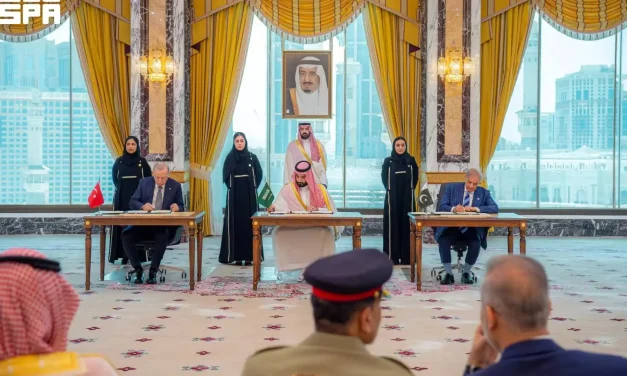
The Makkah Pact; Reasons for its Formation and Challenges Ahead

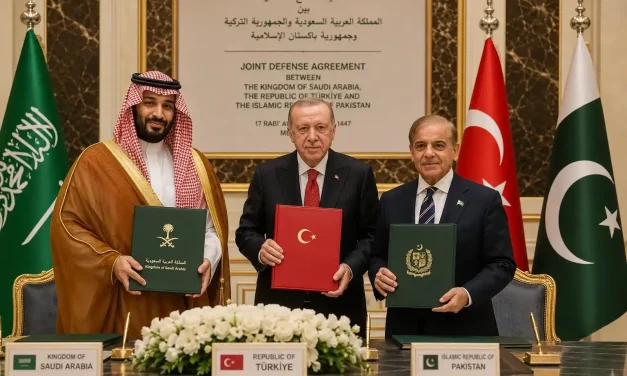
SCFR Online – Opinion: The Makkah Pact, signed between Saudi Arabia, Pakistan, and Turkey under the motto “an attack on one is an attack on all,” is viewed by some analysts less as a full-fledged military coalition and more as an attempt to reduce security dependence on an external power and to establish a regional security mechanism.

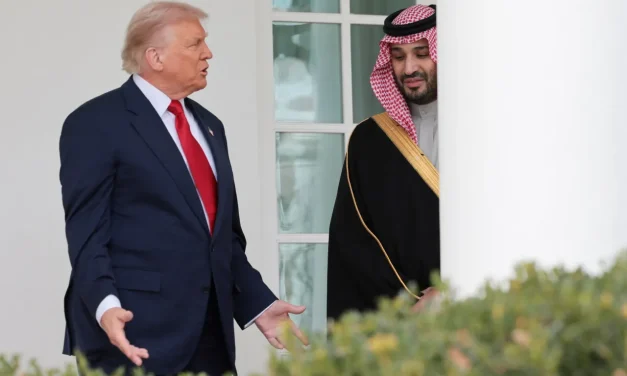
Implications of the US-Saudi Nuclear Agreement

SCFR Online – Opinion: The new US-Saudi nuclear agreement, despite legal and political ambiguities, could alter previous non-proliferation standards in West Asia and intensify nuclear competition, ushering it into a new phase.

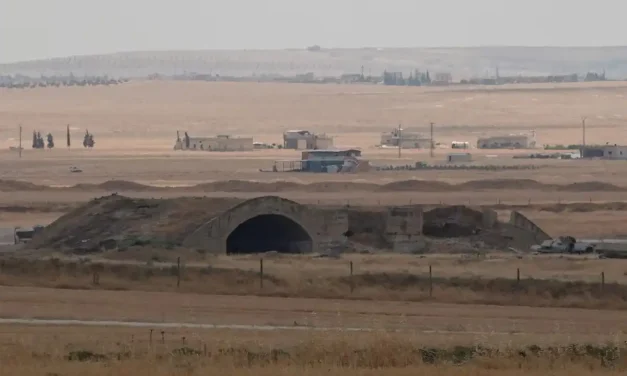
An Analysis of Recent Turkey-Israeli Regime Tensions

SCFR Online – Opinion: Recent developments in Syria indicate an intensification of strategic rivalry between Turkey and the Israeli regime, but mutual considerations and the role of the United States have limited the likelihood of direct war.

Increasing criticism of the extensive Zionist lobby network

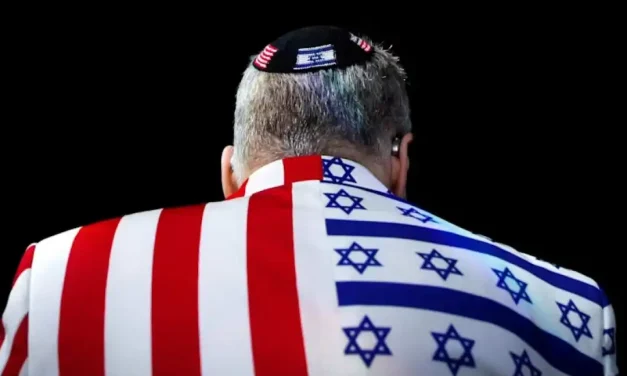
SCFR Online – Opinion: An examination of the mechanisms of the Israeli regime’s influence in the United States depicts a complex picture of shared interests, strategic dependencies, and the limitations of this relationship.

Realities of the Tripartite Makkah Pact

SCFR Online – Interview: The signing of the Makkah agreement between Saudi Arabia, Pakistan, and Turkey has raised questions about the future of the region’s security structure and the position of these countries in West Asian equations. Can this agreement become a genuine collective defense mechanism, or does it have more of a political and deterrent function than creating new military capacity?

Strategic Implications of the Reduction of US Weapons Stockpiles

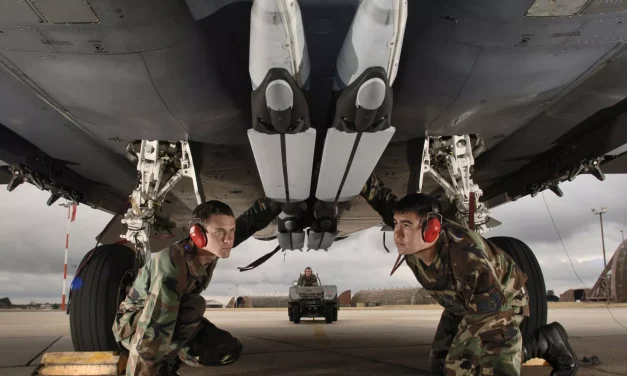
SCFR Online – Opinion: The continuation of the US war against Iran, in addition to increasing operational costs, has called into question the actual capacity of the American arsenal to simultaneously fulfill security commitments on multiple fronts; an issue that affects deterrence, defense production capacity, and Washington’s resource prioritization.

Loading

Qatar

Behind the Scene of Turkey’s Withdrawal from Khashoggi’s Murder File

Behind the Scene of Turkey’s Withdrawal from Khashoggi’s Murder File

Strategic Council Online – Interview: Director of Turkology Group of Contemporary Islam Encyclopedia, commented on the Ankara’s decision to withdraw Jamal Khashoggi’ file and said:” Turkey does not basically, engage itself in long term disputes and normally follows its opportunistic interests from short term disputes and drops the issue as well as tension.

Objectives & Motivations of Bin Salman Regional Tour

Objectives & Motivations of Bin Salman Regional Tour

Strategic Council Online- Opinion: Regional tour of Mohammad Bin Salman to five countries of Oman, Bahrain, UAE, Kuwait and Qatar (Persian Gulf Cooperation Council members) is considered to be the most important political, economic and security momentum of the Crown Prince of Saudi Arabia in the last days of 2021. It is also interpreted as a remedial measure for fragile situation of Saudis at the regional and world levels. It should be noted that one of the objectives of Mohammad Bin Salman was to consult with the authorities of littoral Arab states of Persian Gulf and to make a consensus to confront some of the regional as well as the global issues such as Yemen, Iran, JCPOA revival, etc.
Hamid Khoshayand, Expert of Regional Issues

Consequences of Persian Gulf Arab States Rapprochement with Syria

Consequences of Persian Gulf Arab States Rapprochement with Syria

Strategic Council Online- Interview: An expert of Middle East affairs commented on measures taken by some Arab states of Persian Gulf towards Bashar Assad government during recent years and stated:” Since 2011 when the Syrian crisis started, countries like Saudi Arabia, Qatar, UAE, and Bahrain tried in coordination to strengthen terrorist group-lets and thus topple Bashar Assad government”.

Objectives of Reviving Turkey’s Relations with UAE

Objectives of Reviving Turkey’s Relations with UAE

Strategic Council Online – Opinion: The recent visit of the UAE Crown Prince Mohammed bin Zayed Al Nahyan to Ankara and the consequences of this visit in Turkish foreign policy shows that the Turkish president, despite his decisive vision in domestic politics, has become more realistic in foreign policy in recent years and the new round of relations with the UAE is important in economic, political, and regional terms and in strengthening Ankara’s position in the international arena.
Mahmoud Fazeli – Analyst of international affairs

Obstacles, Prospects for Formation of Najib Mikati Government in Lebanon

Obstacles, Prospects for Formation of Najib Mikati Government in Lebanon

Strategic Council Online – Formation of government has always been the most complex and difficult political process in Lebanon, which is typically slow and has become one of the most challenging issues in that country for many years. The new era, which began with the resignation of Saad Hariri as prime minister and following October 2019 protests in Lebanon, entered a complex and tense path up to now when “Najib Mikati” has been appointed by Michel Aoun to form a new government.
Barsam Mohammadi – Analyst of international affairs

Bin Salman’s Attempt to Interact with Syria; Reasons, Necessities and Perspectives

Bin Salman’s Attempt to Interact with Syria; Reasons, Necessities and Perspectives

Strategic Council Online – In recent weeks, clear signs are emerging for the gradual change in Saudi Arabia’s foreign policy approach to Syria. There are several reports indicating that bin Salman is seeking to “open diplomatic channels” with Syria. In recent weeks, secret meetings between Saudi and Syrian officials have taken place in Damascus, which have been unprecedented since 2011.
Barsam Mohammadi – analyst of international affairs

Turkey’s Outlook about South Persian Gulf States

Turkey’s Outlook about South Persian Gulf States

Strategic Council Online – Despite the continuation of some economic cooperation between Turkey and Saudi Arabia and the UAE, in the political and security spheres, serious challenges will be faced in the future in these countries.
Davoud Ahmadzadeh – Middle East Affairs Expert

Strategic Implications of US Troops Pullout from Afghanistan

Strategic Implications of US Troops Pullout from Afghanistan

Strategic Council Online: According to the agreement reached between the United States and the Taliban in March 2018, the withdrawal of US troops from Afghanistan will begin and by mid-July (July 2020) the number of US combat troops will reach 8600 persons. This is happening at a time when the bilateral security agreement between the United States and the Afghan government is still valid. In addition, in recent months, the activities of terrorist groups in Afghanistan have not diminished, but in addition to the Taliban’s spring attacks, ISIS terrorist activities in Afghanistan are taking civilian tolls from among the oppressed people of Afghanistan, and the atmosphere of insecurity has not changed. Although the withdrawal of US troops from Afghanistan is important, it may have significant implications for the future of Afghanistan and the region, given the shortcomings and negligence in fulfilling their commitments, especially in the field of training Afghan forces. Americans should accept responsibility and pay the damages.
Seyed Mostafa Hashemi – Afghan Affairs Expert

Golden Opportunity for Iranian Private Sector in Syrian Reconstruction

Golden Opportunity for Iranian Private Sector in Syrian Reconstruction

Strategic Council Online: With stability gradually returning to Syria, the countries at war with Syria are now struggling to make a contribution to rebuilding the country and at the same time reap the economic benefits.
Mohammad Lahooti – President of the Iranian Export Confederation

أحدث الوظائف

The Makkah Pact; Reasons for its Formation and Challenges Ahead

SCFR Online – Opinion: The Makkah Pact, signed between Saudi Arabia, Pakistan, and Turkey under the motto “an attack on one is an attack on all,” is viewed by some analysts less as a full-fledged military coalition and more as an attempt to reduce security dependence on an external power and to establish a regional security mechanism.

Implications of the US-Saudi Nuclear Agreement

SCFR Online – Opinion: The new US-Saudi nuclear agreement, despite legal and political ambiguities, could alter previous non-proliferation standards in West Asia and intensify nuclear competition, ushering it into a new phase.

An Analysis of Recent Turkey-Israeli Regime Tensions

SCFR Online – Opinion: Recent developments in Syria indicate an intensification of strategic rivalry between Turkey and the Israeli regime, but mutual considerations and the role of the United States have limited the likelihood of direct war.

Increasing criticism of the extensive Zionist lobby network

SCFR Online – Opinion: An examination of the mechanisms of the Israeli regime’s influence in the United States depicts a complex picture of shared interests, strategic dependencies, and the limitations of this relationship.

Realities of the Tripartite Makkah Pact

SCFR Online – Interview: The signing of the Makkah agreement between Saudi Arabia, Pakistan, and Turkey has raised questions about the future of the region’s security structure and the position of these countries in West Asian equations. Can this agreement become a genuine collective defense mechanism, or does it have more of a political and deterrent function than creating new military capacity?

Strategic Implications of the Reduction of US Weapons Stockpiles

SCFR Online – Opinion: The continuation of the US war against Iran, in addition to increasing operational costs, has called into question the actual capacity of the American arsenal to simultaneously fulfill security commitments on multiple fronts; an issue that affects deterrence, defense production capacity, and Washington’s resource prioritization.

Loading

Qatar

Behind the Scene of Turkey’s Withdrawal from Khashoggi’s Murder File

Behind the Scene of Turkey’s Withdrawal from Khashoggi’s Murder File

Strategic Council Online – Interview: Director of Turkology Group of Contemporary Islam Encyclopedia, commented on the Ankara’s decision to withdraw Jamal Khashoggi’ file and said:” Turkey does not basically, engage itself in long term disputes and normally follows its opportunistic interests from short term disputes and drops the issue as well as tension.

Objectives & Motivations of Bin Salman Regional Tour

Objectives & Motivations of Bin Salman Regional Tour

Strategic Council Online- Opinion: Regional tour of Mohammad Bin Salman to five countries of Oman, Bahrain, UAE, Kuwait and Qatar (Persian Gulf Cooperation Council members) is considered to be the most important political, economic and security momentum of the Crown Prince of Saudi Arabia in the last days of 2021. It is also interpreted as a remedial measure for fragile situation of Saudis at the regional and world levels. It should be noted that one of the objectives of Mohammad Bin Salman was to consult with the authorities of littoral Arab states of Persian Gulf and to make a consensus to confront some of the regional as well as the global issues such as Yemen, Iran, JCPOA revival, etc.
Hamid Khoshayand, Expert of Regional Issues

Consequences of Persian Gulf Arab States Rapprochement with Syria

Consequences of Persian Gulf Arab States Rapprochement with Syria

Strategic Council Online- Interview: An expert of Middle East affairs commented on measures taken by some Arab states of Persian Gulf towards Bashar Assad government during recent years and stated:” Since 2011 when the Syrian crisis started, countries like Saudi Arabia, Qatar, UAE, and Bahrain tried in coordination to strengthen terrorist group-lets and thus topple Bashar Assad government”.

Objectives of Reviving Turkey’s Relations with UAE

Objectives of Reviving Turkey’s Relations with UAE

Strategic Council Online – Opinion: The recent visit of the UAE Crown Prince Mohammed bin Zayed Al Nahyan to Ankara and the consequences of this visit in Turkish foreign policy shows that the Turkish president, despite his decisive vision in domestic politics, has become more realistic in foreign policy in recent years and the new round of relations with the UAE is important in economic, political, and regional terms and in strengthening Ankara’s position in the international arena.
Mahmoud Fazeli – Analyst of international affairs

Obstacles, Prospects for Formation of Najib Mikati Government in Lebanon

Obstacles, Prospects for Formation of Najib Mikati Government in Lebanon

Strategic Council Online – Formation of government has always been the most complex and difficult political process in Lebanon, which is typically slow and has become one of the most challenging issues in that country for many years. The new era, which began with the resignation of Saad Hariri as prime minister and following October 2019 protests in Lebanon, entered a complex and tense path up to now when “Najib Mikati” has been appointed by Michel Aoun to form a new government.
Barsam Mohammadi – Analyst of international affairs

Bin Salman’s Attempt to Interact with Syria; Reasons, Necessities and Perspectives

Bin Salman’s Attempt to Interact with Syria; Reasons, Necessities and Perspectives

Strategic Council Online – In recent weeks, clear signs are emerging for the gradual change in Saudi Arabia’s foreign policy approach to Syria. There are several reports indicating that bin Salman is seeking to “open diplomatic channels” with Syria. In recent weeks, secret meetings between Saudi and Syrian officials have taken place in Damascus, which have been unprecedented since 2011.
Barsam Mohammadi – analyst of international affairs

Turkey’s Outlook about South Persian Gulf States

Turkey’s Outlook about South Persian Gulf States

Strategic Council Online – Despite the continuation of some economic cooperation between Turkey and Saudi Arabia and the UAE, in the political and security spheres, serious challenges will be faced in the future in these countries.
Davoud Ahmadzadeh – Middle East Affairs Expert

Strategic Implications of US Troops Pullout from Afghanistan

Strategic Implications of US Troops Pullout from Afghanistan

Strategic Council Online: According to the agreement reached between the United States and the Taliban in March 2018, the withdrawal of US troops from Afghanistan will begin and by mid-July (July 2020) the number of US combat troops will reach 8600 persons. This is happening at a time when the bilateral security agreement between the United States and the Afghan government is still valid. In addition, in recent months, the activities of terrorist groups in Afghanistan have not diminished, but in addition to the Taliban’s spring attacks, ISIS terrorist activities in Afghanistan are taking civilian tolls from among the oppressed people of Afghanistan, and the atmosphere of insecurity has not changed. Although the withdrawal of US troops from Afghanistan is important, it may have significant implications for the future of Afghanistan and the region, given the shortcomings and negligence in fulfilling their commitments, especially in the field of training Afghan forces. Americans should accept responsibility and pay the damages.
Seyed Mostafa Hashemi – Afghan Affairs Expert

Golden Opportunity for Iranian Private Sector in Syrian Reconstruction

Golden Opportunity for Iranian Private Sector in Syrian Reconstruction

Strategic Council Online: With stability gradually returning to Syria, the countries at war with Syria are now struggling to make a contribution to rebuilding the country and at the same time reap the economic benefits.
Mohammad Lahooti – President of the Iranian Export Confederation

Qatar

Behind the Scene of Turkey’s Withdrawal from Khashoggi’s Murder File

Behind the Scene of Turkey’s Withdrawal from Khashoggi’s Murder File

Strategic Council Online – Interview: Director of Turkology Group of Contemporary Islam Encyclopedia, commented on the Ankara’s decision to withdraw Jamal Khashoggi’ file and said:” Turkey does not basically, engage itself in long term disputes and normally follows its opportunistic interests from short term disputes and drops the issue as well as tension.

Objectives & Motivations of Bin Salman Regional Tour

Objectives & Motivations of Bin Salman Regional Tour

Strategic Council Online- Opinion: Regional tour of Mohammad Bin Salman to five countries of Oman, Bahrain, UAE, Kuwait and Qatar (Persian Gulf Cooperation Council members) is considered to be the most important political, economic and security momentum of the Crown Prince of Saudi Arabia in the last days of 2021. It is also interpreted as a remedial measure for fragile situation of Saudis at the regional and world levels. It should be noted that one of the objectives of Mohammad Bin Salman was to consult with the authorities of littoral Arab states of Persian Gulf and to make a consensus to confront some of the regional as well as the global issues such as Yemen, Iran, JCPOA revival, etc.
Hamid Khoshayand, Expert of Regional Issues

Consequences of Persian Gulf Arab States Rapprochement with Syria

Consequences of Persian Gulf Arab States Rapprochement with Syria

Strategic Council Online- Interview: An expert of Middle East affairs commented on measures taken by some Arab states of Persian Gulf towards Bashar Assad government during recent years and stated:” Since 2011 when the Syrian crisis started, countries like Saudi Arabia, Qatar, UAE, and Bahrain tried in coordination to strengthen terrorist group-lets and thus topple Bashar Assad government”.

Objectives of Reviving Turkey’s Relations with UAE

Objectives of Reviving Turkey’s Relations with UAE

Strategic Council Online – Opinion: The recent visit of the UAE Crown Prince Mohammed bin Zayed Al Nahyan to Ankara and the consequences of this visit in Turkish foreign policy shows that the Turkish president, despite his decisive vision in domestic politics, has become more realistic in foreign policy in recent years and the new round of relations with the UAE is important in economic, political, and regional terms and in strengthening Ankara’s position in the international arena.
Mahmoud Fazeli – Analyst of international affairs

Obstacles, Prospects for Formation of Najib Mikati Government in Lebanon

Obstacles, Prospects for Formation of Najib Mikati Government in Lebanon

Strategic Council Online – Formation of government has always been the most complex and difficult political process in Lebanon, which is typically slow and has become one of the most challenging issues in that country for many years. The new era, which began with the resignation of Saad Hariri as prime minister and following October 2019 protests in Lebanon, entered a complex and tense path up to now when “Najib Mikati” has been appointed by Michel Aoun to form a new government.
Barsam Mohammadi – Analyst of international affairs

Bin Salman’s Attempt to Interact with Syria; Reasons, Necessities and Perspectives

Bin Salman’s Attempt to Interact with Syria; Reasons, Necessities and Perspectives

Strategic Council Online – In recent weeks, clear signs are emerging for the gradual change in Saudi Arabia’s foreign policy approach to Syria. There are several reports indicating that bin Salman is seeking to “open diplomatic channels” with Syria. In recent weeks, secret meetings between Saudi and Syrian officials have taken place in Damascus, which have been unprecedented since 2011.
Barsam Mohammadi – analyst of international affairs

Turkey’s Outlook about South Persian Gulf States

Turkey’s Outlook about South Persian Gulf States

Strategic Council Online – Despite the continuation of some economic cooperation between Turkey and Saudi Arabia and the UAE, in the political and security spheres, serious challenges will be faced in the future in these countries.
Davoud Ahmadzadeh – Middle East Affairs Expert

Strategic Implications of US Troops Pullout from Afghanistan

Strategic Implications of US Troops Pullout from Afghanistan

Strategic Council Online: According to the agreement reached between the United States and the Taliban in March 2018, the withdrawal of US troops from Afghanistan will begin and by mid-July (July 2020) the number of US combat troops will reach 8600 persons. This is happening at a time when the bilateral security agreement between the United States and the Afghan government is still valid. In addition, in recent months, the activities of terrorist groups in Afghanistan have not diminished, but in addition to the Taliban’s spring attacks, ISIS terrorist activities in Afghanistan are taking civilian tolls from among the oppressed people of Afghanistan, and the atmosphere of insecurity has not changed. Although the withdrawal of US troops from Afghanistan is important, it may have significant implications for the future of Afghanistan and the region, given the shortcomings and negligence in fulfilling their commitments, especially in the field of training Afghan forces. Americans should accept responsibility and pay the damages.
Seyed Mostafa Hashemi – Afghan Affairs Expert

Golden Opportunity for Iranian Private Sector in Syrian Reconstruction

Golden Opportunity for Iranian Private Sector in Syrian Reconstruction

Strategic Council Online: With stability gradually returning to Syria, the countries at war with Syria are now struggling to make a contribution to rebuilding the country and at the same time reap the economic benefits.
Mohammad Lahooti – President of the Iranian Export Confederation

LATEST CONTENT

The Makkah Pact; Reasons for its Formation and Challenges Ahead

SCFR Online – Opinion: The Makkah Pact, signed between Saudi Arabia, Pakistan, and Turkey under the motto “an attack on one is an attack on all,” is viewed by some analysts less as a full-fledged military coalition and more as an attempt to reduce security dependence on an external power and to establish a regional security mechanism.

Implications of the US-Saudi Nuclear Agreement

SCFR Online – Opinion: The new US-Saudi nuclear agreement, despite legal and political ambiguities, could alter previous non-proliferation standards in West Asia and intensify nuclear competition, ushering it into a new phase.

An Analysis of Recent Turkey-Israeli Regime Tensions

SCFR Online – Opinion: Recent developments in Syria indicate an intensification of strategic rivalry between Turkey and the Israeli regime, but mutual considerations and the role of the United States have limited the likelihood of direct war.

Increasing criticism of the extensive Zionist lobby network

SCFR Online – Opinion: An examination of the mechanisms of the Israeli regime’s influence in the United States depicts a complex picture of shared interests, strategic dependencies, and the limitations of this relationship.

Realities of the Tripartite Makkah Pact

SCFR Online – Interview: The signing of the Makkah agreement between Saudi Arabia, Pakistan, and Turkey has raised questions about the future of the region’s security structure and the position of these countries in West Asian equations. Can this agreement become a genuine collective defense mechanism, or does it have more of a political and deterrent function than creating new military capacity?

Strategic Implications of the Reduction of US Weapons Stockpiles

SCFR Online – Opinion: The continuation of the US war against Iran, in addition to increasing operational costs, has called into question the actual capacity of the American arsenal to simultaneously fulfill security commitments on multiple fronts; an issue that affects deterrence, defense production capacity, and Washington’s resource prioritization.

Loading

Qatar

Behind the Scene of Turkey’s Withdrawal from Khashoggi’s Murder File

Behind the Scene of Turkey’s Withdrawal from Khashoggi’s Murder File

Strategic Council Online – Interview: Director of Turkology Group of Contemporary Islam Encyclopedia, commented on the Ankara’s decision to withdraw Jamal Khashoggi’ file and said:” Turkey does not basically, engage itself in long term disputes and normally follows its opportunistic interests from short term disputes and drops the issue as well as tension.

Objectives & Motivations of Bin Salman Regional Tour

Objectives & Motivations of Bin Salman Regional Tour

Strategic Council Online- Opinion: Regional tour of Mohammad Bin Salman to five countries of Oman, Bahrain, UAE, Kuwait and Qatar (Persian Gulf Cooperation Council members) is considered to be the most important political, economic and security momentum of the Crown Prince of Saudi Arabia in the last days of 2021. It is also interpreted as a remedial measure for fragile situation of Saudis at the regional and world levels. It should be noted that one of the objectives of Mohammad Bin Salman was to consult with the authorities of littoral Arab states of Persian Gulf and to make a consensus to confront some of the regional as well as the global issues such as Yemen, Iran, JCPOA revival, etc.
Hamid Khoshayand, Expert of Regional Issues

Consequences of Persian Gulf Arab States Rapprochement with Syria

Consequences of Persian Gulf Arab States Rapprochement with Syria

Strategic Council Online- Interview: An expert of Middle East affairs commented on measures taken by some Arab states of Persian Gulf towards Bashar Assad government during recent years and stated:” Since 2011 when the Syrian crisis started, countries like Saudi Arabia, Qatar, UAE, and Bahrain tried in coordination to strengthen terrorist group-lets and thus topple Bashar Assad government”.

Objectives of Reviving Turkey’s Relations with UAE

Objectives of Reviving Turkey’s Relations with UAE

Strategic Council Online – Opinion: The recent visit of the UAE Crown Prince Mohammed bin Zayed Al Nahyan to Ankara and the consequences of this visit in Turkish foreign policy shows that the Turkish president, despite his decisive vision in domestic politics, has become more realistic in foreign policy in recent years and the new round of relations with the UAE is important in economic, political, and regional terms and in strengthening Ankara’s position in the international arena.
Mahmoud Fazeli – Analyst of international affairs

Obstacles, Prospects for Formation of Najib Mikati Government in Lebanon

Obstacles, Prospects for Formation of Najib Mikati Government in Lebanon

Strategic Council Online – Formation of government has always been the most complex and difficult political process in Lebanon, which is typically slow and has become one of the most challenging issues in that country for many years. The new era, which began with the resignation of Saad Hariri as prime minister and following October 2019 protests in Lebanon, entered a complex and tense path up to now when “Najib Mikati” has been appointed by Michel Aoun to form a new government.
Barsam Mohammadi – Analyst of international affairs

Bin Salman’s Attempt to Interact with Syria; Reasons, Necessities and Perspectives

Bin Salman’s Attempt to Interact with Syria; Reasons, Necessities and Perspectives

Strategic Council Online – In recent weeks, clear signs are emerging for the gradual change in Saudi Arabia’s foreign policy approach to Syria. There are several reports indicating that bin Salman is seeking to “open diplomatic channels” with Syria. In recent weeks, secret meetings between Saudi and Syrian officials have taken place in Damascus, which have been unprecedented since 2011.
Barsam Mohammadi – analyst of international affairs

Turkey’s Outlook about South Persian Gulf States

Turkey’s Outlook about South Persian Gulf States

Strategic Council Online – Despite the continuation of some economic cooperation between Turkey and Saudi Arabia and the UAE, in the political and security spheres, serious challenges will be faced in the future in these countries.
Davoud Ahmadzadeh – Middle East Affairs Expert

Strategic Implications of US Troops Pullout from Afghanistan

Strategic Implications of US Troops Pullout from Afghanistan

Strategic Council Online: According to the agreement reached between the United States and the Taliban in March 2018, the withdrawal of US troops from Afghanistan will begin and by mid-July (July 2020) the number of US combat troops will reach 8600 persons. This is happening at a time when the bilateral security agreement between the United States and the Afghan government is still valid. In addition, in recent months, the activities of terrorist groups in Afghanistan have not diminished, but in addition to the Taliban’s spring attacks, ISIS terrorist activities in Afghanistan are taking civilian tolls from among the oppressed people of Afghanistan, and the atmosphere of insecurity has not changed. Although the withdrawal of US troops from Afghanistan is important, it may have significant implications for the future of Afghanistan and the region, given the shortcomings and negligence in fulfilling their commitments, especially in the field of training Afghan forces. Americans should accept responsibility and pay the damages.
Seyed Mostafa Hashemi – Afghan Affairs Expert

Golden Opportunity for Iranian Private Sector in Syrian Reconstruction

Golden Opportunity for Iranian Private Sector in Syrian Reconstruction

Strategic Council Online: With stability gradually returning to Syria, the countries at war with Syria are now struggling to make a contribution to rebuilding the country and at the same time reap the economic benefits.
Mohammad Lahooti – President of the Iranian Export Confederation

ÚLTIMAS PUBLICACIONES

The Makkah Pact; Reasons for its Formation and Challenges Ahead

SCFR Online – Opinion: The Makkah Pact, signed between Saudi Arabia, Pakistan, and Turkey under the motto “an attack on one is an attack on all,” is viewed by some analysts less as a full-fledged military coalition and more as an attempt to reduce security dependence on an external power and to establish a regional security mechanism.

Implications of the US-Saudi Nuclear Agreement

SCFR Online – Opinion: The new US-Saudi nuclear agreement, despite legal and political ambiguities, could alter previous non-proliferation standards in West Asia and intensify nuclear competition, ushering it into a new phase.

An Analysis of Recent Turkey-Israeli Regime Tensions

SCFR Online – Opinion: Recent developments in Syria indicate an intensification of strategic rivalry between Turkey and the Israeli regime, but mutual considerations and the role of the United States have limited the likelihood of direct war.

Increasing criticism of the extensive Zionist lobby network

SCFR Online – Opinion: An examination of the mechanisms of the Israeli regime’s influence in the United States depicts a complex picture of shared interests, strategic dependencies, and the limitations of this relationship.

Realities of the Tripartite Makkah Pact

SCFR Online – Interview: The signing of the Makkah agreement between Saudi Arabia, Pakistan, and Turkey has raised questions about the future of the region’s security structure and the position of these countries in West Asian equations. Can this agreement become a genuine collective defense mechanism, or does it have more of a political and deterrent function than creating new military capacity?

Strategic Implications of the Reduction of US Weapons Stockpiles

SCFR Online – Opinion: The continuation of the US war against Iran, in addition to increasing operational costs, has called into question the actual capacity of the American arsenal to simultaneously fulfill security commitments on multiple fronts; an issue that affects deterrence, defense production capacity, and Washington’s resource prioritization.

Loading

Qatar

Behind the Scene of Turkey’s Withdrawal from Khashoggi’s Murder File

Behind the Scene of Turkey’s Withdrawal from Khashoggi’s Murder File

Strategic Council Online – Interview: Director of Turkology Group of Contemporary Islam Encyclopedia, commented on the Ankara’s decision to withdraw Jamal Khashoggi’ file and said:” Turkey does not basically, engage itself in long term disputes and normally follows its opportunistic interests from short term disputes and drops the issue as well as tension.

Objectives & Motivations of Bin Salman Regional Tour

Objectives & Motivations of Bin Salman Regional Tour

Strategic Council Online- Opinion: Regional tour of Mohammad Bin Salman to five countries of Oman, Bahrain, UAE, Kuwait and Qatar (Persian Gulf Cooperation Council members) is considered to be the most important political, economic and security momentum of the Crown Prince of Saudi Arabia in the last days of 2021. It is also interpreted as a remedial measure for fragile situation of Saudis at the regional and world levels. It should be noted that one of the objectives of Mohammad Bin Salman was to consult with the authorities of littoral Arab states of Persian Gulf and to make a consensus to confront some of the regional as well as the global issues such as Yemen, Iran, JCPOA revival, etc.
Hamid Khoshayand, Expert of Regional Issues

Consequences of Persian Gulf Arab States Rapprochement with Syria

Consequences of Persian Gulf Arab States Rapprochement with Syria

Strategic Council Online- Interview: An expert of Middle East affairs commented on measures taken by some Arab states of Persian Gulf towards Bashar Assad government during recent years and stated:” Since 2011 when the Syrian crisis started, countries like Saudi Arabia, Qatar, UAE, and Bahrain tried in coordination to strengthen terrorist group-lets and thus topple Bashar Assad government”.

Objectives of Reviving Turkey’s Relations with UAE

Objectives of Reviving Turkey’s Relations with UAE

Strategic Council Online – Opinion: The recent visit of the UAE Crown Prince Mohammed bin Zayed Al Nahyan to Ankara and the consequences of this visit in Turkish foreign policy shows that the Turkish president, despite his decisive vision in domestic politics, has become more realistic in foreign policy in recent years and the new round of relations with the UAE is important in economic, political, and regional terms and in strengthening Ankara’s position in the international arena.
Mahmoud Fazeli – Analyst of international affairs

Obstacles, Prospects for Formation of Najib Mikati Government in Lebanon

Obstacles, Prospects for Formation of Najib Mikati Government in Lebanon

Strategic Council Online – Formation of government has always been the most complex and difficult political process in Lebanon, which is typically slow and has become one of the most challenging issues in that country for many years. The new era, which began with the resignation of Saad Hariri as prime minister and following October 2019 protests in Lebanon, entered a complex and tense path up to now when “Najib Mikati” has been appointed by Michel Aoun to form a new government.
Barsam Mohammadi – Analyst of international affairs

Bin Salman’s Attempt to Interact with Syria; Reasons, Necessities and Perspectives

Bin Salman’s Attempt to Interact with Syria; Reasons, Necessities and Perspectives

Strategic Council Online – In recent weeks, clear signs are emerging for the gradual change in Saudi Arabia’s foreign policy approach to Syria. There are several reports indicating that bin Salman is seeking to “open diplomatic channels” with Syria. In recent weeks, secret meetings between Saudi and Syrian officials have taken place in Damascus, which have been unprecedented since 2011.
Barsam Mohammadi – analyst of international affairs

Turkey’s Outlook about South Persian Gulf States

Turkey’s Outlook about South Persian Gulf States

Strategic Council Online – Despite the continuation of some economic cooperation between Turkey and Saudi Arabia and the UAE, in the political and security spheres, serious challenges will be faced in the future in these countries.
Davoud Ahmadzadeh – Middle East Affairs Expert

Strategic Implications of US Troops Pullout from Afghanistan

Strategic Implications of US Troops Pullout from Afghanistan

Strategic Council Online: According to the agreement reached between the United States and the Taliban in March 2018, the withdrawal of US troops from Afghanistan will begin and by mid-July (July 2020) the number of US combat troops will reach 8600 persons. This is happening at a time when the bilateral security agreement between the United States and the Afghan government is still valid. In addition, in recent months, the activities of terrorist groups in Afghanistan have not diminished, but in addition to the Taliban’s spring attacks, ISIS terrorist activities in Afghanistan are taking civilian tolls from among the oppressed people of Afghanistan, and the atmosphere of insecurity has not changed. Although the withdrawal of US troops from Afghanistan is important, it may have significant implications for the future of Afghanistan and the region, given the shortcomings and negligence in fulfilling their commitments, especially in the field of training Afghan forces. Americans should accept responsibility and pay the damages.
Seyed Mostafa Hashemi – Afghan Affairs Expert

Golden Opportunity for Iranian Private Sector in Syrian Reconstruction

Golden Opportunity for Iranian Private Sector in Syrian Reconstruction

Strategic Council Online: With stability gradually returning to Syria, the countries at war with Syria are now struggling to make a contribution to rebuilding the country and at the same time reap the economic benefits.
Mohammad Lahooti – President of the Iranian Export Confederation

ÚLTIMAS PUBLICACIONES

The Makkah Pact; Reasons for its Formation and Challenges Ahead

SCFR Online – Opinion: The Makkah Pact, signed between Saudi Arabia, Pakistan, and Turkey under the motto “an attack on one is an attack on all,” is viewed by some analysts less as a full-fledged military coalition and more as an attempt to reduce security dependence on an external power and to establish a regional security mechanism.

Implications of the US-Saudi Nuclear Agreement

SCFR Online – Opinion: The new US-Saudi nuclear agreement, despite legal and political ambiguities, could alter previous non-proliferation standards in West Asia and intensify nuclear competition, ushering it into a new phase.

An Analysis of Recent Turkey-Israeli Regime Tensions

SCFR Online – Opinion: Recent developments in Syria indicate an intensification of strategic rivalry between Turkey and the Israeli regime, but mutual considerations and the role of the United States have limited the likelihood of direct war.

Increasing criticism of the extensive Zionist lobby network

SCFR Online – Opinion: An examination of the mechanisms of the Israeli regime’s influence in the United States depicts a complex picture of shared interests, strategic dependencies, and the limitations of this relationship.

Realities of the Tripartite Makkah Pact

SCFR Online – Interview: The signing of the Makkah agreement between Saudi Arabia, Pakistan, and Turkey has raised questions about the future of the region’s security structure and the position of these countries in West Asian equations. Can this agreement become a genuine collective defense mechanism, or does it have more of a political and deterrent function than creating new military capacity?

Strategic Implications of the Reduction of US Weapons Stockpiles

SCFR Online – Opinion: The continuation of the US war against Iran, in addition to increasing operational costs, has called into question the actual capacity of the American arsenal to simultaneously fulfill security commitments on multiple fronts; an issue that affects deterrence, defense production capacity, and Washington’s resource prioritization.

Loading

Qatar

Behind the Scene of Turkey’s Withdrawal from Khashoggi’s Murder File

Behind the Scene of Turkey’s Withdrawal from Khashoggi’s Murder File

Strategic Council Online – Interview: Director of Turkology Group of Contemporary Islam Encyclopedia, commented on the Ankara’s decision to withdraw Jamal Khashoggi’ file and said:” Turkey does not basically, engage itself in long term disputes and normally follows its opportunistic interests from short term disputes and drops the issue as well as tension.

Objectives & Motivations of Bin Salman Regional Tour

Objectives & Motivations of Bin Salman Regional Tour

Strategic Council Online- Opinion: Regional tour of Mohammad Bin Salman to five countries of Oman, Bahrain, UAE, Kuwait and Qatar (Persian Gulf Cooperation Council members) is considered to be the most important political, economic and security momentum of the Crown Prince of Saudi Arabia in the last days of 2021. It is also interpreted as a remedial measure for fragile situation of Saudis at the regional and world levels. It should be noted that one of the objectives of Mohammad Bin Salman was to consult with the authorities of littoral Arab states of Persian Gulf and to make a consensus to confront some of the regional as well as the global issues such as Yemen, Iran, JCPOA revival, etc.
Hamid Khoshayand, Expert of Regional Issues

Consequences of Persian Gulf Arab States Rapprochement with Syria

Consequences of Persian Gulf Arab States Rapprochement with Syria

Strategic Council Online- Interview: An expert of Middle East affairs commented on measures taken by some Arab states of Persian Gulf towards Bashar Assad government during recent years and stated:” Since 2011 when the Syrian crisis started, countries like Saudi Arabia, Qatar, UAE, and Bahrain tried in coordination to strengthen terrorist group-lets and thus topple Bashar Assad government”.

Objectives of Reviving Turkey’s Relations with UAE

Objectives of Reviving Turkey’s Relations with UAE

Strategic Council Online – Opinion: The recent visit of the UAE Crown Prince Mohammed bin Zayed Al Nahyan to Ankara and the consequences of this visit in Turkish foreign policy shows that the Turkish president, despite his decisive vision in domestic politics, has become more realistic in foreign policy in recent years and the new round of relations with the UAE is important in economic, political, and regional terms and in strengthening Ankara’s position in the international arena.
Mahmoud Fazeli – Analyst of international affairs

Obstacles, Prospects for Formation of Najib Mikati Government in Lebanon

Obstacles, Prospects for Formation of Najib Mikati Government in Lebanon

Strategic Council Online – Formation of government has always been the most complex and difficult political process in Lebanon, which is typically slow and has become one of the most challenging issues in that country for many years. The new era, which began with the resignation of Saad Hariri as prime minister and following October 2019 protests in Lebanon, entered a complex and tense path up to now when “Najib Mikati” has been appointed by Michel Aoun to form a new government.
Barsam Mohammadi – Analyst of international affairs

Bin Salman’s Attempt to Interact with Syria; Reasons, Necessities and Perspectives

Bin Salman’s Attempt to Interact with Syria; Reasons, Necessities and Perspectives

Strategic Council Online – In recent weeks, clear signs are emerging for the gradual change in Saudi Arabia’s foreign policy approach to Syria. There are several reports indicating that bin Salman is seeking to “open diplomatic channels” with Syria. In recent weeks, secret meetings between Saudi and Syrian officials have taken place in Damascus, which have been unprecedented since 2011.
Barsam Mohammadi – analyst of international affairs

Turkey’s Outlook about South Persian Gulf States

Turkey’s Outlook about South Persian Gulf States

Strategic Council Online – Despite the continuation of some economic cooperation between Turkey and Saudi Arabia and the UAE, in the political and security spheres, serious challenges will be faced in the future in these countries.
Davoud Ahmadzadeh – Middle East Affairs Expert

Strategic Implications of US Troops Pullout from Afghanistan

Strategic Implications of US Troops Pullout from Afghanistan

Strategic Council Online: According to the agreement reached between the United States and the Taliban in March 2018, the withdrawal of US troops from Afghanistan will begin and by mid-July (July 2020) the number of US combat troops will reach 8600 persons. This is happening at a time when the bilateral security agreement between the United States and the Afghan government is still valid. In addition, in recent months, the activities of terrorist groups in Afghanistan have not diminished, but in addition to the Taliban’s spring attacks, ISIS terrorist activities in Afghanistan are taking civilian tolls from among the oppressed people of Afghanistan, and the atmosphere of insecurity has not changed. Although the withdrawal of US troops from Afghanistan is important, it may have significant implications for the future of Afghanistan and the region, given the shortcomings and negligence in fulfilling their commitments, especially in the field of training Afghan forces. Americans should accept responsibility and pay the damages.
Seyed Mostafa Hashemi – Afghan Affairs Expert

Golden Opportunity for Iranian Private Sector in Syrian Reconstruction

Golden Opportunity for Iranian Private Sector in Syrian Reconstruction

Strategic Council Online: With stability gradually returning to Syria, the countries at war with Syria are now struggling to make a contribution to rebuilding the country and at the same time reap the economic benefits.
Mohammad Lahooti – President of the Iranian Export Confederation

ÚLTIMAS PUBLICACIONES

The Makkah Pact; Reasons for its Formation and Challenges Ahead

SCFR Online – Opinion: The Makkah Pact, signed between Saudi Arabia, Pakistan, and Turkey under the motto “an attack on one is an attack on all,” is viewed by some analysts less as a full-fledged military coalition and more as an attempt to reduce security dependence on an external power and to establish a regional security mechanism.

Implications of the US-Saudi Nuclear Agreement

SCFR Online – Opinion: The new US-Saudi nuclear agreement, despite legal and political ambiguities, could alter previous non-proliferation standards in West Asia and intensify nuclear competition, ushering it into a new phase.

An Analysis of Recent Turkey-Israeli Regime Tensions

SCFR Online – Opinion: Recent developments in Syria indicate an intensification of strategic rivalry between Turkey and the Israeli regime, but mutual considerations and the role of the United States have limited the likelihood of direct war.

Increasing criticism of the extensive Zionist lobby network

SCFR Online – Opinion: An examination of the mechanisms of the Israeli regime’s influence in the United States depicts a complex picture of shared interests, strategic dependencies, and the limitations of this relationship.

Realities of the Tripartite Makkah Pact

SCFR Online – Interview: The signing of the Makkah agreement between Saudi Arabia, Pakistan, and Turkey has raised questions about the future of the region’s security structure and the position of these countries in West Asian equations. Can this agreement become a genuine collective defense mechanism, or does it have more of a political and deterrent function than creating new military capacity?

Strategic Implications of the Reduction of US Weapons Stockpiles

SCFR Online – Opinion: The continuation of the US war against Iran, in addition to increasing operational costs, has called into question the actual capacity of the American arsenal to simultaneously fulfill security commitments on multiple fronts; an issue that affects deterrence, defense production capacity, and Washington’s resource prioritization.

Loading

Qatar

Behind the Scene of Turkey’s Withdrawal from Khashoggi’s Murder File

Behind the Scene of Turkey’s Withdrawal from Khashoggi’s Murder File

Strategic Council Online – Interview: Director of Turkology Group of Contemporary Islam Encyclopedia, commented on the Ankara’s decision to withdraw Jamal Khashoggi’ file and said:” Turkey does not basically, engage itself in long term disputes and normally follows its opportunistic interests from short term disputes and drops the issue as well as tension.

Objectives & Motivations of Bin Salman Regional Tour

Objectives & Motivations of Bin Salman Regional Tour

Strategic Council Online- Opinion: Regional tour of Mohammad Bin Salman to five countries of Oman, Bahrain, UAE, Kuwait and Qatar (Persian Gulf Cooperation Council members) is considered to be the most important political, economic and security momentum of the Crown Prince of Saudi Arabia in the last days of 2021. It is also interpreted as a remedial measure for fragile situation of Saudis at the regional and world levels. It should be noted that one of the objectives of Mohammad Bin Salman was to consult with the authorities of littoral Arab states of Persian Gulf and to make a consensus to confront some of the regional as well as the global issues such as Yemen, Iran, JCPOA revival, etc.
Hamid Khoshayand, Expert of Regional Issues

Consequences of Persian Gulf Arab States Rapprochement with Syria

Consequences of Persian Gulf Arab States Rapprochement with Syria

Strategic Council Online- Interview: An expert of Middle East affairs commented on measures taken by some Arab states of Persian Gulf towards Bashar Assad government during recent years and stated:” Since 2011 when the Syrian crisis started, countries like Saudi Arabia, Qatar, UAE, and Bahrain tried in coordination to strengthen terrorist group-lets and thus topple Bashar Assad government”.

Objectives of Reviving Turkey’s Relations with UAE

Objectives of Reviving Turkey’s Relations with UAE

Strategic Council Online – Opinion: The recent visit of the UAE Crown Prince Mohammed bin Zayed Al Nahyan to Ankara and the consequences of this visit in Turkish foreign policy shows that the Turkish president, despite his decisive vision in domestic politics, has become more realistic in foreign policy in recent years and the new round of relations with the UAE is important in economic, political, and regional terms and in strengthening Ankara’s position in the international arena.
Mahmoud Fazeli – Analyst of international affairs

Obstacles, Prospects for Formation of Najib Mikati Government in Lebanon

Obstacles, Prospects for Formation of Najib Mikati Government in Lebanon

Strategic Council Online – Formation of government has always been the most complex and difficult political process in Lebanon, which is typically slow and has become one of the most challenging issues in that country for many years. The new era, which began with the resignation of Saad Hariri as prime minister and following October 2019 protests in Lebanon, entered a complex and tense path up to now when “Najib Mikati” has been appointed by Michel Aoun to form a new government.
Barsam Mohammadi – Analyst of international affairs

Bin Salman’s Attempt to Interact with Syria; Reasons, Necessities and Perspectives

Bin Salman’s Attempt to Interact with Syria; Reasons, Necessities and Perspectives

Strategic Council Online – In recent weeks, clear signs are emerging for the gradual change in Saudi Arabia’s foreign policy approach to Syria. There are several reports indicating that bin Salman is seeking to “open diplomatic channels” with Syria. In recent weeks, secret meetings between Saudi and Syrian officials have taken place in Damascus, which have been unprecedented since 2011.
Barsam Mohammadi – analyst of international affairs

Turkey’s Outlook about South Persian Gulf States

Turkey’s Outlook about South Persian Gulf States

Strategic Council Online – Despite the continuation of some economic cooperation between Turkey and Saudi Arabia and the UAE, in the political and security spheres, serious challenges will be faced in the future in these countries.
Davoud Ahmadzadeh – Middle East Affairs Expert

Strategic Implications of US Troops Pullout from Afghanistan

Strategic Implications of US Troops Pullout from Afghanistan

Strategic Council Online: According to the agreement reached between the United States and the Taliban in March 2018, the withdrawal of US troops from Afghanistan will begin and by mid-July (July 2020) the number of US combat troops will reach 8600 persons. This is happening at a time when the bilateral security agreement between the United States and the Afghan government is still valid. In addition, in recent months, the activities of terrorist groups in Afghanistan have not diminished, but in addition to the Taliban’s spring attacks, ISIS terrorist activities in Afghanistan are taking civilian tolls from among the oppressed people of Afghanistan, and the atmosphere of insecurity has not changed. Although the withdrawal of US troops from Afghanistan is important, it may have significant implications for the future of Afghanistan and the region, given the shortcomings and negligence in fulfilling their commitments, especially in the field of training Afghan forces. Americans should accept responsibility and pay the damages.
Seyed Mostafa Hashemi – Afghan Affairs Expert

Golden Opportunity for Iranian Private Sector in Syrian Reconstruction

Golden Opportunity for Iranian Private Sector in Syrian Reconstruction

Strategic Council Online: With stability gradually returning to Syria, the countries at war with Syria are now struggling to make a contribution to rebuilding the country and at the same time reap the economic benefits.
Mohammad Lahooti – President of the Iranian Export Confederation

ÚLTIMAS PUBLICACIONES

The Makkah Pact; Reasons for its Formation and Challenges Ahead

SCFR Online – Opinion: The Makkah Pact, signed between Saudi Arabia, Pakistan, and Turkey under the motto “an attack on one is an attack on all,” is viewed by some analysts less as a full-fledged military coalition and more as an attempt to reduce security dependence on an external power and to establish a regional security mechanism.

Implications of the US-Saudi Nuclear Agreement

SCFR Online – Opinion: The new US-Saudi nuclear agreement, despite legal and political ambiguities, could alter previous non-proliferation standards in West Asia and intensify nuclear competition, ushering it into a new phase.

An Analysis of Recent Turkey-Israeli Regime Tensions

SCFR Online – Opinion: Recent developments in Syria indicate an intensification of strategic rivalry between Turkey and the Israeli regime, but mutual considerations and the role of the United States have limited the likelihood of direct war.

Increasing criticism of the extensive Zionist lobby network

SCFR Online – Opinion: An examination of the mechanisms of the Israeli regime’s influence in the United States depicts a complex picture of shared interests, strategic dependencies, and the limitations of this relationship.

Realities of the Tripartite Makkah Pact

SCFR Online – Interview: The signing of the Makkah agreement between Saudi Arabia, Pakistan, and Turkey has raised questions about the future of the region’s security structure and the position of these countries in West Asian equations. Can this agreement become a genuine collective defense mechanism, or does it have more of a political and deterrent function than creating new military capacity?

Strategic Implications of the Reduction of US Weapons Stockpiles

SCFR Online – Opinion: The continuation of the US war against Iran, in addition to increasing operational costs, has called into question the actual capacity of the American arsenal to simultaneously fulfill security commitments on multiple fronts; an issue that affects deterrence, defense production capacity, and Washington’s resource prioritization.

Loading