جدیدترین مطالب

The Makkah Pact Under scrutiny; From the “Deterrence Dilemma” to the “Risk of Disrupting Security”

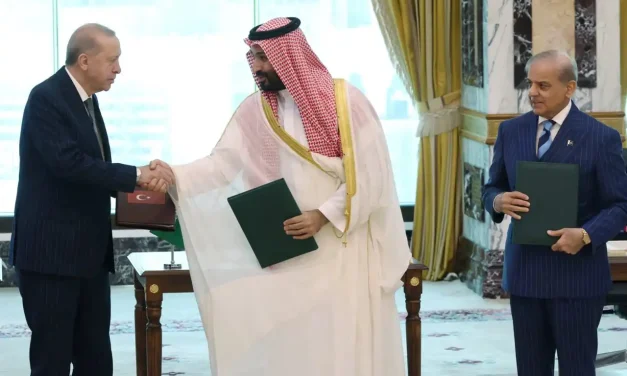
SCFR Online – Opinion: The Makkah Pact, signed on August 7, 2026, between Saudi Arabia, Turkey, and Pakistan, is more than an answer to geopolitical vacuums; in practice, it faces a “deterrence dilemma” and “differing threat perception.” While this pact symbolizes a transition toward regional self-reliance, its first field tests and the complexities of relations with regional actors will determine its real meaning.

Loading

Religious-Ethnic Sedition in Lebanon

US Attempts to Create Religious-Ethnic Sedition in Lebanon

US Attempts to Create Religious-Ethnic Sedition in Lebanon

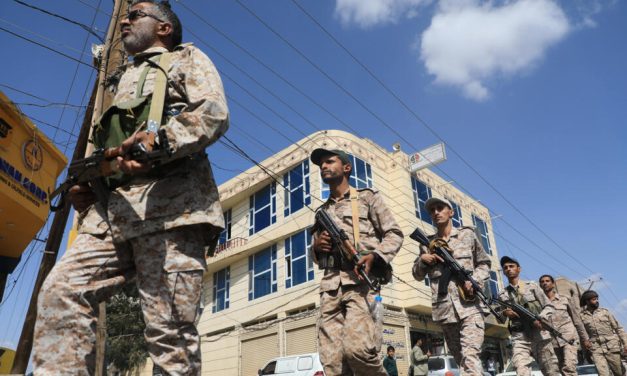
Strategic Council Online – Opinion: On October 14, a group of Lebanese people, invited by the Lebanese Hezbollah and the Amal movement, gathered in front of the Lebanese Ministry of Justice, between Ain al-Rummaneh and Tayouneh areas, to protest the political process of investigation into the Beirut bombing, especially the performance of the judge investigating the incident, Mr. Tariq Bitar. The demonstrators were shot by the assailants affiliated to the Lebanese Forces led by Samir Geagea, “one of the parties to the Lebanese civil war and one of the present allies in the Western-Arab axis,” was witnessed which led to the killing and wounding of many protesters.
Hossein Ajorloo – expert on Middle East affairs

أحدث الوظائف

The Makkah Pact Under scrutiny; From the “Deterrence Dilemma” to the “Risk of Disrupting Security”

SCFR Online – Opinion: The Makkah Pact, signed on August 7, 2026, between Saudi Arabia, Turkey, and Pakistan, is more than an answer to geopolitical vacuums; in practice, it faces a “deterrence dilemma” and “differing threat perception.” While this pact symbolizes a transition toward regional self-reliance, its first field tests and the complexities of relations with regional actors will determine its real meaning.

Loading

Religious-Ethnic Sedition in Lebanon

US Attempts to Create Religious-Ethnic Sedition in Lebanon

US Attempts to Create Religious-Ethnic Sedition in Lebanon

Strategic Council Online – Opinion: On October 14, a group of Lebanese people, invited by the Lebanese Hezbollah and the Amal movement, gathered in front of the Lebanese Ministry of Justice, between Ain al-Rummaneh and Tayouneh areas, to protest the political process of investigation into the Beirut bombing, especially the performance of the judge investigating the incident, Mr. Tariq Bitar. The demonstrators were shot by the assailants affiliated to the Lebanese Forces led by Samir Geagea, “one of the parties to the Lebanese civil war and one of the present allies in the Western-Arab axis,” was witnessed which led to the killing and wounding of many protesters.
Hossein Ajorloo – expert on Middle East affairs

Religious-Ethnic Sedition in Lebanon

US Attempts to Create Religious-Ethnic Sedition in Lebanon

US Attempts to Create Religious-Ethnic Sedition in Lebanon

Strategic Council Online – Opinion: On October 14, a group of Lebanese people, invited by the Lebanese Hezbollah and the Amal movement, gathered in front of the Lebanese Ministry of Justice, between Ain al-Rummaneh and Tayouneh areas, to protest the political process of investigation into the Beirut bombing, especially the performance of the judge investigating the incident, Mr. Tariq Bitar. The demonstrators were shot by the assailants affiliated to the Lebanese Forces led by Samir Geagea, “one of the parties to the Lebanese civil war and one of the present allies in the Western-Arab axis,” was witnessed which led to the killing and wounding of many protesters.
Hossein Ajorloo – expert on Middle East affairs

LATEST CONTENT

The Makkah Pact Under scrutiny; From the “Deterrence Dilemma” to the “Risk of Disrupting Security”

SCFR Online – Opinion: The Makkah Pact, signed on August 7, 2026, between Saudi Arabia, Turkey, and Pakistan, is more than an answer to geopolitical vacuums; in practice, it faces a “deterrence dilemma” and “differing threat perception.” While this pact symbolizes a transition toward regional self-reliance, its first field tests and the complexities of relations with regional actors will determine its real meaning.

Loading

Religious-Ethnic Sedition in Lebanon

US Attempts to Create Religious-Ethnic Sedition in Lebanon

US Attempts to Create Religious-Ethnic Sedition in Lebanon

Strategic Council Online – Opinion: On October 14, a group of Lebanese people, invited by the Lebanese Hezbollah and the Amal movement, gathered in front of the Lebanese Ministry of Justice, between Ain al-Rummaneh and Tayouneh areas, to protest the political process of investigation into the Beirut bombing, especially the performance of the judge investigating the incident, Mr. Tariq Bitar. The demonstrators were shot by the assailants affiliated to the Lebanese Forces led by Samir Geagea, “one of the parties to the Lebanese civil war and one of the present allies in the Western-Arab axis,” was witnessed which led to the killing and wounding of many protesters.
Hossein Ajorloo – expert on Middle East affairs

ÚLTIMAS PUBLICACIONES

The Makkah Pact Under scrutiny; From the “Deterrence Dilemma” to the “Risk of Disrupting Security”

SCFR Online – Opinion: The Makkah Pact, signed on August 7, 2026, between Saudi Arabia, Turkey, and Pakistan, is more than an answer to geopolitical vacuums; in practice, it faces a “deterrence dilemma” and “differing threat perception.” While this pact symbolizes a transition toward regional self-reliance, its first field tests and the complexities of relations with regional actors will determine its real meaning.

Loading

Religious-Ethnic Sedition in Lebanon

US Attempts to Create Religious-Ethnic Sedition in Lebanon

US Attempts to Create Religious-Ethnic Sedition in Lebanon

Strategic Council Online – Opinion: On October 14, a group of Lebanese people, invited by the Lebanese Hezbollah and the Amal movement, gathered in front of the Lebanese Ministry of Justice, between Ain al-Rummaneh and Tayouneh areas, to protest the political process of investigation into the Beirut bombing, especially the performance of the judge investigating the incident, Mr. Tariq Bitar. The demonstrators were shot by the assailants affiliated to the Lebanese Forces led by Samir Geagea, “one of the parties to the Lebanese civil war and one of the present allies in the Western-Arab axis,” was witnessed which led to the killing and wounding of many protesters.
Hossein Ajorloo – expert on Middle East affairs

ÚLTIMAS PUBLICACIONES

The Makkah Pact Under scrutiny; From the “Deterrence Dilemma” to the “Risk of Disrupting Security”

SCFR Online – Opinion: The Makkah Pact, signed on August 7, 2026, between Saudi Arabia, Turkey, and Pakistan, is more than an answer to geopolitical vacuums; in practice, it faces a “deterrence dilemma” and “differing threat perception.” While this pact symbolizes a transition toward regional self-reliance, its first field tests and the complexities of relations with regional actors will determine its real meaning.

Loading

Religious-Ethnic Sedition in Lebanon

US Attempts to Create Religious-Ethnic Sedition in Lebanon

US Attempts to Create Religious-Ethnic Sedition in Lebanon

Strategic Council Online – Opinion: On October 14, a group of Lebanese people, invited by the Lebanese Hezbollah and the Amal movement, gathered in front of the Lebanese Ministry of Justice, between Ain al-Rummaneh and Tayouneh areas, to protest the political process of investigation into the Beirut bombing, especially the performance of the judge investigating the incident, Mr. Tariq Bitar. The demonstrators were shot by the assailants affiliated to the Lebanese Forces led by Samir Geagea, “one of the parties to the Lebanese civil war and one of the present allies in the Western-Arab axis,” was witnessed which led to the killing and wounding of many protesters.
Hossein Ajorloo – expert on Middle East affairs

ÚLTIMAS PUBLICACIONES

The Makkah Pact Under scrutiny; From the “Deterrence Dilemma” to the “Risk of Disrupting Security”

SCFR Online – Opinion: The Makkah Pact, signed on August 7, 2026, between Saudi Arabia, Turkey, and Pakistan, is more than an answer to geopolitical vacuums; in practice, it faces a “deterrence dilemma” and “differing threat perception.” While this pact symbolizes a transition toward regional self-reliance, its first field tests and the complexities of relations with regional actors will determine its real meaning.

Loading

Religious-Ethnic Sedition in Lebanon

US Attempts to Create Religious-Ethnic Sedition in Lebanon

US Attempts to Create Religious-Ethnic Sedition in Lebanon

Strategic Council Online – Opinion: On October 14, a group of Lebanese people, invited by the Lebanese Hezbollah and the Amal movement, gathered in front of the Lebanese Ministry of Justice, between Ain al-Rummaneh and Tayouneh areas, to protest the political process of investigation into the Beirut bombing, especially the performance of the judge investigating the incident, Mr. Tariq Bitar. The demonstrators were shot by the assailants affiliated to the Lebanese Forces led by Samir Geagea, “one of the parties to the Lebanese civil war and one of the present allies in the Western-Arab axis,” was witnessed which led to the killing and wounding of many protesters.
Hossein Ajorloo – expert on Middle East affairs

ÚLTIMAS PUBLICACIONES

The Makkah Pact Under scrutiny; From the “Deterrence Dilemma” to the “Risk of Disrupting Security”

SCFR Online – Opinion: The Makkah Pact, signed on August 7, 2026, between Saudi Arabia, Turkey, and Pakistan, is more than an answer to geopolitical vacuums; in practice, it faces a “deterrence dilemma” and “differing threat perception.” While this pact symbolizes a transition toward regional self-reliance, its first field tests and the complexities of relations with regional actors will determine its real meaning.

Loading