جدیدترین مطالب

Realities of the Tripartite Makkah Pact

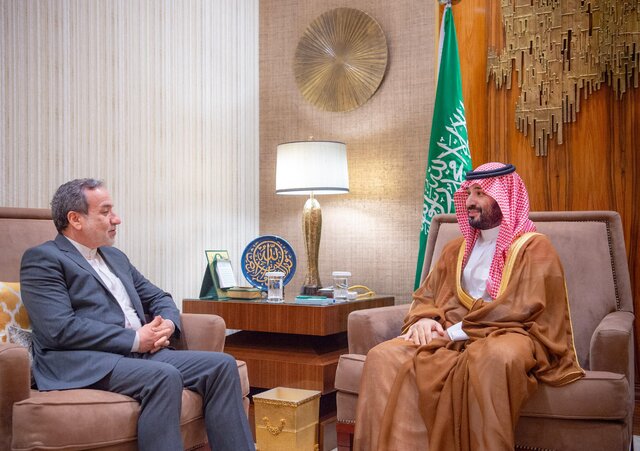
SCFR Online – Interview: The signing of the Makkah agreement between Saudi Arabia, Pakistan, and Turkey has raised questions about the future of the region’s security structure and the position of these countries in West Asian equations. Can this agreement become a genuine collective defense mechanism, or does it have more of a political and deterrent function than creating new military capacity?

Strategic Implications of the Reduction of US Weapons Stockpiles

SCFR Online – Opinion: The continuation of the US war against Iran, in addition to increasing operational costs, has called into question the actual capacity of the American arsenal to simultaneously fulfill security commitments on multiple fronts; an issue that affects deterrence, defense production capacity, and Washington’s resource prioritization.

The Formation of a New Order in Relations Between Powers

SCFR Online – Opinion: The Russia-Ukraine war and the war of the United States and the Israeli regime against Iran have been formed with different objectives and actors, but field and political developments indicate that they are not entirely separate from one another.

An Analysis of the Makkah Defense Pact

SCFR Online – Opinion: On Friday, August 7, the heads of state of three countries – Saudi Arabia, Turkey, and Pakistan – signed a text under the title “Makkah Joint Defense Agreement.”

Dimensions and challenges of the initiative to revive the Hejaz Railway

Strategic Council Online – Note: The initiative to revive the Hejaz Railway, beyond being a transportation project, constitutes an attempt to redefine geopolitics, the economy, and Turkey’s regional position; however, its realization appears to face significant financial, security, and institutional challenges.

Loading

Strait of Hormuz

The Logic of Force, Self-Destruction, and the Decline of US Hegemony due to the Strait of Hormuz Crisis

The Logic of Force, Self-Destruction, and the Decline of US Hegemony due to the Strait of Hormuz Crisis

SCFR Online – Note: Donald Trump, President of the United States, announced on Monday morning, April 12, 2026, via his Truth Social platform that the US Navy would block the Strait of Hormuz. This decision, taken in response to the failure of Islamabad’s negotiations with Pakistan, represents—from the perspective of international relations philosophy—not merely a tactical error, but rather a reproduction of the same self-destructive logic that, from the era of ancient Greek city-states to modern empires, has drawn all hegemons emerging from “pure coercion” into the abyss of destruction.

Iran’s Potential Capacity in the Large Energy Market

Iran’s Potential Capacity in the Large Energy Market

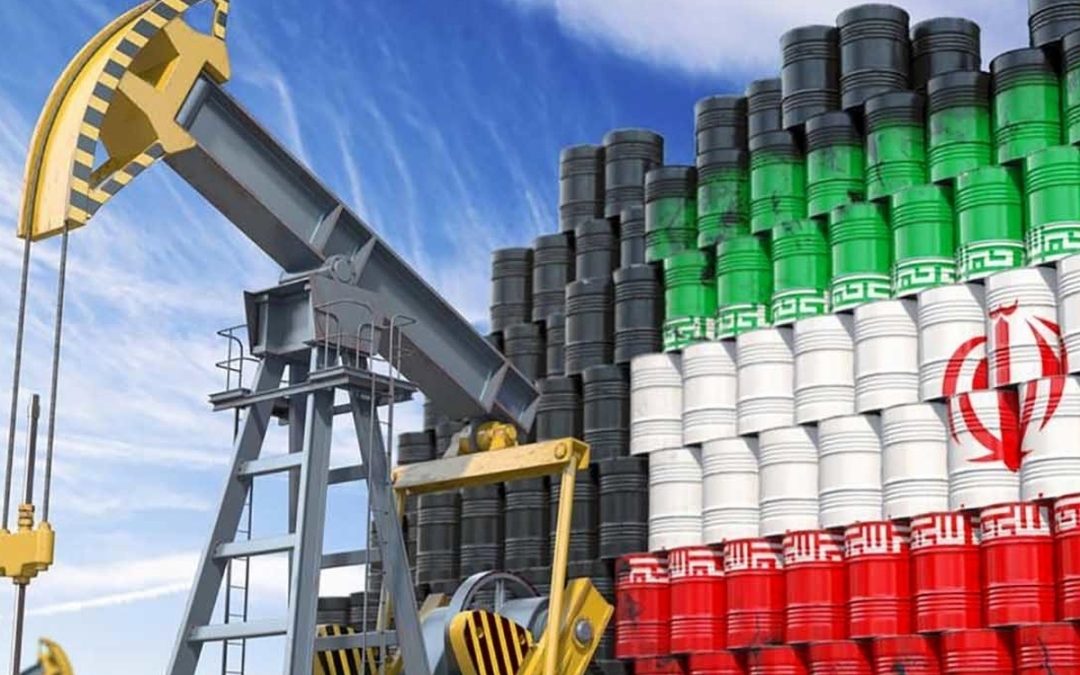
Strategic Council Online – Interview: An energy affairs analyst stated that the recent imposed war by the Zionist regime and the U.S. against Iran, which Donald Trump described as a military success, has disrupted energy markets and intensified concerns over rising oil prices. This event once again underscored Iran’s decisive position in the oil and gas market.

Examining Some Opportunities for Iran’s Cooperation with the Persian Gulf States

Examining Some Opportunities for Iran’s Cooperation with the Persian Gulf States

Strategic Council Online– Opinion: The Persian Gulf, as one of the most sensitive geopolitical regions in the world, is an arena for competition among regional and transregional powers, where the security and national interests of the actors take priority. This region holds strategic importance due to its vast energy reserves and the key role it plays in global oil and gas trade.
However, threats like environmental issues, smuggling, and energy security risks have added new complexities to its security equations. Iran, with the longest coastline in the Persian Gulf and a strategic geographical position, must protect its interests in a tense environment where extra-regional actors like the United States play a destructive role. In this framework, cooperation in specific areas serves as a tool to mitigate threats and strengthen our position in the regional balance of power.

Strategic Importance of India-Middle East-Europe Economic Corridor

Strategic Importance of India-Middle East-Europe Economic Corridor

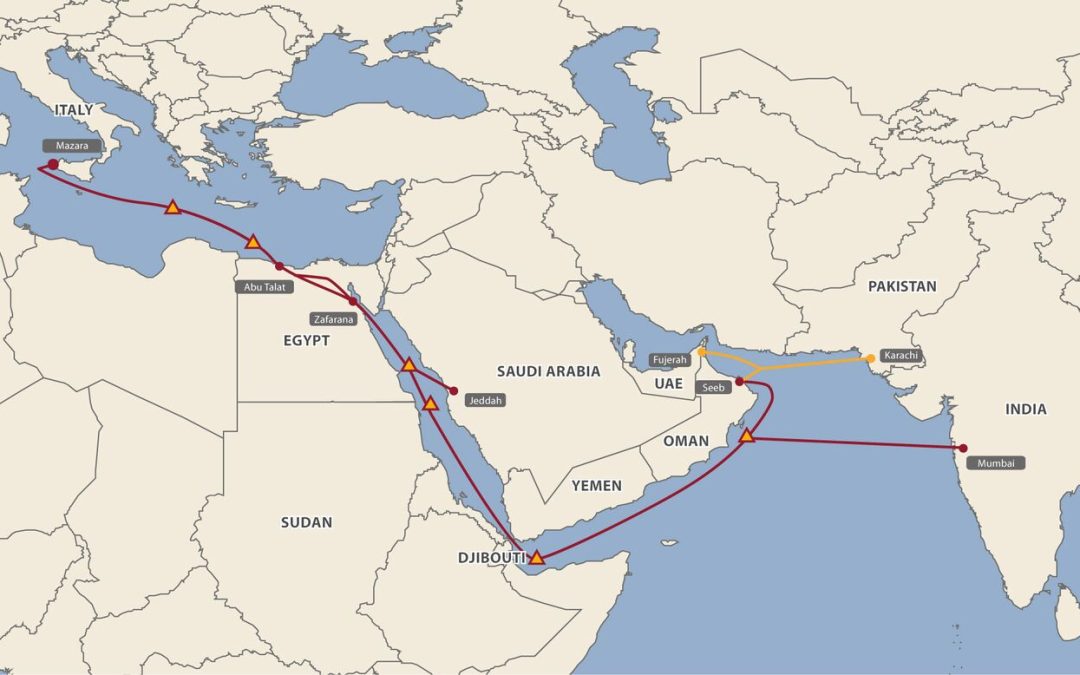
Strategic Council Online – Interview: An expert on subcontinental issues said that India and the United Arab Emirates are working on the first phase of the creation of the India-Middle East-Europe Economic Corridor, known as the IMEC Corridor (ArabMed), which is an alternative route to the Strait of Hormuz and China’s Silk Road plan. Although there are some speculations that with the continuation of the war in Gaza and the unrest in the Middle East, work on this corridor may be sidelined.

Features, Messages, Implications of Chinese-Russian-Iranian Joint Naval Drill

Features, Messages, Implications of Chinese-Russian-Iranian Joint Naval Drill

Strategic Council Online: An expert on international security affairs pointing to a joint naval exercise between Iran, Russia, and China in the north of the Indian Ocean and the Oman Sea said: This combination could upset the power equation in the region and, before anything, weaken the American unilateralist axis and strengthen the multilateral camp in the region.

Importance of Security at Strategic Persian Gulf Waterway

Importance of Security at Strategic Persian Gulf Waterway

Strategic Council Online: Suspicious explosions of two oil tankers in the Gulf of Oman waters on June 13 provide an opportunity to reflect on the importance of securing a strategic waterway called the Strait of Hormuz.
Dr. Ali Karbalaie Hosseini – International Law Researcher

أحدث الوظائف

Realities of the Tripartite Makkah Pact

SCFR Online – Interview: The signing of the Makkah agreement between Saudi Arabia, Pakistan, and Turkey has raised questions about the future of the region’s security structure and the position of these countries in West Asian equations. Can this agreement become a genuine collective defense mechanism, or does it have more of a political and deterrent function than creating new military capacity?

Strategic Implications of the Reduction of US Weapons Stockpiles

SCFR Online – Opinion: The continuation of the US war against Iran, in addition to increasing operational costs, has called into question the actual capacity of the American arsenal to simultaneously fulfill security commitments on multiple fronts; an issue that affects deterrence, defense production capacity, and Washington’s resource prioritization.

The Formation of a New Order in Relations Between Powers

SCFR Online – Opinion: The Russia-Ukraine war and the war of the United States and the Israeli regime against Iran have been formed with different objectives and actors, but field and political developments indicate that they are not entirely separate from one another.

An Analysis of the Makkah Defense Pact

SCFR Online – Opinion: On Friday, August 7, the heads of state of three countries – Saudi Arabia, Turkey, and Pakistan – signed a text under the title “Makkah Joint Defense Agreement.”

Dimensions and challenges of the initiative to revive the Hejaz Railway

Strategic Council Online – Note: The initiative to revive the Hejaz Railway, beyond being a transportation project, constitutes an attempt to redefine geopolitics, the economy, and Turkey’s regional position; however, its realization appears to face significant financial, security, and institutional challenges.

Loading

Strait of Hormuz

The Logic of Force, Self-Destruction, and the Decline of US Hegemony due to the Strait of Hormuz Crisis

The Logic of Force, Self-Destruction, and the Decline of US Hegemony due to the Strait of Hormuz Crisis

SCFR Online – Note: Donald Trump, President of the United States, announced on Monday morning, April 12, 2026, via his Truth Social platform that the US Navy would block the Strait of Hormuz. This decision, taken in response to the failure of Islamabad’s negotiations with Pakistan, represents—from the perspective of international relations philosophy—not merely a tactical error, but rather a reproduction of the same self-destructive logic that, from the era of ancient Greek city-states to modern empires, has drawn all hegemons emerging from “pure coercion” into the abyss of destruction.

Iran’s Potential Capacity in the Large Energy Market

Iran’s Potential Capacity in the Large Energy Market

Strategic Council Online – Interview: An energy affairs analyst stated that the recent imposed war by the Zionist regime and the U.S. against Iran, which Donald Trump described as a military success, has disrupted energy markets and intensified concerns over rising oil prices. This event once again underscored Iran’s decisive position in the oil and gas market.

Examining Some Opportunities for Iran’s Cooperation with the Persian Gulf States

Examining Some Opportunities for Iran’s Cooperation with the Persian Gulf States

Strategic Council Online– Opinion: The Persian Gulf, as one of the most sensitive geopolitical regions in the world, is an arena for competition among regional and transregional powers, where the security and national interests of the actors take priority. This region holds strategic importance due to its vast energy reserves and the key role it plays in global oil and gas trade.
However, threats like environmental issues, smuggling, and energy security risks have added new complexities to its security equations. Iran, with the longest coastline in the Persian Gulf and a strategic geographical position, must protect its interests in a tense environment where extra-regional actors like the United States play a destructive role. In this framework, cooperation in specific areas serves as a tool to mitigate threats and strengthen our position in the regional balance of power.

Strategic Importance of India-Middle East-Europe Economic Corridor

Strategic Importance of India-Middle East-Europe Economic Corridor

Strategic Council Online – Interview: An expert on subcontinental issues said that India and the United Arab Emirates are working on the first phase of the creation of the India-Middle East-Europe Economic Corridor, known as the IMEC Corridor (ArabMed), which is an alternative route to the Strait of Hormuz and China’s Silk Road plan. Although there are some speculations that with the continuation of the war in Gaza and the unrest in the Middle East, work on this corridor may be sidelined.

Features, Messages, Implications of Chinese-Russian-Iranian Joint Naval Drill

Features, Messages, Implications of Chinese-Russian-Iranian Joint Naval Drill

Strategic Council Online: An expert on international security affairs pointing to a joint naval exercise between Iran, Russia, and China in the north of the Indian Ocean and the Oman Sea said: This combination could upset the power equation in the region and, before anything, weaken the American unilateralist axis and strengthen the multilateral camp in the region.

Importance of Security at Strategic Persian Gulf Waterway

Importance of Security at Strategic Persian Gulf Waterway

Strategic Council Online: Suspicious explosions of two oil tankers in the Gulf of Oman waters on June 13 provide an opportunity to reflect on the importance of securing a strategic waterway called the Strait of Hormuz.
Dr. Ali Karbalaie Hosseini – International Law Researcher

Strait of Hormuz

The Logic of Force, Self-Destruction, and the Decline of US Hegemony due to the Strait of Hormuz Crisis

The Logic of Force, Self-Destruction, and the Decline of US Hegemony due to the Strait of Hormuz Crisis

SCFR Online – Note: Donald Trump, President of the United States, announced on Monday morning, April 12, 2026, via his Truth Social platform that the US Navy would block the Strait of Hormuz. This decision, taken in response to the failure of Islamabad’s negotiations with Pakistan, represents—from the perspective of international relations philosophy—not merely a tactical error, but rather a reproduction of the same self-destructive logic that, from the era of ancient Greek city-states to modern empires, has drawn all hegemons emerging from “pure coercion” into the abyss of destruction.

Iran’s Potential Capacity in the Large Energy Market

Iran’s Potential Capacity in the Large Energy Market

Strategic Council Online – Interview: An energy affairs analyst stated that the recent imposed war by the Zionist regime and the U.S. against Iran, which Donald Trump described as a military success, has disrupted energy markets and intensified concerns over rising oil prices. This event once again underscored Iran’s decisive position in the oil and gas market.

Examining Some Opportunities for Iran’s Cooperation with the Persian Gulf States

Examining Some Opportunities for Iran’s Cooperation with the Persian Gulf States

Strategic Council Online– Opinion: The Persian Gulf, as one of the most sensitive geopolitical regions in the world, is an arena for competition among regional and transregional powers, where the security and national interests of the actors take priority. This region holds strategic importance due to its vast energy reserves and the key role it plays in global oil and gas trade.
However, threats like environmental issues, smuggling, and energy security risks have added new complexities to its security equations. Iran, with the longest coastline in the Persian Gulf and a strategic geographical position, must protect its interests in a tense environment where extra-regional actors like the United States play a destructive role. In this framework, cooperation in specific areas serves as a tool to mitigate threats and strengthen our position in the regional balance of power.

Strategic Importance of India-Middle East-Europe Economic Corridor

Strategic Importance of India-Middle East-Europe Economic Corridor

Strategic Council Online – Interview: An expert on subcontinental issues said that India and the United Arab Emirates are working on the first phase of the creation of the India-Middle East-Europe Economic Corridor, known as the IMEC Corridor (ArabMed), which is an alternative route to the Strait of Hormuz and China’s Silk Road plan. Although there are some speculations that with the continuation of the war in Gaza and the unrest in the Middle East, work on this corridor may be sidelined.

Features, Messages, Implications of Chinese-Russian-Iranian Joint Naval Drill

Features, Messages, Implications of Chinese-Russian-Iranian Joint Naval Drill

Strategic Council Online: An expert on international security affairs pointing to a joint naval exercise between Iran, Russia, and China in the north of the Indian Ocean and the Oman Sea said: This combination could upset the power equation in the region and, before anything, weaken the American unilateralist axis and strengthen the multilateral camp in the region.

Importance of Security at Strategic Persian Gulf Waterway

Importance of Security at Strategic Persian Gulf Waterway

Strategic Council Online: Suspicious explosions of two oil tankers in the Gulf of Oman waters on June 13 provide an opportunity to reflect on the importance of securing a strategic waterway called the Strait of Hormuz.
Dr. Ali Karbalaie Hosseini – International Law Researcher

LATEST CONTENT

Realities of the Tripartite Makkah Pact

SCFR Online – Interview: The signing of the Makkah agreement between Saudi Arabia, Pakistan, and Turkey has raised questions about the future of the region’s security structure and the position of these countries in West Asian equations. Can this agreement become a genuine collective defense mechanism, or does it have more of a political and deterrent function than creating new military capacity?

Strategic Implications of the Reduction of US Weapons Stockpiles

SCFR Online – Opinion: The continuation of the US war against Iran, in addition to increasing operational costs, has called into question the actual capacity of the American arsenal to simultaneously fulfill security commitments on multiple fronts; an issue that affects deterrence, defense production capacity, and Washington’s resource prioritization.

The Formation of a New Order in Relations Between Powers

SCFR Online – Opinion: The Russia-Ukraine war and the war of the United States and the Israeli regime against Iran have been formed with different objectives and actors, but field and political developments indicate that they are not entirely separate from one another.

An Analysis of the Makkah Defense Pact

SCFR Online – Opinion: On Friday, August 7, the heads of state of three countries – Saudi Arabia, Turkey, and Pakistan – signed a text under the title “Makkah Joint Defense Agreement.”

Dimensions and challenges of the initiative to revive the Hejaz Railway

Strategic Council Online – Note: The initiative to revive the Hejaz Railway, beyond being a transportation project, constitutes an attempt to redefine geopolitics, the economy, and Turkey’s regional position; however, its realization appears to face significant financial, security, and institutional challenges.

Loading

Strait of Hormuz

The Logic of Force, Self-Destruction, and the Decline of US Hegemony due to the Strait of Hormuz Crisis

The Logic of Force, Self-Destruction, and the Decline of US Hegemony due to the Strait of Hormuz Crisis

SCFR Online – Note: Donald Trump, President of the United States, announced on Monday morning, April 12, 2026, via his Truth Social platform that the US Navy would block the Strait of Hormuz. This decision, taken in response to the failure of Islamabad’s negotiations with Pakistan, represents—from the perspective of international relations philosophy—not merely a tactical error, but rather a reproduction of the same self-destructive logic that, from the era of ancient Greek city-states to modern empires, has drawn all hegemons emerging from “pure coercion” into the abyss of destruction.

Iran’s Potential Capacity in the Large Energy Market

Iran’s Potential Capacity in the Large Energy Market

Strategic Council Online – Interview: An energy affairs analyst stated that the recent imposed war by the Zionist regime and the U.S. against Iran, which Donald Trump described as a military success, has disrupted energy markets and intensified concerns over rising oil prices. This event once again underscored Iran’s decisive position in the oil and gas market.

Examining Some Opportunities for Iran’s Cooperation with the Persian Gulf States

Examining Some Opportunities for Iran’s Cooperation with the Persian Gulf States

Strategic Council Online– Opinion: The Persian Gulf, as one of the most sensitive geopolitical regions in the world, is an arena for competition among regional and transregional powers, where the security and national interests of the actors take priority. This region holds strategic importance due to its vast energy reserves and the key role it plays in global oil and gas trade.
However, threats like environmental issues, smuggling, and energy security risks have added new complexities to its security equations. Iran, with the longest coastline in the Persian Gulf and a strategic geographical position, must protect its interests in a tense environment where extra-regional actors like the United States play a destructive role. In this framework, cooperation in specific areas serves as a tool to mitigate threats and strengthen our position in the regional balance of power.

Strategic Importance of India-Middle East-Europe Economic Corridor

Strategic Importance of India-Middle East-Europe Economic Corridor

Strategic Council Online – Interview: An expert on subcontinental issues said that India and the United Arab Emirates are working on the first phase of the creation of the India-Middle East-Europe Economic Corridor, known as the IMEC Corridor (ArabMed), which is an alternative route to the Strait of Hormuz and China’s Silk Road plan. Although there are some speculations that with the continuation of the war in Gaza and the unrest in the Middle East, work on this corridor may be sidelined.

Features, Messages, Implications of Chinese-Russian-Iranian Joint Naval Drill

Features, Messages, Implications of Chinese-Russian-Iranian Joint Naval Drill

Strategic Council Online: An expert on international security affairs pointing to a joint naval exercise between Iran, Russia, and China in the north of the Indian Ocean and the Oman Sea said: This combination could upset the power equation in the region and, before anything, weaken the American unilateralist axis and strengthen the multilateral camp in the region.

Importance of Security at Strategic Persian Gulf Waterway

Importance of Security at Strategic Persian Gulf Waterway

Strategic Council Online: Suspicious explosions of two oil tankers in the Gulf of Oman waters on June 13 provide an opportunity to reflect on the importance of securing a strategic waterway called the Strait of Hormuz.
Dr. Ali Karbalaie Hosseini – International Law Researcher

ÚLTIMAS PUBLICACIONES

Realities of the Tripartite Makkah Pact

SCFR Online – Interview: The signing of the Makkah agreement between Saudi Arabia, Pakistan, and Turkey has raised questions about the future of the region’s security structure and the position of these countries in West Asian equations. Can this agreement become a genuine collective defense mechanism, or does it have more of a political and deterrent function than creating new military capacity?

Strategic Implications of the Reduction of US Weapons Stockpiles

SCFR Online – Opinion: The continuation of the US war against Iran, in addition to increasing operational costs, has called into question the actual capacity of the American arsenal to simultaneously fulfill security commitments on multiple fronts; an issue that affects deterrence, defense production capacity, and Washington’s resource prioritization.

The Formation of a New Order in Relations Between Powers

SCFR Online – Opinion: The Russia-Ukraine war and the war of the United States and the Israeli regime against Iran have been formed with different objectives and actors, but field and political developments indicate that they are not entirely separate from one another.

An Analysis of the Makkah Defense Pact

SCFR Online – Opinion: On Friday, August 7, the heads of state of three countries – Saudi Arabia, Turkey, and Pakistan – signed a text under the title “Makkah Joint Defense Agreement.”

Dimensions and challenges of the initiative to revive the Hejaz Railway

Strategic Council Online – Note: The initiative to revive the Hejaz Railway, beyond being a transportation project, constitutes an attempt to redefine geopolitics, the economy, and Turkey’s regional position; however, its realization appears to face significant financial, security, and institutional challenges.

Loading

Strait of Hormuz

The Logic of Force, Self-Destruction, and the Decline of US Hegemony due to the Strait of Hormuz Crisis

The Logic of Force, Self-Destruction, and the Decline of US Hegemony due to the Strait of Hormuz Crisis

SCFR Online – Note: Donald Trump, President of the United States, announced on Monday morning, April 12, 2026, via his Truth Social platform that the US Navy would block the Strait of Hormuz. This decision, taken in response to the failure of Islamabad’s negotiations with Pakistan, represents—from the perspective of international relations philosophy—not merely a tactical error, but rather a reproduction of the same self-destructive logic that, from the era of ancient Greek city-states to modern empires, has drawn all hegemons emerging from “pure coercion” into the abyss of destruction.

Iran’s Potential Capacity in the Large Energy Market

Iran’s Potential Capacity in the Large Energy Market

Strategic Council Online – Interview: An energy affairs analyst stated that the recent imposed war by the Zionist regime and the U.S. against Iran, which Donald Trump described as a military success, has disrupted energy markets and intensified concerns over rising oil prices. This event once again underscored Iran’s decisive position in the oil and gas market.

Examining Some Opportunities for Iran’s Cooperation with the Persian Gulf States

Examining Some Opportunities for Iran’s Cooperation with the Persian Gulf States

Strategic Council Online– Opinion: The Persian Gulf, as one of the most sensitive geopolitical regions in the world, is an arena for competition among regional and transregional powers, where the security and national interests of the actors take priority. This region holds strategic importance due to its vast energy reserves and the key role it plays in global oil and gas trade.
However, threats like environmental issues, smuggling, and energy security risks have added new complexities to its security equations. Iran, with the longest coastline in the Persian Gulf and a strategic geographical position, must protect its interests in a tense environment where extra-regional actors like the United States play a destructive role. In this framework, cooperation in specific areas serves as a tool to mitigate threats and strengthen our position in the regional balance of power.

Strategic Importance of India-Middle East-Europe Economic Corridor

Strategic Importance of India-Middle East-Europe Economic Corridor

Strategic Council Online – Interview: An expert on subcontinental issues said that India and the United Arab Emirates are working on the first phase of the creation of the India-Middle East-Europe Economic Corridor, known as the IMEC Corridor (ArabMed), which is an alternative route to the Strait of Hormuz and China’s Silk Road plan. Although there are some speculations that with the continuation of the war in Gaza and the unrest in the Middle East, work on this corridor may be sidelined.

Features, Messages, Implications of Chinese-Russian-Iranian Joint Naval Drill

Features, Messages, Implications of Chinese-Russian-Iranian Joint Naval Drill

Strategic Council Online: An expert on international security affairs pointing to a joint naval exercise between Iran, Russia, and China in the north of the Indian Ocean and the Oman Sea said: This combination could upset the power equation in the region and, before anything, weaken the American unilateralist axis and strengthen the multilateral camp in the region.

Importance of Security at Strategic Persian Gulf Waterway

Importance of Security at Strategic Persian Gulf Waterway

Strategic Council Online: Suspicious explosions of two oil tankers in the Gulf of Oman waters on June 13 provide an opportunity to reflect on the importance of securing a strategic waterway called the Strait of Hormuz.
Dr. Ali Karbalaie Hosseini – International Law Researcher

ÚLTIMAS PUBLICACIONES

Realities of the Tripartite Makkah Pact

SCFR Online – Interview: The signing of the Makkah agreement between Saudi Arabia, Pakistan, and Turkey has raised questions about the future of the region’s security structure and the position of these countries in West Asian equations. Can this agreement become a genuine collective defense mechanism, or does it have more of a political and deterrent function than creating new military capacity?

Strategic Implications of the Reduction of US Weapons Stockpiles

SCFR Online – Opinion: The continuation of the US war against Iran, in addition to increasing operational costs, has called into question the actual capacity of the American arsenal to simultaneously fulfill security commitments on multiple fronts; an issue that affects deterrence, defense production capacity, and Washington’s resource prioritization.

The Formation of a New Order in Relations Between Powers

SCFR Online – Opinion: The Russia-Ukraine war and the war of the United States and the Israeli regime against Iran have been formed with different objectives and actors, but field and political developments indicate that they are not entirely separate from one another.

An Analysis of the Makkah Defense Pact

SCFR Online – Opinion: On Friday, August 7, the heads of state of three countries – Saudi Arabia, Turkey, and Pakistan – signed a text under the title “Makkah Joint Defense Agreement.”

Dimensions and challenges of the initiative to revive the Hejaz Railway

Strategic Council Online – Note: The initiative to revive the Hejaz Railway, beyond being a transportation project, constitutes an attempt to redefine geopolitics, the economy, and Turkey’s regional position; however, its realization appears to face significant financial, security, and institutional challenges.

Loading

Strait of Hormuz

The Logic of Force, Self-Destruction, and the Decline of US Hegemony due to the Strait of Hormuz Crisis

The Logic of Force, Self-Destruction, and the Decline of US Hegemony due to the Strait of Hormuz Crisis

SCFR Online – Note: Donald Trump, President of the United States, announced on Monday morning, April 12, 2026, via his Truth Social platform that the US Navy would block the Strait of Hormuz. This decision, taken in response to the failure of Islamabad’s negotiations with Pakistan, represents—from the perspective of international relations philosophy—not merely a tactical error, but rather a reproduction of the same self-destructive logic that, from the era of ancient Greek city-states to modern empires, has drawn all hegemons emerging from “pure coercion” into the abyss of destruction.

Iran’s Potential Capacity in the Large Energy Market

Iran’s Potential Capacity in the Large Energy Market

Strategic Council Online – Interview: An energy affairs analyst stated that the recent imposed war by the Zionist regime and the U.S. against Iran, which Donald Trump described as a military success, has disrupted energy markets and intensified concerns over rising oil prices. This event once again underscored Iran’s decisive position in the oil and gas market.

Examining Some Opportunities for Iran’s Cooperation with the Persian Gulf States

Examining Some Opportunities for Iran’s Cooperation with the Persian Gulf States

Strategic Council Online– Opinion: The Persian Gulf, as one of the most sensitive geopolitical regions in the world, is an arena for competition among regional and transregional powers, where the security and national interests of the actors take priority. This region holds strategic importance due to its vast energy reserves and the key role it plays in global oil and gas trade.
However, threats like environmental issues, smuggling, and energy security risks have added new complexities to its security equations. Iran, with the longest coastline in the Persian Gulf and a strategic geographical position, must protect its interests in a tense environment where extra-regional actors like the United States play a destructive role. In this framework, cooperation in specific areas serves as a tool to mitigate threats and strengthen our position in the regional balance of power.

Strategic Importance of India-Middle East-Europe Economic Corridor

Strategic Importance of India-Middle East-Europe Economic Corridor

Strategic Council Online – Interview: An expert on subcontinental issues said that India and the United Arab Emirates are working on the first phase of the creation of the India-Middle East-Europe Economic Corridor, known as the IMEC Corridor (ArabMed), which is an alternative route to the Strait of Hormuz and China’s Silk Road plan. Although there are some speculations that with the continuation of the war in Gaza and the unrest in the Middle East, work on this corridor may be sidelined.

Features, Messages, Implications of Chinese-Russian-Iranian Joint Naval Drill

Features, Messages, Implications of Chinese-Russian-Iranian Joint Naval Drill

Strategic Council Online: An expert on international security affairs pointing to a joint naval exercise between Iran, Russia, and China in the north of the Indian Ocean and the Oman Sea said: This combination could upset the power equation in the region and, before anything, weaken the American unilateralist axis and strengthen the multilateral camp in the region.

Importance of Security at Strategic Persian Gulf Waterway

Importance of Security at Strategic Persian Gulf Waterway

Strategic Council Online: Suspicious explosions of two oil tankers in the Gulf of Oman waters on June 13 provide an opportunity to reflect on the importance of securing a strategic waterway called the Strait of Hormuz.
Dr. Ali Karbalaie Hosseini – International Law Researcher

ÚLTIMAS PUBLICACIONES

Realities of the Tripartite Makkah Pact

SCFR Online – Interview: The signing of the Makkah agreement between Saudi Arabia, Pakistan, and Turkey has raised questions about the future of the region’s security structure and the position of these countries in West Asian equations. Can this agreement become a genuine collective defense mechanism, or does it have more of a political and deterrent function than creating new military capacity?

Strategic Implications of the Reduction of US Weapons Stockpiles

SCFR Online – Opinion: The continuation of the US war against Iran, in addition to increasing operational costs, has called into question the actual capacity of the American arsenal to simultaneously fulfill security commitments on multiple fronts; an issue that affects deterrence, defense production capacity, and Washington’s resource prioritization.

The Formation of a New Order in Relations Between Powers

SCFR Online – Opinion: The Russia-Ukraine war and the war of the United States and the Israeli regime against Iran have been formed with different objectives and actors, but field and political developments indicate that they are not entirely separate from one another.

An Analysis of the Makkah Defense Pact

SCFR Online – Opinion: On Friday, August 7, the heads of state of three countries – Saudi Arabia, Turkey, and Pakistan – signed a text under the title “Makkah Joint Defense Agreement.”

Dimensions and challenges of the initiative to revive the Hejaz Railway

Strategic Council Online – Note: The initiative to revive the Hejaz Railway, beyond being a transportation project, constitutes an attempt to redefine geopolitics, the economy, and Turkey’s regional position; however, its realization appears to face significant financial, security, and institutional challenges.

Loading

Strait of Hormuz

The Logic of Force, Self-Destruction, and the Decline of US Hegemony due to the Strait of Hormuz Crisis

The Logic of Force, Self-Destruction, and the Decline of US Hegemony due to the Strait of Hormuz Crisis

SCFR Online – Note: Donald Trump, President of the United States, announced on Monday morning, April 12, 2026, via his Truth Social platform that the US Navy would block the Strait of Hormuz. This decision, taken in response to the failure of Islamabad’s negotiations with Pakistan, represents—from the perspective of international relations philosophy—not merely a tactical error, but rather a reproduction of the same self-destructive logic that, from the era of ancient Greek city-states to modern empires, has drawn all hegemons emerging from “pure coercion” into the abyss of destruction.

Iran’s Potential Capacity in the Large Energy Market

Iran’s Potential Capacity in the Large Energy Market

Strategic Council Online – Interview: An energy affairs analyst stated that the recent imposed war by the Zionist regime and the U.S. against Iran, which Donald Trump described as a military success, has disrupted energy markets and intensified concerns over rising oil prices. This event once again underscored Iran’s decisive position in the oil and gas market.

Examining Some Opportunities for Iran’s Cooperation with the Persian Gulf States

Examining Some Opportunities for Iran’s Cooperation with the Persian Gulf States

Strategic Council Online– Opinion: The Persian Gulf, as one of the most sensitive geopolitical regions in the world, is an arena for competition among regional and transregional powers, where the security and national interests of the actors take priority. This region holds strategic importance due to its vast energy reserves and the key role it plays in global oil and gas trade.
However, threats like environmental issues, smuggling, and energy security risks have added new complexities to its security equations. Iran, with the longest coastline in the Persian Gulf and a strategic geographical position, must protect its interests in a tense environment where extra-regional actors like the United States play a destructive role. In this framework, cooperation in specific areas serves as a tool to mitigate threats and strengthen our position in the regional balance of power.

Strategic Importance of India-Middle East-Europe Economic Corridor

Strategic Importance of India-Middle East-Europe Economic Corridor

Strategic Council Online – Interview: An expert on subcontinental issues said that India and the United Arab Emirates are working on the first phase of the creation of the India-Middle East-Europe Economic Corridor, known as the IMEC Corridor (ArabMed), which is an alternative route to the Strait of Hormuz and China’s Silk Road plan. Although there are some speculations that with the continuation of the war in Gaza and the unrest in the Middle East, work on this corridor may be sidelined.

Features, Messages, Implications of Chinese-Russian-Iranian Joint Naval Drill

Features, Messages, Implications of Chinese-Russian-Iranian Joint Naval Drill

Strategic Council Online: An expert on international security affairs pointing to a joint naval exercise between Iran, Russia, and China in the north of the Indian Ocean and the Oman Sea said: This combination could upset the power equation in the region and, before anything, weaken the American unilateralist axis and strengthen the multilateral camp in the region.

Importance of Security at Strategic Persian Gulf Waterway

Importance of Security at Strategic Persian Gulf Waterway

Strategic Council Online: Suspicious explosions of two oil tankers in the Gulf of Oman waters on June 13 provide an opportunity to reflect on the importance of securing a strategic waterway called the Strait of Hormuz.
Dr. Ali Karbalaie Hosseini – International Law Researcher

ÚLTIMAS PUBLICACIONES

Realities of the Tripartite Makkah Pact

SCFR Online – Interview: The signing of the Makkah agreement between Saudi Arabia, Pakistan, and Turkey has raised questions about the future of the region’s security structure and the position of these countries in West Asian equations. Can this agreement become a genuine collective defense mechanism, or does it have more of a political and deterrent function than creating new military capacity?

Strategic Implications of the Reduction of US Weapons Stockpiles

SCFR Online – Opinion: The continuation of the US war against Iran, in addition to increasing operational costs, has called into question the actual capacity of the American arsenal to simultaneously fulfill security commitments on multiple fronts; an issue that affects deterrence, defense production capacity, and Washington’s resource prioritization.

The Formation of a New Order in Relations Between Powers

SCFR Online – Opinion: The Russia-Ukraine war and the war of the United States and the Israeli regime against Iran have been formed with different objectives and actors, but field and political developments indicate that they are not entirely separate from one another.

An Analysis of the Makkah Defense Pact

SCFR Online – Opinion: On Friday, August 7, the heads of state of three countries – Saudi Arabia, Turkey, and Pakistan – signed a text under the title “Makkah Joint Defense Agreement.”

Dimensions and challenges of the initiative to revive the Hejaz Railway

Strategic Council Online – Note: The initiative to revive the Hejaz Railway, beyond being a transportation project, constitutes an attempt to redefine geopolitics, the economy, and Turkey’s regional position; however, its realization appears to face significant financial, security, and institutional challenges.

Loading