Reasons for the Ineffectiveness of Trump’s “Economic War” against Iran
SCFR Online – Opinion: The intensification of U.S. sanctions against Iran on the eve of the U.S. midterm elections indicates Washington’s inability to achieve its war objectives.


SCFR Online – Opinion: The intensification of U.S. sanctions against Iran on the eve of the U.S. midterm elections indicates Washington’s inability to achieve its war objectives.

SCFR Online – Opinion: The competition between Washington and Beijing over chips and artificial intelligence, simultaneously with the shifting of technological balances, has taken on new economic and security dimensions.
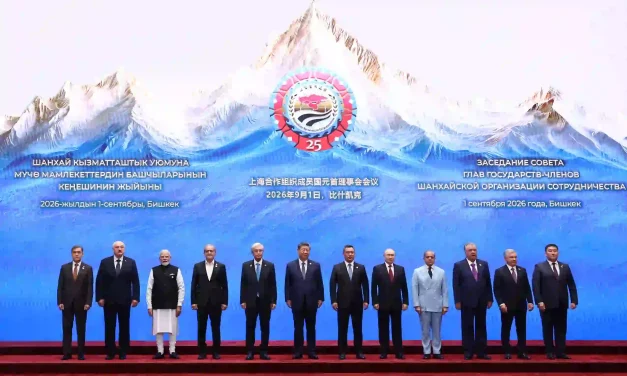
SCFR Online – Opinion: The Shanghai Cooperation Organization summit has created a new opportunity for Iran to transform its membership from a political achievement into economic and transit cooperation.
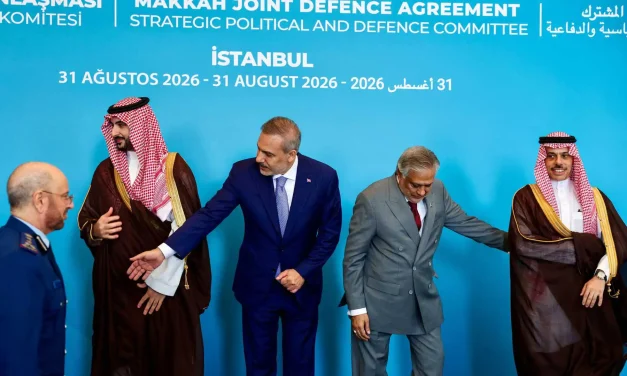
Strategic Council Online – Note: The Makkah Defense Pact can be seen as a sign of regional countries’ efforts to reduce security dependence on extra-regional powers and redefine the balance in West Asia.
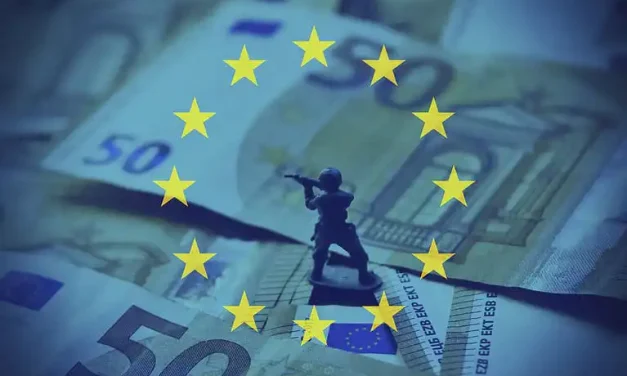
SCFR Online – Opinion: The Ukraine war, by exhausting US military capability on one hand and strengthening European defense capacity on the other, has altered the balance of power in the European continent, cast uncertainty over NATO’s future, and is driving it toward a European NATO.
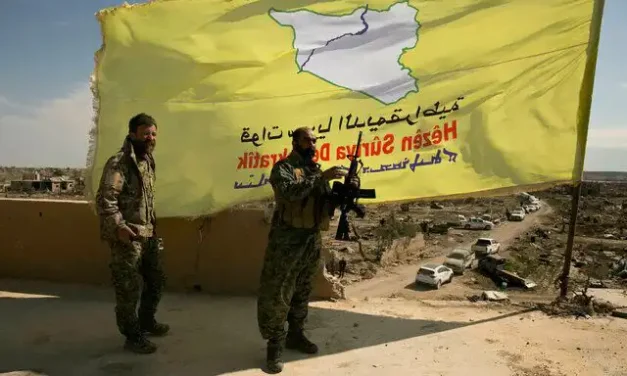
SCFR Online – Opinion: The dissolution of the SDF, although considered an achievement for Turkey’s security, does not put an end to the challenges arising from the Israeli regime’s aggression and expansionism, refugees, and Syria’s fragility.
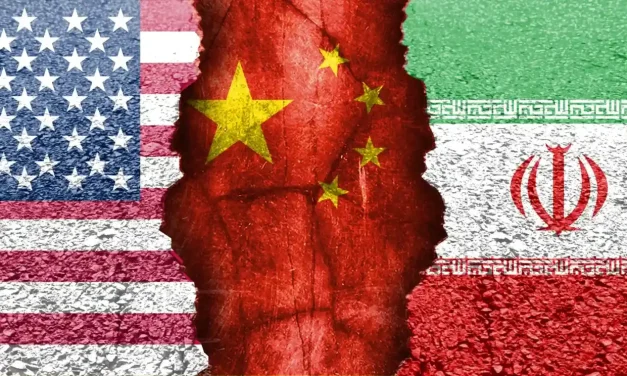
SCFR Online – Opinion: Concurrent with the official commencement of the United States’ economic war against our country, focusing on sanctions instruments, isolation, and economic pressure, what has now become increasingly important is the lack of alignment of other major global powers, especially China, with this policy.
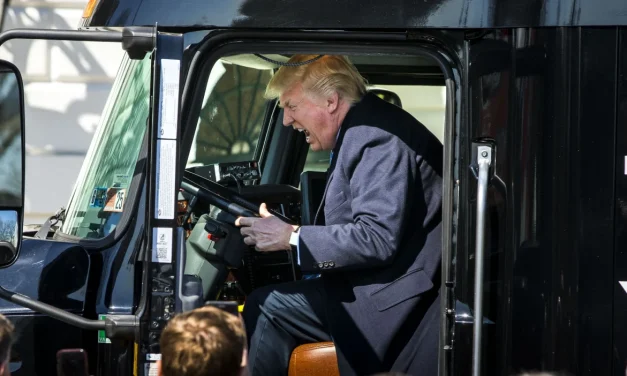
SCFR Online – Opinion: The new US sanctions against Iran, despite extensive propaganda, face serious obstacles to success due to the ineffectiveness of sanctions tools and opposition from some of Tehran’s trading partners.


Strategic Council Online-Interview: A university professor spoke of the reaction of Iraqi forces on self-defense, against the continuation of the presence of the occupying and aggressive forces “as their legitimate rights” and said:’ The US is seeking to reap political dividends in Iraq through projection and alleging Iran to support the groups who plan attacks her positions in the country.

Strategic Council Online – An analyst of Iraq affairs called the presence of NATO forces in Iraq contrary to the principle of sovereignty and a factor in increasing internal disputes in that country and said: Iraqi groups, the Iraqi parliament, and the government of Mr. Al-Kazemi should note that there is no difference between the NATO and the United States and, while considering strategic implications of that presence, they must confront NATO forces with a more prudent policy.

Strategic Council Online—Interview: An analyst of Iraq issues says the Hashd al-Shabi march marked the celebration of the admission of this force as an independent force in future, adding that the United States has reached the conclusion that Hashd al-Shabi will be an inseparable force of Iraq military in future and that’s why their approach has changed from dissolving Hashd al-Shabi to changing its nature.

Strategic Council Online- Early parliamentary election in Iraq which was supposed to be held on June 6, 2021, has been postponed. Whispers were circulating within the past few weeks that certain figures, movements and players are looking for the second postponement of election in Iraq which was originally supposed to be held on October 10, 2021.
Hamid Khoshayand, International Analyst

Strategic Council Online – Interview: An expert on Iraq affairs, commenting on the continued presence of US troops in Iraq despite strategic talks between the two countries on this issue and approval of the law on the withdrawal of US troops from Iraq in December 2019 said: There is no doubt that the stay of American forces in Iraq will intensify instability in that country.

Strategic Council Online – An analyst of Iraq affairs, referring to some issues of concern to Tehran and Baghdad raised during the visit of the Iraqi National Security Adviser to Iran, said that withdrawal of the Americans from that country can help improve security situation in Iraq and limit the ISIS. Unfortunately, he said what has overshadowed common security issues between Iran and Iraq is the continued presence of US forces in Iraq.

Strategic Council Online – The American adventurism in Iraq is not over and in the latest destructive measure, the US Treasury Department has boycotted Faleh al-Fayyad, the commander of the Iraqi Hashd al-Shaabi, on the pretext of human rights violations!
Hamid Khoshayand – International affairs analyst

Strategy Council Online – A Middle East expert said: “Some speculations suggest that with the rise of Joe Biden in the United States, we may see an acceleration of the withdrawal of American troops from Iraq and some other countries in the region.”

Strategic Council Online – Despite warnings, Ronald Trump intends to reduce the number of American troops from Afghanistan and Iraq ahead of the deadline. He wants to be still influential in foreign and security policy, and intends to constrain his successor, Joe Biden. Withdrawal of US troops from Iraq and Afghanistan, without coordination and acceptance of the responsibility, could have dangerous consequences for the region as well as for the European allies of the US.
Mahmoud Fazeli – Expert on International Affairs

Strategic Council Online—Interview: With Joe Biden in the White House as the President of the United States, Iraq’s government inclination towards Saudi Arabia, Jordan and Egypt will be reduced or disrupted, says an expert of West Asia affairs.
SCFR Online – Opinion: The intensification of U.S. sanctions against Iran on the eve of the U.S. midterm elections indicates Washington’s inability to achieve its war objectives.
SCFR Online – Opinion: The competition between Washington and Beijing over chips and artificial intelligence, simultaneously with the shifting of technological balances, has taken on new economic and security dimensions.
SCFR Online – Opinion: The Shanghai Cooperation Organization summit has created a new opportunity for Iran to transform its membership from a political achievement into economic and transit cooperation.
Strategic Council Online – Note: The Makkah Defense Pact can be seen as a sign of regional countries’ efforts to reduce security dependence on extra-regional powers and redefine the balance in West Asia.
SCFR Online – Opinion: The Ukraine war, by exhausting US military capability on one hand and strengthening European defense capacity on the other, has altered the balance of power in the European continent, cast uncertainty over NATO’s future, and is driving it toward a European NATO.
SCFR Online – Opinion: The dissolution of the SDF, although considered an achievement for Turkey’s security, does not put an end to the challenges arising from the Israeli regime’s aggression and expansionism, refugees, and Syria’s fragility.
SCFR Online – Opinion: Concurrent with the official commencement of the United States’ economic war against our country, focusing on sanctions instruments, isolation, and economic pressure, what has now become increasingly important is the lack of alignment of other major global powers, especially China, with this policy.
SCFR Online – Opinion: The new US sanctions against Iran, despite extensive propaganda, face serious obstacles to success due to the ineffectiveness of sanctions tools and opposition from some of Tehran’s trading partners.
Strategic Council Online-Interview: A university professor spoke of the reaction of Iraqi forces on self-defense, against the continuation of the presence of the occupying and aggressive forces “as their legitimate rights” and said:’ The US is seeking to reap political dividends in Iraq through projection and alleging Iran to support the groups who plan attacks her positions in the country.
Strategic Council Online – An analyst of Iraq affairs called the presence of NATO forces in Iraq contrary to the principle of sovereignty and a factor in increasing internal disputes in that country and said: Iraqi groups, the Iraqi parliament, and the government of Mr. Al-Kazemi should note that there is no difference between the NATO and the United States and, while considering strategic implications of that presence, they must confront NATO forces with a more prudent policy.
Strategic Council Online—Interview: An analyst of Iraq issues says the Hashd al-Shabi march marked the celebration of the admission of this force as an independent force in future, adding that the United States has reached the conclusion that Hashd al-Shabi will be an inseparable force of Iraq military in future and that’s why their approach has changed from dissolving Hashd al-Shabi to changing its nature.
Strategic Council Online- Early parliamentary election in Iraq which was supposed to be held on June 6, 2021, has been postponed. Whispers were circulating within the past few weeks that certain figures, movements and players are looking for the second postponement of election in Iraq which was originally supposed to be held on October 10, 2021.
Hamid Khoshayand, International Analyst
Strategic Council Online – Interview: An expert on Iraq affairs, commenting on the continued presence of US troops in Iraq despite strategic talks between the two countries on this issue and approval of the law on the withdrawal of US troops from Iraq in December 2019 said: There is no doubt that the stay of American forces in Iraq will intensify instability in that country.
Strategic Council Online – An analyst of Iraq affairs, referring to some issues of concern to Tehran and Baghdad raised during the visit of the Iraqi National Security Adviser to Iran, said that withdrawal of the Americans from that country can help improve security situation in Iraq and limit the ISIS. Unfortunately, he said what has overshadowed common security issues between Iran and Iraq is the continued presence of US forces in Iraq.
Strategic Council Online – The American adventurism in Iraq is not over and in the latest destructive measure, the US Treasury Department has boycotted Faleh al-Fayyad, the commander of the Iraqi Hashd al-Shaabi, on the pretext of human rights violations!
Hamid Khoshayand – International affairs analyst
Strategy Council Online – A Middle East expert said: “Some speculations suggest that with the rise of Joe Biden in the United States, we may see an acceleration of the withdrawal of American troops from Iraq and some other countries in the region.”
Strategic Council Online – Despite warnings, Ronald Trump intends to reduce the number of American troops from Afghanistan and Iraq ahead of the deadline. He wants to be still influential in foreign and security policy, and intends to constrain his successor, Joe Biden. Withdrawal of US troops from Iraq and Afghanistan, without coordination and acceptance of the responsibility, could have dangerous consequences for the region as well as for the European allies of the US.
Mahmoud Fazeli – Expert on International Affairs
Strategic Council Online—Interview: With Joe Biden in the White House as the President of the United States, Iraq’s government inclination towards Saudi Arabia, Jordan and Egypt will be reduced or disrupted, says an expert of West Asia affairs.
Strategic Council Online-Interview: A university professor spoke of the reaction of Iraqi forces on self-defense, against the continuation of the presence of the occupying and aggressive forces “as their legitimate rights” and said:’ The US is seeking to reap political dividends in Iraq through projection and alleging Iran to support the groups who plan attacks her positions in the country.
Strategic Council Online – An analyst of Iraq affairs called the presence of NATO forces in Iraq contrary to the principle of sovereignty and a factor in increasing internal disputes in that country and said: Iraqi groups, the Iraqi parliament, and the government of Mr. Al-Kazemi should note that there is no difference between the NATO and the United States and, while considering strategic implications of that presence, they must confront NATO forces with a more prudent policy.
Strategic Council Online—Interview: An analyst of Iraq issues says the Hashd al-Shabi march marked the celebration of the admission of this force as an independent force in future, adding that the United States has reached the conclusion that Hashd al-Shabi will be an inseparable force of Iraq military in future and that’s why their approach has changed from dissolving Hashd al-Shabi to changing its nature.
Strategic Council Online- Early parliamentary election in Iraq which was supposed to be held on June 6, 2021, has been postponed. Whispers were circulating within the past few weeks that certain figures, movements and players are looking for the second postponement of election in Iraq which was originally supposed to be held on October 10, 2021.
Hamid Khoshayand, International Analyst
Strategic Council Online – Interview: An expert on Iraq affairs, commenting on the continued presence of US troops in Iraq despite strategic talks between the two countries on this issue and approval of the law on the withdrawal of US troops from Iraq in December 2019 said: There is no doubt that the stay of American forces in Iraq will intensify instability in that country.
Strategic Council Online – An analyst of Iraq affairs, referring to some issues of concern to Tehran and Baghdad raised during the visit of the Iraqi National Security Adviser to Iran, said that withdrawal of the Americans from that country can help improve security situation in Iraq and limit the ISIS. Unfortunately, he said what has overshadowed common security issues between Iran and Iraq is the continued presence of US forces in Iraq.
Strategic Council Online – The American adventurism in Iraq is not over and in the latest destructive measure, the US Treasury Department has boycotted Faleh al-Fayyad, the commander of the Iraqi Hashd al-Shaabi, on the pretext of human rights violations!
Hamid Khoshayand – International affairs analyst
Strategy Council Online – A Middle East expert said: “Some speculations suggest that with the rise of Joe Biden in the United States, we may see an acceleration of the withdrawal of American troops from Iraq and some other countries in the region.”
Strategic Council Online – Despite warnings, Ronald Trump intends to reduce the number of American troops from Afghanistan and Iraq ahead of the deadline. He wants to be still influential in foreign and security policy, and intends to constrain his successor, Joe Biden. Withdrawal of US troops from Iraq and Afghanistan, without coordination and acceptance of the responsibility, could have dangerous consequences for the region as well as for the European allies of the US.
Mahmoud Fazeli – Expert on International Affairs
Strategic Council Online—Interview: With Joe Biden in the White House as the President of the United States, Iraq’s government inclination towards Saudi Arabia, Jordan and Egypt will be reduced or disrupted, says an expert of West Asia affairs.
SCFR Online – Opinion: The intensification of U.S. sanctions against Iran on the eve of the U.S. midterm elections indicates Washington’s inability to achieve its war objectives.
SCFR Online – Opinion: The competition between Washington and Beijing over chips and artificial intelligence, simultaneously with the shifting of technological balances, has taken on new economic and security dimensions.
SCFR Online – Opinion: The Shanghai Cooperation Organization summit has created a new opportunity for Iran to transform its membership from a political achievement into economic and transit cooperation.
Strategic Council Online – Note: The Makkah Defense Pact can be seen as a sign of regional countries’ efforts to reduce security dependence on extra-regional powers and redefine the balance in West Asia.
SCFR Online – Opinion: The Ukraine war, by exhausting US military capability on one hand and strengthening European defense capacity on the other, has altered the balance of power in the European continent, cast uncertainty over NATO’s future, and is driving it toward a European NATO.
SCFR Online – Opinion: The dissolution of the SDF, although considered an achievement for Turkey’s security, does not put an end to the challenges arising from the Israeli regime’s aggression and expansionism, refugees, and Syria’s fragility.
SCFR Online – Opinion: Concurrent with the official commencement of the United States’ economic war against our country, focusing on sanctions instruments, isolation, and economic pressure, what has now become increasingly important is the lack of alignment of other major global powers, especially China, with this policy.
SCFR Online – Opinion: The new US sanctions against Iran, despite extensive propaganda, face serious obstacles to success due to the ineffectiveness of sanctions tools and opposition from some of Tehran’s trading partners.
Strategic Council Online-Interview: A university professor spoke of the reaction of Iraqi forces on self-defense, against the continuation of the presence of the occupying and aggressive forces “as their legitimate rights” and said:’ The US is seeking to reap political dividends in Iraq through projection and alleging Iran to support the groups who plan attacks her positions in the country.
Strategic Council Online – An analyst of Iraq affairs called the presence of NATO forces in Iraq contrary to the principle of sovereignty and a factor in increasing internal disputes in that country and said: Iraqi groups, the Iraqi parliament, and the government of Mr. Al-Kazemi should note that there is no difference between the NATO and the United States and, while considering strategic implications of that presence, they must confront NATO forces with a more prudent policy.
Strategic Council Online—Interview: An analyst of Iraq issues says the Hashd al-Shabi march marked the celebration of the admission of this force as an independent force in future, adding that the United States has reached the conclusion that Hashd al-Shabi will be an inseparable force of Iraq military in future and that’s why their approach has changed from dissolving Hashd al-Shabi to changing its nature.
Strategic Council Online- Early parliamentary election in Iraq which was supposed to be held on June 6, 2021, has been postponed. Whispers were circulating within the past few weeks that certain figures, movements and players are looking for the second postponement of election in Iraq which was originally supposed to be held on October 10, 2021.
Hamid Khoshayand, International Analyst
Strategic Council Online – Interview: An expert on Iraq affairs, commenting on the continued presence of US troops in Iraq despite strategic talks between the two countries on this issue and approval of the law on the withdrawal of US troops from Iraq in December 2019 said: There is no doubt that the stay of American forces in Iraq will intensify instability in that country.
Strategic Council Online – An analyst of Iraq affairs, referring to some issues of concern to Tehran and Baghdad raised during the visit of the Iraqi National Security Adviser to Iran, said that withdrawal of the Americans from that country can help improve security situation in Iraq and limit the ISIS. Unfortunately, he said what has overshadowed common security issues between Iran and Iraq is the continued presence of US forces in Iraq.
Strategic Council Online – The American adventurism in Iraq is not over and in the latest destructive measure, the US Treasury Department has boycotted Faleh al-Fayyad, the commander of the Iraqi Hashd al-Shaabi, on the pretext of human rights violations!
Hamid Khoshayand – International affairs analyst
Strategy Council Online – A Middle East expert said: “Some speculations suggest that with the rise of Joe Biden in the United States, we may see an acceleration of the withdrawal of American troops from Iraq and some other countries in the region.”
Strategic Council Online – Despite warnings, Ronald Trump intends to reduce the number of American troops from Afghanistan and Iraq ahead of the deadline. He wants to be still influential in foreign and security policy, and intends to constrain his successor, Joe Biden. Withdrawal of US troops from Iraq and Afghanistan, without coordination and acceptance of the responsibility, could have dangerous consequences for the region as well as for the European allies of the US.
Mahmoud Fazeli – Expert on International Affairs
Strategic Council Online—Interview: With Joe Biden in the White House as the President of the United States, Iraq’s government inclination towards Saudi Arabia, Jordan and Egypt will be reduced or disrupted, says an expert of West Asia affairs.
SCFR Online – Opinion: The intensification of U.S. sanctions against Iran on the eve of the U.S. midterm elections indicates Washington’s inability to achieve its war objectives.
SCFR Online – Opinion: The competition between Washington and Beijing over chips and artificial intelligence, simultaneously with the shifting of technological balances, has taken on new economic and security dimensions.
SCFR Online – Opinion: The Shanghai Cooperation Organization summit has created a new opportunity for Iran to transform its membership from a political achievement into economic and transit cooperation.
Strategic Council Online – Note: The Makkah Defense Pact can be seen as a sign of regional countries’ efforts to reduce security dependence on extra-regional powers and redefine the balance in West Asia.
SCFR Online – Opinion: The Ukraine war, by exhausting US military capability on one hand and strengthening European defense capacity on the other, has altered the balance of power in the European continent, cast uncertainty over NATO’s future, and is driving it toward a European NATO.
SCFR Online – Opinion: The dissolution of the SDF, although considered an achievement for Turkey’s security, does not put an end to the challenges arising from the Israeli regime’s aggression and expansionism, refugees, and Syria’s fragility.
SCFR Online – Opinion: Concurrent with the official commencement of the United States’ economic war against our country, focusing on sanctions instruments, isolation, and economic pressure, what has now become increasingly important is the lack of alignment of other major global powers, especially China, with this policy.
SCFR Online – Opinion: The new US sanctions against Iran, despite extensive propaganda, face serious obstacles to success due to the ineffectiveness of sanctions tools and opposition from some of Tehran’s trading partners.
Strategic Council Online-Interview: A university professor spoke of the reaction of Iraqi forces on self-defense, against the continuation of the presence of the occupying and aggressive forces “as their legitimate rights” and said:’ The US is seeking to reap political dividends in Iraq through projection and alleging Iran to support the groups who plan attacks her positions in the country.
Strategic Council Online – An analyst of Iraq affairs called the presence of NATO forces in Iraq contrary to the principle of sovereignty and a factor in increasing internal disputes in that country and said: Iraqi groups, the Iraqi parliament, and the government of Mr. Al-Kazemi should note that there is no difference between the NATO and the United States and, while considering strategic implications of that presence, they must confront NATO forces with a more prudent policy.
Strategic Council Online—Interview: An analyst of Iraq issues says the Hashd al-Shabi march marked the celebration of the admission of this force as an independent force in future, adding that the United States has reached the conclusion that Hashd al-Shabi will be an inseparable force of Iraq military in future and that’s why their approach has changed from dissolving Hashd al-Shabi to changing its nature.
Strategic Council Online- Early parliamentary election in Iraq which was supposed to be held on June 6, 2021, has been postponed. Whispers were circulating within the past few weeks that certain figures, movements and players are looking for the second postponement of election in Iraq which was originally supposed to be held on October 10, 2021.
Hamid Khoshayand, International Analyst
Strategic Council Online – Interview: An expert on Iraq affairs, commenting on the continued presence of US troops in Iraq despite strategic talks between the two countries on this issue and approval of the law on the withdrawal of US troops from Iraq in December 2019 said: There is no doubt that the stay of American forces in Iraq will intensify instability in that country.
Strategic Council Online – An analyst of Iraq affairs, referring to some issues of concern to Tehran and Baghdad raised during the visit of the Iraqi National Security Adviser to Iran, said that withdrawal of the Americans from that country can help improve security situation in Iraq and limit the ISIS. Unfortunately, he said what has overshadowed common security issues between Iran and Iraq is the continued presence of US forces in Iraq.
Strategic Council Online – The American adventurism in Iraq is not over and in the latest destructive measure, the US Treasury Department has boycotted Faleh al-Fayyad, the commander of the Iraqi Hashd al-Shaabi, on the pretext of human rights violations!
Hamid Khoshayand – International affairs analyst
Strategy Council Online – A Middle East expert said: “Some speculations suggest that with the rise of Joe Biden in the United States, we may see an acceleration of the withdrawal of American troops from Iraq and some other countries in the region.”
Strategic Council Online – Despite warnings, Ronald Trump intends to reduce the number of American troops from Afghanistan and Iraq ahead of the deadline. He wants to be still influential in foreign and security policy, and intends to constrain his successor, Joe Biden. Withdrawal of US troops from Iraq and Afghanistan, without coordination and acceptance of the responsibility, could have dangerous consequences for the region as well as for the European allies of the US.
Mahmoud Fazeli – Expert on International Affairs
Strategic Council Online—Interview: With Joe Biden in the White House as the President of the United States, Iraq’s government inclination towards Saudi Arabia, Jordan and Egypt will be reduced or disrupted, says an expert of West Asia affairs.
SCFR Online – Opinion: The intensification of U.S. sanctions against Iran on the eve of the U.S. midterm elections indicates Washington’s inability to achieve its war objectives.
SCFR Online – Opinion: The competition between Washington and Beijing over chips and artificial intelligence, simultaneously with the shifting of technological balances, has taken on new economic and security dimensions.
SCFR Online – Opinion: The Shanghai Cooperation Organization summit has created a new opportunity for Iran to transform its membership from a political achievement into economic and transit cooperation.
Strategic Council Online – Note: The Makkah Defense Pact can be seen as a sign of regional countries’ efforts to reduce security dependence on extra-regional powers and redefine the balance in West Asia.
SCFR Online – Opinion: The Ukraine war, by exhausting US military capability on one hand and strengthening European defense capacity on the other, has altered the balance of power in the European continent, cast uncertainty over NATO’s future, and is driving it toward a European NATO.
SCFR Online – Opinion: The dissolution of the SDF, although considered an achievement for Turkey’s security, does not put an end to the challenges arising from the Israeli regime’s aggression and expansionism, refugees, and Syria’s fragility.
SCFR Online – Opinion: Concurrent with the official commencement of the United States’ economic war against our country, focusing on sanctions instruments, isolation, and economic pressure, what has now become increasingly important is the lack of alignment of other major global powers, especially China, with this policy.
SCFR Online – Opinion: The new US sanctions against Iran, despite extensive propaganda, face serious obstacles to success due to the ineffectiveness of sanctions tools and opposition from some of Tehran’s trading partners.
Strategic Council Online-Interview: A university professor spoke of the reaction of Iraqi forces on self-defense, against the continuation of the presence of the occupying and aggressive forces “as their legitimate rights” and said:’ The US is seeking to reap political dividends in Iraq through projection and alleging Iran to support the groups who plan attacks her positions in the country.
Strategic Council Online – An analyst of Iraq affairs called the presence of NATO forces in Iraq contrary to the principle of sovereignty and a factor in increasing internal disputes in that country and said: Iraqi groups, the Iraqi parliament, and the government of Mr. Al-Kazemi should note that there is no difference between the NATO and the United States and, while considering strategic implications of that presence, they must confront NATO forces with a more prudent policy.
Strategic Council Online—Interview: An analyst of Iraq issues says the Hashd al-Shabi march marked the celebration of the admission of this force as an independent force in future, adding that the United States has reached the conclusion that Hashd al-Shabi will be an inseparable force of Iraq military in future and that’s why their approach has changed from dissolving Hashd al-Shabi to changing its nature.
Strategic Council Online- Early parliamentary election in Iraq which was supposed to be held on June 6, 2021, has been postponed. Whispers were circulating within the past few weeks that certain figures, movements and players are looking for the second postponement of election in Iraq which was originally supposed to be held on October 10, 2021.
Hamid Khoshayand, International Analyst
Strategic Council Online – Interview: An expert on Iraq affairs, commenting on the continued presence of US troops in Iraq despite strategic talks between the two countries on this issue and approval of the law on the withdrawal of US troops from Iraq in December 2019 said: There is no doubt that the stay of American forces in Iraq will intensify instability in that country.
Strategic Council Online – An analyst of Iraq affairs, referring to some issues of concern to Tehran and Baghdad raised during the visit of the Iraqi National Security Adviser to Iran, said that withdrawal of the Americans from that country can help improve security situation in Iraq and limit the ISIS. Unfortunately, he said what has overshadowed common security issues between Iran and Iraq is the continued presence of US forces in Iraq.
Strategic Council Online – The American adventurism in Iraq is not over and in the latest destructive measure, the US Treasury Department has boycotted Faleh al-Fayyad, the commander of the Iraqi Hashd al-Shaabi, on the pretext of human rights violations!
Hamid Khoshayand – International affairs analyst
Strategy Council Online – A Middle East expert said: “Some speculations suggest that with the rise of Joe Biden in the United States, we may see an acceleration of the withdrawal of American troops from Iraq and some other countries in the region.”
Strategic Council Online – Despite warnings, Ronald Trump intends to reduce the number of American troops from Afghanistan and Iraq ahead of the deadline. He wants to be still influential in foreign and security policy, and intends to constrain his successor, Joe Biden. Withdrawal of US troops from Iraq and Afghanistan, without coordination and acceptance of the responsibility, could have dangerous consequences for the region as well as for the European allies of the US.
Mahmoud Fazeli – Expert on International Affairs
Strategic Council Online—Interview: With Joe Biden in the White House as the President of the United States, Iraq’s government inclination towards Saudi Arabia, Jordan and Egypt will be reduced or disrupted, says an expert of West Asia affairs.
SCFR Online – Opinion: The intensification of U.S. sanctions against Iran on the eve of the U.S. midterm elections indicates Washington’s inability to achieve its war objectives.
SCFR Online – Opinion: The competition between Washington and Beijing over chips and artificial intelligence, simultaneously with the shifting of technological balances, has taken on new economic and security dimensions.
SCFR Online – Opinion: The Shanghai Cooperation Organization summit has created a new opportunity for Iran to transform its membership from a political achievement into economic and transit cooperation.
Strategic Council Online – Note: The Makkah Defense Pact can be seen as a sign of regional countries’ efforts to reduce security dependence on extra-regional powers and redefine the balance in West Asia.
SCFR Online – Opinion: The Ukraine war, by exhausting US military capability on one hand and strengthening European defense capacity on the other, has altered the balance of power in the European continent, cast uncertainty over NATO’s future, and is driving it toward a European NATO.
SCFR Online – Opinion: The dissolution of the SDF, although considered an achievement for Turkey’s security, does not put an end to the challenges arising from the Israeli regime’s aggression and expansionism, refugees, and Syria’s fragility.
SCFR Online – Opinion: Concurrent with the official commencement of the United States’ economic war against our country, focusing on sanctions instruments, isolation, and economic pressure, what has now become increasingly important is the lack of alignment of other major global powers, especially China, with this policy.
SCFR Online – Opinion: The new US sanctions against Iran, despite extensive propaganda, face serious obstacles to success due to the ineffectiveness of sanctions tools and opposition from some of Tehran’s trading partners.
Strategic Council Online-Interview: A university professor spoke of the reaction of Iraqi forces on self-defense, against the continuation of the presence of the occupying and aggressive forces “as their legitimate rights” and said:’ The US is seeking to reap political dividends in Iraq through projection and alleging Iran to support the groups who plan attacks her positions in the country.
Strategic Council Online – An analyst of Iraq affairs called the presence of NATO forces in Iraq contrary to the principle of sovereignty and a factor in increasing internal disputes in that country and said: Iraqi groups, the Iraqi parliament, and the government of Mr. Al-Kazemi should note that there is no difference between the NATO and the United States and, while considering strategic implications of that presence, they must confront NATO forces with a more prudent policy.
Strategic Council Online—Interview: An analyst of Iraq issues says the Hashd al-Shabi march marked the celebration of the admission of this force as an independent force in future, adding that the United States has reached the conclusion that Hashd al-Shabi will be an inseparable force of Iraq military in future and that’s why their approach has changed from dissolving Hashd al-Shabi to changing its nature.
Strategic Council Online- Early parliamentary election in Iraq which was supposed to be held on June 6, 2021, has been postponed. Whispers were circulating within the past few weeks that certain figures, movements and players are looking for the second postponement of election in Iraq which was originally supposed to be held on October 10, 2021.
Hamid Khoshayand, International Analyst
Strategic Council Online – Interview: An expert on Iraq affairs, commenting on the continued presence of US troops in Iraq despite strategic talks between the two countries on this issue and approval of the law on the withdrawal of US troops from Iraq in December 2019 said: There is no doubt that the stay of American forces in Iraq will intensify instability in that country.
Strategic Council Online – An analyst of Iraq affairs, referring to some issues of concern to Tehran and Baghdad raised during the visit of the Iraqi National Security Adviser to Iran, said that withdrawal of the Americans from that country can help improve security situation in Iraq and limit the ISIS. Unfortunately, he said what has overshadowed common security issues between Iran and Iraq is the continued presence of US forces in Iraq.
Strategic Council Online – The American adventurism in Iraq is not over and in the latest destructive measure, the US Treasury Department has boycotted Faleh al-Fayyad, the commander of the Iraqi Hashd al-Shaabi, on the pretext of human rights violations!
Hamid Khoshayand – International affairs analyst
Strategy Council Online – A Middle East expert said: “Some speculations suggest that with the rise of Joe Biden in the United States, we may see an acceleration of the withdrawal of American troops from Iraq and some other countries in the region.”
Strategic Council Online – Despite warnings, Ronald Trump intends to reduce the number of American troops from Afghanistan and Iraq ahead of the deadline. He wants to be still influential in foreign and security policy, and intends to constrain his successor, Joe Biden. Withdrawal of US troops from Iraq and Afghanistan, without coordination and acceptance of the responsibility, could have dangerous consequences for the region as well as for the European allies of the US.
Mahmoud Fazeli – Expert on International Affairs
Strategic Council Online—Interview: With Joe Biden in the White House as the President of the United States, Iraq’s government inclination towards Saudi Arabia, Jordan and Egypt will be reduced or disrupted, says an expert of West Asia affairs.
SCFR Online – Opinion: The intensification of U.S. sanctions against Iran on the eve of the U.S. midterm elections indicates Washington’s inability to achieve its war objectives.
SCFR Online – Opinion: The competition between Washington and Beijing over chips and artificial intelligence, simultaneously with the shifting of technological balances, has taken on new economic and security dimensions.
SCFR Online – Opinion: The Shanghai Cooperation Organization summit has created a new opportunity for Iran to transform its membership from a political achievement into economic and transit cooperation.
Strategic Council Online – Note: The Makkah Defense Pact can be seen as a sign of regional countries’ efforts to reduce security dependence on extra-regional powers and redefine the balance in West Asia.
SCFR Online – Opinion: The Ukraine war, by exhausting US military capability on one hand and strengthening European defense capacity on the other, has altered the balance of power in the European continent, cast uncertainty over NATO’s future, and is driving it toward a European NATO.
SCFR Online – Opinion: The dissolution of the SDF, although considered an achievement for Turkey’s security, does not put an end to the challenges arising from the Israeli regime’s aggression and expansionism, refugees, and Syria’s fragility.
SCFR Online – Opinion: Concurrent with the official commencement of the United States’ economic war against our country, focusing on sanctions instruments, isolation, and economic pressure, what has now become increasingly important is the lack of alignment of other major global powers, especially China, with this policy.
SCFR Online – Opinion: The new US sanctions against Iran, despite extensive propaganda, face serious obstacles to success due to the ineffectiveness of sanctions tools and opposition from some of Tehran’s trading partners.