جدیدترین مطالب

Consequences of Declining Trust in the Judiciary in Europe

SCFRonline – Opinion: The increase in public distrust of the French judicial system, which in recent surveys has reached approximately two-thirds of citizens, should be analyzed within a framework broader than temporary dissatisfaction or an emotional reaction to a particular criminal case.

Iran’s Potential Levers of Power

SCFRonline– Opinion: Iran’s geopolitical power is not limited solely to oil and the Strait of Hormuz; the unintended emergence of disruptions in the future global food and energy security chains can also demonstrate Iran’s strategic importance.

The Inseparability of the Lebanese Front from the Axis of Resistance

SCFR Online–Opinion: By providing an extensive network of social, healthcare, educational, and post-war reconstruction services, Hezbollah has established a strong social base for itself among Lebanon’s Shiites and Sunnis, and even beyond that, among other segments of Lebanese society, including Christians. Hezbollah has never been an external actor imposed upon Lebanon; rather, it is a phenomenon fundamentally born out of the occupation and crimes of the Zionist regime and itself influenced by popular resistance.

The Increasing Efforts of the Zionist Regime to Redefine Borders and the Regional Order and Its Consequences

SCFR Online– Opinion: Security and military developments in the region over recent months indicate that the ongoing crises and wars in Gaza, southern Lebanon, and parts of Syrian territory encompass broader dimensions of geopolitical and geostrategic transformations. In this context, the increased military presence and control of the Zionist regime over parts of the territories of these areas, along with proposals regarding the creation of buffer zones or even the expansion of security borders, have raised serious questions about the future of the regional order and its consequences for the countries of West Asia.

Loading

Iran

An Analysis of Baku’s Mediation between Syria and the Israeli Regime

An Analysis of Baku’s Mediation between Syria and the Israeli Regime

Strategic Council Online – Interview: An international affairs expert stated that recently, Ilham Aliyev, the President of Azerbaijan, by announcing his country’s mediating role between the Israeli regime and Syria, attempted to turn Baku into one of the active regional players. In an interview, Aliyev emphasized that the primary goal of this action is to strengthen peace and stability in the Middle East. Furthermore, Aliyev spoke of Azerbaijan’s readiness to support the restoration of relations between Turkey and the Israeli regime and elaborated on his country’s humanitarian and energy assistance to Syria, including the export of gas to Syria based on a quadrilateral agreement with Turkey and Qatar, which began on August 2nd and may increase in the future. However, regional analysts view this mediation with skepticism, seeing it as being in line with Tel Aviv’s interests and the improvement of Baku’s geopolitical standing.

Objectives and Messages of China’s Military Drill Concurrent with the SCO Summit

Objectives and Messages of China’s Military Drill Concurrent with the SCO Summit

Strategic Council Online – Interview: A senior analyst on Chinese affairs stated that China’s major military drill on September 3, coinciding with the 80th anniversary of the end of World War II, is far more than a simple military event; it carries immense importance in today’s geopolitical equations. The presence of Vladimir Putin, Masoud Pezeshkian, and Kim Jong-un alongside Xi Jinping not only reflects the convergence of non-Western powers against pressure from the United States and NATO but also demonstrates Beijing’s efforts to consolidate its position as a decisive player in the global order. Among the 26 foreign leaders participating in this parade, none of the Western leaders are present except for Robert Fico, the Prime Minister of Slovakia. Also attending are Alexander Lukashenko, President of Belarus; Prabowo Subianto, President of Indonesia; Aleksandar Vučić, President of Serbia; and Woo Won-sik, Speaker of South Korea’s National Assembly. Li Junhua, Under-Secretary-General of the UN, will also be present on behalf of the organization.
This drill—considered one of the largest military maneuvers in China’s modern history—focuses on showcasing the latest defensive and offensive technologies, including hypersonic weapon systems and advanced communication networks whose capabilities could alter the balance of power in East Asia and even globally. This event is not merely a show of military force but also serves as a tool of deterrence and diplomacy. Under growing economic and diplomatic pressure, China is demonstrating through such drills that it possesses the ability to manage crises and reshape regional equations. In fact, Beijing is seizing this opportunity both to reassure its allies and to warn its rivals that East Asia is no longer under American dominance.

Objectives and Consequences of the South Caucasus Trilateral Agreement

Objectives and Consequences of the South Caucasus Trilateral Agreement

Strategic Council Online – Interview: A senior Eurasian affairs analyst stated that the trilateral agreement between Armenia, the Republic of Azerbaijan, and the United States on August 8, 2025, known as the “Trump Route,” is a turning point in the geopolitical equations of the South Caucasus. This agreement, ostensibly signed for peace and the establishment of a transit corridor between Baku and Nakhchivan, carries serious concerns. From the perspective of analysts, this plan is not merely an economic project but part of the U.S. strategy to enhance its influence in the region and contain regional powers such as Iran and Russia.

The Necessity of Utilizing the Security-Creating Capacity of the Persian Gulf Countries

The Necessity of Utilizing the Security-Creating Capacity of the Persian Gulf Countries

Strategic Council Online: Before the illegitimate attack by the Israeli and American regimes on our country’s nuclear and military centers, Iran’s diplomatic apparatus had adopted an active and multilateral regional policy. This policy aimed to gain and maintain the trust and cooperation of important and influential regional countries, including Saudi Arabia, by keeping them informed about the progress and process of nuclear negotiations with the United States. This policy has proven to be effective. Unlike in previous instances when it was highly likely that these countries would remain silent or even cooperate with attacks on our nuclear facilities, we recently observed a unanimous condemnation of the Israeli regime’s attack on our nation by the Persian Gulf Cooperation Council.

Dimensions and Implications of Parallel Efforts to Disarm the Resistance in West Asia

Dimensions and Implications of Parallel Efforts to Disarm the Resistance in West Asia

Strategic Council Online – Interview: A senior analyst on West Asian affairs stated that under the current circumstances, discussing the disarmament of the Resistance is not only unfeasible but could also lead to an escalation of tensions. Following the 12-day aggression by the United States and the Israeli regime against Iran, efforts in another layer to disarm Resistance groups, including Hezbollah, the Popular Mobilization Forces (PMF or Hashd al-Shaabi), and Hamas, have intensified as part of a coordinated project pursued to weaken the Axis of Resistance and impose American regional dominance. The U.S. proposal for Lebanon, which includes disarming Hezbollah by the end of 2025 and the withdrawal of the Israeli regime from border positions, is an attempt to transform an external conflict into an internal one. Hezbollah has firmly rejected this proposal, deeming it a violation of national sovereignty and a service to the interests of the Israeli regime, while emphasizing its defensive role. In Iraq, pressure on the Popular Mobilization Forces has been accompanied by accusations and economic sanctions, yet this group continues to stand as a popular force against external threats. Hamas, despite heavy attacks by the Israeli regime, has continued its resistance and rejected a recent ceasefire proposal in exchange for disarmament. These plans, supported by U.S. and allied diplomatic and economic backing, seek to alter the balance of power in the region. Still, the resistance of the groups and popular support have prevented the realization of these objectives.

Netanyahu’s Legal Liability After Confession About Assassination of Iranian Nuclear Scientists

Netanyahu’s Legal Liability After Confession About Assassination of Iranian Nuclear Scientists

Strategic Council Online – Interview: A West Asia affairs analyst said: Recently, Benjamin Netanyahu, the Prime Minister of the Zionist regime, explicitly stated in an interview with Channel 14 of this regime that a significant number of Iran’s nuclear scientists have been killed as part of a targeted assassination program. This is the first time that a senior official of the Israeli regime has made such an explicit confession. Although the Israeli regime had previously been accused of playing a role in the assassination of Iranian scientists, this official confession opens a new chapter in legal and political pursuits; a chapter that could, by utilizing international capacities, confront a regime that sees itself as above the law with serious consequences.

Prospects for Expanding Iran-Pakistan Relations

Prospects for Expanding Iran-Pakistan Relations

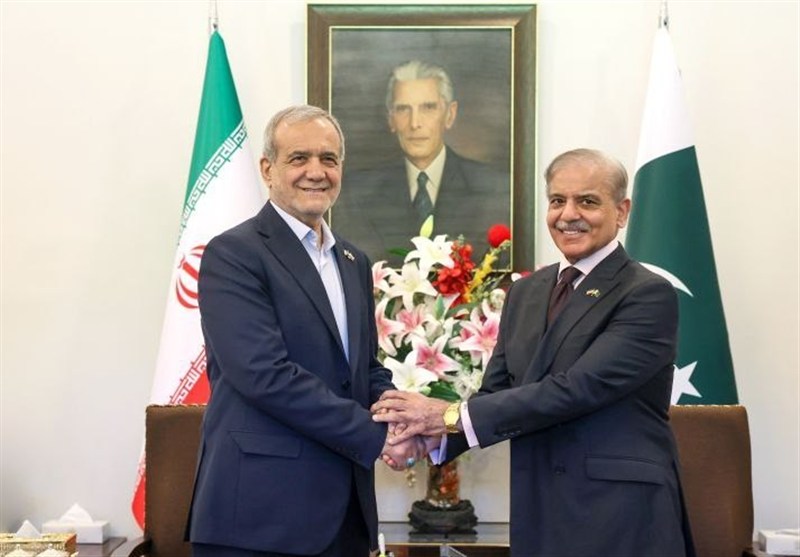
Strategic Council Online – Opinion: The recent visit of the President of Iran to Islamabad, which went beyond a conventional diplomatic meeting, is regarded as a fundamental step towards deepening and expanding bilateral strategic relations as well as influencing the regional balance of power. This visit took place at a time when the region and the world are witnessing rapid and complex developments, and Iran seeks to redefine and strengthen its axes of cooperation with its traditional and regional partners.

The 12-Day War: An Opportunity for Designing Targeted Public Diplomacy

The 12-Day War: An Opportunity for Designing Targeted Public Diplomacy

Strategic Council Online – Interview: A researcher on West Asian affairs stated: The 12-day war of the Israeli regime against Iran, despite its aggressive and destructive nature, can turn into a strategic opportunity for our country; a chance to legitimize defense policies and strengthen the Resistance Discourse in the international system. In a world where public opinion plays an increasing role in shaping policies, effective narrative-building about this war is the key to turning threat into opportunity. Iran, relying on public diplomacy and transnational media, can present the Israeli regime’s attacks as a blatant violation of international law and emphasize its legitimate right to defense and deterrence. Furthermore, by portraying itself as logical, resistant, and oppressed, it can pave the way for increased regional and global empathy. Ultimately, this war can provide a platform for domestic consensus, cohesion of the Resistance Axis, and redefining Iran’s position as a responsible actor in regional security equations.

Legal Avenues for Seeking Justice for the Crimes and Damages of the 12-Day War in International Forums

Legal Avenues for Seeking Justice for the Crimes and Damages of the 12-Day War in International Forums

Strategic Council Online Opinion: The 12-day imposed war, which began on June 12 of this year with the Zionist regime’s invasion of Iranian soil, marked one of the darkest chapters in Iran’s contemporary history. This conflict started with Israel’s surprise attacks on Iran’s military and nuclear facilities, as well as civilian targets, including several hospitals. It was accompanied by the targeted assassinations of military commanders and prominent nuclear scientists, the destruction of Evin Prison (resulting in 71 deaths), and the bombing of the Islamic Republic of Iran Broadcasting (IRIB. The direct involvement of the U.S., through the bombing of Iran’s peaceful nuclear facilities in Fordow and Isfahan, completed this tragedy. These actions not only constituted a blatant violation of international obligations, including the UN Charter, the Geneva Conventions, and the Treaty on the Non-Proliferation of Nuclear Weapons (NPT), but also imposed heavy legal and criminal responsibility on the U.S. and the Israeli regime.

Opportunities and Challenges of Cooperation with Global Alliances

Opportunities and Challenges of Cooperation with Global Alliances

Strategic Council Online – Interview: An international affairs expert stated that Iran’s hybrid and multidimensional diplomacy, if combined with a measured, flexible, and more effective approach, could lead to tangible domestic and international achievements. The world is transitioning toward a multipolar order in which power is more dispersed and distributed among multiple actors. In this context, Iran, by adopting an inclusive policy and emphasizing cooperation with alliances such as BRICS and the Shanghai Cooperation Organization (SCO), seeks to reposition itself in the international system strategically. This policy goes beyond a reaction to the so-called Western-imposed isolation; it signifies a normative decision and choice to establish a fairer and more balanced order based on principles of justice, equality, and respect for national sovereignty. However, excessive reliance on specific alliances and blocs could limit Iran’s strategic options.

أحدث الوظائف

Consequences of Declining Trust in the Judiciary in Europe

SCFRonline – Opinion: The increase in public distrust of the French judicial system, which in recent surveys has reached approximately two-thirds of citizens, should be analyzed within a framework broader than temporary dissatisfaction or an emotional reaction to a particular criminal case.

Iran’s Potential Levers of Power

SCFRonline– Opinion: Iran’s geopolitical power is not limited solely to oil and the Strait of Hormuz; the unintended emergence of disruptions in the future global food and energy security chains can also demonstrate Iran’s strategic importance.

The Inseparability of the Lebanese Front from the Axis of Resistance

SCFR Online–Opinion: By providing an extensive network of social, healthcare, educational, and post-war reconstruction services, Hezbollah has established a strong social base for itself among Lebanon’s Shiites and Sunnis, and even beyond that, among other segments of Lebanese society, including Christians. Hezbollah has never been an external actor imposed upon Lebanon; rather, it is a phenomenon fundamentally born out of the occupation and crimes of the Zionist regime and itself influenced by popular resistance.

The Increasing Efforts of the Zionist Regime to Redefine Borders and the Regional Order and Its Consequences

SCFR Online– Opinion: Security and military developments in the region over recent months indicate that the ongoing crises and wars in Gaza, southern Lebanon, and parts of Syrian territory encompass broader dimensions of geopolitical and geostrategic transformations. In this context, the increased military presence and control of the Zionist regime over parts of the territories of these areas, along with proposals regarding the creation of buffer zones or even the expansion of security borders, have raised serious questions about the future of the regional order and its consequences for the countries of West Asia.

Loading

Iran

An Analysis of Baku’s Mediation between Syria and the Israeli Regime

An Analysis of Baku’s Mediation between Syria and the Israeli Regime

Strategic Council Online – Interview: An international affairs expert stated that recently, Ilham Aliyev, the President of Azerbaijan, by announcing his country’s mediating role between the Israeli regime and Syria, attempted to turn Baku into one of the active regional players. In an interview, Aliyev emphasized that the primary goal of this action is to strengthen peace and stability in the Middle East. Furthermore, Aliyev spoke of Azerbaijan’s readiness to support the restoration of relations between Turkey and the Israeli regime and elaborated on his country’s humanitarian and energy assistance to Syria, including the export of gas to Syria based on a quadrilateral agreement with Turkey and Qatar, which began on August 2nd and may increase in the future. However, regional analysts view this mediation with skepticism, seeing it as being in line with Tel Aviv’s interests and the improvement of Baku’s geopolitical standing.

Objectives and Messages of China’s Military Drill Concurrent with the SCO Summit

Objectives and Messages of China’s Military Drill Concurrent with the SCO Summit

Strategic Council Online – Interview: A senior analyst on Chinese affairs stated that China’s major military drill on September 3, coinciding with the 80th anniversary of the end of World War II, is far more than a simple military event; it carries immense importance in today’s geopolitical equations. The presence of Vladimir Putin, Masoud Pezeshkian, and Kim Jong-un alongside Xi Jinping not only reflects the convergence of non-Western powers against pressure from the United States and NATO but also demonstrates Beijing’s efforts to consolidate its position as a decisive player in the global order. Among the 26 foreign leaders participating in this parade, none of the Western leaders are present except for Robert Fico, the Prime Minister of Slovakia. Also attending are Alexander Lukashenko, President of Belarus; Prabowo Subianto, President of Indonesia; Aleksandar Vučić, President of Serbia; and Woo Won-sik, Speaker of South Korea’s National Assembly. Li Junhua, Under-Secretary-General of the UN, will also be present on behalf of the organization.
This drill—considered one of the largest military maneuvers in China’s modern history—focuses on showcasing the latest defensive and offensive technologies, including hypersonic weapon systems and advanced communication networks whose capabilities could alter the balance of power in East Asia and even globally. This event is not merely a show of military force but also serves as a tool of deterrence and diplomacy. Under growing economic and diplomatic pressure, China is demonstrating through such drills that it possesses the ability to manage crises and reshape regional equations. In fact, Beijing is seizing this opportunity both to reassure its allies and to warn its rivals that East Asia is no longer under American dominance.

Objectives and Consequences of the South Caucasus Trilateral Agreement

Objectives and Consequences of the South Caucasus Trilateral Agreement

Strategic Council Online – Interview: A senior Eurasian affairs analyst stated that the trilateral agreement between Armenia, the Republic of Azerbaijan, and the United States on August 8, 2025, known as the “Trump Route,” is a turning point in the geopolitical equations of the South Caucasus. This agreement, ostensibly signed for peace and the establishment of a transit corridor between Baku and Nakhchivan, carries serious concerns. From the perspective of analysts, this plan is not merely an economic project but part of the U.S. strategy to enhance its influence in the region and contain regional powers such as Iran and Russia.

The Necessity of Utilizing the Security-Creating Capacity of the Persian Gulf Countries

The Necessity of Utilizing the Security-Creating Capacity of the Persian Gulf Countries

Strategic Council Online: Before the illegitimate attack by the Israeli and American regimes on our country’s nuclear and military centers, Iran’s diplomatic apparatus had adopted an active and multilateral regional policy. This policy aimed to gain and maintain the trust and cooperation of important and influential regional countries, including Saudi Arabia, by keeping them informed about the progress and process of nuclear negotiations with the United States. This policy has proven to be effective. Unlike in previous instances when it was highly likely that these countries would remain silent or even cooperate with attacks on our nuclear facilities, we recently observed a unanimous condemnation of the Israeli regime’s attack on our nation by the Persian Gulf Cooperation Council.

Dimensions and Implications of Parallel Efforts to Disarm the Resistance in West Asia

Dimensions and Implications of Parallel Efforts to Disarm the Resistance in West Asia

Strategic Council Online – Interview: A senior analyst on West Asian affairs stated that under the current circumstances, discussing the disarmament of the Resistance is not only unfeasible but could also lead to an escalation of tensions. Following the 12-day aggression by the United States and the Israeli regime against Iran, efforts in another layer to disarm Resistance groups, including Hezbollah, the Popular Mobilization Forces (PMF or Hashd al-Shaabi), and Hamas, have intensified as part of a coordinated project pursued to weaken the Axis of Resistance and impose American regional dominance. The U.S. proposal for Lebanon, which includes disarming Hezbollah by the end of 2025 and the withdrawal of the Israeli regime from border positions, is an attempt to transform an external conflict into an internal one. Hezbollah has firmly rejected this proposal, deeming it a violation of national sovereignty and a service to the interests of the Israeli regime, while emphasizing its defensive role. In Iraq, pressure on the Popular Mobilization Forces has been accompanied by accusations and economic sanctions, yet this group continues to stand as a popular force against external threats. Hamas, despite heavy attacks by the Israeli regime, has continued its resistance and rejected a recent ceasefire proposal in exchange for disarmament. These plans, supported by U.S. and allied diplomatic and economic backing, seek to alter the balance of power in the region. Still, the resistance of the groups and popular support have prevented the realization of these objectives.

Netanyahu’s Legal Liability After Confession About Assassination of Iranian Nuclear Scientists

Netanyahu’s Legal Liability After Confession About Assassination of Iranian Nuclear Scientists

Strategic Council Online – Interview: A West Asia affairs analyst said: Recently, Benjamin Netanyahu, the Prime Minister of the Zionist regime, explicitly stated in an interview with Channel 14 of this regime that a significant number of Iran’s nuclear scientists have been killed as part of a targeted assassination program. This is the first time that a senior official of the Israeli regime has made such an explicit confession. Although the Israeli regime had previously been accused of playing a role in the assassination of Iranian scientists, this official confession opens a new chapter in legal and political pursuits; a chapter that could, by utilizing international capacities, confront a regime that sees itself as above the law with serious consequences.

Prospects for Expanding Iran-Pakistan Relations

Prospects for Expanding Iran-Pakistan Relations

Strategic Council Online – Opinion: The recent visit of the President of Iran to Islamabad, which went beyond a conventional diplomatic meeting, is regarded as a fundamental step towards deepening and expanding bilateral strategic relations as well as influencing the regional balance of power. This visit took place at a time when the region and the world are witnessing rapid and complex developments, and Iran seeks to redefine and strengthen its axes of cooperation with its traditional and regional partners.

The 12-Day War: An Opportunity for Designing Targeted Public Diplomacy

The 12-Day War: An Opportunity for Designing Targeted Public Diplomacy

Strategic Council Online – Interview: A researcher on West Asian affairs stated: The 12-day war of the Israeli regime against Iran, despite its aggressive and destructive nature, can turn into a strategic opportunity for our country; a chance to legitimize defense policies and strengthen the Resistance Discourse in the international system. In a world where public opinion plays an increasing role in shaping policies, effective narrative-building about this war is the key to turning threat into opportunity. Iran, relying on public diplomacy and transnational media, can present the Israeli regime’s attacks as a blatant violation of international law and emphasize its legitimate right to defense and deterrence. Furthermore, by portraying itself as logical, resistant, and oppressed, it can pave the way for increased regional and global empathy. Ultimately, this war can provide a platform for domestic consensus, cohesion of the Resistance Axis, and redefining Iran’s position as a responsible actor in regional security equations.

Legal Avenues for Seeking Justice for the Crimes and Damages of the 12-Day War in International Forums

Legal Avenues for Seeking Justice for the Crimes and Damages of the 12-Day War in International Forums

Strategic Council Online Opinion: The 12-day imposed war, which began on June 12 of this year with the Zionist regime’s invasion of Iranian soil, marked one of the darkest chapters in Iran’s contemporary history. This conflict started with Israel’s surprise attacks on Iran’s military and nuclear facilities, as well as civilian targets, including several hospitals. It was accompanied by the targeted assassinations of military commanders and prominent nuclear scientists, the destruction of Evin Prison (resulting in 71 deaths), and the bombing of the Islamic Republic of Iran Broadcasting (IRIB. The direct involvement of the U.S., through the bombing of Iran’s peaceful nuclear facilities in Fordow and Isfahan, completed this tragedy. These actions not only constituted a blatant violation of international obligations, including the UN Charter, the Geneva Conventions, and the Treaty on the Non-Proliferation of Nuclear Weapons (NPT), but also imposed heavy legal and criminal responsibility on the U.S. and the Israeli regime.

Opportunities and Challenges of Cooperation with Global Alliances

Opportunities and Challenges of Cooperation with Global Alliances

Strategic Council Online – Interview: An international affairs expert stated that Iran’s hybrid and multidimensional diplomacy, if combined with a measured, flexible, and more effective approach, could lead to tangible domestic and international achievements. The world is transitioning toward a multipolar order in which power is more dispersed and distributed among multiple actors. In this context, Iran, by adopting an inclusive policy and emphasizing cooperation with alliances such as BRICS and the Shanghai Cooperation Organization (SCO), seeks to reposition itself in the international system strategically. This policy goes beyond a reaction to the so-called Western-imposed isolation; it signifies a normative decision and choice to establish a fairer and more balanced order based on principles of justice, equality, and respect for national sovereignty. However, excessive reliance on specific alliances and blocs could limit Iran’s strategic options.

Iran

An Analysis of Baku’s Mediation between Syria and the Israeli Regime

An Analysis of Baku’s Mediation between Syria and the Israeli Regime

Strategic Council Online – Interview: An international affairs expert stated that recently, Ilham Aliyev, the President of Azerbaijan, by announcing his country’s mediating role between the Israeli regime and Syria, attempted to turn Baku into one of the active regional players. In an interview, Aliyev emphasized that the primary goal of this action is to strengthen peace and stability in the Middle East. Furthermore, Aliyev spoke of Azerbaijan’s readiness to support the restoration of relations between Turkey and the Israeli regime and elaborated on his country’s humanitarian and energy assistance to Syria, including the export of gas to Syria based on a quadrilateral agreement with Turkey and Qatar, which began on August 2nd and may increase in the future. However, regional analysts view this mediation with skepticism, seeing it as being in line with Tel Aviv’s interests and the improvement of Baku’s geopolitical standing.

Objectives and Messages of China’s Military Drill Concurrent with the SCO Summit

Objectives and Messages of China’s Military Drill Concurrent with the SCO Summit

Strategic Council Online – Interview: A senior analyst on Chinese affairs stated that China’s major military drill on September 3, coinciding with the 80th anniversary of the end of World War II, is far more than a simple military event; it carries immense importance in today’s geopolitical equations. The presence of Vladimir Putin, Masoud Pezeshkian, and Kim Jong-un alongside Xi Jinping not only reflects the convergence of non-Western powers against pressure from the United States and NATO but also demonstrates Beijing’s efforts to consolidate its position as a decisive player in the global order. Among the 26 foreign leaders participating in this parade, none of the Western leaders are present except for Robert Fico, the Prime Minister of Slovakia. Also attending are Alexander Lukashenko, President of Belarus; Prabowo Subianto, President of Indonesia; Aleksandar Vučić, President of Serbia; and Woo Won-sik, Speaker of South Korea’s National Assembly. Li Junhua, Under-Secretary-General of the UN, will also be present on behalf of the organization.
This drill—considered one of the largest military maneuvers in China’s modern history—focuses on showcasing the latest defensive and offensive technologies, including hypersonic weapon systems and advanced communication networks whose capabilities could alter the balance of power in East Asia and even globally. This event is not merely a show of military force but also serves as a tool of deterrence and diplomacy. Under growing economic and diplomatic pressure, China is demonstrating through such drills that it possesses the ability to manage crises and reshape regional equations. In fact, Beijing is seizing this opportunity both to reassure its allies and to warn its rivals that East Asia is no longer under American dominance.

Objectives and Consequences of the South Caucasus Trilateral Agreement

Objectives and Consequences of the South Caucasus Trilateral Agreement

Strategic Council Online – Interview: A senior Eurasian affairs analyst stated that the trilateral agreement between Armenia, the Republic of Azerbaijan, and the United States on August 8, 2025, known as the “Trump Route,” is a turning point in the geopolitical equations of the South Caucasus. This agreement, ostensibly signed for peace and the establishment of a transit corridor between Baku and Nakhchivan, carries serious concerns. From the perspective of analysts, this plan is not merely an economic project but part of the U.S. strategy to enhance its influence in the region and contain regional powers such as Iran and Russia.

The Necessity of Utilizing the Security-Creating Capacity of the Persian Gulf Countries

The Necessity of Utilizing the Security-Creating Capacity of the Persian Gulf Countries

Strategic Council Online: Before the illegitimate attack by the Israeli and American regimes on our country’s nuclear and military centers, Iran’s diplomatic apparatus had adopted an active and multilateral regional policy. This policy aimed to gain and maintain the trust and cooperation of important and influential regional countries, including Saudi Arabia, by keeping them informed about the progress and process of nuclear negotiations with the United States. This policy has proven to be effective. Unlike in previous instances when it was highly likely that these countries would remain silent or even cooperate with attacks on our nuclear facilities, we recently observed a unanimous condemnation of the Israeli regime’s attack on our nation by the Persian Gulf Cooperation Council.

Dimensions and Implications of Parallel Efforts to Disarm the Resistance in West Asia

Dimensions and Implications of Parallel Efforts to Disarm the Resistance in West Asia

Strategic Council Online – Interview: A senior analyst on West Asian affairs stated that under the current circumstances, discussing the disarmament of the Resistance is not only unfeasible but could also lead to an escalation of tensions. Following the 12-day aggression by the United States and the Israeli regime against Iran, efforts in another layer to disarm Resistance groups, including Hezbollah, the Popular Mobilization Forces (PMF or Hashd al-Shaabi), and Hamas, have intensified as part of a coordinated project pursued to weaken the Axis of Resistance and impose American regional dominance. The U.S. proposal for Lebanon, which includes disarming Hezbollah by the end of 2025 and the withdrawal of the Israeli regime from border positions, is an attempt to transform an external conflict into an internal one. Hezbollah has firmly rejected this proposal, deeming it a violation of national sovereignty and a service to the interests of the Israeli regime, while emphasizing its defensive role. In Iraq, pressure on the Popular Mobilization Forces has been accompanied by accusations and economic sanctions, yet this group continues to stand as a popular force against external threats. Hamas, despite heavy attacks by the Israeli regime, has continued its resistance and rejected a recent ceasefire proposal in exchange for disarmament. These plans, supported by U.S. and allied diplomatic and economic backing, seek to alter the balance of power in the region. Still, the resistance of the groups and popular support have prevented the realization of these objectives.

Netanyahu’s Legal Liability After Confession About Assassination of Iranian Nuclear Scientists

Netanyahu’s Legal Liability After Confession About Assassination of Iranian Nuclear Scientists

Strategic Council Online – Interview: A West Asia affairs analyst said: Recently, Benjamin Netanyahu, the Prime Minister of the Zionist regime, explicitly stated in an interview with Channel 14 of this regime that a significant number of Iran’s nuclear scientists have been killed as part of a targeted assassination program. This is the first time that a senior official of the Israeli regime has made such an explicit confession. Although the Israeli regime had previously been accused of playing a role in the assassination of Iranian scientists, this official confession opens a new chapter in legal and political pursuits; a chapter that could, by utilizing international capacities, confront a regime that sees itself as above the law with serious consequences.

Prospects for Expanding Iran-Pakistan Relations

Prospects for Expanding Iran-Pakistan Relations

Strategic Council Online – Opinion: The recent visit of the President of Iran to Islamabad, which went beyond a conventional diplomatic meeting, is regarded as a fundamental step towards deepening and expanding bilateral strategic relations as well as influencing the regional balance of power. This visit took place at a time when the region and the world are witnessing rapid and complex developments, and Iran seeks to redefine and strengthen its axes of cooperation with its traditional and regional partners.

The 12-Day War: An Opportunity for Designing Targeted Public Diplomacy

The 12-Day War: An Opportunity for Designing Targeted Public Diplomacy

Strategic Council Online – Interview: A researcher on West Asian affairs stated: The 12-day war of the Israeli regime against Iran, despite its aggressive and destructive nature, can turn into a strategic opportunity for our country; a chance to legitimize defense policies and strengthen the Resistance Discourse in the international system. In a world where public opinion plays an increasing role in shaping policies, effective narrative-building about this war is the key to turning threat into opportunity. Iran, relying on public diplomacy and transnational media, can present the Israeli regime’s attacks as a blatant violation of international law and emphasize its legitimate right to defense and deterrence. Furthermore, by portraying itself as logical, resistant, and oppressed, it can pave the way for increased regional and global empathy. Ultimately, this war can provide a platform for domestic consensus, cohesion of the Resistance Axis, and redefining Iran’s position as a responsible actor in regional security equations.

Legal Avenues for Seeking Justice for the Crimes and Damages of the 12-Day War in International Forums

Legal Avenues for Seeking Justice for the Crimes and Damages of the 12-Day War in International Forums

Strategic Council Online Opinion: The 12-day imposed war, which began on June 12 of this year with the Zionist regime’s invasion of Iranian soil, marked one of the darkest chapters in Iran’s contemporary history. This conflict started with Israel’s surprise attacks on Iran’s military and nuclear facilities, as well as civilian targets, including several hospitals. It was accompanied by the targeted assassinations of military commanders and prominent nuclear scientists, the destruction of Evin Prison (resulting in 71 deaths), and the bombing of the Islamic Republic of Iran Broadcasting (IRIB. The direct involvement of the U.S., through the bombing of Iran’s peaceful nuclear facilities in Fordow and Isfahan, completed this tragedy. These actions not only constituted a blatant violation of international obligations, including the UN Charter, the Geneva Conventions, and the Treaty on the Non-Proliferation of Nuclear Weapons (NPT), but also imposed heavy legal and criminal responsibility on the U.S. and the Israeli regime.

Opportunities and Challenges of Cooperation with Global Alliances

Opportunities and Challenges of Cooperation with Global Alliances

Strategic Council Online – Interview: An international affairs expert stated that Iran’s hybrid and multidimensional diplomacy, if combined with a measured, flexible, and more effective approach, could lead to tangible domestic and international achievements. The world is transitioning toward a multipolar order in which power is more dispersed and distributed among multiple actors. In this context, Iran, by adopting an inclusive policy and emphasizing cooperation with alliances such as BRICS and the Shanghai Cooperation Organization (SCO), seeks to reposition itself in the international system strategically. This policy goes beyond a reaction to the so-called Western-imposed isolation; it signifies a normative decision and choice to establish a fairer and more balanced order based on principles of justice, equality, and respect for national sovereignty. However, excessive reliance on specific alliances and blocs could limit Iran’s strategic options.

LATEST CONTENT

Consequences of Declining Trust in the Judiciary in Europe

SCFRonline – Opinion: The increase in public distrust of the French judicial system, which in recent surveys has reached approximately two-thirds of citizens, should be analyzed within a framework broader than temporary dissatisfaction or an emotional reaction to a particular criminal case.

Iran’s Potential Levers of Power

SCFRonline– Opinion: Iran’s geopolitical power is not limited solely to oil and the Strait of Hormuz; the unintended emergence of disruptions in the future global food and energy security chains can also demonstrate Iran’s strategic importance.

The Inseparability of the Lebanese Front from the Axis of Resistance

SCFR Online–Opinion: By providing an extensive network of social, healthcare, educational, and post-war reconstruction services, Hezbollah has established a strong social base for itself among Lebanon’s Shiites and Sunnis, and even beyond that, among other segments of Lebanese society, including Christians. Hezbollah has never been an external actor imposed upon Lebanon; rather, it is a phenomenon fundamentally born out of the occupation and crimes of the Zionist regime and itself influenced by popular resistance.

The Increasing Efforts of the Zionist Regime to Redefine Borders and the Regional Order and Its Consequences

SCFR Online– Opinion: Security and military developments in the region over recent months indicate that the ongoing crises and wars in Gaza, southern Lebanon, and parts of Syrian territory encompass broader dimensions of geopolitical and geostrategic transformations. In this context, the increased military presence and control of the Zionist regime over parts of the territories of these areas, along with proposals regarding the creation of buffer zones or even the expansion of security borders, have raised serious questions about the future of the regional order and its consequences for the countries of West Asia.

Loading

Iran

An Analysis of Baku’s Mediation between Syria and the Israeli Regime

An Analysis of Baku’s Mediation between Syria and the Israeli Regime

Strategic Council Online – Interview: An international affairs expert stated that recently, Ilham Aliyev, the President of Azerbaijan, by announcing his country’s mediating role between the Israeli regime and Syria, attempted to turn Baku into one of the active regional players. In an interview, Aliyev emphasized that the primary goal of this action is to strengthen peace and stability in the Middle East. Furthermore, Aliyev spoke of Azerbaijan’s readiness to support the restoration of relations between Turkey and the Israeli regime and elaborated on his country’s humanitarian and energy assistance to Syria, including the export of gas to Syria based on a quadrilateral agreement with Turkey and Qatar, which began on August 2nd and may increase in the future. However, regional analysts view this mediation with skepticism, seeing it as being in line with Tel Aviv’s interests and the improvement of Baku’s geopolitical standing.

Objectives and Messages of China’s Military Drill Concurrent with the SCO Summit

Objectives and Messages of China’s Military Drill Concurrent with the SCO Summit

Strategic Council Online – Interview: A senior analyst on Chinese affairs stated that China’s major military drill on September 3, coinciding with the 80th anniversary of the end of World War II, is far more than a simple military event; it carries immense importance in today’s geopolitical equations. The presence of Vladimir Putin, Masoud Pezeshkian, and Kim Jong-un alongside Xi Jinping not only reflects the convergence of non-Western powers against pressure from the United States and NATO but also demonstrates Beijing’s efforts to consolidate its position as a decisive player in the global order. Among the 26 foreign leaders participating in this parade, none of the Western leaders are present except for Robert Fico, the Prime Minister of Slovakia. Also attending are Alexander Lukashenko, President of Belarus; Prabowo Subianto, President of Indonesia; Aleksandar Vučić, President of Serbia; and Woo Won-sik, Speaker of South Korea’s National Assembly. Li Junhua, Under-Secretary-General of the UN, will also be present on behalf of the organization.
This drill—considered one of the largest military maneuvers in China’s modern history—focuses on showcasing the latest defensive and offensive technologies, including hypersonic weapon systems and advanced communication networks whose capabilities could alter the balance of power in East Asia and even globally. This event is not merely a show of military force but also serves as a tool of deterrence and diplomacy. Under growing economic and diplomatic pressure, China is demonstrating through such drills that it possesses the ability to manage crises and reshape regional equations. In fact, Beijing is seizing this opportunity both to reassure its allies and to warn its rivals that East Asia is no longer under American dominance.

Objectives and Consequences of the South Caucasus Trilateral Agreement

Objectives and Consequences of the South Caucasus Trilateral Agreement

Strategic Council Online – Interview: A senior Eurasian affairs analyst stated that the trilateral agreement between Armenia, the Republic of Azerbaijan, and the United States on August 8, 2025, known as the “Trump Route,” is a turning point in the geopolitical equations of the South Caucasus. This agreement, ostensibly signed for peace and the establishment of a transit corridor between Baku and Nakhchivan, carries serious concerns. From the perspective of analysts, this plan is not merely an economic project but part of the U.S. strategy to enhance its influence in the region and contain regional powers such as Iran and Russia.

The Necessity of Utilizing the Security-Creating Capacity of the Persian Gulf Countries

The Necessity of Utilizing the Security-Creating Capacity of the Persian Gulf Countries

Strategic Council Online: Before the illegitimate attack by the Israeli and American regimes on our country’s nuclear and military centers, Iran’s diplomatic apparatus had adopted an active and multilateral regional policy. This policy aimed to gain and maintain the trust and cooperation of important and influential regional countries, including Saudi Arabia, by keeping them informed about the progress and process of nuclear negotiations with the United States. This policy has proven to be effective. Unlike in previous instances when it was highly likely that these countries would remain silent or even cooperate with attacks on our nuclear facilities, we recently observed a unanimous condemnation of the Israeli regime’s attack on our nation by the Persian Gulf Cooperation Council.

Dimensions and Implications of Parallel Efforts to Disarm the Resistance in West Asia

Dimensions and Implications of Parallel Efforts to Disarm the Resistance in West Asia

Strategic Council Online – Interview: A senior analyst on West Asian affairs stated that under the current circumstances, discussing the disarmament of the Resistance is not only unfeasible but could also lead to an escalation of tensions. Following the 12-day aggression by the United States and the Israeli regime against Iran, efforts in another layer to disarm Resistance groups, including Hezbollah, the Popular Mobilization Forces (PMF or Hashd al-Shaabi), and Hamas, have intensified as part of a coordinated project pursued to weaken the Axis of Resistance and impose American regional dominance. The U.S. proposal for Lebanon, which includes disarming Hezbollah by the end of 2025 and the withdrawal of the Israeli regime from border positions, is an attempt to transform an external conflict into an internal one. Hezbollah has firmly rejected this proposal, deeming it a violation of national sovereignty and a service to the interests of the Israeli regime, while emphasizing its defensive role. In Iraq, pressure on the Popular Mobilization Forces has been accompanied by accusations and economic sanctions, yet this group continues to stand as a popular force against external threats. Hamas, despite heavy attacks by the Israeli regime, has continued its resistance and rejected a recent ceasefire proposal in exchange for disarmament. These plans, supported by U.S. and allied diplomatic and economic backing, seek to alter the balance of power in the region. Still, the resistance of the groups and popular support have prevented the realization of these objectives.

Netanyahu’s Legal Liability After Confession About Assassination of Iranian Nuclear Scientists

Netanyahu’s Legal Liability After Confession About Assassination of Iranian Nuclear Scientists

Strategic Council Online – Interview: A West Asia affairs analyst said: Recently, Benjamin Netanyahu, the Prime Minister of the Zionist regime, explicitly stated in an interview with Channel 14 of this regime that a significant number of Iran’s nuclear scientists have been killed as part of a targeted assassination program. This is the first time that a senior official of the Israeli regime has made such an explicit confession. Although the Israeli regime had previously been accused of playing a role in the assassination of Iranian scientists, this official confession opens a new chapter in legal and political pursuits; a chapter that could, by utilizing international capacities, confront a regime that sees itself as above the law with serious consequences.

Prospects for Expanding Iran-Pakistan Relations

Prospects for Expanding Iran-Pakistan Relations

Strategic Council Online – Opinion: The recent visit of the President of Iran to Islamabad, which went beyond a conventional diplomatic meeting, is regarded as a fundamental step towards deepening and expanding bilateral strategic relations as well as influencing the regional balance of power. This visit took place at a time when the region and the world are witnessing rapid and complex developments, and Iran seeks to redefine and strengthen its axes of cooperation with its traditional and regional partners.

The 12-Day War: An Opportunity for Designing Targeted Public Diplomacy

The 12-Day War: An Opportunity for Designing Targeted Public Diplomacy

Strategic Council Online – Interview: A researcher on West Asian affairs stated: The 12-day war of the Israeli regime against Iran, despite its aggressive and destructive nature, can turn into a strategic opportunity for our country; a chance to legitimize defense policies and strengthen the Resistance Discourse in the international system. In a world where public opinion plays an increasing role in shaping policies, effective narrative-building about this war is the key to turning threat into opportunity. Iran, relying on public diplomacy and transnational media, can present the Israeli regime’s attacks as a blatant violation of international law and emphasize its legitimate right to defense and deterrence. Furthermore, by portraying itself as logical, resistant, and oppressed, it can pave the way for increased regional and global empathy. Ultimately, this war can provide a platform for domestic consensus, cohesion of the Resistance Axis, and redefining Iran’s position as a responsible actor in regional security equations.

Legal Avenues for Seeking Justice for the Crimes and Damages of the 12-Day War in International Forums

Legal Avenues for Seeking Justice for the Crimes and Damages of the 12-Day War in International Forums

Strategic Council Online Opinion: The 12-day imposed war, which began on June 12 of this year with the Zionist regime’s invasion of Iranian soil, marked one of the darkest chapters in Iran’s contemporary history. This conflict started with Israel’s surprise attacks on Iran’s military and nuclear facilities, as well as civilian targets, including several hospitals. It was accompanied by the targeted assassinations of military commanders and prominent nuclear scientists, the destruction of Evin Prison (resulting in 71 deaths), and the bombing of the Islamic Republic of Iran Broadcasting (IRIB. The direct involvement of the U.S., through the bombing of Iran’s peaceful nuclear facilities in Fordow and Isfahan, completed this tragedy. These actions not only constituted a blatant violation of international obligations, including the UN Charter, the Geneva Conventions, and the Treaty on the Non-Proliferation of Nuclear Weapons (NPT), but also imposed heavy legal and criminal responsibility on the U.S. and the Israeli regime.

Opportunities and Challenges of Cooperation with Global Alliances

Opportunities and Challenges of Cooperation with Global Alliances

Strategic Council Online – Interview: An international affairs expert stated that Iran’s hybrid and multidimensional diplomacy, if combined with a measured, flexible, and more effective approach, could lead to tangible domestic and international achievements. The world is transitioning toward a multipolar order in which power is more dispersed and distributed among multiple actors. In this context, Iran, by adopting an inclusive policy and emphasizing cooperation with alliances such as BRICS and the Shanghai Cooperation Organization (SCO), seeks to reposition itself in the international system strategically. This policy goes beyond a reaction to the so-called Western-imposed isolation; it signifies a normative decision and choice to establish a fairer and more balanced order based on principles of justice, equality, and respect for national sovereignty. However, excessive reliance on specific alliances and blocs could limit Iran’s strategic options.

ÚLTIMAS PUBLICACIONES

Consequences of Declining Trust in the Judiciary in Europe

SCFRonline – Opinion: The increase in public distrust of the French judicial system, which in recent surveys has reached approximately two-thirds of citizens, should be analyzed within a framework broader than temporary dissatisfaction or an emotional reaction to a particular criminal case.

Iran’s Potential Levers of Power

SCFRonline– Opinion: Iran’s geopolitical power is not limited solely to oil and the Strait of Hormuz; the unintended emergence of disruptions in the future global food and energy security chains can also demonstrate Iran’s strategic importance.

The Inseparability of the Lebanese Front from the Axis of Resistance

SCFR Online–Opinion: By providing an extensive network of social, healthcare, educational, and post-war reconstruction services, Hezbollah has established a strong social base for itself among Lebanon’s Shiites and Sunnis, and even beyond that, among other segments of Lebanese society, including Christians. Hezbollah has never been an external actor imposed upon Lebanon; rather, it is a phenomenon fundamentally born out of the occupation and crimes of the Zionist regime and itself influenced by popular resistance.

The Increasing Efforts of the Zionist Regime to Redefine Borders and the Regional Order and Its Consequences

SCFR Online– Opinion: Security and military developments in the region over recent months indicate that the ongoing crises and wars in Gaza, southern Lebanon, and parts of Syrian territory encompass broader dimensions of geopolitical and geostrategic transformations. In this context, the increased military presence and control of the Zionist regime over parts of the territories of these areas, along with proposals regarding the creation of buffer zones or even the expansion of security borders, have raised serious questions about the future of the regional order and its consequences for the countries of West Asia.

Loading

Iran

An Analysis of Baku’s Mediation between Syria and the Israeli Regime

An Analysis of Baku’s Mediation between Syria and the Israeli Regime

Strategic Council Online – Interview: An international affairs expert stated that recently, Ilham Aliyev, the President of Azerbaijan, by announcing his country’s mediating role between the Israeli regime and Syria, attempted to turn Baku into one of the active regional players. In an interview, Aliyev emphasized that the primary goal of this action is to strengthen peace and stability in the Middle East. Furthermore, Aliyev spoke of Azerbaijan’s readiness to support the restoration of relations between Turkey and the Israeli regime and elaborated on his country’s humanitarian and energy assistance to Syria, including the export of gas to Syria based on a quadrilateral agreement with Turkey and Qatar, which began on August 2nd and may increase in the future. However, regional analysts view this mediation with skepticism, seeing it as being in line with Tel Aviv’s interests and the improvement of Baku’s geopolitical standing.

Objectives and Messages of China’s Military Drill Concurrent with the SCO Summit

Objectives and Messages of China’s Military Drill Concurrent with the SCO Summit

Strategic Council Online – Interview: A senior analyst on Chinese affairs stated that China’s major military drill on September 3, coinciding with the 80th anniversary of the end of World War II, is far more than a simple military event; it carries immense importance in today’s geopolitical equations. The presence of Vladimir Putin, Masoud Pezeshkian, and Kim Jong-un alongside Xi Jinping not only reflects the convergence of non-Western powers against pressure from the United States and NATO but also demonstrates Beijing’s efforts to consolidate its position as a decisive player in the global order. Among the 26 foreign leaders participating in this parade, none of the Western leaders are present except for Robert Fico, the Prime Minister of Slovakia. Also attending are Alexander Lukashenko, President of Belarus; Prabowo Subianto, President of Indonesia; Aleksandar Vučić, President of Serbia; and Woo Won-sik, Speaker of South Korea’s National Assembly. Li Junhua, Under-Secretary-General of the UN, will also be present on behalf of the organization.
This drill—considered one of the largest military maneuvers in China’s modern history—focuses on showcasing the latest defensive and offensive technologies, including hypersonic weapon systems and advanced communication networks whose capabilities could alter the balance of power in East Asia and even globally. This event is not merely a show of military force but also serves as a tool of deterrence and diplomacy. Under growing economic and diplomatic pressure, China is demonstrating through such drills that it possesses the ability to manage crises and reshape regional equations. In fact, Beijing is seizing this opportunity both to reassure its allies and to warn its rivals that East Asia is no longer under American dominance.

Objectives and Consequences of the South Caucasus Trilateral Agreement

Objectives and Consequences of the South Caucasus Trilateral Agreement

Strategic Council Online – Interview: A senior Eurasian affairs analyst stated that the trilateral agreement between Armenia, the Republic of Azerbaijan, and the United States on August 8, 2025, known as the “Trump Route,” is a turning point in the geopolitical equations of the South Caucasus. This agreement, ostensibly signed for peace and the establishment of a transit corridor between Baku and Nakhchivan, carries serious concerns. From the perspective of analysts, this plan is not merely an economic project but part of the U.S. strategy to enhance its influence in the region and contain regional powers such as Iran and Russia.

The Necessity of Utilizing the Security-Creating Capacity of the Persian Gulf Countries

The Necessity of Utilizing the Security-Creating Capacity of the Persian Gulf Countries

Strategic Council Online: Before the illegitimate attack by the Israeli and American regimes on our country’s nuclear and military centers, Iran’s diplomatic apparatus had adopted an active and multilateral regional policy. This policy aimed to gain and maintain the trust and cooperation of important and influential regional countries, including Saudi Arabia, by keeping them informed about the progress and process of nuclear negotiations with the United States. This policy has proven to be effective. Unlike in previous instances when it was highly likely that these countries would remain silent or even cooperate with attacks on our nuclear facilities, we recently observed a unanimous condemnation of the Israeli regime’s attack on our nation by the Persian Gulf Cooperation Council.

Dimensions and Implications of Parallel Efforts to Disarm the Resistance in West Asia

Dimensions and Implications of Parallel Efforts to Disarm the Resistance in West Asia

Strategic Council Online – Interview: A senior analyst on West Asian affairs stated that under the current circumstances, discussing the disarmament of the Resistance is not only unfeasible but could also lead to an escalation of tensions. Following the 12-day aggression by the United States and the Israeli regime against Iran, efforts in another layer to disarm Resistance groups, including Hezbollah, the Popular Mobilization Forces (PMF or Hashd al-Shaabi), and Hamas, have intensified as part of a coordinated project pursued to weaken the Axis of Resistance and impose American regional dominance. The U.S. proposal for Lebanon, which includes disarming Hezbollah by the end of 2025 and the withdrawal of the Israeli regime from border positions, is an attempt to transform an external conflict into an internal one. Hezbollah has firmly rejected this proposal, deeming it a violation of national sovereignty and a service to the interests of the Israeli regime, while emphasizing its defensive role. In Iraq, pressure on the Popular Mobilization Forces has been accompanied by accusations and economic sanctions, yet this group continues to stand as a popular force against external threats. Hamas, despite heavy attacks by the Israeli regime, has continued its resistance and rejected a recent ceasefire proposal in exchange for disarmament. These plans, supported by U.S. and allied diplomatic and economic backing, seek to alter the balance of power in the region. Still, the resistance of the groups and popular support have prevented the realization of these objectives.

Netanyahu’s Legal Liability After Confession About Assassination of Iranian Nuclear Scientists

Netanyahu’s Legal Liability After Confession About Assassination of Iranian Nuclear Scientists

Strategic Council Online – Interview: A West Asia affairs analyst said: Recently, Benjamin Netanyahu, the Prime Minister of the Zionist regime, explicitly stated in an interview with Channel 14 of this regime that a significant number of Iran’s nuclear scientists have been killed as part of a targeted assassination program. This is the first time that a senior official of the Israeli regime has made such an explicit confession. Although the Israeli regime had previously been accused of playing a role in the assassination of Iranian scientists, this official confession opens a new chapter in legal and political pursuits; a chapter that could, by utilizing international capacities, confront a regime that sees itself as above the law with serious consequences.

Prospects for Expanding Iran-Pakistan Relations

Prospects for Expanding Iran-Pakistan Relations

Strategic Council Online – Opinion: The recent visit of the President of Iran to Islamabad, which went beyond a conventional diplomatic meeting, is regarded as a fundamental step towards deepening and expanding bilateral strategic relations as well as influencing the regional balance of power. This visit took place at a time when the region and the world are witnessing rapid and complex developments, and Iran seeks to redefine and strengthen its axes of cooperation with its traditional and regional partners.

The 12-Day War: An Opportunity for Designing Targeted Public Diplomacy

The 12-Day War: An Opportunity for Designing Targeted Public Diplomacy

Strategic Council Online – Interview: A researcher on West Asian affairs stated: The 12-day war of the Israeli regime against Iran, despite its aggressive and destructive nature, can turn into a strategic opportunity for our country; a chance to legitimize defense policies and strengthen the Resistance Discourse in the international system. In a world where public opinion plays an increasing role in shaping policies, effective narrative-building about this war is the key to turning threat into opportunity. Iran, relying on public diplomacy and transnational media, can present the Israeli regime’s attacks as a blatant violation of international law and emphasize its legitimate right to defense and deterrence. Furthermore, by portraying itself as logical, resistant, and oppressed, it can pave the way for increased regional and global empathy. Ultimately, this war can provide a platform for domestic consensus, cohesion of the Resistance Axis, and redefining Iran’s position as a responsible actor in regional security equations.

Legal Avenues for Seeking Justice for the Crimes and Damages of the 12-Day War in International Forums

Legal Avenues for Seeking Justice for the Crimes and Damages of the 12-Day War in International Forums

Strategic Council Online Opinion: The 12-day imposed war, which began on June 12 of this year with the Zionist regime’s invasion of Iranian soil, marked one of the darkest chapters in Iran’s contemporary history. This conflict started with Israel’s surprise attacks on Iran’s military and nuclear facilities, as well as civilian targets, including several hospitals. It was accompanied by the targeted assassinations of military commanders and prominent nuclear scientists, the destruction of Evin Prison (resulting in 71 deaths), and the bombing of the Islamic Republic of Iran Broadcasting (IRIB. The direct involvement of the U.S., through the bombing of Iran’s peaceful nuclear facilities in Fordow and Isfahan, completed this tragedy. These actions not only constituted a blatant violation of international obligations, including the UN Charter, the Geneva Conventions, and the Treaty on the Non-Proliferation of Nuclear Weapons (NPT), but also imposed heavy legal and criminal responsibility on the U.S. and the Israeli regime.

Opportunities and Challenges of Cooperation with Global Alliances

Opportunities and Challenges of Cooperation with Global Alliances

Strategic Council Online – Interview: An international affairs expert stated that Iran’s hybrid and multidimensional diplomacy, if combined with a measured, flexible, and more effective approach, could lead to tangible domestic and international achievements. The world is transitioning toward a multipolar order in which power is more dispersed and distributed among multiple actors. In this context, Iran, by adopting an inclusive policy and emphasizing cooperation with alliances such as BRICS and the Shanghai Cooperation Organization (SCO), seeks to reposition itself in the international system strategically. This policy goes beyond a reaction to the so-called Western-imposed isolation; it signifies a normative decision and choice to establish a fairer and more balanced order based on principles of justice, equality, and respect for national sovereignty. However, excessive reliance on specific alliances and blocs could limit Iran’s strategic options.

ÚLTIMAS PUBLICACIONES

Consequences of Declining Trust in the Judiciary in Europe

SCFRonline – Opinion: The increase in public distrust of the French judicial system, which in recent surveys has reached approximately two-thirds of citizens, should be analyzed within a framework broader than temporary dissatisfaction or an emotional reaction to a particular criminal case.

Iran’s Potential Levers of Power

SCFRonline– Opinion: Iran’s geopolitical power is not limited solely to oil and the Strait of Hormuz; the unintended emergence of disruptions in the future global food and energy security chains can also demonstrate Iran’s strategic importance.

The Inseparability of the Lebanese Front from the Axis of Resistance

SCFR Online–Opinion: By providing an extensive network of social, healthcare, educational, and post-war reconstruction services, Hezbollah has established a strong social base for itself among Lebanon’s Shiites and Sunnis, and even beyond that, among other segments of Lebanese society, including Christians. Hezbollah has never been an external actor imposed upon Lebanon; rather, it is a phenomenon fundamentally born out of the occupation and crimes of the Zionist regime and itself influenced by popular resistance.

The Increasing Efforts of the Zionist Regime to Redefine Borders and the Regional Order and Its Consequences

SCFR Online– Opinion: Security and military developments in the region over recent months indicate that the ongoing crises and wars in Gaza, southern Lebanon, and parts of Syrian territory encompass broader dimensions of geopolitical and geostrategic transformations. In this context, the increased military presence and control of the Zionist regime over parts of the territories of these areas, along with proposals regarding the creation of buffer zones or even the expansion of security borders, have raised serious questions about the future of the regional order and its consequences for the countries of West Asia.

Loading

Iran

An Analysis of Baku’s Mediation between Syria and the Israeli Regime

An Analysis of Baku’s Mediation between Syria and the Israeli Regime

Strategic Council Online – Interview: An international affairs expert stated that recently, Ilham Aliyev, the President of Azerbaijan, by announcing his country’s mediating role between the Israeli regime and Syria, attempted to turn Baku into one of the active regional players. In an interview, Aliyev emphasized that the primary goal of this action is to strengthen peace and stability in the Middle East. Furthermore, Aliyev spoke of Azerbaijan’s readiness to support the restoration of relations between Turkey and the Israeli regime and elaborated on his country’s humanitarian and energy assistance to Syria, including the export of gas to Syria based on a quadrilateral agreement with Turkey and Qatar, which began on August 2nd and may increase in the future. However, regional analysts view this mediation with skepticism, seeing it as being in line with Tel Aviv’s interests and the improvement of Baku’s geopolitical standing.

Objectives and Messages of China’s Military Drill Concurrent with the SCO Summit

Objectives and Messages of China’s Military Drill Concurrent with the SCO Summit

Strategic Council Online – Interview: A senior analyst on Chinese affairs stated that China’s major military drill on September 3, coinciding with the 80th anniversary of the end of World War II, is far more than a simple military event; it carries immense importance in today’s geopolitical equations. The presence of Vladimir Putin, Masoud Pezeshkian, and Kim Jong-un alongside Xi Jinping not only reflects the convergence of non-Western powers against pressure from the United States and NATO but also demonstrates Beijing’s efforts to consolidate its position as a decisive player in the global order. Among the 26 foreign leaders participating in this parade, none of the Western leaders are present except for Robert Fico, the Prime Minister of Slovakia. Also attending are Alexander Lukashenko, President of Belarus; Prabowo Subianto, President of Indonesia; Aleksandar Vučić, President of Serbia; and Woo Won-sik, Speaker of South Korea’s National Assembly. Li Junhua, Under-Secretary-General of the UN, will also be present on behalf of the organization.
This drill—considered one of the largest military maneuvers in China’s modern history—focuses on showcasing the latest defensive and offensive technologies, including hypersonic weapon systems and advanced communication networks whose capabilities could alter the balance of power in East Asia and even globally. This event is not merely a show of military force but also serves as a tool of deterrence and diplomacy. Under growing economic and diplomatic pressure, China is demonstrating through such drills that it possesses the ability to manage crises and reshape regional equations. In fact, Beijing is seizing this opportunity both to reassure its allies and to warn its rivals that East Asia is no longer under American dominance.

Objectives and Consequences of the South Caucasus Trilateral Agreement

Objectives and Consequences of the South Caucasus Trilateral Agreement

Strategic Council Online – Interview: A senior Eurasian affairs analyst stated that the trilateral agreement between Armenia, the Republic of Azerbaijan, and the United States on August 8, 2025, known as the “Trump Route,” is a turning point in the geopolitical equations of the South Caucasus. This agreement, ostensibly signed for peace and the establishment of a transit corridor between Baku and Nakhchivan, carries serious concerns. From the perspective of analysts, this plan is not merely an economic project but part of the U.S. strategy to enhance its influence in the region and contain regional powers such as Iran and Russia.

The Necessity of Utilizing the Security-Creating Capacity of the Persian Gulf Countries

The Necessity of Utilizing the Security-Creating Capacity of the Persian Gulf Countries

Strategic Council Online: Before the illegitimate attack by the Israeli and American regimes on our country’s nuclear and military centers, Iran’s diplomatic apparatus had adopted an active and multilateral regional policy. This policy aimed to gain and maintain the trust and cooperation of important and influential regional countries, including Saudi Arabia, by keeping them informed about the progress and process of nuclear negotiations with the United States. This policy has proven to be effective. Unlike in previous instances when it was highly likely that these countries would remain silent or even cooperate with attacks on our nuclear facilities, we recently observed a unanimous condemnation of the Israeli regime’s attack on our nation by the Persian Gulf Cooperation Council.

Dimensions and Implications of Parallel Efforts to Disarm the Resistance in West Asia

Dimensions and Implications of Parallel Efforts to Disarm the Resistance in West Asia

Strategic Council Online – Interview: A senior analyst on West Asian affairs stated that under the current circumstances, discussing the disarmament of the Resistance is not only unfeasible but could also lead to an escalation of tensions. Following the 12-day aggression by the United States and the Israeli regime against Iran, efforts in another layer to disarm Resistance groups, including Hezbollah, the Popular Mobilization Forces (PMF or Hashd al-Shaabi), and Hamas, have intensified as part of a coordinated project pursued to weaken the Axis of Resistance and impose American regional dominance. The U.S. proposal for Lebanon, which includes disarming Hezbollah by the end of 2025 and the withdrawal of the Israeli regime from border positions, is an attempt to transform an external conflict into an internal one. Hezbollah has firmly rejected this proposal, deeming it a violation of national sovereignty and a service to the interests of the Israeli regime, while emphasizing its defensive role. In Iraq, pressure on the Popular Mobilization Forces has been accompanied by accusations and economic sanctions, yet this group continues to stand as a popular force against external threats. Hamas, despite heavy attacks by the Israeli regime, has continued its resistance and rejected a recent ceasefire proposal in exchange for disarmament. These plans, supported by U.S. and allied diplomatic and economic backing, seek to alter the balance of power in the region. Still, the resistance of the groups and popular support have prevented the realization of these objectives.

Netanyahu’s Legal Liability After Confession About Assassination of Iranian Nuclear Scientists

Netanyahu’s Legal Liability After Confession About Assassination of Iranian Nuclear Scientists

Strategic Council Online – Interview: A West Asia affairs analyst said: Recently, Benjamin Netanyahu, the Prime Minister of the Zionist regime, explicitly stated in an interview with Channel 14 of this regime that a significant number of Iran’s nuclear scientists have been killed as part of a targeted assassination program. This is the first time that a senior official of the Israeli regime has made such an explicit confession. Although the Israeli regime had previously been accused of playing a role in the assassination of Iranian scientists, this official confession opens a new chapter in legal and political pursuits; a chapter that could, by utilizing international capacities, confront a regime that sees itself as above the law with serious consequences.

Prospects for Expanding Iran-Pakistan Relations

Prospects for Expanding Iran-Pakistan Relations

Strategic Council Online – Opinion: The recent visit of the President of Iran to Islamabad, which went beyond a conventional diplomatic meeting, is regarded as a fundamental step towards deepening and expanding bilateral strategic relations as well as influencing the regional balance of power. This visit took place at a time when the region and the world are witnessing rapid and complex developments, and Iran seeks to redefine and strengthen its axes of cooperation with its traditional and regional partners.

The 12-Day War: An Opportunity for Designing Targeted Public Diplomacy

The 12-Day War: An Opportunity for Designing Targeted Public Diplomacy

Strategic Council Online – Interview: A researcher on West Asian affairs stated: The 12-day war of the Israeli regime against Iran, despite its aggressive and destructive nature, can turn into a strategic opportunity for our country; a chance to legitimize defense policies and strengthen the Resistance Discourse in the international system. In a world where public opinion plays an increasing role in shaping policies, effective narrative-building about this war is the key to turning threat into opportunity. Iran, relying on public diplomacy and transnational media, can present the Israeli regime’s attacks as a blatant violation of international law and emphasize its legitimate right to defense and deterrence. Furthermore, by portraying itself as logical, resistant, and oppressed, it can pave the way for increased regional and global empathy. Ultimately, this war can provide a platform for domestic consensus, cohesion of the Resistance Axis, and redefining Iran’s position as a responsible actor in regional security equations.

Legal Avenues for Seeking Justice for the Crimes and Damages of the 12-Day War in International Forums

Legal Avenues for Seeking Justice for the Crimes and Damages of the 12-Day War in International Forums

Strategic Council Online Opinion: The 12-day imposed war, which began on June 12 of this year with the Zionist regime’s invasion of Iranian soil, marked one of the darkest chapters in Iran’s contemporary history. This conflict started with Israel’s surprise attacks on Iran’s military and nuclear facilities, as well as civilian targets, including several hospitals. It was accompanied by the targeted assassinations of military commanders and prominent nuclear scientists, the destruction of Evin Prison (resulting in 71 deaths), and the bombing of the Islamic Republic of Iran Broadcasting (IRIB. The direct involvement of the U.S., through the bombing of Iran’s peaceful nuclear facilities in Fordow and Isfahan, completed this tragedy. These actions not only constituted a blatant violation of international obligations, including the UN Charter, the Geneva Conventions, and the Treaty on the Non-Proliferation of Nuclear Weapons (NPT), but also imposed heavy legal and criminal responsibility on the U.S. and the Israeli regime.

Opportunities and Challenges of Cooperation with Global Alliances

Opportunities and Challenges of Cooperation with Global Alliances

Strategic Council Online – Interview: An international affairs expert stated that Iran’s hybrid and multidimensional diplomacy, if combined with a measured, flexible, and more effective approach, could lead to tangible domestic and international achievements. The world is transitioning toward a multipolar order in which power is more dispersed and distributed among multiple actors. In this context, Iran, by adopting an inclusive policy and emphasizing cooperation with alliances such as BRICS and the Shanghai Cooperation Organization (SCO), seeks to reposition itself in the international system strategically. This policy goes beyond a reaction to the so-called Western-imposed isolation; it signifies a normative decision and choice to establish a fairer and more balanced order based on principles of justice, equality, and respect for national sovereignty. However, excessive reliance on specific alliances and blocs could limit Iran’s strategic options.

ÚLTIMAS PUBLICACIONES

Consequences of Declining Trust in the Judiciary in Europe

SCFRonline – Opinion: The increase in public distrust of the French judicial system, which in recent surveys has reached approximately two-thirds of citizens, should be analyzed within a framework broader than temporary dissatisfaction or an emotional reaction to a particular criminal case.

Iran’s Potential Levers of Power

SCFRonline– Opinion: Iran’s geopolitical power is not limited solely to oil and the Strait of Hormuz; the unintended emergence of disruptions in the future global food and energy security chains can also demonstrate Iran’s strategic importance.

The Inseparability of the Lebanese Front from the Axis of Resistance

SCFR Online–Opinion: By providing an extensive network of social, healthcare, educational, and post-war reconstruction services, Hezbollah has established a strong social base for itself among Lebanon’s Shiites and Sunnis, and even beyond that, among other segments of Lebanese society, including Christians. Hezbollah has never been an external actor imposed upon Lebanon; rather, it is a phenomenon fundamentally born out of the occupation and crimes of the Zionist regime and itself influenced by popular resistance.

The Increasing Efforts of the Zionist Regime to Redefine Borders and the Regional Order and Its Consequences

SCFR Online– Opinion: Security and military developments in the region over recent months indicate that the ongoing crises and wars in Gaza, southern Lebanon, and parts of Syrian territory encompass broader dimensions of geopolitical and geostrategic transformations. In this context, the increased military presence and control of the Zionist regime over parts of the territories of these areas, along with proposals regarding the creation of buffer zones or even the expansion of security borders, have raised serious questions about the future of the regional order and its consequences for the countries of West Asia.

Loading

Iran

An Analysis of Baku’s Mediation between Syria and the Israeli Regime

An Analysis of Baku’s Mediation between Syria and the Israeli Regime

Strategic Council Online – Interview: An international affairs expert stated that recently, Ilham Aliyev, the President of Azerbaijan, by announcing his country’s mediating role between the Israeli regime and Syria, attempted to turn Baku into one of the active regional players. In an interview, Aliyev emphasized that the primary goal of this action is to strengthen peace and stability in the Middle East. Furthermore, Aliyev spoke of Azerbaijan’s readiness to support the restoration of relations between Turkey and the Israeli regime and elaborated on his country’s humanitarian and energy assistance to Syria, including the export of gas to Syria based on a quadrilateral agreement with Turkey and Qatar, which began on August 2nd and may increase in the future. However, regional analysts view this mediation with skepticism, seeing it as being in line with Tel Aviv’s interests and the improvement of Baku’s geopolitical standing.

Objectives and Messages of China’s Military Drill Concurrent with the SCO Summit

Objectives and Messages of China’s Military Drill Concurrent with the SCO Summit

Strategic Council Online – Interview: A senior analyst on Chinese affairs stated that China’s major military drill on September 3, coinciding with the 80th anniversary of the end of World War II, is far more than a simple military event; it carries immense importance in today’s geopolitical equations. The presence of Vladimir Putin, Masoud Pezeshkian, and Kim Jong-un alongside Xi Jinping not only reflects the convergence of non-Western powers against pressure from the United States and NATO but also demonstrates Beijing’s efforts to consolidate its position as a decisive player in the global order. Among the 26 foreign leaders participating in this parade, none of the Western leaders are present except for Robert Fico, the Prime Minister of Slovakia. Also attending are Alexander Lukashenko, President of Belarus; Prabowo Subianto, President of Indonesia; Aleksandar Vučić, President of Serbia; and Woo Won-sik, Speaker of South Korea’s National Assembly. Li Junhua, Under-Secretary-General of the UN, will also be present on behalf of the organization.
This drill—considered one of the largest military maneuvers in China’s modern history—focuses on showcasing the latest defensive and offensive technologies, including hypersonic weapon systems and advanced communication networks whose capabilities could alter the balance of power in East Asia and even globally. This event is not merely a show of military force but also serves as a tool of deterrence and diplomacy. Under growing economic and diplomatic pressure, China is demonstrating through such drills that it possesses the ability to manage crises and reshape regional equations. In fact, Beijing is seizing this opportunity both to reassure its allies and to warn its rivals that East Asia is no longer under American dominance.

Objectives and Consequences of the South Caucasus Trilateral Agreement

Objectives and Consequences of the South Caucasus Trilateral Agreement

Strategic Council Online – Interview: A senior Eurasian affairs analyst stated that the trilateral agreement between Armenia, the Republic of Azerbaijan, and the United States on August 8, 2025, known as the “Trump Route,” is a turning point in the geopolitical equations of the South Caucasus. This agreement, ostensibly signed for peace and the establishment of a transit corridor between Baku and Nakhchivan, carries serious concerns. From the perspective of analysts, this plan is not merely an economic project but part of the U.S. strategy to enhance its influence in the region and contain regional powers such as Iran and Russia.

The Necessity of Utilizing the Security-Creating Capacity of the Persian Gulf Countries

The Necessity of Utilizing the Security-Creating Capacity of the Persian Gulf Countries

Strategic Council Online: Before the illegitimate attack by the Israeli and American regimes on our country’s nuclear and military centers, Iran’s diplomatic apparatus had adopted an active and multilateral regional policy. This policy aimed to gain and maintain the trust and cooperation of important and influential regional countries, including Saudi Arabia, by keeping them informed about the progress and process of nuclear negotiations with the United States. This policy has proven to be effective. Unlike in previous instances when it was highly likely that these countries would remain silent or even cooperate with attacks on our nuclear facilities, we recently observed a unanimous condemnation of the Israeli regime’s attack on our nation by the Persian Gulf Cooperation Council.

Dimensions and Implications of Parallel Efforts to Disarm the Resistance in West Asia

Dimensions and Implications of Parallel Efforts to Disarm the Resistance in West Asia

Strategic Council Online – Interview: A senior analyst on West Asian affairs stated that under the current circumstances, discussing the disarmament of the Resistance is not only unfeasible but could also lead to an escalation of tensions. Following the 12-day aggression by the United States and the Israeli regime against Iran, efforts in another layer to disarm Resistance groups, including Hezbollah, the Popular Mobilization Forces (PMF or Hashd al-Shaabi), and Hamas, have intensified as part of a coordinated project pursued to weaken the Axis of Resistance and impose American regional dominance. The U.S. proposal for Lebanon, which includes disarming Hezbollah by the end of 2025 and the withdrawal of the Israeli regime from border positions, is an attempt to transform an external conflict into an internal one. Hezbollah has firmly rejected this proposal, deeming it a violation of national sovereignty and a service to the interests of the Israeli regime, while emphasizing its defensive role. In Iraq, pressure on the Popular Mobilization Forces has been accompanied by accusations and economic sanctions, yet this group continues to stand as a popular force against external threats. Hamas, despite heavy attacks by the Israeli regime, has continued its resistance and rejected a recent ceasefire proposal in exchange for disarmament. These plans, supported by U.S. and allied diplomatic and economic backing, seek to alter the balance of power in the region. Still, the resistance of the groups and popular support have prevented the realization of these objectives.

Netanyahu’s Legal Liability After Confession About Assassination of Iranian Nuclear Scientists

Netanyahu’s Legal Liability After Confession About Assassination of Iranian Nuclear Scientists

Strategic Council Online – Interview: A West Asia affairs analyst said: Recently, Benjamin Netanyahu, the Prime Minister of the Zionist regime, explicitly stated in an interview with Channel 14 of this regime that a significant number of Iran’s nuclear scientists have been killed as part of a targeted assassination program. This is the first time that a senior official of the Israeli regime has made such an explicit confession. Although the Israeli regime had previously been accused of playing a role in the assassination of Iranian scientists, this official confession opens a new chapter in legal and political pursuits; a chapter that could, by utilizing international capacities, confront a regime that sees itself as above the law with serious consequences.

Prospects for Expanding Iran-Pakistan Relations

Prospects for Expanding Iran-Pakistan Relations

Strategic Council Online – Opinion: The recent visit of the President of Iran to Islamabad, which went beyond a conventional diplomatic meeting, is regarded as a fundamental step towards deepening and expanding bilateral strategic relations as well as influencing the regional balance of power. This visit took place at a time when the region and the world are witnessing rapid and complex developments, and Iran seeks to redefine and strengthen its axes of cooperation with its traditional and regional partners.

The 12-Day War: An Opportunity for Designing Targeted Public Diplomacy

The 12-Day War: An Opportunity for Designing Targeted Public Diplomacy

Strategic Council Online – Interview: A researcher on West Asian affairs stated: The 12-day war of the Israeli regime against Iran, despite its aggressive and destructive nature, can turn into a strategic opportunity for our country; a chance to legitimize defense policies and strengthen the Resistance Discourse in the international system. In a world where public opinion plays an increasing role in shaping policies, effective narrative-building about this war is the key to turning threat into opportunity. Iran, relying on public diplomacy and transnational media, can present the Israeli regime’s attacks as a blatant violation of international law and emphasize its legitimate right to defense and deterrence. Furthermore, by portraying itself as logical, resistant, and oppressed, it can pave the way for increased regional and global empathy. Ultimately, this war can provide a platform for domestic consensus, cohesion of the Resistance Axis, and redefining Iran’s position as a responsible actor in regional security equations.

Legal Avenues for Seeking Justice for the Crimes and Damages of the 12-Day War in International Forums

Legal Avenues for Seeking Justice for the Crimes and Damages of the 12-Day War in International Forums

Strategic Council Online Opinion: The 12-day imposed war, which began on June 12 of this year with the Zionist regime’s invasion of Iranian soil, marked one of the darkest chapters in Iran’s contemporary history. This conflict started with Israel’s surprise attacks on Iran’s military and nuclear facilities, as well as civilian targets, including several hospitals. It was accompanied by the targeted assassinations of military commanders and prominent nuclear scientists, the destruction of Evin Prison (resulting in 71 deaths), and the bombing of the Islamic Republic of Iran Broadcasting (IRIB. The direct involvement of the U.S., through the bombing of Iran’s peaceful nuclear facilities in Fordow and Isfahan, completed this tragedy. These actions not only constituted a blatant violation of international obligations, including the UN Charter, the Geneva Conventions, and the Treaty on the Non-Proliferation of Nuclear Weapons (NPT), but also imposed heavy legal and criminal responsibility on the U.S. and the Israeli regime.

Opportunities and Challenges of Cooperation with Global Alliances

Opportunities and Challenges of Cooperation with Global Alliances

Strategic Council Online – Interview: An international affairs expert stated that Iran’s hybrid and multidimensional diplomacy, if combined with a measured, flexible, and more effective approach, could lead to tangible domestic and international achievements. The world is transitioning toward a multipolar order in which power is more dispersed and distributed among multiple actors. In this context, Iran, by adopting an inclusive policy and emphasizing cooperation with alliances such as BRICS and the Shanghai Cooperation Organization (SCO), seeks to reposition itself in the international system strategically. This policy goes beyond a reaction to the so-called Western-imposed isolation; it signifies a normative decision and choice to establish a fairer and more balanced order based on principles of justice, equality, and respect for national sovereignty. However, excessive reliance on specific alliances and blocs could limit Iran’s strategic options.

ÚLTIMAS PUBLICACIONES

Consequences of Declining Trust in the Judiciary in Europe

SCFRonline – Opinion: The increase in public distrust of the French judicial system, which in recent surveys has reached approximately two-thirds of citizens, should be analyzed within a framework broader than temporary dissatisfaction or an emotional reaction to a particular criminal case.

Iran’s Potential Levers of Power

SCFRonline– Opinion: Iran’s geopolitical power is not limited solely to oil and the Strait of Hormuz; the unintended emergence of disruptions in the future global food and energy security chains can also demonstrate Iran’s strategic importance.

The Inseparability of the Lebanese Front from the Axis of Resistance

SCFR Online–Opinion: By providing an extensive network of social, healthcare, educational, and post-war reconstruction services, Hezbollah has established a strong social base for itself among Lebanon’s Shiites and Sunnis, and even beyond that, among other segments of Lebanese society, including Christians. Hezbollah has never been an external actor imposed upon Lebanon; rather, it is a phenomenon fundamentally born out of the occupation and crimes of the Zionist regime and itself influenced by popular resistance.

The Increasing Efforts of the Zionist Regime to Redefine Borders and the Regional Order and Its Consequences

SCFR Online– Opinion: Security and military developments in the region over recent months indicate that the ongoing crises and wars in Gaza, southern Lebanon, and parts of Syrian territory encompass broader dimensions of geopolitical and geostrategic transformations. In this context, the increased military presence and control of the Zionist regime over parts of the territories of these areas, along with proposals regarding the creation of buffer zones or even the expansion of security borders, have raised serious questions about the future of the regional order and its consequences for the countries of West Asia.

Loading