جدیدترین مطالب

The Makkah Pact; Reasons for its Formation and Challenges Ahead

SCFR Online – Opinion: The Makkah Pact, signed between Saudi Arabia, Pakistan, and Turkey under the motto “an attack on one is an attack on all,” is viewed by some analysts less as a full-fledged military coalition and more as an attempt to reduce security dependence on an external power and to establish a regional security mechanism.

Implications of the US-Saudi Nuclear Agreement

SCFR Online – Opinion: The new US-Saudi nuclear agreement, despite legal and political ambiguities, could alter previous non-proliferation standards in West Asia and intensify nuclear competition, ushering it into a new phase.

An Analysis of Recent Turkey-Israeli Regime Tensions

SCFR Online – Opinion: Recent developments in Syria indicate an intensification of strategic rivalry between Turkey and the Israeli regime, but mutual considerations and the role of the United States have limited the likelihood of direct war.

Increasing criticism of the extensive Zionist lobby network

SCFR Online – Opinion: An examination of the mechanisms of the Israeli regime’s influence in the United States depicts a complex picture of shared interests, strategic dependencies, and the limitations of this relationship.

Realities of the Tripartite Makkah Pact

SCFR Online – Interview: The signing of the Makkah agreement between Saudi Arabia, Pakistan, and Turkey has raised questions about the future of the region’s security structure and the position of these countries in West Asian equations. Can this agreement become a genuine collective defense mechanism, or does it have more of a political and deterrent function than creating new military capacity?

Strategic Implications of the Reduction of US Weapons Stockpiles

SCFR Online – Opinion: The continuation of the US war against Iran, in addition to increasing operational costs, has called into question the actual capacity of the American arsenal to simultaneously fulfill security commitments on multiple fronts; an issue that affects deterrence, defense production capacity, and Washington’s resource prioritization.

Loading

Zionist regime

Political-Economic Impacts of Coronavirus outbreak on Zionist regime

Political-Economic Impacts of Coronavirus outbreak on Zionist regime

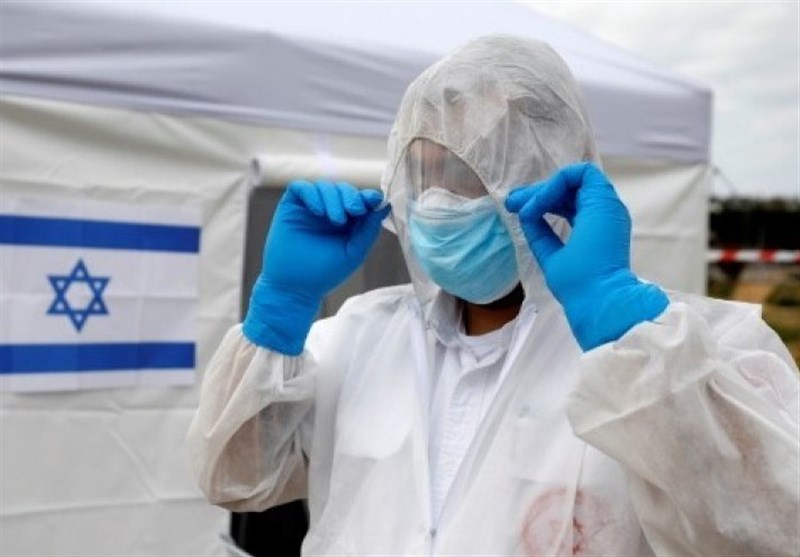
Strategic Council Online: “The political situation of the Zionist regime has become more complicated as a result of Coronavirus outbreak and the regime seems to intend to use the ‘Deal of the Century’ plan and the annexation of the West Bank as a pretext to cover up its problems and slackness during the post-coronavirus era and exploits it as pressure leverage,” said an analyst of Israeli affairs.

Future Approach of Israeli Coalition Government

Future Approach of Israeli Coalition Government

Strategic Council Online: If Trump is defeated and Joe Biden wins in US presidential race, the next government in the Zionist regime will be transferred to the Leader of the Blue and White Party Benny Gantz after 18 months, and this is considered a political game within the Zionist regime; but if Trump remains in power it is likely to extend Netanyahu’s term on the pretext of unfinished projects.
Hassan Hanizadeh – Middle East affairs expert

US Efforts to Keep Iraq Away from Iran

US Efforts to Keep Iraq Away from Iran

Strategic Council Online: US officials have witnessed a series of open and clandestine steps to launch anti-Iranian movements in Iraq that have not only led to serious setbacks but have also resulted in the expulsion of US troops from Iraq.
Jafar Ghanadbashi – Middle East Affairs Expert

Pursuit of Trigger Dispute Mechanism against Europe’s Interests

Pursuit of Trigger Dispute Mechanism against Europe’s Interests

Strategic Council Online: An international affairs analyst said Europe claims to be seeking a way to keep the Iran Nuclear Agreement alive by launching the trigger dispute mechanism. He said: “The reality is that if Europeans want Iran to unilaterally fulfill its JCPOA obligations, this would not be acceptable to Iran and continuation of the current trend by Europe may put an end to the Joint Comprehensive Plan of Action.

US Intentions behind Increasing Troop Deployment to Eastern Syria

US Intentions behind Increasing Troop Deployment to Eastern Syria

Strategic Council Online: Although the increase in the number of US troops deployed in eastern Syria cannot significantly affect major developments and the security order in the West Asian region due to its small number, but it could contribute to continuation of Syrian and Iraqi crises as well as affect the oil markets.
Dr. Hossein Ajorlou – Middle East affairs expert

Strategic Dimensions of Iran’s “Hard Revenge”

Strategic Dimensions of Iran’s “Hard Revenge”

Strategic Council Online: An international relations professor said that the Iranian military operation against the US military base in Baghdad was merely a blow to American grandeur and that Iran’s response will be given in due time and within the geography of the Resistance. The Americans should estimate their response within the new calculations not the previous evaluations that Iran exercised restraint.

Algerian Protests Outlook

Algerian Protests Outlook

Strategic Council Online: An analyst on African and West Asian affairs, referring to Algeria’s presidential election and the subsequent unrests, said the opposition’s capacity was not big enough to accomplish their goals behind the protest rallies; so it seems that the government would eventually succeed in forcing the opposition to stop their demonstrations first by giving them promises and then by threatening them.

Overt and Covert Factors behind Unrests in Iraq and Lebanon

Overt and Covert Factors behind Unrests in Iraq and Lebanon

Strategic Council Online: An international relations lecturer said Saudi Arabia, the United Arab Emirates and the United States are trying to reap their intended benefits out of the anti-government protests in Lebanon. “They seek to diminish the status and the role of the Resistance in the Lebanese power structure.”

Goals of US & Allies Naval Drills in Persian Gulf

Goals of US & Allies Naval Drills in Persian Gulf

Strategic Council Online: The declared goal of the US and its allies’ maritime exercises in the Persian Gulf is to limit Iran’s maneuvering power and controlling the Strait of Hormuz, the Persian Gulf, and Oman Sea, and it looks like the US will continue to maintain its naval fleet in the Persian Gulf for the next three decades.

Responding to Israeli Aggressions; Promising New Equations in the Region!

Responding to Israeli Aggressions; Promising New Equations in the Region!

Strategic Council Online: Former Iranian ambassador to Iraq pointing to Lebanese Hezbollah’s military response to the recent Zionist regime aggressions, noted: “Expectations were that the Resistance would certainly respond to Israel’s audacity and as put by the Supreme Leader the time for their “hit and run” game is over. It is no longer the case for them to take some action and the nations of the region sit idle and just watch them.”

أحدث الوظائف

The Makkah Pact; Reasons for its Formation and Challenges Ahead

SCFR Online – Opinion: The Makkah Pact, signed between Saudi Arabia, Pakistan, and Turkey under the motto “an attack on one is an attack on all,” is viewed by some analysts less as a full-fledged military coalition and more as an attempt to reduce security dependence on an external power and to establish a regional security mechanism.

Implications of the US-Saudi Nuclear Agreement

SCFR Online – Opinion: The new US-Saudi nuclear agreement, despite legal and political ambiguities, could alter previous non-proliferation standards in West Asia and intensify nuclear competition, ushering it into a new phase.

An Analysis of Recent Turkey-Israeli Regime Tensions

SCFR Online – Opinion: Recent developments in Syria indicate an intensification of strategic rivalry between Turkey and the Israeli regime, but mutual considerations and the role of the United States have limited the likelihood of direct war.

Increasing criticism of the extensive Zionist lobby network

SCFR Online – Opinion: An examination of the mechanisms of the Israeli regime’s influence in the United States depicts a complex picture of shared interests, strategic dependencies, and the limitations of this relationship.

Realities of the Tripartite Makkah Pact

SCFR Online – Interview: The signing of the Makkah agreement between Saudi Arabia, Pakistan, and Turkey has raised questions about the future of the region’s security structure and the position of these countries in West Asian equations. Can this agreement become a genuine collective defense mechanism, or does it have more of a political and deterrent function than creating new military capacity?

Strategic Implications of the Reduction of US Weapons Stockpiles

SCFR Online – Opinion: The continuation of the US war against Iran, in addition to increasing operational costs, has called into question the actual capacity of the American arsenal to simultaneously fulfill security commitments on multiple fronts; an issue that affects deterrence, defense production capacity, and Washington’s resource prioritization.

Loading

Zionist regime

Political-Economic Impacts of Coronavirus outbreak on Zionist regime

Political-Economic Impacts of Coronavirus outbreak on Zionist regime

Strategic Council Online: “The political situation of the Zionist regime has become more complicated as a result of Coronavirus outbreak and the regime seems to intend to use the ‘Deal of the Century’ plan and the annexation of the West Bank as a pretext to cover up its problems and slackness during the post-coronavirus era and exploits it as pressure leverage,” said an analyst of Israeli affairs.

Future Approach of Israeli Coalition Government

Future Approach of Israeli Coalition Government

Strategic Council Online: If Trump is defeated and Joe Biden wins in US presidential race, the next government in the Zionist regime will be transferred to the Leader of the Blue and White Party Benny Gantz after 18 months, and this is considered a political game within the Zionist regime; but if Trump remains in power it is likely to extend Netanyahu’s term on the pretext of unfinished projects.
Hassan Hanizadeh – Middle East affairs expert

US Efforts to Keep Iraq Away from Iran

US Efforts to Keep Iraq Away from Iran

Strategic Council Online: US officials have witnessed a series of open and clandestine steps to launch anti-Iranian movements in Iraq that have not only led to serious setbacks but have also resulted in the expulsion of US troops from Iraq.
Jafar Ghanadbashi – Middle East Affairs Expert

Pursuit of Trigger Dispute Mechanism against Europe’s Interests

Pursuit of Trigger Dispute Mechanism against Europe’s Interests

Strategic Council Online: An international affairs analyst said Europe claims to be seeking a way to keep the Iran Nuclear Agreement alive by launching the trigger dispute mechanism. He said: “The reality is that if Europeans want Iran to unilaterally fulfill its JCPOA obligations, this would not be acceptable to Iran and continuation of the current trend by Europe may put an end to the Joint Comprehensive Plan of Action.

US Intentions behind Increasing Troop Deployment to Eastern Syria

US Intentions behind Increasing Troop Deployment to Eastern Syria

Strategic Council Online: Although the increase in the number of US troops deployed in eastern Syria cannot significantly affect major developments and the security order in the West Asian region due to its small number, but it could contribute to continuation of Syrian and Iraqi crises as well as affect the oil markets.
Dr. Hossein Ajorlou – Middle East affairs expert

Strategic Dimensions of Iran’s “Hard Revenge”

Strategic Dimensions of Iran’s “Hard Revenge”

Strategic Council Online: An international relations professor said that the Iranian military operation against the US military base in Baghdad was merely a blow to American grandeur and that Iran’s response will be given in due time and within the geography of the Resistance. The Americans should estimate their response within the new calculations not the previous evaluations that Iran exercised restraint.

Algerian Protests Outlook

Algerian Protests Outlook

Strategic Council Online: An analyst on African and West Asian affairs, referring to Algeria’s presidential election and the subsequent unrests, said the opposition’s capacity was not big enough to accomplish their goals behind the protest rallies; so it seems that the government would eventually succeed in forcing the opposition to stop their demonstrations first by giving them promises and then by threatening them.

Overt and Covert Factors behind Unrests in Iraq and Lebanon

Overt and Covert Factors behind Unrests in Iraq and Lebanon

Strategic Council Online: An international relations lecturer said Saudi Arabia, the United Arab Emirates and the United States are trying to reap their intended benefits out of the anti-government protests in Lebanon. “They seek to diminish the status and the role of the Resistance in the Lebanese power structure.”

Goals of US & Allies Naval Drills in Persian Gulf

Goals of US & Allies Naval Drills in Persian Gulf

Strategic Council Online: The declared goal of the US and its allies’ maritime exercises in the Persian Gulf is to limit Iran’s maneuvering power and controlling the Strait of Hormuz, the Persian Gulf, and Oman Sea, and it looks like the US will continue to maintain its naval fleet in the Persian Gulf for the next three decades.

Responding to Israeli Aggressions; Promising New Equations in the Region!

Responding to Israeli Aggressions; Promising New Equations in the Region!

Strategic Council Online: Former Iranian ambassador to Iraq pointing to Lebanese Hezbollah’s military response to the recent Zionist regime aggressions, noted: “Expectations were that the Resistance would certainly respond to Israel’s audacity and as put by the Supreme Leader the time for their “hit and run” game is over. It is no longer the case for them to take some action and the nations of the region sit idle and just watch them.”

Zionist regime

Political-Economic Impacts of Coronavirus outbreak on Zionist regime

Political-Economic Impacts of Coronavirus outbreak on Zionist regime

Strategic Council Online: “The political situation of the Zionist regime has become more complicated as a result of Coronavirus outbreak and the regime seems to intend to use the ‘Deal of the Century’ plan and the annexation of the West Bank as a pretext to cover up its problems and slackness during the post-coronavirus era and exploits it as pressure leverage,” said an analyst of Israeli affairs.

Future Approach of Israeli Coalition Government

Future Approach of Israeli Coalition Government

Strategic Council Online: If Trump is defeated and Joe Biden wins in US presidential race, the next government in the Zionist regime will be transferred to the Leader of the Blue and White Party Benny Gantz after 18 months, and this is considered a political game within the Zionist regime; but if Trump remains in power it is likely to extend Netanyahu’s term on the pretext of unfinished projects.
Hassan Hanizadeh – Middle East affairs expert

US Efforts to Keep Iraq Away from Iran

US Efforts to Keep Iraq Away from Iran

Strategic Council Online: US officials have witnessed a series of open and clandestine steps to launch anti-Iranian movements in Iraq that have not only led to serious setbacks but have also resulted in the expulsion of US troops from Iraq.
Jafar Ghanadbashi – Middle East Affairs Expert

Pursuit of Trigger Dispute Mechanism against Europe’s Interests

Pursuit of Trigger Dispute Mechanism against Europe’s Interests

Strategic Council Online: An international affairs analyst said Europe claims to be seeking a way to keep the Iran Nuclear Agreement alive by launching the trigger dispute mechanism. He said: “The reality is that if Europeans want Iran to unilaterally fulfill its JCPOA obligations, this would not be acceptable to Iran and continuation of the current trend by Europe may put an end to the Joint Comprehensive Plan of Action.

US Intentions behind Increasing Troop Deployment to Eastern Syria

US Intentions behind Increasing Troop Deployment to Eastern Syria

Strategic Council Online: Although the increase in the number of US troops deployed in eastern Syria cannot significantly affect major developments and the security order in the West Asian region due to its small number, but it could contribute to continuation of Syrian and Iraqi crises as well as affect the oil markets.
Dr. Hossein Ajorlou – Middle East affairs expert

Strategic Dimensions of Iran’s “Hard Revenge”

Strategic Dimensions of Iran’s “Hard Revenge”

Strategic Council Online: An international relations professor said that the Iranian military operation against the US military base in Baghdad was merely a blow to American grandeur and that Iran’s response will be given in due time and within the geography of the Resistance. The Americans should estimate their response within the new calculations not the previous evaluations that Iran exercised restraint.

Algerian Protests Outlook

Algerian Protests Outlook

Strategic Council Online: An analyst on African and West Asian affairs, referring to Algeria’s presidential election and the subsequent unrests, said the opposition’s capacity was not big enough to accomplish their goals behind the protest rallies; so it seems that the government would eventually succeed in forcing the opposition to stop their demonstrations first by giving them promises and then by threatening them.

Overt and Covert Factors behind Unrests in Iraq and Lebanon

Overt and Covert Factors behind Unrests in Iraq and Lebanon

Strategic Council Online: An international relations lecturer said Saudi Arabia, the United Arab Emirates and the United States are trying to reap their intended benefits out of the anti-government protests in Lebanon. “They seek to diminish the status and the role of the Resistance in the Lebanese power structure.”

Goals of US & Allies Naval Drills in Persian Gulf

Goals of US & Allies Naval Drills in Persian Gulf

Strategic Council Online: The declared goal of the US and its allies’ maritime exercises in the Persian Gulf is to limit Iran’s maneuvering power and controlling the Strait of Hormuz, the Persian Gulf, and Oman Sea, and it looks like the US will continue to maintain its naval fleet in the Persian Gulf for the next three decades.

Responding to Israeli Aggressions; Promising New Equations in the Region!

Responding to Israeli Aggressions; Promising New Equations in the Region!

Strategic Council Online: Former Iranian ambassador to Iraq pointing to Lebanese Hezbollah’s military response to the recent Zionist regime aggressions, noted: “Expectations were that the Resistance would certainly respond to Israel’s audacity and as put by the Supreme Leader the time for their “hit and run” game is over. It is no longer the case for them to take some action and the nations of the region sit idle and just watch them.”

LATEST CONTENT

The Makkah Pact; Reasons for its Formation and Challenges Ahead

SCFR Online – Opinion: The Makkah Pact, signed between Saudi Arabia, Pakistan, and Turkey under the motto “an attack on one is an attack on all,” is viewed by some analysts less as a full-fledged military coalition and more as an attempt to reduce security dependence on an external power and to establish a regional security mechanism.

Implications of the US-Saudi Nuclear Agreement

SCFR Online – Opinion: The new US-Saudi nuclear agreement, despite legal and political ambiguities, could alter previous non-proliferation standards in West Asia and intensify nuclear competition, ushering it into a new phase.

An Analysis of Recent Turkey-Israeli Regime Tensions

SCFR Online – Opinion: Recent developments in Syria indicate an intensification of strategic rivalry between Turkey and the Israeli regime, but mutual considerations and the role of the United States have limited the likelihood of direct war.

Increasing criticism of the extensive Zionist lobby network

SCFR Online – Opinion: An examination of the mechanisms of the Israeli regime’s influence in the United States depicts a complex picture of shared interests, strategic dependencies, and the limitations of this relationship.

Realities of the Tripartite Makkah Pact

SCFR Online – Interview: The signing of the Makkah agreement between Saudi Arabia, Pakistan, and Turkey has raised questions about the future of the region’s security structure and the position of these countries in West Asian equations. Can this agreement become a genuine collective defense mechanism, or does it have more of a political and deterrent function than creating new military capacity?

Strategic Implications of the Reduction of US Weapons Stockpiles

SCFR Online – Opinion: The continuation of the US war against Iran, in addition to increasing operational costs, has called into question the actual capacity of the American arsenal to simultaneously fulfill security commitments on multiple fronts; an issue that affects deterrence, defense production capacity, and Washington’s resource prioritization.

Loading

Zionist regime

Political-Economic Impacts of Coronavirus outbreak on Zionist regime

Political-Economic Impacts of Coronavirus outbreak on Zionist regime

Strategic Council Online: “The political situation of the Zionist regime has become more complicated as a result of Coronavirus outbreak and the regime seems to intend to use the ‘Deal of the Century’ plan and the annexation of the West Bank as a pretext to cover up its problems and slackness during the post-coronavirus era and exploits it as pressure leverage,” said an analyst of Israeli affairs.

Future Approach of Israeli Coalition Government

Future Approach of Israeli Coalition Government

Strategic Council Online: If Trump is defeated and Joe Biden wins in US presidential race, the next government in the Zionist regime will be transferred to the Leader of the Blue and White Party Benny Gantz after 18 months, and this is considered a political game within the Zionist regime; but if Trump remains in power it is likely to extend Netanyahu’s term on the pretext of unfinished projects.
Hassan Hanizadeh – Middle East affairs expert

US Efforts to Keep Iraq Away from Iran

US Efforts to Keep Iraq Away from Iran

Strategic Council Online: US officials have witnessed a series of open and clandestine steps to launch anti-Iranian movements in Iraq that have not only led to serious setbacks but have also resulted in the expulsion of US troops from Iraq.
Jafar Ghanadbashi – Middle East Affairs Expert

Pursuit of Trigger Dispute Mechanism against Europe’s Interests

Pursuit of Trigger Dispute Mechanism against Europe’s Interests

Strategic Council Online: An international affairs analyst said Europe claims to be seeking a way to keep the Iran Nuclear Agreement alive by launching the trigger dispute mechanism. He said: “The reality is that if Europeans want Iran to unilaterally fulfill its JCPOA obligations, this would not be acceptable to Iran and continuation of the current trend by Europe may put an end to the Joint Comprehensive Plan of Action.

US Intentions behind Increasing Troop Deployment to Eastern Syria

US Intentions behind Increasing Troop Deployment to Eastern Syria

Strategic Council Online: Although the increase in the number of US troops deployed in eastern Syria cannot significantly affect major developments and the security order in the West Asian region due to its small number, but it could contribute to continuation of Syrian and Iraqi crises as well as affect the oil markets.
Dr. Hossein Ajorlou – Middle East affairs expert

Strategic Dimensions of Iran’s “Hard Revenge”

Strategic Dimensions of Iran’s “Hard Revenge”

Strategic Council Online: An international relations professor said that the Iranian military operation against the US military base in Baghdad was merely a blow to American grandeur and that Iran’s response will be given in due time and within the geography of the Resistance. The Americans should estimate their response within the new calculations not the previous evaluations that Iran exercised restraint.

Algerian Protests Outlook

Algerian Protests Outlook

Strategic Council Online: An analyst on African and West Asian affairs, referring to Algeria’s presidential election and the subsequent unrests, said the opposition’s capacity was not big enough to accomplish their goals behind the protest rallies; so it seems that the government would eventually succeed in forcing the opposition to stop their demonstrations first by giving them promises and then by threatening them.

Overt and Covert Factors behind Unrests in Iraq and Lebanon

Overt and Covert Factors behind Unrests in Iraq and Lebanon

Strategic Council Online: An international relations lecturer said Saudi Arabia, the United Arab Emirates and the United States are trying to reap their intended benefits out of the anti-government protests in Lebanon. “They seek to diminish the status and the role of the Resistance in the Lebanese power structure.”

Goals of US & Allies Naval Drills in Persian Gulf

Goals of US & Allies Naval Drills in Persian Gulf

Strategic Council Online: The declared goal of the US and its allies’ maritime exercises in the Persian Gulf is to limit Iran’s maneuvering power and controlling the Strait of Hormuz, the Persian Gulf, and Oman Sea, and it looks like the US will continue to maintain its naval fleet in the Persian Gulf for the next three decades.

Responding to Israeli Aggressions; Promising New Equations in the Region!

Responding to Israeli Aggressions; Promising New Equations in the Region!

Strategic Council Online: Former Iranian ambassador to Iraq pointing to Lebanese Hezbollah’s military response to the recent Zionist regime aggressions, noted: “Expectations were that the Resistance would certainly respond to Israel’s audacity and as put by the Supreme Leader the time for their “hit and run” game is over. It is no longer the case for them to take some action and the nations of the region sit idle and just watch them.”

ÚLTIMAS PUBLICACIONES

The Makkah Pact; Reasons for its Formation and Challenges Ahead

SCFR Online – Opinion: The Makkah Pact, signed between Saudi Arabia, Pakistan, and Turkey under the motto “an attack on one is an attack on all,” is viewed by some analysts less as a full-fledged military coalition and more as an attempt to reduce security dependence on an external power and to establish a regional security mechanism.

Implications of the US-Saudi Nuclear Agreement

SCFR Online – Opinion: The new US-Saudi nuclear agreement, despite legal and political ambiguities, could alter previous non-proliferation standards in West Asia and intensify nuclear competition, ushering it into a new phase.

An Analysis of Recent Turkey-Israeli Regime Tensions

SCFR Online – Opinion: Recent developments in Syria indicate an intensification of strategic rivalry between Turkey and the Israeli regime, but mutual considerations and the role of the United States have limited the likelihood of direct war.

Increasing criticism of the extensive Zionist lobby network

SCFR Online – Opinion: An examination of the mechanisms of the Israeli regime’s influence in the United States depicts a complex picture of shared interests, strategic dependencies, and the limitations of this relationship.

Realities of the Tripartite Makkah Pact

SCFR Online – Interview: The signing of the Makkah agreement between Saudi Arabia, Pakistan, and Turkey has raised questions about the future of the region’s security structure and the position of these countries in West Asian equations. Can this agreement become a genuine collective defense mechanism, or does it have more of a political and deterrent function than creating new military capacity?

Strategic Implications of the Reduction of US Weapons Stockpiles

SCFR Online – Opinion: The continuation of the US war against Iran, in addition to increasing operational costs, has called into question the actual capacity of the American arsenal to simultaneously fulfill security commitments on multiple fronts; an issue that affects deterrence, defense production capacity, and Washington’s resource prioritization.

Loading

Zionist regime

Political-Economic Impacts of Coronavirus outbreak on Zionist regime

Political-Economic Impacts of Coronavirus outbreak on Zionist regime

Strategic Council Online: “The political situation of the Zionist regime has become more complicated as a result of Coronavirus outbreak and the regime seems to intend to use the ‘Deal of the Century’ plan and the annexation of the West Bank as a pretext to cover up its problems and slackness during the post-coronavirus era and exploits it as pressure leverage,” said an analyst of Israeli affairs.

Future Approach of Israeli Coalition Government

Future Approach of Israeli Coalition Government

Strategic Council Online: If Trump is defeated and Joe Biden wins in US presidential race, the next government in the Zionist regime will be transferred to the Leader of the Blue and White Party Benny Gantz after 18 months, and this is considered a political game within the Zionist regime; but if Trump remains in power it is likely to extend Netanyahu’s term on the pretext of unfinished projects.
Hassan Hanizadeh – Middle East affairs expert

US Efforts to Keep Iraq Away from Iran

US Efforts to Keep Iraq Away from Iran

Strategic Council Online: US officials have witnessed a series of open and clandestine steps to launch anti-Iranian movements in Iraq that have not only led to serious setbacks but have also resulted in the expulsion of US troops from Iraq.
Jafar Ghanadbashi – Middle East Affairs Expert

Pursuit of Trigger Dispute Mechanism against Europe’s Interests

Pursuit of Trigger Dispute Mechanism against Europe’s Interests

Strategic Council Online: An international affairs analyst said Europe claims to be seeking a way to keep the Iran Nuclear Agreement alive by launching the trigger dispute mechanism. He said: “The reality is that if Europeans want Iran to unilaterally fulfill its JCPOA obligations, this would not be acceptable to Iran and continuation of the current trend by Europe may put an end to the Joint Comprehensive Plan of Action.

US Intentions behind Increasing Troop Deployment to Eastern Syria

US Intentions behind Increasing Troop Deployment to Eastern Syria

Strategic Council Online: Although the increase in the number of US troops deployed in eastern Syria cannot significantly affect major developments and the security order in the West Asian region due to its small number, but it could contribute to continuation of Syrian and Iraqi crises as well as affect the oil markets.
Dr. Hossein Ajorlou – Middle East affairs expert

Strategic Dimensions of Iran’s “Hard Revenge”

Strategic Dimensions of Iran’s “Hard Revenge”

Strategic Council Online: An international relations professor said that the Iranian military operation against the US military base in Baghdad was merely a blow to American grandeur and that Iran’s response will be given in due time and within the geography of the Resistance. The Americans should estimate their response within the new calculations not the previous evaluations that Iran exercised restraint.

Algerian Protests Outlook

Algerian Protests Outlook

Strategic Council Online: An analyst on African and West Asian affairs, referring to Algeria’s presidential election and the subsequent unrests, said the opposition’s capacity was not big enough to accomplish their goals behind the protest rallies; so it seems that the government would eventually succeed in forcing the opposition to stop their demonstrations first by giving them promises and then by threatening them.

Overt and Covert Factors behind Unrests in Iraq and Lebanon

Overt and Covert Factors behind Unrests in Iraq and Lebanon

Strategic Council Online: An international relations lecturer said Saudi Arabia, the United Arab Emirates and the United States are trying to reap their intended benefits out of the anti-government protests in Lebanon. “They seek to diminish the status and the role of the Resistance in the Lebanese power structure.”

Goals of US & Allies Naval Drills in Persian Gulf

Goals of US & Allies Naval Drills in Persian Gulf

Strategic Council Online: The declared goal of the US and its allies’ maritime exercises in the Persian Gulf is to limit Iran’s maneuvering power and controlling the Strait of Hormuz, the Persian Gulf, and Oman Sea, and it looks like the US will continue to maintain its naval fleet in the Persian Gulf for the next three decades.

Responding to Israeli Aggressions; Promising New Equations in the Region!

Responding to Israeli Aggressions; Promising New Equations in the Region!

Strategic Council Online: Former Iranian ambassador to Iraq pointing to Lebanese Hezbollah’s military response to the recent Zionist regime aggressions, noted: “Expectations were that the Resistance would certainly respond to Israel’s audacity and as put by the Supreme Leader the time for their “hit and run” game is over. It is no longer the case for them to take some action and the nations of the region sit idle and just watch them.”

ÚLTIMAS PUBLICACIONES

The Makkah Pact; Reasons for its Formation and Challenges Ahead

SCFR Online – Opinion: The Makkah Pact, signed between Saudi Arabia, Pakistan, and Turkey under the motto “an attack on one is an attack on all,” is viewed by some analysts less as a full-fledged military coalition and more as an attempt to reduce security dependence on an external power and to establish a regional security mechanism.

Implications of the US-Saudi Nuclear Agreement

SCFR Online – Opinion: The new US-Saudi nuclear agreement, despite legal and political ambiguities, could alter previous non-proliferation standards in West Asia and intensify nuclear competition, ushering it into a new phase.

An Analysis of Recent Turkey-Israeli Regime Tensions

SCFR Online – Opinion: Recent developments in Syria indicate an intensification of strategic rivalry between Turkey and the Israeli regime, but mutual considerations and the role of the United States have limited the likelihood of direct war.

Increasing criticism of the extensive Zionist lobby network

SCFR Online – Opinion: An examination of the mechanisms of the Israeli regime’s influence in the United States depicts a complex picture of shared interests, strategic dependencies, and the limitations of this relationship.

Realities of the Tripartite Makkah Pact

SCFR Online – Interview: The signing of the Makkah agreement between Saudi Arabia, Pakistan, and Turkey has raised questions about the future of the region’s security structure and the position of these countries in West Asian equations. Can this agreement become a genuine collective defense mechanism, or does it have more of a political and deterrent function than creating new military capacity?

Strategic Implications of the Reduction of US Weapons Stockpiles

SCFR Online – Opinion: The continuation of the US war against Iran, in addition to increasing operational costs, has called into question the actual capacity of the American arsenal to simultaneously fulfill security commitments on multiple fronts; an issue that affects deterrence, defense production capacity, and Washington’s resource prioritization.

Loading

Zionist regime

Political-Economic Impacts of Coronavirus outbreak on Zionist regime

Political-Economic Impacts of Coronavirus outbreak on Zionist regime

Strategic Council Online: “The political situation of the Zionist regime has become more complicated as a result of Coronavirus outbreak and the regime seems to intend to use the ‘Deal of the Century’ plan and the annexation of the West Bank as a pretext to cover up its problems and slackness during the post-coronavirus era and exploits it as pressure leverage,” said an analyst of Israeli affairs.

Future Approach of Israeli Coalition Government

Future Approach of Israeli Coalition Government

Strategic Council Online: If Trump is defeated and Joe Biden wins in US presidential race, the next government in the Zionist regime will be transferred to the Leader of the Blue and White Party Benny Gantz after 18 months, and this is considered a political game within the Zionist regime; but if Trump remains in power it is likely to extend Netanyahu’s term on the pretext of unfinished projects.
Hassan Hanizadeh – Middle East affairs expert

US Efforts to Keep Iraq Away from Iran

US Efforts to Keep Iraq Away from Iran

Strategic Council Online: US officials have witnessed a series of open and clandestine steps to launch anti-Iranian movements in Iraq that have not only led to serious setbacks but have also resulted in the expulsion of US troops from Iraq.
Jafar Ghanadbashi – Middle East Affairs Expert

Pursuit of Trigger Dispute Mechanism against Europe’s Interests

Pursuit of Trigger Dispute Mechanism against Europe’s Interests

Strategic Council Online: An international affairs analyst said Europe claims to be seeking a way to keep the Iran Nuclear Agreement alive by launching the trigger dispute mechanism. He said: “The reality is that if Europeans want Iran to unilaterally fulfill its JCPOA obligations, this would not be acceptable to Iran and continuation of the current trend by Europe may put an end to the Joint Comprehensive Plan of Action.

US Intentions behind Increasing Troop Deployment to Eastern Syria

US Intentions behind Increasing Troop Deployment to Eastern Syria

Strategic Council Online: Although the increase in the number of US troops deployed in eastern Syria cannot significantly affect major developments and the security order in the West Asian region due to its small number, but it could contribute to continuation of Syrian and Iraqi crises as well as affect the oil markets.
Dr. Hossein Ajorlou – Middle East affairs expert

Strategic Dimensions of Iran’s “Hard Revenge”

Strategic Dimensions of Iran’s “Hard Revenge”

Strategic Council Online: An international relations professor said that the Iranian military operation against the US military base in Baghdad was merely a blow to American grandeur and that Iran’s response will be given in due time and within the geography of the Resistance. The Americans should estimate their response within the new calculations not the previous evaluations that Iran exercised restraint.

Algerian Protests Outlook

Algerian Protests Outlook

Strategic Council Online: An analyst on African and West Asian affairs, referring to Algeria’s presidential election and the subsequent unrests, said the opposition’s capacity was not big enough to accomplish their goals behind the protest rallies; so it seems that the government would eventually succeed in forcing the opposition to stop their demonstrations first by giving them promises and then by threatening them.

Overt and Covert Factors behind Unrests in Iraq and Lebanon

Overt and Covert Factors behind Unrests in Iraq and Lebanon

Strategic Council Online: An international relations lecturer said Saudi Arabia, the United Arab Emirates and the United States are trying to reap their intended benefits out of the anti-government protests in Lebanon. “They seek to diminish the status and the role of the Resistance in the Lebanese power structure.”

Goals of US & Allies Naval Drills in Persian Gulf

Goals of US & Allies Naval Drills in Persian Gulf

Strategic Council Online: The declared goal of the US and its allies’ maritime exercises in the Persian Gulf is to limit Iran’s maneuvering power and controlling the Strait of Hormuz, the Persian Gulf, and Oman Sea, and it looks like the US will continue to maintain its naval fleet in the Persian Gulf for the next three decades.

Responding to Israeli Aggressions; Promising New Equations in the Region!

Responding to Israeli Aggressions; Promising New Equations in the Region!

Strategic Council Online: Former Iranian ambassador to Iraq pointing to Lebanese Hezbollah’s military response to the recent Zionist regime aggressions, noted: “Expectations were that the Resistance would certainly respond to Israel’s audacity and as put by the Supreme Leader the time for their “hit and run” game is over. It is no longer the case for them to take some action and the nations of the region sit idle and just watch them.”

ÚLTIMAS PUBLICACIONES

The Makkah Pact; Reasons for its Formation and Challenges Ahead

SCFR Online – Opinion: The Makkah Pact, signed between Saudi Arabia, Pakistan, and Turkey under the motto “an attack on one is an attack on all,” is viewed by some analysts less as a full-fledged military coalition and more as an attempt to reduce security dependence on an external power and to establish a regional security mechanism.

Implications of the US-Saudi Nuclear Agreement

SCFR Online – Opinion: The new US-Saudi nuclear agreement, despite legal and political ambiguities, could alter previous non-proliferation standards in West Asia and intensify nuclear competition, ushering it into a new phase.

An Analysis of Recent Turkey-Israeli Regime Tensions

SCFR Online – Opinion: Recent developments in Syria indicate an intensification of strategic rivalry between Turkey and the Israeli regime, but mutual considerations and the role of the United States have limited the likelihood of direct war.

Increasing criticism of the extensive Zionist lobby network

SCFR Online – Opinion: An examination of the mechanisms of the Israeli regime’s influence in the United States depicts a complex picture of shared interests, strategic dependencies, and the limitations of this relationship.

Realities of the Tripartite Makkah Pact

SCFR Online – Interview: The signing of the Makkah agreement between Saudi Arabia, Pakistan, and Turkey has raised questions about the future of the region’s security structure and the position of these countries in West Asian equations. Can this agreement become a genuine collective defense mechanism, or does it have more of a political and deterrent function than creating new military capacity?

Strategic Implications of the Reduction of US Weapons Stockpiles

SCFR Online – Opinion: The continuation of the US war against Iran, in addition to increasing operational costs, has called into question the actual capacity of the American arsenal to simultaneously fulfill security commitments on multiple fronts; an issue that affects deterrence, defense production capacity, and Washington’s resource prioritization.

Loading

Zionist regime

Political-Economic Impacts of Coronavirus outbreak on Zionist regime

Political-Economic Impacts of Coronavirus outbreak on Zionist regime

Strategic Council Online: “The political situation of the Zionist regime has become more complicated as a result of Coronavirus outbreak and the regime seems to intend to use the ‘Deal of the Century’ plan and the annexation of the West Bank as a pretext to cover up its problems and slackness during the post-coronavirus era and exploits it as pressure leverage,” said an analyst of Israeli affairs.

Future Approach of Israeli Coalition Government

Future Approach of Israeli Coalition Government

Strategic Council Online: If Trump is defeated and Joe Biden wins in US presidential race, the next government in the Zionist regime will be transferred to the Leader of the Blue and White Party Benny Gantz after 18 months, and this is considered a political game within the Zionist regime; but if Trump remains in power it is likely to extend Netanyahu’s term on the pretext of unfinished projects.
Hassan Hanizadeh – Middle East affairs expert

US Efforts to Keep Iraq Away from Iran

US Efforts to Keep Iraq Away from Iran

Strategic Council Online: US officials have witnessed a series of open and clandestine steps to launch anti-Iranian movements in Iraq that have not only led to serious setbacks but have also resulted in the expulsion of US troops from Iraq.
Jafar Ghanadbashi – Middle East Affairs Expert

Pursuit of Trigger Dispute Mechanism against Europe’s Interests

Pursuit of Trigger Dispute Mechanism against Europe’s Interests

Strategic Council Online: An international affairs analyst said Europe claims to be seeking a way to keep the Iran Nuclear Agreement alive by launching the trigger dispute mechanism. He said: “The reality is that if Europeans want Iran to unilaterally fulfill its JCPOA obligations, this would not be acceptable to Iran and continuation of the current trend by Europe may put an end to the Joint Comprehensive Plan of Action.

US Intentions behind Increasing Troop Deployment to Eastern Syria

US Intentions behind Increasing Troop Deployment to Eastern Syria

Strategic Council Online: Although the increase in the number of US troops deployed in eastern Syria cannot significantly affect major developments and the security order in the West Asian region due to its small number, but it could contribute to continuation of Syrian and Iraqi crises as well as affect the oil markets.
Dr. Hossein Ajorlou – Middle East affairs expert

Strategic Dimensions of Iran’s “Hard Revenge”

Strategic Dimensions of Iran’s “Hard Revenge”

Strategic Council Online: An international relations professor said that the Iranian military operation against the US military base in Baghdad was merely a blow to American grandeur and that Iran’s response will be given in due time and within the geography of the Resistance. The Americans should estimate their response within the new calculations not the previous evaluations that Iran exercised restraint.

Algerian Protests Outlook

Algerian Protests Outlook

Strategic Council Online: An analyst on African and West Asian affairs, referring to Algeria’s presidential election and the subsequent unrests, said the opposition’s capacity was not big enough to accomplish their goals behind the protest rallies; so it seems that the government would eventually succeed in forcing the opposition to stop their demonstrations first by giving them promises and then by threatening them.

Overt and Covert Factors behind Unrests in Iraq and Lebanon

Overt and Covert Factors behind Unrests in Iraq and Lebanon

Strategic Council Online: An international relations lecturer said Saudi Arabia, the United Arab Emirates and the United States are trying to reap their intended benefits out of the anti-government protests in Lebanon. “They seek to diminish the status and the role of the Resistance in the Lebanese power structure.”

Goals of US & Allies Naval Drills in Persian Gulf

Goals of US & Allies Naval Drills in Persian Gulf

Strategic Council Online: The declared goal of the US and its allies’ maritime exercises in the Persian Gulf is to limit Iran’s maneuvering power and controlling the Strait of Hormuz, the Persian Gulf, and Oman Sea, and it looks like the US will continue to maintain its naval fleet in the Persian Gulf for the next three decades.

Responding to Israeli Aggressions; Promising New Equations in the Region!

Responding to Israeli Aggressions; Promising New Equations in the Region!

Strategic Council Online: Former Iranian ambassador to Iraq pointing to Lebanese Hezbollah’s military response to the recent Zionist regime aggressions, noted: “Expectations were that the Resistance would certainly respond to Israel’s audacity and as put by the Supreme Leader the time for their “hit and run” game is over. It is no longer the case for them to take some action and the nations of the region sit idle and just watch them.”

ÚLTIMAS PUBLICACIONES

The Makkah Pact; Reasons for its Formation and Challenges Ahead

SCFR Online – Opinion: The Makkah Pact, signed between Saudi Arabia, Pakistan, and Turkey under the motto “an attack on one is an attack on all,” is viewed by some analysts less as a full-fledged military coalition and more as an attempt to reduce security dependence on an external power and to establish a regional security mechanism.

Implications of the US-Saudi Nuclear Agreement

SCFR Online – Opinion: The new US-Saudi nuclear agreement, despite legal and political ambiguities, could alter previous non-proliferation standards in West Asia and intensify nuclear competition, ushering it into a new phase.

An Analysis of Recent Turkey-Israeli Regime Tensions

SCFR Online – Opinion: Recent developments in Syria indicate an intensification of strategic rivalry between Turkey and the Israeli regime, but mutual considerations and the role of the United States have limited the likelihood of direct war.

Increasing criticism of the extensive Zionist lobby network

SCFR Online – Opinion: An examination of the mechanisms of the Israeli regime’s influence in the United States depicts a complex picture of shared interests, strategic dependencies, and the limitations of this relationship.

Realities of the Tripartite Makkah Pact

SCFR Online – Interview: The signing of the Makkah agreement between Saudi Arabia, Pakistan, and Turkey has raised questions about the future of the region’s security structure and the position of these countries in West Asian equations. Can this agreement become a genuine collective defense mechanism, or does it have more of a political and deterrent function than creating new military capacity?

Strategic Implications of the Reduction of US Weapons Stockpiles

SCFR Online – Opinion: The continuation of the US war against Iran, in addition to increasing operational costs, has called into question the actual capacity of the American arsenal to simultaneously fulfill security commitments on multiple fronts; an issue that affects deterrence, defense production capacity, and Washington’s resource prioritization.

Loading