Iran supporter of oppressed nations: Kharazi

2017/10/30 | Council, News

TEHRAN, Oct. 23 – Head of Strategic Research Center of Foreign Relations has said supporting the oppressed nations is among Islamic Republic’s fundamental values.

Kamal Kharazi made the remarks in his meeting with Saleh Al-Arouri, deputy head of Hamas Political Bureau in Tehran on October 23.

“Palestine has been a top strategy and aim for Iran since the Islamic Revolution as the Palestinian nation is one of the most oppressed ones in the world,” he said.

Noting that Zionists tried to destroy the Resistance Front under a conspiracy called “Shia Crescent” to disunite nations of the region, Iranian official asserted “the Zionist policy was realized in spreading Takfiri terrorism, toppling down sovereign governments of the region and dividing the states of Resistance Front but failed due to sacrifice of Resistance forces.”

“The visit of Hamas authorities to Iran indicates the failure of the Zionist policies and the untrue nature of ‘Shia Crescent’ as it proves that Sunni of Shia doesn’t matter but the resistance against Zionism,” Kharazi reaffirmed.

He also urged all states of Resistance Front to unite and cooperate for freedom of Palestine.

Saleh Al-Arouri, for his part, briefed Iranian former FM on agreements reached between groups and the Palestinian National Authority on Ghaza, underling that the agreement would lead to more unity and continuation of fight against Zionist occupation.

“Hamas would never accept giving up fighting, recognizing Zionist regime and severing ties with Iran; out visit to Iran also proves our will in this regard,” he reaffirmed.
0 Comments

Submit a Comment

Your email address will not be published. Required fields are marked *

LATEST CONTENT

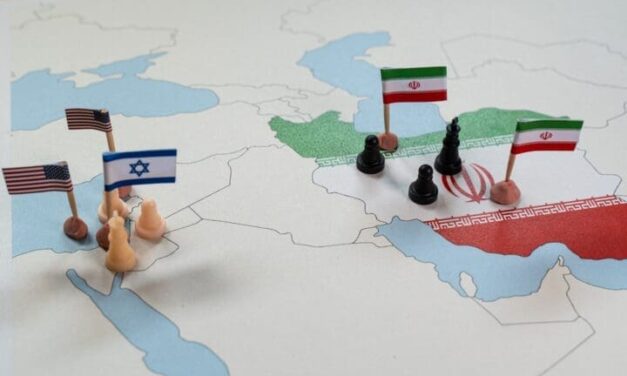
The Impact of the Political Deadlock in the Israeli Regime on the Future of the War Against Iran

SCFR Online – Opinion: The deadlock in forming a new cabinet in the Israeli regime, simultaneous with the continuation of the atmosphere of military confrontation between Iran and the United States and the relevant diplomatic process, is considered an important variable in West Asian security calculations. Although the political developments of the Israeli regime alone do not determine the fate of the war, they can affect the timing, level, and manner of the continuation of military confrontation.

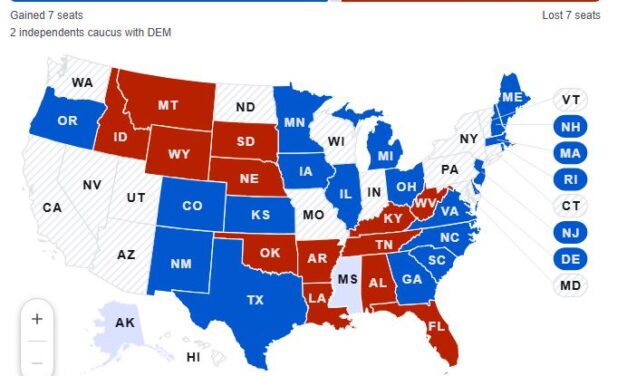
Strategic Consequences of the US Midterm Elections

SCFR Online – Opinion: The results of the US midterm elections, by exposing the political and economic costs of the war against Iran, will affect the scope of maneuver of the Trump administration and Washington’s regional calculations.

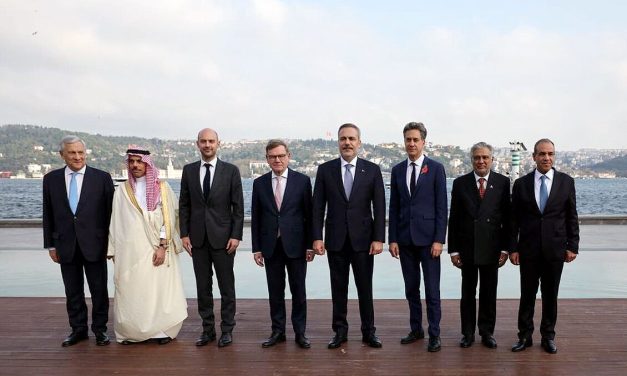
A Reflection on the Capacities and Challenges of the Istanbul Ministerial Meeting

SCFR Online – Opinion: The meeting of the foreign ministers of Turkey, Saudi Arabia, Pakistan, and Egypt in Istanbul has provided an opportunity for diplomatic coordination regarding West Asian crises, but its success will depend on the participation of key actors and the transformation of consultations into practical measures.

Loading

Últimas publicaciones

The Impact of the Political Deadlock in the Israeli Regime on the Future of the War Against Iran

SCFR Online – Opinion: The deadlock in forming a new cabinet in the Israeli regime, simultaneous with the continuation of the atmosphere of military confrontation between Iran and the United States and the relevant diplomatic process, is considered an important variable in West Asian security calculations. Although the political developments of the Israeli regime alone do not determine the fate of the war, they can affect the timing, level, and manner of the continuation of military confrontation.

Strategic Consequences of the US Midterm Elections

SCFR Online – Opinion: The results of the US midterm elections, by exposing the political and economic costs of the war against Iran, will affect the scope of maneuver of the Trump administration and Washington’s regional calculations.

A Reflection on the Capacities and Challenges of the Istanbul Ministerial Meeting

SCFR Online – Opinion: The meeting of the foreign ministers of Turkey, Saudi Arabia, Pakistan, and Egypt in Istanbul has provided an opportunity for diplomatic coordination regarding West Asian crises, but its success will depend on the participation of key actors and the transformation of consultations into practical measures.

Loading

DERNIER CONTENU

The Impact of the Political Deadlock in the Israeli Regime on the Future of the War Against Iran

SCFR Online – Opinion: The deadlock in forming a new cabinet in the Israeli regime, simultaneous with the continuation of the atmosphere of military confrontation between Iran and the United States and the relevant diplomatic process, is considered an important variable in West Asian security calculations. Although the political developments of the Israeli regime alone do not determine the fate of the war, they can affect the timing, level, and manner of the continuation of military confrontation.

Strategic Consequences of the US Midterm Elections

SCFR Online – Opinion: The results of the US midterm elections, by exposing the political and economic costs of the war against Iran, will affect the scope of maneuver of the Trump administration and Washington’s regional calculations.

A Reflection on the Capacities and Challenges of the Istanbul Ministerial Meeting

SCFR Online – Opinion: The meeting of the foreign ministers of Turkey, Saudi Arabia, Pakistan, and Egypt in Istanbul has provided an opportunity for diplomatic coordination regarding West Asian crises, but its success will depend on the participation of key actors and the transformation of consultations into practical measures.

Loading