The future of the plan to normalize relations with the Zionist regime and the role of Saudi Arabia

2020/12/02 | interview, Politics, Top News

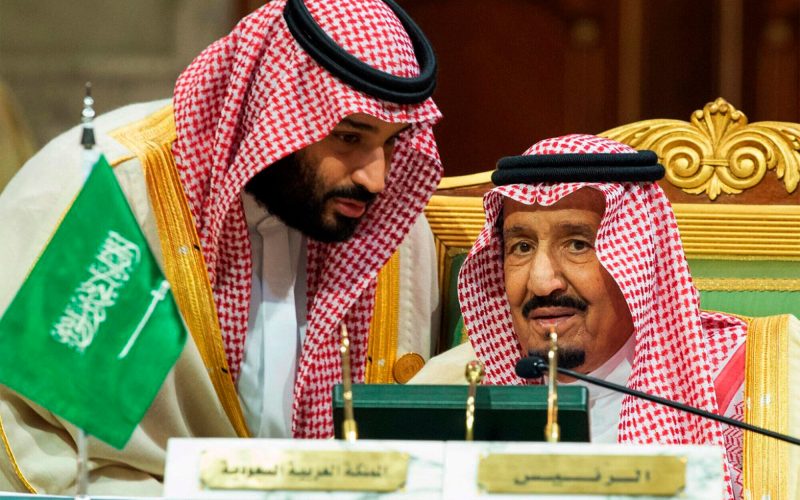
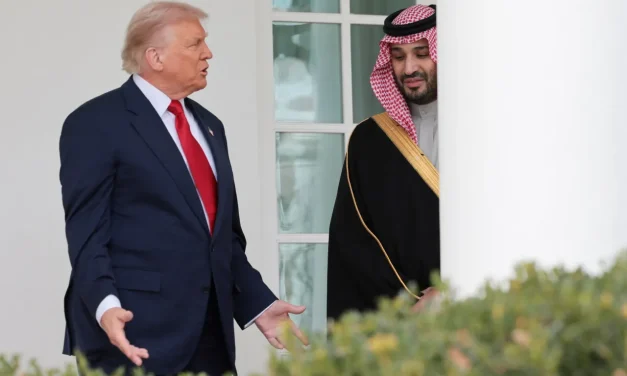
Strategic Council Online—Interview: A former director-general of the Ministry of Foreign Affairs says Saudi Arabia would not hesitate to seek support by the Zionist regime if Saudi authorities believe such support would help its rulers particularly Mohammad bin Salman to survive.

Qassem Mohebali told the Strategic Council on Foreign Relations that with the new administration coming into the White House in January 2021, the normalization of relations with the Zionist regime would be easier for Saudi Arabia as the US pressure for the unconditional establishment of relations would be lost.

Referring to the remarks by Saudi Foreign Minister about the willingness of Saudi Arabia to completely normalize relations with the Zionist regime if a permanent peace agreement is achieved to guarantee the establishment of an independent Palestinian state, he said: “this has been the traditional stance of Saudi Arabia and it was predictable to be openly declared.”

“Saudi Arabia is a rather big country and has access to more facilities compared to the UAE and Bahrain. Therefore, Saudi Arabia cannot simply leave aside its commitments, domestic issues and past stances and normalize its relations with the Zionist regime regardless of the public opinion of the Muslim and Arab worlds.”

Asked about the conditions set by Saudi Arabia to normalize relations with the Zionist regime, he said Riyadh would not establish normalized relations with the Zionist regime without receiving a remarkable concession.

“Therefore, if Saudi Arabia seeks to establish relations with the Zionist regime, it will be definitely offered a remarkable concession on the issue of Palestine. And as Saudi Arabia is aware that the next US administration would return to the two-state solution, they will adjust this policy with the conditions.”


Facilitation of normalization of Saudi relations with the Zionist regime during the Biden administration

Mohebali said the Democrats’ policy towards the issue of Palestine is to establish two Palestinian and Israeli states alongside each other and as the Trump administration does not believe in an independent Palestinian state, the normalization of relations with Israel would be easier for Saudi Arabia during the Biden tenure because there will be no more pressure by the US government on the Saudi regime to unconditionally normalize its relations with the Zionist regime.

He said such a position is in contradiction with the news published on secret meetings in Saudi Arabia between Saudi and Zionist regime officials, adding that such a position by Saudi Arabia is not compatible with reports of secret meetings during the Zionist Prime Minister’s visit to Saudi Arabia, which may be true.

“They have been having such relations in the past. It seems that Saudi Arabia and the Zionist regime have reached some agreements in connection with their Iran and have recently tried to put pressure on Trump to take an action against Iran. For those who have a common stance and coalition against the nuclear deal and proximity between Iran and the US, there remains a question: how to put Mr. Biden with pressure in a situation that will prevent him from returning to the nuclear deal and lift the sanctions against Iran.”

On the future of the project of normalization of relations with the Zionist regime, Mohebali said there may be changes in the US foreign policy when Trump leaves the White House.

“It does not appear that Biden would tie all the issues with its relations with the Zionist regime and Netanyahu; therefore, it is highly unlikely that other governments would be much prepared to accept this and the next US administration would not put a pressure on Arab countries to normalize their relations with the Zionist regime. Of course, if Iran adopts a smart policy and tries to change the situation in the Middle East, then tensions between Iran and the Arab states and Iran and the United States would diminish.”

Efforts by Saudi Arabia to influence Biden’s stance towards Iran

The former director-general of the Ministry of Foreign Affairs of Iran said Saudi Arabia is making efforts to change the stances of Mr. Biden towards Iran because Democrats would not support the Saudi-led war coalition against Yemen and would stop their intelligence sharing and logistical support with Saudi Arabia.

“Moreover, the issue of human rights in countries such as Saudi Arabia would be placed in priority of Biden’s administration even though Saudi Arabia is considered an ally in Washington. Normally, the case of Jamal Khashoggi could be re-considered during Mr. Biden’s term in office. This is a serious matter of concern for Saudi Arabia,” he said, adding that on the other hand, Netanyahu is very concerned about the lack of support the Biden administration and Democrats would render to the policy of the Zionist regime to annex the West Bank as well as the stances of Trump on the Syrian Golan Heights, the West Bank and the expansion of Jewish settlements in the occupied Palestinian territories.


Attracting the support of Zionist regime for continued rule by bin Salman

Mohebali said Netanyahu and Mohammad bin Salman will normally experience inappropriate situations in future and therefore they are more worried about this issue and it is highly unlikely that other countries would have such a concern, adding that Saudi Arabia is trying to stop any change in the policy of the United States during the Biden administration and if necessary, Saudis would seek the support of the Zionist regime for the survival of bin Salman and his supporters.
0 Comments

Submit a Comment

Your email address will not be published. Required fields are marked *

LATEST CONTENT

The Makkah Pact; Reasons for its Formation and Challenges Ahead

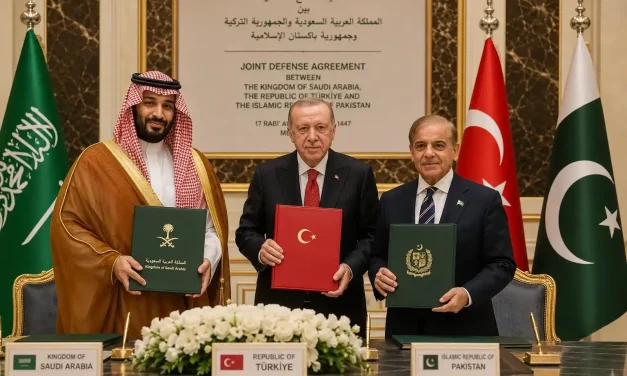
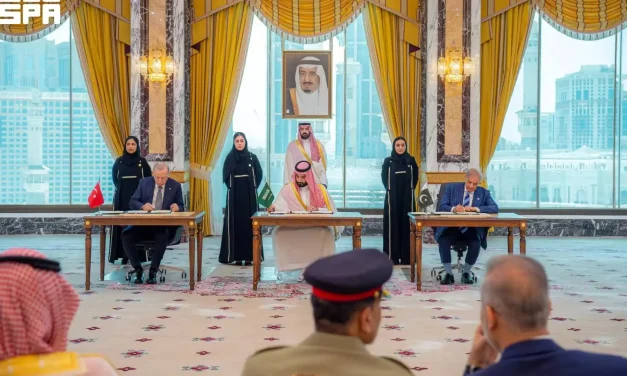
SCFR Online – Opinion: The Makkah Pact, signed between Saudi Arabia, Pakistan, and Turkey under the motto “an attack on one is an attack on all,” is viewed by some analysts less as a full-fledged military coalition and more as an attempt to reduce security dependence on an external power and to establish a regional security mechanism.

Implications of the US-Saudi Nuclear Agreement

SCFR Online – Opinion: The new US-Saudi nuclear agreement, despite legal and political ambiguities, could alter previous non-proliferation standards in West Asia and intensify nuclear competition, ushering it into a new phase.

An Analysis of Recent Turkey-Israeli Regime Tensions

SCFR Online – Opinion: Recent developments in Syria indicate an intensification of strategic rivalry between Turkey and the Israeli regime, but mutual considerations and the role of the United States have limited the likelihood of direct war.

Increasing criticism of the extensive Zionist lobby network

SCFR Online – Opinion: An examination of the mechanisms of the Israeli regime’s influence in the United States depicts a complex picture of shared interests, strategic dependencies, and the limitations of this relationship.

Realities of the Tripartite Makkah Pact

SCFR Online – Interview: The signing of the Makkah agreement between Saudi Arabia, Pakistan, and Turkey has raised questions about the future of the region’s security structure and the position of these countries in West Asian equations. Can this agreement become a genuine collective defense mechanism, or does it have more of a political and deterrent function than creating new military capacity?

Strategic Implications of the Reduction of US Weapons Stockpiles

SCFR Online – Opinion: The continuation of the US war against Iran, in addition to increasing operational costs, has called into question the actual capacity of the American arsenal to simultaneously fulfill security commitments on multiple fronts; an issue that affects deterrence, defense production capacity, and Washington’s resource prioritization.

The Formation of a New Order in Relations Between Powers

SCFR Online – Opinion: The Russia-Ukraine war and the war of the United States and the Israeli regime against Iran have been formed with different objectives and actors, but field and political developments indicate that they are not entirely separate from one another.

Loading

Últimas publicaciones

The Makkah Pact; Reasons for its Formation and Challenges Ahead

SCFR Online – Opinion: The Makkah Pact, signed between Saudi Arabia, Pakistan, and Turkey under the motto “an attack on one is an attack on all,” is viewed by some analysts less as a full-fledged military coalition and more as an attempt to reduce security dependence on an external power and to establish a regional security mechanism.

Implications of the US-Saudi Nuclear Agreement

SCFR Online – Opinion: The new US-Saudi nuclear agreement, despite legal and political ambiguities, could alter previous non-proliferation standards in West Asia and intensify nuclear competition, ushering it into a new phase.

An Analysis of Recent Turkey-Israeli Regime Tensions

SCFR Online – Opinion: Recent developments in Syria indicate an intensification of strategic rivalry between Turkey and the Israeli regime, but mutual considerations and the role of the United States have limited the likelihood of direct war.

Increasing criticism of the extensive Zionist lobby network

SCFR Online – Opinion: An examination of the mechanisms of the Israeli regime’s influence in the United States depicts a complex picture of shared interests, strategic dependencies, and the limitations of this relationship.

Realities of the Tripartite Makkah Pact

SCFR Online – Interview: The signing of the Makkah agreement between Saudi Arabia, Pakistan, and Turkey has raised questions about the future of the region’s security structure and the position of these countries in West Asian equations. Can this agreement become a genuine collective defense mechanism, or does it have more of a political and deterrent function than creating new military capacity?

Strategic Implications of the Reduction of US Weapons Stockpiles

SCFR Online – Opinion: The continuation of the US war against Iran, in addition to increasing operational costs, has called into question the actual capacity of the American arsenal to simultaneously fulfill security commitments on multiple fronts; an issue that affects deterrence, defense production capacity, and Washington’s resource prioritization.

The Formation of a New Order in Relations Between Powers

SCFR Online – Opinion: The Russia-Ukraine war and the war of the United States and the Israeli regime against Iran have been formed with different objectives and actors, but field and political developments indicate that they are not entirely separate from one another.

Loading

DERNIER CONTENU

The Makkah Pact; Reasons for its Formation and Challenges Ahead

SCFR Online – Opinion: The Makkah Pact, signed between Saudi Arabia, Pakistan, and Turkey under the motto “an attack on one is an attack on all,” is viewed by some analysts less as a full-fledged military coalition and more as an attempt to reduce security dependence on an external power and to establish a regional security mechanism.

Implications of the US-Saudi Nuclear Agreement

SCFR Online – Opinion: The new US-Saudi nuclear agreement, despite legal and political ambiguities, could alter previous non-proliferation standards in West Asia and intensify nuclear competition, ushering it into a new phase.

An Analysis of Recent Turkey-Israeli Regime Tensions

SCFR Online – Opinion: Recent developments in Syria indicate an intensification of strategic rivalry between Turkey and the Israeli regime, but mutual considerations and the role of the United States have limited the likelihood of direct war.

Increasing criticism of the extensive Zionist lobby network

SCFR Online – Opinion: An examination of the mechanisms of the Israeli regime’s influence in the United States depicts a complex picture of shared interests, strategic dependencies, and the limitations of this relationship.

Realities of the Tripartite Makkah Pact

SCFR Online – Interview: The signing of the Makkah agreement between Saudi Arabia, Pakistan, and Turkey has raised questions about the future of the region’s security structure and the position of these countries in West Asian equations. Can this agreement become a genuine collective defense mechanism, or does it have more of a political and deterrent function than creating new military capacity?

Strategic Implications of the Reduction of US Weapons Stockpiles

SCFR Online – Opinion: The continuation of the US war against Iran, in addition to increasing operational costs, has called into question the actual capacity of the American arsenal to simultaneously fulfill security commitments on multiple fronts; an issue that affects deterrence, defense production capacity, and Washington’s resource prioritization.

The Formation of a New Order in Relations Between Powers

SCFR Online – Opinion: The Russia-Ukraine war and the war of the United States and the Israeli regime against Iran have been formed with different objectives and actors, but field and political developments indicate that they are not entirely separate from one another.

Loading

DERNIER CONTENU

The Makkah Pact; Reasons for its Formation and Challenges Ahead

SCFR Online – Opinion: The Makkah Pact, signed between Saudi Arabia, Pakistan, and Turkey under the motto “an attack on one is an attack on all,” is viewed by some analysts less as a full-fledged military coalition and more as an attempt to reduce security dependence on an external power and to establish a regional security mechanism.

Implications of the US-Saudi Nuclear Agreement

SCFR Online – Opinion: The new US-Saudi nuclear agreement, despite legal and political ambiguities, could alter previous non-proliferation standards in West Asia and intensify nuclear competition, ushering it into a new phase.

An Analysis of Recent Turkey-Israeli Regime Tensions

SCFR Online – Opinion: Recent developments in Syria indicate an intensification of strategic rivalry between Turkey and the Israeli regime, but mutual considerations and the role of the United States have limited the likelihood of direct war.

Increasing criticism of the extensive Zionist lobby network

SCFR Online – Opinion: An examination of the mechanisms of the Israeli regime’s influence in the United States depicts a complex picture of shared interests, strategic dependencies, and the limitations of this relationship.

Realities of the Tripartite Makkah Pact

SCFR Online – Interview: The signing of the Makkah agreement between Saudi Arabia, Pakistan, and Turkey has raised questions about the future of the region’s security structure and the position of these countries in West Asian equations. Can this agreement become a genuine collective defense mechanism, or does it have more of a political and deterrent function than creating new military capacity?

Strategic Implications of the Reduction of US Weapons Stockpiles

SCFR Online – Opinion: The continuation of the US war against Iran, in addition to increasing operational costs, has called into question the actual capacity of the American arsenal to simultaneously fulfill security commitments on multiple fronts; an issue that affects deterrence, defense production capacity, and Washington’s resource prioritization.

The Formation of a New Order in Relations Between Powers

SCFR Online – Opinion: The Russia-Ukraine war and the war of the United States and the Israeli regime against Iran have been formed with different objectives and actors, but field and political developments indicate that they are not entirely separate from one another.

Loading

DERNIER CONTENU

The Makkah Pact; Reasons for its Formation and Challenges Ahead

SCFR Online – Opinion: The Makkah Pact, signed between Saudi Arabia, Pakistan, and Turkey under the motto “an attack on one is an attack on all,” is viewed by some analysts less as a full-fledged military coalition and more as an attempt to reduce security dependence on an external power and to establish a regional security mechanism.

Implications of the US-Saudi Nuclear Agreement

SCFR Online – Opinion: The new US-Saudi nuclear agreement, despite legal and political ambiguities, could alter previous non-proliferation standards in West Asia and intensify nuclear competition, ushering it into a new phase.

An Analysis of Recent Turkey-Israeli Regime Tensions

SCFR Online – Opinion: Recent developments in Syria indicate an intensification of strategic rivalry between Turkey and the Israeli regime, but mutual considerations and the role of the United States have limited the likelihood of direct war.

Increasing criticism of the extensive Zionist lobby network

SCFR Online – Opinion: An examination of the mechanisms of the Israeli regime’s influence in the United States depicts a complex picture of shared interests, strategic dependencies, and the limitations of this relationship.

Realities of the Tripartite Makkah Pact

SCFR Online – Interview: The signing of the Makkah agreement between Saudi Arabia, Pakistan, and Turkey has raised questions about the future of the region’s security structure and the position of these countries in West Asian equations. Can this agreement become a genuine collective defense mechanism, or does it have more of a political and deterrent function than creating new military capacity?

Strategic Implications of the Reduction of US Weapons Stockpiles

SCFR Online – Opinion: The continuation of the US war against Iran, in addition to increasing operational costs, has called into question the actual capacity of the American arsenal to simultaneously fulfill security commitments on multiple fronts; an issue that affects deterrence, defense production capacity, and Washington’s resource prioritization.

The Formation of a New Order in Relations Between Powers

SCFR Online – Opinion: The Russia-Ukraine war and the war of the United States and the Israeli regime against Iran have been formed with different objectives and actors, but field and political developments indicate that they are not entirely separate from one another.

Loading