Netanyahu’s Internal-External Problems, Pressures in Forming the Government

Strategic Council Online - Interview: An expert on Middle East affairs, commenting about the process of formation of a government by Benjamin Netanyahu, the Prime Minister of the Zionist regime, said: It was almost in early November when the parliamentary or the Knesset elections were held in occupied Palestine, and despite the passage of more than 7 weeks, Netanyahu still has not been able to form the government, and for this reason, he has appealed to the president for another ten-day extension.

In an interview with the website of the Strategic Council on Foreign Relations, Jafar Qanadbashi added: If Netanyahu fails to form a cabinet, this mission should be handed over to someone else.

According to the expert, despite Netanyahu’s experiences and his records in forming the cabinet, it seems that this time he feels powerless in this matter and has faced many problems and obstacles that are unprecedented in the history of Israel.

Qanadbashi explained about the obstacles and challenges facing Netanyahu, adding: First of all, in addition to the problems that the Israelis have been continuously facing in the regional, domestic and international arenas, this time Netanyahu has been encountered with another paralyzing problem. On the one hand, the Zionist citizens expect that Netanyahu will compensate for some of the shortcomings of the previous prime minister and take measures in the domestic and regional arena for the welfare of the Zionist community and also for the creation of security and, on the other hand, the people who are now in his team to form the cabinet has become a problem themselves in this process.

He continued: In other words, at present, the internal and external concerns about Israel are about the coming to power of very extreme people who have new plans for how to establish security in their agenda and demand that Netanyahu’s cabinet, contrary to the normal trend in Israel, take over many military powers that were previously exclusively at the disposal of the army.

According to the expert, extremist parties in Israel have always been in favor of harsh plans that are against legal standards and have constantly protested why the various governments in Israel do not fulfill their duties in severely suppressing the Palestinians and also dealing with the opposite parties in the region.

Also, Qanadbashi said that the activities of those parties were mainly in Knesset and limited media areas. But now, with the holding of November 1st elections and Netanyahu’s decision to seek help from those extremist parties, the sphere of activity of those parties has been extended into the Israeli executive branch.

The expert on Middle East affairs continued: The heads of those parties, including Netanyahu’s elected security minister, have demanded that the powers related to establishing security in the West Bank be removed from the Israeli army and placed in the hands of the cabinet and the security minister. An issue that has been considered in the media environment of the occupied Palestinian as a creeping coup against the army of the Zionist regime and has caused divisions both in the army and in the executive body of Israel.

Qanadbashi emphasized: It is in such a situation that in the international situation, there have been concerns about the establishment of this extremist group in the Israeli executive branch. In particular, American officials and Democrats have expressed their implicit opposition to the continuation of such a process in Israel under various titles.

He explained: Actually, the concern of the Democrats in the United States and some currents of power in Europe is that with the coming to power of those extremist parties in Israel and changing the regime’s attitude in the most violent ways may cause social explosions in Palestine and also implementation of some Israel’s military and regional plans in under such situation will upset the existing balance in the West Asian region.

Qanadbashi stated that in order to form the cabinet, in addition to the usual domestic opposition, Netanyahu is now facing opposition from the army on the one hand and international reactions on the other hand, adding: In the international arena, they want him to prevent those extremist parties from gaining power, or at least to avoid their interference in the army and taking control of Israel’s internal and external security affairs.

The expert said in conclusion that due to such obstacles and challenges, Netanyahu has a difficult path ahead of him for the formation of the cabinet in a few days.

0 Comments

Submit a Comment

Your email address will not be published. Required fields are marked *

LATEST CONTENT

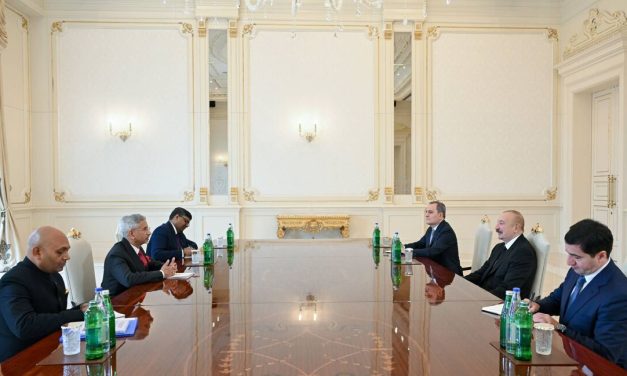
De-escalation in New Delhi-Baku Relations

SCFR Online – Opinion: The Indian Foreign Minister’s trip to Baku, following tensions arising from the Republic of Azerbaijan’s support for Pakistan, is considered an effort to manage differences and preserve the two countries’ common interests.

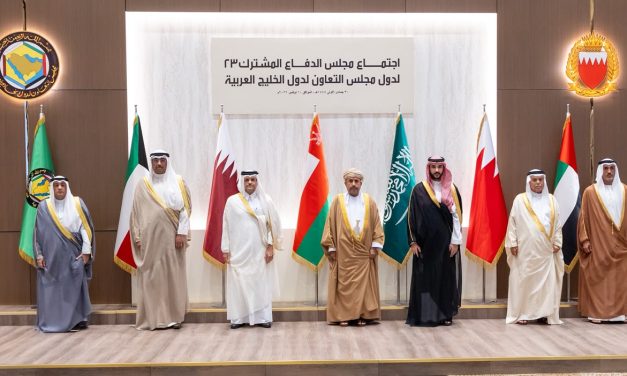
An Analysis of the Establishment of a Joint Arab Command in Kuwait

SCFR Online – Opinion: The establishment of a joint Arab command in Kuwait will contribute to sustainable Persian Gulf security only when it distances itself from dependence on America and is based on pursuing the participation and cooperation of all regional countries.

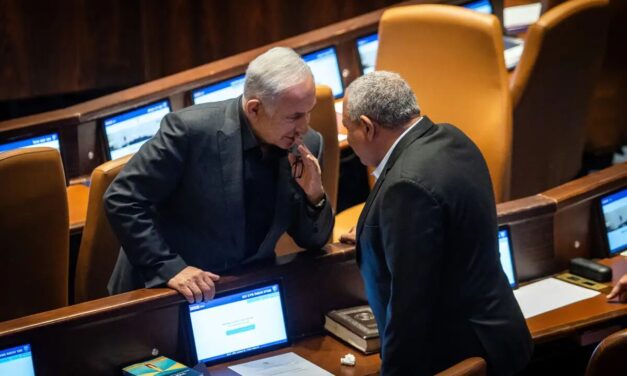
The Impact of the Political Deadlock in the Israeli Regime on the Future of the War Against Iran

SCFR Online – Opinion: The deadlock in forming a new cabinet in the Israeli regime, simultaneous with the continuation of the atmosphere of military confrontation between Iran and the United States and the relevant diplomatic process, is considered an important variable in West Asian security calculations. Although the political developments of the Israeli regime alone do not determine the fate of the war, they can affect the timing, level, and manner of the continuation of military confrontation.

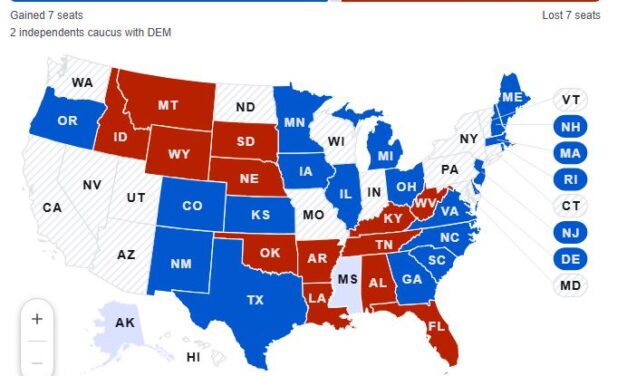
Strategic Consequences of the US Midterm Elections

SCFR Online – Opinion: The results of the US midterm elections, by exposing the political and economic costs of the war against Iran, will affect the scope of maneuver of the Trump administration and Washington’s regional calculations.

Loading

Últimas publicaciones

De-escalation in New Delhi-Baku Relations

SCFR Online – Opinion: The Indian Foreign Minister’s trip to Baku, following tensions arising from the Republic of Azerbaijan’s support for Pakistan, is considered an effort to manage differences and preserve the two countries’ common interests.

An Analysis of the Establishment of a Joint Arab Command in Kuwait

SCFR Online – Opinion: The establishment of a joint Arab command in Kuwait will contribute to sustainable Persian Gulf security only when it distances itself from dependence on America and is based on pursuing the participation and cooperation of all regional countries.

The Impact of the Political Deadlock in the Israeli Regime on the Future of the War Against Iran

SCFR Online – Opinion: The deadlock in forming a new cabinet in the Israeli regime, simultaneous with the continuation of the atmosphere of military confrontation between Iran and the United States and the relevant diplomatic process, is considered an important variable in West Asian security calculations. Although the political developments of the Israeli regime alone do not determine the fate of the war, they can affect the timing, level, and manner of the continuation of military confrontation.

Strategic Consequences of the US Midterm Elections

SCFR Online – Opinion: The results of the US midterm elections, by exposing the political and economic costs of the war against Iran, will affect the scope of maneuver of the Trump administration and Washington’s regional calculations.

Loading

DERNIER CONTENU

De-escalation in New Delhi-Baku Relations

SCFR Online – Opinion: The Indian Foreign Minister’s trip to Baku, following tensions arising from the Republic of Azerbaijan’s support for Pakistan, is considered an effort to manage differences and preserve the two countries’ common interests.

An Analysis of the Establishment of a Joint Arab Command in Kuwait

SCFR Online – Opinion: The establishment of a joint Arab command in Kuwait will contribute to sustainable Persian Gulf security only when it distances itself from dependence on America and is based on pursuing the participation and cooperation of all regional countries.

The Impact of the Political Deadlock in the Israeli Regime on the Future of the War Against Iran

SCFR Online – Opinion: The deadlock in forming a new cabinet in the Israeli regime, simultaneous with the continuation of the atmosphere of military confrontation between Iran and the United States and the relevant diplomatic process, is considered an important variable in West Asian security calculations. Although the political developments of the Israeli regime alone do not determine the fate of the war, they can affect the timing, level, and manner of the continuation of military confrontation.

Strategic Consequences of the US Midterm Elections

SCFR Online – Opinion: The results of the US midterm elections, by exposing the political and economic costs of the war against Iran, will affect the scope of maneuver of the Trump administration and Washington’s regional calculations.

Loading