
Moslem Naeini – International relations expert
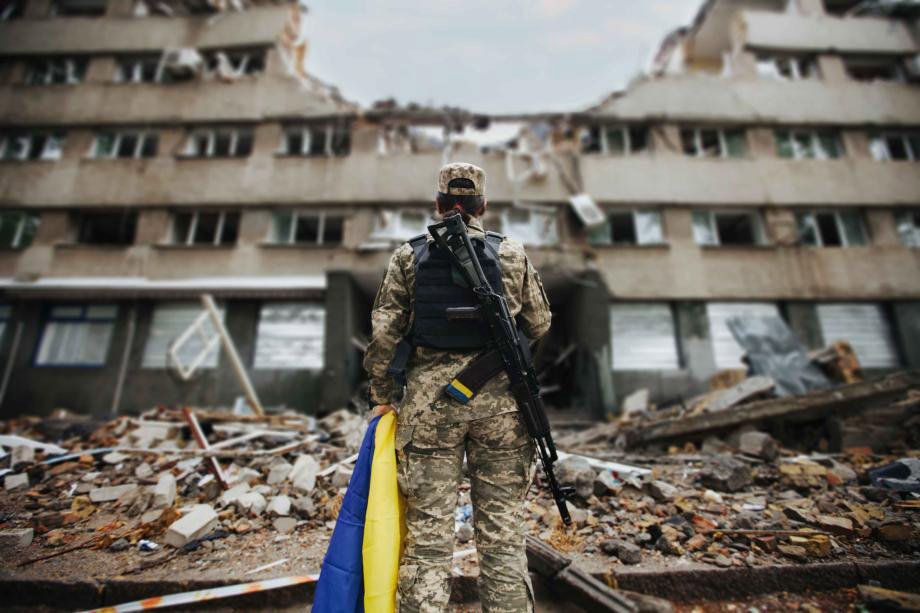
When Russia launched its military operation in Ukraine in February 2022, many analysts expected this war to end within a short period and its consequences to remain largely confined to Eastern Europe. However, four years later, it has become clear that this conflict has transcended the level of a regional war and has become one of the most significant turning points in the international system since the end of the Cold War. The Ukraine war not only transformed European security relations, but also affected great power competition, the structure of the global economy, the configuration of international coalitions, and even Asian security equations.
In fact, the most important consequence of this war has been the change in states’ perceptions of the concept of power. Many of the assumptions that had governed international politics over the past three decades, including the notion of the end of large-scale conventional wars, the absolute supremacy of economic globalization, and the diminishing importance of military deterrence, have been reconsidered in light of this crisis. Today, the world faces a balance in which military power, economic resilience, technology, and national mobilization capacity have once again become core elements of competition among states.
Russia’s attempt to redefine its global position
One of the West’s primary objectives was to completely isolate Russia internationally. Extensive economic sanctions, financial restrictions, efforts to reduce energy revenues, and the severance of technological cooperation were all designed to severely weaken Moscow’s strategic capacity. Despite the high economic and human costs, the experience of the past few years has shown that Russia has managed to handle a significant portion of external pressures and has found alternative pathways for engagement with the global economy.
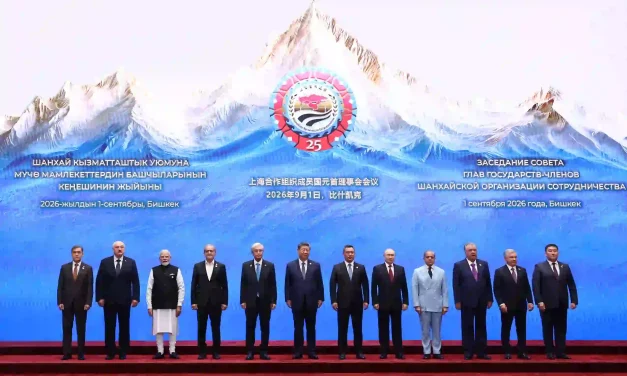
Moscow has compensated for part of the effects of sanctions by expanding relations with China, India, Global South countries, and many Asian actors. Although this process has not fully realized Russia’s strategic objectives in Ukraine, it has also prevented the achievement of the strategy of complete isolation of this country. Russia’s active diplomacy in Asia and the development of cooperation with regional organizations also indicate that the Kremlin is trying to shift the center of gravity of its foreign policy more than ever toward the East.
At the same time, this war has also transformed Russia’s military capabilities. Extensive combat experience, the development of defense industries, increased equipment production, and rapid adaptation to modern technologies have turned the Russian army into a force different from what it was at the beginning of the war; though this transformation has come with considerable economic and human costs.
The serious emergence of “European defense” as one of the consequences of the Ukraine war
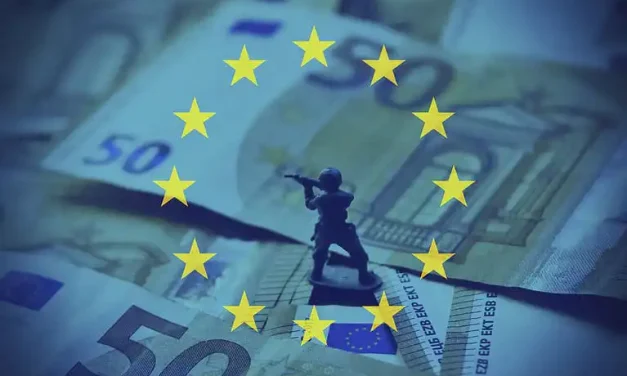
Russia was the most important military actor in this war, and Europe experienced its greatest strategic transformation since the end of the Cold War. European countries, which for years had pursued reductions in defense budgets, have now made increasing military expenditures, developing defense industries, and strengthening deterrence their top priority.
The discussion of “European defense,” which for years was largely theoretical, has today become part of the operational program of many European governments. Increased investment in military industries, the development of ammunition production capacity, the strengthening of logistical infrastructure, and efforts to reduce security dependence on the United States are all direct consequences of the Ukraine war.
However, this transformation has also imposed high costs on Europe. The energy crisis, rising inflation, declining industrial competitiveness, and pressure on public budgets demonstrated that security and the economy are no longer two independent domains. Europe is now compelled to balance between maintaining social welfare and increasing defense expenditures, and this issue has become one of the main challenges of domestic politics in many European countries.
Asia, the silent winner of the power rearrangement
While global attention was largely focused on Europe, Asia became one of the most important strategic beneficiaries of this crisis. China was able to strengthen its international position by reinforcing its relations with Russia while simultaneously continuing economic engagement with the West. Many Asian countries also adopted a policy based on balancing and refrained from joining the West’s confrontational policies.
The Ukraine war also increased the importance of Asian regional organizations and cooperation among emerging economies. Countries such as India, Indonesia, Vietnam, and ASEAN members sought to capitalize on the economic opportunities arising from changes in global supply chains and trade, while maintaining relations with all parties.
This trend indicates that the center of gravity of the global economy and politics is gradually shifting toward Asia. Even if the Ukraine war ends in the future, it seems unlikely that this strategic transition will stop.
A new balance, more multipolar and more complex than before
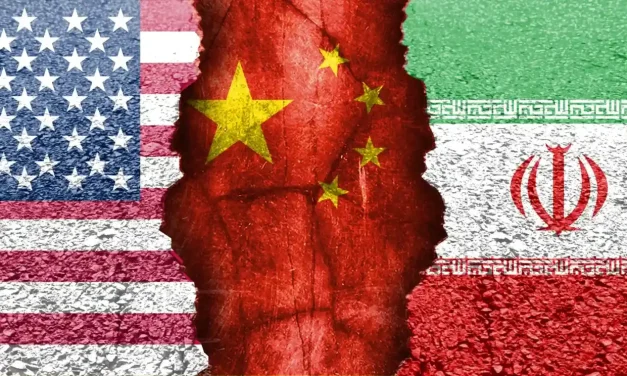
The most important outcome of the Ukraine war has been the acceleration of the transition from a unipolar order to a more complex and multi-layered one. The United States remains the world’s most important military and economic power; however, its ability to unilaterally shape the behavior of other actors has diminished compared to the past. Despite bearing heavy costs, Russia remains one of the main actors in international security, and China has consolidated its position as America’s most important long-term rival.
In such circumstances, middle powers have also gained greater room for maneuver. Countries that can create a balance between rival blocs, leverage their economic and geopolitical capacities, and pursue an independent foreign policy will play a more prominent role in the new order.
This transformation indicates that the future of the international system will be shaped less by the dominance of a single power and more by the simultaneous competition of multiple centers of power; a competition in which economics, technology, energy, security, and diplomacy will simultaneously affect the global balance.
The Ukraine war did not merely change the fate of Russia-Europe relations, but also accelerated the process of transformation of the international system. Despite unprecedented pressures, Russia was not eliminated from the power equations. Europe was compelled to place security back at the center of its policymaking, and Asia further consolidated its position as the main engine of global geopolitical and economic developments.
For this reason, the historical significance of this war lies not only in its field outcomes, but also in the change it created in states’ perception of the concept of power. The post-Ukraine war world is one in which military deterrence, economic resilience, industrial capacity, advanced technology, and diplomatic flexibility all simultaneously constitute the core components of national power. This reality has ushered the global balance into a new phase, the main characteristics of which are multipolarity, continuous competition, and the increasing role of non-Western powers in determining the future of the international system.



0 Comments