جدیدترین مطالب

The Inseparability of the Lebanese Front from the Axis of Resistance

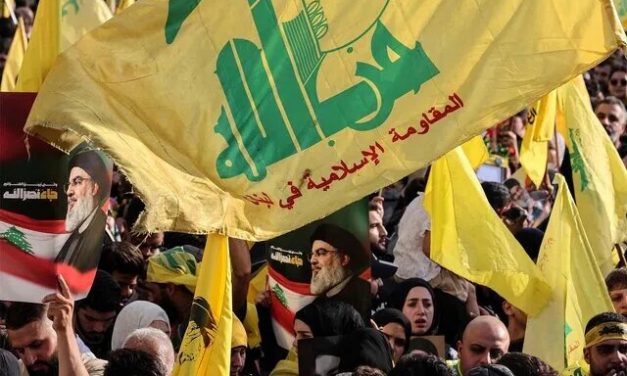
SCFR Online–Opinion: By providing an extensive network of social, healthcare, educational, and post-war reconstruction services, Hezbollah has established a strong social base for itself among Lebanon’s Shiites and Sunnis, and even beyond that, among other segments of Lebanese society, including Christians. Hezbollah has never been an external actor imposed upon Lebanon; rather, it is a phenomenon fundamentally born out of the occupation and crimes of the Zionist regime and itself influenced by popular resistance.

The Increasing Efforts of the Zionist Regime to Redefine Borders and the Regional Order and Its Consequences

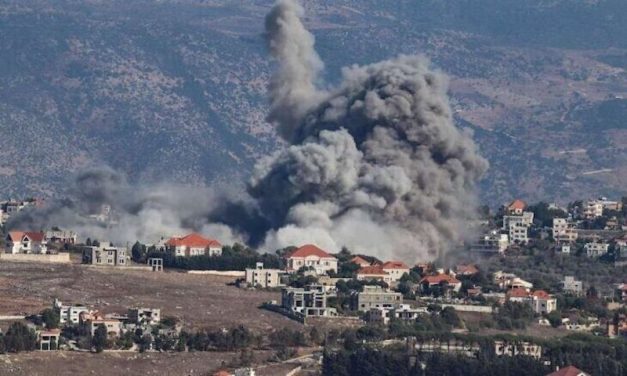
SCFR Online– Opinion: Security and military developments in the region over recent months indicate that the ongoing crises and wars in Gaza, southern Lebanon, and parts of Syrian territory encompass broader dimensions of geopolitical and geostrategic transformations. In this context, the increased military presence and control of the Zionist regime over parts of the territories of these areas, along with proposals regarding the creation of buffer zones or even the expansion of security borders, have raised serious questions about the future of the regional order and its consequences for the countries of West Asia.

The Components of Iran’s Deterrence Power

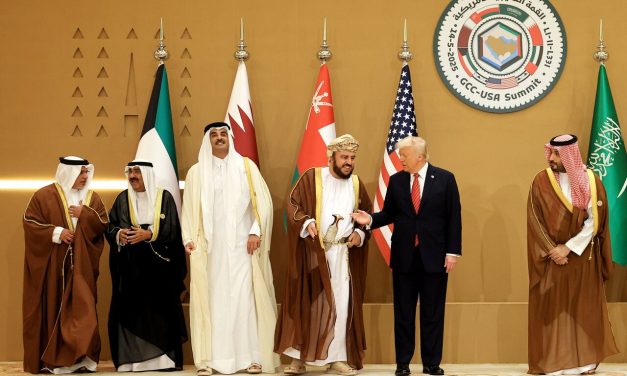
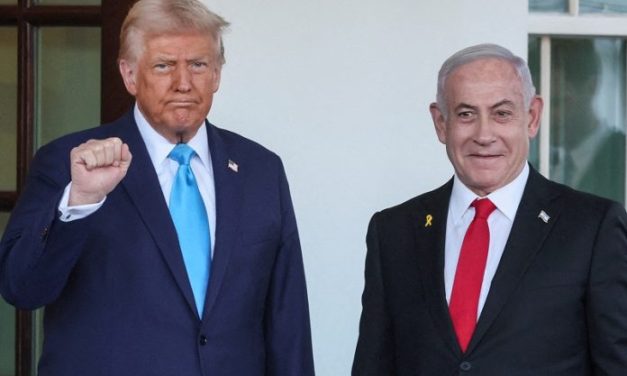
SCFR Online – Opinion: At a time when regional security equations have reached a sensitive stage under the influence of Iran’s strategic confrontation with the United States and the Zionist regime, the question of the nature of Tehran’s defensive power has gained greater significance than ever before. While Washington and Tel Aviv rely on their technological superiority, the Islamic Republic of Iran has presented a model of deterrence that extends beyond the material calculations of the world’s classical militaries. This power, rooted in the connection between “the field” and “the people,” has not only altered the balance of power in recent conflicts but has also disrupted adversaries’ calculations when confronting Iran’s strategic depth.

Loading

AGOL

Collective engagement in the Caucasus; securing the interests of all regional countries

Collective engagement in the Caucasus; securing the interests of all regional countries

Strategic Council Online—Interview: An analyst of the Caucasus issues says any efforts to change international borders and geopolitics of the region are considered as redline for Iran, adding that “it is expected that the emphasis of the Azerbaijan Republic on the 3+3 model of cooperation will be beyond the policies applied by this country and we would witness measures which would indicate this country is interested in collective and regional political cooperation instead of reliance on the Zionist regime or foreign powers”.

Message, Outcome of Recent Erdogan-Putin Summit

Message, Outcome of Recent Erdogan-Putin Summit

Strategic Council Online – Opinion: Turkish President Recep Tayyip Erdogan and Russian President Vladimir Putin met on September 29 in the Black Sea resort city of Sochi, Russia. Of course, the short duration of the meeting compared to the long meetings in the past has attracted the attention of analysts who have assessed the event as being related to the escalation of differences between the two sides on some issues. Erdogan and Putin have met 26 times in person since the war in November 2015, when a Russian fighter plane was shot down by Turkey. The last meeting of the leaders of the two countries was held on March 5, 2020 in Moscow.
Mahmoud Fazeli – International affairs analyst

Threats and Challenges of Pakistani Taliban for Islamabad Gov’t

Threats and Challenges of Pakistani Taliban for Islamabad Gov’t

Strategic Council Online – Interview: A former Iranian diplomat considered Islamabad’s support for the Taliban coming to power in Kabul as a threat to Pakistan’s future and said: The coming to power of the Taliban in Kabul stimulates ethnic sentiments for supporting the Pashtuns in the Pashtun-populated and tribal areas and this will become a great challenge for the government of that country.

Post-Brexit and the crisis of fuel shortage in the UK

Post-Brexit and the crisis of fuel shortage in the UK

Strategic Council Online—Interview: An analyst of European affairs says that the situation in Britain after the Cold War and with the change in US foreign policy priorities is not such that it can cooperate with the United States in all areas, adding that after leaving the European Union, Britain seeks to implement the policy of a “global Britain” and will certainly try to establish itself as a great power in Europe and on the world stage after leaving the European Union.

Orientation of Taliban Rule in Afghanistan

Orientation of Taliban Rule in Afghanistan

Strategic Council Online – Interview: Former head of the Logistics Headquarter of Afghanistan at the Ministry of Foreign Affairs, stating that the Taliban is now only thinking of consolidating its international position; said: So far, there is no evidence of the efforts of the leaders of that group to create an inclusive government with the presence of all ethnic groups.

The prospect of “new governance” in the UAE

The prospect of “new governance” in the UAE

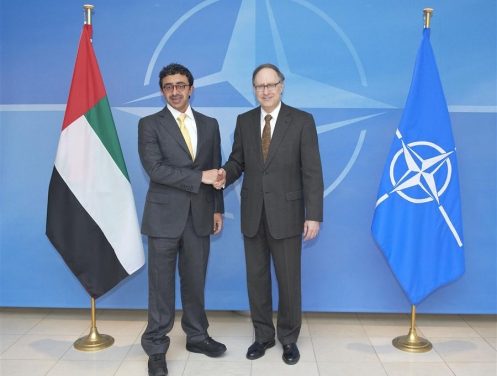
Strategic Council Online—Interview: An analyst of West Asia issues says replacing some ministers and presenting general outlines cannot present a bright landscape for the situation of the United Arab Emirates in the next 50 years.

AUKUS Treaty; U.S Effort to Complete Asia-Pacific Strategy

AUKUS Treaty; U.S Effort to Complete Asia-Pacific Strategy

Strategic Council Online- Opinion: U.S. leaders have underscored on the necessity of concentration on Asia Pacific region in the foreign policy of the country within the past decade.
Mohammad Javad Ghahremani, Expert on Asia affairs

British Involvement in War Crimes in Afghanistan, London’s Int’l Responsibility

British Involvement in War Crimes in Afghanistan, London’s Int’l Responsibility

Strategic Council Online – Interview: An international law professor stressing the need for countries to pay attention to the responsibility of the British government for the massacre of civilians in Afghanistan and discussing it in international meetings and forums said: According to “international humanitarian law” or the so-called war law, those who have ordered massacre of the civilians are considered as guilty and war criminals, and the British government has an international responsibility in this regard.

أحدث الوظائف

The Inseparability of the Lebanese Front from the Axis of Resistance

SCFR Online–Opinion: By providing an extensive network of social, healthcare, educational, and post-war reconstruction services, Hezbollah has established a strong social base for itself among Lebanon’s Shiites and Sunnis, and even beyond that, among other segments of Lebanese society, including Christians. Hezbollah has never been an external actor imposed upon Lebanon; rather, it is a phenomenon fundamentally born out of the occupation and crimes of the Zionist regime and itself influenced by popular resistance.

The Increasing Efforts of the Zionist Regime to Redefine Borders and the Regional Order and Its Consequences

SCFR Online– Opinion: Security and military developments in the region over recent months indicate that the ongoing crises and wars in Gaza, southern Lebanon, and parts of Syrian territory encompass broader dimensions of geopolitical and geostrategic transformations. In this context, the increased military presence and control of the Zionist regime over parts of the territories of these areas, along with proposals regarding the creation of buffer zones or even the expansion of security borders, have raised serious questions about the future of the regional order and its consequences for the countries of West Asia.

The Components of Iran’s Deterrence Power

SCFR Online – Opinion: At a time when regional security equations have reached a sensitive stage under the influence of Iran’s strategic confrontation with the United States and the Zionist regime, the question of the nature of Tehran’s defensive power has gained greater significance than ever before. While Washington and Tel Aviv rely on their technological superiority, the Islamic Republic of Iran has presented a model of deterrence that extends beyond the material calculations of the world’s classical militaries. This power, rooted in the connection between “the field” and “the people,” has not only altered the balance of power in recent conflicts but has also disrupted adversaries’ calculations when confronting Iran’s strategic depth.

Loading

AGOL

Collective engagement in the Caucasus; securing the interests of all regional countries

Collective engagement in the Caucasus; securing the interests of all regional countries

Strategic Council Online—Interview: An analyst of the Caucasus issues says any efforts to change international borders and geopolitics of the region are considered as redline for Iran, adding that “it is expected that the emphasis of the Azerbaijan Republic on the 3+3 model of cooperation will be beyond the policies applied by this country and we would witness measures which would indicate this country is interested in collective and regional political cooperation instead of reliance on the Zionist regime or foreign powers”.

Message, Outcome of Recent Erdogan-Putin Summit

Message, Outcome of Recent Erdogan-Putin Summit

Strategic Council Online – Opinion: Turkish President Recep Tayyip Erdogan and Russian President Vladimir Putin met on September 29 in the Black Sea resort city of Sochi, Russia. Of course, the short duration of the meeting compared to the long meetings in the past has attracted the attention of analysts who have assessed the event as being related to the escalation of differences between the two sides on some issues. Erdogan and Putin have met 26 times in person since the war in November 2015, when a Russian fighter plane was shot down by Turkey. The last meeting of the leaders of the two countries was held on March 5, 2020 in Moscow.
Mahmoud Fazeli – International affairs analyst

Threats and Challenges of Pakistani Taliban for Islamabad Gov’t

Threats and Challenges of Pakistani Taliban for Islamabad Gov’t

Strategic Council Online – Interview: A former Iranian diplomat considered Islamabad’s support for the Taliban coming to power in Kabul as a threat to Pakistan’s future and said: The coming to power of the Taliban in Kabul stimulates ethnic sentiments for supporting the Pashtuns in the Pashtun-populated and tribal areas and this will become a great challenge for the government of that country.

Post-Brexit and the crisis of fuel shortage in the UK

Post-Brexit and the crisis of fuel shortage in the UK

Strategic Council Online—Interview: An analyst of European affairs says that the situation in Britain after the Cold War and with the change in US foreign policy priorities is not such that it can cooperate with the United States in all areas, adding that after leaving the European Union, Britain seeks to implement the policy of a “global Britain” and will certainly try to establish itself as a great power in Europe and on the world stage after leaving the European Union.

Orientation of Taliban Rule in Afghanistan

Orientation of Taliban Rule in Afghanistan

Strategic Council Online – Interview: Former head of the Logistics Headquarter of Afghanistan at the Ministry of Foreign Affairs, stating that the Taliban is now only thinking of consolidating its international position; said: So far, there is no evidence of the efforts of the leaders of that group to create an inclusive government with the presence of all ethnic groups.

The prospect of “new governance” in the UAE

The prospect of “new governance” in the UAE

Strategic Council Online—Interview: An analyst of West Asia issues says replacing some ministers and presenting general outlines cannot present a bright landscape for the situation of the United Arab Emirates in the next 50 years.

AUKUS Treaty; U.S Effort to Complete Asia-Pacific Strategy

AUKUS Treaty; U.S Effort to Complete Asia-Pacific Strategy

Strategic Council Online- Opinion: U.S. leaders have underscored on the necessity of concentration on Asia Pacific region in the foreign policy of the country within the past decade.
Mohammad Javad Ghahremani, Expert on Asia affairs

British Involvement in War Crimes in Afghanistan, London’s Int’l Responsibility

British Involvement in War Crimes in Afghanistan, London’s Int’l Responsibility

Strategic Council Online – Interview: An international law professor stressing the need for countries to pay attention to the responsibility of the British government for the massacre of civilians in Afghanistan and discussing it in international meetings and forums said: According to “international humanitarian law” or the so-called war law, those who have ordered massacre of the civilians are considered as guilty and war criminals, and the British government has an international responsibility in this regard.

AGOL

Collective engagement in the Caucasus; securing the interests of all regional countries

Collective engagement in the Caucasus; securing the interests of all regional countries

Strategic Council Online—Interview: An analyst of the Caucasus issues says any efforts to change international borders and geopolitics of the region are considered as redline for Iran, adding that “it is expected that the emphasis of the Azerbaijan Republic on the 3+3 model of cooperation will be beyond the policies applied by this country and we would witness measures which would indicate this country is interested in collective and regional political cooperation instead of reliance on the Zionist regime or foreign powers”.

Message, Outcome of Recent Erdogan-Putin Summit

Message, Outcome of Recent Erdogan-Putin Summit

Strategic Council Online – Opinion: Turkish President Recep Tayyip Erdogan and Russian President Vladimir Putin met on September 29 in the Black Sea resort city of Sochi, Russia. Of course, the short duration of the meeting compared to the long meetings in the past has attracted the attention of analysts who have assessed the event as being related to the escalation of differences between the two sides on some issues. Erdogan and Putin have met 26 times in person since the war in November 2015, when a Russian fighter plane was shot down by Turkey. The last meeting of the leaders of the two countries was held on March 5, 2020 in Moscow.
Mahmoud Fazeli – International affairs analyst

Threats and Challenges of Pakistani Taliban for Islamabad Gov’t

Threats and Challenges of Pakistani Taliban for Islamabad Gov’t

Strategic Council Online – Interview: A former Iranian diplomat considered Islamabad’s support for the Taliban coming to power in Kabul as a threat to Pakistan’s future and said: The coming to power of the Taliban in Kabul stimulates ethnic sentiments for supporting the Pashtuns in the Pashtun-populated and tribal areas and this will become a great challenge for the government of that country.

Post-Brexit and the crisis of fuel shortage in the UK

Post-Brexit and the crisis of fuel shortage in the UK

Strategic Council Online—Interview: An analyst of European affairs says that the situation in Britain after the Cold War and with the change in US foreign policy priorities is not such that it can cooperate with the United States in all areas, adding that after leaving the European Union, Britain seeks to implement the policy of a “global Britain” and will certainly try to establish itself as a great power in Europe and on the world stage after leaving the European Union.

Orientation of Taliban Rule in Afghanistan

Orientation of Taliban Rule in Afghanistan

Strategic Council Online – Interview: Former head of the Logistics Headquarter of Afghanistan at the Ministry of Foreign Affairs, stating that the Taliban is now only thinking of consolidating its international position; said: So far, there is no evidence of the efforts of the leaders of that group to create an inclusive government with the presence of all ethnic groups.

The prospect of “new governance” in the UAE

The prospect of “new governance” in the UAE

Strategic Council Online—Interview: An analyst of West Asia issues says replacing some ministers and presenting general outlines cannot present a bright landscape for the situation of the United Arab Emirates in the next 50 years.

AUKUS Treaty; U.S Effort to Complete Asia-Pacific Strategy

AUKUS Treaty; U.S Effort to Complete Asia-Pacific Strategy

Strategic Council Online- Opinion: U.S. leaders have underscored on the necessity of concentration on Asia Pacific region in the foreign policy of the country within the past decade.
Mohammad Javad Ghahremani, Expert on Asia affairs

British Involvement in War Crimes in Afghanistan, London’s Int’l Responsibility

British Involvement in War Crimes in Afghanistan, London’s Int’l Responsibility

Strategic Council Online – Interview: An international law professor stressing the need for countries to pay attention to the responsibility of the British government for the massacre of civilians in Afghanistan and discussing it in international meetings and forums said: According to “international humanitarian law” or the so-called war law, those who have ordered massacre of the civilians are considered as guilty and war criminals, and the British government has an international responsibility in this regard.

LATEST CONTENT

The Inseparability of the Lebanese Front from the Axis of Resistance

SCFR Online–Opinion: By providing an extensive network of social, healthcare, educational, and post-war reconstruction services, Hezbollah has established a strong social base for itself among Lebanon’s Shiites and Sunnis, and even beyond that, among other segments of Lebanese society, including Christians. Hezbollah has never been an external actor imposed upon Lebanon; rather, it is a phenomenon fundamentally born out of the occupation and crimes of the Zionist regime and itself influenced by popular resistance.

The Increasing Efforts of the Zionist Regime to Redefine Borders and the Regional Order and Its Consequences

SCFR Online– Opinion: Security and military developments in the region over recent months indicate that the ongoing crises and wars in Gaza, southern Lebanon, and parts of Syrian territory encompass broader dimensions of geopolitical and geostrategic transformations. In this context, the increased military presence and control of the Zionist regime over parts of the territories of these areas, along with proposals regarding the creation of buffer zones or even the expansion of security borders, have raised serious questions about the future of the regional order and its consequences for the countries of West Asia.

The Components of Iran’s Deterrence Power

SCFR Online – Opinion: At a time when regional security equations have reached a sensitive stage under the influence of Iran’s strategic confrontation with the United States and the Zionist regime, the question of the nature of Tehran’s defensive power has gained greater significance than ever before. While Washington and Tel Aviv rely on their technological superiority, the Islamic Republic of Iran has presented a model of deterrence that extends beyond the material calculations of the world’s classical militaries. This power, rooted in the connection between “the field” and “the people,” has not only altered the balance of power in recent conflicts but has also disrupted adversaries’ calculations when confronting Iran’s strategic depth.

Loading

AGOL

Collective engagement in the Caucasus; securing the interests of all regional countries

Collective engagement in the Caucasus; securing the interests of all regional countries

Strategic Council Online—Interview: An analyst of the Caucasus issues says any efforts to change international borders and geopolitics of the region are considered as redline for Iran, adding that “it is expected that the emphasis of the Azerbaijan Republic on the 3+3 model of cooperation will be beyond the policies applied by this country and we would witness measures which would indicate this country is interested in collective and regional political cooperation instead of reliance on the Zionist regime or foreign powers”.

Message, Outcome of Recent Erdogan-Putin Summit

Message, Outcome of Recent Erdogan-Putin Summit

Strategic Council Online – Opinion: Turkish President Recep Tayyip Erdogan and Russian President Vladimir Putin met on September 29 in the Black Sea resort city of Sochi, Russia. Of course, the short duration of the meeting compared to the long meetings in the past has attracted the attention of analysts who have assessed the event as being related to the escalation of differences between the two sides on some issues. Erdogan and Putin have met 26 times in person since the war in November 2015, when a Russian fighter plane was shot down by Turkey. The last meeting of the leaders of the two countries was held on March 5, 2020 in Moscow.
Mahmoud Fazeli – International affairs analyst

Threats and Challenges of Pakistani Taliban for Islamabad Gov’t

Threats and Challenges of Pakistani Taliban for Islamabad Gov’t

Strategic Council Online – Interview: A former Iranian diplomat considered Islamabad’s support for the Taliban coming to power in Kabul as a threat to Pakistan’s future and said: The coming to power of the Taliban in Kabul stimulates ethnic sentiments for supporting the Pashtuns in the Pashtun-populated and tribal areas and this will become a great challenge for the government of that country.

Post-Brexit and the crisis of fuel shortage in the UK

Post-Brexit and the crisis of fuel shortage in the UK

Strategic Council Online—Interview: An analyst of European affairs says that the situation in Britain after the Cold War and with the change in US foreign policy priorities is not such that it can cooperate with the United States in all areas, adding that after leaving the European Union, Britain seeks to implement the policy of a “global Britain” and will certainly try to establish itself as a great power in Europe and on the world stage after leaving the European Union.

Orientation of Taliban Rule in Afghanistan

Orientation of Taliban Rule in Afghanistan

Strategic Council Online – Interview: Former head of the Logistics Headquarter of Afghanistan at the Ministry of Foreign Affairs, stating that the Taliban is now only thinking of consolidating its international position; said: So far, there is no evidence of the efforts of the leaders of that group to create an inclusive government with the presence of all ethnic groups.

The prospect of “new governance” in the UAE

The prospect of “new governance” in the UAE

Strategic Council Online—Interview: An analyst of West Asia issues says replacing some ministers and presenting general outlines cannot present a bright landscape for the situation of the United Arab Emirates in the next 50 years.

AUKUS Treaty; U.S Effort to Complete Asia-Pacific Strategy

AUKUS Treaty; U.S Effort to Complete Asia-Pacific Strategy

Strategic Council Online- Opinion: U.S. leaders have underscored on the necessity of concentration on Asia Pacific region in the foreign policy of the country within the past decade.
Mohammad Javad Ghahremani, Expert on Asia affairs

British Involvement in War Crimes in Afghanistan, London’s Int’l Responsibility

British Involvement in War Crimes in Afghanistan, London’s Int’l Responsibility

Strategic Council Online – Interview: An international law professor stressing the need for countries to pay attention to the responsibility of the British government for the massacre of civilians in Afghanistan and discussing it in international meetings and forums said: According to “international humanitarian law” or the so-called war law, those who have ordered massacre of the civilians are considered as guilty and war criminals, and the British government has an international responsibility in this regard.

ÚLTIMAS PUBLICACIONES

The Inseparability of the Lebanese Front from the Axis of Resistance

SCFR Online–Opinion: By providing an extensive network of social, healthcare, educational, and post-war reconstruction services, Hezbollah has established a strong social base for itself among Lebanon’s Shiites and Sunnis, and even beyond that, among other segments of Lebanese society, including Christians. Hezbollah has never been an external actor imposed upon Lebanon; rather, it is a phenomenon fundamentally born out of the occupation and crimes of the Zionist regime and itself influenced by popular resistance.

The Increasing Efforts of the Zionist Regime to Redefine Borders and the Regional Order and Its Consequences

SCFR Online– Opinion: Security and military developments in the region over recent months indicate that the ongoing crises and wars in Gaza, southern Lebanon, and parts of Syrian territory encompass broader dimensions of geopolitical and geostrategic transformations. In this context, the increased military presence and control of the Zionist regime over parts of the territories of these areas, along with proposals regarding the creation of buffer zones or even the expansion of security borders, have raised serious questions about the future of the regional order and its consequences for the countries of West Asia.

The Components of Iran’s Deterrence Power

SCFR Online – Opinion: At a time when regional security equations have reached a sensitive stage under the influence of Iran’s strategic confrontation with the United States and the Zionist regime, the question of the nature of Tehran’s defensive power has gained greater significance than ever before. While Washington and Tel Aviv rely on their technological superiority, the Islamic Republic of Iran has presented a model of deterrence that extends beyond the material calculations of the world’s classical militaries. This power, rooted in the connection between “the field” and “the people,” has not only altered the balance of power in recent conflicts but has also disrupted adversaries’ calculations when confronting Iran’s strategic depth.

Loading

AGOL

Collective engagement in the Caucasus; securing the interests of all regional countries

Collective engagement in the Caucasus; securing the interests of all regional countries

Strategic Council Online—Interview: An analyst of the Caucasus issues says any efforts to change international borders and geopolitics of the region are considered as redline for Iran, adding that “it is expected that the emphasis of the Azerbaijan Republic on the 3+3 model of cooperation will be beyond the policies applied by this country and we would witness measures which would indicate this country is interested in collective and regional political cooperation instead of reliance on the Zionist regime or foreign powers”.

Message, Outcome of Recent Erdogan-Putin Summit

Message, Outcome of Recent Erdogan-Putin Summit

Strategic Council Online – Opinion: Turkish President Recep Tayyip Erdogan and Russian President Vladimir Putin met on September 29 in the Black Sea resort city of Sochi, Russia. Of course, the short duration of the meeting compared to the long meetings in the past has attracted the attention of analysts who have assessed the event as being related to the escalation of differences between the two sides on some issues. Erdogan and Putin have met 26 times in person since the war in November 2015, when a Russian fighter plane was shot down by Turkey. The last meeting of the leaders of the two countries was held on March 5, 2020 in Moscow.
Mahmoud Fazeli – International affairs analyst

Threats and Challenges of Pakistani Taliban for Islamabad Gov’t

Threats and Challenges of Pakistani Taliban for Islamabad Gov’t

Strategic Council Online – Interview: A former Iranian diplomat considered Islamabad’s support for the Taliban coming to power in Kabul as a threat to Pakistan’s future and said: The coming to power of the Taliban in Kabul stimulates ethnic sentiments for supporting the Pashtuns in the Pashtun-populated and tribal areas and this will become a great challenge for the government of that country.

Post-Brexit and the crisis of fuel shortage in the UK

Post-Brexit and the crisis of fuel shortage in the UK

Strategic Council Online—Interview: An analyst of European affairs says that the situation in Britain after the Cold War and with the change in US foreign policy priorities is not such that it can cooperate with the United States in all areas, adding that after leaving the European Union, Britain seeks to implement the policy of a “global Britain” and will certainly try to establish itself as a great power in Europe and on the world stage after leaving the European Union.

Orientation of Taliban Rule in Afghanistan

Orientation of Taliban Rule in Afghanistan

Strategic Council Online – Interview: Former head of the Logistics Headquarter of Afghanistan at the Ministry of Foreign Affairs, stating that the Taliban is now only thinking of consolidating its international position; said: So far, there is no evidence of the efforts of the leaders of that group to create an inclusive government with the presence of all ethnic groups.

The prospect of “new governance” in the UAE

The prospect of “new governance” in the UAE

Strategic Council Online—Interview: An analyst of West Asia issues says replacing some ministers and presenting general outlines cannot present a bright landscape for the situation of the United Arab Emirates in the next 50 years.

AUKUS Treaty; U.S Effort to Complete Asia-Pacific Strategy

AUKUS Treaty; U.S Effort to Complete Asia-Pacific Strategy

Strategic Council Online- Opinion: U.S. leaders have underscored on the necessity of concentration on Asia Pacific region in the foreign policy of the country within the past decade.
Mohammad Javad Ghahremani, Expert on Asia affairs

British Involvement in War Crimes in Afghanistan, London’s Int’l Responsibility

British Involvement in War Crimes in Afghanistan, London’s Int’l Responsibility

Strategic Council Online – Interview: An international law professor stressing the need for countries to pay attention to the responsibility of the British government for the massacre of civilians in Afghanistan and discussing it in international meetings and forums said: According to “international humanitarian law” or the so-called war law, those who have ordered massacre of the civilians are considered as guilty and war criminals, and the British government has an international responsibility in this regard.

ÚLTIMAS PUBLICACIONES

The Inseparability of the Lebanese Front from the Axis of Resistance

SCFR Online–Opinion: By providing an extensive network of social, healthcare, educational, and post-war reconstruction services, Hezbollah has established a strong social base for itself among Lebanon’s Shiites and Sunnis, and even beyond that, among other segments of Lebanese society, including Christians. Hezbollah has never been an external actor imposed upon Lebanon; rather, it is a phenomenon fundamentally born out of the occupation and crimes of the Zionist regime and itself influenced by popular resistance.

The Increasing Efforts of the Zionist Regime to Redefine Borders and the Regional Order and Its Consequences

SCFR Online– Opinion: Security and military developments in the region over recent months indicate that the ongoing crises and wars in Gaza, southern Lebanon, and parts of Syrian territory encompass broader dimensions of geopolitical and geostrategic transformations. In this context, the increased military presence and control of the Zionist regime over parts of the territories of these areas, along with proposals regarding the creation of buffer zones or even the expansion of security borders, have raised serious questions about the future of the regional order and its consequences for the countries of West Asia.

The Components of Iran’s Deterrence Power

SCFR Online – Opinion: At a time when regional security equations have reached a sensitive stage under the influence of Iran’s strategic confrontation with the United States and the Zionist regime, the question of the nature of Tehran’s defensive power has gained greater significance than ever before. While Washington and Tel Aviv rely on their technological superiority, the Islamic Republic of Iran has presented a model of deterrence that extends beyond the material calculations of the world’s classical militaries. This power, rooted in the connection between “the field” and “the people,” has not only altered the balance of power in recent conflicts but has also disrupted adversaries’ calculations when confronting Iran’s strategic depth.

Loading

AGOL

Collective engagement in the Caucasus; securing the interests of all regional countries

Collective engagement in the Caucasus; securing the interests of all regional countries

Strategic Council Online—Interview: An analyst of the Caucasus issues says any efforts to change international borders and geopolitics of the region are considered as redline for Iran, adding that “it is expected that the emphasis of the Azerbaijan Republic on the 3+3 model of cooperation will be beyond the policies applied by this country and we would witness measures which would indicate this country is interested in collective and regional political cooperation instead of reliance on the Zionist regime or foreign powers”.

Message, Outcome of Recent Erdogan-Putin Summit

Message, Outcome of Recent Erdogan-Putin Summit

Strategic Council Online – Opinion: Turkish President Recep Tayyip Erdogan and Russian President Vladimir Putin met on September 29 in the Black Sea resort city of Sochi, Russia. Of course, the short duration of the meeting compared to the long meetings in the past has attracted the attention of analysts who have assessed the event as being related to the escalation of differences between the two sides on some issues. Erdogan and Putin have met 26 times in person since the war in November 2015, when a Russian fighter plane was shot down by Turkey. The last meeting of the leaders of the two countries was held on March 5, 2020 in Moscow.
Mahmoud Fazeli – International affairs analyst

Threats and Challenges of Pakistani Taliban for Islamabad Gov’t

Threats and Challenges of Pakistani Taliban for Islamabad Gov’t

Strategic Council Online – Interview: A former Iranian diplomat considered Islamabad’s support for the Taliban coming to power in Kabul as a threat to Pakistan’s future and said: The coming to power of the Taliban in Kabul stimulates ethnic sentiments for supporting the Pashtuns in the Pashtun-populated and tribal areas and this will become a great challenge for the government of that country.

Post-Brexit and the crisis of fuel shortage in the UK

Post-Brexit and the crisis of fuel shortage in the UK

Strategic Council Online—Interview: An analyst of European affairs says that the situation in Britain after the Cold War and with the change in US foreign policy priorities is not such that it can cooperate with the United States in all areas, adding that after leaving the European Union, Britain seeks to implement the policy of a “global Britain” and will certainly try to establish itself as a great power in Europe and on the world stage after leaving the European Union.

Orientation of Taliban Rule in Afghanistan

Orientation of Taliban Rule in Afghanistan

Strategic Council Online – Interview: Former head of the Logistics Headquarter of Afghanistan at the Ministry of Foreign Affairs, stating that the Taliban is now only thinking of consolidating its international position; said: So far, there is no evidence of the efforts of the leaders of that group to create an inclusive government with the presence of all ethnic groups.

The prospect of “new governance” in the UAE

The prospect of “new governance” in the UAE

Strategic Council Online—Interview: An analyst of West Asia issues says replacing some ministers and presenting general outlines cannot present a bright landscape for the situation of the United Arab Emirates in the next 50 years.

AUKUS Treaty; U.S Effort to Complete Asia-Pacific Strategy

AUKUS Treaty; U.S Effort to Complete Asia-Pacific Strategy

Strategic Council Online- Opinion: U.S. leaders have underscored on the necessity of concentration on Asia Pacific region in the foreign policy of the country within the past decade.
Mohammad Javad Ghahremani, Expert on Asia affairs

British Involvement in War Crimes in Afghanistan, London’s Int’l Responsibility

British Involvement in War Crimes in Afghanistan, London’s Int’l Responsibility

Strategic Council Online – Interview: An international law professor stressing the need for countries to pay attention to the responsibility of the British government for the massacre of civilians in Afghanistan and discussing it in international meetings and forums said: According to “international humanitarian law” or the so-called war law, those who have ordered massacre of the civilians are considered as guilty and war criminals, and the British government has an international responsibility in this regard.

ÚLTIMAS PUBLICACIONES

The Inseparability of the Lebanese Front from the Axis of Resistance

SCFR Online–Opinion: By providing an extensive network of social, healthcare, educational, and post-war reconstruction services, Hezbollah has established a strong social base for itself among Lebanon’s Shiites and Sunnis, and even beyond that, among other segments of Lebanese society, including Christians. Hezbollah has never been an external actor imposed upon Lebanon; rather, it is a phenomenon fundamentally born out of the occupation and crimes of the Zionist regime and itself influenced by popular resistance.

The Increasing Efforts of the Zionist Regime to Redefine Borders and the Regional Order and Its Consequences

SCFR Online– Opinion: Security and military developments in the region over recent months indicate that the ongoing crises and wars in Gaza, southern Lebanon, and parts of Syrian territory encompass broader dimensions of geopolitical and geostrategic transformations. In this context, the increased military presence and control of the Zionist regime over parts of the territories of these areas, along with proposals regarding the creation of buffer zones or even the expansion of security borders, have raised serious questions about the future of the regional order and its consequences for the countries of West Asia.

The Components of Iran’s Deterrence Power

SCFR Online – Opinion: At a time when regional security equations have reached a sensitive stage under the influence of Iran’s strategic confrontation with the United States and the Zionist regime, the question of the nature of Tehran’s defensive power has gained greater significance than ever before. While Washington and Tel Aviv rely on their technological superiority, the Islamic Republic of Iran has presented a model of deterrence that extends beyond the material calculations of the world’s classical militaries. This power, rooted in the connection between “the field” and “the people,” has not only altered the balance of power in recent conflicts but has also disrupted adversaries’ calculations when confronting Iran’s strategic depth.

Loading

AGOL

Collective engagement in the Caucasus; securing the interests of all regional countries

Collective engagement in the Caucasus; securing the interests of all regional countries

Strategic Council Online—Interview: An analyst of the Caucasus issues says any efforts to change international borders and geopolitics of the region are considered as redline for Iran, adding that “it is expected that the emphasis of the Azerbaijan Republic on the 3+3 model of cooperation will be beyond the policies applied by this country and we would witness measures which would indicate this country is interested in collective and regional political cooperation instead of reliance on the Zionist regime or foreign powers”.

Message, Outcome of Recent Erdogan-Putin Summit

Message, Outcome of Recent Erdogan-Putin Summit

Strategic Council Online – Opinion: Turkish President Recep Tayyip Erdogan and Russian President Vladimir Putin met on September 29 in the Black Sea resort city of Sochi, Russia. Of course, the short duration of the meeting compared to the long meetings in the past has attracted the attention of analysts who have assessed the event as being related to the escalation of differences between the two sides on some issues. Erdogan and Putin have met 26 times in person since the war in November 2015, when a Russian fighter plane was shot down by Turkey. The last meeting of the leaders of the two countries was held on March 5, 2020 in Moscow.
Mahmoud Fazeli – International affairs analyst

Threats and Challenges of Pakistani Taliban for Islamabad Gov’t

Threats and Challenges of Pakistani Taliban for Islamabad Gov’t

Strategic Council Online – Interview: A former Iranian diplomat considered Islamabad’s support for the Taliban coming to power in Kabul as a threat to Pakistan’s future and said: The coming to power of the Taliban in Kabul stimulates ethnic sentiments for supporting the Pashtuns in the Pashtun-populated and tribal areas and this will become a great challenge for the government of that country.

Post-Brexit and the crisis of fuel shortage in the UK

Post-Brexit and the crisis of fuel shortage in the UK

Strategic Council Online—Interview: An analyst of European affairs says that the situation in Britain after the Cold War and with the change in US foreign policy priorities is not such that it can cooperate with the United States in all areas, adding that after leaving the European Union, Britain seeks to implement the policy of a “global Britain” and will certainly try to establish itself as a great power in Europe and on the world stage after leaving the European Union.

Orientation of Taliban Rule in Afghanistan

Orientation of Taliban Rule in Afghanistan

Strategic Council Online – Interview: Former head of the Logistics Headquarter of Afghanistan at the Ministry of Foreign Affairs, stating that the Taliban is now only thinking of consolidating its international position; said: So far, there is no evidence of the efforts of the leaders of that group to create an inclusive government with the presence of all ethnic groups.

The prospect of “new governance” in the UAE

The prospect of “new governance” in the UAE

Strategic Council Online—Interview: An analyst of West Asia issues says replacing some ministers and presenting general outlines cannot present a bright landscape for the situation of the United Arab Emirates in the next 50 years.

AUKUS Treaty; U.S Effort to Complete Asia-Pacific Strategy

AUKUS Treaty; U.S Effort to Complete Asia-Pacific Strategy

Strategic Council Online- Opinion: U.S. leaders have underscored on the necessity of concentration on Asia Pacific region in the foreign policy of the country within the past decade.
Mohammad Javad Ghahremani, Expert on Asia affairs

British Involvement in War Crimes in Afghanistan, London’s Int’l Responsibility

British Involvement in War Crimes in Afghanistan, London’s Int’l Responsibility

Strategic Council Online – Interview: An international law professor stressing the need for countries to pay attention to the responsibility of the British government for the massacre of civilians in Afghanistan and discussing it in international meetings and forums said: According to “international humanitarian law” or the so-called war law, those who have ordered massacre of the civilians are considered as guilty and war criminals, and the British government has an international responsibility in this regard.

ÚLTIMAS PUBLICACIONES

The Inseparability of the Lebanese Front from the Axis of Resistance

SCFR Online–Opinion: By providing an extensive network of social, healthcare, educational, and post-war reconstruction services, Hezbollah has established a strong social base for itself among Lebanon’s Shiites and Sunnis, and even beyond that, among other segments of Lebanese society, including Christians. Hezbollah has never been an external actor imposed upon Lebanon; rather, it is a phenomenon fundamentally born out of the occupation and crimes of the Zionist regime and itself influenced by popular resistance.

The Increasing Efforts of the Zionist Regime to Redefine Borders and the Regional Order and Its Consequences

SCFR Online– Opinion: Security and military developments in the region over recent months indicate that the ongoing crises and wars in Gaza, southern Lebanon, and parts of Syrian territory encompass broader dimensions of geopolitical and geostrategic transformations. In this context, the increased military presence and control of the Zionist regime over parts of the territories of these areas, along with proposals regarding the creation of buffer zones or even the expansion of security borders, have raised serious questions about the future of the regional order and its consequences for the countries of West Asia.

The Components of Iran’s Deterrence Power

SCFR Online – Opinion: At a time when regional security equations have reached a sensitive stage under the influence of Iran’s strategic confrontation with the United States and the Zionist regime, the question of the nature of Tehran’s defensive power has gained greater significance than ever before. While Washington and Tel Aviv rely on their technological superiority, the Islamic Republic of Iran has presented a model of deterrence that extends beyond the material calculations of the world’s classical militaries. This power, rooted in the connection between “the field” and “the people,” has not only altered the balance of power in recent conflicts but has also disrupted adversaries’ calculations when confronting Iran’s strategic depth.

Loading