جدیدترین مطالب

The Inseparability of the Lebanese Front from the Axis of Resistance

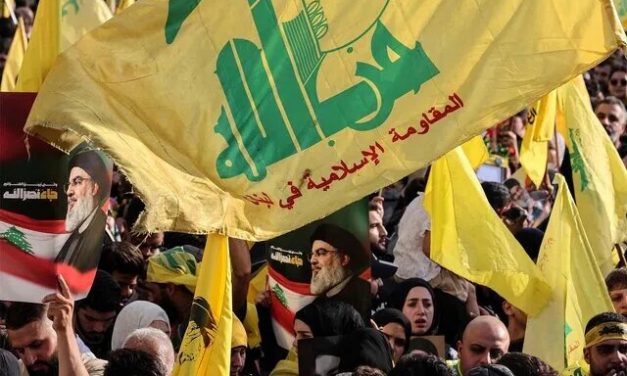
SCFR Online–Opinion: By providing an extensive network of social, healthcare, educational, and post-war reconstruction services, Hezbollah has established a strong social base for itself among Lebanon’s Shiites and Sunnis, and even beyond that, among other segments of Lebanese society, including Christians. Hezbollah has never been an external actor imposed upon Lebanon; rather, it is a phenomenon fundamentally born out of the occupation and crimes of the Zionist regime and itself influenced by popular resistance.

The Increasing Efforts of the Zionist Regime to Redefine Borders and the Regional Order and Its Consequences

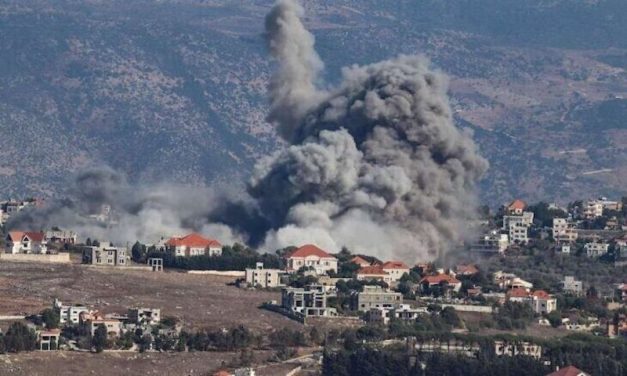
SCFR Online– Opinion: Security and military developments in the region over recent months indicate that the ongoing crises and wars in Gaza, southern Lebanon, and parts of Syrian territory encompass broader dimensions of geopolitical and geostrategic transformations. In this context, the increased military presence and control of the Zionist regime over parts of the territories of these areas, along with proposals regarding the creation of buffer zones or even the expansion of security borders, have raised serious questions about the future of the regional order and its consequences for the countries of West Asia.

The Components of Iran’s Deterrence Power

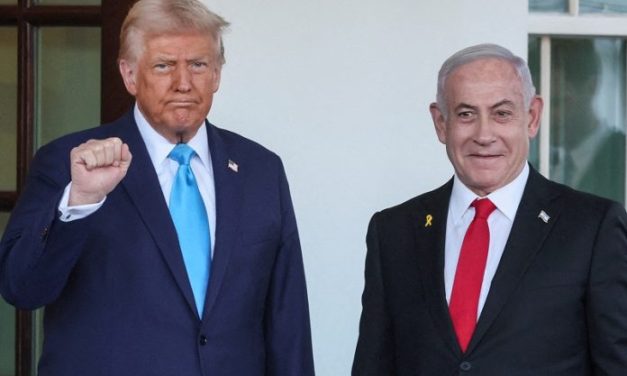
SCFR Online – Opinion: At a time when regional security equations have reached a sensitive stage under the influence of Iran’s strategic confrontation with the United States and the Zionist regime, the question of the nature of Tehran’s defensive power has gained greater significance than ever before. While Washington and Tel Aviv rely on their technological superiority, the Islamic Republic of Iran has presented a model of deterrence that extends beyond the material calculations of the world’s classical militaries. This power, rooted in the connection between “the field” and “the people,” has not only altered the balance of power in recent conflicts but has also disrupted adversaries’ calculations when confronting Iran’s strategic depth.

Loading

AGOL

Necessity of talks between the Taliban and the opposition and listening to public protests

Necessity of talks between the Taliban and the opposition and listening to public protests

Strategic Council Online—Interview: Advisor to the former president of Afghanistan says the Taliban were worried that with the continuation of resistance in Panjshir, nationwide protests and uprising could be formed across whole Afghanistan, adding that protests would definitely continue in Afghanistan in various forms as the majority of the Afghans do not agree with a phenomenon called Taliban.

Parliamentary Elections in Qatar, Its Regional Consequences

Parliamentary Elections in Qatar, Its Regional Consequences

Strategic Council Online – Note: The Emir of Qatar, Sheikh Tamim bin Hamad Al Thani, recently issued a decree announcing the holding of parliamentary elections in that country on October 2. Although the election is considered a practice of democracy in a country with a tribal system, it challenges the approach of other tribal regimes, such as Saudi Arabia, the UAE, and Bahrain, rather than the real electoral aspects.
Hassan Hanizadeh – expert on the Middle East affairs

Afghan asylum seekers; Neighbors’ Role & Responsibility of International Community

Afghan asylum seekers; Neighbors’ Role & Responsibility of International Community

Strategic Council Online- Interview: Former Director of the Logistics Headquarter of Afghanistan at the Ministry of Foreign Affairs having stated that countries and international bodies should fulfill their responsibilities by receiving Afghan asylum seekers and put their full weight behind Iran said:” Iran’s hospitality extended to the asylum seekers will, in fact, prevent them to head towards other regions and European countries.

Afghanistan Crisis and European Positions

Afghanistan Crisis and European Positions

Strategic Council Online – Note: The NATO-led invasion of Afghanistan, which began after 9/11 incident under the pretext of “war on terrorism”, two decades after the mission, the Taliban’s rapid advance has prompted various countries, including NATO members, to rush to withdraw their diplomatic delegations, staff and citizens from the territory of that country. Western troops stationed in Afghanistan have trained the Afghan army for years, but the training has not been enough, and the reason why the Afghan army has failed to defend the capital against the Taliban remains unclear. The head of the Council of Europe does not see the situation in Afghanistan as a successful narrative for the international community and is considering how the EU can use its influence in international relations to defend its interests.
Mahmoud Fazeli – analyst of international affairs

US Failure in Realizing Objectives in Afghanistan

US Failure in Realizing Objectives in Afghanistan

Strategic Council Online – Interview: An expert on US affairs commenting on whether Washington’s decision to withdraw its troops from Afghanistan is taking place at a time when the country has achieved its objectives or the decision indicates the ineffectiveness of the US strategy in Afghanistan, said: The US officials had set two targets at the time of the invasion of Afghanistan; the first was the fight against al-Qaeda terrorism and the second was the establishment of peace, stability and democracy in Afghanistan. But now that their forces are leaving Afghanistan, they claim that their mission has only been to eliminate al-Qaeda terrorism, and in this regard, they cite the killing of Osama bin Laden, the leader of that terrorist movement, as evidence to their claim.

Developments of Afghanistan and importance of role-playing and convergence of neighboring countries

Developments of Afghanistan and importance of role-playing and convergence of neighboring countries

Strategic Council Online-Interview: A political activist of Afghanistan emphasized the significance of consultation and role-playing by countries neighboring Afghanistan and support for the establishment of an inclusive government and said, definitely, the emergence and real representation of a change in the Taliban approach would be the formation of a plural and inclusive government in Afghanistan and all relevant parties in that country should be present in that.

The return of the vicious shadow of Daesh to Iraq; behind the scene

The return of the vicious shadow of Daesh to Iraq; behind the scene

Strategic Council Online—Opinion: Recent attacks by Daesh terrorists on the headquarters of the second brigade of Hashd Shabi forces in al-Taremiyeh north of Baghdad which martyred four Hashd Shabi commanders are suggestive of a new scenario for the return of Daesh to Iraq.
Hassan Hanizadeh-Expert of Middle East issues

Objectives, Implications of Zionist Regime’s Observer Membership in AU

Objectives, Implications of Zionist Regime’s Observer Membership in AU

Strategic Council Online – Note: The observer membership of the Zionist regime in the African Union, of which 19 of the 55 members are Arab and Muslim governments, is a dangerous issue that can have devastating consequences, including creating divisions and disintegration in African countries.
Hamid Khoshayand – analyst of international affairs

أحدث الوظائف

The Inseparability of the Lebanese Front from the Axis of Resistance

SCFR Online–Opinion: By providing an extensive network of social, healthcare, educational, and post-war reconstruction services, Hezbollah has established a strong social base for itself among Lebanon’s Shiites and Sunnis, and even beyond that, among other segments of Lebanese society, including Christians. Hezbollah has never been an external actor imposed upon Lebanon; rather, it is a phenomenon fundamentally born out of the occupation and crimes of the Zionist regime and itself influenced by popular resistance.

The Increasing Efforts of the Zionist Regime to Redefine Borders and the Regional Order and Its Consequences

SCFR Online– Opinion: Security and military developments in the region over recent months indicate that the ongoing crises and wars in Gaza, southern Lebanon, and parts of Syrian territory encompass broader dimensions of geopolitical and geostrategic transformations. In this context, the increased military presence and control of the Zionist regime over parts of the territories of these areas, along with proposals regarding the creation of buffer zones or even the expansion of security borders, have raised serious questions about the future of the regional order and its consequences for the countries of West Asia.

The Components of Iran’s Deterrence Power

SCFR Online – Opinion: At a time when regional security equations have reached a sensitive stage under the influence of Iran’s strategic confrontation with the United States and the Zionist regime, the question of the nature of Tehran’s defensive power has gained greater significance than ever before. While Washington and Tel Aviv rely on their technological superiority, the Islamic Republic of Iran has presented a model of deterrence that extends beyond the material calculations of the world’s classical militaries. This power, rooted in the connection between “the field” and “the people,” has not only altered the balance of power in recent conflicts but has also disrupted adversaries’ calculations when confronting Iran’s strategic depth.

Loading

AGOL

Necessity of talks between the Taliban and the opposition and listening to public protests

Necessity of talks between the Taliban and the opposition and listening to public protests

Strategic Council Online—Interview: Advisor to the former president of Afghanistan says the Taliban were worried that with the continuation of resistance in Panjshir, nationwide protests and uprising could be formed across whole Afghanistan, adding that protests would definitely continue in Afghanistan in various forms as the majority of the Afghans do not agree with a phenomenon called Taliban.

Parliamentary Elections in Qatar, Its Regional Consequences

Parliamentary Elections in Qatar, Its Regional Consequences

Strategic Council Online – Note: The Emir of Qatar, Sheikh Tamim bin Hamad Al Thani, recently issued a decree announcing the holding of parliamentary elections in that country on October 2. Although the election is considered a practice of democracy in a country with a tribal system, it challenges the approach of other tribal regimes, such as Saudi Arabia, the UAE, and Bahrain, rather than the real electoral aspects.
Hassan Hanizadeh – expert on the Middle East affairs

Afghan asylum seekers; Neighbors’ Role & Responsibility of International Community

Afghan asylum seekers; Neighbors’ Role & Responsibility of International Community

Strategic Council Online- Interview: Former Director of the Logistics Headquarter of Afghanistan at the Ministry of Foreign Affairs having stated that countries and international bodies should fulfill their responsibilities by receiving Afghan asylum seekers and put their full weight behind Iran said:” Iran’s hospitality extended to the asylum seekers will, in fact, prevent them to head towards other regions and European countries.

Afghanistan Crisis and European Positions

Afghanistan Crisis and European Positions

Strategic Council Online – Note: The NATO-led invasion of Afghanistan, which began after 9/11 incident under the pretext of “war on terrorism”, two decades after the mission, the Taliban’s rapid advance has prompted various countries, including NATO members, to rush to withdraw their diplomatic delegations, staff and citizens from the territory of that country. Western troops stationed in Afghanistan have trained the Afghan army for years, but the training has not been enough, and the reason why the Afghan army has failed to defend the capital against the Taliban remains unclear. The head of the Council of Europe does not see the situation in Afghanistan as a successful narrative for the international community and is considering how the EU can use its influence in international relations to defend its interests.
Mahmoud Fazeli – analyst of international affairs

US Failure in Realizing Objectives in Afghanistan

US Failure in Realizing Objectives in Afghanistan

Strategic Council Online – Interview: An expert on US affairs commenting on whether Washington’s decision to withdraw its troops from Afghanistan is taking place at a time when the country has achieved its objectives or the decision indicates the ineffectiveness of the US strategy in Afghanistan, said: The US officials had set two targets at the time of the invasion of Afghanistan; the first was the fight against al-Qaeda terrorism and the second was the establishment of peace, stability and democracy in Afghanistan. But now that their forces are leaving Afghanistan, they claim that their mission has only been to eliminate al-Qaeda terrorism, and in this regard, they cite the killing of Osama bin Laden, the leader of that terrorist movement, as evidence to their claim.

Developments of Afghanistan and importance of role-playing and convergence of neighboring countries

Developments of Afghanistan and importance of role-playing and convergence of neighboring countries

Strategic Council Online-Interview: A political activist of Afghanistan emphasized the significance of consultation and role-playing by countries neighboring Afghanistan and support for the establishment of an inclusive government and said, definitely, the emergence and real representation of a change in the Taliban approach would be the formation of a plural and inclusive government in Afghanistan and all relevant parties in that country should be present in that.

The return of the vicious shadow of Daesh to Iraq; behind the scene

The return of the vicious shadow of Daesh to Iraq; behind the scene

Strategic Council Online—Opinion: Recent attacks by Daesh terrorists on the headquarters of the second brigade of Hashd Shabi forces in al-Taremiyeh north of Baghdad which martyred four Hashd Shabi commanders are suggestive of a new scenario for the return of Daesh to Iraq.
Hassan Hanizadeh-Expert of Middle East issues

Objectives, Implications of Zionist Regime’s Observer Membership in AU

Objectives, Implications of Zionist Regime’s Observer Membership in AU

Strategic Council Online – Note: The observer membership of the Zionist regime in the African Union, of which 19 of the 55 members are Arab and Muslim governments, is a dangerous issue that can have devastating consequences, including creating divisions and disintegration in African countries.
Hamid Khoshayand – analyst of international affairs

AGOL

Necessity of talks between the Taliban and the opposition and listening to public protests

Necessity of talks between the Taliban and the opposition and listening to public protests

Strategic Council Online—Interview: Advisor to the former president of Afghanistan says the Taliban were worried that with the continuation of resistance in Panjshir, nationwide protests and uprising could be formed across whole Afghanistan, adding that protests would definitely continue in Afghanistan in various forms as the majority of the Afghans do not agree with a phenomenon called Taliban.

Parliamentary Elections in Qatar, Its Regional Consequences

Parliamentary Elections in Qatar, Its Regional Consequences

Strategic Council Online – Note: The Emir of Qatar, Sheikh Tamim bin Hamad Al Thani, recently issued a decree announcing the holding of parliamentary elections in that country on October 2. Although the election is considered a practice of democracy in a country with a tribal system, it challenges the approach of other tribal regimes, such as Saudi Arabia, the UAE, and Bahrain, rather than the real electoral aspects.
Hassan Hanizadeh – expert on the Middle East affairs

Afghan asylum seekers; Neighbors’ Role & Responsibility of International Community

Afghan asylum seekers; Neighbors’ Role & Responsibility of International Community

Strategic Council Online- Interview: Former Director of the Logistics Headquarter of Afghanistan at the Ministry of Foreign Affairs having stated that countries and international bodies should fulfill their responsibilities by receiving Afghan asylum seekers and put their full weight behind Iran said:” Iran’s hospitality extended to the asylum seekers will, in fact, prevent them to head towards other regions and European countries.

Afghanistan Crisis and European Positions

Afghanistan Crisis and European Positions

Strategic Council Online – Note: The NATO-led invasion of Afghanistan, which began after 9/11 incident under the pretext of “war on terrorism”, two decades after the mission, the Taliban’s rapid advance has prompted various countries, including NATO members, to rush to withdraw their diplomatic delegations, staff and citizens from the territory of that country. Western troops stationed in Afghanistan have trained the Afghan army for years, but the training has not been enough, and the reason why the Afghan army has failed to defend the capital against the Taliban remains unclear. The head of the Council of Europe does not see the situation in Afghanistan as a successful narrative for the international community and is considering how the EU can use its influence in international relations to defend its interests.
Mahmoud Fazeli – analyst of international affairs

US Failure in Realizing Objectives in Afghanistan

US Failure in Realizing Objectives in Afghanistan

Strategic Council Online – Interview: An expert on US affairs commenting on whether Washington’s decision to withdraw its troops from Afghanistan is taking place at a time when the country has achieved its objectives or the decision indicates the ineffectiveness of the US strategy in Afghanistan, said: The US officials had set two targets at the time of the invasion of Afghanistan; the first was the fight against al-Qaeda terrorism and the second was the establishment of peace, stability and democracy in Afghanistan. But now that their forces are leaving Afghanistan, they claim that their mission has only been to eliminate al-Qaeda terrorism, and in this regard, they cite the killing of Osama bin Laden, the leader of that terrorist movement, as evidence to their claim.

Developments of Afghanistan and importance of role-playing and convergence of neighboring countries

Developments of Afghanistan and importance of role-playing and convergence of neighboring countries

Strategic Council Online-Interview: A political activist of Afghanistan emphasized the significance of consultation and role-playing by countries neighboring Afghanistan and support for the establishment of an inclusive government and said, definitely, the emergence and real representation of a change in the Taliban approach would be the formation of a plural and inclusive government in Afghanistan and all relevant parties in that country should be present in that.

The return of the vicious shadow of Daesh to Iraq; behind the scene

The return of the vicious shadow of Daesh to Iraq; behind the scene

Strategic Council Online—Opinion: Recent attacks by Daesh terrorists on the headquarters of the second brigade of Hashd Shabi forces in al-Taremiyeh north of Baghdad which martyred four Hashd Shabi commanders are suggestive of a new scenario for the return of Daesh to Iraq.
Hassan Hanizadeh-Expert of Middle East issues

Objectives, Implications of Zionist Regime’s Observer Membership in AU

Objectives, Implications of Zionist Regime’s Observer Membership in AU

Strategic Council Online – Note: The observer membership of the Zionist regime in the African Union, of which 19 of the 55 members are Arab and Muslim governments, is a dangerous issue that can have devastating consequences, including creating divisions and disintegration in African countries.
Hamid Khoshayand – analyst of international affairs

LATEST CONTENT

The Inseparability of the Lebanese Front from the Axis of Resistance

SCFR Online–Opinion: By providing an extensive network of social, healthcare, educational, and post-war reconstruction services, Hezbollah has established a strong social base for itself among Lebanon’s Shiites and Sunnis, and even beyond that, among other segments of Lebanese society, including Christians. Hezbollah has never been an external actor imposed upon Lebanon; rather, it is a phenomenon fundamentally born out of the occupation and crimes of the Zionist regime and itself influenced by popular resistance.

The Increasing Efforts of the Zionist Regime to Redefine Borders and the Regional Order and Its Consequences

SCFR Online– Opinion: Security and military developments in the region over recent months indicate that the ongoing crises and wars in Gaza, southern Lebanon, and parts of Syrian territory encompass broader dimensions of geopolitical and geostrategic transformations. In this context, the increased military presence and control of the Zionist regime over parts of the territories of these areas, along with proposals regarding the creation of buffer zones or even the expansion of security borders, have raised serious questions about the future of the regional order and its consequences for the countries of West Asia.

The Components of Iran’s Deterrence Power

SCFR Online – Opinion: At a time when regional security equations have reached a sensitive stage under the influence of Iran’s strategic confrontation with the United States and the Zionist regime, the question of the nature of Tehran’s defensive power has gained greater significance than ever before. While Washington and Tel Aviv rely on their technological superiority, the Islamic Republic of Iran has presented a model of deterrence that extends beyond the material calculations of the world’s classical militaries. This power, rooted in the connection between “the field” and “the people,” has not only altered the balance of power in recent conflicts but has also disrupted adversaries’ calculations when confronting Iran’s strategic depth.

Loading

AGOL

Necessity of talks between the Taliban and the opposition and listening to public protests

Necessity of talks between the Taliban and the opposition and listening to public protests

Strategic Council Online—Interview: Advisor to the former president of Afghanistan says the Taliban were worried that with the continuation of resistance in Panjshir, nationwide protests and uprising could be formed across whole Afghanistan, adding that protests would definitely continue in Afghanistan in various forms as the majority of the Afghans do not agree with a phenomenon called Taliban.

Parliamentary Elections in Qatar, Its Regional Consequences

Parliamentary Elections in Qatar, Its Regional Consequences

Strategic Council Online – Note: The Emir of Qatar, Sheikh Tamim bin Hamad Al Thani, recently issued a decree announcing the holding of parliamentary elections in that country on October 2. Although the election is considered a practice of democracy in a country with a tribal system, it challenges the approach of other tribal regimes, such as Saudi Arabia, the UAE, and Bahrain, rather than the real electoral aspects.
Hassan Hanizadeh – expert on the Middle East affairs

Afghan asylum seekers; Neighbors’ Role & Responsibility of International Community

Afghan asylum seekers; Neighbors’ Role & Responsibility of International Community

Strategic Council Online- Interview: Former Director of the Logistics Headquarter of Afghanistan at the Ministry of Foreign Affairs having stated that countries and international bodies should fulfill their responsibilities by receiving Afghan asylum seekers and put their full weight behind Iran said:” Iran’s hospitality extended to the asylum seekers will, in fact, prevent them to head towards other regions and European countries.

Afghanistan Crisis and European Positions

Afghanistan Crisis and European Positions

Strategic Council Online – Note: The NATO-led invasion of Afghanistan, which began after 9/11 incident under the pretext of “war on terrorism”, two decades after the mission, the Taliban’s rapid advance has prompted various countries, including NATO members, to rush to withdraw their diplomatic delegations, staff and citizens from the territory of that country. Western troops stationed in Afghanistan have trained the Afghan army for years, but the training has not been enough, and the reason why the Afghan army has failed to defend the capital against the Taliban remains unclear. The head of the Council of Europe does not see the situation in Afghanistan as a successful narrative for the international community and is considering how the EU can use its influence in international relations to defend its interests.
Mahmoud Fazeli – analyst of international affairs

US Failure in Realizing Objectives in Afghanistan

US Failure in Realizing Objectives in Afghanistan

Strategic Council Online – Interview: An expert on US affairs commenting on whether Washington’s decision to withdraw its troops from Afghanistan is taking place at a time when the country has achieved its objectives or the decision indicates the ineffectiveness of the US strategy in Afghanistan, said: The US officials had set two targets at the time of the invasion of Afghanistan; the first was the fight against al-Qaeda terrorism and the second was the establishment of peace, stability and democracy in Afghanistan. But now that their forces are leaving Afghanistan, they claim that their mission has only been to eliminate al-Qaeda terrorism, and in this regard, they cite the killing of Osama bin Laden, the leader of that terrorist movement, as evidence to their claim.

Developments of Afghanistan and importance of role-playing and convergence of neighboring countries

Developments of Afghanistan and importance of role-playing and convergence of neighboring countries

Strategic Council Online-Interview: A political activist of Afghanistan emphasized the significance of consultation and role-playing by countries neighboring Afghanistan and support for the establishment of an inclusive government and said, definitely, the emergence and real representation of a change in the Taliban approach would be the formation of a plural and inclusive government in Afghanistan and all relevant parties in that country should be present in that.

The return of the vicious shadow of Daesh to Iraq; behind the scene

The return of the vicious shadow of Daesh to Iraq; behind the scene

Strategic Council Online—Opinion: Recent attacks by Daesh terrorists on the headquarters of the second brigade of Hashd Shabi forces in al-Taremiyeh north of Baghdad which martyred four Hashd Shabi commanders are suggestive of a new scenario for the return of Daesh to Iraq.
Hassan Hanizadeh-Expert of Middle East issues

Objectives, Implications of Zionist Regime’s Observer Membership in AU

Objectives, Implications of Zionist Regime’s Observer Membership in AU

Strategic Council Online – Note: The observer membership of the Zionist regime in the African Union, of which 19 of the 55 members are Arab and Muslim governments, is a dangerous issue that can have devastating consequences, including creating divisions and disintegration in African countries.
Hamid Khoshayand – analyst of international affairs

ÚLTIMAS PUBLICACIONES

The Inseparability of the Lebanese Front from the Axis of Resistance

SCFR Online–Opinion: By providing an extensive network of social, healthcare, educational, and post-war reconstruction services, Hezbollah has established a strong social base for itself among Lebanon’s Shiites and Sunnis, and even beyond that, among other segments of Lebanese society, including Christians. Hezbollah has never been an external actor imposed upon Lebanon; rather, it is a phenomenon fundamentally born out of the occupation and crimes of the Zionist regime and itself influenced by popular resistance.

The Increasing Efforts of the Zionist Regime to Redefine Borders and the Regional Order and Its Consequences

SCFR Online– Opinion: Security and military developments in the region over recent months indicate that the ongoing crises and wars in Gaza, southern Lebanon, and parts of Syrian territory encompass broader dimensions of geopolitical and geostrategic transformations. In this context, the increased military presence and control of the Zionist regime over parts of the territories of these areas, along with proposals regarding the creation of buffer zones or even the expansion of security borders, have raised serious questions about the future of the regional order and its consequences for the countries of West Asia.

The Components of Iran’s Deterrence Power

SCFR Online – Opinion: At a time when regional security equations have reached a sensitive stage under the influence of Iran’s strategic confrontation with the United States and the Zionist regime, the question of the nature of Tehran’s defensive power has gained greater significance than ever before. While Washington and Tel Aviv rely on their technological superiority, the Islamic Republic of Iran has presented a model of deterrence that extends beyond the material calculations of the world’s classical militaries. This power, rooted in the connection between “the field” and “the people,” has not only altered the balance of power in recent conflicts but has also disrupted adversaries’ calculations when confronting Iran’s strategic depth.

Loading

AGOL

Necessity of talks between the Taliban and the opposition and listening to public protests

Necessity of talks between the Taliban and the opposition and listening to public protests

Strategic Council Online—Interview: Advisor to the former president of Afghanistan says the Taliban were worried that with the continuation of resistance in Panjshir, nationwide protests and uprising could be formed across whole Afghanistan, adding that protests would definitely continue in Afghanistan in various forms as the majority of the Afghans do not agree with a phenomenon called Taliban.

Parliamentary Elections in Qatar, Its Regional Consequences

Parliamentary Elections in Qatar, Its Regional Consequences

Strategic Council Online – Note: The Emir of Qatar, Sheikh Tamim bin Hamad Al Thani, recently issued a decree announcing the holding of parliamentary elections in that country on October 2. Although the election is considered a practice of democracy in a country with a tribal system, it challenges the approach of other tribal regimes, such as Saudi Arabia, the UAE, and Bahrain, rather than the real electoral aspects.
Hassan Hanizadeh – expert on the Middle East affairs

Afghan asylum seekers; Neighbors’ Role & Responsibility of International Community

Afghan asylum seekers; Neighbors’ Role & Responsibility of International Community

Strategic Council Online- Interview: Former Director of the Logistics Headquarter of Afghanistan at the Ministry of Foreign Affairs having stated that countries and international bodies should fulfill their responsibilities by receiving Afghan asylum seekers and put their full weight behind Iran said:” Iran’s hospitality extended to the asylum seekers will, in fact, prevent them to head towards other regions and European countries.

Afghanistan Crisis and European Positions

Afghanistan Crisis and European Positions

Strategic Council Online – Note: The NATO-led invasion of Afghanistan, which began after 9/11 incident under the pretext of “war on terrorism”, two decades after the mission, the Taliban’s rapid advance has prompted various countries, including NATO members, to rush to withdraw their diplomatic delegations, staff and citizens from the territory of that country. Western troops stationed in Afghanistan have trained the Afghan army for years, but the training has not been enough, and the reason why the Afghan army has failed to defend the capital against the Taliban remains unclear. The head of the Council of Europe does not see the situation in Afghanistan as a successful narrative for the international community and is considering how the EU can use its influence in international relations to defend its interests.
Mahmoud Fazeli – analyst of international affairs

US Failure in Realizing Objectives in Afghanistan

US Failure in Realizing Objectives in Afghanistan

Strategic Council Online – Interview: An expert on US affairs commenting on whether Washington’s decision to withdraw its troops from Afghanistan is taking place at a time when the country has achieved its objectives or the decision indicates the ineffectiveness of the US strategy in Afghanistan, said: The US officials had set two targets at the time of the invasion of Afghanistan; the first was the fight against al-Qaeda terrorism and the second was the establishment of peace, stability and democracy in Afghanistan. But now that their forces are leaving Afghanistan, they claim that their mission has only been to eliminate al-Qaeda terrorism, and in this regard, they cite the killing of Osama bin Laden, the leader of that terrorist movement, as evidence to their claim.

Developments of Afghanistan and importance of role-playing and convergence of neighboring countries

Developments of Afghanistan and importance of role-playing and convergence of neighboring countries

Strategic Council Online-Interview: A political activist of Afghanistan emphasized the significance of consultation and role-playing by countries neighboring Afghanistan and support for the establishment of an inclusive government and said, definitely, the emergence and real representation of a change in the Taliban approach would be the formation of a plural and inclusive government in Afghanistan and all relevant parties in that country should be present in that.

The return of the vicious shadow of Daesh to Iraq; behind the scene

The return of the vicious shadow of Daesh to Iraq; behind the scene

Strategic Council Online—Opinion: Recent attacks by Daesh terrorists on the headquarters of the second brigade of Hashd Shabi forces in al-Taremiyeh north of Baghdad which martyred four Hashd Shabi commanders are suggestive of a new scenario for the return of Daesh to Iraq.
Hassan Hanizadeh-Expert of Middle East issues

Objectives, Implications of Zionist Regime’s Observer Membership in AU

Objectives, Implications of Zionist Regime’s Observer Membership in AU

Strategic Council Online – Note: The observer membership of the Zionist regime in the African Union, of which 19 of the 55 members are Arab and Muslim governments, is a dangerous issue that can have devastating consequences, including creating divisions and disintegration in African countries.
Hamid Khoshayand – analyst of international affairs

ÚLTIMAS PUBLICACIONES

The Inseparability of the Lebanese Front from the Axis of Resistance

SCFR Online–Opinion: By providing an extensive network of social, healthcare, educational, and post-war reconstruction services, Hezbollah has established a strong social base for itself among Lebanon’s Shiites and Sunnis, and even beyond that, among other segments of Lebanese society, including Christians. Hezbollah has never been an external actor imposed upon Lebanon; rather, it is a phenomenon fundamentally born out of the occupation and crimes of the Zionist regime and itself influenced by popular resistance.

The Increasing Efforts of the Zionist Regime to Redefine Borders and the Regional Order and Its Consequences

SCFR Online– Opinion: Security and military developments in the region over recent months indicate that the ongoing crises and wars in Gaza, southern Lebanon, and parts of Syrian territory encompass broader dimensions of geopolitical and geostrategic transformations. In this context, the increased military presence and control of the Zionist regime over parts of the territories of these areas, along with proposals regarding the creation of buffer zones or even the expansion of security borders, have raised serious questions about the future of the regional order and its consequences for the countries of West Asia.

The Components of Iran’s Deterrence Power

SCFR Online – Opinion: At a time when regional security equations have reached a sensitive stage under the influence of Iran’s strategic confrontation with the United States and the Zionist regime, the question of the nature of Tehran’s defensive power has gained greater significance than ever before. While Washington and Tel Aviv rely on their technological superiority, the Islamic Republic of Iran has presented a model of deterrence that extends beyond the material calculations of the world’s classical militaries. This power, rooted in the connection between “the field” and “the people,” has not only altered the balance of power in recent conflicts but has also disrupted adversaries’ calculations when confronting Iran’s strategic depth.

Loading

AGOL

Necessity of talks between the Taliban and the opposition and listening to public protests

Necessity of talks between the Taliban and the opposition and listening to public protests

Strategic Council Online—Interview: Advisor to the former president of Afghanistan says the Taliban were worried that with the continuation of resistance in Panjshir, nationwide protests and uprising could be formed across whole Afghanistan, adding that protests would definitely continue in Afghanistan in various forms as the majority of the Afghans do not agree with a phenomenon called Taliban.

Parliamentary Elections in Qatar, Its Regional Consequences

Parliamentary Elections in Qatar, Its Regional Consequences

Strategic Council Online – Note: The Emir of Qatar, Sheikh Tamim bin Hamad Al Thani, recently issued a decree announcing the holding of parliamentary elections in that country on October 2. Although the election is considered a practice of democracy in a country with a tribal system, it challenges the approach of other tribal regimes, such as Saudi Arabia, the UAE, and Bahrain, rather than the real electoral aspects.
Hassan Hanizadeh – expert on the Middle East affairs

Afghan asylum seekers; Neighbors’ Role & Responsibility of International Community

Afghan asylum seekers; Neighbors’ Role & Responsibility of International Community

Strategic Council Online- Interview: Former Director of the Logistics Headquarter of Afghanistan at the Ministry of Foreign Affairs having stated that countries and international bodies should fulfill their responsibilities by receiving Afghan asylum seekers and put their full weight behind Iran said:” Iran’s hospitality extended to the asylum seekers will, in fact, prevent them to head towards other regions and European countries.

Afghanistan Crisis and European Positions

Afghanistan Crisis and European Positions

Strategic Council Online – Note: The NATO-led invasion of Afghanistan, which began after 9/11 incident under the pretext of “war on terrorism”, two decades after the mission, the Taliban’s rapid advance has prompted various countries, including NATO members, to rush to withdraw their diplomatic delegations, staff and citizens from the territory of that country. Western troops stationed in Afghanistan have trained the Afghan army for years, but the training has not been enough, and the reason why the Afghan army has failed to defend the capital against the Taliban remains unclear. The head of the Council of Europe does not see the situation in Afghanistan as a successful narrative for the international community and is considering how the EU can use its influence in international relations to defend its interests.
Mahmoud Fazeli – analyst of international affairs

US Failure in Realizing Objectives in Afghanistan

US Failure in Realizing Objectives in Afghanistan

Strategic Council Online – Interview: An expert on US affairs commenting on whether Washington’s decision to withdraw its troops from Afghanistan is taking place at a time when the country has achieved its objectives or the decision indicates the ineffectiveness of the US strategy in Afghanistan, said: The US officials had set two targets at the time of the invasion of Afghanistan; the first was the fight against al-Qaeda terrorism and the second was the establishment of peace, stability and democracy in Afghanistan. But now that their forces are leaving Afghanistan, they claim that their mission has only been to eliminate al-Qaeda terrorism, and in this regard, they cite the killing of Osama bin Laden, the leader of that terrorist movement, as evidence to their claim.

Developments of Afghanistan and importance of role-playing and convergence of neighboring countries

Developments of Afghanistan and importance of role-playing and convergence of neighboring countries

Strategic Council Online-Interview: A political activist of Afghanistan emphasized the significance of consultation and role-playing by countries neighboring Afghanistan and support for the establishment of an inclusive government and said, definitely, the emergence and real representation of a change in the Taliban approach would be the formation of a plural and inclusive government in Afghanistan and all relevant parties in that country should be present in that.

The return of the vicious shadow of Daesh to Iraq; behind the scene

The return of the vicious shadow of Daesh to Iraq; behind the scene

Strategic Council Online—Opinion: Recent attacks by Daesh terrorists on the headquarters of the second brigade of Hashd Shabi forces in al-Taremiyeh north of Baghdad which martyred four Hashd Shabi commanders are suggestive of a new scenario for the return of Daesh to Iraq.
Hassan Hanizadeh-Expert of Middle East issues

Objectives, Implications of Zionist Regime’s Observer Membership in AU

Objectives, Implications of Zionist Regime’s Observer Membership in AU

Strategic Council Online – Note: The observer membership of the Zionist regime in the African Union, of which 19 of the 55 members are Arab and Muslim governments, is a dangerous issue that can have devastating consequences, including creating divisions and disintegration in African countries.
Hamid Khoshayand – analyst of international affairs

ÚLTIMAS PUBLICACIONES

The Inseparability of the Lebanese Front from the Axis of Resistance

SCFR Online–Opinion: By providing an extensive network of social, healthcare, educational, and post-war reconstruction services, Hezbollah has established a strong social base for itself among Lebanon’s Shiites and Sunnis, and even beyond that, among other segments of Lebanese society, including Christians. Hezbollah has never been an external actor imposed upon Lebanon; rather, it is a phenomenon fundamentally born out of the occupation and crimes of the Zionist regime and itself influenced by popular resistance.

The Increasing Efforts of the Zionist Regime to Redefine Borders and the Regional Order and Its Consequences

SCFR Online– Opinion: Security and military developments in the region over recent months indicate that the ongoing crises and wars in Gaza, southern Lebanon, and parts of Syrian territory encompass broader dimensions of geopolitical and geostrategic transformations. In this context, the increased military presence and control of the Zionist regime over parts of the territories of these areas, along with proposals regarding the creation of buffer zones or even the expansion of security borders, have raised serious questions about the future of the regional order and its consequences for the countries of West Asia.

The Components of Iran’s Deterrence Power

SCFR Online – Opinion: At a time when regional security equations have reached a sensitive stage under the influence of Iran’s strategic confrontation with the United States and the Zionist regime, the question of the nature of Tehran’s defensive power has gained greater significance than ever before. While Washington and Tel Aviv rely on their technological superiority, the Islamic Republic of Iran has presented a model of deterrence that extends beyond the material calculations of the world’s classical militaries. This power, rooted in the connection between “the field” and “the people,” has not only altered the balance of power in recent conflicts but has also disrupted adversaries’ calculations when confronting Iran’s strategic depth.

Loading

AGOL

Necessity of talks between the Taliban and the opposition and listening to public protests

Necessity of talks between the Taliban and the opposition and listening to public protests

Strategic Council Online—Interview: Advisor to the former president of Afghanistan says the Taliban were worried that with the continuation of resistance in Panjshir, nationwide protests and uprising could be formed across whole Afghanistan, adding that protests would definitely continue in Afghanistan in various forms as the majority of the Afghans do not agree with a phenomenon called Taliban.

Parliamentary Elections in Qatar, Its Regional Consequences

Parliamentary Elections in Qatar, Its Regional Consequences

Strategic Council Online – Note: The Emir of Qatar, Sheikh Tamim bin Hamad Al Thani, recently issued a decree announcing the holding of parliamentary elections in that country on October 2. Although the election is considered a practice of democracy in a country with a tribal system, it challenges the approach of other tribal regimes, such as Saudi Arabia, the UAE, and Bahrain, rather than the real electoral aspects.
Hassan Hanizadeh – expert on the Middle East affairs

Afghan asylum seekers; Neighbors’ Role & Responsibility of International Community

Afghan asylum seekers; Neighbors’ Role & Responsibility of International Community

Strategic Council Online- Interview: Former Director of the Logistics Headquarter of Afghanistan at the Ministry of Foreign Affairs having stated that countries and international bodies should fulfill their responsibilities by receiving Afghan asylum seekers and put their full weight behind Iran said:” Iran’s hospitality extended to the asylum seekers will, in fact, prevent them to head towards other regions and European countries.

Afghanistan Crisis and European Positions

Afghanistan Crisis and European Positions

Strategic Council Online – Note: The NATO-led invasion of Afghanistan, which began after 9/11 incident under the pretext of “war on terrorism”, two decades after the mission, the Taliban’s rapid advance has prompted various countries, including NATO members, to rush to withdraw their diplomatic delegations, staff and citizens from the territory of that country. Western troops stationed in Afghanistan have trained the Afghan army for years, but the training has not been enough, and the reason why the Afghan army has failed to defend the capital against the Taliban remains unclear. The head of the Council of Europe does not see the situation in Afghanistan as a successful narrative for the international community and is considering how the EU can use its influence in international relations to defend its interests.
Mahmoud Fazeli – analyst of international affairs

US Failure in Realizing Objectives in Afghanistan

US Failure in Realizing Objectives in Afghanistan

Strategic Council Online – Interview: An expert on US affairs commenting on whether Washington’s decision to withdraw its troops from Afghanistan is taking place at a time when the country has achieved its objectives or the decision indicates the ineffectiveness of the US strategy in Afghanistan, said: The US officials had set two targets at the time of the invasion of Afghanistan; the first was the fight against al-Qaeda terrorism and the second was the establishment of peace, stability and democracy in Afghanistan. But now that their forces are leaving Afghanistan, they claim that their mission has only been to eliminate al-Qaeda terrorism, and in this regard, they cite the killing of Osama bin Laden, the leader of that terrorist movement, as evidence to their claim.

Developments of Afghanistan and importance of role-playing and convergence of neighboring countries

Developments of Afghanistan and importance of role-playing and convergence of neighboring countries

Strategic Council Online-Interview: A political activist of Afghanistan emphasized the significance of consultation and role-playing by countries neighboring Afghanistan and support for the establishment of an inclusive government and said, definitely, the emergence and real representation of a change in the Taliban approach would be the formation of a plural and inclusive government in Afghanistan and all relevant parties in that country should be present in that.

The return of the vicious shadow of Daesh to Iraq; behind the scene

The return of the vicious shadow of Daesh to Iraq; behind the scene

Strategic Council Online—Opinion: Recent attacks by Daesh terrorists on the headquarters of the second brigade of Hashd Shabi forces in al-Taremiyeh north of Baghdad which martyred four Hashd Shabi commanders are suggestive of a new scenario for the return of Daesh to Iraq.
Hassan Hanizadeh-Expert of Middle East issues

Objectives, Implications of Zionist Regime’s Observer Membership in AU

Objectives, Implications of Zionist Regime’s Observer Membership in AU

Strategic Council Online – Note: The observer membership of the Zionist regime in the African Union, of which 19 of the 55 members are Arab and Muslim governments, is a dangerous issue that can have devastating consequences, including creating divisions and disintegration in African countries.
Hamid Khoshayand – analyst of international affairs

ÚLTIMAS PUBLICACIONES

The Inseparability of the Lebanese Front from the Axis of Resistance

SCFR Online–Opinion: By providing an extensive network of social, healthcare, educational, and post-war reconstruction services, Hezbollah has established a strong social base for itself among Lebanon’s Shiites and Sunnis, and even beyond that, among other segments of Lebanese society, including Christians. Hezbollah has never been an external actor imposed upon Lebanon; rather, it is a phenomenon fundamentally born out of the occupation and crimes of the Zionist regime and itself influenced by popular resistance.

The Increasing Efforts of the Zionist Regime to Redefine Borders and the Regional Order and Its Consequences

SCFR Online– Opinion: Security and military developments in the region over recent months indicate that the ongoing crises and wars in Gaza, southern Lebanon, and parts of Syrian territory encompass broader dimensions of geopolitical and geostrategic transformations. In this context, the increased military presence and control of the Zionist regime over parts of the territories of these areas, along with proposals regarding the creation of buffer zones or even the expansion of security borders, have raised serious questions about the future of the regional order and its consequences for the countries of West Asia.

The Components of Iran’s Deterrence Power

SCFR Online – Opinion: At a time when regional security equations have reached a sensitive stage under the influence of Iran’s strategic confrontation with the United States and the Zionist regime, the question of the nature of Tehran’s defensive power has gained greater significance than ever before. While Washington and Tel Aviv rely on their technological superiority, the Islamic Republic of Iran has presented a model of deterrence that extends beyond the material calculations of the world’s classical militaries. This power, rooted in the connection between “the field” and “the people,” has not only altered the balance of power in recent conflicts but has also disrupted adversaries’ calculations when confronting Iran’s strategic depth.

Loading