جدیدترین مطالب

The Inseparability of the Lebanese Front from the Axis of Resistance

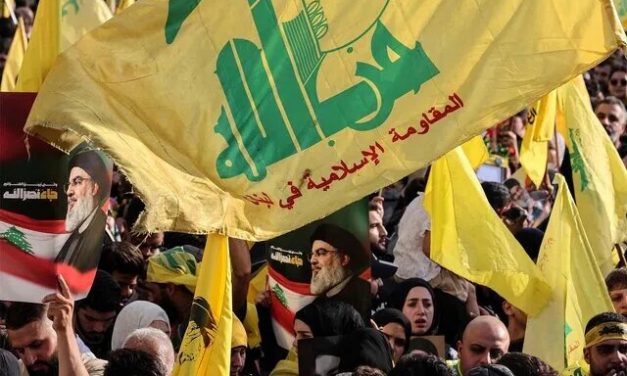
SCFR Online–Opinion: By providing an extensive network of social, healthcare, educational, and post-war reconstruction services, Hezbollah has established a strong social base for itself among Lebanon’s Shiites and Sunnis, and even beyond that, among other segments of Lebanese society, including Christians. Hezbollah has never been an external actor imposed upon Lebanon; rather, it is a phenomenon fundamentally born out of the occupation and crimes of the Zionist regime and itself influenced by popular resistance.

The Increasing Efforts of the Zionist Regime to Redefine Borders and the Regional Order and Its Consequences

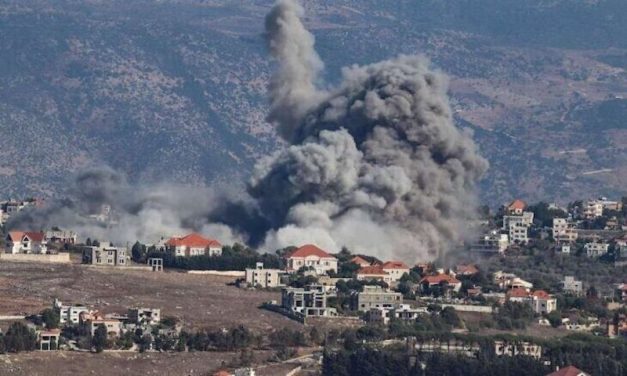
SCFR Online– Opinion: Security and military developments in the region over recent months indicate that the ongoing crises and wars in Gaza, southern Lebanon, and parts of Syrian territory encompass broader dimensions of geopolitical and geostrategic transformations. In this context, the increased military presence and control of the Zionist regime over parts of the territories of these areas, along with proposals regarding the creation of buffer zones or even the expansion of security borders, have raised serious questions about the future of the regional order and its consequences for the countries of West Asia.

The Components of Iran’s Deterrence Power

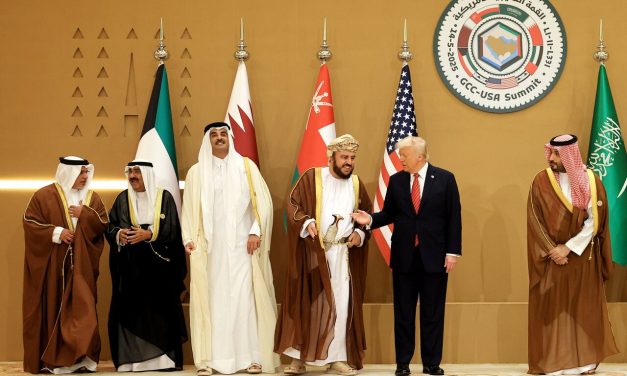
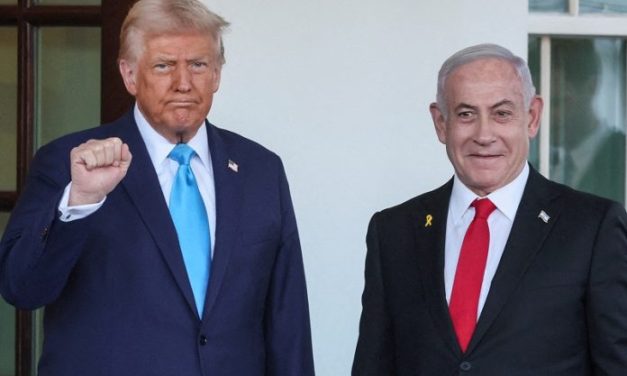
SCFR Online – Opinion: At a time when regional security equations have reached a sensitive stage under the influence of Iran’s strategic confrontation with the United States and the Zionist regime, the question of the nature of Tehran’s defensive power has gained greater significance than ever before. While Washington and Tel Aviv rely on their technological superiority, the Islamic Republic of Iran has presented a model of deterrence that extends beyond the material calculations of the world’s classical militaries. This power, rooted in the connection between “the field” and “the people,” has not only altered the balance of power in recent conflicts but has also disrupted adversaries’ calculations when confronting Iran’s strategic depth.

Loading

AGOL

British Anti – Human Rights Measure in Deporting Asylum Seekers to Rwanda

British Anti – Human Rights Measure in Deporting Asylum Seekers to Rwanda

Strategic Council Online – Interview: Having stated that the behavior of the British government in deporting asylum seekers to Rwanda is a blatant violation of international conventions, an expert of European affairs said:” Now, that Britain has been tested for her behavior on asylum seekers, it proved it cannot admit even such a small number of them”.

US Strategy; Non-Return of Russia-Europe Relations to before Ukraine Crisis

US Strategy; Non-Return of Russia-Europe Relations to before Ukraine Crisis

Strategic Council Online – Interview: An expert on Russia affairs said that the tension and hostility between Russia and Europe has reached a level that its return to the time before the war in Ukraine is practically impossible, adding: The EU adherence to the US strategic reservations against Russia, despite high economic losses of Europe and Russia, will still continue.

Prospect of Forming Government in Iraq after Withdrawal of Sadr Movement from Political Process

Prospect of Forming Government in Iraq after Withdrawal of Sadr Movement from Political Process

Strategic Council Online – Interview: An expert on Iraq affairs, stating that the current situation leads the Shiite currents to form a government, noted: Shiite groups seek to form a government with the opportunity that has been created, and increasing the number of seats will give them this opportunity, but it is not clear what policy the Sadr Movement wants to pursue outside the political process towards the formation of the government.

Challenges Facing Democrats on Biden’s Declining Popularity

Challenges Facing Democrats on Biden’s Declining Popularity

Strategic Council Online – Interview: An expert on US affairs says the Democrats are facing the challenge of unpopularity and are likely to lose seats in the mid-term congressional elections. He added: The internal situation in the United States is very chaotic for a variety of reasons, and its distorted image has negatively affected its soft power in the world.

Strategic Effects of the Recent Iraqi Parliament Anti-Zionist Bill

Strategic Effects of the Recent Iraqi Parliament Anti-Zionist Bill

Strategic Council Online – Opinion: There are a couple of different readings on the recent Iraqi parliament bill about banning the normalization of relations with the Zionist regime; The first interpretation deals with it from micro scale and studies the case from executive background. The second interpretation reviews the bill from macro and strategic aspects and thus analyses its effects on Iraq’s foreign relations as well as political and military equations of the region.
Jafar Ghannad Baashi, Expert of the Middle East issues

Prospect of Legislation on Banning Normalization of Relations with Zionist Regime in Certain Arab Countries

Prospect of Legislation on Banning Normalization of Relations with Zionist Regime in Certain Arab Countries

Strategic Council Online – Opinion: Under circumstances that the Zionist regime is in a difficult situation in terms of security, political, economic, social … issues which, as admitted by the leaders of that regime, has been unprecedented in the past 75 years, we are witnessing actions taken by certain important Arab states, including Iraq, for confronting the strategy of normalization of the Zionist regime’s relations with Arab and Islamic countries.
Hamid Khoshayand – Expert on regional affairs

An Analysis on Revival of Turkish-UAE Relations

An Analysis on Revival of Turkish-UAE Relations

Strategic Council Online – Guest Opinion: After a decade of cold relations, Turkey and the UAE are on the path to reviving bilateral relations. This new trend began in 2021 with a series of high-level diplomatic meetings and contacts, culminating in Mohamed bin Zayed’s November visit to Ankara. Recently, Recep Tayyip Erdogan visited Abu Dhabi to offer condolences on the death of Khalifa bin Zayed Al Nahyan. The trip also saw the signing of more than 10 agreements between the two countries, including a defense industry cooperation agreement.
Seyed Hamed Hosseini – PhD student in international relations
Motivations

Saudi Arabia & the Zionist Regime; challenges & Concerns ahead

Saudi Arabia & the Zionist Regime; challenges & Concerns ahead

Strategic Council Online – Opinion: Saudi Arabia policy versus the Zionist regime has always been impressed by domestic, regional and international elements as well as components. While the authorities of Al Saud have always tried to turn Palestinian issue as the axis of their Arabic – Islamic policy to draw a macro image of the so-called concerns of the kingdom, they have kept their connecting channels active for the development of their clandestine relations with the Zionist regime.
Kamran Karami, Researcher of Arabic Peninsula issues

أحدث الوظائف

The Inseparability of the Lebanese Front from the Axis of Resistance

SCFR Online–Opinion: By providing an extensive network of social, healthcare, educational, and post-war reconstruction services, Hezbollah has established a strong social base for itself among Lebanon’s Shiites and Sunnis, and even beyond that, among other segments of Lebanese society, including Christians. Hezbollah has never been an external actor imposed upon Lebanon; rather, it is a phenomenon fundamentally born out of the occupation and crimes of the Zionist regime and itself influenced by popular resistance.

The Increasing Efforts of the Zionist Regime to Redefine Borders and the Regional Order and Its Consequences

SCFR Online– Opinion: Security and military developments in the region over recent months indicate that the ongoing crises and wars in Gaza, southern Lebanon, and parts of Syrian territory encompass broader dimensions of geopolitical and geostrategic transformations. In this context, the increased military presence and control of the Zionist regime over parts of the territories of these areas, along with proposals regarding the creation of buffer zones or even the expansion of security borders, have raised serious questions about the future of the regional order and its consequences for the countries of West Asia.

The Components of Iran’s Deterrence Power

SCFR Online – Opinion: At a time when regional security equations have reached a sensitive stage under the influence of Iran’s strategic confrontation with the United States and the Zionist regime, the question of the nature of Tehran’s defensive power has gained greater significance than ever before. While Washington and Tel Aviv rely on their technological superiority, the Islamic Republic of Iran has presented a model of deterrence that extends beyond the material calculations of the world’s classical militaries. This power, rooted in the connection between “the field” and “the people,” has not only altered the balance of power in recent conflicts but has also disrupted adversaries’ calculations when confronting Iran’s strategic depth.

Loading

AGOL

British Anti – Human Rights Measure in Deporting Asylum Seekers to Rwanda

British Anti – Human Rights Measure in Deporting Asylum Seekers to Rwanda

Strategic Council Online – Interview: Having stated that the behavior of the British government in deporting asylum seekers to Rwanda is a blatant violation of international conventions, an expert of European affairs said:” Now, that Britain has been tested for her behavior on asylum seekers, it proved it cannot admit even such a small number of them”.

US Strategy; Non-Return of Russia-Europe Relations to before Ukraine Crisis

US Strategy; Non-Return of Russia-Europe Relations to before Ukraine Crisis

Strategic Council Online – Interview: An expert on Russia affairs said that the tension and hostility between Russia and Europe has reached a level that its return to the time before the war in Ukraine is practically impossible, adding: The EU adherence to the US strategic reservations against Russia, despite high economic losses of Europe and Russia, will still continue.

Prospect of Forming Government in Iraq after Withdrawal of Sadr Movement from Political Process

Prospect of Forming Government in Iraq after Withdrawal of Sadr Movement from Political Process

Strategic Council Online – Interview: An expert on Iraq affairs, stating that the current situation leads the Shiite currents to form a government, noted: Shiite groups seek to form a government with the opportunity that has been created, and increasing the number of seats will give them this opportunity, but it is not clear what policy the Sadr Movement wants to pursue outside the political process towards the formation of the government.

Challenges Facing Democrats on Biden’s Declining Popularity

Challenges Facing Democrats on Biden’s Declining Popularity

Strategic Council Online – Interview: An expert on US affairs says the Democrats are facing the challenge of unpopularity and are likely to lose seats in the mid-term congressional elections. He added: The internal situation in the United States is very chaotic for a variety of reasons, and its distorted image has negatively affected its soft power in the world.

Strategic Effects of the Recent Iraqi Parliament Anti-Zionist Bill

Strategic Effects of the Recent Iraqi Parliament Anti-Zionist Bill

Strategic Council Online – Opinion: There are a couple of different readings on the recent Iraqi parliament bill about banning the normalization of relations with the Zionist regime; The first interpretation deals with it from micro scale and studies the case from executive background. The second interpretation reviews the bill from macro and strategic aspects and thus analyses its effects on Iraq’s foreign relations as well as political and military equations of the region.
Jafar Ghannad Baashi, Expert of the Middle East issues

Prospect of Legislation on Banning Normalization of Relations with Zionist Regime in Certain Arab Countries

Prospect of Legislation on Banning Normalization of Relations with Zionist Regime in Certain Arab Countries

Strategic Council Online – Opinion: Under circumstances that the Zionist regime is in a difficult situation in terms of security, political, economic, social … issues which, as admitted by the leaders of that regime, has been unprecedented in the past 75 years, we are witnessing actions taken by certain important Arab states, including Iraq, for confronting the strategy of normalization of the Zionist regime’s relations with Arab and Islamic countries.
Hamid Khoshayand – Expert on regional affairs

An Analysis on Revival of Turkish-UAE Relations

An Analysis on Revival of Turkish-UAE Relations

Strategic Council Online – Guest Opinion: After a decade of cold relations, Turkey and the UAE are on the path to reviving bilateral relations. This new trend began in 2021 with a series of high-level diplomatic meetings and contacts, culminating in Mohamed bin Zayed’s November visit to Ankara. Recently, Recep Tayyip Erdogan visited Abu Dhabi to offer condolences on the death of Khalifa bin Zayed Al Nahyan. The trip also saw the signing of more than 10 agreements between the two countries, including a defense industry cooperation agreement.
Seyed Hamed Hosseini – PhD student in international relations
Motivations

Saudi Arabia & the Zionist Regime; challenges & Concerns ahead

Saudi Arabia & the Zionist Regime; challenges & Concerns ahead

Strategic Council Online – Opinion: Saudi Arabia policy versus the Zionist regime has always been impressed by domestic, regional and international elements as well as components. While the authorities of Al Saud have always tried to turn Palestinian issue as the axis of their Arabic – Islamic policy to draw a macro image of the so-called concerns of the kingdom, they have kept their connecting channels active for the development of their clandestine relations with the Zionist regime.
Kamran Karami, Researcher of Arabic Peninsula issues

AGOL

British Anti – Human Rights Measure in Deporting Asylum Seekers to Rwanda

British Anti – Human Rights Measure in Deporting Asylum Seekers to Rwanda

Strategic Council Online – Interview: Having stated that the behavior of the British government in deporting asylum seekers to Rwanda is a blatant violation of international conventions, an expert of European affairs said:” Now, that Britain has been tested for her behavior on asylum seekers, it proved it cannot admit even such a small number of them”.

US Strategy; Non-Return of Russia-Europe Relations to before Ukraine Crisis

US Strategy; Non-Return of Russia-Europe Relations to before Ukraine Crisis

Strategic Council Online – Interview: An expert on Russia affairs said that the tension and hostility between Russia and Europe has reached a level that its return to the time before the war in Ukraine is practically impossible, adding: The EU adherence to the US strategic reservations against Russia, despite high economic losses of Europe and Russia, will still continue.

Prospect of Forming Government in Iraq after Withdrawal of Sadr Movement from Political Process

Prospect of Forming Government in Iraq after Withdrawal of Sadr Movement from Political Process

Strategic Council Online – Interview: An expert on Iraq affairs, stating that the current situation leads the Shiite currents to form a government, noted: Shiite groups seek to form a government with the opportunity that has been created, and increasing the number of seats will give them this opportunity, but it is not clear what policy the Sadr Movement wants to pursue outside the political process towards the formation of the government.

Challenges Facing Democrats on Biden’s Declining Popularity

Challenges Facing Democrats on Biden’s Declining Popularity

Strategic Council Online – Interview: An expert on US affairs says the Democrats are facing the challenge of unpopularity and are likely to lose seats in the mid-term congressional elections. He added: The internal situation in the United States is very chaotic for a variety of reasons, and its distorted image has negatively affected its soft power in the world.

Strategic Effects of the Recent Iraqi Parliament Anti-Zionist Bill

Strategic Effects of the Recent Iraqi Parliament Anti-Zionist Bill

Strategic Council Online – Opinion: There are a couple of different readings on the recent Iraqi parliament bill about banning the normalization of relations with the Zionist regime; The first interpretation deals with it from micro scale and studies the case from executive background. The second interpretation reviews the bill from macro and strategic aspects and thus analyses its effects on Iraq’s foreign relations as well as political and military equations of the region.
Jafar Ghannad Baashi, Expert of the Middle East issues

Prospect of Legislation on Banning Normalization of Relations with Zionist Regime in Certain Arab Countries

Prospect of Legislation on Banning Normalization of Relations with Zionist Regime in Certain Arab Countries

Strategic Council Online – Opinion: Under circumstances that the Zionist regime is in a difficult situation in terms of security, political, economic, social … issues which, as admitted by the leaders of that regime, has been unprecedented in the past 75 years, we are witnessing actions taken by certain important Arab states, including Iraq, for confronting the strategy of normalization of the Zionist regime’s relations with Arab and Islamic countries.
Hamid Khoshayand – Expert on regional affairs

An Analysis on Revival of Turkish-UAE Relations

An Analysis on Revival of Turkish-UAE Relations

Strategic Council Online – Guest Opinion: After a decade of cold relations, Turkey and the UAE are on the path to reviving bilateral relations. This new trend began in 2021 with a series of high-level diplomatic meetings and contacts, culminating in Mohamed bin Zayed’s November visit to Ankara. Recently, Recep Tayyip Erdogan visited Abu Dhabi to offer condolences on the death of Khalifa bin Zayed Al Nahyan. The trip also saw the signing of more than 10 agreements between the two countries, including a defense industry cooperation agreement.
Seyed Hamed Hosseini – PhD student in international relations
Motivations

Saudi Arabia & the Zionist Regime; challenges & Concerns ahead

Saudi Arabia & the Zionist Regime; challenges & Concerns ahead

Strategic Council Online – Opinion: Saudi Arabia policy versus the Zionist regime has always been impressed by domestic, regional and international elements as well as components. While the authorities of Al Saud have always tried to turn Palestinian issue as the axis of their Arabic – Islamic policy to draw a macro image of the so-called concerns of the kingdom, they have kept their connecting channels active for the development of their clandestine relations with the Zionist regime.
Kamran Karami, Researcher of Arabic Peninsula issues

LATEST CONTENT

The Inseparability of the Lebanese Front from the Axis of Resistance

SCFR Online–Opinion: By providing an extensive network of social, healthcare, educational, and post-war reconstruction services, Hezbollah has established a strong social base for itself among Lebanon’s Shiites and Sunnis, and even beyond that, among other segments of Lebanese society, including Christians. Hezbollah has never been an external actor imposed upon Lebanon; rather, it is a phenomenon fundamentally born out of the occupation and crimes of the Zionist regime and itself influenced by popular resistance.

The Increasing Efforts of the Zionist Regime to Redefine Borders and the Regional Order and Its Consequences

SCFR Online– Opinion: Security and military developments in the region over recent months indicate that the ongoing crises and wars in Gaza, southern Lebanon, and parts of Syrian territory encompass broader dimensions of geopolitical and geostrategic transformations. In this context, the increased military presence and control of the Zionist regime over parts of the territories of these areas, along with proposals regarding the creation of buffer zones or even the expansion of security borders, have raised serious questions about the future of the regional order and its consequences for the countries of West Asia.

The Components of Iran’s Deterrence Power

SCFR Online – Opinion: At a time when regional security equations have reached a sensitive stage under the influence of Iran’s strategic confrontation with the United States and the Zionist regime, the question of the nature of Tehran’s defensive power has gained greater significance than ever before. While Washington and Tel Aviv rely on their technological superiority, the Islamic Republic of Iran has presented a model of deterrence that extends beyond the material calculations of the world’s classical militaries. This power, rooted in the connection between “the field” and “the people,” has not only altered the balance of power in recent conflicts but has also disrupted adversaries’ calculations when confronting Iran’s strategic depth.

Loading

AGOL

British Anti – Human Rights Measure in Deporting Asylum Seekers to Rwanda

British Anti – Human Rights Measure in Deporting Asylum Seekers to Rwanda

Strategic Council Online – Interview: Having stated that the behavior of the British government in deporting asylum seekers to Rwanda is a blatant violation of international conventions, an expert of European affairs said:” Now, that Britain has been tested for her behavior on asylum seekers, it proved it cannot admit even such a small number of them”.

US Strategy; Non-Return of Russia-Europe Relations to before Ukraine Crisis

US Strategy; Non-Return of Russia-Europe Relations to before Ukraine Crisis

Strategic Council Online – Interview: An expert on Russia affairs said that the tension and hostility between Russia and Europe has reached a level that its return to the time before the war in Ukraine is practically impossible, adding: The EU adherence to the US strategic reservations against Russia, despite high economic losses of Europe and Russia, will still continue.

Prospect of Forming Government in Iraq after Withdrawal of Sadr Movement from Political Process

Prospect of Forming Government in Iraq after Withdrawal of Sadr Movement from Political Process

Strategic Council Online – Interview: An expert on Iraq affairs, stating that the current situation leads the Shiite currents to form a government, noted: Shiite groups seek to form a government with the opportunity that has been created, and increasing the number of seats will give them this opportunity, but it is not clear what policy the Sadr Movement wants to pursue outside the political process towards the formation of the government.

Challenges Facing Democrats on Biden’s Declining Popularity

Challenges Facing Democrats on Biden’s Declining Popularity

Strategic Council Online – Interview: An expert on US affairs says the Democrats are facing the challenge of unpopularity and are likely to lose seats in the mid-term congressional elections. He added: The internal situation in the United States is very chaotic for a variety of reasons, and its distorted image has negatively affected its soft power in the world.

Strategic Effects of the Recent Iraqi Parliament Anti-Zionist Bill

Strategic Effects of the Recent Iraqi Parliament Anti-Zionist Bill

Strategic Council Online – Opinion: There are a couple of different readings on the recent Iraqi parliament bill about banning the normalization of relations with the Zionist regime; The first interpretation deals with it from micro scale and studies the case from executive background. The second interpretation reviews the bill from macro and strategic aspects and thus analyses its effects on Iraq’s foreign relations as well as political and military equations of the region.
Jafar Ghannad Baashi, Expert of the Middle East issues

Prospect of Legislation on Banning Normalization of Relations with Zionist Regime in Certain Arab Countries

Prospect of Legislation on Banning Normalization of Relations with Zionist Regime in Certain Arab Countries

Strategic Council Online – Opinion: Under circumstances that the Zionist regime is in a difficult situation in terms of security, political, economic, social … issues which, as admitted by the leaders of that regime, has been unprecedented in the past 75 years, we are witnessing actions taken by certain important Arab states, including Iraq, for confronting the strategy of normalization of the Zionist regime’s relations with Arab and Islamic countries.
Hamid Khoshayand – Expert on regional affairs

An Analysis on Revival of Turkish-UAE Relations

An Analysis on Revival of Turkish-UAE Relations

Strategic Council Online – Guest Opinion: After a decade of cold relations, Turkey and the UAE are on the path to reviving bilateral relations. This new trend began in 2021 with a series of high-level diplomatic meetings and contacts, culminating in Mohamed bin Zayed’s November visit to Ankara. Recently, Recep Tayyip Erdogan visited Abu Dhabi to offer condolences on the death of Khalifa bin Zayed Al Nahyan. The trip also saw the signing of more than 10 agreements between the two countries, including a defense industry cooperation agreement.
Seyed Hamed Hosseini – PhD student in international relations
Motivations

Saudi Arabia & the Zionist Regime; challenges & Concerns ahead

Saudi Arabia & the Zionist Regime; challenges & Concerns ahead

Strategic Council Online – Opinion: Saudi Arabia policy versus the Zionist regime has always been impressed by domestic, regional and international elements as well as components. While the authorities of Al Saud have always tried to turn Palestinian issue as the axis of their Arabic – Islamic policy to draw a macro image of the so-called concerns of the kingdom, they have kept their connecting channels active for the development of their clandestine relations with the Zionist regime.
Kamran Karami, Researcher of Arabic Peninsula issues

ÚLTIMAS PUBLICACIONES

The Inseparability of the Lebanese Front from the Axis of Resistance

SCFR Online–Opinion: By providing an extensive network of social, healthcare, educational, and post-war reconstruction services, Hezbollah has established a strong social base for itself among Lebanon’s Shiites and Sunnis, and even beyond that, among other segments of Lebanese society, including Christians. Hezbollah has never been an external actor imposed upon Lebanon; rather, it is a phenomenon fundamentally born out of the occupation and crimes of the Zionist regime and itself influenced by popular resistance.

The Increasing Efforts of the Zionist Regime to Redefine Borders and the Regional Order and Its Consequences

SCFR Online– Opinion: Security and military developments in the region over recent months indicate that the ongoing crises and wars in Gaza, southern Lebanon, and parts of Syrian territory encompass broader dimensions of geopolitical and geostrategic transformations. In this context, the increased military presence and control of the Zionist regime over parts of the territories of these areas, along with proposals regarding the creation of buffer zones or even the expansion of security borders, have raised serious questions about the future of the regional order and its consequences for the countries of West Asia.

The Components of Iran’s Deterrence Power

SCFR Online – Opinion: At a time when regional security equations have reached a sensitive stage under the influence of Iran’s strategic confrontation with the United States and the Zionist regime, the question of the nature of Tehran’s defensive power has gained greater significance than ever before. While Washington and Tel Aviv rely on their technological superiority, the Islamic Republic of Iran has presented a model of deterrence that extends beyond the material calculations of the world’s classical militaries. This power, rooted in the connection between “the field” and “the people,” has not only altered the balance of power in recent conflicts but has also disrupted adversaries’ calculations when confronting Iran’s strategic depth.

Loading

AGOL

British Anti – Human Rights Measure in Deporting Asylum Seekers to Rwanda

British Anti – Human Rights Measure in Deporting Asylum Seekers to Rwanda

Strategic Council Online – Interview: Having stated that the behavior of the British government in deporting asylum seekers to Rwanda is a blatant violation of international conventions, an expert of European affairs said:” Now, that Britain has been tested for her behavior on asylum seekers, it proved it cannot admit even such a small number of them”.

US Strategy; Non-Return of Russia-Europe Relations to before Ukraine Crisis

US Strategy; Non-Return of Russia-Europe Relations to before Ukraine Crisis

Strategic Council Online – Interview: An expert on Russia affairs said that the tension and hostility between Russia and Europe has reached a level that its return to the time before the war in Ukraine is practically impossible, adding: The EU adherence to the US strategic reservations against Russia, despite high economic losses of Europe and Russia, will still continue.

Prospect of Forming Government in Iraq after Withdrawal of Sadr Movement from Political Process

Prospect of Forming Government in Iraq after Withdrawal of Sadr Movement from Political Process

Strategic Council Online – Interview: An expert on Iraq affairs, stating that the current situation leads the Shiite currents to form a government, noted: Shiite groups seek to form a government with the opportunity that has been created, and increasing the number of seats will give them this opportunity, but it is not clear what policy the Sadr Movement wants to pursue outside the political process towards the formation of the government.

Challenges Facing Democrats on Biden’s Declining Popularity

Challenges Facing Democrats on Biden’s Declining Popularity

Strategic Council Online – Interview: An expert on US affairs says the Democrats are facing the challenge of unpopularity and are likely to lose seats in the mid-term congressional elections. He added: The internal situation in the United States is very chaotic for a variety of reasons, and its distorted image has negatively affected its soft power in the world.

Strategic Effects of the Recent Iraqi Parliament Anti-Zionist Bill

Strategic Effects of the Recent Iraqi Parliament Anti-Zionist Bill

Strategic Council Online – Opinion: There are a couple of different readings on the recent Iraqi parliament bill about banning the normalization of relations with the Zionist regime; The first interpretation deals with it from micro scale and studies the case from executive background. The second interpretation reviews the bill from macro and strategic aspects and thus analyses its effects on Iraq’s foreign relations as well as political and military equations of the region.
Jafar Ghannad Baashi, Expert of the Middle East issues

Prospect of Legislation on Banning Normalization of Relations with Zionist Regime in Certain Arab Countries

Prospect of Legislation on Banning Normalization of Relations with Zionist Regime in Certain Arab Countries

Strategic Council Online – Opinion: Under circumstances that the Zionist regime is in a difficult situation in terms of security, political, economic, social … issues which, as admitted by the leaders of that regime, has been unprecedented in the past 75 years, we are witnessing actions taken by certain important Arab states, including Iraq, for confronting the strategy of normalization of the Zionist regime’s relations with Arab and Islamic countries.
Hamid Khoshayand – Expert on regional affairs

An Analysis on Revival of Turkish-UAE Relations

An Analysis on Revival of Turkish-UAE Relations

Strategic Council Online – Guest Opinion: After a decade of cold relations, Turkey and the UAE are on the path to reviving bilateral relations. This new trend began in 2021 with a series of high-level diplomatic meetings and contacts, culminating in Mohamed bin Zayed’s November visit to Ankara. Recently, Recep Tayyip Erdogan visited Abu Dhabi to offer condolences on the death of Khalifa bin Zayed Al Nahyan. The trip also saw the signing of more than 10 agreements between the two countries, including a defense industry cooperation agreement.
Seyed Hamed Hosseini – PhD student in international relations
Motivations

Saudi Arabia & the Zionist Regime; challenges & Concerns ahead

Saudi Arabia & the Zionist Regime; challenges & Concerns ahead

Strategic Council Online – Opinion: Saudi Arabia policy versus the Zionist regime has always been impressed by domestic, regional and international elements as well as components. While the authorities of Al Saud have always tried to turn Palestinian issue as the axis of their Arabic – Islamic policy to draw a macro image of the so-called concerns of the kingdom, they have kept their connecting channels active for the development of their clandestine relations with the Zionist regime.
Kamran Karami, Researcher of Arabic Peninsula issues

ÚLTIMAS PUBLICACIONES

The Inseparability of the Lebanese Front from the Axis of Resistance

SCFR Online–Opinion: By providing an extensive network of social, healthcare, educational, and post-war reconstruction services, Hezbollah has established a strong social base for itself among Lebanon’s Shiites and Sunnis, and even beyond that, among other segments of Lebanese society, including Christians. Hezbollah has never been an external actor imposed upon Lebanon; rather, it is a phenomenon fundamentally born out of the occupation and crimes of the Zionist regime and itself influenced by popular resistance.

The Increasing Efforts of the Zionist Regime to Redefine Borders and the Regional Order and Its Consequences

SCFR Online– Opinion: Security and military developments in the region over recent months indicate that the ongoing crises and wars in Gaza, southern Lebanon, and parts of Syrian territory encompass broader dimensions of geopolitical and geostrategic transformations. In this context, the increased military presence and control of the Zionist regime over parts of the territories of these areas, along with proposals regarding the creation of buffer zones or even the expansion of security borders, have raised serious questions about the future of the regional order and its consequences for the countries of West Asia.

The Components of Iran’s Deterrence Power

SCFR Online – Opinion: At a time when regional security equations have reached a sensitive stage under the influence of Iran’s strategic confrontation with the United States and the Zionist regime, the question of the nature of Tehran’s defensive power has gained greater significance than ever before. While Washington and Tel Aviv rely on their technological superiority, the Islamic Republic of Iran has presented a model of deterrence that extends beyond the material calculations of the world’s classical militaries. This power, rooted in the connection between “the field” and “the people,” has not only altered the balance of power in recent conflicts but has also disrupted adversaries’ calculations when confronting Iran’s strategic depth.

Loading

AGOL

British Anti – Human Rights Measure in Deporting Asylum Seekers to Rwanda

British Anti – Human Rights Measure in Deporting Asylum Seekers to Rwanda

Strategic Council Online – Interview: Having stated that the behavior of the British government in deporting asylum seekers to Rwanda is a blatant violation of international conventions, an expert of European affairs said:” Now, that Britain has been tested for her behavior on asylum seekers, it proved it cannot admit even such a small number of them”.

US Strategy; Non-Return of Russia-Europe Relations to before Ukraine Crisis

US Strategy; Non-Return of Russia-Europe Relations to before Ukraine Crisis

Strategic Council Online – Interview: An expert on Russia affairs said that the tension and hostility between Russia and Europe has reached a level that its return to the time before the war in Ukraine is practically impossible, adding: The EU adherence to the US strategic reservations against Russia, despite high economic losses of Europe and Russia, will still continue.

Prospect of Forming Government in Iraq after Withdrawal of Sadr Movement from Political Process

Prospect of Forming Government in Iraq after Withdrawal of Sadr Movement from Political Process

Strategic Council Online – Interview: An expert on Iraq affairs, stating that the current situation leads the Shiite currents to form a government, noted: Shiite groups seek to form a government with the opportunity that has been created, and increasing the number of seats will give them this opportunity, but it is not clear what policy the Sadr Movement wants to pursue outside the political process towards the formation of the government.

Challenges Facing Democrats on Biden’s Declining Popularity

Challenges Facing Democrats on Biden’s Declining Popularity

Strategic Council Online – Interview: An expert on US affairs says the Democrats are facing the challenge of unpopularity and are likely to lose seats in the mid-term congressional elections. He added: The internal situation in the United States is very chaotic for a variety of reasons, and its distorted image has negatively affected its soft power in the world.

Strategic Effects of the Recent Iraqi Parliament Anti-Zionist Bill

Strategic Effects of the Recent Iraqi Parliament Anti-Zionist Bill

Strategic Council Online – Opinion: There are a couple of different readings on the recent Iraqi parliament bill about banning the normalization of relations with the Zionist regime; The first interpretation deals with it from micro scale and studies the case from executive background. The second interpretation reviews the bill from macro and strategic aspects and thus analyses its effects on Iraq’s foreign relations as well as political and military equations of the region.
Jafar Ghannad Baashi, Expert of the Middle East issues

Prospect of Legislation on Banning Normalization of Relations with Zionist Regime in Certain Arab Countries

Prospect of Legislation on Banning Normalization of Relations with Zionist Regime in Certain Arab Countries

Strategic Council Online – Opinion: Under circumstances that the Zionist regime is in a difficult situation in terms of security, political, economic, social … issues which, as admitted by the leaders of that regime, has been unprecedented in the past 75 years, we are witnessing actions taken by certain important Arab states, including Iraq, for confronting the strategy of normalization of the Zionist regime’s relations with Arab and Islamic countries.
Hamid Khoshayand – Expert on regional affairs

An Analysis on Revival of Turkish-UAE Relations

An Analysis on Revival of Turkish-UAE Relations

Strategic Council Online – Guest Opinion: After a decade of cold relations, Turkey and the UAE are on the path to reviving bilateral relations. This new trend began in 2021 with a series of high-level diplomatic meetings and contacts, culminating in Mohamed bin Zayed’s November visit to Ankara. Recently, Recep Tayyip Erdogan visited Abu Dhabi to offer condolences on the death of Khalifa bin Zayed Al Nahyan. The trip also saw the signing of more than 10 agreements between the two countries, including a defense industry cooperation agreement.
Seyed Hamed Hosseini – PhD student in international relations
Motivations

Saudi Arabia & the Zionist Regime; challenges & Concerns ahead

Saudi Arabia & the Zionist Regime; challenges & Concerns ahead

Strategic Council Online – Opinion: Saudi Arabia policy versus the Zionist regime has always been impressed by domestic, regional and international elements as well as components. While the authorities of Al Saud have always tried to turn Palestinian issue as the axis of their Arabic – Islamic policy to draw a macro image of the so-called concerns of the kingdom, they have kept their connecting channels active for the development of their clandestine relations with the Zionist regime.
Kamran Karami, Researcher of Arabic Peninsula issues

ÚLTIMAS PUBLICACIONES

The Inseparability of the Lebanese Front from the Axis of Resistance

SCFR Online–Opinion: By providing an extensive network of social, healthcare, educational, and post-war reconstruction services, Hezbollah has established a strong social base for itself among Lebanon’s Shiites and Sunnis, and even beyond that, among other segments of Lebanese society, including Christians. Hezbollah has never been an external actor imposed upon Lebanon; rather, it is a phenomenon fundamentally born out of the occupation and crimes of the Zionist regime and itself influenced by popular resistance.

The Increasing Efforts of the Zionist Regime to Redefine Borders and the Regional Order and Its Consequences

SCFR Online– Opinion: Security and military developments in the region over recent months indicate that the ongoing crises and wars in Gaza, southern Lebanon, and parts of Syrian territory encompass broader dimensions of geopolitical and geostrategic transformations. In this context, the increased military presence and control of the Zionist regime over parts of the territories of these areas, along with proposals regarding the creation of buffer zones or even the expansion of security borders, have raised serious questions about the future of the regional order and its consequences for the countries of West Asia.

The Components of Iran’s Deterrence Power

SCFR Online – Opinion: At a time when regional security equations have reached a sensitive stage under the influence of Iran’s strategic confrontation with the United States and the Zionist regime, the question of the nature of Tehran’s defensive power has gained greater significance than ever before. While Washington and Tel Aviv rely on their technological superiority, the Islamic Republic of Iran has presented a model of deterrence that extends beyond the material calculations of the world’s classical militaries. This power, rooted in the connection between “the field” and “the people,” has not only altered the balance of power in recent conflicts but has also disrupted adversaries’ calculations when confronting Iran’s strategic depth.

Loading

AGOL

British Anti – Human Rights Measure in Deporting Asylum Seekers to Rwanda

British Anti – Human Rights Measure in Deporting Asylum Seekers to Rwanda

Strategic Council Online – Interview: Having stated that the behavior of the British government in deporting asylum seekers to Rwanda is a blatant violation of international conventions, an expert of European affairs said:” Now, that Britain has been tested for her behavior on asylum seekers, it proved it cannot admit even such a small number of them”.

US Strategy; Non-Return of Russia-Europe Relations to before Ukraine Crisis

US Strategy; Non-Return of Russia-Europe Relations to before Ukraine Crisis

Strategic Council Online – Interview: An expert on Russia affairs said that the tension and hostility between Russia and Europe has reached a level that its return to the time before the war in Ukraine is practically impossible, adding: The EU adherence to the US strategic reservations against Russia, despite high economic losses of Europe and Russia, will still continue.

Prospect of Forming Government in Iraq after Withdrawal of Sadr Movement from Political Process

Prospect of Forming Government in Iraq after Withdrawal of Sadr Movement from Political Process

Strategic Council Online – Interview: An expert on Iraq affairs, stating that the current situation leads the Shiite currents to form a government, noted: Shiite groups seek to form a government with the opportunity that has been created, and increasing the number of seats will give them this opportunity, but it is not clear what policy the Sadr Movement wants to pursue outside the political process towards the formation of the government.

Challenges Facing Democrats on Biden’s Declining Popularity

Challenges Facing Democrats on Biden’s Declining Popularity

Strategic Council Online – Interview: An expert on US affairs says the Democrats are facing the challenge of unpopularity and are likely to lose seats in the mid-term congressional elections. He added: The internal situation in the United States is very chaotic for a variety of reasons, and its distorted image has negatively affected its soft power in the world.

Strategic Effects of the Recent Iraqi Parliament Anti-Zionist Bill

Strategic Effects of the Recent Iraqi Parliament Anti-Zionist Bill

Strategic Council Online – Opinion: There are a couple of different readings on the recent Iraqi parliament bill about banning the normalization of relations with the Zionist regime; The first interpretation deals with it from micro scale and studies the case from executive background. The second interpretation reviews the bill from macro and strategic aspects and thus analyses its effects on Iraq’s foreign relations as well as political and military equations of the region.
Jafar Ghannad Baashi, Expert of the Middle East issues

Prospect of Legislation on Banning Normalization of Relations with Zionist Regime in Certain Arab Countries

Prospect of Legislation on Banning Normalization of Relations with Zionist Regime in Certain Arab Countries

Strategic Council Online – Opinion: Under circumstances that the Zionist regime is in a difficult situation in terms of security, political, economic, social … issues which, as admitted by the leaders of that regime, has been unprecedented in the past 75 years, we are witnessing actions taken by certain important Arab states, including Iraq, for confronting the strategy of normalization of the Zionist regime’s relations with Arab and Islamic countries.
Hamid Khoshayand – Expert on regional affairs

An Analysis on Revival of Turkish-UAE Relations

An Analysis on Revival of Turkish-UAE Relations

Strategic Council Online – Guest Opinion: After a decade of cold relations, Turkey and the UAE are on the path to reviving bilateral relations. This new trend began in 2021 with a series of high-level diplomatic meetings and contacts, culminating in Mohamed bin Zayed’s November visit to Ankara. Recently, Recep Tayyip Erdogan visited Abu Dhabi to offer condolences on the death of Khalifa bin Zayed Al Nahyan. The trip also saw the signing of more than 10 agreements between the two countries, including a defense industry cooperation agreement.
Seyed Hamed Hosseini – PhD student in international relations
Motivations

Saudi Arabia & the Zionist Regime; challenges & Concerns ahead

Saudi Arabia & the Zionist Regime; challenges & Concerns ahead

Strategic Council Online – Opinion: Saudi Arabia policy versus the Zionist regime has always been impressed by domestic, regional and international elements as well as components. While the authorities of Al Saud have always tried to turn Palestinian issue as the axis of their Arabic – Islamic policy to draw a macro image of the so-called concerns of the kingdom, they have kept their connecting channels active for the development of their clandestine relations with the Zionist regime.
Kamran Karami, Researcher of Arabic Peninsula issues

ÚLTIMAS PUBLICACIONES

The Inseparability of the Lebanese Front from the Axis of Resistance

SCFR Online–Opinion: By providing an extensive network of social, healthcare, educational, and post-war reconstruction services, Hezbollah has established a strong social base for itself among Lebanon’s Shiites and Sunnis, and even beyond that, among other segments of Lebanese society, including Christians. Hezbollah has never been an external actor imposed upon Lebanon; rather, it is a phenomenon fundamentally born out of the occupation and crimes of the Zionist regime and itself influenced by popular resistance.

The Increasing Efforts of the Zionist Regime to Redefine Borders and the Regional Order and Its Consequences

SCFR Online– Opinion: Security and military developments in the region over recent months indicate that the ongoing crises and wars in Gaza, southern Lebanon, and parts of Syrian territory encompass broader dimensions of geopolitical and geostrategic transformations. In this context, the increased military presence and control of the Zionist regime over parts of the territories of these areas, along with proposals regarding the creation of buffer zones or even the expansion of security borders, have raised serious questions about the future of the regional order and its consequences for the countries of West Asia.

The Components of Iran’s Deterrence Power

SCFR Online – Opinion: At a time when regional security equations have reached a sensitive stage under the influence of Iran’s strategic confrontation with the United States and the Zionist regime, the question of the nature of Tehran’s defensive power has gained greater significance than ever before. While Washington and Tel Aviv rely on their technological superiority, the Islamic Republic of Iran has presented a model of deterrence that extends beyond the material calculations of the world’s classical militaries. This power, rooted in the connection between “the field” and “the people,” has not only altered the balance of power in recent conflicts but has also disrupted adversaries’ calculations when confronting Iran’s strategic depth.

Loading