جدیدترین مطالب

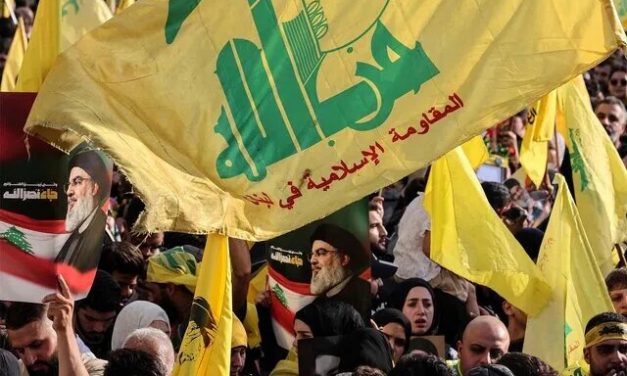
The Inseparability of the Lebanese Front from the Axis of Resistance

SCFR Online–Opinion: By providing an extensive network of social, healthcare, educational, and post-war reconstruction services, Hezbollah has established a strong social base for itself among Lebanon’s Shiites and Sunnis, and even beyond that, among other segments of Lebanese society, including Christians. Hezbollah has never been an external actor imposed upon Lebanon; rather, it is a phenomenon fundamentally born out of the occupation and crimes of the Zionist regime and itself influenced by popular resistance.

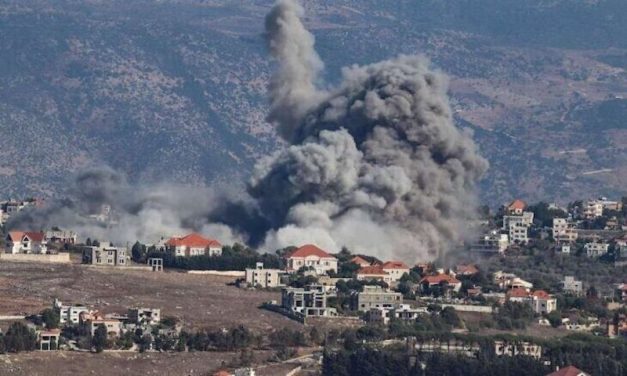
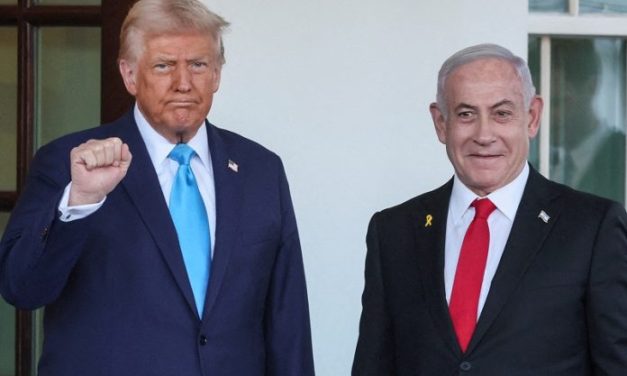
The Increasing Efforts of the Zionist Regime to Redefine Borders and the Regional Order and Its Consequences

SCFR Online– Opinion: Security and military developments in the region over recent months indicate that the ongoing crises and wars in Gaza, southern Lebanon, and parts of Syrian territory encompass broader dimensions of geopolitical and geostrategic transformations. In this context, the increased military presence and control of the Zionist regime over parts of the territories of these areas, along with proposals regarding the creation of buffer zones or even the expansion of security borders, have raised serious questions about the future of the regional order and its consequences for the countries of West Asia.

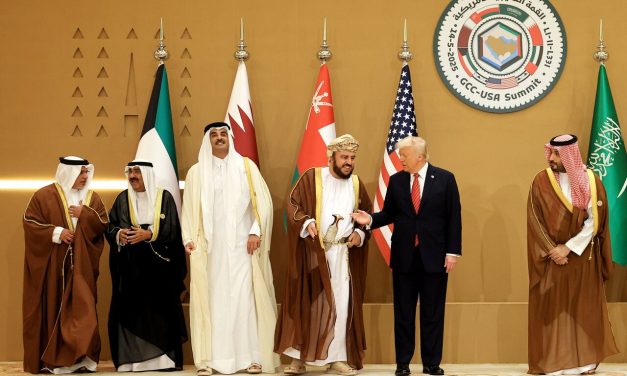
The Components of Iran’s Deterrence Power

SCFR Online – Opinion: At a time when regional security equations have reached a sensitive stage under the influence of Iran’s strategic confrontation with the United States and the Zionist regime, the question of the nature of Tehran’s defensive power has gained greater significance than ever before. While Washington and Tel Aviv rely on their technological superiority, the Islamic Republic of Iran has presented a model of deterrence that extends beyond the material calculations of the world’s classical militaries. This power, rooted in the connection between “the field” and “the people,” has not only altered the balance of power in recent conflicts but has also disrupted adversaries’ calculations when confronting Iran’s strategic depth.

Loading

AGOL

US View of Middle East Threats

US View of Middle East Threats

Strategic Council Online – An American affairs expert said: From the Americans’ point of view, Russia is expanding its military base in Syria and making efforts to establish military bases in Libya and Sudan. It is also expanding its influence from the Black Sea to the Mediterranean Sea, the Red Sea and the Gulf of Aden, he said, adding that China is also moving westward, i.e. the Middle East region, by relying on economic initiatives such as the Silk Road and One Belt One Road initiative.

Cyprus Five-Party Talks Fail

Cyprus Five-Party Talks Fail

Strategic Council Online – Antonio Guterres, Secretary-General of the United Nations, following the failure of the informal 5+1 meeting on the Cyprus issue under the auspices of the United Nations, with representatives from both North and South Cyprus and the guarantor countries (Turkey, Greece and Britain) in Geneva, acknowledged that despite all the efforts that have been made so far, we have not yet found enough common ground between the two sides to be able to start formal talks in order to resolve the Cyprus issue. Of course, we will not give up our efforts in this regard, and for the time being, the results of the negotiations and efforts regarding Cyprus are fruitless. We are determined to make every effort to continue negotiations and dialogue to achieve positive results in resolving the Cyprus issue. We hope that formal negotiations for a settlement of the Cyprus conflict will begin in the next two months.
Mahmoud Fazeli – Analyst of international affairs

Strategic consequences of Saudi U-turn in the region

Strategic consequences of Saudi U-turn in the region

Strategic Council Online- It was March 26, 2015 when the Saudi-led coalition over-all air raids of the regional countries launched against Yemen called Operation Decisive Storm. The US and Israel played logistic role plus supplying weapons and equipments in the war. The operation was supposed to finish within a few weeks, achieving tangible results and pre-determined objectives.
Barsaam Mohammadi, international analyst.

Dr. Kharrazi in Meeting of the Leaders for Peace Foundation: “New Multilateral Order”; The Solution Of Confronting With The Challenges Of The Present World

Dr. Kharrazi in Meeting of the Leaders for Peace Foundation: “New Multilateral Order”; The Solution Of Confronting With The Challenges Of The Present World

Strategic Council Online: The President of Strategic Council on Foreign Relations who participated in the 4th Meeting of the Leaders for Peace Foundation chaired by former Prime Minister of France Mr. Raffarin said confrontation with the challenges of the present world requires a “new multilateral order” on the basis of new realities and reform of the United Nations and Security Council, as well as dis-interference of great powers in international organizations.

Pakistan’s View on Withdrawal of US Troops from Afghanistan

Pakistan’s View on Withdrawal of US Troops from Afghanistan

Strategic Council Online – An analyst of Asia affairs said that the recent decision of the new US administration to withdraw its troops from Afghanistan is a win-win situation for Islamabad, adding that Pakistan views this issue politically and strategically against India and seeks to regain its strategic depth with an economic approach to Afghan markets as well as improving its relations with the United States.

Increasing destructive approaches of the Zionist regime in the Middle East

Increasing destructive approaches of the Zionist regime in the Middle East

Strategic Council Online—Opinion: With the arrival of the World Quds Day, the Zionist regime has increased its destructive movements and measures in the Middle East especially against the resistance movement and the Islamic Republic of Iran.
Hassan Hanizadeh—expert of Middle East issues

Relations between Turkey and the United States during Biden

Relations between Turkey and the United States during Biden

Online Strategic Council—Interview: An expert of Turkey issues says it seems that during the next four years of Biden’s presidency in the White House, we would witness more US pressures on Turkey so that Ankara could not act independently outside the NATO framework and the policies of the United States as the leader of NATO.

Brazil and China; from trader partnership to strategic alliance

Brazil and China; from trader partnership to strategic alliance

Strategic Council Online—Opinion: Given that the strategic cooperation agreement signed between Iran and China has been top on the headlines of many Iranian and international media outlets, the comparative study of such cooperation can illuminate the public opinion and raise awareness on the nature of such agreements.
Amir Mohammad Reisian—Researcher, Latin America Desk, Economic Diplomacy Studies Office, Imam Sadeq University

أحدث الوظائف

The Inseparability of the Lebanese Front from the Axis of Resistance

SCFR Online–Opinion: By providing an extensive network of social, healthcare, educational, and post-war reconstruction services, Hezbollah has established a strong social base for itself among Lebanon’s Shiites and Sunnis, and even beyond that, among other segments of Lebanese society, including Christians. Hezbollah has never been an external actor imposed upon Lebanon; rather, it is a phenomenon fundamentally born out of the occupation and crimes of the Zionist regime and itself influenced by popular resistance.

The Increasing Efforts of the Zionist Regime to Redefine Borders and the Regional Order and Its Consequences

SCFR Online– Opinion: Security and military developments in the region over recent months indicate that the ongoing crises and wars in Gaza, southern Lebanon, and parts of Syrian territory encompass broader dimensions of geopolitical and geostrategic transformations. In this context, the increased military presence and control of the Zionist regime over parts of the territories of these areas, along with proposals regarding the creation of buffer zones or even the expansion of security borders, have raised serious questions about the future of the regional order and its consequences for the countries of West Asia.

The Components of Iran’s Deterrence Power

SCFR Online – Opinion: At a time when regional security equations have reached a sensitive stage under the influence of Iran’s strategic confrontation with the United States and the Zionist regime, the question of the nature of Tehran’s defensive power has gained greater significance than ever before. While Washington and Tel Aviv rely on their technological superiority, the Islamic Republic of Iran has presented a model of deterrence that extends beyond the material calculations of the world’s classical militaries. This power, rooted in the connection between “the field” and “the people,” has not only altered the balance of power in recent conflicts but has also disrupted adversaries’ calculations when confronting Iran’s strategic depth.

Loading

AGOL

US View of Middle East Threats

US View of Middle East Threats

Strategic Council Online – An American affairs expert said: From the Americans’ point of view, Russia is expanding its military base in Syria and making efforts to establish military bases in Libya and Sudan. It is also expanding its influence from the Black Sea to the Mediterranean Sea, the Red Sea and the Gulf of Aden, he said, adding that China is also moving westward, i.e. the Middle East region, by relying on economic initiatives such as the Silk Road and One Belt One Road initiative.

Cyprus Five-Party Talks Fail

Cyprus Five-Party Talks Fail

Strategic Council Online – Antonio Guterres, Secretary-General of the United Nations, following the failure of the informal 5+1 meeting on the Cyprus issue under the auspices of the United Nations, with representatives from both North and South Cyprus and the guarantor countries (Turkey, Greece and Britain) in Geneva, acknowledged that despite all the efforts that have been made so far, we have not yet found enough common ground between the two sides to be able to start formal talks in order to resolve the Cyprus issue. Of course, we will not give up our efforts in this regard, and for the time being, the results of the negotiations and efforts regarding Cyprus are fruitless. We are determined to make every effort to continue negotiations and dialogue to achieve positive results in resolving the Cyprus issue. We hope that formal negotiations for a settlement of the Cyprus conflict will begin in the next two months.
Mahmoud Fazeli – Analyst of international affairs

Strategic consequences of Saudi U-turn in the region

Strategic consequences of Saudi U-turn in the region

Strategic Council Online- It was March 26, 2015 when the Saudi-led coalition over-all air raids of the regional countries launched against Yemen called Operation Decisive Storm. The US and Israel played logistic role plus supplying weapons and equipments in the war. The operation was supposed to finish within a few weeks, achieving tangible results and pre-determined objectives.
Barsaam Mohammadi, international analyst.

Dr. Kharrazi in Meeting of the Leaders for Peace Foundation: “New Multilateral Order”; The Solution Of Confronting With The Challenges Of The Present World

Dr. Kharrazi in Meeting of the Leaders for Peace Foundation: “New Multilateral Order”; The Solution Of Confronting With The Challenges Of The Present World

Strategic Council Online: The President of Strategic Council on Foreign Relations who participated in the 4th Meeting of the Leaders for Peace Foundation chaired by former Prime Minister of France Mr. Raffarin said confrontation with the challenges of the present world requires a “new multilateral order” on the basis of new realities and reform of the United Nations and Security Council, as well as dis-interference of great powers in international organizations.

Pakistan’s View on Withdrawal of US Troops from Afghanistan

Pakistan’s View on Withdrawal of US Troops from Afghanistan

Strategic Council Online – An analyst of Asia affairs said that the recent decision of the new US administration to withdraw its troops from Afghanistan is a win-win situation for Islamabad, adding that Pakistan views this issue politically and strategically against India and seeks to regain its strategic depth with an economic approach to Afghan markets as well as improving its relations with the United States.

Increasing destructive approaches of the Zionist regime in the Middle East

Increasing destructive approaches of the Zionist regime in the Middle East

Strategic Council Online—Opinion: With the arrival of the World Quds Day, the Zionist regime has increased its destructive movements and measures in the Middle East especially against the resistance movement and the Islamic Republic of Iran.
Hassan Hanizadeh—expert of Middle East issues

Relations between Turkey and the United States during Biden

Relations between Turkey and the United States during Biden

Online Strategic Council—Interview: An expert of Turkey issues says it seems that during the next four years of Biden’s presidency in the White House, we would witness more US pressures on Turkey so that Ankara could not act independently outside the NATO framework and the policies of the United States as the leader of NATO.

Brazil and China; from trader partnership to strategic alliance

Brazil and China; from trader partnership to strategic alliance

Strategic Council Online—Opinion: Given that the strategic cooperation agreement signed between Iran and China has been top on the headlines of many Iranian and international media outlets, the comparative study of such cooperation can illuminate the public opinion and raise awareness on the nature of such agreements.
Amir Mohammad Reisian—Researcher, Latin America Desk, Economic Diplomacy Studies Office, Imam Sadeq University

AGOL

US View of Middle East Threats

US View of Middle East Threats

Strategic Council Online – An American affairs expert said: From the Americans’ point of view, Russia is expanding its military base in Syria and making efforts to establish military bases in Libya and Sudan. It is also expanding its influence from the Black Sea to the Mediterranean Sea, the Red Sea and the Gulf of Aden, he said, adding that China is also moving westward, i.e. the Middle East region, by relying on economic initiatives such as the Silk Road and One Belt One Road initiative.

Cyprus Five-Party Talks Fail

Cyprus Five-Party Talks Fail

Strategic Council Online – Antonio Guterres, Secretary-General of the United Nations, following the failure of the informal 5+1 meeting on the Cyprus issue under the auspices of the United Nations, with representatives from both North and South Cyprus and the guarantor countries (Turkey, Greece and Britain) in Geneva, acknowledged that despite all the efforts that have been made so far, we have not yet found enough common ground between the two sides to be able to start formal talks in order to resolve the Cyprus issue. Of course, we will not give up our efforts in this regard, and for the time being, the results of the negotiations and efforts regarding Cyprus are fruitless. We are determined to make every effort to continue negotiations and dialogue to achieve positive results in resolving the Cyprus issue. We hope that formal negotiations for a settlement of the Cyprus conflict will begin in the next two months.
Mahmoud Fazeli – Analyst of international affairs

Strategic consequences of Saudi U-turn in the region

Strategic consequences of Saudi U-turn in the region

Strategic Council Online- It was March 26, 2015 when the Saudi-led coalition over-all air raids of the regional countries launched against Yemen called Operation Decisive Storm. The US and Israel played logistic role plus supplying weapons and equipments in the war. The operation was supposed to finish within a few weeks, achieving tangible results and pre-determined objectives.
Barsaam Mohammadi, international analyst.

Dr. Kharrazi in Meeting of the Leaders for Peace Foundation: “New Multilateral Order”; The Solution Of Confronting With The Challenges Of The Present World

Dr. Kharrazi in Meeting of the Leaders for Peace Foundation: “New Multilateral Order”; The Solution Of Confronting With The Challenges Of The Present World

Strategic Council Online: The President of Strategic Council on Foreign Relations who participated in the 4th Meeting of the Leaders for Peace Foundation chaired by former Prime Minister of France Mr. Raffarin said confrontation with the challenges of the present world requires a “new multilateral order” on the basis of new realities and reform of the United Nations and Security Council, as well as dis-interference of great powers in international organizations.

Pakistan’s View on Withdrawal of US Troops from Afghanistan

Pakistan’s View on Withdrawal of US Troops from Afghanistan

Strategic Council Online – An analyst of Asia affairs said that the recent decision of the new US administration to withdraw its troops from Afghanistan is a win-win situation for Islamabad, adding that Pakistan views this issue politically and strategically against India and seeks to regain its strategic depth with an economic approach to Afghan markets as well as improving its relations with the United States.

Increasing destructive approaches of the Zionist regime in the Middle East

Increasing destructive approaches of the Zionist regime in the Middle East

Strategic Council Online—Opinion: With the arrival of the World Quds Day, the Zionist regime has increased its destructive movements and measures in the Middle East especially against the resistance movement and the Islamic Republic of Iran.
Hassan Hanizadeh—expert of Middle East issues

Relations between Turkey and the United States during Biden

Relations between Turkey and the United States during Biden

Online Strategic Council—Interview: An expert of Turkey issues says it seems that during the next four years of Biden’s presidency in the White House, we would witness more US pressures on Turkey so that Ankara could not act independently outside the NATO framework and the policies of the United States as the leader of NATO.

Brazil and China; from trader partnership to strategic alliance

Brazil and China; from trader partnership to strategic alliance

Strategic Council Online—Opinion: Given that the strategic cooperation agreement signed between Iran and China has been top on the headlines of many Iranian and international media outlets, the comparative study of such cooperation can illuminate the public opinion and raise awareness on the nature of such agreements.
Amir Mohammad Reisian—Researcher, Latin America Desk, Economic Diplomacy Studies Office, Imam Sadeq University

LATEST CONTENT

The Inseparability of the Lebanese Front from the Axis of Resistance

SCFR Online–Opinion: By providing an extensive network of social, healthcare, educational, and post-war reconstruction services, Hezbollah has established a strong social base for itself among Lebanon’s Shiites and Sunnis, and even beyond that, among other segments of Lebanese society, including Christians. Hezbollah has never been an external actor imposed upon Lebanon; rather, it is a phenomenon fundamentally born out of the occupation and crimes of the Zionist regime and itself influenced by popular resistance.

The Increasing Efforts of the Zionist Regime to Redefine Borders and the Regional Order and Its Consequences

SCFR Online– Opinion: Security and military developments in the region over recent months indicate that the ongoing crises and wars in Gaza, southern Lebanon, and parts of Syrian territory encompass broader dimensions of geopolitical and geostrategic transformations. In this context, the increased military presence and control of the Zionist regime over parts of the territories of these areas, along with proposals regarding the creation of buffer zones or even the expansion of security borders, have raised serious questions about the future of the regional order and its consequences for the countries of West Asia.

The Components of Iran’s Deterrence Power

SCFR Online – Opinion: At a time when regional security equations have reached a sensitive stage under the influence of Iran’s strategic confrontation with the United States and the Zionist regime, the question of the nature of Tehran’s defensive power has gained greater significance than ever before. While Washington and Tel Aviv rely on their technological superiority, the Islamic Republic of Iran has presented a model of deterrence that extends beyond the material calculations of the world’s classical militaries. This power, rooted in the connection between “the field” and “the people,” has not only altered the balance of power in recent conflicts but has also disrupted adversaries’ calculations when confronting Iran’s strategic depth.

Loading

AGOL

US View of Middle East Threats

US View of Middle East Threats

Strategic Council Online – An American affairs expert said: From the Americans’ point of view, Russia is expanding its military base in Syria and making efforts to establish military bases in Libya and Sudan. It is also expanding its influence from the Black Sea to the Mediterranean Sea, the Red Sea and the Gulf of Aden, he said, adding that China is also moving westward, i.e. the Middle East region, by relying on economic initiatives such as the Silk Road and One Belt One Road initiative.

Cyprus Five-Party Talks Fail

Cyprus Five-Party Talks Fail

Strategic Council Online – Antonio Guterres, Secretary-General of the United Nations, following the failure of the informal 5+1 meeting on the Cyprus issue under the auspices of the United Nations, with representatives from both North and South Cyprus and the guarantor countries (Turkey, Greece and Britain) in Geneva, acknowledged that despite all the efforts that have been made so far, we have not yet found enough common ground between the two sides to be able to start formal talks in order to resolve the Cyprus issue. Of course, we will not give up our efforts in this regard, and for the time being, the results of the negotiations and efforts regarding Cyprus are fruitless. We are determined to make every effort to continue negotiations and dialogue to achieve positive results in resolving the Cyprus issue. We hope that formal negotiations for a settlement of the Cyprus conflict will begin in the next two months.
Mahmoud Fazeli – Analyst of international affairs

Strategic consequences of Saudi U-turn in the region

Strategic consequences of Saudi U-turn in the region

Strategic Council Online- It was March 26, 2015 when the Saudi-led coalition over-all air raids of the regional countries launched against Yemen called Operation Decisive Storm. The US and Israel played logistic role plus supplying weapons and equipments in the war. The operation was supposed to finish within a few weeks, achieving tangible results and pre-determined objectives.
Barsaam Mohammadi, international analyst.

Dr. Kharrazi in Meeting of the Leaders for Peace Foundation: “New Multilateral Order”; The Solution Of Confronting With The Challenges Of The Present World

Dr. Kharrazi in Meeting of the Leaders for Peace Foundation: “New Multilateral Order”; The Solution Of Confronting With The Challenges Of The Present World

Strategic Council Online: The President of Strategic Council on Foreign Relations who participated in the 4th Meeting of the Leaders for Peace Foundation chaired by former Prime Minister of France Mr. Raffarin said confrontation with the challenges of the present world requires a “new multilateral order” on the basis of new realities and reform of the United Nations and Security Council, as well as dis-interference of great powers in international organizations.

Pakistan’s View on Withdrawal of US Troops from Afghanistan

Pakistan’s View on Withdrawal of US Troops from Afghanistan

Strategic Council Online – An analyst of Asia affairs said that the recent decision of the new US administration to withdraw its troops from Afghanistan is a win-win situation for Islamabad, adding that Pakistan views this issue politically and strategically against India and seeks to regain its strategic depth with an economic approach to Afghan markets as well as improving its relations with the United States.

Increasing destructive approaches of the Zionist regime in the Middle East

Increasing destructive approaches of the Zionist regime in the Middle East

Strategic Council Online—Opinion: With the arrival of the World Quds Day, the Zionist regime has increased its destructive movements and measures in the Middle East especially against the resistance movement and the Islamic Republic of Iran.
Hassan Hanizadeh—expert of Middle East issues

Relations between Turkey and the United States during Biden

Relations between Turkey and the United States during Biden

Online Strategic Council—Interview: An expert of Turkey issues says it seems that during the next four years of Biden’s presidency in the White House, we would witness more US pressures on Turkey so that Ankara could not act independently outside the NATO framework and the policies of the United States as the leader of NATO.

Brazil and China; from trader partnership to strategic alliance

Brazil and China; from trader partnership to strategic alliance

Strategic Council Online—Opinion: Given that the strategic cooperation agreement signed between Iran and China has been top on the headlines of many Iranian and international media outlets, the comparative study of such cooperation can illuminate the public opinion and raise awareness on the nature of such agreements.
Amir Mohammad Reisian—Researcher, Latin America Desk, Economic Diplomacy Studies Office, Imam Sadeq University

ÚLTIMAS PUBLICACIONES

The Inseparability of the Lebanese Front from the Axis of Resistance

SCFR Online–Opinion: By providing an extensive network of social, healthcare, educational, and post-war reconstruction services, Hezbollah has established a strong social base for itself among Lebanon’s Shiites and Sunnis, and even beyond that, among other segments of Lebanese society, including Christians. Hezbollah has never been an external actor imposed upon Lebanon; rather, it is a phenomenon fundamentally born out of the occupation and crimes of the Zionist regime and itself influenced by popular resistance.

The Increasing Efforts of the Zionist Regime to Redefine Borders and the Regional Order and Its Consequences

SCFR Online– Opinion: Security and military developments in the region over recent months indicate that the ongoing crises and wars in Gaza, southern Lebanon, and parts of Syrian territory encompass broader dimensions of geopolitical and geostrategic transformations. In this context, the increased military presence and control of the Zionist regime over parts of the territories of these areas, along with proposals regarding the creation of buffer zones or even the expansion of security borders, have raised serious questions about the future of the regional order and its consequences for the countries of West Asia.

The Components of Iran’s Deterrence Power

SCFR Online – Opinion: At a time when regional security equations have reached a sensitive stage under the influence of Iran’s strategic confrontation with the United States and the Zionist regime, the question of the nature of Tehran’s defensive power has gained greater significance than ever before. While Washington and Tel Aviv rely on their technological superiority, the Islamic Republic of Iran has presented a model of deterrence that extends beyond the material calculations of the world’s classical militaries. This power, rooted in the connection between “the field” and “the people,” has not only altered the balance of power in recent conflicts but has also disrupted adversaries’ calculations when confronting Iran’s strategic depth.

Loading

AGOL

US View of Middle East Threats

US View of Middle East Threats

Strategic Council Online – An American affairs expert said: From the Americans’ point of view, Russia is expanding its military base in Syria and making efforts to establish military bases in Libya and Sudan. It is also expanding its influence from the Black Sea to the Mediterranean Sea, the Red Sea and the Gulf of Aden, he said, adding that China is also moving westward, i.e. the Middle East region, by relying on economic initiatives such as the Silk Road and One Belt One Road initiative.

Cyprus Five-Party Talks Fail

Cyprus Five-Party Talks Fail

Strategic Council Online – Antonio Guterres, Secretary-General of the United Nations, following the failure of the informal 5+1 meeting on the Cyprus issue under the auspices of the United Nations, with representatives from both North and South Cyprus and the guarantor countries (Turkey, Greece and Britain) in Geneva, acknowledged that despite all the efforts that have been made so far, we have not yet found enough common ground between the two sides to be able to start formal talks in order to resolve the Cyprus issue. Of course, we will not give up our efforts in this regard, and for the time being, the results of the negotiations and efforts regarding Cyprus are fruitless. We are determined to make every effort to continue negotiations and dialogue to achieve positive results in resolving the Cyprus issue. We hope that formal negotiations for a settlement of the Cyprus conflict will begin in the next two months.
Mahmoud Fazeli – Analyst of international affairs

Strategic consequences of Saudi U-turn in the region

Strategic consequences of Saudi U-turn in the region

Strategic Council Online- It was March 26, 2015 when the Saudi-led coalition over-all air raids of the regional countries launched against Yemen called Operation Decisive Storm. The US and Israel played logistic role plus supplying weapons and equipments in the war. The operation was supposed to finish within a few weeks, achieving tangible results and pre-determined objectives.
Barsaam Mohammadi, international analyst.

Dr. Kharrazi in Meeting of the Leaders for Peace Foundation: “New Multilateral Order”; The Solution Of Confronting With The Challenges Of The Present World

Dr. Kharrazi in Meeting of the Leaders for Peace Foundation: “New Multilateral Order”; The Solution Of Confronting With The Challenges Of The Present World

Strategic Council Online: The President of Strategic Council on Foreign Relations who participated in the 4th Meeting of the Leaders for Peace Foundation chaired by former Prime Minister of France Mr. Raffarin said confrontation with the challenges of the present world requires a “new multilateral order” on the basis of new realities and reform of the United Nations and Security Council, as well as dis-interference of great powers in international organizations.

Pakistan’s View on Withdrawal of US Troops from Afghanistan

Pakistan’s View on Withdrawal of US Troops from Afghanistan

Strategic Council Online – An analyst of Asia affairs said that the recent decision of the new US administration to withdraw its troops from Afghanistan is a win-win situation for Islamabad, adding that Pakistan views this issue politically and strategically against India and seeks to regain its strategic depth with an economic approach to Afghan markets as well as improving its relations with the United States.

Increasing destructive approaches of the Zionist regime in the Middle East

Increasing destructive approaches of the Zionist regime in the Middle East

Strategic Council Online—Opinion: With the arrival of the World Quds Day, the Zionist regime has increased its destructive movements and measures in the Middle East especially against the resistance movement and the Islamic Republic of Iran.
Hassan Hanizadeh—expert of Middle East issues

Relations between Turkey and the United States during Biden

Relations between Turkey and the United States during Biden

Online Strategic Council—Interview: An expert of Turkey issues says it seems that during the next four years of Biden’s presidency in the White House, we would witness more US pressures on Turkey so that Ankara could not act independently outside the NATO framework and the policies of the United States as the leader of NATO.

Brazil and China; from trader partnership to strategic alliance

Brazil and China; from trader partnership to strategic alliance

Strategic Council Online—Opinion: Given that the strategic cooperation agreement signed between Iran and China has been top on the headlines of many Iranian and international media outlets, the comparative study of such cooperation can illuminate the public opinion and raise awareness on the nature of such agreements.
Amir Mohammad Reisian—Researcher, Latin America Desk, Economic Diplomacy Studies Office, Imam Sadeq University

ÚLTIMAS PUBLICACIONES

The Inseparability of the Lebanese Front from the Axis of Resistance

SCFR Online–Opinion: By providing an extensive network of social, healthcare, educational, and post-war reconstruction services, Hezbollah has established a strong social base for itself among Lebanon’s Shiites and Sunnis, and even beyond that, among other segments of Lebanese society, including Christians. Hezbollah has never been an external actor imposed upon Lebanon; rather, it is a phenomenon fundamentally born out of the occupation and crimes of the Zionist regime and itself influenced by popular resistance.

The Increasing Efforts of the Zionist Regime to Redefine Borders and the Regional Order and Its Consequences

SCFR Online– Opinion: Security and military developments in the region over recent months indicate that the ongoing crises and wars in Gaza, southern Lebanon, and parts of Syrian territory encompass broader dimensions of geopolitical and geostrategic transformations. In this context, the increased military presence and control of the Zionist regime over parts of the territories of these areas, along with proposals regarding the creation of buffer zones or even the expansion of security borders, have raised serious questions about the future of the regional order and its consequences for the countries of West Asia.

The Components of Iran’s Deterrence Power

SCFR Online – Opinion: At a time when regional security equations have reached a sensitive stage under the influence of Iran’s strategic confrontation with the United States and the Zionist regime, the question of the nature of Tehran’s defensive power has gained greater significance than ever before. While Washington and Tel Aviv rely on their technological superiority, the Islamic Republic of Iran has presented a model of deterrence that extends beyond the material calculations of the world’s classical militaries. This power, rooted in the connection between “the field” and “the people,” has not only altered the balance of power in recent conflicts but has also disrupted adversaries’ calculations when confronting Iran’s strategic depth.

Loading

AGOL

US View of Middle East Threats

US View of Middle East Threats

Strategic Council Online – An American affairs expert said: From the Americans’ point of view, Russia is expanding its military base in Syria and making efforts to establish military bases in Libya and Sudan. It is also expanding its influence from the Black Sea to the Mediterranean Sea, the Red Sea and the Gulf of Aden, he said, adding that China is also moving westward, i.e. the Middle East region, by relying on economic initiatives such as the Silk Road and One Belt One Road initiative.

Cyprus Five-Party Talks Fail

Cyprus Five-Party Talks Fail

Strategic Council Online – Antonio Guterres, Secretary-General of the United Nations, following the failure of the informal 5+1 meeting on the Cyprus issue under the auspices of the United Nations, with representatives from both North and South Cyprus and the guarantor countries (Turkey, Greece and Britain) in Geneva, acknowledged that despite all the efforts that have been made so far, we have not yet found enough common ground between the two sides to be able to start formal talks in order to resolve the Cyprus issue. Of course, we will not give up our efforts in this regard, and for the time being, the results of the negotiations and efforts regarding Cyprus are fruitless. We are determined to make every effort to continue negotiations and dialogue to achieve positive results in resolving the Cyprus issue. We hope that formal negotiations for a settlement of the Cyprus conflict will begin in the next two months.
Mahmoud Fazeli – Analyst of international affairs

Strategic consequences of Saudi U-turn in the region

Strategic consequences of Saudi U-turn in the region

Strategic Council Online- It was March 26, 2015 when the Saudi-led coalition over-all air raids of the regional countries launched against Yemen called Operation Decisive Storm. The US and Israel played logistic role plus supplying weapons and equipments in the war. The operation was supposed to finish within a few weeks, achieving tangible results and pre-determined objectives.
Barsaam Mohammadi, international analyst.

Dr. Kharrazi in Meeting of the Leaders for Peace Foundation: “New Multilateral Order”; The Solution Of Confronting With The Challenges Of The Present World

Dr. Kharrazi in Meeting of the Leaders for Peace Foundation: “New Multilateral Order”; The Solution Of Confronting With The Challenges Of The Present World

Strategic Council Online: The President of Strategic Council on Foreign Relations who participated in the 4th Meeting of the Leaders for Peace Foundation chaired by former Prime Minister of France Mr. Raffarin said confrontation with the challenges of the present world requires a “new multilateral order” on the basis of new realities and reform of the United Nations and Security Council, as well as dis-interference of great powers in international organizations.

Pakistan’s View on Withdrawal of US Troops from Afghanistan

Pakistan’s View on Withdrawal of US Troops from Afghanistan

Strategic Council Online – An analyst of Asia affairs said that the recent decision of the new US administration to withdraw its troops from Afghanistan is a win-win situation for Islamabad, adding that Pakistan views this issue politically and strategically against India and seeks to regain its strategic depth with an economic approach to Afghan markets as well as improving its relations with the United States.

Increasing destructive approaches of the Zionist regime in the Middle East

Increasing destructive approaches of the Zionist regime in the Middle East

Strategic Council Online—Opinion: With the arrival of the World Quds Day, the Zionist regime has increased its destructive movements and measures in the Middle East especially against the resistance movement and the Islamic Republic of Iran.
Hassan Hanizadeh—expert of Middle East issues

Relations between Turkey and the United States during Biden

Relations between Turkey and the United States during Biden

Online Strategic Council—Interview: An expert of Turkey issues says it seems that during the next four years of Biden’s presidency in the White House, we would witness more US pressures on Turkey so that Ankara could not act independently outside the NATO framework and the policies of the United States as the leader of NATO.

Brazil and China; from trader partnership to strategic alliance

Brazil and China; from trader partnership to strategic alliance

Strategic Council Online—Opinion: Given that the strategic cooperation agreement signed between Iran and China has been top on the headlines of many Iranian and international media outlets, the comparative study of such cooperation can illuminate the public opinion and raise awareness on the nature of such agreements.
Amir Mohammad Reisian—Researcher, Latin America Desk, Economic Diplomacy Studies Office, Imam Sadeq University

ÚLTIMAS PUBLICACIONES

The Inseparability of the Lebanese Front from the Axis of Resistance

SCFR Online–Opinion: By providing an extensive network of social, healthcare, educational, and post-war reconstruction services, Hezbollah has established a strong social base for itself among Lebanon’s Shiites and Sunnis, and even beyond that, among other segments of Lebanese society, including Christians. Hezbollah has never been an external actor imposed upon Lebanon; rather, it is a phenomenon fundamentally born out of the occupation and crimes of the Zionist regime and itself influenced by popular resistance.

The Increasing Efforts of the Zionist Regime to Redefine Borders and the Regional Order and Its Consequences

SCFR Online– Opinion: Security and military developments in the region over recent months indicate that the ongoing crises and wars in Gaza, southern Lebanon, and parts of Syrian territory encompass broader dimensions of geopolitical and geostrategic transformations. In this context, the increased military presence and control of the Zionist regime over parts of the territories of these areas, along with proposals regarding the creation of buffer zones or even the expansion of security borders, have raised serious questions about the future of the regional order and its consequences for the countries of West Asia.

The Components of Iran’s Deterrence Power

SCFR Online – Opinion: At a time when regional security equations have reached a sensitive stage under the influence of Iran’s strategic confrontation with the United States and the Zionist regime, the question of the nature of Tehran’s defensive power has gained greater significance than ever before. While Washington and Tel Aviv rely on their technological superiority, the Islamic Republic of Iran has presented a model of deterrence that extends beyond the material calculations of the world’s classical militaries. This power, rooted in the connection between “the field” and “the people,” has not only altered the balance of power in recent conflicts but has also disrupted adversaries’ calculations when confronting Iran’s strategic depth.

Loading

AGOL

US View of Middle East Threats

US View of Middle East Threats

Strategic Council Online – An American affairs expert said: From the Americans’ point of view, Russia is expanding its military base in Syria and making efforts to establish military bases in Libya and Sudan. It is also expanding its influence from the Black Sea to the Mediterranean Sea, the Red Sea and the Gulf of Aden, he said, adding that China is also moving westward, i.e. the Middle East region, by relying on economic initiatives such as the Silk Road and One Belt One Road initiative.

Cyprus Five-Party Talks Fail

Cyprus Five-Party Talks Fail

Strategic Council Online – Antonio Guterres, Secretary-General of the United Nations, following the failure of the informal 5+1 meeting on the Cyprus issue under the auspices of the United Nations, with representatives from both North and South Cyprus and the guarantor countries (Turkey, Greece and Britain) in Geneva, acknowledged that despite all the efforts that have been made so far, we have not yet found enough common ground between the two sides to be able to start formal talks in order to resolve the Cyprus issue. Of course, we will not give up our efforts in this regard, and for the time being, the results of the negotiations and efforts regarding Cyprus are fruitless. We are determined to make every effort to continue negotiations and dialogue to achieve positive results in resolving the Cyprus issue. We hope that formal negotiations for a settlement of the Cyprus conflict will begin in the next two months.
Mahmoud Fazeli – Analyst of international affairs

Strategic consequences of Saudi U-turn in the region

Strategic consequences of Saudi U-turn in the region

Strategic Council Online- It was March 26, 2015 when the Saudi-led coalition over-all air raids of the regional countries launched against Yemen called Operation Decisive Storm. The US and Israel played logistic role plus supplying weapons and equipments in the war. The operation was supposed to finish within a few weeks, achieving tangible results and pre-determined objectives.
Barsaam Mohammadi, international analyst.

Dr. Kharrazi in Meeting of the Leaders for Peace Foundation: “New Multilateral Order”; The Solution Of Confronting With The Challenges Of The Present World

Dr. Kharrazi in Meeting of the Leaders for Peace Foundation: “New Multilateral Order”; The Solution Of Confronting With The Challenges Of The Present World

Strategic Council Online: The President of Strategic Council on Foreign Relations who participated in the 4th Meeting of the Leaders for Peace Foundation chaired by former Prime Minister of France Mr. Raffarin said confrontation with the challenges of the present world requires a “new multilateral order” on the basis of new realities and reform of the United Nations and Security Council, as well as dis-interference of great powers in international organizations.

Pakistan’s View on Withdrawal of US Troops from Afghanistan

Pakistan’s View on Withdrawal of US Troops from Afghanistan

Strategic Council Online – An analyst of Asia affairs said that the recent decision of the new US administration to withdraw its troops from Afghanistan is a win-win situation for Islamabad, adding that Pakistan views this issue politically and strategically against India and seeks to regain its strategic depth with an economic approach to Afghan markets as well as improving its relations with the United States.

Increasing destructive approaches of the Zionist regime in the Middle East

Increasing destructive approaches of the Zionist regime in the Middle East

Strategic Council Online—Opinion: With the arrival of the World Quds Day, the Zionist regime has increased its destructive movements and measures in the Middle East especially against the resistance movement and the Islamic Republic of Iran.
Hassan Hanizadeh—expert of Middle East issues

Relations between Turkey and the United States during Biden

Relations between Turkey and the United States during Biden

Online Strategic Council—Interview: An expert of Turkey issues says it seems that during the next four years of Biden’s presidency in the White House, we would witness more US pressures on Turkey so that Ankara could not act independently outside the NATO framework and the policies of the United States as the leader of NATO.

Brazil and China; from trader partnership to strategic alliance

Brazil and China; from trader partnership to strategic alliance

Strategic Council Online—Opinion: Given that the strategic cooperation agreement signed between Iran and China has been top on the headlines of many Iranian and international media outlets, the comparative study of such cooperation can illuminate the public opinion and raise awareness on the nature of such agreements.
Amir Mohammad Reisian—Researcher, Latin America Desk, Economic Diplomacy Studies Office, Imam Sadeq University

ÚLTIMAS PUBLICACIONES

The Inseparability of the Lebanese Front from the Axis of Resistance

SCFR Online–Opinion: By providing an extensive network of social, healthcare, educational, and post-war reconstruction services, Hezbollah has established a strong social base for itself among Lebanon’s Shiites and Sunnis, and even beyond that, among other segments of Lebanese society, including Christians. Hezbollah has never been an external actor imposed upon Lebanon; rather, it is a phenomenon fundamentally born out of the occupation and crimes of the Zionist regime and itself influenced by popular resistance.

The Increasing Efforts of the Zionist Regime to Redefine Borders and the Regional Order and Its Consequences

SCFR Online– Opinion: Security and military developments in the region over recent months indicate that the ongoing crises and wars in Gaza, southern Lebanon, and parts of Syrian territory encompass broader dimensions of geopolitical and geostrategic transformations. In this context, the increased military presence and control of the Zionist regime over parts of the territories of these areas, along with proposals regarding the creation of buffer zones or even the expansion of security borders, have raised serious questions about the future of the regional order and its consequences for the countries of West Asia.

The Components of Iran’s Deterrence Power

SCFR Online – Opinion: At a time when regional security equations have reached a sensitive stage under the influence of Iran’s strategic confrontation with the United States and the Zionist regime, the question of the nature of Tehran’s defensive power has gained greater significance than ever before. While Washington and Tel Aviv rely on their technological superiority, the Islamic Republic of Iran has presented a model of deterrence that extends beyond the material calculations of the world’s classical militaries. This power, rooted in the connection between “the field” and “the people,” has not only altered the balance of power in recent conflicts but has also disrupted adversaries’ calculations when confronting Iran’s strategic depth.

Loading