جدیدترین مطالب

The Inseparability of the Lebanese Front from the Axis of Resistance

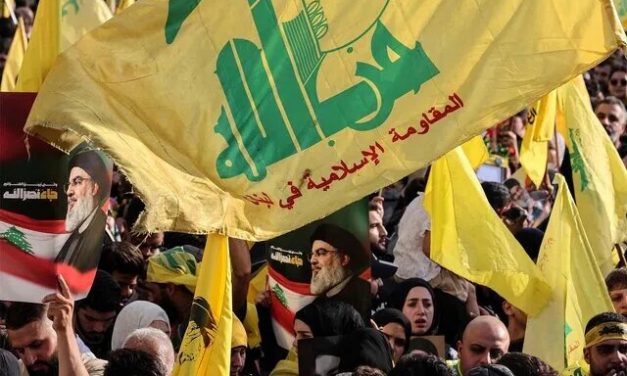
SCFR Online–Opinion: By providing an extensive network of social, healthcare, educational, and post-war reconstruction services, Hezbollah has established a strong social base for itself among Lebanon’s Shiites and Sunnis, and even beyond that, among other segments of Lebanese society, including Christians. Hezbollah has never been an external actor imposed upon Lebanon; rather, it is a phenomenon fundamentally born out of the occupation and crimes of the Zionist regime and itself influenced by popular resistance.

The Increasing Efforts of the Zionist Regime to Redefine Borders and the Regional Order and Its Consequences

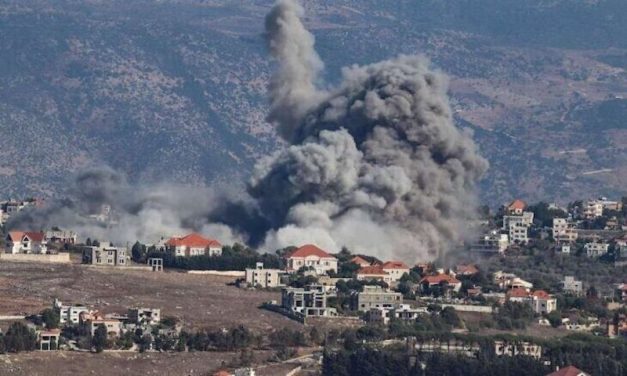
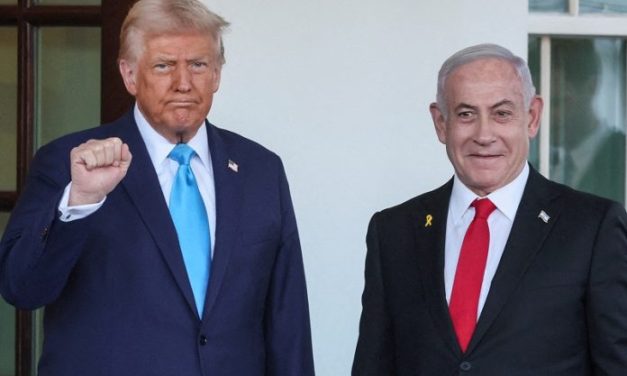
SCFR Online– Opinion: Security and military developments in the region over recent months indicate that the ongoing crises and wars in Gaza, southern Lebanon, and parts of Syrian territory encompass broader dimensions of geopolitical and geostrategic transformations. In this context, the increased military presence and control of the Zionist regime over parts of the territories of these areas, along with proposals regarding the creation of buffer zones or even the expansion of security borders, have raised serious questions about the future of the regional order and its consequences for the countries of West Asia.

The Components of Iran’s Deterrence Power

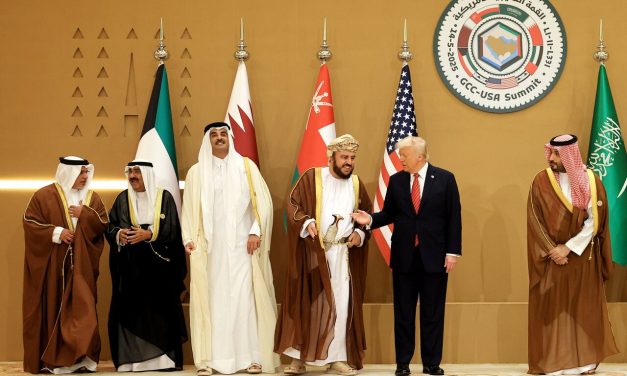
SCFR Online – Opinion: At a time when regional security equations have reached a sensitive stage under the influence of Iran’s strategic confrontation with the United States and the Zionist regime, the question of the nature of Tehran’s defensive power has gained greater significance than ever before. While Washington and Tel Aviv rely on their technological superiority, the Islamic Republic of Iran has presented a model of deterrence that extends beyond the material calculations of the world’s classical militaries. This power, rooted in the connection between “the field” and “the people,” has not only altered the balance of power in recent conflicts but has also disrupted adversaries’ calculations when confronting Iran’s strategic depth.

Loading

AGOL

US Withdrawal from Iraq to Guarantee Regional Peace, Stability

US Withdrawal from Iraq to Guarantee Regional Peace, Stability

Strategic Council Online – An analyst of Iraq affairs, referring to some issues of concern to Tehran and Baghdad raised during the visit of the Iraqi National Security Adviser to Iran, said that withdrawal of the Americans from that country can help improve security situation in Iraq and limit the ISIS. Unfortunately, he said what has overshadowed common security issues between Iran and Iraq is the continued presence of US forces in Iraq.

US Annual Intelligence Report Affected by Internal and External Challenges

US Annual Intelligence Report Affected by Internal and External Challenges

Strategic Council Online – A professor at the Faculty of World Studies, University of Tehran, referring to the most important issues raised in the US Annual Intelligence Report, which addresses global threats, said: The US is still coping with its domestic affairs and in this process, there is some confusion in the foreign policy issues including Iran’s nuclear program.

Messages of a Poll/ Analysis of Iranians Opposition to Missile Negotiations

Messages of a Poll/ Analysis of Iranians Opposition to Missile Negotiations

Strategic Council Online – An international affairs expert, referring to the results of a Canadian institute’s poll on views of the Iranians over certain foreign policy issues, as well as nuclear talks and the need to discuss its missile capability, stressed: Iranians are aware that no country in the present world can negotiate, make concessions, or accept imposed conditions on the means and power of its defense.

Strategic Importance of Libyan Developments for Turkey and Greece

Strategic Importance of Libyan Developments for Turkey and Greece

Strategic Council Online – The Eastern Mediterranean, border issues as well as the maritime agreement between Turkey and Libya are among the axes that have caused tensions between Greece and Turkey over the past two years. One of the contentious issues between the two neighbors is the internal developments in Libya. The visits of the leaders of both Libyan factions to Turkey and Greece have been met with fringe and controversy, and the crisis in Libya has practically added to the scope of the traditional rivalry between Athens and Ankara. Libya is in a geopolitically sensitive position, and its developments directly affect the security of Africa, the Middle East and Europe. If the Libyan crisis is resolved, the country can increase its oil production in 2 to 3 years and start oil trade with southern Europe.
Mahmoud Fazeli – Analyst of international affairs

US strategy to enhance its “soft influence” in Iraq

US strategy to enhance its “soft influence” in Iraq

Strategic Council Online—Editorial: In recent years, Americans have devised and enforced numerous programs and measures to expand and deepen their “software influence” in Iraq. That the US government, in the new round of “security talks” with Baghdad last summer, raised cultural and educational issues and topics related to the youth and families, and describe them as one of the key security talks with Iraq, suggests that the US administration is expanding its “soft and cultural influence” in Iraq in parallel with reducing or managing its military and hardware presence.
Hamid Khoshayand—International affairs analyst

Necessity of redefining Iran’s cooperation with Central Asian states

Necessity of redefining Iran’s cooperation with Central Asian states

Strategic Council Online—Interview: An expert of Central Asian affairs says the recent visit by Iranian Foreign Minister Mohammad Javad Zarif to the four main Central Asian states of Kazakhstan, Kyrgyzstan, Turkmenistan and Uzbekistan bears geopolitical and strategic significance given the recent developments such as the nuclear talks and the 25-year cooperation agreement between Iran and China.

Challenges in NATO-Turkey Relations

Challenges in NATO-Turkey Relations

Strategic Council Online – Referring to the recent tensions between Turkey and Western members of NATO, an expert on Turkey affairs said that Ankara’s approach to NATO and its interaction with the United States in recent years has become a challenging situation that almost has put Turkey in front of Western countries.

Turkey’s Efforts to Maintain Presence in Libya, Prospect of Negotiations with Egypt

Turkey’s Efforts to Maintain Presence in Libya, Prospect of Negotiations with Egypt

Strategic Council Online – A university professor said that Turkey and Egypt are forced to negotiate on issues of common interests in the Mediterranean and North Africa, adding: It is likely that in the near future we will see the start of negotiations and somehow redefine cooperation between Egypt and Turkey, the two active actors in the Libyan equation.

Consequences of IAEA Political, Unprofessional Performance in Fulfilling Its Responsibility towards Iran

Consequences of IAEA Political, Unprofessional Performance in Fulfilling Its Responsibility towards Iran

Strategic Council Online – Director of the Global Studies Program of the Presidential Center for Strategic Studies, emphasizing that to date we have not seen an independent position of the International Atomic Energy Agency (IAEA) on various issues related to Iran, said: Evasion of this international institution from its responsibilities towards Iran could seriously damage cooperation between Iran and the agency in the medium term, as well as its credibility and professional performance.

Why Saudi Arabia has changed its approach to Iraq?

Why Saudi Arabia has changed its approach to Iraq?

Strategic Council Online—Interview: An expert of Middle East affairs and assistant professor of international relations in the Human Sciences Research Center says relations between Baghdad and Riyadh have faced many highs and lows during the past several decades.

أحدث الوظائف

The Inseparability of the Lebanese Front from the Axis of Resistance

SCFR Online–Opinion: By providing an extensive network of social, healthcare, educational, and post-war reconstruction services, Hezbollah has established a strong social base for itself among Lebanon’s Shiites and Sunnis, and even beyond that, among other segments of Lebanese society, including Christians. Hezbollah has never been an external actor imposed upon Lebanon; rather, it is a phenomenon fundamentally born out of the occupation and crimes of the Zionist regime and itself influenced by popular resistance.

The Increasing Efforts of the Zionist Regime to Redefine Borders and the Regional Order and Its Consequences

SCFR Online– Opinion: Security and military developments in the region over recent months indicate that the ongoing crises and wars in Gaza, southern Lebanon, and parts of Syrian territory encompass broader dimensions of geopolitical and geostrategic transformations. In this context, the increased military presence and control of the Zionist regime over parts of the territories of these areas, along with proposals regarding the creation of buffer zones or even the expansion of security borders, have raised serious questions about the future of the regional order and its consequences for the countries of West Asia.

The Components of Iran’s Deterrence Power

SCFR Online – Opinion: At a time when regional security equations have reached a sensitive stage under the influence of Iran’s strategic confrontation with the United States and the Zionist regime, the question of the nature of Tehran’s defensive power has gained greater significance than ever before. While Washington and Tel Aviv rely on their technological superiority, the Islamic Republic of Iran has presented a model of deterrence that extends beyond the material calculations of the world’s classical militaries. This power, rooted in the connection between “the field” and “the people,” has not only altered the balance of power in recent conflicts but has also disrupted adversaries’ calculations when confronting Iran’s strategic depth.

Loading

AGOL

US Withdrawal from Iraq to Guarantee Regional Peace, Stability

US Withdrawal from Iraq to Guarantee Regional Peace, Stability

Strategic Council Online – An analyst of Iraq affairs, referring to some issues of concern to Tehran and Baghdad raised during the visit of the Iraqi National Security Adviser to Iran, said that withdrawal of the Americans from that country can help improve security situation in Iraq and limit the ISIS. Unfortunately, he said what has overshadowed common security issues between Iran and Iraq is the continued presence of US forces in Iraq.

US Annual Intelligence Report Affected by Internal and External Challenges

US Annual Intelligence Report Affected by Internal and External Challenges

Strategic Council Online – A professor at the Faculty of World Studies, University of Tehran, referring to the most important issues raised in the US Annual Intelligence Report, which addresses global threats, said: The US is still coping with its domestic affairs and in this process, there is some confusion in the foreign policy issues including Iran’s nuclear program.

Messages of a Poll/ Analysis of Iranians Opposition to Missile Negotiations

Messages of a Poll/ Analysis of Iranians Opposition to Missile Negotiations

Strategic Council Online – An international affairs expert, referring to the results of a Canadian institute’s poll on views of the Iranians over certain foreign policy issues, as well as nuclear talks and the need to discuss its missile capability, stressed: Iranians are aware that no country in the present world can negotiate, make concessions, or accept imposed conditions on the means and power of its defense.

Strategic Importance of Libyan Developments for Turkey and Greece

Strategic Importance of Libyan Developments for Turkey and Greece

Strategic Council Online – The Eastern Mediterranean, border issues as well as the maritime agreement between Turkey and Libya are among the axes that have caused tensions between Greece and Turkey over the past two years. One of the contentious issues between the two neighbors is the internal developments in Libya. The visits of the leaders of both Libyan factions to Turkey and Greece have been met with fringe and controversy, and the crisis in Libya has practically added to the scope of the traditional rivalry between Athens and Ankara. Libya is in a geopolitically sensitive position, and its developments directly affect the security of Africa, the Middle East and Europe. If the Libyan crisis is resolved, the country can increase its oil production in 2 to 3 years and start oil trade with southern Europe.
Mahmoud Fazeli – Analyst of international affairs

US strategy to enhance its “soft influence” in Iraq

US strategy to enhance its “soft influence” in Iraq

Strategic Council Online—Editorial: In recent years, Americans have devised and enforced numerous programs and measures to expand and deepen their “software influence” in Iraq. That the US government, in the new round of “security talks” with Baghdad last summer, raised cultural and educational issues and topics related to the youth and families, and describe them as one of the key security talks with Iraq, suggests that the US administration is expanding its “soft and cultural influence” in Iraq in parallel with reducing or managing its military and hardware presence.
Hamid Khoshayand—International affairs analyst

Necessity of redefining Iran’s cooperation with Central Asian states

Necessity of redefining Iran’s cooperation with Central Asian states

Strategic Council Online—Interview: An expert of Central Asian affairs says the recent visit by Iranian Foreign Minister Mohammad Javad Zarif to the four main Central Asian states of Kazakhstan, Kyrgyzstan, Turkmenistan and Uzbekistan bears geopolitical and strategic significance given the recent developments such as the nuclear talks and the 25-year cooperation agreement between Iran and China.

Challenges in NATO-Turkey Relations

Challenges in NATO-Turkey Relations

Strategic Council Online – Referring to the recent tensions between Turkey and Western members of NATO, an expert on Turkey affairs said that Ankara’s approach to NATO and its interaction with the United States in recent years has become a challenging situation that almost has put Turkey in front of Western countries.

Turkey’s Efforts to Maintain Presence in Libya, Prospect of Negotiations with Egypt

Turkey’s Efforts to Maintain Presence in Libya, Prospect of Negotiations with Egypt

Strategic Council Online – A university professor said that Turkey and Egypt are forced to negotiate on issues of common interests in the Mediterranean and North Africa, adding: It is likely that in the near future we will see the start of negotiations and somehow redefine cooperation between Egypt and Turkey, the two active actors in the Libyan equation.

Consequences of IAEA Political, Unprofessional Performance in Fulfilling Its Responsibility towards Iran

Consequences of IAEA Political, Unprofessional Performance in Fulfilling Its Responsibility towards Iran

Strategic Council Online – Director of the Global Studies Program of the Presidential Center for Strategic Studies, emphasizing that to date we have not seen an independent position of the International Atomic Energy Agency (IAEA) on various issues related to Iran, said: Evasion of this international institution from its responsibilities towards Iran could seriously damage cooperation between Iran and the agency in the medium term, as well as its credibility and professional performance.

Why Saudi Arabia has changed its approach to Iraq?

Why Saudi Arabia has changed its approach to Iraq?

Strategic Council Online—Interview: An expert of Middle East affairs and assistant professor of international relations in the Human Sciences Research Center says relations between Baghdad and Riyadh have faced many highs and lows during the past several decades.

AGOL

US Withdrawal from Iraq to Guarantee Regional Peace, Stability

US Withdrawal from Iraq to Guarantee Regional Peace, Stability

Strategic Council Online – An analyst of Iraq affairs, referring to some issues of concern to Tehran and Baghdad raised during the visit of the Iraqi National Security Adviser to Iran, said that withdrawal of the Americans from that country can help improve security situation in Iraq and limit the ISIS. Unfortunately, he said what has overshadowed common security issues between Iran and Iraq is the continued presence of US forces in Iraq.

US Annual Intelligence Report Affected by Internal and External Challenges

US Annual Intelligence Report Affected by Internal and External Challenges

Strategic Council Online – A professor at the Faculty of World Studies, University of Tehran, referring to the most important issues raised in the US Annual Intelligence Report, which addresses global threats, said: The US is still coping with its domestic affairs and in this process, there is some confusion in the foreign policy issues including Iran’s nuclear program.

Messages of a Poll/ Analysis of Iranians Opposition to Missile Negotiations

Messages of a Poll/ Analysis of Iranians Opposition to Missile Negotiations

Strategic Council Online – An international affairs expert, referring to the results of a Canadian institute’s poll on views of the Iranians over certain foreign policy issues, as well as nuclear talks and the need to discuss its missile capability, stressed: Iranians are aware that no country in the present world can negotiate, make concessions, or accept imposed conditions on the means and power of its defense.

Strategic Importance of Libyan Developments for Turkey and Greece

Strategic Importance of Libyan Developments for Turkey and Greece

Strategic Council Online – The Eastern Mediterranean, border issues as well as the maritime agreement between Turkey and Libya are among the axes that have caused tensions between Greece and Turkey over the past two years. One of the contentious issues between the two neighbors is the internal developments in Libya. The visits of the leaders of both Libyan factions to Turkey and Greece have been met with fringe and controversy, and the crisis in Libya has practically added to the scope of the traditional rivalry between Athens and Ankara. Libya is in a geopolitically sensitive position, and its developments directly affect the security of Africa, the Middle East and Europe. If the Libyan crisis is resolved, the country can increase its oil production in 2 to 3 years and start oil trade with southern Europe.
Mahmoud Fazeli – Analyst of international affairs

US strategy to enhance its “soft influence” in Iraq

US strategy to enhance its “soft influence” in Iraq

Strategic Council Online—Editorial: In recent years, Americans have devised and enforced numerous programs and measures to expand and deepen their “software influence” in Iraq. That the US government, in the new round of “security talks” with Baghdad last summer, raised cultural and educational issues and topics related to the youth and families, and describe them as one of the key security talks with Iraq, suggests that the US administration is expanding its “soft and cultural influence” in Iraq in parallel with reducing or managing its military and hardware presence.
Hamid Khoshayand—International affairs analyst

Necessity of redefining Iran’s cooperation with Central Asian states

Necessity of redefining Iran’s cooperation with Central Asian states

Strategic Council Online—Interview: An expert of Central Asian affairs says the recent visit by Iranian Foreign Minister Mohammad Javad Zarif to the four main Central Asian states of Kazakhstan, Kyrgyzstan, Turkmenistan and Uzbekistan bears geopolitical and strategic significance given the recent developments such as the nuclear talks and the 25-year cooperation agreement between Iran and China.

Challenges in NATO-Turkey Relations

Challenges in NATO-Turkey Relations

Strategic Council Online – Referring to the recent tensions between Turkey and Western members of NATO, an expert on Turkey affairs said that Ankara’s approach to NATO and its interaction with the United States in recent years has become a challenging situation that almost has put Turkey in front of Western countries.

Turkey’s Efforts to Maintain Presence in Libya, Prospect of Negotiations with Egypt

Turkey’s Efforts to Maintain Presence in Libya, Prospect of Negotiations with Egypt

Strategic Council Online – A university professor said that Turkey and Egypt are forced to negotiate on issues of common interests in the Mediterranean and North Africa, adding: It is likely that in the near future we will see the start of negotiations and somehow redefine cooperation between Egypt and Turkey, the two active actors in the Libyan equation.

Consequences of IAEA Political, Unprofessional Performance in Fulfilling Its Responsibility towards Iran

Consequences of IAEA Political, Unprofessional Performance in Fulfilling Its Responsibility towards Iran

Strategic Council Online – Director of the Global Studies Program of the Presidential Center for Strategic Studies, emphasizing that to date we have not seen an independent position of the International Atomic Energy Agency (IAEA) on various issues related to Iran, said: Evasion of this international institution from its responsibilities towards Iran could seriously damage cooperation between Iran and the agency in the medium term, as well as its credibility and professional performance.

Why Saudi Arabia has changed its approach to Iraq?

Why Saudi Arabia has changed its approach to Iraq?

Strategic Council Online—Interview: An expert of Middle East affairs and assistant professor of international relations in the Human Sciences Research Center says relations between Baghdad and Riyadh have faced many highs and lows during the past several decades.

LATEST CONTENT

The Inseparability of the Lebanese Front from the Axis of Resistance

SCFR Online–Opinion: By providing an extensive network of social, healthcare, educational, and post-war reconstruction services, Hezbollah has established a strong social base for itself among Lebanon’s Shiites and Sunnis, and even beyond that, among other segments of Lebanese society, including Christians. Hezbollah has never been an external actor imposed upon Lebanon; rather, it is a phenomenon fundamentally born out of the occupation and crimes of the Zionist regime and itself influenced by popular resistance.

The Increasing Efforts of the Zionist Regime to Redefine Borders and the Regional Order and Its Consequences

SCFR Online– Opinion: Security and military developments in the region over recent months indicate that the ongoing crises and wars in Gaza, southern Lebanon, and parts of Syrian territory encompass broader dimensions of geopolitical and geostrategic transformations. In this context, the increased military presence and control of the Zionist regime over parts of the territories of these areas, along with proposals regarding the creation of buffer zones or even the expansion of security borders, have raised serious questions about the future of the regional order and its consequences for the countries of West Asia.

The Components of Iran’s Deterrence Power

SCFR Online – Opinion: At a time when regional security equations have reached a sensitive stage under the influence of Iran’s strategic confrontation with the United States and the Zionist regime, the question of the nature of Tehran’s defensive power has gained greater significance than ever before. While Washington and Tel Aviv rely on their technological superiority, the Islamic Republic of Iran has presented a model of deterrence that extends beyond the material calculations of the world’s classical militaries. This power, rooted in the connection between “the field” and “the people,” has not only altered the balance of power in recent conflicts but has also disrupted adversaries’ calculations when confronting Iran’s strategic depth.

Loading

AGOL

US Withdrawal from Iraq to Guarantee Regional Peace, Stability

US Withdrawal from Iraq to Guarantee Regional Peace, Stability

Strategic Council Online – An analyst of Iraq affairs, referring to some issues of concern to Tehran and Baghdad raised during the visit of the Iraqi National Security Adviser to Iran, said that withdrawal of the Americans from that country can help improve security situation in Iraq and limit the ISIS. Unfortunately, he said what has overshadowed common security issues between Iran and Iraq is the continued presence of US forces in Iraq.

US Annual Intelligence Report Affected by Internal and External Challenges

US Annual Intelligence Report Affected by Internal and External Challenges

Strategic Council Online – A professor at the Faculty of World Studies, University of Tehran, referring to the most important issues raised in the US Annual Intelligence Report, which addresses global threats, said: The US is still coping with its domestic affairs and in this process, there is some confusion in the foreign policy issues including Iran’s nuclear program.

Messages of a Poll/ Analysis of Iranians Opposition to Missile Negotiations

Messages of a Poll/ Analysis of Iranians Opposition to Missile Negotiations

Strategic Council Online – An international affairs expert, referring to the results of a Canadian institute’s poll on views of the Iranians over certain foreign policy issues, as well as nuclear talks and the need to discuss its missile capability, stressed: Iranians are aware that no country in the present world can negotiate, make concessions, or accept imposed conditions on the means and power of its defense.

Strategic Importance of Libyan Developments for Turkey and Greece

Strategic Importance of Libyan Developments for Turkey and Greece

Strategic Council Online – The Eastern Mediterranean, border issues as well as the maritime agreement between Turkey and Libya are among the axes that have caused tensions between Greece and Turkey over the past two years. One of the contentious issues between the two neighbors is the internal developments in Libya. The visits of the leaders of both Libyan factions to Turkey and Greece have been met with fringe and controversy, and the crisis in Libya has practically added to the scope of the traditional rivalry between Athens and Ankara. Libya is in a geopolitically sensitive position, and its developments directly affect the security of Africa, the Middle East and Europe. If the Libyan crisis is resolved, the country can increase its oil production in 2 to 3 years and start oil trade with southern Europe.
Mahmoud Fazeli – Analyst of international affairs

US strategy to enhance its “soft influence” in Iraq

US strategy to enhance its “soft influence” in Iraq

Strategic Council Online—Editorial: In recent years, Americans have devised and enforced numerous programs and measures to expand and deepen their “software influence” in Iraq. That the US government, in the new round of “security talks” with Baghdad last summer, raised cultural and educational issues and topics related to the youth and families, and describe them as one of the key security talks with Iraq, suggests that the US administration is expanding its “soft and cultural influence” in Iraq in parallel with reducing or managing its military and hardware presence.
Hamid Khoshayand—International affairs analyst

Necessity of redefining Iran’s cooperation with Central Asian states

Necessity of redefining Iran’s cooperation with Central Asian states

Strategic Council Online—Interview: An expert of Central Asian affairs says the recent visit by Iranian Foreign Minister Mohammad Javad Zarif to the four main Central Asian states of Kazakhstan, Kyrgyzstan, Turkmenistan and Uzbekistan bears geopolitical and strategic significance given the recent developments such as the nuclear talks and the 25-year cooperation agreement between Iran and China.

Challenges in NATO-Turkey Relations

Challenges in NATO-Turkey Relations

Strategic Council Online – Referring to the recent tensions between Turkey and Western members of NATO, an expert on Turkey affairs said that Ankara’s approach to NATO and its interaction with the United States in recent years has become a challenging situation that almost has put Turkey in front of Western countries.

Turkey’s Efforts to Maintain Presence in Libya, Prospect of Negotiations with Egypt

Turkey’s Efforts to Maintain Presence in Libya, Prospect of Negotiations with Egypt

Strategic Council Online – A university professor said that Turkey and Egypt are forced to negotiate on issues of common interests in the Mediterranean and North Africa, adding: It is likely that in the near future we will see the start of negotiations and somehow redefine cooperation between Egypt and Turkey, the two active actors in the Libyan equation.

Consequences of IAEA Political, Unprofessional Performance in Fulfilling Its Responsibility towards Iran

Consequences of IAEA Political, Unprofessional Performance in Fulfilling Its Responsibility towards Iran

Strategic Council Online – Director of the Global Studies Program of the Presidential Center for Strategic Studies, emphasizing that to date we have not seen an independent position of the International Atomic Energy Agency (IAEA) on various issues related to Iran, said: Evasion of this international institution from its responsibilities towards Iran could seriously damage cooperation between Iran and the agency in the medium term, as well as its credibility and professional performance.

Why Saudi Arabia has changed its approach to Iraq?

Why Saudi Arabia has changed its approach to Iraq?

Strategic Council Online—Interview: An expert of Middle East affairs and assistant professor of international relations in the Human Sciences Research Center says relations between Baghdad and Riyadh have faced many highs and lows during the past several decades.

ÚLTIMAS PUBLICACIONES

The Inseparability of the Lebanese Front from the Axis of Resistance

SCFR Online–Opinion: By providing an extensive network of social, healthcare, educational, and post-war reconstruction services, Hezbollah has established a strong social base for itself among Lebanon’s Shiites and Sunnis, and even beyond that, among other segments of Lebanese society, including Christians. Hezbollah has never been an external actor imposed upon Lebanon; rather, it is a phenomenon fundamentally born out of the occupation and crimes of the Zionist regime and itself influenced by popular resistance.

The Increasing Efforts of the Zionist Regime to Redefine Borders and the Regional Order and Its Consequences

SCFR Online– Opinion: Security and military developments in the region over recent months indicate that the ongoing crises and wars in Gaza, southern Lebanon, and parts of Syrian territory encompass broader dimensions of geopolitical and geostrategic transformations. In this context, the increased military presence and control of the Zionist regime over parts of the territories of these areas, along with proposals regarding the creation of buffer zones or even the expansion of security borders, have raised serious questions about the future of the regional order and its consequences for the countries of West Asia.

The Components of Iran’s Deterrence Power

SCFR Online – Opinion: At a time when regional security equations have reached a sensitive stage under the influence of Iran’s strategic confrontation with the United States and the Zionist regime, the question of the nature of Tehran’s defensive power has gained greater significance than ever before. While Washington and Tel Aviv rely on their technological superiority, the Islamic Republic of Iran has presented a model of deterrence that extends beyond the material calculations of the world’s classical militaries. This power, rooted in the connection between “the field” and “the people,” has not only altered the balance of power in recent conflicts but has also disrupted adversaries’ calculations when confronting Iran’s strategic depth.

Loading

AGOL

US Withdrawal from Iraq to Guarantee Regional Peace, Stability

US Withdrawal from Iraq to Guarantee Regional Peace, Stability

Strategic Council Online – An analyst of Iraq affairs, referring to some issues of concern to Tehran and Baghdad raised during the visit of the Iraqi National Security Adviser to Iran, said that withdrawal of the Americans from that country can help improve security situation in Iraq and limit the ISIS. Unfortunately, he said what has overshadowed common security issues between Iran and Iraq is the continued presence of US forces in Iraq.

US Annual Intelligence Report Affected by Internal and External Challenges

US Annual Intelligence Report Affected by Internal and External Challenges

Strategic Council Online – A professor at the Faculty of World Studies, University of Tehran, referring to the most important issues raised in the US Annual Intelligence Report, which addresses global threats, said: The US is still coping with its domestic affairs and in this process, there is some confusion in the foreign policy issues including Iran’s nuclear program.

Messages of a Poll/ Analysis of Iranians Opposition to Missile Negotiations

Messages of a Poll/ Analysis of Iranians Opposition to Missile Negotiations

Strategic Council Online – An international affairs expert, referring to the results of a Canadian institute’s poll on views of the Iranians over certain foreign policy issues, as well as nuclear talks and the need to discuss its missile capability, stressed: Iranians are aware that no country in the present world can negotiate, make concessions, or accept imposed conditions on the means and power of its defense.

Strategic Importance of Libyan Developments for Turkey and Greece

Strategic Importance of Libyan Developments for Turkey and Greece

Strategic Council Online – The Eastern Mediterranean, border issues as well as the maritime agreement between Turkey and Libya are among the axes that have caused tensions between Greece and Turkey over the past two years. One of the contentious issues between the two neighbors is the internal developments in Libya. The visits of the leaders of both Libyan factions to Turkey and Greece have been met with fringe and controversy, and the crisis in Libya has practically added to the scope of the traditional rivalry between Athens and Ankara. Libya is in a geopolitically sensitive position, and its developments directly affect the security of Africa, the Middle East and Europe. If the Libyan crisis is resolved, the country can increase its oil production in 2 to 3 years and start oil trade with southern Europe.
Mahmoud Fazeli – Analyst of international affairs

US strategy to enhance its “soft influence” in Iraq

US strategy to enhance its “soft influence” in Iraq

Strategic Council Online—Editorial: In recent years, Americans have devised and enforced numerous programs and measures to expand and deepen their “software influence” in Iraq. That the US government, in the new round of “security talks” with Baghdad last summer, raised cultural and educational issues and topics related to the youth and families, and describe them as one of the key security talks with Iraq, suggests that the US administration is expanding its “soft and cultural influence” in Iraq in parallel with reducing or managing its military and hardware presence.
Hamid Khoshayand—International affairs analyst

Necessity of redefining Iran’s cooperation with Central Asian states

Necessity of redefining Iran’s cooperation with Central Asian states

Strategic Council Online—Interview: An expert of Central Asian affairs says the recent visit by Iranian Foreign Minister Mohammad Javad Zarif to the four main Central Asian states of Kazakhstan, Kyrgyzstan, Turkmenistan and Uzbekistan bears geopolitical and strategic significance given the recent developments such as the nuclear talks and the 25-year cooperation agreement between Iran and China.

Challenges in NATO-Turkey Relations

Challenges in NATO-Turkey Relations

Strategic Council Online – Referring to the recent tensions between Turkey and Western members of NATO, an expert on Turkey affairs said that Ankara’s approach to NATO and its interaction with the United States in recent years has become a challenging situation that almost has put Turkey in front of Western countries.

Turkey’s Efforts to Maintain Presence in Libya, Prospect of Negotiations with Egypt

Turkey’s Efforts to Maintain Presence in Libya, Prospect of Negotiations with Egypt

Strategic Council Online – A university professor said that Turkey and Egypt are forced to negotiate on issues of common interests in the Mediterranean and North Africa, adding: It is likely that in the near future we will see the start of negotiations and somehow redefine cooperation between Egypt and Turkey, the two active actors in the Libyan equation.

Consequences of IAEA Political, Unprofessional Performance in Fulfilling Its Responsibility towards Iran

Consequences of IAEA Political, Unprofessional Performance in Fulfilling Its Responsibility towards Iran

Strategic Council Online – Director of the Global Studies Program of the Presidential Center for Strategic Studies, emphasizing that to date we have not seen an independent position of the International Atomic Energy Agency (IAEA) on various issues related to Iran, said: Evasion of this international institution from its responsibilities towards Iran could seriously damage cooperation between Iran and the agency in the medium term, as well as its credibility and professional performance.

Why Saudi Arabia has changed its approach to Iraq?

Why Saudi Arabia has changed its approach to Iraq?

Strategic Council Online—Interview: An expert of Middle East affairs and assistant professor of international relations in the Human Sciences Research Center says relations between Baghdad and Riyadh have faced many highs and lows during the past several decades.

ÚLTIMAS PUBLICACIONES

The Inseparability of the Lebanese Front from the Axis of Resistance

SCFR Online–Opinion: By providing an extensive network of social, healthcare, educational, and post-war reconstruction services, Hezbollah has established a strong social base for itself among Lebanon’s Shiites and Sunnis, and even beyond that, among other segments of Lebanese society, including Christians. Hezbollah has never been an external actor imposed upon Lebanon; rather, it is a phenomenon fundamentally born out of the occupation and crimes of the Zionist regime and itself influenced by popular resistance.

The Increasing Efforts of the Zionist Regime to Redefine Borders and the Regional Order and Its Consequences

SCFR Online– Opinion: Security and military developments in the region over recent months indicate that the ongoing crises and wars in Gaza, southern Lebanon, and parts of Syrian territory encompass broader dimensions of geopolitical and geostrategic transformations. In this context, the increased military presence and control of the Zionist regime over parts of the territories of these areas, along with proposals regarding the creation of buffer zones or even the expansion of security borders, have raised serious questions about the future of the regional order and its consequences for the countries of West Asia.

The Components of Iran’s Deterrence Power

SCFR Online – Opinion: At a time when regional security equations have reached a sensitive stage under the influence of Iran’s strategic confrontation with the United States and the Zionist regime, the question of the nature of Tehran’s defensive power has gained greater significance than ever before. While Washington and Tel Aviv rely on their technological superiority, the Islamic Republic of Iran has presented a model of deterrence that extends beyond the material calculations of the world’s classical militaries. This power, rooted in the connection between “the field” and “the people,” has not only altered the balance of power in recent conflicts but has also disrupted adversaries’ calculations when confronting Iran’s strategic depth.

Loading

AGOL

US Withdrawal from Iraq to Guarantee Regional Peace, Stability

US Withdrawal from Iraq to Guarantee Regional Peace, Stability

Strategic Council Online – An analyst of Iraq affairs, referring to some issues of concern to Tehran and Baghdad raised during the visit of the Iraqi National Security Adviser to Iran, said that withdrawal of the Americans from that country can help improve security situation in Iraq and limit the ISIS. Unfortunately, he said what has overshadowed common security issues between Iran and Iraq is the continued presence of US forces in Iraq.

US Annual Intelligence Report Affected by Internal and External Challenges

US Annual Intelligence Report Affected by Internal and External Challenges

Strategic Council Online – A professor at the Faculty of World Studies, University of Tehran, referring to the most important issues raised in the US Annual Intelligence Report, which addresses global threats, said: The US is still coping with its domestic affairs and in this process, there is some confusion in the foreign policy issues including Iran’s nuclear program.

Messages of a Poll/ Analysis of Iranians Opposition to Missile Negotiations

Messages of a Poll/ Analysis of Iranians Opposition to Missile Negotiations

Strategic Council Online – An international affairs expert, referring to the results of a Canadian institute’s poll on views of the Iranians over certain foreign policy issues, as well as nuclear talks and the need to discuss its missile capability, stressed: Iranians are aware that no country in the present world can negotiate, make concessions, or accept imposed conditions on the means and power of its defense.

Strategic Importance of Libyan Developments for Turkey and Greece

Strategic Importance of Libyan Developments for Turkey and Greece

Strategic Council Online – The Eastern Mediterranean, border issues as well as the maritime agreement between Turkey and Libya are among the axes that have caused tensions between Greece and Turkey over the past two years. One of the contentious issues between the two neighbors is the internal developments in Libya. The visits of the leaders of both Libyan factions to Turkey and Greece have been met with fringe and controversy, and the crisis in Libya has practically added to the scope of the traditional rivalry between Athens and Ankara. Libya is in a geopolitically sensitive position, and its developments directly affect the security of Africa, the Middle East and Europe. If the Libyan crisis is resolved, the country can increase its oil production in 2 to 3 years and start oil trade with southern Europe.
Mahmoud Fazeli – Analyst of international affairs

US strategy to enhance its “soft influence” in Iraq

US strategy to enhance its “soft influence” in Iraq

Strategic Council Online—Editorial: In recent years, Americans have devised and enforced numerous programs and measures to expand and deepen their “software influence” in Iraq. That the US government, in the new round of “security talks” with Baghdad last summer, raised cultural and educational issues and topics related to the youth and families, and describe them as one of the key security talks with Iraq, suggests that the US administration is expanding its “soft and cultural influence” in Iraq in parallel with reducing or managing its military and hardware presence.
Hamid Khoshayand—International affairs analyst

Necessity of redefining Iran’s cooperation with Central Asian states

Necessity of redefining Iran’s cooperation with Central Asian states

Strategic Council Online—Interview: An expert of Central Asian affairs says the recent visit by Iranian Foreign Minister Mohammad Javad Zarif to the four main Central Asian states of Kazakhstan, Kyrgyzstan, Turkmenistan and Uzbekistan bears geopolitical and strategic significance given the recent developments such as the nuclear talks and the 25-year cooperation agreement between Iran and China.

Challenges in NATO-Turkey Relations

Challenges in NATO-Turkey Relations

Strategic Council Online – Referring to the recent tensions between Turkey and Western members of NATO, an expert on Turkey affairs said that Ankara’s approach to NATO and its interaction with the United States in recent years has become a challenging situation that almost has put Turkey in front of Western countries.

Turkey’s Efforts to Maintain Presence in Libya, Prospect of Negotiations with Egypt

Turkey’s Efforts to Maintain Presence in Libya, Prospect of Negotiations with Egypt

Strategic Council Online – A university professor said that Turkey and Egypt are forced to negotiate on issues of common interests in the Mediterranean and North Africa, adding: It is likely that in the near future we will see the start of negotiations and somehow redefine cooperation between Egypt and Turkey, the two active actors in the Libyan equation.

Consequences of IAEA Political, Unprofessional Performance in Fulfilling Its Responsibility towards Iran

Consequences of IAEA Political, Unprofessional Performance in Fulfilling Its Responsibility towards Iran

Strategic Council Online – Director of the Global Studies Program of the Presidential Center for Strategic Studies, emphasizing that to date we have not seen an independent position of the International Atomic Energy Agency (IAEA) on various issues related to Iran, said: Evasion of this international institution from its responsibilities towards Iran could seriously damage cooperation between Iran and the agency in the medium term, as well as its credibility and professional performance.

Why Saudi Arabia has changed its approach to Iraq?

Why Saudi Arabia has changed its approach to Iraq?

Strategic Council Online—Interview: An expert of Middle East affairs and assistant professor of international relations in the Human Sciences Research Center says relations between Baghdad and Riyadh have faced many highs and lows during the past several decades.

ÚLTIMAS PUBLICACIONES

The Inseparability of the Lebanese Front from the Axis of Resistance

SCFR Online–Opinion: By providing an extensive network of social, healthcare, educational, and post-war reconstruction services, Hezbollah has established a strong social base for itself among Lebanon’s Shiites and Sunnis, and even beyond that, among other segments of Lebanese society, including Christians. Hezbollah has never been an external actor imposed upon Lebanon; rather, it is a phenomenon fundamentally born out of the occupation and crimes of the Zionist regime and itself influenced by popular resistance.

The Increasing Efforts of the Zionist Regime to Redefine Borders and the Regional Order and Its Consequences

SCFR Online– Opinion: Security and military developments in the region over recent months indicate that the ongoing crises and wars in Gaza, southern Lebanon, and parts of Syrian territory encompass broader dimensions of geopolitical and geostrategic transformations. In this context, the increased military presence and control of the Zionist regime over parts of the territories of these areas, along with proposals regarding the creation of buffer zones or even the expansion of security borders, have raised serious questions about the future of the regional order and its consequences for the countries of West Asia.

The Components of Iran’s Deterrence Power

SCFR Online – Opinion: At a time when regional security equations have reached a sensitive stage under the influence of Iran’s strategic confrontation with the United States and the Zionist regime, the question of the nature of Tehran’s defensive power has gained greater significance than ever before. While Washington and Tel Aviv rely on their technological superiority, the Islamic Republic of Iran has presented a model of deterrence that extends beyond the material calculations of the world’s classical militaries. This power, rooted in the connection between “the field” and “the people,” has not only altered the balance of power in recent conflicts but has also disrupted adversaries’ calculations when confronting Iran’s strategic depth.

Loading

AGOL

US Withdrawal from Iraq to Guarantee Regional Peace, Stability

US Withdrawal from Iraq to Guarantee Regional Peace, Stability

Strategic Council Online – An analyst of Iraq affairs, referring to some issues of concern to Tehran and Baghdad raised during the visit of the Iraqi National Security Adviser to Iran, said that withdrawal of the Americans from that country can help improve security situation in Iraq and limit the ISIS. Unfortunately, he said what has overshadowed common security issues between Iran and Iraq is the continued presence of US forces in Iraq.

US Annual Intelligence Report Affected by Internal and External Challenges

US Annual Intelligence Report Affected by Internal and External Challenges

Strategic Council Online – A professor at the Faculty of World Studies, University of Tehran, referring to the most important issues raised in the US Annual Intelligence Report, which addresses global threats, said: The US is still coping with its domestic affairs and in this process, there is some confusion in the foreign policy issues including Iran’s nuclear program.

Messages of a Poll/ Analysis of Iranians Opposition to Missile Negotiations

Messages of a Poll/ Analysis of Iranians Opposition to Missile Negotiations

Strategic Council Online – An international affairs expert, referring to the results of a Canadian institute’s poll on views of the Iranians over certain foreign policy issues, as well as nuclear talks and the need to discuss its missile capability, stressed: Iranians are aware that no country in the present world can negotiate, make concessions, or accept imposed conditions on the means and power of its defense.

Strategic Importance of Libyan Developments for Turkey and Greece

Strategic Importance of Libyan Developments for Turkey and Greece

Strategic Council Online – The Eastern Mediterranean, border issues as well as the maritime agreement between Turkey and Libya are among the axes that have caused tensions between Greece and Turkey over the past two years. One of the contentious issues between the two neighbors is the internal developments in Libya. The visits of the leaders of both Libyan factions to Turkey and Greece have been met with fringe and controversy, and the crisis in Libya has practically added to the scope of the traditional rivalry between Athens and Ankara. Libya is in a geopolitically sensitive position, and its developments directly affect the security of Africa, the Middle East and Europe. If the Libyan crisis is resolved, the country can increase its oil production in 2 to 3 years and start oil trade with southern Europe.
Mahmoud Fazeli – Analyst of international affairs

US strategy to enhance its “soft influence” in Iraq

US strategy to enhance its “soft influence” in Iraq

Strategic Council Online—Editorial: In recent years, Americans have devised and enforced numerous programs and measures to expand and deepen their “software influence” in Iraq. That the US government, in the new round of “security talks” with Baghdad last summer, raised cultural and educational issues and topics related to the youth and families, and describe them as one of the key security talks with Iraq, suggests that the US administration is expanding its “soft and cultural influence” in Iraq in parallel with reducing or managing its military and hardware presence.
Hamid Khoshayand—International affairs analyst

Necessity of redefining Iran’s cooperation with Central Asian states

Necessity of redefining Iran’s cooperation with Central Asian states

Strategic Council Online—Interview: An expert of Central Asian affairs says the recent visit by Iranian Foreign Minister Mohammad Javad Zarif to the four main Central Asian states of Kazakhstan, Kyrgyzstan, Turkmenistan and Uzbekistan bears geopolitical and strategic significance given the recent developments such as the nuclear talks and the 25-year cooperation agreement between Iran and China.

Challenges in NATO-Turkey Relations

Challenges in NATO-Turkey Relations

Strategic Council Online – Referring to the recent tensions between Turkey and Western members of NATO, an expert on Turkey affairs said that Ankara’s approach to NATO and its interaction with the United States in recent years has become a challenging situation that almost has put Turkey in front of Western countries.

Turkey’s Efforts to Maintain Presence in Libya, Prospect of Negotiations with Egypt

Turkey’s Efforts to Maintain Presence in Libya, Prospect of Negotiations with Egypt

Strategic Council Online – A university professor said that Turkey and Egypt are forced to negotiate on issues of common interests in the Mediterranean and North Africa, adding: It is likely that in the near future we will see the start of negotiations and somehow redefine cooperation between Egypt and Turkey, the two active actors in the Libyan equation.

Consequences of IAEA Political, Unprofessional Performance in Fulfilling Its Responsibility towards Iran

Consequences of IAEA Political, Unprofessional Performance in Fulfilling Its Responsibility towards Iran

Strategic Council Online – Director of the Global Studies Program of the Presidential Center for Strategic Studies, emphasizing that to date we have not seen an independent position of the International Atomic Energy Agency (IAEA) on various issues related to Iran, said: Evasion of this international institution from its responsibilities towards Iran could seriously damage cooperation between Iran and the agency in the medium term, as well as its credibility and professional performance.

Why Saudi Arabia has changed its approach to Iraq?

Why Saudi Arabia has changed its approach to Iraq?

Strategic Council Online—Interview: An expert of Middle East affairs and assistant professor of international relations in the Human Sciences Research Center says relations between Baghdad and Riyadh have faced many highs and lows during the past several decades.

ÚLTIMAS PUBLICACIONES

The Inseparability of the Lebanese Front from the Axis of Resistance

SCFR Online–Opinion: By providing an extensive network of social, healthcare, educational, and post-war reconstruction services, Hezbollah has established a strong social base for itself among Lebanon’s Shiites and Sunnis, and even beyond that, among other segments of Lebanese society, including Christians. Hezbollah has never been an external actor imposed upon Lebanon; rather, it is a phenomenon fundamentally born out of the occupation and crimes of the Zionist regime and itself influenced by popular resistance.

The Increasing Efforts of the Zionist Regime to Redefine Borders and the Regional Order and Its Consequences

SCFR Online– Opinion: Security and military developments in the region over recent months indicate that the ongoing crises and wars in Gaza, southern Lebanon, and parts of Syrian territory encompass broader dimensions of geopolitical and geostrategic transformations. In this context, the increased military presence and control of the Zionist regime over parts of the territories of these areas, along with proposals regarding the creation of buffer zones or even the expansion of security borders, have raised serious questions about the future of the regional order and its consequences for the countries of West Asia.

The Components of Iran’s Deterrence Power

SCFR Online – Opinion: At a time when regional security equations have reached a sensitive stage under the influence of Iran’s strategic confrontation with the United States and the Zionist regime, the question of the nature of Tehran’s defensive power has gained greater significance than ever before. While Washington and Tel Aviv rely on their technological superiority, the Islamic Republic of Iran has presented a model of deterrence that extends beyond the material calculations of the world’s classical militaries. This power, rooted in the connection between “the field” and “the people,” has not only altered the balance of power in recent conflicts but has also disrupted adversaries’ calculations when confronting Iran’s strategic depth.

Loading