جدیدترین مطالب

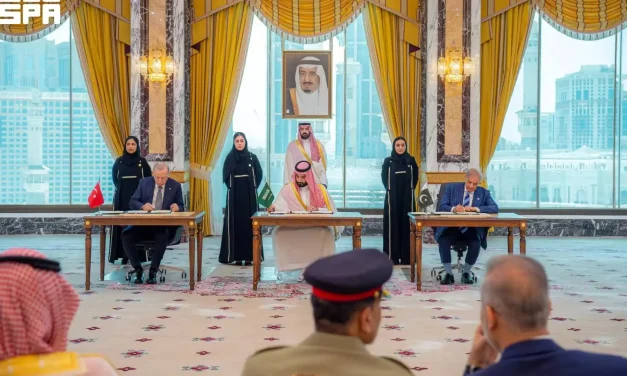
The Makkah Pact; Reasons for its Formation and Challenges Ahead

SCFR Online – Opinion: The Makkah Pact, signed between Saudi Arabia, Pakistan, and Turkey under the motto “an attack on one is an attack on all,” is viewed by some analysts less as a full-fledged military coalition and more as an attempt to reduce security dependence on an external power and to establish a regional security mechanism.
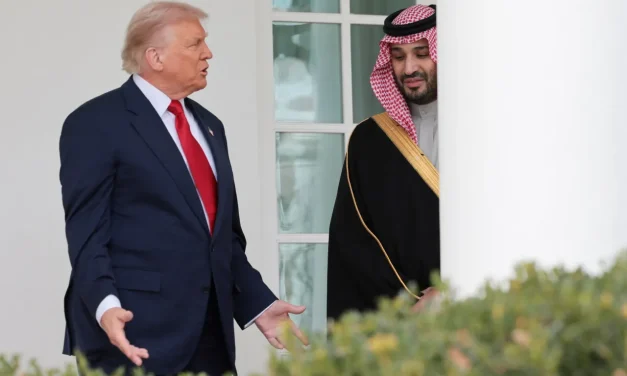
Implications of the US-Saudi Nuclear Agreement

SCFR Online – Opinion: The new US-Saudi nuclear agreement, despite legal and political ambiguities, could alter previous non-proliferation standards in West Asia and intensify nuclear competition, ushering it into a new phase.

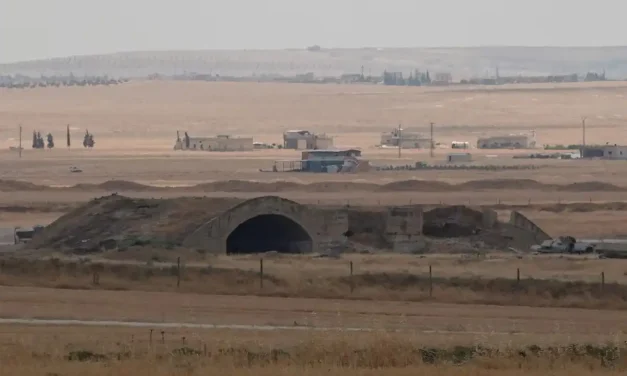
An Analysis of Recent Turkey-Israeli Regime Tensions

SCFR Online – Opinion: Recent developments in Syria indicate an intensification of strategic rivalry between Turkey and the Israeli regime, but mutual considerations and the role of the United States have limited the likelihood of direct war.

Increasing criticism of the extensive Zionist lobby network

SCFR Online – Opinion: An examination of the mechanisms of the Israeli regime’s influence in the United States depicts a complex picture of shared interests, strategic dependencies, and the limitations of this relationship.

Realities of the Tripartite Makkah Pact

SCFR Online – Interview: The signing of the Makkah agreement between Saudi Arabia, Pakistan, and Turkey has raised questions about the future of the region’s security structure and the position of these countries in West Asian equations. Can this agreement become a genuine collective defense mechanism, or does it have more of a political and deterrent function than creating new military capacity?

Strategic Implications of the Reduction of US Weapons Stockpiles

SCFR Online – Opinion: The continuation of the US war against Iran, in addition to increasing operational costs, has called into question the actual capacity of the American arsenal to simultaneously fulfill security commitments on multiple fronts; an issue that affects deterrence, defense production capacity, and Washington’s resource prioritization.

The Formation of a New Order in Relations Between Powers

SCFR Online – Opinion: The Russia-Ukraine war and the war of the United States and the Israeli regime against Iran have been formed with different objectives and actors, but field and political developments indicate that they are not entirely separate from one another.

Loading

Top News

An Analysis of Iran’s “Strategic Role” in Present, Future Developments in Syria

An Analysis of Iran’s “Strategic Role” in Present, Future Developments in Syria

Strategic Council Online – Opinion: Between 2012 when the terrorist group “Jabhat al-Nusra” (Al-Nusra Front) announced its existence, until November 21, 2017, when “Martyr Soleimani” officially announced the end of ISIS, was the most difficult political, security, economic, etc. era of Syria since the independence of that country.
Hamid Khoshayand – Expert on regional affairs

The goals of the US behind sending Patriot missile system and its repercussions

The goals of the US behind sending Patriot missile system and its repercussions

Strategic Council Online-Interview: The scientific deputy of Shahid Sadr Research Institute of the Expediency Council stated that sending the Patriot systems is the beginning of cooperation between the United States and Ukraine at a higher level, adding that this moves aims more to maintain the balance in the war and as long as Russia is involved in the war, the United States can take extensive international measures against it and making any agreement is against the US strategic goal of continuing the war and eroding Russia’s power.

Examining Effectiveness of Patriot Missiles in Ukraine War

Examining Effectiveness of Patriot Missiles in Ukraine War

Strategic Council Online – Opinion: The main lesson of the war in Ukraine is that if a country neglects to build its deterrent power and strengthen its offensive capability or relies on the security guarantees of foreign powers, it may suffer the fate of Ukraine.
Pouria Nabipour – PhD in Political Science and International Relations

The causes and consequences of blocking the Lachin corridor

The causes and consequences of blocking the Lachin corridor

Strategic Council Online—Interview: Emphasizing that the Republic of Azerbaijan and Armenia should respect each other’s territorial integrity and observe international standards, an expert on international issues said that what happened with the blocking of Lachin corridor is against the standards of international law. The Republic of Azerbaijan should be demanded to cancel the restrictions and at the same time clarify the ambiguities of the Moscow Agreement, which was signed with the presence of Russia and between Armenia and the Republic of Azerbaijan, otherwise there is always the possibility of conflicts and disputes.

Consequences of Blocking Lachin Corridor, Necessity of Regional Countries Cooperation to Resolve Regional Disputes

Consequences of Blocking Lachin Corridor, Necessity of Regional Countries Cooperation to Resolve Regional Disputes

Strategic Council Online – Interview: A professor at Yerevan State University while emphasizing the necessity of cooperation among Iran, Russia and Armenia to resolve the conflicts in the Karabakh region said: The measures being followed by the Republic of Azerbaijan show that Baku really wants war in the region. Any agreement and negotiation that takes place is quickly violated by Baku, and this violation of commitments is of no importance to them.

An Analysis of Armenia Not Welcoming Tripartite Negotiations

An Analysis of Armenia Not Welcoming Tripartite Negotiations

Strategic Council Online – Interview: An expert on Caucasus affairs said: Armenia is angry with Russia over its failure to give a quick and decisive response regarding the lifting of the blockage of the Lachin Corridor, and by not welcoming tripartite negotiations, it intends to show its dissatisfaction, but this action will not help to improve the situation and enables the Republic of Azerbaijan to find the possibility for more movement.

Greece, North Macedonia; Five Years after Prespa Agreement

Greece, North Macedonia; Five Years after Prespa Agreement

Strategic Council Online – Opinion: In his third visit to Athens in the past seven months, Boyar Osmani, the Foreign Minister of North Macedonia, while expressing full satisfaction over the process of bilateral relations between Skopje and Athens, described the relations as a model of good neighborliness and spoke about the foundation of sustainable cooperation based on trust and mutual respect. Referring to the Prespa Agreement between Greece and North Macedonia in 2018, he referred to it as the basis for further strengthening bilateral relations and cooperation, and appreciated Greece’s support for its country’s accession to the European Union.
Mahmoud Fazeli – Analyst of international affairs

An analysis of Zionist regime’s attempt to form Cyber Iron Dome

An analysis of Zionist regime’s attempt to form Cyber Iron Dome

Strategic Council Online – Interview: An expert on the Middle East affairs pointing out that the media of the Zionist regime claimed that in recent weeks the authorities of the regime held meetings with the representatives of the United Arab Emirates, Bahrain and Morocco to define a joint defense mechanism called the Cyber Iron Dome, said: Although the location of the quadrilateral meeting has not been specified by the media of the Zionist regime, it seems that the regime, after failing to form a Hebrew-Arab front against Iran, is now seeking to infiltrate and conduct electronic espionage activities in Arab countries in the region.

Reasons for NATO Concern over Russia’s Readiness to Prolong Ukraine War

Reasons for NATO Concern over Russia’s Readiness to Prolong Ukraine War

Strategic Council Online – Interview: An expert on international affairs saying that the strategy of the Russians is to force the Ukrainians to surrender or reduce the intensity of their attacks by increasing the pressure on the performance of the Ukrainians, noted: Some officials, right-wing parties and European nationalists have concerns over the sharp reduction of weaponry reserves and heavy losses of conflict in the Ukraine war.

أحدث الوظائف

The Makkah Pact; Reasons for its Formation and Challenges Ahead

SCFR Online – Opinion: The Makkah Pact, signed between Saudi Arabia, Pakistan, and Turkey under the motto “an attack on one is an attack on all,” is viewed by some analysts less as a full-fledged military coalition and more as an attempt to reduce security dependence on an external power and to establish a regional security mechanism.
Implications of the US-Saudi Nuclear Agreement

SCFR Online – Opinion: The new US-Saudi nuclear agreement, despite legal and political ambiguities, could alter previous non-proliferation standards in West Asia and intensify nuclear competition, ushering it into a new phase.

An Analysis of Recent Turkey-Israeli Regime Tensions

SCFR Online – Opinion: Recent developments in Syria indicate an intensification of strategic rivalry between Turkey and the Israeli regime, but mutual considerations and the role of the United States have limited the likelihood of direct war.

Increasing criticism of the extensive Zionist lobby network

SCFR Online – Opinion: An examination of the mechanisms of the Israeli regime’s influence in the United States depicts a complex picture of shared interests, strategic dependencies, and the limitations of this relationship.

Realities of the Tripartite Makkah Pact

SCFR Online – Interview: The signing of the Makkah agreement between Saudi Arabia, Pakistan, and Turkey has raised questions about the future of the region’s security structure and the position of these countries in West Asian equations. Can this agreement become a genuine collective defense mechanism, or does it have more of a political and deterrent function than creating new military capacity?

Strategic Implications of the Reduction of US Weapons Stockpiles

SCFR Online – Opinion: The continuation of the US war against Iran, in addition to increasing operational costs, has called into question the actual capacity of the American arsenal to simultaneously fulfill security commitments on multiple fronts; an issue that affects deterrence, defense production capacity, and Washington’s resource prioritization.

The Formation of a New Order in Relations Between Powers

SCFR Online – Opinion: The Russia-Ukraine war and the war of the United States and the Israeli regime against Iran have been formed with different objectives and actors, but field and political developments indicate that they are not entirely separate from one another.

Loading

Top News

An Analysis of Iran’s “Strategic Role” in Present, Future Developments in Syria

An Analysis of Iran’s “Strategic Role” in Present, Future Developments in Syria

Strategic Council Online – Opinion: Between 2012 when the terrorist group “Jabhat al-Nusra” (Al-Nusra Front) announced its existence, until November 21, 2017, when “Martyr Soleimani” officially announced the end of ISIS, was the most difficult political, security, economic, etc. era of Syria since the independence of that country.
Hamid Khoshayand – Expert on regional affairs

The goals of the US behind sending Patriot missile system and its repercussions

The goals of the US behind sending Patriot missile system and its repercussions

Strategic Council Online-Interview: The scientific deputy of Shahid Sadr Research Institute of the Expediency Council stated that sending the Patriot systems is the beginning of cooperation between the United States and Ukraine at a higher level, adding that this moves aims more to maintain the balance in the war and as long as Russia is involved in the war, the United States can take extensive international measures against it and making any agreement is against the US strategic goal of continuing the war and eroding Russia’s power.

Examining Effectiveness of Patriot Missiles in Ukraine War

Examining Effectiveness of Patriot Missiles in Ukraine War

Strategic Council Online – Opinion: The main lesson of the war in Ukraine is that if a country neglects to build its deterrent power and strengthen its offensive capability or relies on the security guarantees of foreign powers, it may suffer the fate of Ukraine.
Pouria Nabipour – PhD in Political Science and International Relations

The causes and consequences of blocking the Lachin corridor

The causes and consequences of blocking the Lachin corridor

Strategic Council Online—Interview: Emphasizing that the Republic of Azerbaijan and Armenia should respect each other’s territorial integrity and observe international standards, an expert on international issues said that what happened with the blocking of Lachin corridor is against the standards of international law. The Republic of Azerbaijan should be demanded to cancel the restrictions and at the same time clarify the ambiguities of the Moscow Agreement, which was signed with the presence of Russia and between Armenia and the Republic of Azerbaijan, otherwise there is always the possibility of conflicts and disputes.

Consequences of Blocking Lachin Corridor, Necessity of Regional Countries Cooperation to Resolve Regional Disputes

Consequences of Blocking Lachin Corridor, Necessity of Regional Countries Cooperation to Resolve Regional Disputes

Strategic Council Online – Interview: A professor at Yerevan State University while emphasizing the necessity of cooperation among Iran, Russia and Armenia to resolve the conflicts in the Karabakh region said: The measures being followed by the Republic of Azerbaijan show that Baku really wants war in the region. Any agreement and negotiation that takes place is quickly violated by Baku, and this violation of commitments is of no importance to them.

An Analysis of Armenia Not Welcoming Tripartite Negotiations

An Analysis of Armenia Not Welcoming Tripartite Negotiations

Strategic Council Online – Interview: An expert on Caucasus affairs said: Armenia is angry with Russia over its failure to give a quick and decisive response regarding the lifting of the blockage of the Lachin Corridor, and by not welcoming tripartite negotiations, it intends to show its dissatisfaction, but this action will not help to improve the situation and enables the Republic of Azerbaijan to find the possibility for more movement.

Greece, North Macedonia; Five Years after Prespa Agreement

Greece, North Macedonia; Five Years after Prespa Agreement

Strategic Council Online – Opinion: In his third visit to Athens in the past seven months, Boyar Osmani, the Foreign Minister of North Macedonia, while expressing full satisfaction over the process of bilateral relations between Skopje and Athens, described the relations as a model of good neighborliness and spoke about the foundation of sustainable cooperation based on trust and mutual respect. Referring to the Prespa Agreement between Greece and North Macedonia in 2018, he referred to it as the basis for further strengthening bilateral relations and cooperation, and appreciated Greece’s support for its country’s accession to the European Union.
Mahmoud Fazeli – Analyst of international affairs

An analysis of Zionist regime’s attempt to form Cyber Iron Dome

An analysis of Zionist regime’s attempt to form Cyber Iron Dome

Strategic Council Online – Interview: An expert on the Middle East affairs pointing out that the media of the Zionist regime claimed that in recent weeks the authorities of the regime held meetings with the representatives of the United Arab Emirates, Bahrain and Morocco to define a joint defense mechanism called the Cyber Iron Dome, said: Although the location of the quadrilateral meeting has not been specified by the media of the Zionist regime, it seems that the regime, after failing to form a Hebrew-Arab front against Iran, is now seeking to infiltrate and conduct electronic espionage activities in Arab countries in the region.

Reasons for NATO Concern over Russia’s Readiness to Prolong Ukraine War

Reasons for NATO Concern over Russia’s Readiness to Prolong Ukraine War

Strategic Council Online – Interview: An expert on international affairs saying that the strategy of the Russians is to force the Ukrainians to surrender or reduce the intensity of their attacks by increasing the pressure on the performance of the Ukrainians, noted: Some officials, right-wing parties and European nationalists have concerns over the sharp reduction of weaponry reserves and heavy losses of conflict in the Ukraine war.

Top News

An Analysis of Iran’s “Strategic Role” in Present, Future Developments in Syria

An Analysis of Iran’s “Strategic Role” in Present, Future Developments in Syria

Strategic Council Online – Opinion: Between 2012 when the terrorist group “Jabhat al-Nusra” (Al-Nusra Front) announced its existence, until November 21, 2017, when “Martyr Soleimani” officially announced the end of ISIS, was the most difficult political, security, economic, etc. era of Syria since the independence of that country.
Hamid Khoshayand – Expert on regional affairs

The goals of the US behind sending Patriot missile system and its repercussions

The goals of the US behind sending Patriot missile system and its repercussions

Strategic Council Online-Interview: The scientific deputy of Shahid Sadr Research Institute of the Expediency Council stated that sending the Patriot systems is the beginning of cooperation between the United States and Ukraine at a higher level, adding that this moves aims more to maintain the balance in the war and as long as Russia is involved in the war, the United States can take extensive international measures against it and making any agreement is against the US strategic goal of continuing the war and eroding Russia’s power.

Examining Effectiveness of Patriot Missiles in Ukraine War

Examining Effectiveness of Patriot Missiles in Ukraine War

Strategic Council Online – Opinion: The main lesson of the war in Ukraine is that if a country neglects to build its deterrent power and strengthen its offensive capability or relies on the security guarantees of foreign powers, it may suffer the fate of Ukraine.
Pouria Nabipour – PhD in Political Science and International Relations

The causes and consequences of blocking the Lachin corridor

The causes and consequences of blocking the Lachin corridor

Strategic Council Online—Interview: Emphasizing that the Republic of Azerbaijan and Armenia should respect each other’s territorial integrity and observe international standards, an expert on international issues said that what happened with the blocking of Lachin corridor is against the standards of international law. The Republic of Azerbaijan should be demanded to cancel the restrictions and at the same time clarify the ambiguities of the Moscow Agreement, which was signed with the presence of Russia and between Armenia and the Republic of Azerbaijan, otherwise there is always the possibility of conflicts and disputes.

Consequences of Blocking Lachin Corridor, Necessity of Regional Countries Cooperation to Resolve Regional Disputes

Consequences of Blocking Lachin Corridor, Necessity of Regional Countries Cooperation to Resolve Regional Disputes

Strategic Council Online – Interview: A professor at Yerevan State University while emphasizing the necessity of cooperation among Iran, Russia and Armenia to resolve the conflicts in the Karabakh region said: The measures being followed by the Republic of Azerbaijan show that Baku really wants war in the region. Any agreement and negotiation that takes place is quickly violated by Baku, and this violation of commitments is of no importance to them.

An Analysis of Armenia Not Welcoming Tripartite Negotiations

An Analysis of Armenia Not Welcoming Tripartite Negotiations

Strategic Council Online – Interview: An expert on Caucasus affairs said: Armenia is angry with Russia over its failure to give a quick and decisive response regarding the lifting of the blockage of the Lachin Corridor, and by not welcoming tripartite negotiations, it intends to show its dissatisfaction, but this action will not help to improve the situation and enables the Republic of Azerbaijan to find the possibility for more movement.

Greece, North Macedonia; Five Years after Prespa Agreement

Greece, North Macedonia; Five Years after Prespa Agreement

Strategic Council Online – Opinion: In his third visit to Athens in the past seven months, Boyar Osmani, the Foreign Minister of North Macedonia, while expressing full satisfaction over the process of bilateral relations between Skopje and Athens, described the relations as a model of good neighborliness and spoke about the foundation of sustainable cooperation based on trust and mutual respect. Referring to the Prespa Agreement between Greece and North Macedonia in 2018, he referred to it as the basis for further strengthening bilateral relations and cooperation, and appreciated Greece’s support for its country’s accession to the European Union.
Mahmoud Fazeli – Analyst of international affairs

An analysis of Zionist regime’s attempt to form Cyber Iron Dome

An analysis of Zionist regime’s attempt to form Cyber Iron Dome

Strategic Council Online – Interview: An expert on the Middle East affairs pointing out that the media of the Zionist regime claimed that in recent weeks the authorities of the regime held meetings with the representatives of the United Arab Emirates, Bahrain and Morocco to define a joint defense mechanism called the Cyber Iron Dome, said: Although the location of the quadrilateral meeting has not been specified by the media of the Zionist regime, it seems that the regime, after failing to form a Hebrew-Arab front against Iran, is now seeking to infiltrate and conduct electronic espionage activities in Arab countries in the region.

Reasons for NATO Concern over Russia’s Readiness to Prolong Ukraine War

Reasons for NATO Concern over Russia’s Readiness to Prolong Ukraine War

Strategic Council Online – Interview: An expert on international affairs saying that the strategy of the Russians is to force the Ukrainians to surrender or reduce the intensity of their attacks by increasing the pressure on the performance of the Ukrainians, noted: Some officials, right-wing parties and European nationalists have concerns over the sharp reduction of weaponry reserves and heavy losses of conflict in the Ukraine war.

LATEST CONTENT

The Makkah Pact; Reasons for its Formation and Challenges Ahead

SCFR Online – Opinion: The Makkah Pact, signed between Saudi Arabia, Pakistan, and Turkey under the motto “an attack on one is an attack on all,” is viewed by some analysts less as a full-fledged military coalition and more as an attempt to reduce security dependence on an external power and to establish a regional security mechanism.

Implications of the US-Saudi Nuclear Agreement

SCFR Online – Opinion: The new US-Saudi nuclear agreement, despite legal and political ambiguities, could alter previous non-proliferation standards in West Asia and intensify nuclear competition, ushering it into a new phase.

An Analysis of Recent Turkey-Israeli Regime Tensions

SCFR Online – Opinion: Recent developments in Syria indicate an intensification of strategic rivalry between Turkey and the Israeli regime, but mutual considerations and the role of the United States have limited the likelihood of direct war.

Increasing criticism of the extensive Zionist lobby network

SCFR Online – Opinion: An examination of the mechanisms of the Israeli regime’s influence in the United States depicts a complex picture of shared interests, strategic dependencies, and the limitations of this relationship.

Realities of the Tripartite Makkah Pact

SCFR Online – Interview: The signing of the Makkah agreement between Saudi Arabia, Pakistan, and Turkey has raised questions about the future of the region’s security structure and the position of these countries in West Asian equations. Can this agreement become a genuine collective defense mechanism, or does it have more of a political and deterrent function than creating new military capacity?

Strategic Implications of the Reduction of US Weapons Stockpiles

SCFR Online – Opinion: The continuation of the US war against Iran, in addition to increasing operational costs, has called into question the actual capacity of the American arsenal to simultaneously fulfill security commitments on multiple fronts; an issue that affects deterrence, defense production capacity, and Washington’s resource prioritization.

The Formation of a New Order in Relations Between Powers

SCFR Online – Opinion: The Russia-Ukraine war and the war of the United States and the Israeli regime against Iran have been formed with different objectives and actors, but field and political developments indicate that they are not entirely separate from one another.

Loading

Top News

An Analysis of Iran’s “Strategic Role” in Present, Future Developments in Syria

An Analysis of Iran’s “Strategic Role” in Present, Future Developments in Syria

Strategic Council Online – Opinion: Between 2012 when the terrorist group “Jabhat al-Nusra” (Al-Nusra Front) announced its existence, until November 21, 2017, when “Martyr Soleimani” officially announced the end of ISIS, was the most difficult political, security, economic, etc. era of Syria since the independence of that country.
Hamid Khoshayand – Expert on regional affairs

The goals of the US behind sending Patriot missile system and its repercussions

The goals of the US behind sending Patriot missile system and its repercussions

Strategic Council Online-Interview: The scientific deputy of Shahid Sadr Research Institute of the Expediency Council stated that sending the Patriot systems is the beginning of cooperation between the United States and Ukraine at a higher level, adding that this moves aims more to maintain the balance in the war and as long as Russia is involved in the war, the United States can take extensive international measures against it and making any agreement is against the US strategic goal of continuing the war and eroding Russia’s power.

Examining Effectiveness of Patriot Missiles in Ukraine War

Examining Effectiveness of Patriot Missiles in Ukraine War

Strategic Council Online – Opinion: The main lesson of the war in Ukraine is that if a country neglects to build its deterrent power and strengthen its offensive capability or relies on the security guarantees of foreign powers, it may suffer the fate of Ukraine.
Pouria Nabipour – PhD in Political Science and International Relations

The causes and consequences of blocking the Lachin corridor

The causes and consequences of blocking the Lachin corridor

Strategic Council Online—Interview: Emphasizing that the Republic of Azerbaijan and Armenia should respect each other’s territorial integrity and observe international standards, an expert on international issues said that what happened with the blocking of Lachin corridor is against the standards of international law. The Republic of Azerbaijan should be demanded to cancel the restrictions and at the same time clarify the ambiguities of the Moscow Agreement, which was signed with the presence of Russia and between Armenia and the Republic of Azerbaijan, otherwise there is always the possibility of conflicts and disputes.

Consequences of Blocking Lachin Corridor, Necessity of Regional Countries Cooperation to Resolve Regional Disputes

Consequences of Blocking Lachin Corridor, Necessity of Regional Countries Cooperation to Resolve Regional Disputes

Strategic Council Online – Interview: A professor at Yerevan State University while emphasizing the necessity of cooperation among Iran, Russia and Armenia to resolve the conflicts in the Karabakh region said: The measures being followed by the Republic of Azerbaijan show that Baku really wants war in the region. Any agreement and negotiation that takes place is quickly violated by Baku, and this violation of commitments is of no importance to them.

An Analysis of Armenia Not Welcoming Tripartite Negotiations

An Analysis of Armenia Not Welcoming Tripartite Negotiations

Strategic Council Online – Interview: An expert on Caucasus affairs said: Armenia is angry with Russia over its failure to give a quick and decisive response regarding the lifting of the blockage of the Lachin Corridor, and by not welcoming tripartite negotiations, it intends to show its dissatisfaction, but this action will not help to improve the situation and enables the Republic of Azerbaijan to find the possibility for more movement.

Greece, North Macedonia; Five Years after Prespa Agreement

Greece, North Macedonia; Five Years after Prespa Agreement

Strategic Council Online – Opinion: In his third visit to Athens in the past seven months, Boyar Osmani, the Foreign Minister of North Macedonia, while expressing full satisfaction over the process of bilateral relations between Skopje and Athens, described the relations as a model of good neighborliness and spoke about the foundation of sustainable cooperation based on trust and mutual respect. Referring to the Prespa Agreement between Greece and North Macedonia in 2018, he referred to it as the basis for further strengthening bilateral relations and cooperation, and appreciated Greece’s support for its country’s accession to the European Union.
Mahmoud Fazeli – Analyst of international affairs

An analysis of Zionist regime’s attempt to form Cyber Iron Dome

An analysis of Zionist regime’s attempt to form Cyber Iron Dome

Strategic Council Online – Interview: An expert on the Middle East affairs pointing out that the media of the Zionist regime claimed that in recent weeks the authorities of the regime held meetings with the representatives of the United Arab Emirates, Bahrain and Morocco to define a joint defense mechanism called the Cyber Iron Dome, said: Although the location of the quadrilateral meeting has not been specified by the media of the Zionist regime, it seems that the regime, after failing to form a Hebrew-Arab front against Iran, is now seeking to infiltrate and conduct electronic espionage activities in Arab countries in the region.

Reasons for NATO Concern over Russia’s Readiness to Prolong Ukraine War

Reasons for NATO Concern over Russia’s Readiness to Prolong Ukraine War

Strategic Council Online – Interview: An expert on international affairs saying that the strategy of the Russians is to force the Ukrainians to surrender or reduce the intensity of their attacks by increasing the pressure on the performance of the Ukrainians, noted: Some officials, right-wing parties and European nationalists have concerns over the sharp reduction of weaponry reserves and heavy losses of conflict in the Ukraine war.

ÚLTIMAS PUBLICACIONES

The Makkah Pact; Reasons for its Formation and Challenges Ahead

SCFR Online – Opinion: The Makkah Pact, signed between Saudi Arabia, Pakistan, and Turkey under the motto “an attack on one is an attack on all,” is viewed by some analysts less as a full-fledged military coalition and more as an attempt to reduce security dependence on an external power and to establish a regional security mechanism.
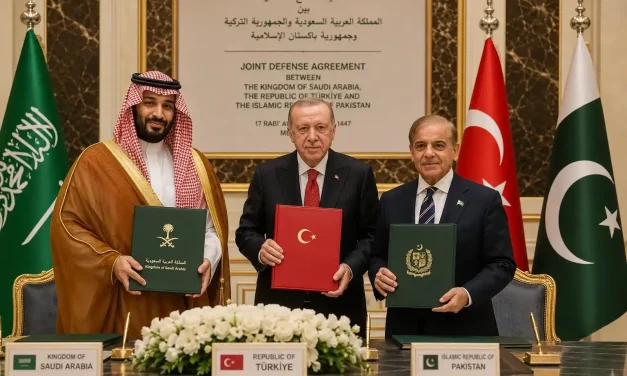
Implications of the US-Saudi Nuclear Agreement

SCFR Online – Opinion: The new US-Saudi nuclear agreement, despite legal and political ambiguities, could alter previous non-proliferation standards in West Asia and intensify nuclear competition, ushering it into a new phase.

An Analysis of Recent Turkey-Israeli Regime Tensions

SCFR Online – Opinion: Recent developments in Syria indicate an intensification of strategic rivalry between Turkey and the Israeli regime, but mutual considerations and the role of the United States have limited the likelihood of direct war.

Increasing criticism of the extensive Zionist lobby network

SCFR Online – Opinion: An examination of the mechanisms of the Israeli regime’s influence in the United States depicts a complex picture of shared interests, strategic dependencies, and the limitations of this relationship.

Realities of the Tripartite Makkah Pact

SCFR Online – Interview: The signing of the Makkah agreement between Saudi Arabia, Pakistan, and Turkey has raised questions about the future of the region’s security structure and the position of these countries in West Asian equations. Can this agreement become a genuine collective defense mechanism, or does it have more of a political and deterrent function than creating new military capacity?

Strategic Implications of the Reduction of US Weapons Stockpiles

SCFR Online – Opinion: The continuation of the US war against Iran, in addition to increasing operational costs, has called into question the actual capacity of the American arsenal to simultaneously fulfill security commitments on multiple fronts; an issue that affects deterrence, defense production capacity, and Washington’s resource prioritization.

The Formation of a New Order in Relations Between Powers

SCFR Online – Opinion: The Russia-Ukraine war and the war of the United States and the Israeli regime against Iran have been formed with different objectives and actors, but field and political developments indicate that they are not entirely separate from one another.

Loading

Top News

An Analysis of Iran’s “Strategic Role” in Present, Future Developments in Syria

An Analysis of Iran’s “Strategic Role” in Present, Future Developments in Syria

Strategic Council Online – Opinion: Between 2012 when the terrorist group “Jabhat al-Nusra” (Al-Nusra Front) announced its existence, until November 21, 2017, when “Martyr Soleimani” officially announced the end of ISIS, was the most difficult political, security, economic, etc. era of Syria since the independence of that country.
Hamid Khoshayand – Expert on regional affairs

The goals of the US behind sending Patriot missile system and its repercussions

The goals of the US behind sending Patriot missile system and its repercussions

Strategic Council Online-Interview: The scientific deputy of Shahid Sadr Research Institute of the Expediency Council stated that sending the Patriot systems is the beginning of cooperation between the United States and Ukraine at a higher level, adding that this moves aims more to maintain the balance in the war and as long as Russia is involved in the war, the United States can take extensive international measures against it and making any agreement is against the US strategic goal of continuing the war and eroding Russia’s power.

Examining Effectiveness of Patriot Missiles in Ukraine War

Examining Effectiveness of Patriot Missiles in Ukraine War

Strategic Council Online – Opinion: The main lesson of the war in Ukraine is that if a country neglects to build its deterrent power and strengthen its offensive capability or relies on the security guarantees of foreign powers, it may suffer the fate of Ukraine.
Pouria Nabipour – PhD in Political Science and International Relations

The causes and consequences of blocking the Lachin corridor

The causes and consequences of blocking the Lachin corridor

Strategic Council Online—Interview: Emphasizing that the Republic of Azerbaijan and Armenia should respect each other’s territorial integrity and observe international standards, an expert on international issues said that what happened with the blocking of Lachin corridor is against the standards of international law. The Republic of Azerbaijan should be demanded to cancel the restrictions and at the same time clarify the ambiguities of the Moscow Agreement, which was signed with the presence of Russia and between Armenia and the Republic of Azerbaijan, otherwise there is always the possibility of conflicts and disputes.

Consequences of Blocking Lachin Corridor, Necessity of Regional Countries Cooperation to Resolve Regional Disputes

Consequences of Blocking Lachin Corridor, Necessity of Regional Countries Cooperation to Resolve Regional Disputes

Strategic Council Online – Interview: A professor at Yerevan State University while emphasizing the necessity of cooperation among Iran, Russia and Armenia to resolve the conflicts in the Karabakh region said: The measures being followed by the Republic of Azerbaijan show that Baku really wants war in the region. Any agreement and negotiation that takes place is quickly violated by Baku, and this violation of commitments is of no importance to them.

An Analysis of Armenia Not Welcoming Tripartite Negotiations

An Analysis of Armenia Not Welcoming Tripartite Negotiations

Strategic Council Online – Interview: An expert on Caucasus affairs said: Armenia is angry with Russia over its failure to give a quick and decisive response regarding the lifting of the blockage of the Lachin Corridor, and by not welcoming tripartite negotiations, it intends to show its dissatisfaction, but this action will not help to improve the situation and enables the Republic of Azerbaijan to find the possibility for more movement.

Greece, North Macedonia; Five Years after Prespa Agreement

Greece, North Macedonia; Five Years after Prespa Agreement

Strategic Council Online – Opinion: In his third visit to Athens in the past seven months, Boyar Osmani, the Foreign Minister of North Macedonia, while expressing full satisfaction over the process of bilateral relations between Skopje and Athens, described the relations as a model of good neighborliness and spoke about the foundation of sustainable cooperation based on trust and mutual respect. Referring to the Prespa Agreement between Greece and North Macedonia in 2018, he referred to it as the basis for further strengthening bilateral relations and cooperation, and appreciated Greece’s support for its country’s accession to the European Union.
Mahmoud Fazeli – Analyst of international affairs

An analysis of Zionist regime’s attempt to form Cyber Iron Dome

An analysis of Zionist regime’s attempt to form Cyber Iron Dome

Strategic Council Online – Interview: An expert on the Middle East affairs pointing out that the media of the Zionist regime claimed that in recent weeks the authorities of the regime held meetings with the representatives of the United Arab Emirates, Bahrain and Morocco to define a joint defense mechanism called the Cyber Iron Dome, said: Although the location of the quadrilateral meeting has not been specified by the media of the Zionist regime, it seems that the regime, after failing to form a Hebrew-Arab front against Iran, is now seeking to infiltrate and conduct electronic espionage activities in Arab countries in the region.

Reasons for NATO Concern over Russia’s Readiness to Prolong Ukraine War

Reasons for NATO Concern over Russia’s Readiness to Prolong Ukraine War

Strategic Council Online – Interview: An expert on international affairs saying that the strategy of the Russians is to force the Ukrainians to surrender or reduce the intensity of their attacks by increasing the pressure on the performance of the Ukrainians, noted: Some officials, right-wing parties and European nationalists have concerns over the sharp reduction of weaponry reserves and heavy losses of conflict in the Ukraine war.

ÚLTIMAS PUBLICACIONES

The Makkah Pact; Reasons for its Formation and Challenges Ahead

SCFR Online – Opinion: The Makkah Pact, signed between Saudi Arabia, Pakistan, and Turkey under the motto “an attack on one is an attack on all,” is viewed by some analysts less as a full-fledged military coalition and more as an attempt to reduce security dependence on an external power and to establish a regional security mechanism.
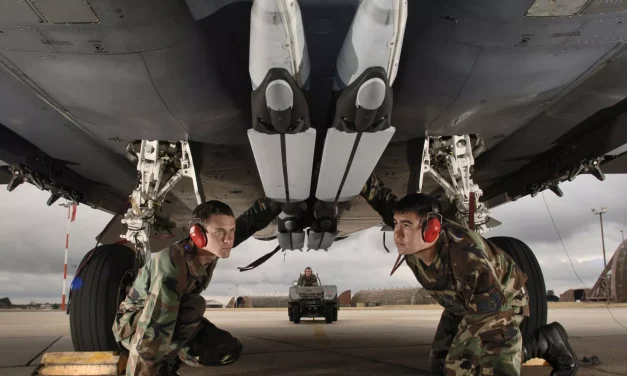
Implications of the US-Saudi Nuclear Agreement

SCFR Online – Opinion: The new US-Saudi nuclear agreement, despite legal and political ambiguities, could alter previous non-proliferation standards in West Asia and intensify nuclear competition, ushering it into a new phase.

An Analysis of Recent Turkey-Israeli Regime Tensions

SCFR Online – Opinion: Recent developments in Syria indicate an intensification of strategic rivalry between Turkey and the Israeli regime, but mutual considerations and the role of the United States have limited the likelihood of direct war.

Increasing criticism of the extensive Zionist lobby network

SCFR Online – Opinion: An examination of the mechanisms of the Israeli regime’s influence in the United States depicts a complex picture of shared interests, strategic dependencies, and the limitations of this relationship.

Realities of the Tripartite Makkah Pact

SCFR Online – Interview: The signing of the Makkah agreement between Saudi Arabia, Pakistan, and Turkey has raised questions about the future of the region’s security structure and the position of these countries in West Asian equations. Can this agreement become a genuine collective defense mechanism, or does it have more of a political and deterrent function than creating new military capacity?

Strategic Implications of the Reduction of US Weapons Stockpiles

SCFR Online – Opinion: The continuation of the US war against Iran, in addition to increasing operational costs, has called into question the actual capacity of the American arsenal to simultaneously fulfill security commitments on multiple fronts; an issue that affects deterrence, defense production capacity, and Washington’s resource prioritization.

The Formation of a New Order in Relations Between Powers

SCFR Online – Opinion: The Russia-Ukraine war and the war of the United States and the Israeli regime against Iran have been formed with different objectives and actors, but field and political developments indicate that they are not entirely separate from one another.

Loading

Top News

An Analysis of Iran’s “Strategic Role” in Present, Future Developments in Syria

An Analysis of Iran’s “Strategic Role” in Present, Future Developments in Syria

Strategic Council Online – Opinion: Between 2012 when the terrorist group “Jabhat al-Nusra” (Al-Nusra Front) announced its existence, until November 21, 2017, when “Martyr Soleimani” officially announced the end of ISIS, was the most difficult political, security, economic, etc. era of Syria since the independence of that country.
Hamid Khoshayand – Expert on regional affairs

The goals of the US behind sending Patriot missile system and its repercussions

The goals of the US behind sending Patriot missile system and its repercussions

Strategic Council Online-Interview: The scientific deputy of Shahid Sadr Research Institute of the Expediency Council stated that sending the Patriot systems is the beginning of cooperation between the United States and Ukraine at a higher level, adding that this moves aims more to maintain the balance in the war and as long as Russia is involved in the war, the United States can take extensive international measures against it and making any agreement is against the US strategic goal of continuing the war and eroding Russia’s power.

Examining Effectiveness of Patriot Missiles in Ukraine War

Examining Effectiveness of Patriot Missiles in Ukraine War

Strategic Council Online – Opinion: The main lesson of the war in Ukraine is that if a country neglects to build its deterrent power and strengthen its offensive capability or relies on the security guarantees of foreign powers, it may suffer the fate of Ukraine.
Pouria Nabipour – PhD in Political Science and International Relations

The causes and consequences of blocking the Lachin corridor

The causes and consequences of blocking the Lachin corridor

Strategic Council Online—Interview: Emphasizing that the Republic of Azerbaijan and Armenia should respect each other’s territorial integrity and observe international standards, an expert on international issues said that what happened with the blocking of Lachin corridor is against the standards of international law. The Republic of Azerbaijan should be demanded to cancel the restrictions and at the same time clarify the ambiguities of the Moscow Agreement, which was signed with the presence of Russia and between Armenia and the Republic of Azerbaijan, otherwise there is always the possibility of conflicts and disputes.

Consequences of Blocking Lachin Corridor, Necessity of Regional Countries Cooperation to Resolve Regional Disputes

Consequences of Blocking Lachin Corridor, Necessity of Regional Countries Cooperation to Resolve Regional Disputes

Strategic Council Online – Interview: A professor at Yerevan State University while emphasizing the necessity of cooperation among Iran, Russia and Armenia to resolve the conflicts in the Karabakh region said: The measures being followed by the Republic of Azerbaijan show that Baku really wants war in the region. Any agreement and negotiation that takes place is quickly violated by Baku, and this violation of commitments is of no importance to them.

An Analysis of Armenia Not Welcoming Tripartite Negotiations

An Analysis of Armenia Not Welcoming Tripartite Negotiations

Strategic Council Online – Interview: An expert on Caucasus affairs said: Armenia is angry with Russia over its failure to give a quick and decisive response regarding the lifting of the blockage of the Lachin Corridor, and by not welcoming tripartite negotiations, it intends to show its dissatisfaction, but this action will not help to improve the situation and enables the Republic of Azerbaijan to find the possibility for more movement.

Greece, North Macedonia; Five Years after Prespa Agreement

Greece, North Macedonia; Five Years after Prespa Agreement

Strategic Council Online – Opinion: In his third visit to Athens in the past seven months, Boyar Osmani, the Foreign Minister of North Macedonia, while expressing full satisfaction over the process of bilateral relations between Skopje and Athens, described the relations as a model of good neighborliness and spoke about the foundation of sustainable cooperation based on trust and mutual respect. Referring to the Prespa Agreement between Greece and North Macedonia in 2018, he referred to it as the basis for further strengthening bilateral relations and cooperation, and appreciated Greece’s support for its country’s accession to the European Union.
Mahmoud Fazeli – Analyst of international affairs

An analysis of Zionist regime’s attempt to form Cyber Iron Dome

An analysis of Zionist regime’s attempt to form Cyber Iron Dome

Strategic Council Online – Interview: An expert on the Middle East affairs pointing out that the media of the Zionist regime claimed that in recent weeks the authorities of the regime held meetings with the representatives of the United Arab Emirates, Bahrain and Morocco to define a joint defense mechanism called the Cyber Iron Dome, said: Although the location of the quadrilateral meeting has not been specified by the media of the Zionist regime, it seems that the regime, after failing to form a Hebrew-Arab front against Iran, is now seeking to infiltrate and conduct electronic espionage activities in Arab countries in the region.

Reasons for NATO Concern over Russia’s Readiness to Prolong Ukraine War

Reasons for NATO Concern over Russia’s Readiness to Prolong Ukraine War

Strategic Council Online – Interview: An expert on international affairs saying that the strategy of the Russians is to force the Ukrainians to surrender or reduce the intensity of their attacks by increasing the pressure on the performance of the Ukrainians, noted: Some officials, right-wing parties and European nationalists have concerns over the sharp reduction of weaponry reserves and heavy losses of conflict in the Ukraine war.

ÚLTIMAS PUBLICACIONES

The Makkah Pact; Reasons for its Formation and Challenges Ahead

SCFR Online – Opinion: The Makkah Pact, signed between Saudi Arabia, Pakistan, and Turkey under the motto “an attack on one is an attack on all,” is viewed by some analysts less as a full-fledged military coalition and more as an attempt to reduce security dependence on an external power and to establish a regional security mechanism.
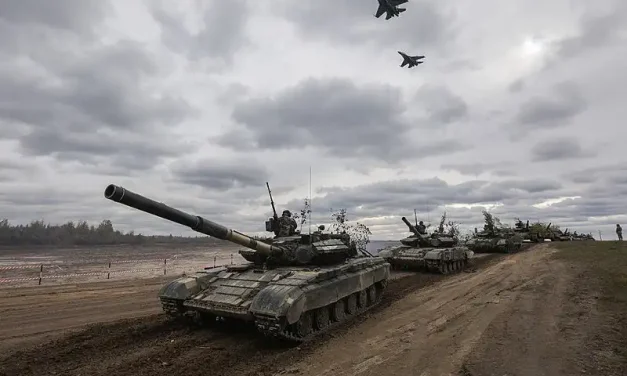
Implications of the US-Saudi Nuclear Agreement

SCFR Online – Opinion: The new US-Saudi nuclear agreement, despite legal and political ambiguities, could alter previous non-proliferation standards in West Asia and intensify nuclear competition, ushering it into a new phase.

An Analysis of Recent Turkey-Israeli Regime Tensions

SCFR Online – Opinion: Recent developments in Syria indicate an intensification of strategic rivalry between Turkey and the Israeli regime, but mutual considerations and the role of the United States have limited the likelihood of direct war.

Increasing criticism of the extensive Zionist lobby network

SCFR Online – Opinion: An examination of the mechanisms of the Israeli regime’s influence in the United States depicts a complex picture of shared interests, strategic dependencies, and the limitations of this relationship.

Realities of the Tripartite Makkah Pact

SCFR Online – Interview: The signing of the Makkah agreement between Saudi Arabia, Pakistan, and Turkey has raised questions about the future of the region’s security structure and the position of these countries in West Asian equations. Can this agreement become a genuine collective defense mechanism, or does it have more of a political and deterrent function than creating new military capacity?

Strategic Implications of the Reduction of US Weapons Stockpiles

SCFR Online – Opinion: The continuation of the US war against Iran, in addition to increasing operational costs, has called into question the actual capacity of the American arsenal to simultaneously fulfill security commitments on multiple fronts; an issue that affects deterrence, defense production capacity, and Washington’s resource prioritization.

The Formation of a New Order in Relations Between Powers

SCFR Online – Opinion: The Russia-Ukraine war and the war of the United States and the Israeli regime against Iran have been formed with different objectives and actors, but field and political developments indicate that they are not entirely separate from one another.

Loading

Top News

An Analysis of Iran’s “Strategic Role” in Present, Future Developments in Syria

An Analysis of Iran’s “Strategic Role” in Present, Future Developments in Syria

Strategic Council Online – Opinion: Between 2012 when the terrorist group “Jabhat al-Nusra” (Al-Nusra Front) announced its existence, until November 21, 2017, when “Martyr Soleimani” officially announced the end of ISIS, was the most difficult political, security, economic, etc. era of Syria since the independence of that country.
Hamid Khoshayand – Expert on regional affairs

The goals of the US behind sending Patriot missile system and its repercussions

The goals of the US behind sending Patriot missile system and its repercussions

Strategic Council Online-Interview: The scientific deputy of Shahid Sadr Research Institute of the Expediency Council stated that sending the Patriot systems is the beginning of cooperation between the United States and Ukraine at a higher level, adding that this moves aims more to maintain the balance in the war and as long as Russia is involved in the war, the United States can take extensive international measures against it and making any agreement is against the US strategic goal of continuing the war and eroding Russia’s power.

Examining Effectiveness of Patriot Missiles in Ukraine War

Examining Effectiveness of Patriot Missiles in Ukraine War

Strategic Council Online – Opinion: The main lesson of the war in Ukraine is that if a country neglects to build its deterrent power and strengthen its offensive capability or relies on the security guarantees of foreign powers, it may suffer the fate of Ukraine.
Pouria Nabipour – PhD in Political Science and International Relations

The causes and consequences of blocking the Lachin corridor

The causes and consequences of blocking the Lachin corridor

Strategic Council Online—Interview: Emphasizing that the Republic of Azerbaijan and Armenia should respect each other’s territorial integrity and observe international standards, an expert on international issues said that what happened with the blocking of Lachin corridor is against the standards of international law. The Republic of Azerbaijan should be demanded to cancel the restrictions and at the same time clarify the ambiguities of the Moscow Agreement, which was signed with the presence of Russia and between Armenia and the Republic of Azerbaijan, otherwise there is always the possibility of conflicts and disputes.

Consequences of Blocking Lachin Corridor, Necessity of Regional Countries Cooperation to Resolve Regional Disputes

Consequences of Blocking Lachin Corridor, Necessity of Regional Countries Cooperation to Resolve Regional Disputes

Strategic Council Online – Interview: A professor at Yerevan State University while emphasizing the necessity of cooperation among Iran, Russia and Armenia to resolve the conflicts in the Karabakh region said: The measures being followed by the Republic of Azerbaijan show that Baku really wants war in the region. Any agreement and negotiation that takes place is quickly violated by Baku, and this violation of commitments is of no importance to them.

An Analysis of Armenia Not Welcoming Tripartite Negotiations

An Analysis of Armenia Not Welcoming Tripartite Negotiations

Strategic Council Online – Interview: An expert on Caucasus affairs said: Armenia is angry with Russia over its failure to give a quick and decisive response regarding the lifting of the blockage of the Lachin Corridor, and by not welcoming tripartite negotiations, it intends to show its dissatisfaction, but this action will not help to improve the situation and enables the Republic of Azerbaijan to find the possibility for more movement.

Greece, North Macedonia; Five Years after Prespa Agreement

Greece, North Macedonia; Five Years after Prespa Agreement

Strategic Council Online – Opinion: In his third visit to Athens in the past seven months, Boyar Osmani, the Foreign Minister of North Macedonia, while expressing full satisfaction over the process of bilateral relations between Skopje and Athens, described the relations as a model of good neighborliness and spoke about the foundation of sustainable cooperation based on trust and mutual respect. Referring to the Prespa Agreement between Greece and North Macedonia in 2018, he referred to it as the basis for further strengthening bilateral relations and cooperation, and appreciated Greece’s support for its country’s accession to the European Union.
Mahmoud Fazeli – Analyst of international affairs

An analysis of Zionist regime’s attempt to form Cyber Iron Dome

An analysis of Zionist regime’s attempt to form Cyber Iron Dome

Strategic Council Online – Interview: An expert on the Middle East affairs pointing out that the media of the Zionist regime claimed that in recent weeks the authorities of the regime held meetings with the representatives of the United Arab Emirates, Bahrain and Morocco to define a joint defense mechanism called the Cyber Iron Dome, said: Although the location of the quadrilateral meeting has not been specified by the media of the Zionist regime, it seems that the regime, after failing to form a Hebrew-Arab front against Iran, is now seeking to infiltrate and conduct electronic espionage activities in Arab countries in the region.

Reasons for NATO Concern over Russia’s Readiness to Prolong Ukraine War

Reasons for NATO Concern over Russia’s Readiness to Prolong Ukraine War

Strategic Council Online – Interview: An expert on international affairs saying that the strategy of the Russians is to force the Ukrainians to surrender or reduce the intensity of their attacks by increasing the pressure on the performance of the Ukrainians, noted: Some officials, right-wing parties and European nationalists have concerns over the sharp reduction of weaponry reserves and heavy losses of conflict in the Ukraine war.

ÚLTIMAS PUBLICACIONES

The Makkah Pact; Reasons for its Formation and Challenges Ahead

SCFR Online – Opinion: The Makkah Pact, signed between Saudi Arabia, Pakistan, and Turkey under the motto “an attack on one is an attack on all,” is viewed by some analysts less as a full-fledged military coalition and more as an attempt to reduce security dependence on an external power and to establish a regional security mechanism.

Implications of the US-Saudi Nuclear Agreement

SCFR Online – Opinion: The new US-Saudi nuclear agreement, despite legal and political ambiguities, could alter previous non-proliferation standards in West Asia and intensify nuclear competition, ushering it into a new phase.

An Analysis of Recent Turkey-Israeli Regime Tensions

SCFR Online – Opinion: Recent developments in Syria indicate an intensification of strategic rivalry between Turkey and the Israeli regime, but mutual considerations and the role of the United States have limited the likelihood of direct war.

Increasing criticism of the extensive Zionist lobby network

SCFR Online – Opinion: An examination of the mechanisms of the Israeli regime’s influence in the United States depicts a complex picture of shared interests, strategic dependencies, and the limitations of this relationship.

Realities of the Tripartite Makkah Pact

SCFR Online – Interview: The signing of the Makkah agreement between Saudi Arabia, Pakistan, and Turkey has raised questions about the future of the region’s security structure and the position of these countries in West Asian equations. Can this agreement become a genuine collective defense mechanism, or does it have more of a political and deterrent function than creating new military capacity?

Strategic Implications of the Reduction of US Weapons Stockpiles

SCFR Online – Opinion: The continuation of the US war against Iran, in addition to increasing operational costs, has called into question the actual capacity of the American arsenal to simultaneously fulfill security commitments on multiple fronts; an issue that affects deterrence, defense production capacity, and Washington’s resource prioritization.

The Formation of a New Order in Relations Between Powers

SCFR Online – Opinion: The Russia-Ukraine war and the war of the United States and the Israeli regime against Iran have been formed with different objectives and actors, but field and political developments indicate that they are not entirely separate from one another.

Loading