جدیدترین مطالب

The Makkah Pact; Reasons for its Formation and Challenges Ahead

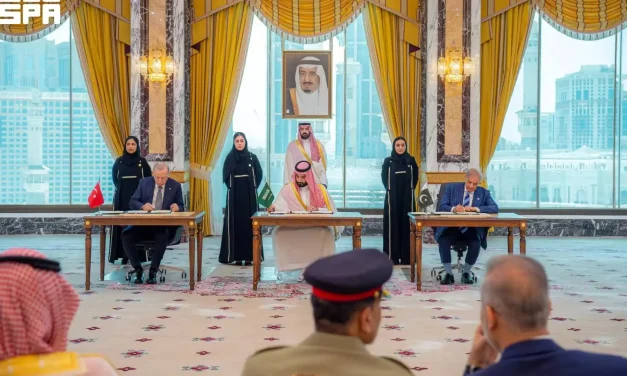
SCFR Online – Opinion: The Makkah Pact, signed between Saudi Arabia, Pakistan, and Turkey under the motto “an attack on one is an attack on all,” is viewed by some analysts less as a full-fledged military coalition and more as an attempt to reduce security dependence on an external power and to establish a regional security mechanism.
Implications of the US-Saudi Nuclear Agreement

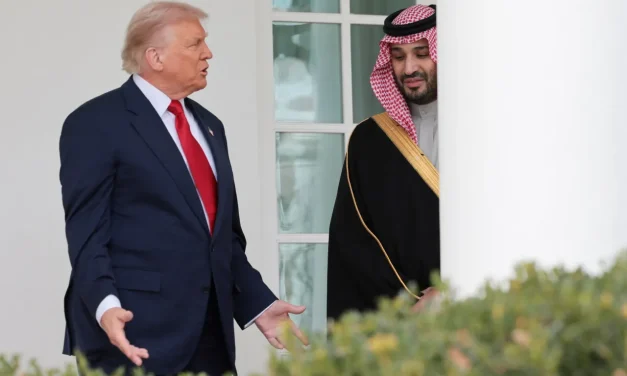
SCFR Online – Opinion: The new US-Saudi nuclear agreement, despite legal and political ambiguities, could alter previous non-proliferation standards in West Asia and intensify nuclear competition, ushering it into a new phase.

An Analysis of Recent Turkey-Israeli Regime Tensions

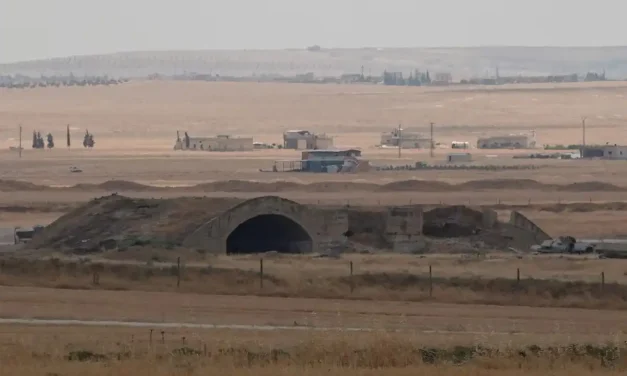
SCFR Online – Opinion: Recent developments in Syria indicate an intensification of strategic rivalry between Turkey and the Israeli regime, but mutual considerations and the role of the United States have limited the likelihood of direct war.

Increasing criticism of the extensive Zionist lobby network

SCFR Online – Opinion: An examination of the mechanisms of the Israeli regime’s influence in the United States depicts a complex picture of shared interests, strategic dependencies, and the limitations of this relationship.

Realities of the Tripartite Makkah Pact

SCFR Online – Interview: The signing of the Makkah agreement between Saudi Arabia, Pakistan, and Turkey has raised questions about the future of the region’s security structure and the position of these countries in West Asian equations. Can this agreement become a genuine collective defense mechanism, or does it have more of a political and deterrent function than creating new military capacity?

Strategic Implications of the Reduction of US Weapons Stockpiles

SCFR Online – Opinion: The continuation of the US war against Iran, in addition to increasing operational costs, has called into question the actual capacity of the American arsenal to simultaneously fulfill security commitments on multiple fronts; an issue that affects deterrence, defense production capacity, and Washington’s resource prioritization.

The Formation of a New Order in Relations Between Powers

SCFR Online – Opinion: The Russia-Ukraine war and the war of the United States and the Israeli regime against Iran have been formed with different objectives and actors, but field and political developments indicate that they are not entirely separate from one another.

Loading

Top News

Lebanese Parliamentary Election & Political Perspective Ahead

Lebanese Parliamentary Election & Political Perspective Ahead

Strategic Council Online – Interview: The expert of West Asia affairs commented about the recent parliamentary election of Lebanon and its results:” the results obtained was in a way that no party managed to win the majority of the parliament. It means the lists of Resistance Coalition groups gained about 58 to 59 seats and the other party that is in line with the West – Arab axis gained nearly 41 to 45 seats. Amid this, independent groups and individuals also won 128 seats”.

Perspective of the U.S. Strategy to Confront China

Perspective of the U.S. Strategy to Confront China

Having stated that the U.S. would like to have clash in the peripheral and strategic depth of China, an expert of the international issues said:” in the meantime, the U.S. follows up the decline of China’s competition capability in all fields and the competition will, certainly, turn to a hostility”.

Causes & Consequences of China & Russia Confrontation versus the U.S. on Resolution against North Korea

Causes & Consequences of China & Russia Confrontation versus the U.S. on Resolution against North Korea

Strategic Council Online – Interview: An expert of international issues mentioned the reason why Russia and China did not accompany the West on North Korea’s ballistic and nuclear missiles because of security balance considerations and balance of power versus the West and said:” new circumstances in international system caused Russia and China to strategically distance from some of their principles”.

Objectives, Message of North Korea’s Intensified Missile Tests

Objectives, Message of North Korea’s Intensified Missile Tests

Strategic Council Online – Opinion: Following Joe Biden’s recent visit to Asia, North Korea conducted three missile tests on May 24, which observers say included two short-range ballistic missiles and one intercontinental missile. The tests are considered as the seventeenth round of tests in that country in 2022. The latest intercontinental ballistic missile test, if confirmed, is the second since March. Such developments show that North Korea is breaking away from the “self-imposed suspension” from 2018.
Mohammad Javad Ghahremani – Expert on Asia affairs

Prospects of UAE-Zionist Regime Free Trade Agreement

Prospects of UAE-Zionist Regime Free Trade Agreement

Strategic Council Online – Interview: An expert on the Middle East affairs commenting on the signing of a free trade agreement between the Zionist regime and the UAE, which covers 96 percent of trade volume between the two sides, said: The purpose of such contacts under the economic banner is to create a Hebrew-Arab coalition in the region and because the borders of the Axis of Resistance have expanded to the borders of the Occupied Territories and pose security risks to Tel Aviv, the regime is trying to change this balance of power in its own favor through political and security ties with the UAE, Bahrain and even Morocco.

Europe’s Defense Independence in Coma

Europe’s Defense Independence in Coma

Strategic Council Online – Interview: An expert on Europe affairs said that the Ukraine war was entirely in NATO’s favor and in favor of reviving the US hegemony at the expense of Europe, adding: Given that Europe has numerous immediate economic and security challenges and is faced with the dreadful prospect of a significant drop in Russian gas exports and high energy prices, the possibility of moving towards mechanisms for defense independence has been brought severely under questioned.

New Step taken by Iraqi Parliament against Normalizing of Relations with the Zionist Regime

New Step taken by Iraqi Parliament against Normalizing of Relations with the Zionist Regime

Strategic Council Online – Interview: An expert of the Middle East issues commented on the recent measure taken by the Iraqi parliament that has passed a bill which makes it a crime to normalize ties with the Zionist regime and said:” While it was very important for the Zionist regime to have Iraq joining those countries that have already normalized their relations with the regime, but today, we witness that contrary to the will of Tel Aviv, Iraqi parliament has passed the bill”.

New Round of Turkey – Greece Tension

New Round of Turkey – Greece Tension

Strategic Council Online – Opinion: Following Turkey’s decision to cut off any negotiations with Greece, the conservative Greek government is preparing for the next steps in the conflict with Ankara. The Greek side is trying to raise the issue of “challenge generation and agressivity” of Turkey at the next EU summit to be held in 23-24 of the current month.
Mahmoud Fazeli – International affairs analyst

Dimensions of Escalated Turkey – NATO Differences

Dimensions of Escalated Turkey – NATO Differences

Strategic Council Online – Opinion: Turkish President Recep Tayyip Erdogan, while stating that Finland and Sweden, in order to join NATO should not bother themselves to send delegations to Ankara with an aim of convincing Turkey, expressed his explicit opposition to the two Scandinavian countries joining NATO. Meanwhile, Sweden and Finland, citing Russia’s invasion of Ukraine, have recently stated that they are determined to end their centuries-old non-military commitment and join NATO.
Pouria Nabipour – PhD in political science and international relations

Objectives and consequences of new Turkish military movements in Syria

Objectives and consequences of new Turkish military movements in Syria

Strategic Council Online—Opinion: One of the most important consequences of the prolongation of the Russian conflict in Ukraine and the erosion of this war in Europe is the impact on the extent and manner of Russia’s military presence in the Middle East and, most importantly, in Syria. Russia has to deploy a large part of its forces and military base in Syria to support its forces in Ukraine, and in this case, the vacuum of Russia’s presence in crisis-stricken Syria will allow new conflicts to arise between ambitious actors, including Turkey.
Ali Saadtazar-Director of Turkey Department, Encyclopedia of Contemporary Islam

أحدث الوظائف

The Makkah Pact; Reasons for its Formation and Challenges Ahead

SCFR Online – Opinion: The Makkah Pact, signed between Saudi Arabia, Pakistan, and Turkey under the motto “an attack on one is an attack on all,” is viewed by some analysts less as a full-fledged military coalition and more as an attempt to reduce security dependence on an external power and to establish a regional security mechanism.
Implications of the US-Saudi Nuclear Agreement

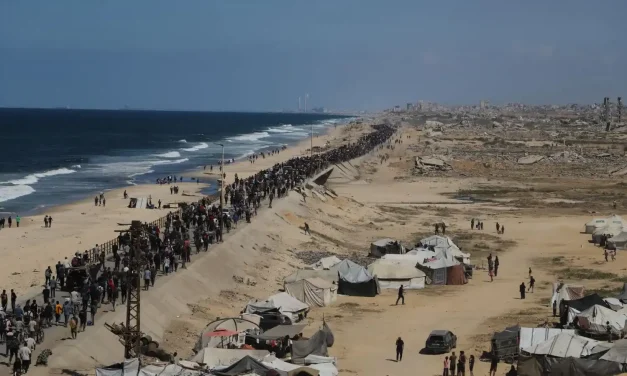
SCFR Online – Opinion: The new US-Saudi nuclear agreement, despite legal and political ambiguities, could alter previous non-proliferation standards in West Asia and intensify nuclear competition, ushering it into a new phase.

An Analysis of Recent Turkey-Israeli Regime Tensions

SCFR Online – Opinion: Recent developments in Syria indicate an intensification of strategic rivalry between Turkey and the Israeli regime, but mutual considerations and the role of the United States have limited the likelihood of direct war.

Increasing criticism of the extensive Zionist lobby network

SCFR Online – Opinion: An examination of the mechanisms of the Israeli regime’s influence in the United States depicts a complex picture of shared interests, strategic dependencies, and the limitations of this relationship.

Realities of the Tripartite Makkah Pact

SCFR Online – Interview: The signing of the Makkah agreement between Saudi Arabia, Pakistan, and Turkey has raised questions about the future of the region’s security structure and the position of these countries in West Asian equations. Can this agreement become a genuine collective defense mechanism, or does it have more of a political and deterrent function than creating new military capacity?

Strategic Implications of the Reduction of US Weapons Stockpiles

SCFR Online – Opinion: The continuation of the US war against Iran, in addition to increasing operational costs, has called into question the actual capacity of the American arsenal to simultaneously fulfill security commitments on multiple fronts; an issue that affects deterrence, defense production capacity, and Washington’s resource prioritization.

The Formation of a New Order in Relations Between Powers

SCFR Online – Opinion: The Russia-Ukraine war and the war of the United States and the Israeli regime against Iran have been formed with different objectives and actors, but field and political developments indicate that they are not entirely separate from one another.

Loading

Top News

Lebanese Parliamentary Election & Political Perspective Ahead

Lebanese Parliamentary Election & Political Perspective Ahead

Strategic Council Online – Interview: The expert of West Asia affairs commented about the recent parliamentary election of Lebanon and its results:” the results obtained was in a way that no party managed to win the majority of the parliament. It means the lists of Resistance Coalition groups gained about 58 to 59 seats and the other party that is in line with the West – Arab axis gained nearly 41 to 45 seats. Amid this, independent groups and individuals also won 128 seats”.

Perspective of the U.S. Strategy to Confront China

Perspective of the U.S. Strategy to Confront China

Having stated that the U.S. would like to have clash in the peripheral and strategic depth of China, an expert of the international issues said:” in the meantime, the U.S. follows up the decline of China’s competition capability in all fields and the competition will, certainly, turn to a hostility”.

Causes & Consequences of China & Russia Confrontation versus the U.S. on Resolution against North Korea

Causes & Consequences of China & Russia Confrontation versus the U.S. on Resolution against North Korea

Strategic Council Online – Interview: An expert of international issues mentioned the reason why Russia and China did not accompany the West on North Korea’s ballistic and nuclear missiles because of security balance considerations and balance of power versus the West and said:” new circumstances in international system caused Russia and China to strategically distance from some of their principles”.

Objectives, Message of North Korea’s Intensified Missile Tests

Objectives, Message of North Korea’s Intensified Missile Tests

Strategic Council Online – Opinion: Following Joe Biden’s recent visit to Asia, North Korea conducted three missile tests on May 24, which observers say included two short-range ballistic missiles and one intercontinental missile. The tests are considered as the seventeenth round of tests in that country in 2022. The latest intercontinental ballistic missile test, if confirmed, is the second since March. Such developments show that North Korea is breaking away from the “self-imposed suspension” from 2018.
Mohammad Javad Ghahremani – Expert on Asia affairs

Prospects of UAE-Zionist Regime Free Trade Agreement

Prospects of UAE-Zionist Regime Free Trade Agreement

Strategic Council Online – Interview: An expert on the Middle East affairs commenting on the signing of a free trade agreement between the Zionist regime and the UAE, which covers 96 percent of trade volume between the two sides, said: The purpose of such contacts under the economic banner is to create a Hebrew-Arab coalition in the region and because the borders of the Axis of Resistance have expanded to the borders of the Occupied Territories and pose security risks to Tel Aviv, the regime is trying to change this balance of power in its own favor through political and security ties with the UAE, Bahrain and even Morocco.

Europe’s Defense Independence in Coma

Europe’s Defense Independence in Coma

Strategic Council Online – Interview: An expert on Europe affairs said that the Ukraine war was entirely in NATO’s favor and in favor of reviving the US hegemony at the expense of Europe, adding: Given that Europe has numerous immediate economic and security challenges and is faced with the dreadful prospect of a significant drop in Russian gas exports and high energy prices, the possibility of moving towards mechanisms for defense independence has been brought severely under questioned.

New Step taken by Iraqi Parliament against Normalizing of Relations with the Zionist Regime

New Step taken by Iraqi Parliament against Normalizing of Relations with the Zionist Regime

Strategic Council Online – Interview: An expert of the Middle East issues commented on the recent measure taken by the Iraqi parliament that has passed a bill which makes it a crime to normalize ties with the Zionist regime and said:” While it was very important for the Zionist regime to have Iraq joining those countries that have already normalized their relations with the regime, but today, we witness that contrary to the will of Tel Aviv, Iraqi parliament has passed the bill”.

New Round of Turkey – Greece Tension

New Round of Turkey – Greece Tension

Strategic Council Online – Opinion: Following Turkey’s decision to cut off any negotiations with Greece, the conservative Greek government is preparing for the next steps in the conflict with Ankara. The Greek side is trying to raise the issue of “challenge generation and agressivity” of Turkey at the next EU summit to be held in 23-24 of the current month.
Mahmoud Fazeli – International affairs analyst

Dimensions of Escalated Turkey – NATO Differences

Dimensions of Escalated Turkey – NATO Differences

Strategic Council Online – Opinion: Turkish President Recep Tayyip Erdogan, while stating that Finland and Sweden, in order to join NATO should not bother themselves to send delegations to Ankara with an aim of convincing Turkey, expressed his explicit opposition to the two Scandinavian countries joining NATO. Meanwhile, Sweden and Finland, citing Russia’s invasion of Ukraine, have recently stated that they are determined to end their centuries-old non-military commitment and join NATO.
Pouria Nabipour – PhD in political science and international relations

Objectives and consequences of new Turkish military movements in Syria

Objectives and consequences of new Turkish military movements in Syria

Strategic Council Online—Opinion: One of the most important consequences of the prolongation of the Russian conflict in Ukraine and the erosion of this war in Europe is the impact on the extent and manner of Russia’s military presence in the Middle East and, most importantly, in Syria. Russia has to deploy a large part of its forces and military base in Syria to support its forces in Ukraine, and in this case, the vacuum of Russia’s presence in crisis-stricken Syria will allow new conflicts to arise between ambitious actors, including Turkey.
Ali Saadtazar-Director of Turkey Department, Encyclopedia of Contemporary Islam

Top News

Lebanese Parliamentary Election & Political Perspective Ahead

Lebanese Parliamentary Election & Political Perspective Ahead

Strategic Council Online – Interview: The expert of West Asia affairs commented about the recent parliamentary election of Lebanon and its results:” the results obtained was in a way that no party managed to win the majority of the parliament. It means the lists of Resistance Coalition groups gained about 58 to 59 seats and the other party that is in line with the West – Arab axis gained nearly 41 to 45 seats. Amid this, independent groups and individuals also won 128 seats”.

Perspective of the U.S. Strategy to Confront China

Perspective of the U.S. Strategy to Confront China

Having stated that the U.S. would like to have clash in the peripheral and strategic depth of China, an expert of the international issues said:” in the meantime, the U.S. follows up the decline of China’s competition capability in all fields and the competition will, certainly, turn to a hostility”.

Causes & Consequences of China & Russia Confrontation versus the U.S. on Resolution against North Korea

Causes & Consequences of China & Russia Confrontation versus the U.S. on Resolution against North Korea

Strategic Council Online – Interview: An expert of international issues mentioned the reason why Russia and China did not accompany the West on North Korea’s ballistic and nuclear missiles because of security balance considerations and balance of power versus the West and said:” new circumstances in international system caused Russia and China to strategically distance from some of their principles”.

Objectives, Message of North Korea’s Intensified Missile Tests

Objectives, Message of North Korea’s Intensified Missile Tests

Strategic Council Online – Opinion: Following Joe Biden’s recent visit to Asia, North Korea conducted three missile tests on May 24, which observers say included two short-range ballistic missiles and one intercontinental missile. The tests are considered as the seventeenth round of tests in that country in 2022. The latest intercontinental ballistic missile test, if confirmed, is the second since March. Such developments show that North Korea is breaking away from the “self-imposed suspension” from 2018.
Mohammad Javad Ghahremani – Expert on Asia affairs

Prospects of UAE-Zionist Regime Free Trade Agreement

Prospects of UAE-Zionist Regime Free Trade Agreement

Strategic Council Online – Interview: An expert on the Middle East affairs commenting on the signing of a free trade agreement between the Zionist regime and the UAE, which covers 96 percent of trade volume between the two sides, said: The purpose of such contacts under the economic banner is to create a Hebrew-Arab coalition in the region and because the borders of the Axis of Resistance have expanded to the borders of the Occupied Territories and pose security risks to Tel Aviv, the regime is trying to change this balance of power in its own favor through political and security ties with the UAE, Bahrain and even Morocco.

Europe’s Defense Independence in Coma

Europe’s Defense Independence in Coma

Strategic Council Online – Interview: An expert on Europe affairs said that the Ukraine war was entirely in NATO’s favor and in favor of reviving the US hegemony at the expense of Europe, adding: Given that Europe has numerous immediate economic and security challenges and is faced with the dreadful prospect of a significant drop in Russian gas exports and high energy prices, the possibility of moving towards mechanisms for defense independence has been brought severely under questioned.

New Step taken by Iraqi Parliament against Normalizing of Relations with the Zionist Regime

New Step taken by Iraqi Parliament against Normalizing of Relations with the Zionist Regime

Strategic Council Online – Interview: An expert of the Middle East issues commented on the recent measure taken by the Iraqi parliament that has passed a bill which makes it a crime to normalize ties with the Zionist regime and said:” While it was very important for the Zionist regime to have Iraq joining those countries that have already normalized their relations with the regime, but today, we witness that contrary to the will of Tel Aviv, Iraqi parliament has passed the bill”.

New Round of Turkey – Greece Tension

New Round of Turkey – Greece Tension

Strategic Council Online – Opinion: Following Turkey’s decision to cut off any negotiations with Greece, the conservative Greek government is preparing for the next steps in the conflict with Ankara. The Greek side is trying to raise the issue of “challenge generation and agressivity” of Turkey at the next EU summit to be held in 23-24 of the current month.
Mahmoud Fazeli – International affairs analyst

Dimensions of Escalated Turkey – NATO Differences

Dimensions of Escalated Turkey – NATO Differences

Strategic Council Online – Opinion: Turkish President Recep Tayyip Erdogan, while stating that Finland and Sweden, in order to join NATO should not bother themselves to send delegations to Ankara with an aim of convincing Turkey, expressed his explicit opposition to the two Scandinavian countries joining NATO. Meanwhile, Sweden and Finland, citing Russia’s invasion of Ukraine, have recently stated that they are determined to end their centuries-old non-military commitment and join NATO.
Pouria Nabipour – PhD in political science and international relations

Objectives and consequences of new Turkish military movements in Syria

Objectives and consequences of new Turkish military movements in Syria

Strategic Council Online—Opinion: One of the most important consequences of the prolongation of the Russian conflict in Ukraine and the erosion of this war in Europe is the impact on the extent and manner of Russia’s military presence in the Middle East and, most importantly, in Syria. Russia has to deploy a large part of its forces and military base in Syria to support its forces in Ukraine, and in this case, the vacuum of Russia’s presence in crisis-stricken Syria will allow new conflicts to arise between ambitious actors, including Turkey.
Ali Saadtazar-Director of Turkey Department, Encyclopedia of Contemporary Islam

LATEST CONTENT

The Makkah Pact; Reasons for its Formation and Challenges Ahead

SCFR Online – Opinion: The Makkah Pact, signed between Saudi Arabia, Pakistan, and Turkey under the motto “an attack on one is an attack on all,” is viewed by some analysts less as a full-fledged military coalition and more as an attempt to reduce security dependence on an external power and to establish a regional security mechanism.

Implications of the US-Saudi Nuclear Agreement

SCFR Online – Opinion: The new US-Saudi nuclear agreement, despite legal and political ambiguities, could alter previous non-proliferation standards in West Asia and intensify nuclear competition, ushering it into a new phase.

An Analysis of Recent Turkey-Israeli Regime Tensions

SCFR Online – Opinion: Recent developments in Syria indicate an intensification of strategic rivalry between Turkey and the Israeli regime, but mutual considerations and the role of the United States have limited the likelihood of direct war.

Increasing criticism of the extensive Zionist lobby network

SCFR Online – Opinion: An examination of the mechanisms of the Israeli regime’s influence in the United States depicts a complex picture of shared interests, strategic dependencies, and the limitations of this relationship.

Realities of the Tripartite Makkah Pact

SCFR Online – Interview: The signing of the Makkah agreement between Saudi Arabia, Pakistan, and Turkey has raised questions about the future of the region’s security structure and the position of these countries in West Asian equations. Can this agreement become a genuine collective defense mechanism, or does it have more of a political and deterrent function than creating new military capacity?

Strategic Implications of the Reduction of US Weapons Stockpiles

SCFR Online – Opinion: The continuation of the US war against Iran, in addition to increasing operational costs, has called into question the actual capacity of the American arsenal to simultaneously fulfill security commitments on multiple fronts; an issue that affects deterrence, defense production capacity, and Washington’s resource prioritization.

The Formation of a New Order in Relations Between Powers

SCFR Online – Opinion: The Russia-Ukraine war and the war of the United States and the Israeli regime against Iran have been formed with different objectives and actors, but field and political developments indicate that they are not entirely separate from one another.

Loading

Top News

Lebanese Parliamentary Election & Political Perspective Ahead

Lebanese Parliamentary Election & Political Perspective Ahead

Strategic Council Online – Interview: The expert of West Asia affairs commented about the recent parliamentary election of Lebanon and its results:” the results obtained was in a way that no party managed to win the majority of the parliament. It means the lists of Resistance Coalition groups gained about 58 to 59 seats and the other party that is in line with the West – Arab axis gained nearly 41 to 45 seats. Amid this, independent groups and individuals also won 128 seats”.

Perspective of the U.S. Strategy to Confront China

Perspective of the U.S. Strategy to Confront China

Having stated that the U.S. would like to have clash in the peripheral and strategic depth of China, an expert of the international issues said:” in the meantime, the U.S. follows up the decline of China’s competition capability in all fields and the competition will, certainly, turn to a hostility”.

Causes & Consequences of China & Russia Confrontation versus the U.S. on Resolution against North Korea

Causes & Consequences of China & Russia Confrontation versus the U.S. on Resolution against North Korea

Strategic Council Online – Interview: An expert of international issues mentioned the reason why Russia and China did not accompany the West on North Korea’s ballistic and nuclear missiles because of security balance considerations and balance of power versus the West and said:” new circumstances in international system caused Russia and China to strategically distance from some of their principles”.

Objectives, Message of North Korea’s Intensified Missile Tests

Objectives, Message of North Korea’s Intensified Missile Tests

Strategic Council Online – Opinion: Following Joe Biden’s recent visit to Asia, North Korea conducted three missile tests on May 24, which observers say included two short-range ballistic missiles and one intercontinental missile. The tests are considered as the seventeenth round of tests in that country in 2022. The latest intercontinental ballistic missile test, if confirmed, is the second since March. Such developments show that North Korea is breaking away from the “self-imposed suspension” from 2018.
Mohammad Javad Ghahremani – Expert on Asia affairs

Prospects of UAE-Zionist Regime Free Trade Agreement

Prospects of UAE-Zionist Regime Free Trade Agreement

Strategic Council Online – Interview: An expert on the Middle East affairs commenting on the signing of a free trade agreement between the Zionist regime and the UAE, which covers 96 percent of trade volume between the two sides, said: The purpose of such contacts under the economic banner is to create a Hebrew-Arab coalition in the region and because the borders of the Axis of Resistance have expanded to the borders of the Occupied Territories and pose security risks to Tel Aviv, the regime is trying to change this balance of power in its own favor through political and security ties with the UAE, Bahrain and even Morocco.

Europe’s Defense Independence in Coma

Europe’s Defense Independence in Coma

Strategic Council Online – Interview: An expert on Europe affairs said that the Ukraine war was entirely in NATO’s favor and in favor of reviving the US hegemony at the expense of Europe, adding: Given that Europe has numerous immediate economic and security challenges and is faced with the dreadful prospect of a significant drop in Russian gas exports and high energy prices, the possibility of moving towards mechanisms for defense independence has been brought severely under questioned.

New Step taken by Iraqi Parliament against Normalizing of Relations with the Zionist Regime

New Step taken by Iraqi Parliament against Normalizing of Relations with the Zionist Regime

Strategic Council Online – Interview: An expert of the Middle East issues commented on the recent measure taken by the Iraqi parliament that has passed a bill which makes it a crime to normalize ties with the Zionist regime and said:” While it was very important for the Zionist regime to have Iraq joining those countries that have already normalized their relations with the regime, but today, we witness that contrary to the will of Tel Aviv, Iraqi parliament has passed the bill”.

New Round of Turkey – Greece Tension

New Round of Turkey – Greece Tension

Strategic Council Online – Opinion: Following Turkey’s decision to cut off any negotiations with Greece, the conservative Greek government is preparing for the next steps in the conflict with Ankara. The Greek side is trying to raise the issue of “challenge generation and agressivity” of Turkey at the next EU summit to be held in 23-24 of the current month.
Mahmoud Fazeli – International affairs analyst

Dimensions of Escalated Turkey – NATO Differences

Dimensions of Escalated Turkey – NATO Differences

Strategic Council Online – Opinion: Turkish President Recep Tayyip Erdogan, while stating that Finland and Sweden, in order to join NATO should not bother themselves to send delegations to Ankara with an aim of convincing Turkey, expressed his explicit opposition to the two Scandinavian countries joining NATO. Meanwhile, Sweden and Finland, citing Russia’s invasion of Ukraine, have recently stated that they are determined to end their centuries-old non-military commitment and join NATO.
Pouria Nabipour – PhD in political science and international relations

Objectives and consequences of new Turkish military movements in Syria

Objectives and consequences of new Turkish military movements in Syria

Strategic Council Online—Opinion: One of the most important consequences of the prolongation of the Russian conflict in Ukraine and the erosion of this war in Europe is the impact on the extent and manner of Russia’s military presence in the Middle East and, most importantly, in Syria. Russia has to deploy a large part of its forces and military base in Syria to support its forces in Ukraine, and in this case, the vacuum of Russia’s presence in crisis-stricken Syria will allow new conflicts to arise between ambitious actors, including Turkey.
Ali Saadtazar-Director of Turkey Department, Encyclopedia of Contemporary Islam

ÚLTIMAS PUBLICACIONES

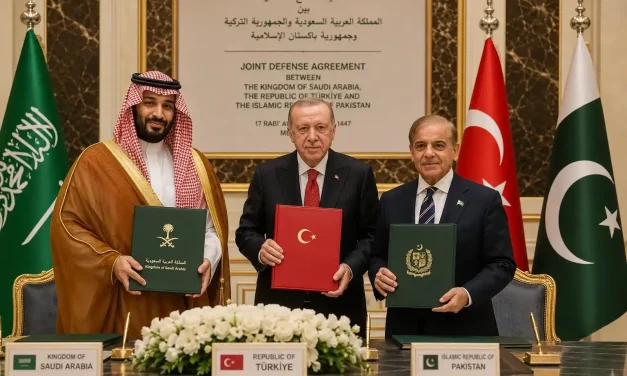
The Makkah Pact; Reasons for its Formation and Challenges Ahead

SCFR Online – Opinion: The Makkah Pact, signed between Saudi Arabia, Pakistan, and Turkey under the motto “an attack on one is an attack on all,” is viewed by some analysts less as a full-fledged military coalition and more as an attempt to reduce security dependence on an external power and to establish a regional security mechanism.
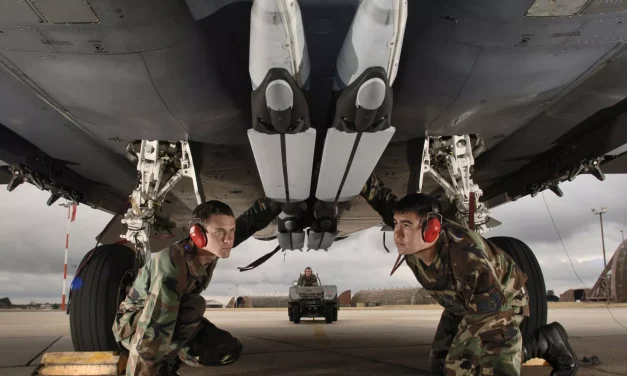
Implications of the US-Saudi Nuclear Agreement

SCFR Online – Opinion: The new US-Saudi nuclear agreement, despite legal and political ambiguities, could alter previous non-proliferation standards in West Asia and intensify nuclear competition, ushering it into a new phase.

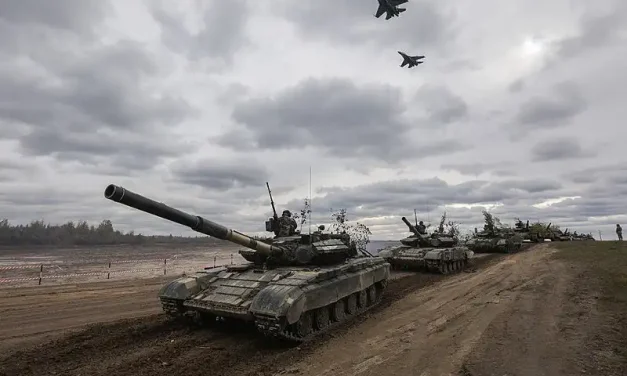
An Analysis of Recent Turkey-Israeli Regime Tensions

SCFR Online – Opinion: Recent developments in Syria indicate an intensification of strategic rivalry between Turkey and the Israeli regime, but mutual considerations and the role of the United States have limited the likelihood of direct war.

Increasing criticism of the extensive Zionist lobby network

SCFR Online – Opinion: An examination of the mechanisms of the Israeli regime’s influence in the United States depicts a complex picture of shared interests, strategic dependencies, and the limitations of this relationship.

Realities of the Tripartite Makkah Pact

SCFR Online – Interview: The signing of the Makkah agreement between Saudi Arabia, Pakistan, and Turkey has raised questions about the future of the region’s security structure and the position of these countries in West Asian equations. Can this agreement become a genuine collective defense mechanism, or does it have more of a political and deterrent function than creating new military capacity?

Strategic Implications of the Reduction of US Weapons Stockpiles

SCFR Online – Opinion: The continuation of the US war against Iran, in addition to increasing operational costs, has called into question the actual capacity of the American arsenal to simultaneously fulfill security commitments on multiple fronts; an issue that affects deterrence, defense production capacity, and Washington’s resource prioritization.

The Formation of a New Order in Relations Between Powers

SCFR Online – Opinion: The Russia-Ukraine war and the war of the United States and the Israeli regime against Iran have been formed with different objectives and actors, but field and political developments indicate that they are not entirely separate from one another.

Loading

Top News

Lebanese Parliamentary Election & Political Perspective Ahead

Lebanese Parliamentary Election & Political Perspective Ahead

Strategic Council Online – Interview: The expert of West Asia affairs commented about the recent parliamentary election of Lebanon and its results:” the results obtained was in a way that no party managed to win the majority of the parliament. It means the lists of Resistance Coalition groups gained about 58 to 59 seats and the other party that is in line with the West – Arab axis gained nearly 41 to 45 seats. Amid this, independent groups and individuals also won 128 seats”.

Perspective of the U.S. Strategy to Confront China

Perspective of the U.S. Strategy to Confront China

Having stated that the U.S. would like to have clash in the peripheral and strategic depth of China, an expert of the international issues said:” in the meantime, the U.S. follows up the decline of China’s competition capability in all fields and the competition will, certainly, turn to a hostility”.

Causes & Consequences of China & Russia Confrontation versus the U.S. on Resolution against North Korea

Causes & Consequences of China & Russia Confrontation versus the U.S. on Resolution against North Korea

Strategic Council Online – Interview: An expert of international issues mentioned the reason why Russia and China did not accompany the West on North Korea’s ballistic and nuclear missiles because of security balance considerations and balance of power versus the West and said:” new circumstances in international system caused Russia and China to strategically distance from some of their principles”.

Objectives, Message of North Korea’s Intensified Missile Tests

Objectives, Message of North Korea’s Intensified Missile Tests

Strategic Council Online – Opinion: Following Joe Biden’s recent visit to Asia, North Korea conducted three missile tests on May 24, which observers say included two short-range ballistic missiles and one intercontinental missile. The tests are considered as the seventeenth round of tests in that country in 2022. The latest intercontinental ballistic missile test, if confirmed, is the second since March. Such developments show that North Korea is breaking away from the “self-imposed suspension” from 2018.
Mohammad Javad Ghahremani – Expert on Asia affairs

Prospects of UAE-Zionist Regime Free Trade Agreement

Prospects of UAE-Zionist Regime Free Trade Agreement

Strategic Council Online – Interview: An expert on the Middle East affairs commenting on the signing of a free trade agreement between the Zionist regime and the UAE, which covers 96 percent of trade volume between the two sides, said: The purpose of such contacts under the economic banner is to create a Hebrew-Arab coalition in the region and because the borders of the Axis of Resistance have expanded to the borders of the Occupied Territories and pose security risks to Tel Aviv, the regime is trying to change this balance of power in its own favor through political and security ties with the UAE, Bahrain and even Morocco.

Europe’s Defense Independence in Coma

Europe’s Defense Independence in Coma

Strategic Council Online – Interview: An expert on Europe affairs said that the Ukraine war was entirely in NATO’s favor and in favor of reviving the US hegemony at the expense of Europe, adding: Given that Europe has numerous immediate economic and security challenges and is faced with the dreadful prospect of a significant drop in Russian gas exports and high energy prices, the possibility of moving towards mechanisms for defense independence has been brought severely under questioned.

New Step taken by Iraqi Parliament against Normalizing of Relations with the Zionist Regime

New Step taken by Iraqi Parliament against Normalizing of Relations with the Zionist Regime

Strategic Council Online – Interview: An expert of the Middle East issues commented on the recent measure taken by the Iraqi parliament that has passed a bill which makes it a crime to normalize ties with the Zionist regime and said:” While it was very important for the Zionist regime to have Iraq joining those countries that have already normalized their relations with the regime, but today, we witness that contrary to the will of Tel Aviv, Iraqi parliament has passed the bill”.

New Round of Turkey – Greece Tension

New Round of Turkey – Greece Tension

Strategic Council Online – Opinion: Following Turkey’s decision to cut off any negotiations with Greece, the conservative Greek government is preparing for the next steps in the conflict with Ankara. The Greek side is trying to raise the issue of “challenge generation and agressivity” of Turkey at the next EU summit to be held in 23-24 of the current month.
Mahmoud Fazeli – International affairs analyst

Dimensions of Escalated Turkey – NATO Differences

Dimensions of Escalated Turkey – NATO Differences

Strategic Council Online – Opinion: Turkish President Recep Tayyip Erdogan, while stating that Finland and Sweden, in order to join NATO should not bother themselves to send delegations to Ankara with an aim of convincing Turkey, expressed his explicit opposition to the two Scandinavian countries joining NATO. Meanwhile, Sweden and Finland, citing Russia’s invasion of Ukraine, have recently stated that they are determined to end their centuries-old non-military commitment and join NATO.
Pouria Nabipour – PhD in political science and international relations

Objectives and consequences of new Turkish military movements in Syria

Objectives and consequences of new Turkish military movements in Syria

Strategic Council Online—Opinion: One of the most important consequences of the prolongation of the Russian conflict in Ukraine and the erosion of this war in Europe is the impact on the extent and manner of Russia’s military presence in the Middle East and, most importantly, in Syria. Russia has to deploy a large part of its forces and military base in Syria to support its forces in Ukraine, and in this case, the vacuum of Russia’s presence in crisis-stricken Syria will allow new conflicts to arise between ambitious actors, including Turkey.
Ali Saadtazar-Director of Turkey Department, Encyclopedia of Contemporary Islam

ÚLTIMAS PUBLICACIONES

The Makkah Pact; Reasons for its Formation and Challenges Ahead

SCFR Online – Opinion: The Makkah Pact, signed between Saudi Arabia, Pakistan, and Turkey under the motto “an attack on one is an attack on all,” is viewed by some analysts less as a full-fledged military coalition and more as an attempt to reduce security dependence on an external power and to establish a regional security mechanism.
Implications of the US-Saudi Nuclear Agreement

SCFR Online – Opinion: The new US-Saudi nuclear agreement, despite legal and political ambiguities, could alter previous non-proliferation standards in West Asia and intensify nuclear competition, ushering it into a new phase.

An Analysis of Recent Turkey-Israeli Regime Tensions

SCFR Online – Opinion: Recent developments in Syria indicate an intensification of strategic rivalry between Turkey and the Israeli regime, but mutual considerations and the role of the United States have limited the likelihood of direct war.

Increasing criticism of the extensive Zionist lobby network

SCFR Online – Opinion: An examination of the mechanisms of the Israeli regime’s influence in the United States depicts a complex picture of shared interests, strategic dependencies, and the limitations of this relationship.

Realities of the Tripartite Makkah Pact

SCFR Online – Interview: The signing of the Makkah agreement between Saudi Arabia, Pakistan, and Turkey has raised questions about the future of the region’s security structure and the position of these countries in West Asian equations. Can this agreement become a genuine collective defense mechanism, or does it have more of a political and deterrent function than creating new military capacity?

Strategic Implications of the Reduction of US Weapons Stockpiles

SCFR Online – Opinion: The continuation of the US war against Iran, in addition to increasing operational costs, has called into question the actual capacity of the American arsenal to simultaneously fulfill security commitments on multiple fronts; an issue that affects deterrence, defense production capacity, and Washington’s resource prioritization.

The Formation of a New Order in Relations Between Powers

SCFR Online – Opinion: The Russia-Ukraine war and the war of the United States and the Israeli regime against Iran have been formed with different objectives and actors, but field and political developments indicate that they are not entirely separate from one another.

Loading

Top News

Lebanese Parliamentary Election & Political Perspective Ahead

Lebanese Parliamentary Election & Political Perspective Ahead

Strategic Council Online – Interview: The expert of West Asia affairs commented about the recent parliamentary election of Lebanon and its results:” the results obtained was in a way that no party managed to win the majority of the parliament. It means the lists of Resistance Coalition groups gained about 58 to 59 seats and the other party that is in line with the West – Arab axis gained nearly 41 to 45 seats. Amid this, independent groups and individuals also won 128 seats”.

Perspective of the U.S. Strategy to Confront China

Perspective of the U.S. Strategy to Confront China

Having stated that the U.S. would like to have clash in the peripheral and strategic depth of China, an expert of the international issues said:” in the meantime, the U.S. follows up the decline of China’s competition capability in all fields and the competition will, certainly, turn to a hostility”.

Causes & Consequences of China & Russia Confrontation versus the U.S. on Resolution against North Korea

Causes & Consequences of China & Russia Confrontation versus the U.S. on Resolution against North Korea

Strategic Council Online – Interview: An expert of international issues mentioned the reason why Russia and China did not accompany the West on North Korea’s ballistic and nuclear missiles because of security balance considerations and balance of power versus the West and said:” new circumstances in international system caused Russia and China to strategically distance from some of their principles”.

Objectives, Message of North Korea’s Intensified Missile Tests

Objectives, Message of North Korea’s Intensified Missile Tests

Strategic Council Online – Opinion: Following Joe Biden’s recent visit to Asia, North Korea conducted three missile tests on May 24, which observers say included two short-range ballistic missiles and one intercontinental missile. The tests are considered as the seventeenth round of tests in that country in 2022. The latest intercontinental ballistic missile test, if confirmed, is the second since March. Such developments show that North Korea is breaking away from the “self-imposed suspension” from 2018.
Mohammad Javad Ghahremani – Expert on Asia affairs

Prospects of UAE-Zionist Regime Free Trade Agreement

Prospects of UAE-Zionist Regime Free Trade Agreement

Strategic Council Online – Interview: An expert on the Middle East affairs commenting on the signing of a free trade agreement between the Zionist regime and the UAE, which covers 96 percent of trade volume between the two sides, said: The purpose of such contacts under the economic banner is to create a Hebrew-Arab coalition in the region and because the borders of the Axis of Resistance have expanded to the borders of the Occupied Territories and pose security risks to Tel Aviv, the regime is trying to change this balance of power in its own favor through political and security ties with the UAE, Bahrain and even Morocco.

Europe’s Defense Independence in Coma

Europe’s Defense Independence in Coma

Strategic Council Online – Interview: An expert on Europe affairs said that the Ukraine war was entirely in NATO’s favor and in favor of reviving the US hegemony at the expense of Europe, adding: Given that Europe has numerous immediate economic and security challenges and is faced with the dreadful prospect of a significant drop in Russian gas exports and high energy prices, the possibility of moving towards mechanisms for defense independence has been brought severely under questioned.

New Step taken by Iraqi Parliament against Normalizing of Relations with the Zionist Regime

New Step taken by Iraqi Parliament against Normalizing of Relations with the Zionist Regime

Strategic Council Online – Interview: An expert of the Middle East issues commented on the recent measure taken by the Iraqi parliament that has passed a bill which makes it a crime to normalize ties with the Zionist regime and said:” While it was very important for the Zionist regime to have Iraq joining those countries that have already normalized their relations with the regime, but today, we witness that contrary to the will of Tel Aviv, Iraqi parliament has passed the bill”.

New Round of Turkey – Greece Tension

New Round of Turkey – Greece Tension

Strategic Council Online – Opinion: Following Turkey’s decision to cut off any negotiations with Greece, the conservative Greek government is preparing for the next steps in the conflict with Ankara. The Greek side is trying to raise the issue of “challenge generation and agressivity” of Turkey at the next EU summit to be held in 23-24 of the current month.
Mahmoud Fazeli – International affairs analyst

Dimensions of Escalated Turkey – NATO Differences

Dimensions of Escalated Turkey – NATO Differences

Strategic Council Online – Opinion: Turkish President Recep Tayyip Erdogan, while stating that Finland and Sweden, in order to join NATO should not bother themselves to send delegations to Ankara with an aim of convincing Turkey, expressed his explicit opposition to the two Scandinavian countries joining NATO. Meanwhile, Sweden and Finland, citing Russia’s invasion of Ukraine, have recently stated that they are determined to end their centuries-old non-military commitment and join NATO.
Pouria Nabipour – PhD in political science and international relations

Objectives and consequences of new Turkish military movements in Syria

Objectives and consequences of new Turkish military movements in Syria

Strategic Council Online—Opinion: One of the most important consequences of the prolongation of the Russian conflict in Ukraine and the erosion of this war in Europe is the impact on the extent and manner of Russia’s military presence in the Middle East and, most importantly, in Syria. Russia has to deploy a large part of its forces and military base in Syria to support its forces in Ukraine, and in this case, the vacuum of Russia’s presence in crisis-stricken Syria will allow new conflicts to arise between ambitious actors, including Turkey.
Ali Saadtazar-Director of Turkey Department, Encyclopedia of Contemporary Islam

ÚLTIMAS PUBLICACIONES

The Makkah Pact; Reasons for its Formation and Challenges Ahead

SCFR Online – Opinion: The Makkah Pact, signed between Saudi Arabia, Pakistan, and Turkey under the motto “an attack on one is an attack on all,” is viewed by some analysts less as a full-fledged military coalition and more as an attempt to reduce security dependence on an external power and to establish a regional security mechanism.
Implications of the US-Saudi Nuclear Agreement

SCFR Online – Opinion: The new US-Saudi nuclear agreement, despite legal and political ambiguities, could alter previous non-proliferation standards in West Asia and intensify nuclear competition, ushering it into a new phase.

An Analysis of Recent Turkey-Israeli Regime Tensions

SCFR Online – Opinion: Recent developments in Syria indicate an intensification of strategic rivalry between Turkey and the Israeli regime, but mutual considerations and the role of the United States have limited the likelihood of direct war.

Increasing criticism of the extensive Zionist lobby network

SCFR Online – Opinion: An examination of the mechanisms of the Israeli regime’s influence in the United States depicts a complex picture of shared interests, strategic dependencies, and the limitations of this relationship.

Realities of the Tripartite Makkah Pact

SCFR Online – Interview: The signing of the Makkah agreement between Saudi Arabia, Pakistan, and Turkey has raised questions about the future of the region’s security structure and the position of these countries in West Asian equations. Can this agreement become a genuine collective defense mechanism, or does it have more of a political and deterrent function than creating new military capacity?

Strategic Implications of the Reduction of US Weapons Stockpiles

SCFR Online – Opinion: The continuation of the US war against Iran, in addition to increasing operational costs, has called into question the actual capacity of the American arsenal to simultaneously fulfill security commitments on multiple fronts; an issue that affects deterrence, defense production capacity, and Washington’s resource prioritization.

The Formation of a New Order in Relations Between Powers

SCFR Online – Opinion: The Russia-Ukraine war and the war of the United States and the Israeli regime against Iran have been formed with different objectives and actors, but field and political developments indicate that they are not entirely separate from one another.

Loading

Top News

Lebanese Parliamentary Election & Political Perspective Ahead

Lebanese Parliamentary Election & Political Perspective Ahead

Strategic Council Online – Interview: The expert of West Asia affairs commented about the recent parliamentary election of Lebanon and its results:” the results obtained was in a way that no party managed to win the majority of the parliament. It means the lists of Resistance Coalition groups gained about 58 to 59 seats and the other party that is in line with the West – Arab axis gained nearly 41 to 45 seats. Amid this, independent groups and individuals also won 128 seats”.

Perspective of the U.S. Strategy to Confront China

Perspective of the U.S. Strategy to Confront China

Having stated that the U.S. would like to have clash in the peripheral and strategic depth of China, an expert of the international issues said:” in the meantime, the U.S. follows up the decline of China’s competition capability in all fields and the competition will, certainly, turn to a hostility”.

Causes & Consequences of China & Russia Confrontation versus the U.S. on Resolution against North Korea

Causes & Consequences of China & Russia Confrontation versus the U.S. on Resolution against North Korea

Strategic Council Online – Interview: An expert of international issues mentioned the reason why Russia and China did not accompany the West on North Korea’s ballistic and nuclear missiles because of security balance considerations and balance of power versus the West and said:” new circumstances in international system caused Russia and China to strategically distance from some of their principles”.

Objectives, Message of North Korea’s Intensified Missile Tests

Objectives, Message of North Korea’s Intensified Missile Tests

Strategic Council Online – Opinion: Following Joe Biden’s recent visit to Asia, North Korea conducted three missile tests on May 24, which observers say included two short-range ballistic missiles and one intercontinental missile. The tests are considered as the seventeenth round of tests in that country in 2022. The latest intercontinental ballistic missile test, if confirmed, is the second since March. Such developments show that North Korea is breaking away from the “self-imposed suspension” from 2018.
Mohammad Javad Ghahremani – Expert on Asia affairs

Prospects of UAE-Zionist Regime Free Trade Agreement

Prospects of UAE-Zionist Regime Free Trade Agreement

Strategic Council Online – Interview: An expert on the Middle East affairs commenting on the signing of a free trade agreement between the Zionist regime and the UAE, which covers 96 percent of trade volume between the two sides, said: The purpose of such contacts under the economic banner is to create a Hebrew-Arab coalition in the region and because the borders of the Axis of Resistance have expanded to the borders of the Occupied Territories and pose security risks to Tel Aviv, the regime is trying to change this balance of power in its own favor through political and security ties with the UAE, Bahrain and even Morocco.

Europe’s Defense Independence in Coma

Europe’s Defense Independence in Coma

Strategic Council Online – Interview: An expert on Europe affairs said that the Ukraine war was entirely in NATO’s favor and in favor of reviving the US hegemony at the expense of Europe, adding: Given that Europe has numerous immediate economic and security challenges and is faced with the dreadful prospect of a significant drop in Russian gas exports and high energy prices, the possibility of moving towards mechanisms for defense independence has been brought severely under questioned.

New Step taken by Iraqi Parliament against Normalizing of Relations with the Zionist Regime

New Step taken by Iraqi Parliament against Normalizing of Relations with the Zionist Regime

Strategic Council Online – Interview: An expert of the Middle East issues commented on the recent measure taken by the Iraqi parliament that has passed a bill which makes it a crime to normalize ties with the Zionist regime and said:” While it was very important for the Zionist regime to have Iraq joining those countries that have already normalized their relations with the regime, but today, we witness that contrary to the will of Tel Aviv, Iraqi parliament has passed the bill”.

New Round of Turkey – Greece Tension

New Round of Turkey – Greece Tension

Strategic Council Online – Opinion: Following Turkey’s decision to cut off any negotiations with Greece, the conservative Greek government is preparing for the next steps in the conflict with Ankara. The Greek side is trying to raise the issue of “challenge generation and agressivity” of Turkey at the next EU summit to be held in 23-24 of the current month.
Mahmoud Fazeli – International affairs analyst

Dimensions of Escalated Turkey – NATO Differences

Dimensions of Escalated Turkey – NATO Differences

Strategic Council Online – Opinion: Turkish President Recep Tayyip Erdogan, while stating that Finland and Sweden, in order to join NATO should not bother themselves to send delegations to Ankara with an aim of convincing Turkey, expressed his explicit opposition to the two Scandinavian countries joining NATO. Meanwhile, Sweden and Finland, citing Russia’s invasion of Ukraine, have recently stated that they are determined to end their centuries-old non-military commitment and join NATO.
Pouria Nabipour – PhD in political science and international relations

Objectives and consequences of new Turkish military movements in Syria

Objectives and consequences of new Turkish military movements in Syria

Strategic Council Online—Opinion: One of the most important consequences of the prolongation of the Russian conflict in Ukraine and the erosion of this war in Europe is the impact on the extent and manner of Russia’s military presence in the Middle East and, most importantly, in Syria. Russia has to deploy a large part of its forces and military base in Syria to support its forces in Ukraine, and in this case, the vacuum of Russia’s presence in crisis-stricken Syria will allow new conflicts to arise between ambitious actors, including Turkey.
Ali Saadtazar-Director of Turkey Department, Encyclopedia of Contemporary Islam

ÚLTIMAS PUBLICACIONES

The Makkah Pact; Reasons for its Formation and Challenges Ahead

SCFR Online – Opinion: The Makkah Pact, signed between Saudi Arabia, Pakistan, and Turkey under the motto “an attack on one is an attack on all,” is viewed by some analysts less as a full-fledged military coalition and more as an attempt to reduce security dependence on an external power and to establish a regional security mechanism.

Implications of the US-Saudi Nuclear Agreement

SCFR Online – Opinion: The new US-Saudi nuclear agreement, despite legal and political ambiguities, could alter previous non-proliferation standards in West Asia and intensify nuclear competition, ushering it into a new phase.

An Analysis of Recent Turkey-Israeli Regime Tensions

SCFR Online – Opinion: Recent developments in Syria indicate an intensification of strategic rivalry between Turkey and the Israeli regime, but mutual considerations and the role of the United States have limited the likelihood of direct war.

Increasing criticism of the extensive Zionist lobby network

SCFR Online – Opinion: An examination of the mechanisms of the Israeli regime’s influence in the United States depicts a complex picture of shared interests, strategic dependencies, and the limitations of this relationship.

Realities of the Tripartite Makkah Pact

SCFR Online – Interview: The signing of the Makkah agreement between Saudi Arabia, Pakistan, and Turkey has raised questions about the future of the region’s security structure and the position of these countries in West Asian equations. Can this agreement become a genuine collective defense mechanism, or does it have more of a political and deterrent function than creating new military capacity?

Strategic Implications of the Reduction of US Weapons Stockpiles

SCFR Online – Opinion: The continuation of the US war against Iran, in addition to increasing operational costs, has called into question the actual capacity of the American arsenal to simultaneously fulfill security commitments on multiple fronts; an issue that affects deterrence, defense production capacity, and Washington’s resource prioritization.

The Formation of a New Order in Relations Between Powers

SCFR Online – Opinion: The Russia-Ukraine war and the war of the United States and the Israeli regime against Iran have been formed with different objectives and actors, but field and political developments indicate that they are not entirely separate from one another.

Loading